

Free Ngchelobel Travel Guide & Mobile App
Explore Ngchelobel with free travel guides. Discover regional history, expert tips, proposed trips, and audio guides on web or mobile app.


Explore Ngchelobel in Palau’s Rock Islands for quiet limestone scenery, clear lagoons, reef wildlife and responsible boat-based adventures.
Read more about Ngchelobel
When is the best time to visit Ngchelobel?
Best: March–May · 32°C| Month | High (°C) | Rainfall (mm) |
|---|---|---|
| January | 31 | 250 |
| February | 31 | 230 |
| March (best) | 32 | 200 |
| April (best) | 32 | 190 |
| May (best) | 32 | 200 |
| June | 32 | 210 |
| July | 32 | 220 |
| August | 32 | 230 |
| September | 32 | 240 |
| October | 32 | 250 |
| November | 31 | 260 |
| December | 31 | 270 |
Getting to and around Ngchelobel
How to get there
Transportation
Best attractions in Ngchelobel
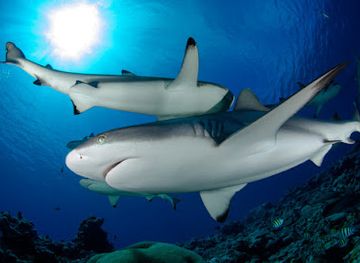
Ngchelobel’s attractions are primarily natural and marine, experienced as part of a boat journey through Palau’s Rock Islands. Forested limestone islets, sheltered channels, reef flats and clear lagoons provide opportunities for snorkelling, swimming, photography, wildlife observation and quiet exploration from the water. Depending on conditions and the operator’s plan, excursions may combine the island with kayaking or visits to other permitted coves and beaches in the southern lagoon. The attraction is the relationship between the elements: steep limestone sides, tropical vegetation, shallow coral gardens and open stretches of cobalt water. There are no conventional museums, amusement parks, restaurants or developed walking trails on Ngchelobel itself. Visitors should also understand that famous Rock Islands experiences are dispersed rather than concentrated at one site, and access can be limited by conservation rules, tides and weather. The best trips balance recreation with interpretation, allowing guides to explain marine habitats, traditional navigation and the responsibilities attached to travelling through a protected cultural landscape.
-
Dive shop
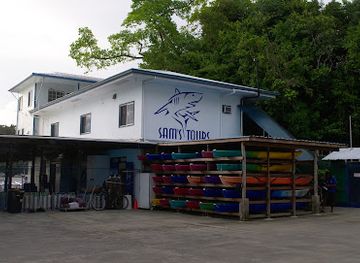
Sam's Tours Palau
Discover stunning underwater adventures and local flavors at Sam's Tours Palau, your ultimate dive shop and tour operator in Koror, Palau.
-
SCUBA tour agency
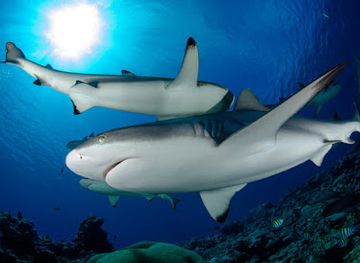
Fish 'n Fins Palau
Explore the vibrant underwater world of Palau with Fish 'n Fins, your premier scuba tour agency for unforgettable diving adventures.
-
Dive shop
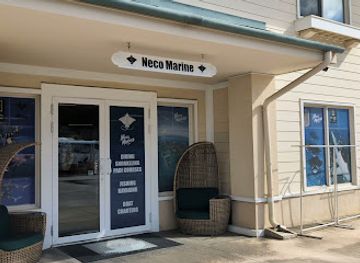
Neco Marine Palau
Explore the underwater treasures of Palau with Neco Marine, offering unforgettable diving, fishing, and sightseeing experiences in a tropical paradise.
-
Travel agency
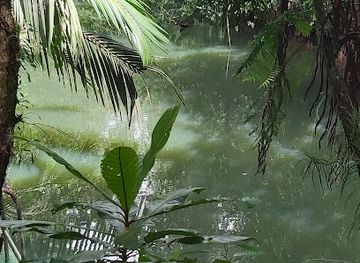
Jungle River Boat Tours
Discover Ngchesar's vibrant jungles and serene rivers with Jungle River Boat Tours, a thrilling adventure for nature lovers in Palau.
Best landmarks in Ngchelobel
Ngchelobel itself is a natural landmark rather than a built monument. Its significance comes from its position within the Rock Islands’ distinctive field of uplifted limestone islets, where steep forested sides rise directly from a shallow tropical lagoon. The surrounding Rock Islands Southern Lagoon forms the principal geographic and cultural landmark associated with a visit, and its UNESCO World Heritage status recognises both geological character and long interaction between Palauan communities and the sea. The island’s cliffs, channels and reef margins are visually important but should be observed without climbing unstable faces, entering restricted areas or damaging coral. Unlike Palau’s populated islands, Ngchelobel has no prominent church, fort, government building or urban centre to visit. Its landmark value lies in the intact relationship between limestone, vegetation and navigable water, and in the way the scenery reveals why the southern lagoon has become one of Palau’s defining national landscapes.
-
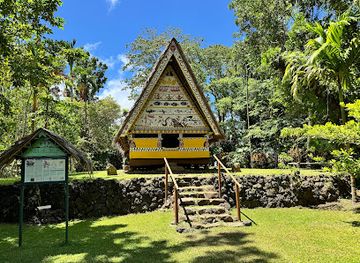
National museum
Belau National Museum
Explore the rich history and vibrant culture of Palau at the Belau National Museum, a must-visit for every traveler.
-
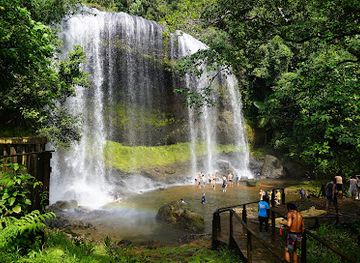
Tourist attraction
Ngardmau Waterfalls
Explore the breathtaking Ngardmau Waterfalls in Palau, a natural paradise perfect for adventure seekers and nature lovers alike, surrounded by lush greenery.
-
Dive shop
Palau Dive Adventures
Explore stunning dive sites and vibrant marine life at Palau Dive Adventures, the premier dive shop in Koror, Palau.
-
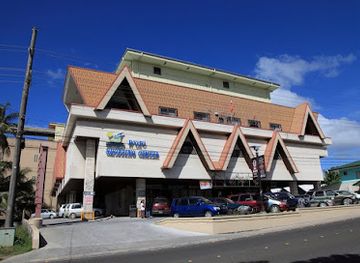
Shopping mall
WCTC Shopping Center
Explore the vibrant WCTC Shopping Center in Medalaii, where shopping meets the charm of Palauan culture and cuisine.
Explore Ngchelobel on the map
Plan your trip on one map. See where the top cities, national parks and sights are, and book hotels and experiences in a few clicks.
Best hotels in Ngchelobel
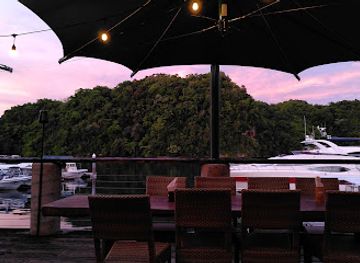
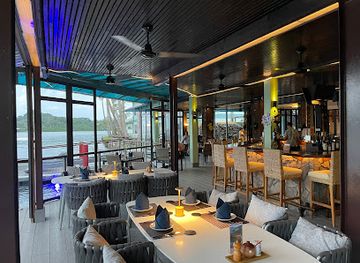
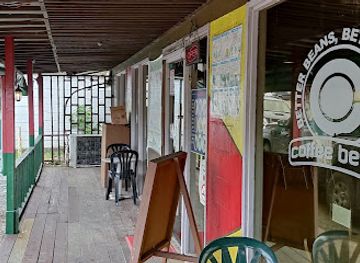
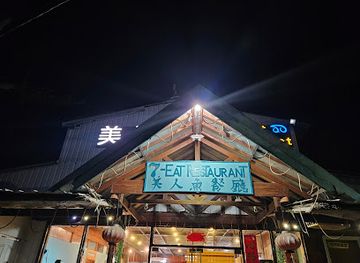
Best restaurants in Ngchelobel
Ngchelobel has no restaurants or food outlets, so meals and drinking water must be arranged before leaving Koror. A boat excursion may include a packed meal, but this should be confirmed in advance rather than assumed. Dining connected with the area is therefore based in Koror, where visitors can find Palauan and broader Pacific cooking alongside Asian and international cuisines. Regional ingredients commonly encountered in Palau include reef and offshore fish, shellfish, taro, cassava, sweet potato, coconut and tropical fruit, although menus vary by season and establishment. Local markets and shops can be useful for assembling provisions for a day on the water, subject to the operator’s rules about packaging and waste. Take all rubbish back to the mainland and avoid single-use items where practical. Food traditions reflect Palau’s own island heritage as well as historical and contemporary contact with Micronesian, Japanese, Filipino and American influences.
-
Restaurant
Drop Off Bar and Grill
Experience the vibrant flavors of Palau at Drop Off Bar and Grill - where delicious seafood meets warm hospitality in the heart of Koror.
-
Fine Dining
Elilai Seaside Dining
Discover exquisite flavors and stunning ocean views at Elilai Seaside Dining in Koror, Palau's premier fine dining destination.
-
Country food restaurant
Coffee Berry
Discover authentic Palauan cuisine at Coffee Berry – where local flavors meet warm hospitality in Koror.
-
Restaurant
7 Eat Restaurant
Discover authentic Palauan cuisine at 7 Eat Restaurant in Koror—where every dish tells a story of culture and flavor.
Best bars in Ngchelobel
There is no nightlife on Ngchelobel: after a boat excursion, visitors return to Koror or their accommodation elsewhere in Palau. Evening life is concentrated in Koror and is generally relaxed rather than built around a large club district. Visitors can find hotel bars, casual drinking places, restaurants and occasional live entertainment, while the island’s wider evening culture is better represented by conversation, seafood meals and a slow pace than by late-night venues. Palauan beer and imported drinks are available in established businesses, but alcohol should not be taken onto protected islands unless the operator expressly permits it. Because boat trips often begin early and weather can affect schedules, a quiet evening in Koror is often the practical complement to a day exploring the lagoon. Check current arrangements locally, as commercial venues and entertainment programmes can change.
-
 Resort hotel
Palau Royal Resort
Luxury and adventure await at Palau Royal Resort, your gateway to the stunning islands of Palau.
-
Hotel
Palau Pacific Resort
Experience the lush beauty and luxury of Palau Pacific Resort, where breathtaking views and unforgettable adventures await every traveler.
-
Restaurant
Drop Off Bar and Grill
Discover the flavors of Palau at Drop Off Bar and Grill, a must-visit culinary destination in Koror offering fresh, local dishes in a relaxing atmosphere.
-
Restaurant
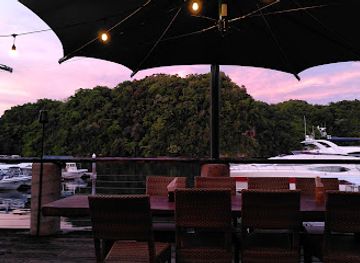
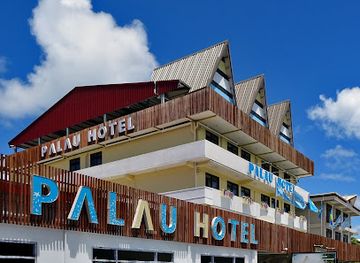
Palau Hotel
Discover the exceptional dining experience at Palau Hotel, where local flavors meet international cuisine in a stunning tropical setting.
Best nightclubs in Ngchelobel
There is no nightlife on Ngchelobel: after a boat excursion, visitors return to Koror or their accommodation elsewhere in Palau. Evening life is concentrated in Koror and is generally relaxed rather than built around a large club district. Visitors can find hotel bars, casual drinking places, restaurants and occasional live entertainment, while the island’s wider evening culture is better represented by conversation, seafood meals and a slow pace than by late-night venues. Palauan beer and imported drinks are available in established businesses, but alcohol should not be taken onto protected islands unless the operator expressly permits it. Because boat trips often begin early and weather can affect schedules, a quiet evening in Koror is often the practical complement to a day exploring the lagoon. Check current arrangements locally, as commercial venues and entertainment programmes can change.
-
Restaurant
The Canoe House
Experience the vibrant flavors and lively atmosphere at The Canoe House, the ultimate dining destination in Palau with delicious food and entertainment.
-
Bar
Club Gorgeous
Experience the vibrant nightlife of Koror at Club Gorgeous, where local culture meets an unforgettable bar atmosphere.
-
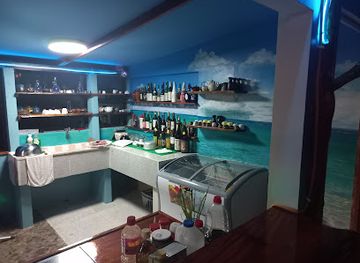
Bar
Zeus Bar
Experience the vibrant nightlife at Zeus Bar in Koror, where refreshing cocktails and a lively atmosphere await every night.
-
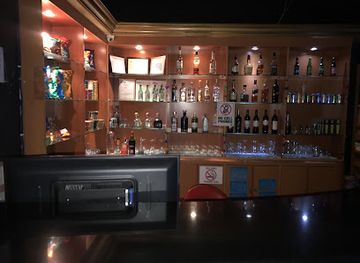
Grill
Peleliu Club
Discover the flavors of Palau at Peleliu Club, where delicious grilled dishes meet the island's vibrant culture.

Best shops in Ngchelobel
Ngchelobel has no shops, markets or craft outlets. Shopping connected with a visit takes place in Koror, where visitors can look for Palauan handicrafts, locally themed artwork, books, clothing, jewellery and packaged food products. Traditional or traditional-inspired items should be bought from reputable sellers, with attention to materials and any restrictions governing the export of shells, coral, wildlife products or archaeological objects. Small shops and galleries may offer storyboards, carvings, woven goods and other work reflecting Palauan culture, although stock and provenance vary. Practical purchases for a boat day include reusable water containers, sun protection, dry bags and modest snacks, all of which should be secured before departure. Avoid treating coral, shells, stones or pieces of the island as souvenirs: removing natural or cultural material is inappropriate and may be illegal within protected areas.
-
Resort hotel
Palau Royal Resort
Discover luxury and breathtaking beauty at Palau Royal Resort, your perfect tropical getaway in the heart of Koror, Palau.
-
Hotel
Palau Pacific Resort
Experience luxury and adventure at Palau Pacific Resort, the premier destination for relaxation and exploration in the heart of the Pacific.
-
Hotel
Palau Hotel
Discover elegance and comfort at Palau Hotel, your gateway to exploring the wonders of Palau's natural beauty and rich culture.
-
SCUBA tour agency
Fish 'n Fins Palau
Experience the underwater marvels of Palau with Fish 'n Fins, your premier scuba diving agency for adventure sports and unforgettable marine exploration.
Get your free copy of our complete guide to Ngchelobel, delivered straight to you.
Everything on this page, from attractions and restaurants to essentials and local phrases, in one PDF you can read offline, print or share.
Already have an account? Sign in
Your Ngchelobel guide is ready.
We'll send it to · Not you? Sign out

Getting your guide ready…
We are putting together a fresh copy of the Ngchelobel guide. This can take up to a minute.
This can take a few moments. If your browser asks, choose Allow so the download can start. You'll find the guide in your Downloads folder.
Nothing happened? Download it again
Sorry, the guide is taking longer than usual. Please try again in a minute, or get it by email instead.
Ngchelobel essentials
Currency and Payment
Safety
Emergency Situations
Do's and Don'ts
Local Tips
From Eve
Local phrases worth knowing
You don't need to get them perfect. A few words go a long way, and locals appreciate the effort.
Basics
| English | Local | Say it |
|---|---|---|
| Hello | Alii | [ah-lee] |
| Goodbye | Kemedel | [keh-meh-del] |
| Yes | Nge | [ngeh] |
| No | Ngak | [ngahk] |
| Please/You're welcome | Mecheriik | [meh-cheh-reek] |
| Thank you | Kalahngan | [kah-lahng-ahn] |
| Excuse me/Sorry | Chad a chad | [chahd ah chahd] |
| How are you? | Ng diak a chad? | [ng dee-ahk ah chahd] |
| Fine. And you? | Ng diak. A chad? | [ng dee-ahk. ah chahd?] |
| Do you speak English? | Uchek a chad in English? | [oo-chek ah chahd in English?] |
| I don't understand | Umech a chad | [oo-mehch ah chahd] |
Eating & Drinking
| English | Local | Say it |
|---|---|---|
| I'd like to see the menu, please | Chad a mla a menu, mecheriik | [chahd ah mlah ah meh-noo, meh-cheh-reek] |
| I don't eat meat | Umech a chad a ngercheb | [oo-mehch ah chahd ah nger-cheb] |
| Cheers! | Ong diak! | [ong dee-ahk!] |
| I would like to pay, please | Chad a mla a chelm, mecheriik | [chahd ah mlah ah chelm, meh-cheh-reek] |
Emergencies
| English | Local | Say it |
|---|---|---|
| Help! | Ong! | [ong!] |
| Go away! | Ngei a ched! | [ngei ah ched!] |
| Call the Police! | Chad a chad a Police! | [chahd ah chahd ah po-lees!] |
| Call a doctor! | Chad a chad a doctor! | [chahd ah chahd ah dok-tor!] |
| I'm lost | Ng diak a chad a ngak | [ng dee-ahk ah chahd ah ngahk] |
| I'm ill | Ng diak a chad a ngereker | [ng dee-ahk ah chahd ah nge-reh-ker] |
Shopping
| English | Local | Say it |
|---|---|---|
| I'd like to buy... | Chad a mla a sel, ... | [chahd ah mlah ah sel, ...] |
| I'm just looking | Ng diak a chad a ngaru | [ng dee-ahk ah chahd ah ngah-roo] |
| How much is it? | Ong diak a chad? | [ong dee-ahk ah chahd?] |
| That's too expensive | Kek a chad a raitai | [keh-k ah chahd ah rai-tai] |
| Can you lower the price? | Uchek a chad a ngara a raitai? | [oo-chek ah chahd ah ngah-rah ah rai-tai?] |
Time & Numbers
| English | Local | Say it |
|---|---|---|
| What time is it? | Ong diak a chad? | [ong dee-ahk ah chahd?] |
| It's one o'clock | Ong a chad a mla | [ong ah chahd ah mlah] |
| Half past (10) | Oseng a (10) | [oh-seng ah (10)] |
| Morning | Chad a mla | [chahd ah mlah] |
| Afternoon | Chad a ngii | [chahd ah ngee] |
| Evening | Chad a chelt | [chahd ah chelt] |
| Yesterday | Chad a ngii a chelt | [chahd ah ngee ah chelt] |
| Today | Chad a ngii | [chahd ah ngee] |
| Tomorrow | Chad a ngii a ched | [chahd ah ngee ah ched] |
| 1 | Tais | [tai-s] |
| 2 | Medi | [meh-dee] |
| 3 | Malkoi | [mal-koi] |
| 4 | Melech | [meh-lech] |
| 5 | Mekei | [meh-kei] |
| 6 | Mekai | [meh-kai] |
| 7 | Mekul | [meh-kul] |
| 8 | Mekoi | [meh-koi] |
| 9 | Mekal | [meh-kahl] |
| 10 | Melech | [meh-lech] |
Transport & Directions
| English | Local | Say it |
|---|---|---|
| Where's a/the...? | Ong diak a chad a ...? | [ong dee-ahk ah chahd ah ...?] |
| What's the address? | Ong diak a chad a address? | [ong dee-ahk ah chahd ah ad-dress?] |
| Can you show me (on the map)? | Uchek a chad a chel a (map)? | [oo-chek ah chahd ah chel ah (map)?] |
| When's the next (bus)? | Ong diak a chad a next (bus)? | [ong dee-ahk ah chahd ah next (bus)?] |
| A ticket (to ....) | A ticket (to ....) | [ah ticket (to ....)] |
History of Ngchelobel
Ancient settlement and island navigation
Palau’s islands have been inhabited for thousands of years, with communities developing sophisticated knowledge of reefs, currents, freshwater sources and seasonal weather. The Rock Islands were not simply empty scenery: their lagoons supported fishing, travel and the movement of people between larger settlements. Archaeological traces across the archipelago, including shell deposits, habitation evidence and ancient cultural landscapes, demonstrate how closely Palauan life was connected to the sea. Ngchelobel’s significance is best understood within this wider network of maritime routes and resource areas rather than as an isolated island.
Traditional Palauan society and conservation knowledge
Before foreign administration, Palauan communities were organised through clan relationships, chiefly authority and customary practices governing land and sea. Systems of stewardship regulated access to particular fishing grounds and helped communities respond to ecological conditions. The traditional practice known as bul, in which chiefs restrict access to resources or areas for a period, remains an important reference point for modern conservation. Around Ngchelobel and the wider Rock Islands, contemporary protected-area management reflects both scientific planning and long-standing Palauan knowledge of marine environments.
Spanish and German colonial influence
European influence reached Palau in the early modern period, although sustained colonial control came later. Spain claimed the islands in the nineteenth century and administered them through its wider Pacific empire until 1899, when Palau was sold to Germany. German administration introduced new commercial and administrative structures but remained relatively brief. The Rock Islands were not transformed into a large colonial urban centre, and their modern visitor appeal still rests partly on the survival of a predominantly natural island and lagoon landscape.
Japanese administration and economic change
Japan received Palau and other former German Pacific possessions under a League of Nations mandate after the First World War. Koror became the administrative centre of the Japanese South Seas Mandate, bringing roads, buildings, commercial activity and population change to the main islands. Japanese-era development was concentrated around settled centres rather than the remote Rock Islands, but it altered the regional economy and strengthened Koror’s role as the principal gateway for travel into the southern lagoon.
The Second World War in Palau
Palau became strategically important during the Second World War, when Japanese military installations and Allied operations affected several islands. The most intense fighting occurred on Peleliu and Angaur, south of the Rock Islands, rather than at Ngchelobel itself. Nevertheless, the war reshaped movement, infrastructure and communities throughout the archipelago. Visitors travelling through the lagoon encounter a landscape that can appear untouched while remaining part of a wider history marked by military occupation, displacement and the enduring physical and social consequences of conflict.
Self-government, independence and marine protection
After the war, Palau was administered by the United States through the United Nations Trust Territory of the Pacific Islands. Palau became self-governing under its Compact of Free Association arrangement with the United States in 1994. Since then, marine protection has become central to national policy and regional identity. The Rock Islands Southern Lagoon was designated a UNESCO World Heritage Site in 2012, recognising its exceptional natural setting and cultural history. Access around Ngchelobel is consequently shaped by permits, conservation rules and the principle that tourism should not compromise the lagoon’s ecological value.
Ngchelobel in Photos
Browse through our photo collection highlighting the charm and character of the destination.
Neighbouring regions of Ngchelobel
The closest regions to Ngchelobel, if you have time for more than one.
-

-

-

-

-


Swipe for more regions
Explore more

Explore more of Palau
Discover Palau's pristine beaches, vibrant marine life, and rich cultural heritage—an untouched paradise in the Pacific Ocean.
Explore Palau