

Free Peleliu Travel Guide & Mobile App
Explore Peleliu with free travel guides. Discover regional history, expert tips, proposed trips, and audio guides on web or mobile app.


Peleliu, Palau, combines Pacific wartime history, limestone forests, quiet beaches and reef excursions in a remote island setting.
Read more about Peleliu
When is the best time to visit Peleliu?
Best: February–March, November · 31°C| Month | High (°C) | Rainfall (mm) |
|---|---|---|
| January | 31 | 250 |
| February (best) | 31 | 200 |
| March (best) | 31 | 150 |
| April | 32 | 200 |
| May | 32 | 250 |
| June | 32 | 300 |
| July | 32 | 350 |
| August | 32 | 350 |
| September | 32 | 300 |
| October | 32 | 250 |
| November (best) | 31 | 200 |
| December | 31 | 250 |
Getting to and around Peleliu
How to get there
Transportation
Destinations in Peleliu
Resorts, valleys and scenic spots worth a trip of their own.

Swipe for more destinations
Best attractions in Peleliu
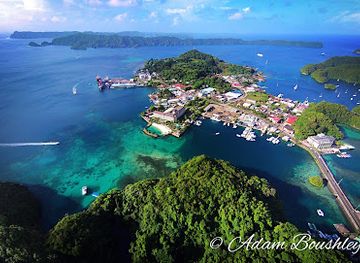
Peleliu’s attractions centre on the meeting of wartime history and tropical island ecology. The Peleliu Battlefield spreads across the island rather than forming a single conventional visitor complex, with Japanese tunnels, defensive positions, artillery remnants, memorials and traces of the former airfield encountered along roads and forested tracks. The terrain around Umurbrogol and Bloody Nose Ridge helps visitors understand why the campaign was so difficult, while the Peleliu World War II Museum provides a more focused introduction to the island’s military past. Coastal areas add a quieter dimension, with beaches, mangroves, coral shallows and opportunities for snorkelling, fishing, kayaking and boat excursions when conditions permit. Some sites are best visited with a local guide, both for interpretation and because vegetation, unstable structures and unexploded ordnance can make independent exploration hazardous. The island’s natural appeal is not presented as a heavily developed resort product: access is modest, facilities are limited and weather shapes what can be done. That combination suits visitors interested in history, marine environments and reflective travel rather than a dense programme of commercial entertainment.
-
Tourist attraction
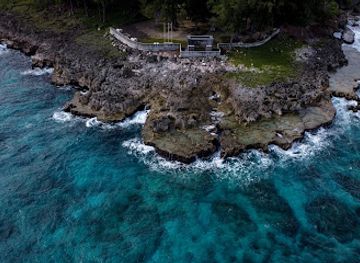
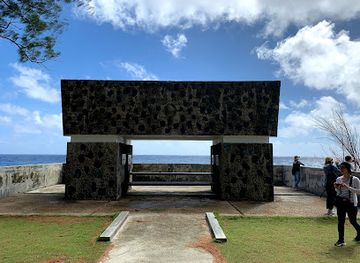
Peleliu Peace Memorial Park
Explore the profound history and natural beauty of Peleliu Peace Memorial Park, a serene tribute to World War II valor in Palau.
-
Historical landmark
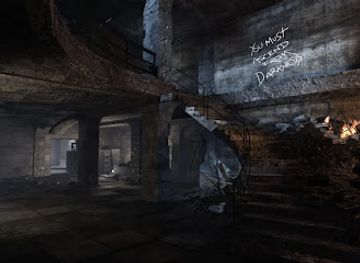
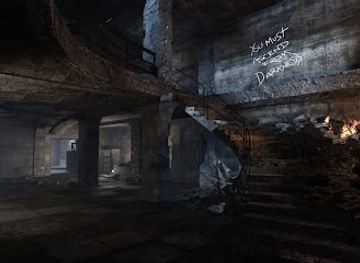
Nacht Der Untoten
Uncover the haunting echoes of history at Nacht Der Untoten, a captivating historical landmark in Peleliu, Palau, where valor meets the supernatural.
-
Museum
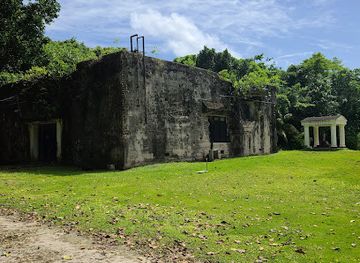
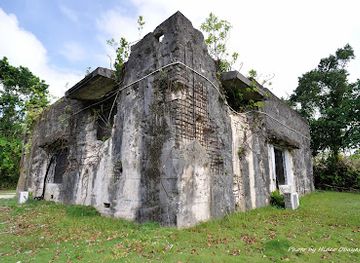
Peleliu World War II Memorial Museum
Discover the profound history of the Battle of Peleliu at the World War II Memorial Museum, a key site for military history enthusiasts.
-
Park
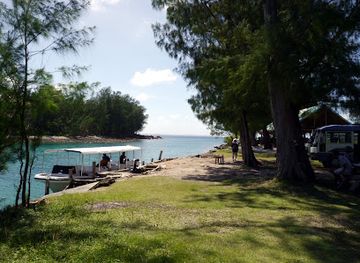
Camp Beck Dock
Explore the serene Camp Beck Dock in Peleliu for a blend of natural beauty and historical significance, perfect for relaxation and adventure.
Best landmarks in Peleliu
Peleliu’s most significant landmarks are the physical traces of the 1944 battle and the landscape that shaped it. The wartime airfield remains an important reference point because control of it was central to the campaign, while the limestone heights around Umurbrogol and Bloody Nose Ridge reveal the defensive geography that caused such prolonged fighting. Japanese tunnels, reinforced positions, gun emplacements and scattered military relics survive in varying states among forest and scrub, creating a powerful but fragile historical environment. Memorials dedicated to American and Japanese forces reflect the island’s international significance and invite remembrance rather than spectacle. The island’s shoreline, mangroves and low limestone formations are also geographical landmarks, marking the transition between battlefield terrain and the surrounding Pacific waters. No single building defines Peleliu as a cathedral or castle might define an old European town; its identity is instead held in an interconnected landscape of ridges, tracks, memorials and coastal spaces. Guided visits are valuable because many remains are easily overlooked and some are unsafe to enter.
-
Memorial park
Peleliu Peace Memorial Park
Explore Peleliu Peace Memorial Park, a serene tribute to history and resilience, where nature meets remembrance on the beautiful island of Palau.
-
Historical landmark
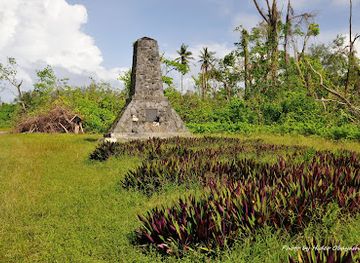
81st Infantry Division Memorial
Explore the 81st Infantry Division Memorial in Peleliu, Palau—a historic landmark honoring World War II heroes amidst stunning natural beauty.
-
Historical landmark
Nacht Der Untoten
Discover the haunting history of Nacht Der Untoten, a significant World War II landmark in Peleliu, Palau, where echoes of the past come alive.
-
Museum
Peleliu World War II Memorial Museum
Explore the rich history of the Battle of Peleliu at the World War II Memorial Museum, where courage and sacrifice come alive through poignant exhibits.
Explore Peleliu on the map
Plan your trip on one map. See where the top cities, national parks and sights are, and book hotels and experiences in a few clicks.
Best hotels in Peleliu
Best restaurants in Peleliu
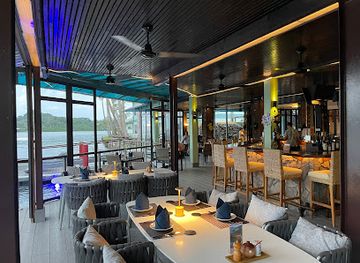
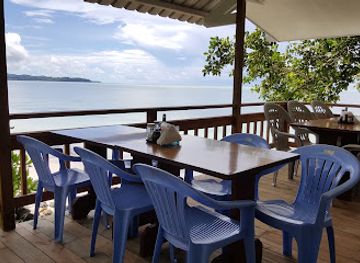
Dining on Peleliu is small-scale and practical, with meals generally arranged through accommodation providers, local households, guides or limited community-based eateries rather than a large restaurant scene. Visitors may encounter Palauan home-style cooking built around rice, fish, seafood, root crops and tropical produce, alongside familiar American and broader Pacific influences. Freshly caught fish and locally prepared seafood can be available when weather, supply and catch allow, but they should not be assumed as a daily menu item. Koror is the more reliable place to stock up on snacks, drinking water and specialist provisions before travelling south. Because shops and food outlets on Peleliu are limited, confirm whether breakfast, packed lunches and evening meals are included in a booking. Mealtimes can be sociable occasions, and respectful curiosity about ingredients and preparation is welcome when food is shared locally. Carrying reusable water bottles and avoiding excess packaging is particularly sensible on an island with constrained supplies and waste-management capacity.
-
Fine Dining
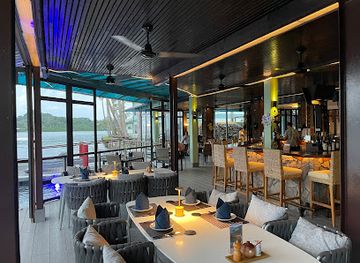
Elilai Seaside Dining
Discover exquisite fine dining at Elilai Seaside Dining in Koror, Palau—where fresh local ingredients meet breathtaking ocean views.
-
Restaurant
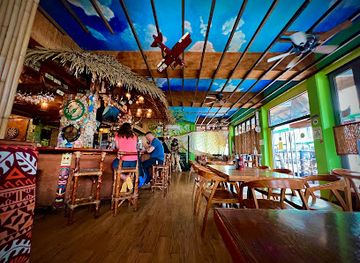
The Canoe House
Experience the vibrant flavors of Palau at The Canoe House—where delicious cuisine meets lively entertainment in Koror.
-
Restaurant
Okemii Deli & Internet Cafe
Savor authentic Palauan flavors at Okemii Deli & Internet Cafe - where local culture meets delicious cuisine.
-
Restaurant
Carp Restaurant
Discover authentic Palauan flavors at Carp Restaurant in Koror – where local ingredients meet culinary tradition.

Best bars in Peleliu
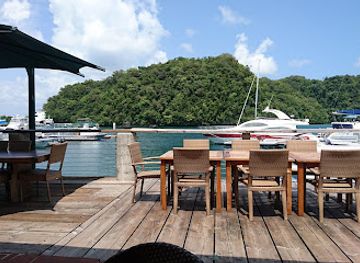
Peleliu does not have a developed nightclub district or a late-night entertainment economy. Evening life is generally centred on accommodation, small local gatherings, conversation, home-style meals and the quiet rhythms of an island community. Visitors may find occasional informal drinking or social spaces, but availability, opening arrangements and transport should be confirmed locally rather than assumed. The island’s darkness and relative lack of artificial light can make the night landscape notable, although visitors should remain near safe accommodation areas and avoid wandering around battlefield sites after dark. Those seeking a wider choice of bars, live music or organised evening entertainment will find more options in Koror, but returning to Peleliu depends on separately arranged boat or air transport and is not a practical same-night plan. Alcohol should be consumed moderately, particularly before swimming, boating or walking on uneven ground.
-
Restaurant
Drop Off Bar and Grill
Experience local flavors and a relaxed atmosphere at Drop Off Bar and Grill, the culinary gem of Koror, Palau.
-
Fine Dining
Elilai Seaside Dining
Experience gourmet seafood delights at Elilai Seaside Dining, where breathtaking ocean views meet exquisite culinary artistry in Palau.
-
Bar
The Canoe House
Discover the vibrant culinary scene at The Canoe House in Koror, Palau, where delicious food and lively entertainment meet.
-
Japanese
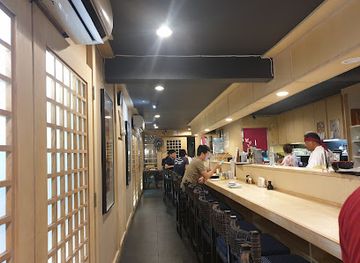
Tori Tori
Discover the essence of Japan at Tori Tori, Koror's top destination for authentic Japanese cuisine amidst the beautiful backdrop of Palau.
Best nightclubs in Peleliu
Peleliu does not have a developed nightclub district or a late-night entertainment economy. Evening life is generally centred on accommodation, small local gatherings, conversation, home-style meals and the quiet rhythms of an island community. Visitors may find occasional informal drinking or social spaces, but availability, opening arrangements and transport should be confirmed locally rather than assumed. The island’s darkness and relative lack of artificial light can make the night landscape notable, although visitors should remain near safe accommodation areas and avoid wandering around battlefield sites after dark. Those seeking a wider choice of bars, live music or organised evening entertainment will find more options in Koror, but returning to Peleliu depends on separately arranged boat or air transport and is not a practical same-night plan. Alcohol should be consumed moderately, particularly before swimming, boating or walking on uneven ground.
-
Resort hotel
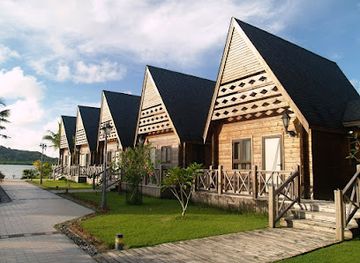
Island Paradise Resort Club
Experience the ultimate tropical getaway at Island Paradise Resort Club in Koror, Palau, where luxury meets breathtaking natural beauty.
-
Restaurant
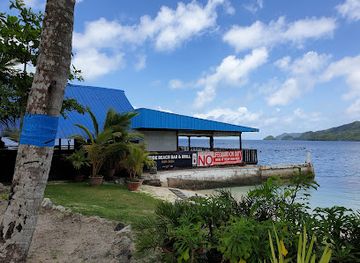
Riptide Beach Bar & Grill
Discover the vibrant flavors and stunning ocean views at Riptide Beach Bar & Grill in Koror, Palau, the perfect spot for relaxation and enjoyment.
-
Lounge
Ocean View Lounge
Discover tranquility at Ocean View Lounge, where stunning ocean vistas meet delightful local flavors in the heart of Airai, Palau.
-
 Hotel
HotelWenty's Sunset Inn
Experience the beauty and tranquility of Peleliu at Wenty's Sunset Inn, where comfort meets breathtaking sunsets in a historical paradise.

Best shops in Peleliu
Shopping on Peleliu is limited and should not be treated as a principal activity. Small local shops may provide basic provisions, but the range is narrower and less predictable than in Koror, so visitors should purchase specialist food, medicines, batteries and other essentials before travelling. The most meaningful purchases are likely to be locally made crafts, artwork or small souvenirs obtained directly from community sellers when available, rather than from a concentrated retail district. Visitors should ask about the origin of shells, coral, wood and other natural materials before buying them, and should never purchase wartime artefacts or objects removed from the battlefield. Palauan food products and crafts are more readily found in larger centres, including Koror, where there is a broader selection of galleries, markets and shops. On Peleliu, respectful conversation and fair payment matter more than bargaining aggressively, particularly when buying from small-scale local producers.
-
Ice Cream
L'Amarena Gelato Shop (Gelateria Italiana)
Discover the authentic taste of Italy at L'Amarena Gelato Shop in Palau, where delicious gelato and cozy ambiance await.
-
Shopping mall
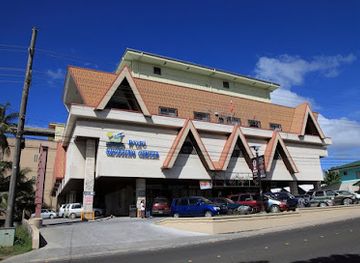
WCTC Shopping Center
Explore WCTC Shopping Center in Koror, Palau for a unique shopping experience blending local culture with modern retail and dining options.
-
Shopping mall
Surangel and Sons Co. - Koror
Discover the essence of Palauan culture at Surangel and Sons Co., your go-to shopping mall in Koror for unique souvenirs and local crafts.
-
Souvenir store
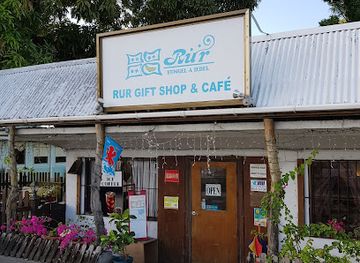
Rur Gift Shop & Cafe
Discover the essence of Palau at Rur Gift Shop & Cafe, where unique souvenirs meet delightful local cuisine in the heart of Koror.

Get your free copy of our complete guide to Peleliu, delivered straight to you.
Everything on this page, from attractions and restaurants to essentials and local phrases, in one PDF you can read offline, print or share.
Already have an account? Sign in
Your Peleliu guide is ready.
We'll send it to · Not you? Sign out

Getting your guide ready…
We are putting together a fresh copy of the Peleliu guide. This can take up to a minute.
This can take a few moments. If your browser asks, choose Allow so the download can start. You'll find the guide in your Downloads folder.
Nothing happened? Download it again
Sorry, the guide is taking longer than usual. Please try again in a minute, or get it by email instead.
Peleliu essentials
Currency and Payment
Safety
Emergency Situations
Do's and Don'ts
Local Tips
From Eve
Local phrases worth knowing
You don't need to get them perfect. A few words go a long way, and locals appreciate the effort.
Basics
| English | Local | Say it |
|---|---|---|
| Hello | Alii | [ah-lee-ee] |
| Goodbye | Aloha | [ah-loh-hah] |
| Yes | Iye | [ee-yeh] |
| No | Nge | [ngeh] |
| Please/You're welcome | Tial | [tee-al] |
| Thank you | Kmesu | [keh-meh-soo] |
| Excuse me/Sorry | Omesu | [oh-meh-soo] |
| How are you? | Mechull a? | [meh-chool ah?] |
| Fine. And you? | Chad a. Ng diak? | [chahd ah. ng dee-akh?] |
| Do you speak English? | Ng diak a meka aingil? | [ng dee-akh ah meh-kah ah-in-gil?] |
| I don't understand | Ng diak a chad ra? | [ng dee-akh ah chahd rah?] |
Eating & Drinking
| English | Local | Say it |
|---|---|---|
| I'd like to see the menu, please | Ng diak a sial a meke, tial | [ng dee-akh ah see-al ah meh-keh, tee-al] |
| I don't eat meat | Ng diak a ngaru | [ng dee-akh ah ngah-roo] |
| Cheers! | Ngirchedu! | [ngir-cheh-doo] |
| I would like to pay, please | Ng diak a mla a tial | [ng dee-akh ah mla ah tee-al] |
Emergencies
| English | Local | Say it |
|---|---|---|
| Help! | Chad! | [chahd!] |
| Go away! | Chad a kles! | [chahd ah kles!] |
| Call the Police! | Ng chul a Polisi! | [ng choo-l ah poh-lee-see!] |
| Call a doctor! | Ng chul a doctor! | [ng choo-l ah dok-tor!] |
| I'm lost | Ng diak a ngaru | [ng dee-akh ah ngah-roo] |
| I'm ill | Ng diak a blak | [ng dee-akh ah blahk] |
Shopping
| English | Local | Say it |
|---|---|---|
| I'd like to buy... | Ng diak a mlo a... | [ng dee-akh ah mloh ah...] |
| I'm just looking | Ng diak a chull | [ng dee-akh ah choo-l] |
| How much is it? | Mechull a chad? | [meh-chool ah chahd?] |
| That's too expensive | Amechull a chad a chel? | [ah-meh-chool ah chahd ah chel?] |
| Can you lower the price? | Ng diak a ngaru a chel? | [ng dee-akh ah ngah-roo ah chel?] |
Time & Numbers
| English | Local | Say it |
|---|---|---|
| What time is it? | Mechull a chad? | [meh-chool ah chahd?] |
| It's one o'clock | A chad a rait | [ah chahd ah rait] |
| Half past (10) | Chad a sial a (10) | [chahd ah see-al ah (10)] |
| Morning | Ngelik | [ng-eh-lik] |
| Afternoon | Ongel | [oh-ng-eh-l] |
| Evening | Ngelu | [ng-eh-loo] |
| Yesterday | Chad a ngedi | [chahd ah ngeh-dee] |
| Today | Chad a diak | [chahd ah dee-akh] |
| Tomorrow | Chad a mol | [chahd ah mol] |
| 1 | Chad | [chahd] |
| 2 | Melei | [meh-lay] |
| 3 | Melech | [meh-lehch] |
| 4 | Melech a chel | [meh-lehch ah chel] |
| 5 | Melech a rait | [meh-lehch ah rait] |
| 6 | Melech a ro | [meh-lehch ah roh] |
| 7 | Melech a chad a ro | [meh-lehch ah chahd ah roh] |
| 8 | Melech a chad a chel | [meh-lehch ah chahd ah chel] |
| 9 | Melech a chad a rait | [meh-lehch ah chahd ah rait] |
| 10 | Melech a ro | [meh-lehch ah roh] |
Transport & Directions
| English | Local | Say it |
|---|---|---|
| Where's a/the...? | Melei a...? | [meh-lay ah...?] |
| What's the address? | Mechull a address? | [meh-chool ah ah-dress?] |
| Can you show me (on the map)? | Ng diak a sial a (map)? | [ng dee-akh ah see-al ah (map)?] |
| When's the next (bus)? | Mechull a chad a (bus)? | [meh-chool ah chahd ah (bus)?] |
| A ticket (to ....) | A ticket (to ....) | [ah ticket (to ....)] |
History of Peleliu
Early Palauan Settlement and Traditional Society
Peleliu forms part of the Palauan archipelago, whose islands have been inhabited for many centuries by communities linked through kinship, exchange, navigation and customary systems of land and marine stewardship. Traditional Palauan society was organised around villages, clans and chiefly authority, with fishing, cultivation and the use of forest and coastal resources central to daily life. The island’s modern communities remain connected to this wider cultural heritage, even though wartime destruction and later administrative changes transformed settlement patterns and the physical landscape.
European Contact and Spanish Rule
European knowledge of Palau developed through maritime contact in the western Pacific, although sustained colonial involvement came later than in some neighbouring island groups. Spain incorporated the islands into its Pacific empire in the late nineteenth century and promoted Catholic missions and new administrative structures. On Peleliu, as elsewhere in Palau, these changes affected political relationships and religious life without replacing older systems of community, land and chiefly authority. Spanish rule ended when Palau was transferred to Germany in 1899.
German and Japanese Administration
Germany administered Palau from 1899 until the First World War, after which Japan received the islands under a League of Nations mandate. Japanese rule brought new commercial, administrative and agricultural activity, along with migration from other parts of the Japanese empire. Peleliu became increasingly important strategically because of its airfield and position in the southern Palauan islands. The colonial period also imposed external political and economic systems on Palauan communities, setting the context for the intense military use of the island during the Second World War.
The Battle of Peleliu, 1944
The Battle of Peleliu began in September 1944, when United States forces landed to seize the island’s airfield and remove Japanese positions that threatened Allied operations in the western Pacific. Japanese defenders used caves, tunnels, fortified ridges and mutually supporting positions in the limestone hills, producing exceptionally heavy fighting over difficult terrain. The battle continued for weeks and caused severe casualties on both sides, as well as the destruction and displacement of the island’s civilian community. Peleliu’s battlefield remains are among Palau’s most important historical landscapes.
Post-war Administration and Return
After the war, Peleliu was administered within the post-war Pacific arrangements that eventually placed Palau under United States administration as part of the Trust Territory of the Pacific Islands. Returning residents rebuilt community life amid damaged infrastructure, unexploded ordnance and a landscape filled with military remnants. Over time, roads, services and local institutions developed, while the wartime sites became both places of remembrance and resources for historical tourism. The island’s recovery is inseparable from the wider reconstruction of Palau.
Palau’s Independence and Peleliu Today
Palau became an independent republic in 1994, and Peleliu is now one of the country’s states. The island combines local government, customary relationships and a small resident population with a growing role in heritage and nature-based tourism. Memorials and battlefield traces attract visitors from Japan, the United States and elsewhere, while local communities continue to live among the sites that define Peleliu’s international historical significance. Contemporary travel therefore requires sensitivity to both the island’s national story and the personal consequences of wartime history.
Peleliu in Photos
Browse through our photo collection highlighting the charm and character of the destination.
Neighbouring regions of Peleliu
The closest regions to Peleliu, if you have time for more than one.
-

-

-

-

-


Swipe for more regions
Explore more

Explore more of Palau
Discover Palau's pristine beaches, vibrant marine life, and rich cultural heritage—an untouched paradise in the Pacific Ocean.
Explore Palau