

Free Ngeremdiu Travel Guide & Mobile App
Explore Ngeremdiu with free travel guides. Discover regional history, expert tips, proposed trips, and audio guides on web or mobile app.


Ngeremdiu in Palau offers a quiet Babeldaob base for rural roads, customary landscapes and a slower view of island life.
Read more about Ngeremdiu
When is the best time to visit Ngeremdiu?
Best: January–March · 31°C| Month | High (°C) | Rainfall (mm) |
|---|---|---|
| January (best) | 31 | 250 |
| February (best) | 31 | 220 |
| March (best) | 31 | 230 |
| April | 31 | 280 |
| May | 31 | 310 |
| June | 31 | 320 |
| July | 31 | 340 |
| August | 31 | 360 |
| September | 31 | 350 |
| October | 31 | 330 |
| November | 31 | 290 |
| December | 31 | 270 |
Getting to and around Ngeremdiu
How to get there
Transportation
Top city travel guides in Ngeremdiu
The cities of Ngeremdiu, and the easiest places to base yourself.
-

-

-

-

-


Swipe for more cities
Destinations in Ngeremdiu
Resorts, valleys and scenic spots worth a trip of their own.
-

-

-


Swipe for more destinations
Best attractions in Ngeremdiu
Ngeremdiu’s attractions are primarily environmental and cultural rather than purpose-built. The locality provides access to a quiet section of Babeldaob’s rural interior, where forest, roadside vegetation, small clearings and low-density settlement create a different rhythm from urban Koror. The wider Ngatpang area is best explored by car, with interest coming from the journey itself, conversations arranged through local contacts and the chance to observe how roads, waterways and customary land fit together. There are no widely established ticketed attractions or large museums in Ngeremdiu, so visitors should avoid arriving without supplies or a clear plan. Travellers interested in Palau’s archaeology and traditional culture can learn about Babeldaob’s earthworks, village histories and bai traditions through recognised guides and state or community contacts, rather than approaching unmarked sites independently. The locality can also form one stop on a broader circuit of Babeldaob, where other states offer more formally identified heritage and natural sites. Activities should remain low-impact: scenic driving, bird and landscape observation, short walks where permitted and respectful engagement with local communities are more appropriate than unsupervised exploration.
-
Memorial park
Peleliu Peace Memorial Park
Explore the historical significance and natural beauty of Peleliu Peace Memorial Park, a serene tribute to the bravery of World War II heroes.
-
Tourist attraction
Ngardmau Waterfalls Ticket, Parking Lot
Experience the breathtaking beauty of Ngardmau Waterfalls in Palau, a serene escape surrounded by lush landscapes and cascading waters.
-
Dive shop
Palau 7th Wonder Dive & Tours
Discover the underwater wonders of Palau with top-notch diving, kayaking, and boat rental services at Palau 7th Wonder Dive & Tours.
-
Tourist attraction
Natural Arch
Discover the stunning Natural Arch in the Rock Islands of Palau, a breathtaking tourist attraction showcasing nature's wonders and rich marine life.


Best landmarks in Ngeremdiu
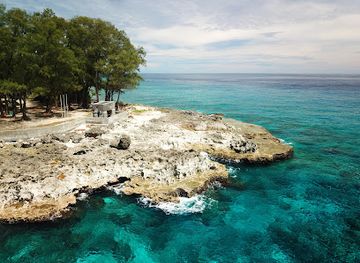
Ngeremdiu is not known for a prominent monument, castle or monumental civic building, and its principal landmarks are connected with rural settlement and the wider cultural landscape of Ngatpang State. The locality’s roads, forested slopes, clearings and dispersed homes convey the geography of inland Babeldaob more clearly than a single constructed sight. Traditional village organisation and the history of bai culture are important reference points, although surviving structures and customary places are not necessarily open to unannounced visitors. Any named earthwork, ancestral place or historical feature should be visited only with local permission and guidance, since some sites are culturally sensitive, privately held or poorly marked. For travellers seeking formal monuments and better-interpreted historic places, other parts of Palau offer designated sites outside Ngeremdiu; they should be treated as separate destinations rather than attributed to this locality. The most meaningful landmark experience here is therefore the landscape itself and the relationship between access roads, vegetation, settlement and customary land.
-
 Resort hotel
Palau Royal Resort
Discover the idyllic beauty of Palau Royal Resort, where luxury meets nature in the heart of the Pacific paradise.
-
Hotel
Palau Pacific Resort
Discover unparalleled luxury and natural beauty at Palau Pacific Resort, your dream getaway in the heart of the Pacific.
-
Hotel
Palau Hotel
Discover the perfect blend of comfort and local flavor at Palau Hotel, your gateway to the breathtaking beauty of Palau.
-
Hotel
Palasia Hotel Palau
Discover the perfect blend of luxury and nature at Palasia Hotel Palau, your gateway to the breathtaking landscapes and rich culture of Palau.


Explore Ngeremdiu on the map
Plan your trip on one map. See where the top cities, national parks and sights are, and book hotels and experiences in a few clicks.
Best hotels in Ngeremdiu
Best restaurants in Ngeremdiu
Ngeremdiu has no substantial restaurant district, so dining requires preparation. Visitors staying or travelling in the locality may need to bring food from Koror or a larger Babeldaob settlement, while arranged homestays or community contacts may provide the most locally grounded meals. Palauan cooking commonly draws on rice, fish, seafood, root crops, coconut and tropical produce, with Japanese, Filipino, American and other Micronesian influences also visible in the national food scene. In rural areas, availability depends on household arrangements and small stores rather than a dependable menu of cafés or restaurants. Koror remains the country’s principal place for broader restaurant choice, including casual eateries, bakeries, seafood meals and international food. Visitors should not assume that fresh local produce or prepared meals will be available at a particular time in Ngeremdiu; buy water and provisions before setting out, and ask permission before accepting or photographing food prepared in a community setting.
-
Restaurant
Drop Off Bar and Grill
Experience authentic Palauan cuisine at Drop Off Bar and Grill in Koror – where great food meets stunning views.
-
Indian
The Taj
Savor authentic Indian flavors at The Taj in Koror – a culinary gem offering delightful dishes in an inviting atmosphere.
-
Fine Dining
Elilai Seaside Dining
Discover culinary excellence at Elilai Seaside Dining in Koror, Palau - where exquisite flavors meet breathtaking ocean views.
-
Restaurant
The Canoe House
Experience vibrant dining at The Canoe House in Koror, where local flavors meet international cuisine amidst lively entertainment.


Best bars in Ngeremdiu
Ngeremdiu does not have a recognised nightclub or bar scene. Evenings are generally quiet and centre on private homes, accommodation, arranged community visits or the practical limits of rural travel. Visitors seeking organised nightlife, live music or a wider choice of bars will find it in Koror, outside the locality, where the country’s small urban evening scene is concentrated. Drinking should not be treated as the main way to experience Ngeremdiu: the area is better suited to an early start, a relaxed meal and quiet appreciation of the surrounding landscape. Bring refreshments only where appropriate and dispose of containers responsibly, particularly when travelling on remote roads or near waterways.
-
Restaurant
Drop Off Bar and Grill
Experience the flavors of Palau at Drop Off Bar and Grill, a culinary gem in Koror offering a delightful menu and stunning views.
-
Indian
The Taj
Savor authentic Indian flavors at The Taj in Koror, Palau, where culinary excellence meets a vibrant atmosphere.
-
Fine Dining
Elilai Seaside Dining
Discover the exquisite flavors of Palau at Elilai Seaside Dining, where fine dining meets breathtaking ocean views.
-
Bar
The Canoe House
Discover the vibrant flavors and lively atmosphere at The Canoe House, Palau's top spot for seafood, burgers, and unforgettable entertainment.


Best nightclubs in Ngeremdiu
Ngeremdiu does not have a recognised nightclub or bar scene. Evenings are generally quiet and centre on private homes, accommodation, arranged community visits or the practical limits of rural travel. Visitors seeking organised nightlife, live music or a wider choice of bars will find it in Koror, outside the locality, where the country’s small urban evening scene is concentrated. Drinking should not be treated as the main way to experience Ngeremdiu: the area is better suited to an early start, a relaxed meal and quiet appreciation of the surrounding landscape. Bring refreshments only where appropriate and dispose of containers responsibly, particularly when travelling on remote roads or near waterways.
-
Restaurant
Drop Off Bar and Grill
Experience the best of Palauan cuisine at Drop Off Bar and Grill, where vibrant flavors meet stunning island views.
-
Restaurant
The Canoe House
Experience the vibrant dining scene at The Canoe House in Koror, Palau, where delicious food meets live music and a lively atmosphere.
-
Resort hotel
Island Paradise Resort Club
Discover the luxury of Island Paradise Resort Club in Palau—where breathtaking beauty meets unforgettable experiences.
-
Restaurant
Riptide Beach Bar & Grill
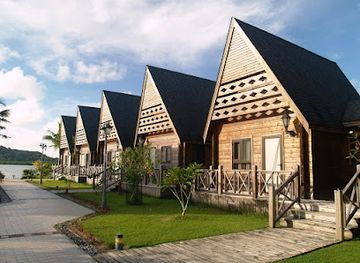
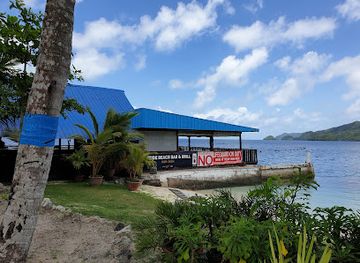
Experience the vibrant flavors and stunning ocean views at Riptide Beach Bar & Grill in Koror, Palau—your perfect dining escape.
Best shops in Ngeremdiu
Ngeremdiu offers little conventional shopping, and visitors should purchase fuel, medicines, specialist equipment, food and bottled water before leaving Koror or another larger service centre. Small rural shops, where present, should be regarded as limited convenience outlets rather than reliable retail destinations. Shopping for Palauan handicrafts, local produce, storyboards, jewellery and other souvenirs is generally easier in Koror, where established businesses and cultural institutions provide more choice. When buying traditional designs or locally made objects, ask about their maker, materials and appropriate cultural use, and avoid purchasing archaeological objects, coral, protected wildlife or anything presented without clear provenance. The locality’s most appropriate purchases, when available through a legitimate community or household arrangement, are modest locally produced foods or crafts obtained with permission rather than mass-market souvenirs.
-
Dive shop
Palau Dive Adventures
Explore the enchanting underwater world of Palau with Palau Dive Adventures, your gateway to exceptional diving experiences and breathtaking marine life.
-
Shopping mall
WCTC Shopping Center
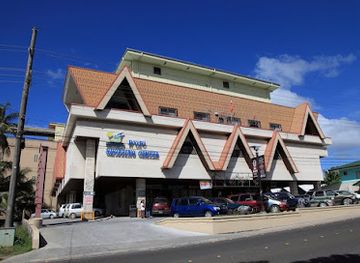
Discover the vibrant shopping scene at WCTC Shopping Center in Koror, Palau, where shopping, dining, and entertainment come together for an unforgettable experience.
-
Shopping mall
Surangel and Sons Co. - Koror
Explore Surangel and Sons Co. in Koror for a unique shopping experience blending local culture and modern retail, perfect for every traveler.
-
Dive shop
Neco Marine Palau
Experience unparalleled diving and marine exploration at Neco Marine Palau, your gateway to stunning underwater adventures in the heart of Koror.



Get your free copy of our complete guide to Ngeremdiu, delivered straight to you.
Everything on this page, from attractions and restaurants to essentials and local phrases, in one PDF you can read offline, print or share.
Already have an account? Sign in
Your Ngeremdiu guide is ready.
We'll send it to · Not you? Sign out

Getting your guide ready…
We are putting together a fresh copy of the Ngeremdiu guide. This can take up to a minute.
This can take a few moments. If your browser asks, choose Allow so the download can start. You'll find the guide in your Downloads folder.
Nothing happened? Download it again
Sorry, the guide is taking longer than usual. Please try again in a minute, or get it by email instead.
Ngeremdiu essentials
Currency and Payment
Safety
Emergency Situations
Do's and Don'ts
Local Tips
From Eve
Local phrases worth knowing
You don't need to get them perfect. A few words go a long way, and locals appreciate the effort.
Basics
| English | Local | Say it |
|---|---|---|
| Hello | Alii | [ah-lee] |
| Goodbye | A chel a ngii | [ah chel ah ngee] |
| Yes | O | [oh] |
| No | Ng diak | [ng dee-ahk] |
| Please/You're welcome | Tia | [tee-ah] |
| Thank you | Mesulang | [meh-soo-lahng] |
| Excuse me/Sorry | Chow chel | [chow chel] |
| How are you? | Ngeremdiu? | [ngay-rem-dee-oo] |
| Fine. And you? | Ng meru. A ngii? | [ng meh-roo. ah ngee] |
| Do you speak English? | E ngii el mo er a tekoi? | [eh ngee el mo eh rah teh-koy] |
| I don't understand | Ng diak a ngii | [ng dee-ahk ah ngee] |
Eating & Drinking
| English | Local | Say it |
|---|---|---|
| I'd like to see the menu, please | Ng kiau a ngii a menu, tia | [ng kee-ah-oo ah ngee ah meh-noo, tee-ah] |
| I don't eat meat | Ng diak a ngii el ngat | [ng dee-ahk ah ngee el ngat] |
| Cheers! | Chai! | [chai] |
| I would like to pay, please | Ng kiau a ngii a riel, tia | [ng kee-ah-oo ah ngee ah ree-el, tee-ah] |
Emergencies
| English | Local | Say it |
|---|---|---|
| Help! | Ng kiei! | [ng kee-eh] |
| Go away! | Ng diak a ngii! | [ng dee-ahk ah ngee] |
| Call the Police! | Kau a Police! | [kau ah poh-lees] |
| Call a doctor! | Kau a dokto! | [kau ah dok-toe] |
| I'm lost | Ng a ngii el a diak | [ng ah ngee el ah dee-ahk] |
| I'm ill | Ng a ngii el a ngil | [ng ah ngee el ah ngeel] |
Shopping
| English | Local | Say it |
|---|---|---|
| I'd like to buy... | Ng kiau a ngii el... | [ng kee-ah-oo ah ngee el...] |
| I'm just looking | Ng a ngii el a kirel | [ng ah ngee el ah kee-rel] |
| How much is it? | E ngar a ngii? | [eh ngar ah ngee] |
| That's too expensive | E a ngii a diak riel | [eh ah ngee ah dee-ahk ree-el] |
| Can you lower the price? | E ngii a ngii el a riel a diak? | [eh ngee ah ngee el ah ree-el ah dee-ahk] |
Time & Numbers
| English | Local | Say it |
|---|---|---|
| What time is it? | E ngar a ngii? | [eh ngar ah ngee] |
| It's one o'clock | E a ngii el eang | [eh ah ngee el eh-ahng] |
| Half past (10) | E a ngii el a riel a (10) | [eh ah ngee el ah ree-el ah (10)] |
| Morning | O ngarai | [oh nga-rai] |
| Afternoon | O ngara | [oh nga-rah] |
| Evening | O ngark | [oh ngark] |
| Yesterday | O a ngii | [oh ah ngee] |
| Today | O a ngii | [oh ah ngee] |
| Tomorrow | O a ngii | [oh ah ngee] |
| 1 | Chad | [chahd] |
| 2 | Chad el | [chahd el] |
| 3 | Chad el el | [chahd el el] |
| 4 | Chad el el el | [chahd el el el] |
| 5 | Chad el el el el | [chahd el el el el] |
| 6 | Chad el el el el el | [chahd el el el el el] |
| 7 | Chad el el el el el el | [chahd el el el el el el] |
| 8 | Chad el el el el el el el | [chahd el el el el el el el] |
| 9 | Chad el el el el el el el el | [chahd el el el el el el el el] |
| 10 | Chad el el el el el el el el el | [chahd el el el el el el el el el] |
Transport & Directions
| English | Local | Say it |
|---|---|---|
| Where's a/the...? | E ngar a ...? | [eh ngar ah ...?] |
| What's the address? | E ngar a aol? | [eh ngar ah ah-ol] |
| Can you show me (on the map)? | E ngii a ngii el a kirel (el a map)? | [eh ngee ah ngee el ah kee-rel (el ah map)?] |
| When's the next (bus)? | E ngar a ngo a (bus)? | [eh ngar ah ngo ah (bus)?] |
| A ticket (to ....) | A ticket (el ...) | [ah ticket (el ...)] |
History of Ngeremdiu
Early Settlement and Archaeological Babeldaob
Palau has been inhabited for thousands of years, and Babeldaob preserves some of the country’s most important archaeological landscapes. Terraced hills, stone features and earthworks reflect organised settlement and labour before European colonial rule. Although not every site around Ngeremdiu is publicly identified or accessible, the locality forms part of a wider cultural landscape in which land, waterways, clan histories and ancestral places remain closely connected. Archaeological interpretation is still developing, and visitors should avoid treating unmarked features as ruins to be explored without local guidance.
Traditional Villages, Clans and Bai Culture
Before colonial administration, Palauan communities were organised through complex chiefly, clan and village relationships. The bai, a communal meeting house, served as an important setting for political discussion, ceremonies and the transmission of knowledge. Ngeremdiu’s modern settlement pattern belongs to this continuing cultural world, even where traditional buildings are no longer present. Palauan history is preserved not only in objects and structures but also through titles, oral traditions, customary land rights and obligations between families and communities.
Spanish and German Colonial Rule
Palau came under Spanish influence in the late nineteenth century, followed by German administration after Spain transferred its Micronesian possessions in 1899. Colonial rule introduced new administrative, religious and commercial structures while leaving local systems of authority in place in varied ways. Babeldaob remained predominantly rural, and communities such as those around present-day Ngeremdiu were affected more through changes in governance, mission activity and regional trade than through dense colonial urban development.
Japanese Administration and Economic Change
Japan administered Palau from 1914 under a League of Nations mandate and developed infrastructure, commerce and agriculture across the islands. Koror became the administrative and economic centre, while Babeldaob retained a more rural character. Japanese rule brought major social and economic changes, including migration from other parts of the Japanese empire, but it also operated within a landscape of established Palauan communities. The contrast between Koror and the interior of Babeldaob partly reflects these differing patterns of development.
The Second World War in Palau
Palau became strategically important during the Pacific War, and the islands were occupied by Japan before coming under United States control. The best-known fighting occurred in the southern islands, particularly Peleliu and Angaur, rather than in Ngeremdiu. Nevertheless, wartime administration, movement, requisitions and disruption affected communities across the archipelago. Wartime remains occur in parts of Palau, but visitors should never disturb unexploded ordnance or enter unstable military structures.
Trust Territory, Self-Government and Independence
After the war, Palau became part of the United Nations Trust Territory of the Pacific Islands administered by the United States. Constitutional development eventually led to the Compact of Free Association and the establishment of the Republic of Palau in 1994. Modern government operates alongside customary chiefs and traditional responsibilities. For Ngeremdiu and other Babeldaob communities, independence formed part of a continuing effort to balance national administration, environmental stewardship, customary land, economic opportunity and cultural continuity.
Ngeremdiu in Photos
Browse through our photo collection highlighting the charm and character of the destination.
Neighbouring regions of Ngeremdiu
The closest regions to Ngeremdiu, if you have time for more than one.
-

-

-

-

-


Swipe for more regions
Explore more

Explore more of Palau
Discover Palau's pristine beaches, vibrant marine life, and rich cultural heritage—an untouched paradise in the Pacific Ocean.
Explore Palau