

Helen Reef, Palau Travel Guide
Discover Helen Reef in Palau: A secluded paradise renowned for its vibrant coral gardens, diverse marine life, and serene birdwatching opportunities.
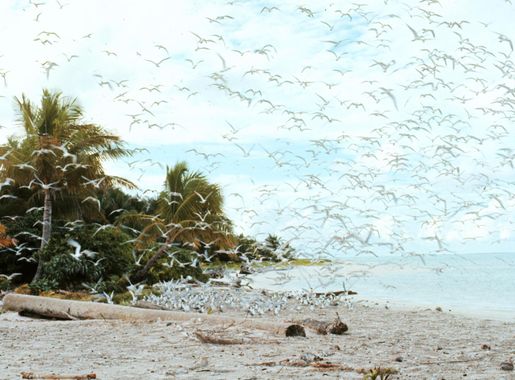
Helen Reef is a stunning coral atoll located in the Southwest Islands of Palau. This isolated paradise is known for its rich marine biodiversity and crystal-clear waters, making it a dream destination for divers and snorkelers. The reef is teeming with vibrant coral gardens, schools of tropical fish, and majestic sea turtles. Visitors often describe the underwater experience here as a living aquarium, with visibility that can exceed 30 meters. Aside from its underwater wonders, Helen Reef is also a sanctuary for various bird species. Birdwatchers will be delighted to spot rare seabirds that nest on the small islets surrounding the reef. The untouched beauty of the area, combined with the serene environment, offers a unique escape from the hustle and bustle of everyday life. The best time to visit Helen Reef is during the dry season, typically from November to April, when the seas are calm and the weather is ideal for water activities. Due to its remote location, access to Helen Reef requires careful planning and coordination with local tour operators. However, the journey is well worth the effort, as you'll be rewarded with an unforgettable experience in one of Palau's most pristine natural settings.

Know before you go
Hi, I'm Eve. Here are a few practical things to know before exploring Helen Reef.
- Plan your visit during the dry season (November to April) for the best weather and sea conditions.
- Coordinate with local tour operators for access, as Helen Reef is quite remote.
- Bring your own snorkeling or diving gear, as rental options may be limited.
- Pack eco-friendly sunscreen to protect the delicate coral ecosystems.
- Don't forget a good pair of binoculars if you're interested in birdwatching.

Best bars in Helen Reef
Top-rated picks
Best Bars

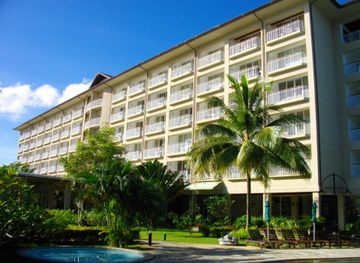
Palau Royal Resort
Discover the unparalleled beauty and luxury of Palau Royal Resort, where tropical paradise meets exceptional service for an unforgettable getaway.

Elilai Seaside Dining
Experience the finest seafood and breathtaking views at Elilai Seaside Dining in Koror, Palau, a culinary delight not to be missed.

COVE Resort Palau
Discover the tranquil beauty of COVE Resort Palau, where luxury meets nature in the heart of the Pacific.

Kumangai Bakery and Emaimelei Restaurant
Experience the authentic flavors of Palauan cuisine and delightful baked goods at Kumangai Bakery and Emaimelei Restaurant in Koror.

Best shops in Helen Reef
Top-rated picks
Best Shops
Palau Royal Resort
Experience ultimate luxury and adventure at Palau Royal Resort, your gateway to the stunning beauty of Palau's islands.

Fish 'n Fins Palau
Discover the underwater wonders of Palau with Fish 'n Fins, your go-to destination for scuba diving adventures and marine exploration.

Palau Dive Adventures
Explore the vibrant underwater world of Palau with expert guidance at Palau Dive Adventures, your premier diving destination in Koror.

German Channel
Explore the enchanting German Channel in Palau, a vibrant underwater paradise perfect for diving and snorkeling enthusiasts, surrounded by stunning landscapes.

Explore Helen Reef on the Map
A handpicked selection of must-see spots in Helen Reef, mapped for you.
Helen Reef Essentials
-
Helen Reef is located in the Southwest Islands of Palau, specifically in the Hatohobei State. The nearest international airport is Roman Tmetuchl International Airport in Koror. From Koror, you can arrange for a charter flight or a boat trip to get to Helen Reef. Keep in mind that these trips need to be planned well in advance due to their infrequent schedules.
-
Once on Helen Reef, transportation options are quite limited. The area is small enough to explore on foot, but for water-based exploration, local boats can be hired. It is advisable to coordinate transportation plans with local authorities or your accommodation provider to ensure smooth travel.
-
The official currency in Palau is the United States Dollar (USD). Given the remote location, it is important to carry sufficient cash, as credit card facilities are unlikely to be available on Helen Reef. Ensure you withdraw enough cash while in Koror before heading to Helen Reef.
-
Helen Reef is generally safe for tourists. However, standard travel precautions should be taken. There are no specific high-crime areas targeting tourists, but always be mindful of your belongings and avoid venturing into unknown areas alone, especially at night. Be cautious when engaging in water activities, and always follow local guidelines.
-
In case of an emergency, the local authorities can be contacted through the Hatohobei State Government. It is highly recommended to have travel insurance that covers medical emergencies, given the remote location. For minor issues, basic first aid supplies should be carried, as medical facilities are extremely limited.
-
Fashion: Do wear lightweight, breathable clothing suitable for tropical weather. Avoid overly revealing attire. Religion: Do respect local customs and traditions. Public Transport: Public transport is limited, so plan your movements carefully. Greetings: Do greet locals with a friendly wave or handshake. Eating & Drinking: Do try local seafood delicacies and accept food offerings graciously. Don’t waste food, as resources can be limited.
-
To experience Helen Reef like a local, spend time engaging with the community and participating in traditional fishing activities. Respect the local environment by practicing sustainable tourism. Snorkeling and diving are highly recommended to explore the rich marine biodiversity. Always seek permission before photographing locals or their property.
When is the best time to visit Helen Reef?
Useful Local Phrases for Helen Reef
You don't need to speak the language perfectly. Even learning a few simple words can make conversations warmer—and locals usually appreciate the effort.
— Eve

Here are the phrases I use most often in Helen Reef. Try a few—you'll be surprised how far they go! 😊
❤️
-
- HelloAlii
[ah-lee-ee] - GoodbyeA bol
[ah bol] - YesE
[eh] - NoNgai
[ng-eye] - Please/You’re welcomeTirur
[tee-roor] - Thank youKemsal
[kem-sahl] - Excuse me/SorryNgara
[ngah-rah] - How are you?Ngaru kmo?
[ngah-roo kmo] - Fine. And you?Ngaru, e ngara?
[ngah-roo, eh ngah-rah] - Do you speak English?Olek a kirel English?
[oh-lek ah kee-rel ehng-lish] - I don't understandOngara kmo
[ong-ah-rah kmo]
- HelloAlii
-
- I’d like to see the menu, pleaseOlek a ikel menu, tirur
[oh-lek ah ee-kel meh-noo, tee-roor] - I don’t eat meatOngara a me a kleb
[ong-ah-rah ah meh ah kleb] - Cheers!Chai!
[chai] - I would like to pay, pleaseOlek a ikel a tial, tirur
[oh-lek ah ee-kel ah tee-al, tee-roor]
- I’d like to see the menu, pleaseOlek a ikel menu, tirur
-
- Help!Bai!
[bye] - Go away!Bai a ngara!
[bye ah ngah-rah] - Call the Police!Olek a kirel Police!
[oh-lek ah kee-rel poh-lees] - Call a doctor!Olek a kirel a doctor!
[oh-lek ah kee-rel ah dok-tor] - I’m lostOngara a ngara
[ong-ah-rah ah ngah-rah] - I’m illOngara a ngara el
[ong-ah-rah ah ngah-rah el]
- Help!Bai!
-
- I’d like to buy...Olek a blai...
[oh-lek ah blai] - I’m just lookingOlek a ngara
[oh-lek ah ngah-rah] - How much is it?Ngaru el ngara?
[ngah-roo el ngah-rah] - That’s too expensiveNgara a ngik a ngara
[ngah-rah ah ngik ah ngah-rah] - Can you lower the price?Olek a kirel elngul?
[oh-lek ah kee-rel el-ngul]
- I’d like to buy...Olek a blai...
-
- What time is it?Ngaru el ngara?
[ngah-roo el ngah-rah] - It’s one o'clockNgaru el a chel
[ngah-roo el ah chel] - Half past (10)Ngaru el a kmo (10)
[ngah-roo el ah kmo (10)] - MorningOngil
[ong-il] - AfternoonOngil a chad
[ong-il ah chad] - EveningOngil a ngat
[ong-il ah ngat] - YesterdayOngil a ngara
[ong-il ah ngah-rah] - TodayOngil a kmo
[ong-il ah kmo] - TomorrowOngil a kmo a ngara
[ong-il ah kmo ah ngah-rah] - 11
[1] - 22
[2] - 33
[3] - 44
[4] - 55
[5] - 66
[6] - 77
[7] - 88
[8] - 99
[9] - 1010
[10]
- What time is it?Ngaru el ngara?
-
- Where's a/the...?Nger a ...?
[nger ah ...?] - What's the address?Ngaru a el ngara?
[ngah-roo ah el ngah-rah] - Can you show me (on the map)?Olek a kirel a ikel (el a ngara)?
[oh-lek ah kee-rel ah ee-kel (el ah ngah-rah)?] - When's the next (bus)?Ngaru a kirel a (bus)?
[ngah-roo ah kee-rel ah (bus)?] - A ticket (to ....)A ticket (el ...)
[ah tick-et (el ...)]
- Where's a/the...?Nger a ...?
History of Helen Reef
-
Helen Reef, known as Hotsarihie in the Palauan language, has been a significant site for ancient seafaring cultures. The early Austronesian navigators who settled in Palau were masterful sailors and used stars, winds, and ocean currents to explore and colonize the islands. Evidence suggests that Helen Reef served as a crucial waypoint for these ancient mariners, providing them with essential resources and a strategic location for their voyages across the Pacific Ocean.
-
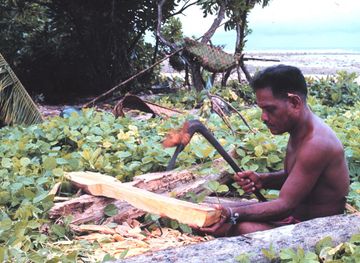
The indigenous Palauan people have a rich tradition of fishing, a practice that has been passed down through generations. Helen Reef has been an essential fishing ground for the local communities. The traditional methods employed include the use of weirs, traps, and spearfishing, which have been sustainably managed to ensure the preservation of marine life. These practices are deeply embedded in Palauan culture and highlight the community's connection to their natural environment.
-
During the late 19th and early 20th centuries, Palau, including Helen Reef, came under various colonial administrations. Initially claimed by Spain, the islands were sold to Germany in 1899. German administrators conducted scientific surveys and recognized the strategic and economic potential of Palau's reefs. In 1914, Japan took control of Palau and utilized its marine resources for their expanding empire. Helen Reef was mapped and studied extensively during this period, contributing to the broader understanding of the region’s marine biodiversity.
-
Helen Reef, like much of Palau, was significantly impacted by World War II. The islands were heavily fortified by the Japanese military, and Helen Reef played a strategic role in naval operations. The waters surrounding the reef saw numerous naval battles and skirmishes between Japanese and Allied forces. The remnants of these wartime activities, including shipwrecks and fortifications, can still be found in the area, serving as underwater historical sites that attract divers and historians alike.
-
In recent decades, Helen Reef has become a focal point for marine conservation efforts. The Helen Reef Resource Management Program was established to protect the diverse ecosystems and marine species of the reef. This community-based initiative involves local stakeholders in the management and preservation of the reef, promoting sustainable fishing practices and ecological education. The program has been successful in maintaining the health of the reef and serves as a model for conservation efforts in other parts of Palau and the Pacific region.
-
Helen Reef holds a special place in the cultural heritage of the Palauan people. It is not only a source of sustenance but also a site of historical and spiritual importance. Traditional stories and legends associated with the reef are shared among the community, reinforcing social bonds and cultural identity. The reef is also a place for traditional ceremonies and rituals, which are integral to the Palauan way of life. These cultural practices underscore the deep connection between the people and their natural environment.
Neighbouring Regions of Helen Reef
The closest regions to Helen Reef, if you have time for more than one.


Your all‑in‑one travel companion app
Explore expert travel guides, compare and book tours, experiences, hotels, and more—all from the palm of your hand. Download now for seamless trip planning wherever your wanderlust takes you.


Explore More of Palau

Looking beyond Helen Reef? Discover Palau for broader travel guides, local hot-spots, and regional highlights.
Explore PalauHelen Reef in Photos
Browse through our photo collection highlighting the charm and character of the destination.




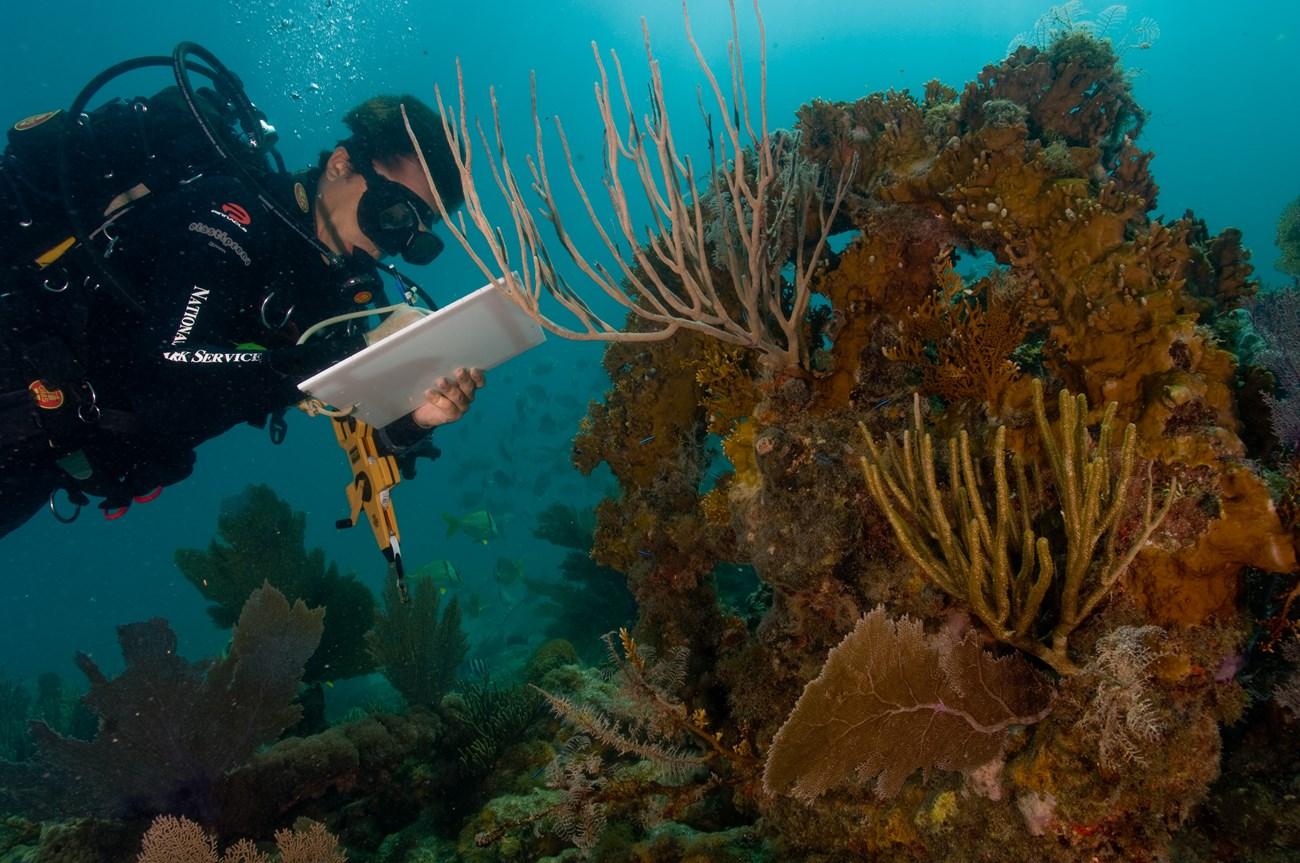
Helen Reef: Palau's Hidden Marine Gem
Helen Reef is a stunning coral atoll located in the Southwest Islands of Palau. This isolated paradise is known for its rich marine biodiversity and crystal-clear waters, making it a dream destination for divers and snorkelers. The reef is teeming with vibrant coral gardens, schools of tropical fish, and majestic sea turtles. Visitors often describe the underwater experience here as a living aquarium, with visibility that can exceed 30 meters. Aside from its underwater wonders, Helen Reef is also a sanctuary for various bird species. Birdwatchers will be delighted to spot rare seabirds that nest on the small islets surrounding the reef. The untouched beauty of the area, combined with the serene environment, offers a unique escape from the hustle and bustle of everyday life. The best time to visit Helen Reef is during the dry season, typically from November to April, when the seas are calm and the weather is ideal for water activities. Due to its remote location, access to Helen Reef requires careful planning and coordination with local tour operators. However, the journey is well worth the effort, as you'll be rewarded with an unforgettable experience in one of Palau's most pristine natural settings.