

Free Tobi Travel Guide & Mobile App
Explore Tobi with free travel guides. Discover regional history, expert tips, proposed trips, and audio guides on web or mobile app.


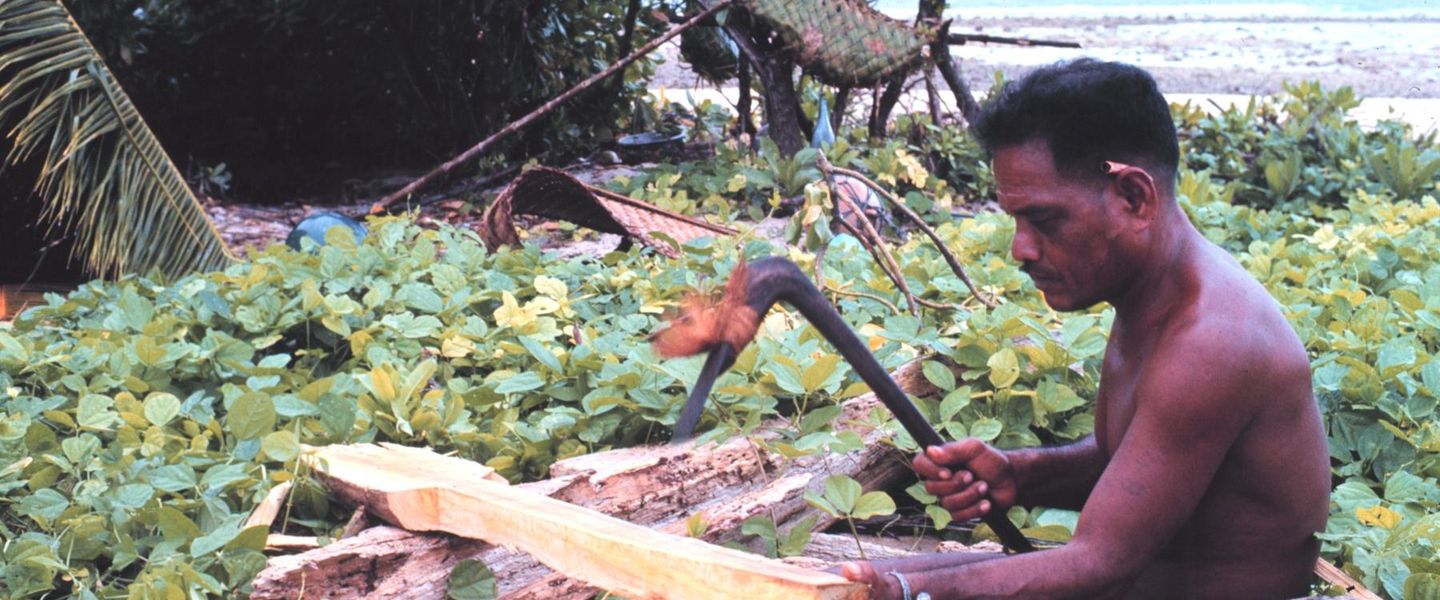

Tobi Island in Palau offers rare insight into remote Pacific island life, coral landscapes and marine conservation far beyond the main visitor routes.
Read more about Tobi
When is the best time to visit Tobi?
Best: January–March · 31°C| Month | High (°C) | Rainfall (mm) |
|---|---|---|
| January (best) | 31 | 300 |
| February (best) | 31 | 260 |
| March (best) | 31 | 280 |
| April | 32 | 340 |
| May | 32 | 400 |
| June | 32 | 440 |
| July | 32 | 460 |
| August | 32 | 480 |
| September | 32 | 500 |
| October | 31 | 440 |
| November | 31 | 400 |
| December | 31 | 360 |
Getting to and around Tobi
How to get there
Transportation
Best attractions in Tobi
Tobi’s attractions are primarily natural and cultural rather than commercial. The low coral island can be experienced through guided walks, observation of coastal vegetation, quiet beaches and an appreciation of how residents organise life in an exceptionally remote setting. Fishing knowledge, navigation traditions and the relationship between the settlement and surrounding sea are more meaningful here than formal museums or ticketed sites. Swimming, snorkelling or boating should only take place with local approval and suitable conditions, as reef environments, currents and rescue limitations present genuine risks. The wider Hatohobei State includes Helen Reef, a significant marine ecosystem separate from Tobi Island, but it is a conservation-sensitive area with controlled access rather than a standard day excursion. There are no established family attractions, visitor centres, tour companies or developed recreational facilities on Tobi. The island’s value lies in its isolation, community heritage and ecological setting, and visitors should avoid treating the absence of infrastructure as an invitation to explore without guidance. Researchers and conservation visitors may find the state’s marine environment particularly important, but all such work requires prior authorisation and careful coordination.
-
Tourist attraction
Ngardmau Waterfalls
Experience the stunning beauty of Ngardmau Waterfalls in Ngiwal, Palau, where nature's splendor awaits amidst lush greenery and cascading waters.
-
Tourist attraction
Dolphins Pacific
Experience unforgettable dolphin interactions and explore marine life at Dolphins Pacific, a premier attraction in Koror, Palau.
-
Tourist attraction
Palau Aquarium
Discover the vibrant marine life at Palau Aquarium, the ultimate destination for ocean enthusiasts and families exploring Koror.
-
Island
Malakal Island
Explore the breathtaking Malakal Island in Palau, a paradise for snorkeling, diving, and relaxation amidst stunning natural beauty.
Best landmarks in Tobi
Tobi’s most important landmarks are environmental and communal rather than monumental. The low coral island itself, with its narrow landform, coconut vegetation and exposed ocean setting, expresses the geographical conditions that have shaped local life. The settlement and its associated community spaces are culturally significant, but they are homes and working environments rather than open-air attractions; visitors should approach them only with permission. The surrounding reef and coastline are equally important, revealing the island’s dependence on the sea and its vulnerability to weather and environmental change. Helen Reef, within Hatohobei State but separate from Tobi, is a major marine landmark recognised for its ecological importance and conservation value. It is not a conventional sightseeing site and access is controlled. There are no castles, cathedrals, colonial civic buildings or large monuments on the island, and its significance lies in living Tobian heritage, remote Pacific geography and the continuing stewardship of a fragile marine territory.
-
National museum
Belau National Museum
Discover the cultural treasures of Palau at the Belau National Museum, where history, art, and tradition come together in a captivating experience.
-
Tourist attraction
Ngardmau Waterfalls
Explore the stunning Ngardmau Waterfalls in Palau, a breathtaking natural wonder surrounded by lush greenery and serene pools, perfect for relaxation and adventure.
-
Dive shop
Palau Dive Adventures
Discover the marvels of Palau’s underwater world with expert-led diving adventures and unforgettable marine experiences.
-
Shopping mall
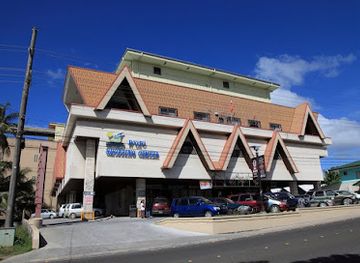
WCTC Shopping Center
Explore the vibrant WCTC Shopping Center in Palau, where shopping meets culture, dining, and entertainment in a dynamic atmosphere.
Explore Tobi on the map
Plan your trip on one map. See where the top cities, national parks and sights are, and book hotels and experiences in a few clicks.
Best hotels in Tobi
Best restaurants in Tobi
Tobi has no established restaurant scene, cafés or visitor dining directory. Food arrangements must be organised in advance with hosts or the responsible expedition, and visitors should not expect to purchase a full range of provisions locally. The island’s food culture is shaped by fishing, coconut, locally grown produce and imported staples brought by infrequent supply links, although availability varies and should not be assumed. Sharing food may form part of community hospitality, but it should be accepted respectfully and never treated as a guaranteed service. Travellers need to carry suitable non-perishable food, drinking-water contingencies and any dietary essentials, while confirming how packaging and waste will be removed. Palauan dishes available in Koror should not automatically be presented as Tobi-specific traditions; the island has its own Tobian cultural identity within the broader foodways of Palau. Any organised visit should clarify whether meals are included, who prepares them and how dietary, medical or religious requirements can be accommodated.
-
Restaurant
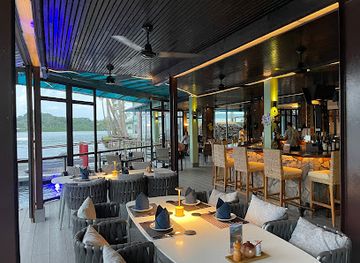
Drop Off Bar and Grill
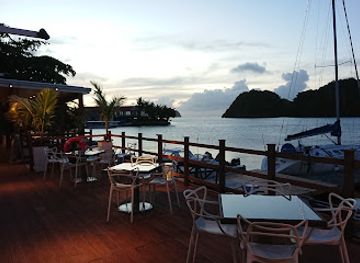
Experience delicious local flavors at Drop Off Bar and Grill in Koror, Palau - where great food meets stunning views.
-
Indian
The Taj
Experience the vibrant flavors of India at The Taj in Koror – where every dish tells a story.
-
Fine Dining
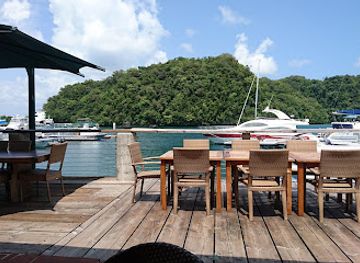
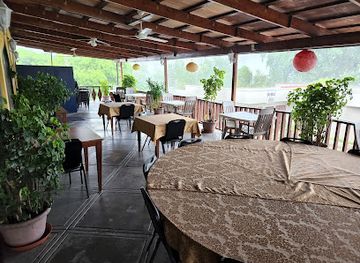
Elilai Seaside Dining
Indulge in exquisite flavors and stunning views at Elilai Seaside Dining in Koror, Palau's premier fine dining destination.
-
Restaurant
Marina Café VITA
Experience exquisite dining at Marina Café VITA, where stunning sea views meet diverse culinary delights in beautiful Koror.
Best bars in Tobi
Tobi has no bars, nightclubs or organised nightlife in the commercial sense. Evening life is likely to centre on the small community, conversation, family activity, quiet walks and the natural environment, subject to local custom and weather. Visitors should not bring resort expectations or assume that alcohol is appropriate in every social setting. If an authorised host offers a community gathering, follow local guidance about participation, photography and drinking. Night-time movement requires particular caution because lighting, paths, communications and medical assistance are limited; remain near the agreed accommodation or settlement and carry only equipment permitted by local authorities. Those seeking bars, live music or restaurants will find such services in Koror, which is outside Hatohobei State and many hundreds of kilometres away, not on Tobi itself.
-
 Resort hotel
Palau Royal Resort
Experience luxury and natural beauty at Palau Royal Resort, a premier destination for relaxation and adventure in the heart of Palau.
-
Hotel
Palau Pacific Resort
Experience luxury and adventure at Palau Pacific Resort, your gateway to the stunning beauty of Palau's underwater paradise.
-
Bar
The Canoe House
Experience the vibrant flavors and lively atmosphere of The Canoe House, where culinary delights and local culture come together in Koror, Palau.
-
Hotel
Palau Central Hotel
Experience the perfect blend of comfort and hospitality at Palau Central Hotel, your ideal base for exploring the stunning beauty of Palau.
Best nightclubs in Tobi
Tobi has no bars, nightclubs or organised nightlife in the commercial sense. Evening life is likely to centre on the small community, conversation, family activity, quiet walks and the natural environment, subject to local custom and weather. Visitors should not bring resort expectations or assume that alcohol is appropriate in every social setting. If an authorised host offers a community gathering, follow local guidance about participation, photography and drinking. Night-time movement requires particular caution because lighting, paths, communications and medical assistance are limited; remain near the agreed accommodation or settlement and carry only equipment permitted by local authorities. Those seeking bars, live music or restaurants will find such services in Koror, which is outside Hatohobei State and many hundreds of kilometres away, not on Tobi itself.
-
Resort hotel
Palau Royal Resort
Discover the serene beauty of Palau at Palau Royal Resort, a luxurious beachfront retreat offering stunning views and unforgettable experiences.
-
Resort hotel
Palau Pacific Resort
Experience luxury and adventure at Palau Pacific Resort, where stunning beaches meet vibrant marine life in a tropical paradise.
-
Resort hotel
COVE Resort Palau
Discover the tropical paradise of COVE Resort Palau, where relaxation meets adventure amidst stunning natural beauty.
-
Restaurant
The Canoe House
Explore the vibrant flavors and lively atmosphere at The Canoe House, a top dining and nightlife destination in Koror, Palau.

Best shops in Tobi
Tobi has no conventional shopping district, supermarket, craft market or dependable retail outlet for visitors. Supplies are limited and arrive irregularly, so travellers should bring clothing, medicines, toiletries, specialist equipment and replacement items from Koror or their home country. Locally made objects or food may sometimes be available through personal arrangements, but visitors should never assume that souvenirs are produced for sale or remove natural materials such as shells, coral, feathers or plants. If residents offer a locally made item, agree respectfully on whether it is for sale, a gift or a shared exchange, and pay only through an arrangement accepted by the maker or host. The most responsible keepsake is often a permitted photograph or a modest contribution agreed in advance, rather than a physical object taken from the island. Palau’s wider handicrafts and regional products can be purchased in Koror, outside Hatohobei State, before or after an authorised visit.
-
Resort hotel
Palau Royal Resort
Discover the ultimate luxury experience at Palau Royal Resort, where breathtaking views and exceptional service await you in the heart of Palau.
-
Hotel
Palau Pacific Resort
Discover luxury and adventure at Palau Pacific Resort, where stunning ocean views and exceptional service await in the heart of paradise.
-
SCUBA tour agency
Fish 'n Fins Palau
Explore the vibrant underwater world of Palau with Fish 'n Fins, your go-to scuba tour agency for unforgettable diving adventures.
-
Shopping mall
WCTC Shopping Center
Discover the ultimate shopping experience at WCTC Shopping Center, where local culture meets modern retail in Palau.

Get your free copy of our complete guide to Tobi, delivered straight to you.
Everything on this page, from attractions and restaurants to essentials and local phrases, in one PDF you can read offline, print or share.
Already have an account? Sign in
Your Tobi guide is ready.
We'll send it to · Not you? Sign out

Getting your guide ready…
We are putting together a fresh copy of the Tobi guide. This can take up to a minute.
This can take a few moments. If your browser asks, choose Allow so the download can start. You'll find the guide in your Downloads folder.
Nothing happened? Download it again
Sorry, the guide is taking longer than usual. Please try again in a minute, or get it by email instead.
Tobi essentials
Currency and Payment
Safety
Emergency Situations
Do's and Don'ts
Local Tips
From Eve
Local phrases worth knowing
You don't need to get them perfect. A few words go a long way, and locals appreciate the effort.
Basics
| English | Local | Say it |
|---|---|---|
| Hello | Alii | [ah-lee-ee] |
| Goodbye | Alohs | [ah-lohs] |
| Yes | Omes | [oh-mes] |
| No | Ngara | [ngah-rah] |
| Please/You're welcome | Mekai | [meh-kai] |
| Thank you | Karamu | [kah-rah-moo] |
| Excuse me/Sorry | Choi | [choy] |
| How are you? | Mecheru? | [meh-cheh-roo] |
| Fine. And you? | Ngei. A mei? | [ngeh-ee. ah meh-ee?] |
| Do you speak English? | Omes a ngii e ngelekel? | [oh-mes ah ngee eh nge-leh-kel?] |
| I don't understand | A ngalek a ngii. | [ah ngah-lek ah ngee.] |
Eating & Drinking
| English | Local | Say it |
|---|---|---|
| I'd like to see the menu, please | A chad a se menu, mekai | [ah chahd ah seh meh-nu, meh-kai] |
| I don't eat meat | A ngalek a chad a teru. | [ah ngah-lek ah chahd ah teh-roo.] |
| Cheers! | Omes! | [oh-mes!] |
| I would like to pay, please | A chad a se a chad, mekai | [ah chahd ah seh ah chahd, meh-kai] |
Emergencies
| English | Local | Say it |
|---|---|---|
| Help! | Choi! | [choy!] |
| Go away! | Choi a chad! | [choy ah chahd!] |
| Call the Police! | Mekei a Police! | [meh-kay ah poh-lees!] |
| Call a doctor! | Mekei a doctor! | [meh-kay ah doh-ktor!] |
| I'm lost | A ngalek a chad. | [ah ngah-lek ah chahd.] |
| I'm ill | A ngalek a diak. | [ah ngah-lek ah dee-ack.] |
Shopping
| English | Local | Say it |
|---|---|---|
| I'd like to buy... | A chad a se... | [ah chahd ah seh...] |
| I'm just looking | A chad a se chad. | [ah chahd ah seh chahd.] |
| How much is it? | Bai a diak? | [bye ah dee-ack?] |
| That's too expensive | A chad a diak a chad. | [ah chahd ah dee-ack ah chahd.] |
| Can you lower the price? | A chad a se a chad a diak? | [ah chahd ah seh ah chahd ah dee-ack?] |
Time & Numbers
| English | Local | Say it |
|---|---|---|
| What time is it? | A diak a se? | [ah dee-ack ah seh?] |
| It's one o'clock | A se a chad. | [ah seh ah chahd.] |
| Half past (10) | A chad a diak. | [ah chahd ah dee-ack.] |
| Morning | Ngelek | [nge-lek] |
| Afternoon | Melek | [meh-lek] |
| Evening | Bai | [bye] |
| Yesterday | Ngii a se | [nghee ah seh] |
| Today | Ngei a se | [ngei ah seh] |
| Tomorrow | Ngei a diak | [ngei ah dee-ack] |
| 1 | Chad | [chahd] |
| 2 | Mekai | [meh-kai] |
| 3 | Mekai a chad | [meh-kai ah chahd] |
| 4 | Mekai a diak | [meh-kai ah dee-ack] |
| 5 | Mekai a diak a chad | [meh-kai ah dee-ack ah chahd] |
| 6 | Mekai a diak a diak | [meh-kai ah dee-ack ah dee-ack] |
| 7 | Mekai a diak a diak a chad | [meh-kai ah dee-ack ah dee-ack ah chahd] |
| 8 | Mekai a diak a diak a diak | [meh-kai ah dee-ack ah dee-ack ah dee-ack] |
| 9 | Mekai a diak a diak a diak a chad | [meh-kai ah dee-ack ah dee-ack ah dee-ack ah chahd] |
| 10 | Mekai a diak a diak a diak a diak | [meh-kai ah dee-ack ah dee-ack ah dee-ack ah dee-ack] |
Transport & Directions
| English | Local | Say it |
|---|---|---|
| Where's a/the...? | Omes a se...? | [oh-mes ah seh...?] |
| What's the address? | A se a address? | [ah seh ah ad-dress?] |
| Can you show me (on the map)? | Omes a se a chad (a se map)? | [oh-mes ah seh ah chahd (ah seh map)?] |
| When's the next (bus)? | A se a diak a se (bus)? | [ah seh ah dee-ack ah seh (bus)?] |
| A ticket (to ....) | A se a ticket (a ....) | [ah seh ah ti-ket (ah ....)] |
History of Tobi
Early Micronesian Settlement
Tobi’s history begins with the movement of seafaring Micronesian peoples across the western Pacific. The island’s inhabitants developed knowledge suited to a small, isolated coral environment, including navigation, fishing, cultivation and the use of coconut and other coastal resources. Tobian cultural traditions and language reflect this long island history, while contacts with neighbouring islands created wider family and trading connections. Because Tobi is remote and its land area is limited, the community’s survival has always depended on careful use of marine and terrestrial resources.
European Contact and Spanish Administration
European navigators recorded islands in the south-western Caroline region during the period of Spanish exploration and administration. Spanish authority over the wider Caroline Islands was often distant in practical terms, particularly on isolated islands such as Tobi, where local communities continued to organise everyday life largely through their own customs. Catholic and administrative influence was stronger in some other parts of the archipelago than on Tobi, whose extreme distance from regional centres limited sustained outside presence.
German Colonial Period
Spain sold its remaining Caroline Islands claims to Germany in 1899, bringing Tobi within the German colonial sphere. German administration formalised external control of the islands, although its direct reach on remote Tobi was limited. The period connected Palau and its outlying islands more closely to colonial commercial networks, maritime mapping and regional administration. For island communities, however, the practical rhythm of fishing, cultivation and local social life remained more immediate than colonial institutions situated far away.
Japanese Rule and the Pacific War
Japan took control of the Caroline Islands after the First World War under a League of Nations mandate and later incorporated the region into its wartime Pacific system. Japanese influence affected administration, schooling, commerce and communications across Palau, but Tobi’s distance meant that the island did not develop the urban and industrial infrastructure seen around Koror. The Second World War brought profound change to Palau as a whole, while Tobi’s isolation continued to shape its more limited direct involvement in military and economic activity.
United States Administration and Palauan Self-Government
After the Second World War, Palau became part of the United States-administered Trust Territory of the Pacific Islands. The post-war period brought new political institutions, education and links to the wider world, although outlying communities continued to face difficult transport and supply conditions. Palau later developed free association with the United States and became an independent republic in 1994. Tobi’s incorporation within Palau’s national and state systems preserved its political connection to the country while leaving it one of the most geographically remote communities under Palauan administration.
Hatohobei State and Marine Conservation
Modern Hatohobei State includes Tobi Island and the remote Helen Reef area. State institutions have had to balance the needs of a very small island population with the protection of valuable marine ecosystems and the practical challenges of governing distant territory. Helen Reef is especially significant for conservation, fisheries management and regional ecological research. This contemporary history has reinforced Tobi’s importance not as a mass-tourism destination, but as a community and marine environment requiring carefully managed access.
Tobi in Photos
Browse through our photo collection highlighting the charm and character of the destination.
Neighbouring regions of Tobi
The closest regions to Tobi, if you have time for more than one.
-

-
-

-

-


Swipe for more regions

