
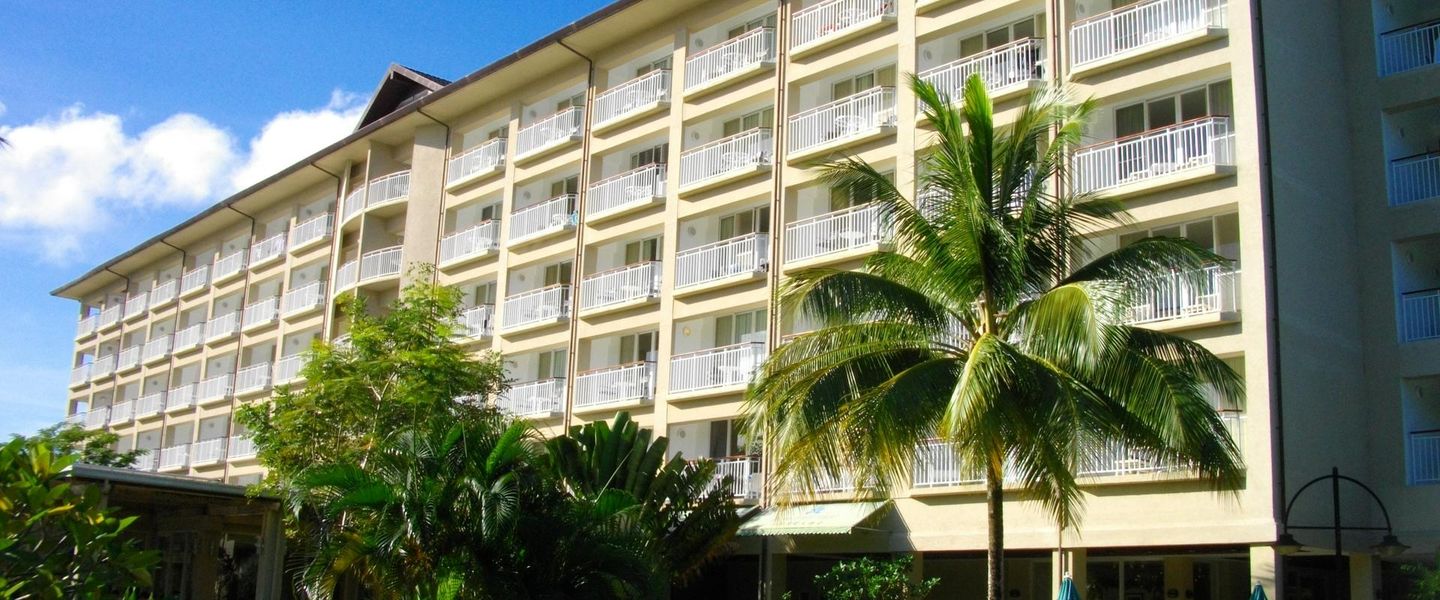
Sonsorol, Palau Travel Guide
Discover the untouched beauty and rich culture of Sonsorol, Palau – a secluded island paradise offering pristine beaches, vibrant coral reefs, and warm hospitality.
Sonsorol, one of the remotest islands in Palau, is a hidden gem that promises an unforgettable escape from the hustle and bustle of modern life. This tiny island is surrounded by the pristine waters of the Pacific Ocean and offers a serene environment that is perfect for those looking to unwind and reconnect with nature. The island's lush greenery, white sandy beaches, and vibrant coral reefs create a picturesque paradise that will leave you in awe. Sonsorol's rich culture and history add to its charm. The island is home to a small but welcoming community that is eager to share their traditions and way of life with visitors. You can explore the local villages, learn about traditional Palauan crafts, and experience the island's unique customs. The friendly locals will make you feel right at home and provide a glimpse into the island's past and present. For adventurers, Sonsorol offers a range of activities that make the most of its natural beauty. Snorkeling and diving in the surrounding waters reveal a stunning underwater world teeming with colorful marine life and coral formations. Hiking through the island's trails allows you to discover its diverse flora and fauna. Whether you are seeking relaxation or adventure, Sonsorol has something for everyone.

Know before you go
Hi, I'm Eve. Here are a few practical things to know before exploring Sonsorol.
- Bring essential supplies, as there are limited shops on the island.
- Learn a few basic phrases in Palauan to connect better with the locals.
- Respect local customs and traditions to ensure a positive experience.
- Plan your visit during the dry season for the best weather conditions.
- Consider hiring a local guide for a more enriching exploration of the island.
Explore Sonsorol: Things to Do, Places to Eat, Hotels & More
Handpicked recommendations for top attractions, local dining, accommodations, and more

Top Attractions & Sightseeing in Sonsorol


Best bars in Sonsorol
Top-rated picks
Best Bars

Palau Royal Resort
Discover luxury and adventure at the Palau Royal Resort, a stunning retreat blending relaxation with the natural beauty of Palau.
Palau Pacific Resort
Experience luxury at Palau Pacific Resort, your gateway to the stunning beauty and vibrant culture of Palau.

Drop Off Bar and Grill
Experience the best of Palauan cuisine and vibrant atmosphere at the Drop Off Bar and Grill in Koror.

Palau Hotel
Discover the Best of Palauan Cuisine and Comfort at Palau Hotel - Your Ideal Getaway in Koror.


Best shops in Sonsorol
Top-rated picks
Best Shops
Palau Royal Resort
Discover the ultimate tropical getaway at Palau Royal Resort, where luxury meets nature in the heart of the Pacific.
Palau Pacific Resort
Discover the ultimate tropical retreat at Palau Pacific Resort, where luxury meets nature's beauty in breathtaking Palau.
Palau Hotel
Experience comfort and flavor at Palau Hotel, your gateway to the breathtaking beauty of Palau.

Fish 'n Fins Palau
Experience the breathtaking underwater beauty of Palau with Fish 'n Fins, the ultimate scuba diving destination for adventure seekers.

Explore Sonsorol on the Map
A handpicked selection of must-see spots in Sonsorol, mapped for you.
Sonsorol Essentials
-
Sonsorol is a remote island in Palau, accessible primarily by boat or small aircraft. The most common route is to fly into Koror, the capital of Palau, via international flights from major hubs like Guam, Manila, or Taipei. From Koror, you can charter a boat or a small plane to Sonsorol. Note that travel schedules can be influenced by weather conditions, so plan accordingly and confirm your arrangements in advance.
-
Sonsorol is a small island, and the best way to get around is on foot. There are no formal public transportation systems or car rentals available. For longer trips or excursions, you may arrange for boat transport with local operators. Bicycles can sometimes be rented from local residents.
-
The official currency of Palau is the US Dollar (USD). Sonsorol is a remote area with limited banking facilities, so it is crucial to bring enough cash for your entire stay. Credit cards are rarely accepted, and there are no ATMs on the island. Make sure to exchange currency or withdraw cash before arriving in Sonsorol.
-
Sonsorol is generally a safe destination with a low crime rate. However, it is always advisable to take standard precautions. Keep your belongings secure and avoid leaving valuables unattended. There are no specific high-crime areas targeting tourists, but staying vigilant is always wise. As Sonsorol is a remote island, medical and emergency services are limited, so it is essential to have comprehensive travel insurance.
-
In case of emergency, contact the local authorities or your nearest embassy. Medical facilities on Sonsorol are basic, so for serious medical issues, evacuation to Koror or another larger island may be necessary. Always carry a first-aid kit and any necessary medications. Ensure your travel insurance covers medical evacuations.
-
Fashion: Do dress modestly out of respect for local customs. Lightweight, breathable clothing is recommended due to the tropical climate. Religion: Do show respect when visiting any religious sites. Remove hats and shoes where required. Public Transport: As there is no formal public transport, be respectful when using local boat services. Greetings: Do greet locals with a friendly wave or a simple 'hello.' Eating & Drinking: Do try local cuisine, and always show appreciation for meals provided by locals. Don't waste food, as resources can be limited on the island.
-
To experience Sonsorol like a local, engage with the community and participate in traditional activities. Fishing is a central part of life on the island, and joining a local fishing trip can be a rewarding experience. Attend local festivals and cultural events to immerse yourself in Sonsorol's traditions. Always ask for permission before taking photos of people or cultural sites.
When is the best time to visit Sonsorol?
Useful Local Phrases for Sonsorol
You don't need to speak the language perfectly. Even learning a few simple words can make conversations warmer—and locals usually appreciate the effort.
— Eve

Here are the phrases I use most often in Sonsorol. Try a few—you'll be surprised how far they go! 😊
❤️
-
- HelloAlii
[Ah-lee] - GoodbyeAcha
[Ah-chah] - YesO
[Oh] - NoNai
[Nai] - Please/You're welcomeNgara
[Ngah-rah] - Thank youKedam
[Keh-dahm] - Excuse me/SorryNgara ngii
[Ngah-rah ngee] - How are you?Ngeru el ngara?
[Ngeh-roo el ngah-rah?] - Fine. And you?Kedam. A koel?
[Keh-dahm. Ah koh-el?] - Do you speak English?Ngara ngii le aib?
[Ngah-rah ngee leh eyeb?] - I don't understandNgei a ngii ngeru
[Ngeh-ee ah ngee ngeh-roo]
- HelloAlii
-
- I'd like to see the menu, pleaseNgara a keri a menu, ngara
[Ngah-rah ah keh-ree ah meh-noo, ngah-rah] - I don't eat meatNgei a keri a ngii
[Ngeh-ee ah keh-ree ah ngee] - Cheers!Taluh!
[Tah-loo] - I would like to pay, pleaseNgara a keri a dol, ngara
[Ngah-rah ah keh-ree ah dohl, ngah-rah]
- I'd like to see the menu, pleaseNgara a keri a menu, ngara
-
- Help!Bok!
[Bok] - Go away!Mere!
[Meh-reh] - Call the Police!Kedam el polisi!
[Keh-dahm el poh-lee-see] - Call a doctor!Kedam el dokta!
[Keh-dahm el doh-kta] - I'm lostNgei a ngeru
[Ngeh-ee ah ngeh-roo] - I'm illNgei a ngii
[Ngeh-ee ah ngee]
- Help!Bok!
-
- I'd like to buy...Ngara a keri a ...
[Ngah-rah ah keh-ree ah ...] - I'm just lookingNgei a keri a ngii
[Ngeh-ee ah keh-ree ah ngee] - How much is it?Ngeru el a ngii?
[Ngeh-roo el ah ngee?] - That's too expensiveA keri a ngii el ngara
[Ah keh-ree ah ngee el ngah-rah] - Can you lower the price?Ngara a keri a ngii, ngara?
[Ngah-rah ah keh-ree ah ngee, ngah-rah?]
- I'd like to buy...Ngara a keri a ...
-
- What time is it?Ngeru el a ngii?
[Ngeh-roo el ah ngee?] - It's one o'clockA chad el a ngii
[Ah chahd el ah ngee] - Half past (10)A chad el a ngii a (10)
[Ah chahd el ah ngee ah (10)] - MorningNgir
[Ngee-ree] - AfternoonNgeru
[Ngeh-roo] - EveningNgir el
[Ngee-ree el] - YesterdayNgeru el a ngii
[Ngeh-roo el ah ngee] - TodayA ngeru
[Ah ngeh-roo] - TomorrowA ngii
[Ah ngee] - 1Chad
[Chahd] - 2Chad el
[Chahd el] - 3Chad el a ngii
[Chahd el ah ngee] - 4Chad el a ngii a (4)
[Chahd el ah ngee ah (4)] - 5Chad el a ngii a (5)
[Chahd el ah ngee ah (5)] - 6Chad el a ngii a (6)
[Chahd el ah ngee ah (6)] - 7Chad el a ngii a (7)
[Chahd el ah ngee ah (7)] - 8Chad el a ngii a (8)
[Chahd el ah ngee ah (8)] - 9Chad el a ngii a (9)
[Chahd el ah ngee ah (9)] - 10Chad el a ngii a (10)
[Chahd el ah ngee ah (10)]
- What time is it?Ngeru el a ngii?
-
- Where's a/the...?Ngeru el a ...?
[Ngeh-roo el ah ...?] - What's the address?Ngeru el a address?
[Ngeh-roo el ah address?] - Can you show me (on the map)?Ngara a keri a (map), ngara?
[Ngah-rah ah keh-ree ah (map), ngah-rah?] - When's the next (bus)?Ngeru el a (bus) ngii?
[Ngeh-roo el ah (bus) ngee?] - A ticket (to ....)A ticket a (....)
[Ah ticket ah (....)]
- Where's a/the...?Ngeru el a ...?
History of Sonsorol
-
Sonsorol, one of the smallest states in Palau, has a rich history of early settlement by the indigenous Sonsorolese people. Archaeological evidence suggests that the island was inhabited as early as 1000 BCE. The Sonsorolese developed a unique culture characterized by traditional navigation techniques, intricate mat weaving, and a matrilineal clan system. The island’s oral traditions and folklore reflect the deep connection between the people and their maritime environment.
-
Sonsorol first came into contact with Europeans in the early 16th century. In 1522, the Spanish explorer Juan Sebastián Elcano, who was part of Magellan’s expedition, arrived on the island. This marked the beginning of sporadic European visits, primarily by Spanish and later by British navigators. These encounters often led to the exchange of goods, but they also brought diseases that affected the local population.
-
In the late 19th century, Sonsorol became part of the Spanish East Indies following Spain's formal claim over Palau in 1885. The Spanish colonial period was marked by the introduction of Christianity, with missionaries establishing small chapels and schools. Although Spanish control was relatively short-lived, it left a lasting impact on the island’s cultural and religious landscape.
-
After Spain's defeat in the Spanish-American War in 1898, Germany purchased Palau, including Sonsorol, under the Treaty of Paris. German rule introduced new economic activities, such as copra production. However, German administration was brief, as Japan took control of Palau during World War I under the Treaty of Versailles. Japanese rule brought infrastructural development and increased interaction with the broader Pacific region until the end of World War II.
-
During World War II, Sonsorol was strategically significant but saw less direct combat compared to other parts of Palau. After Japan's defeat, the island came under American administration as part of the Trust Territory of the Pacific Islands. The U.S. military presence and subsequent influence led to modernization efforts and increased connectivity with the outside world.
-
Sonsorol became part of the independent Republic of Palau in 1994. Since then, the island has worked to preserve its unique cultural heritage while embracing modernity. Efforts have been made to document and revive traditional practices, and the island is now a destination for travelers seeking to experience its rich history and vibrant culture. The local government continues to promote sustainable tourism to protect Sonsorol’s natural and cultural resources.
Neighbouring Regions of Sonsorol
The closest regions to Sonsorol, if you have time for more than one.




Your all‑in‑one travel companion app
Explore expert travel guides, compare and book tours, experiences, hotels, and more—all from the palm of your hand. Download now for seamless trip planning wherever your wanderlust takes you.


Explore More of Palau

Looking beyond Sonsorol? Discover Palau for broader travel guides, local hot-spots, and regional highlights.
Explore PalauSonsorol in Photos
Browse through our photo collection highlighting the charm and character of the destination.

The Unspoiled Paradise of Sonsorol, Palau
Sonsorol, one of the remotest islands in Palau, is a hidden gem that promises an unforgettable escape from the hustle and bustle of modern life. This tiny island is surrounded by the pristine waters of the Pacific Ocean and offers a serene environment that is perfect for those looking to unwind and reconnect with nature. The island's lush greenery, white sandy beaches, and vibrant coral reefs create a picturesque paradise that will leave you in awe. Sonsorol's rich culture and history add to its charm. The island is home to a small but welcoming community that is eager to share their traditions and way of life with visitors. You can explore the local villages, learn about traditional Palauan crafts, and experience the island's unique customs. The friendly locals will make you feel right at home and provide a glimpse into the island's past and present. For adventurers, Sonsorol offers a range of activities that make the most of its natural beauty. Snorkeling and diving in the surrounding waters reveal a stunning underwater world teeming with colorful marine life and coral formations. Hiking through the island's trails allows you to discover its diverse flora and fauna. Whether you are seeking relaxation or adventure, Sonsorol has something for everyone.