

Free Kayangel Travel Guide & Mobile App
Explore Kayangel with free travel guides. Discover regional history, expert tips, proposed trips, and audio guides on web or mobile app.


Kayangel, Palau’s remote northern atoll, offers lagoon waters, reef scenery, island walks and a close look at community life beyond the main tourist centres.
Read more about Kayangel
When is the best time to visit Kayangel?
Best: January–March · 30°C| Month | High (°C) | Rainfall (mm) |
|---|---|---|
| January (best) | 30 | 238 |
| February (best) | 30 | 183 |
| March (best) | 30 | 228 |
| April | 30 | 263 |
| May | 30 | 368 |
| June | 30 | 320 |
| July | 30 | 355 |
| August | 30 | 363 |
| September | 30 | 371 |
| October | 30 | 341 |
| November | 30 | 357 |
| December | 30 | 298 |
Getting to and around Kayangel
How to get there
Transportation
Best attractions in Kayangel
Kayangel’s attractions are primarily natural and community-based. The lagoon provides settings for boat trips, swimming where conditions are judged safe, fishing and snorkelling, while the outer reef offers a more exposed marine environment for experienced visitors accompanied by local operators. Kayangel Island itself rewards slow exploration on foot, with coconut palms, sandy edges, low vegetation and a small island settlement rather than formal visitor facilities. Birdwatching and observing intertidal life can be worthwhile, particularly for travellers prepared to move quietly and avoid disturbing wildlife. Smaller islands and reef areas within the state may be visited only when local access, weather and conservation rules allow. The most meaningful cultural attraction is the living community: conversations arranged through local contacts can explain fishing practices, island livelihoods and the importance of customary relationships. Kayangel is not a destination for a long list of museums, galleries or built theme attractions; its value lies in remoteness, clear water, open horizons and the chance to experience a functioning outer-island society. Visitors should bring realistic expectations, respect local guidance and treat every excursion as dependent on the marine environment.
-
Dive shop
Palau Dive Adventures
Experience the underwater paradise of Palau with expert guidance at Palau Dive Adventures, your gateway to unforgettable diving and boat tours.
-
Tourist attraction
Ngardmau Waterfalls Ticket, Parking Lot
Experience the breathtaking beauty of Ngardmau Waterfalls in Palau, a natural wonder perfect for relaxation and adventure amidst lush tropical landscapes.
-
Island
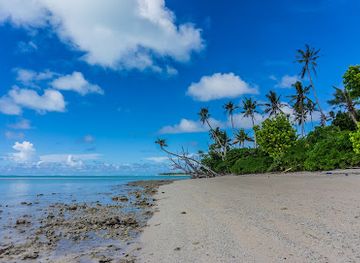
Kayangel Island
Experience the pristine beauty and tranquility of Kayangel Island, a hidden tropical paradise in Palau, perfect for relaxation and adventure.
-
Tourist attraction
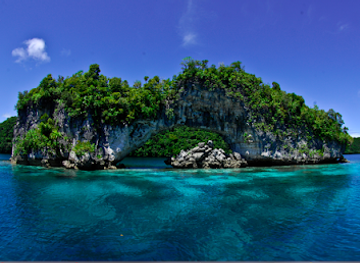
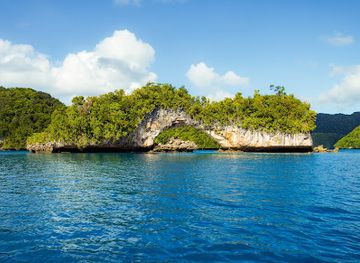
Natural Arch
Explore the iconic Natural Arch in Palau's Rock Islands, where stunning landscapes and vibrant marine life await adventurous travelers.

Best landmarks in Kayangel
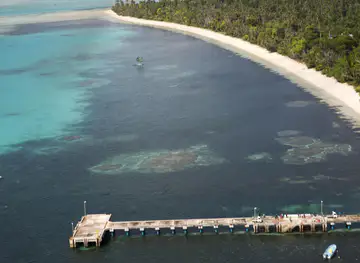
Kayangel’s most recognisable landmarks are geographical rather than monumental. The low, palm-fringed outline of Kayangel Island, the surrounding lagoon and the pale reef and sand formations define the state’s visual identity and demonstrate how little elevation separates the community from the open Pacific. The channel between lagoon and ocean is an important navigational feature, best understood with a local boat crew because currents and conditions vary. The atoll’s smaller islands and outer reef areas are also significant natural markers, although access may be restricted by weather, custom or conservation requirements. Kayangel’s settlement landscape, including its community buildings and homes, is more meaningful as a living expression of outer-island Palauan life than as a collection of monumental architecture. Visitors should not treat beaches, vegetation or reef structures as souvenirs: their value lies in the intact relationship between land, lagoon and community. Kayangel’s landmarks are therefore experienced through scale, horizon and marine geography rather than through castles, cathedrals or purpose-built visitor monuments.
-
Island
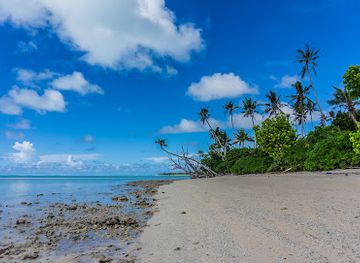
Kayangel Island
Explore the untouched paradise of Kayangel Island, an enchanting getaway in Palau with stunning beaches and vibrant marine life.
Explore Kayangel on the map
Plan your trip on one map. See where the top cities, national parks and sights are, and book hotels and experiences in a few clicks.
Best hotels in Kayangel
Best restaurants in Kayangel
Kayangel has no broad restaurant scene, and visitors should organise meals with their accommodation, host or boat operator before travelling. Food is likely to be simple and practical, reflecting the logistics of supplying a remote atoll. Fish and other seafood may be part of locally arranged meals, alongside rice, noodles, tinned provisions, fruit and coconut-based ingredients familiar throughout Palau. Palauan food traditions are best understood through local preparation and conversation rather than through a formal dining circuit. Bring snacks and any dietary essentials from Babeldaob, especially if travelling for more than a short excursion, and confirm whether drinking water is provided. Do not assume that a catch can be taken, purchased or prepared for visitors without permission. On Kayangel, eating is closely connected to hospitality, fishing and supply constraints, so flexibility and advance planning matter more than seeking a choice of cafés or fine-dining venues.
-
Restaurant
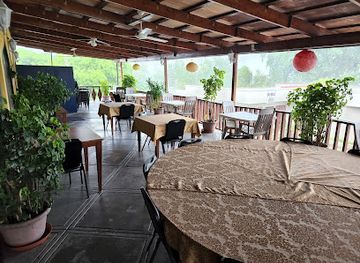
Drop Off Bar and Grill
Experience local flavors at Drop Off Bar and Grill in Koror - where every bite is a taste of Palau's culinary heritage.
-
Indian
The Taj
Savor authentic Indian flavors at The Taj in Koror, Palau – where culinary tradition meets vibrant dining.
-
Fine Dining
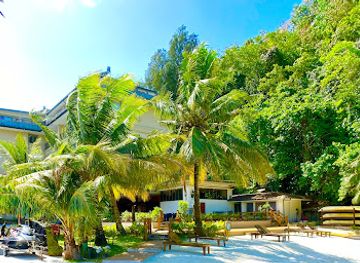
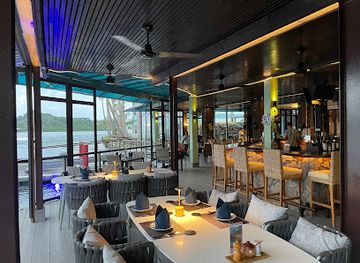
Elilai Seaside Dining
Discover fine dining at Elilai Seaside Dining in Palau, where gourmet cuisine meets stunning ocean views for an unforgettable experience.
-
Restaurant
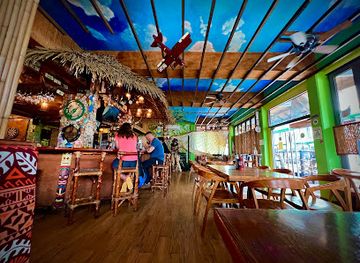
The Canoe House
Discover The Canoe House: A culinary oasis in Koror offering fresh seafood, gourmet burgers, live music, and unforgettable dining experiences.
Best bars in Kayangel
Kayangel does not have a conventional nightlife district, nightclub scene or late-opening bar circuit. Evening life is centred on homes, community relationships and the quiet rhythm of an outer island, with socialising shaped by weather, work at sea and available supplies. A locally arranged gathering may offer a more authentic insight into island life than a commercial night out, but visitors should accept invitations respectfully and avoid assuming that alcohol is part of the occasion. There are no reliable reasons to travel to Kayangel expecting cocktail bars, live-music venues or entertainment schedules. Bring a torch for walking after dark, keep noise low near homes and follow the advice of hosts about appropriate places and times for evening activity. The night sky, shoreline and conversation are central to the atmosphere, provided visitors remain mindful of safety and community privacy.
-
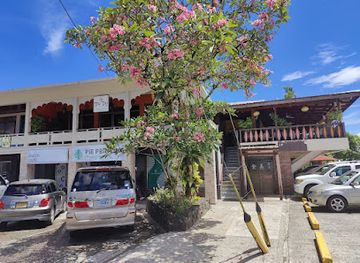
Restaurant
Drop Off Bar and Grill
Discover the vibrant culinary scene at Drop Off Bar and Grill, where local flavors meet a lively atmosphere in the heart of Koror, Palau.
-
Indian
The Taj
Discover the vibrant flavors of India at The Taj in Koror, a unique dining experience that blends traditional cuisine with a lively atmosphere.
-
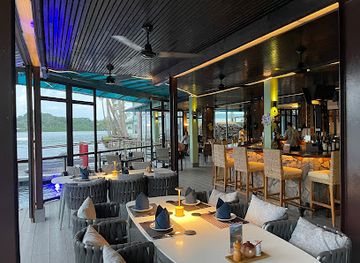
Fine Dining
Elilai Seaside Dining
Experience fine dining in Palau with ocean views at Elilai Seaside Dining, where culinary excellence meets breathtaking scenery.
-
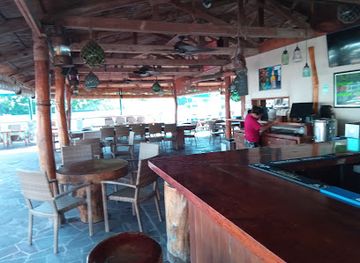
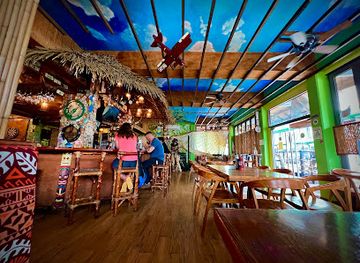
Bar
The Canoe House
Experience the vibrant atmosphere of The Canoe House in Koror, Palau, where delicious food and live music create unforgettable memories.
Best nightclubs in Kayangel
Kayangel does not have a conventional nightlife district, nightclub scene or late-opening bar circuit. Evening life is centred on homes, community relationships and the quiet rhythm of an outer island, with socialising shaped by weather, work at sea and available supplies. A locally arranged gathering may offer a more authentic insight into island life than a commercial night out, but visitors should accept invitations respectfully and avoid assuming that alcohol is part of the occasion. There are no reliable reasons to travel to Kayangel expecting cocktail bars, live-music venues or entertainment schedules. Bring a torch for walking after dark, keep noise low near homes and follow the advice of hosts about appropriate places and times for evening activity. The night sky, shoreline and conversation are central to the atmosphere, provided visitors remain mindful of safety and community privacy.
-
Island
Kayangel Island
Experience the untouched beauty of Kayangel Island, where crystal-clear waters meet pristine beaches in a tropical paradise.
-
Lounge
Ocean View Lounge
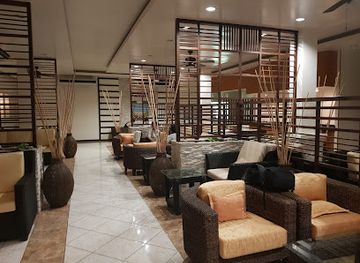
Discover tranquility at Ocean View Lounge, where tropical charm meets breathtaking ocean views in the heart of Airai, Palau.
-
 Island
Kayangel
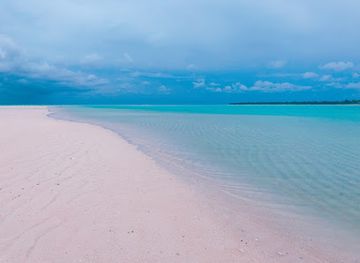
Kayangel Island in Palau: A pristine tropical paradise offering stunning beaches, vibrant marine life, and rich cultural experiences for every traveler.
Best shops in Kayangel
Shopping in Kayangel is extremely limited and should not be treated as a principal part of a visit. There is no extensive retail centre, craft quarter or dependable market for visitors, so buy essentials, medicines, snacks, reef equipment and suitable cash before leaving Babeldaob. Any locally made items or food products should be purchased only through an agreed community or host arrangement, with fair payment and respect for customary ownership. Fish, coconut products or handicrafts may be available at times, but supply and availability cannot be assumed. Do not buy coral, shells, archaeological material or wildlife, and never remove natural objects from beaches or reefs. Visitors seeking a wider choice of Palauan handicrafts, artwork, books and practical souvenirs will generally find more options in the main population centres elsewhere in Palau. In Kayangel, the most appropriate keepsake is often a respectful memory or locally arranged experience rather than a physical object taken from the atoll.
-
Shopping mall
WCTC Shopping Center
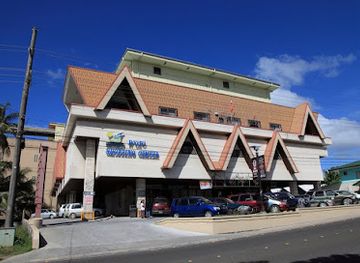
Explore vibrant shopping and dining at WCTC Shopping Center in Palau - A cultural hub for locals and tourists alike.
-
Shopping mall
Surangel and Sons Co. - Koror
Explore Palau's cultural treasures and modern retail at Surangel and Sons Co., the ultimate shopping destination in Koror.
-
Shopping mall
Surangel's Surpercenter Airai
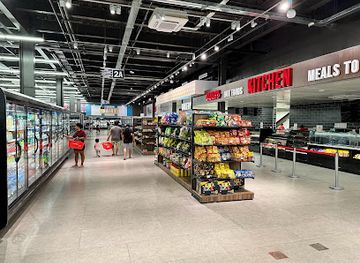
Explore Surangel's Supercenter in Airai, Palau for a vibrant shopping experience filled with local goods, fresh produce, and delicious dining options.
-
Souvenir store
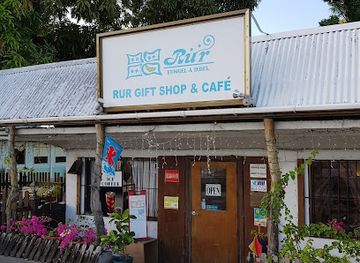
Rur Gift Shop & Cafe
Discover unique souvenirs and enjoy delightful refreshments at Rur Gift Shop & Cafe in the heart of Koror, Palau.
Get your free copy of our complete guide to Kayangel, delivered straight to you.
Everything on this page, from attractions and restaurants to essentials and local phrases, in one PDF you can read offline, print or share.
Already have an account? Sign in
Your Kayangel guide is ready.
We'll send it to · Not you? Sign out

Getting your guide ready…
We are putting together a fresh copy of the Kayangel guide. This can take up to a minute.
This can take a few moments. If your browser asks, choose Allow so the download can start. You'll find the guide in your Downloads folder.
Nothing happened? Download it again
Sorry, the guide is taking longer than usual. Please try again in a minute, or get it by email instead.
Kayangel essentials
Currency and Payment
Safety
Emergency Situations
Do's and Don'ts
Local Tips
From Eve
Local phrases worth knowing
You don't need to get them perfect. A few words go a long way, and locals appreciate the effort.
Basics
| English | Local | Say it |
|---|---|---|
| Hello | Alii | [Ah-lee] |
| Goodbye | Aisai | [Eye-sigh] |
| Yes | Ong | [Ong] |
| No | Deng | [Deng] |
| Please/You're welcome | Chad er a kirel | [Chahd air ah kee-rel] |
| Thank you | Omesek | [Oh-meh-sek] |
| Excuse me/Sorry | Chad er a kirel | [Chahd air ah kee-rel] |
| How are you? | Mechii ra? | [Meh-chee rah?] |
| Fine. And you? | Mechii. A omek? | [Meh-chee. Ah oh-mehk?] |
| Do you speak English? | Ong er a tekoi el chel? | [Ong air ah teh-koy el chel?] |
| I don't understand | Ng meruul | [Ng meh-rool] |
Eating & Drinking
| English | Local | Say it |
|---|---|---|
| I'd like to see the menu, please | Ong er a ngii a menu, chad er | [Ong air ah ngee ah meh-noo, chahd air] |
| I don't eat meat | Ng meruul a ngii a ulek | [Ng meh-rool ah ngee ah oo-lek] |
| Cheers! | Ong er a chel! | [Ong air ah chel!] |
| I would like to pay, please | Ong er a ngii a kare, chad er | [Ong air ah ngee ah kah-reh, chahd air] |
Emergencies
| English | Local | Say it |
|---|---|---|
| Help! | Tial! | [Tee-al!] |
| Go away! | Ng meruul! | [Ng meh-rool!] |
| Call the Police! | Chad er a Police! | [Chahd air ah Po-lees!] |
| Call a doctor! | Chad er a doktor! | [Chahd air ah dok-tor!] |
| I'm lost | Ng meruul a ngii | [Ng meh-rool ah ngee] |
| I'm ill | Ng meruul a kirel | [Ng meh-rool ah kee-rel] |
Shopping
| English | Local | Say it |
|---|---|---|
| I'd like to buy... | Ong er a ngii a ... | [Ong air ah ngee ah ...] |
| I'm just looking | Ng meks a klung | [Ng mehks ah klung] |
| How much is it? | Mechii a ngii a? | [Meh-chee ah ngee ah?] |
| That's too expensive | A ngii a ra mengel | [Ah ngee ah rah men-gel] |
| Can you lower the price? | Ong er a chel a kirel? | [Ong air ah chel ah kee-rel?] |
Time & Numbers
| English | Local | Say it |
|---|---|---|
| What time is it? | Mechii a ngii a? | [Meh-chee ah ngee ah?] |
| It's one o'clock | A ngii a chael | [Ah ngee ah chah-el] |
| Half past (10) | A chad er a ngii a (10) | [Ah chahd air ah ngee ah (10)] |
| Morning | Ulkai | [Ool-kai] |
| Afternoon | Ulkai a ngii | [Ool-kai ah ngee] |
| Evening | Ulkai a ra | [Ool-kai ah rah] |
| Yesterday | A chel | [Ah chel] |
| Today | A ngii | [Ah ngee] |
| Tomorrow | A ulek | [Ah oo-lek] |
| 1 | Chad | [Chahd] |
| 2 | Oru | [Oh-roo] |
| 3 | Mek | [Mehk] |
| 4 | Ech | [Ehch] |
| 5 | Ong | [Ong] |
| 6 | Chad | [Chahd] |
| 7 | Chad er a ngii | [Chahd air ah ngee] |
| 8 | Chad er a ulek | [Chahd air ah oo-lek] |
| 9 | Chad er a chel | [Chahd air ah chel] |
| 10 | Chad er a ngii | [Chahd air ah ngee] |
Transport & Directions
| English | Local | Say it |
|---|---|---|
| Where's a/the...? | Ong er a ngii a...? | [Ong air ah ngee ah...?] |
| What's the address? | Mechii a ngii a address? | [Meh-chee ah ngee ah ad-dress?] |
| Can you show me (on the map)? | Ong er a chel a ngii (er a map)? | [Ong air ah chel ah ngee (air ah map)?] |
| When's the next (bus)? | Mechii a ngii a (bus)? | [Meh-chee ah ngee ah (bus)?] |
| A ticket (to ....) | A ticket (er a ...) | [Ah ticket (air ah ...)] |
History of Kayangel
Traditional Palauan Settlement and the Atoll Community
Kayangel has long been part of the traditional island world of Palau, whose communities organised land, sea territory, kinship and authority through customary systems. Life on a small northern atoll depended on fishing, cultivation where soils allowed it, coconut resources and knowledge of lagoon and reef conditions. Kayangel’s significance therefore rests not only in its physical isolation but also in its continuing connection to Palauan cultural geography. Customary relationships remain important to how visitors should understand access, local authority and appropriate behaviour on the islands and in surrounding waters.
Spanish and German Colonial Rule, 1885–1914
Palau entered European colonial administration during the late nineteenth century, first under Spain and, after Spain sold its Pacific possessions in 1899, under Germany. The colonial period brought new administrative systems and outside commercial interests to islands that had previously been governed through local chiefly and community structures. Kayangel remained a small and remote settlement, but the wider political changes affected Palauan authority, trade and connections with the colonial economy. Coconut production and copra became important across parts of the western Pacific during this era.
Japanese Administration and the Pacific War, 1914–1944
Japan took control of Palau during the First World War and received a League of Nations mandate over the former German islands. Japanese administration expanded communications, commercial activity and regional integration, while also placing Palau within Japan’s wider Pacific strategy. During the Second World War, Palau became militarily important, although the largest wartime operations were concentrated elsewhere in the archipelago. The period brought disruption and hardship to island communities, and its legacy remains part of Palau’s modern historical memory.
Trust Territory Administration after 1945
After the Second World War, Palau was administered by the United States as part of the Trust Territory of the Pacific Islands under a United Nations trusteeship. The post-war period introduced new institutions, education and infrastructure while also supporting the political development that eventually led Palau towards self-government. For a remote state such as Kayangel, access to public services and transport remained more limited than in the main population centres. The era helped shape the contemporary relationship between outer-island communities and the national government.
Self-Government and the Republic of Palau
Palau adopted its Constitution in 1981 and became self-governing in stages before entering free association with the United States in 1994. Kayangel became one of Palau’s states, retaining its own local political identity within the republic. The modern state continues to balance community needs, outer-island access, sustainable fishing and the protection of marine environments. That balance is especially visible in Kayangel, where economic opportunities are modest and the health of the surrounding reef and lagoon remains closely tied to everyday life.
Storms, Remoteness and Environmental Stewardship
Kayangel’s low coral islands have always required residents to read weather, tides and sea conditions carefully. Severe Pacific storms have periodically damaged homes, vegetation, boats and infrastructure, exposing the vulnerability of low-lying atolls. In the contemporary period, climate change, coastal erosion, changing marine conditions and the pressures of waste management have added to those challenges. The state’s appeal to visitors is consequently inseparable from responsible environmental behaviour: the reefs, lagoon, beaches and coconut landscape are both natural assets and working parts of a small island community.
Kayangel in Photos
Browse through our photo collection highlighting the charm and character of the destination.
Neighbouring regions of Kayangel
The closest regions to Kayangel, if you have time for more than one.
-

-

-
-

-


Swipe for more regions
Explore more

Explore more of Palau
Discover Palau's pristine beaches, vibrant marine life, and rich cultural heritage—an untouched paradise in the Pacific Ocean.
Explore Palau