

Babeldaob, Palau Travel Guide
Discover Babeldaob in Palau: A blend of natural wonders, rich history, and cultural heritage awaits on this pristine island paradise.
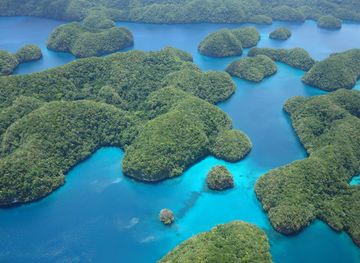
Babeldaob, the largest island in Palau, offers a unique blend of natural beauty and cultural heritage. As the main island, it boasts dense forests, rolling hills, and pristine beaches. It is a paradise for nature lovers and adventurers alike. Explore the island's rich history by visiting ancient stone monoliths and traditional meeting houses. The Ngarchelong Stone Monoliths are a must-see, as they offer a glimpse into Palau's mysterious past. For a touch of modern history, the capital city of Ngerulmud is located here, showcasing Palau's journey into contemporary times. Nature enthusiasts will find Babeldaob a haven. The island is home to the Ngardmau Waterfall, Palau's tallest, where you can take a refreshing dip. Bird watchers can delight in the diverse avian species inhabiting the island. For those interested in marine life, the beaches and waters offer excellent snorkeling and diving opportunities. Whether you're hiking through its lush landscapes, exploring historical sites, or simply relaxing on its beautiful beaches, Babeldaob promises an unforgettable experience. This island embodies the spirit of Palau, making it an essential destination for any traveler.

Know before you go
Hi, I'm Eve. Here are a few practical things to know before exploring Babeldaob.
- Wear comfortable walking shoes to explore the island's trails and historical sites.
- Carry insect repellent, especially if you plan to hike in the forests.
- Visit the Ngardmau Waterfall during the wet season for the best experience.
- Early mornings are ideal for bird watching when the birds are most active.
- Respect local customs and traditions, especially when visiting cultural sites.
Top City Travel Guides in Babeldaob
The cities of Babeldaob, and the easiest places to base yourself.


Destinations in Babeldaob
Resorts, valleys and scenic spots worth a trip of their own.


Explore Babeldaob: Things to Do, Places to Eat, Hotels & More
Handpicked recommendations for top attractions, local dining, accommodations, and more

Top Attractions & Sightseeing in Babeldaob
Top-rated picks
Best Attractions

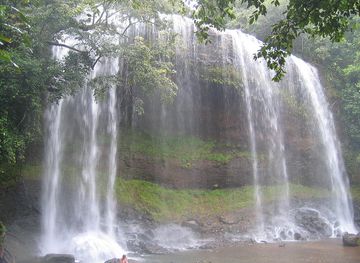
Ngardmau Waterfalls
Experience the breathtaking Ngardmau Waterfalls in Ngiwal, Palau, a serene natural paradise perfect for adventure seekers and nature lovers alike.

Japan-Palau Friendship Bridge
Explore the breathtaking Japan-Palau Friendship Bridge, a stunning symbol of unity and beauty connecting two remarkable islands.

Japanese WWII Lighthouse
Explore the Japanese WWII Lighthouse in Ngarchelong, Palau, where history and breathtaking views intertwine in a captivating coastal setting.

Koror Island
Explore the enchanting beauty of Koror Island, a tropical paradise in Palau offering stunning beaches, rich culture, and thrilling adventures.

Best landmarks in Babeldaob
Top-rated picks
Best Landmarks

Belau National Museum
Discover the rich cultural tapestry of Palau at the Belau National Museum, where history, art, and nature come alive for every visitor.

Ngardmau Waterfalls
Discover the breathtaking beauty of Ngardmau Waterfalls in Ngiwal, Palau, a serene escape into nature's stunning landscape.

Palau Dive Adventures
Explore the vibrant underwater life of Palau with Palau Dive Adventures, your go-to dive shop for unforgettable ocean experiences in Koror.
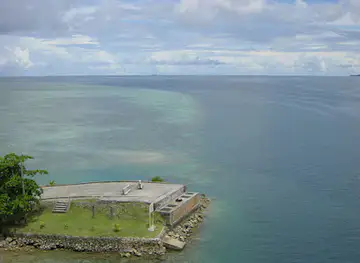
Japan-Palau Friendship Bridge
Explore the Japan-Palau Friendship Bridge, a stunning landmark that symbolizes unity and offers breathtaking views of Palau's natural beauty.

Best restaurants in Babeldaob
Top-rated picks
Best Restaurants

Drop Off Bar and Grill
Discover fresh flavors at Drop Off Bar and Grill in Koror, Palau – where local ingredients meet island hospitality.

The Taj
Discover the vibrant essence of Indian cuisine at The Taj in Koror - where every meal is a celebration of flavor.
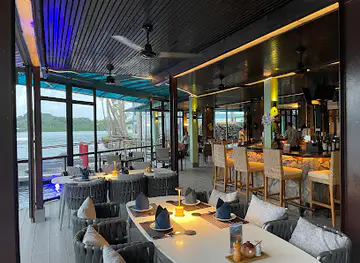
Elilai Seaside Dining
Discover exquisite fine dining at Elilai Seaside Dining in Koror, where breathtaking views meet exceptional cuisine.

The Canoe House
Discover the vibrant flavors of Palau at The Canoe House – where great food meets lively entertainment.

Best bars in Babeldaob
Top-rated picks
Best Bars

Drop Off Bar and Grill
Discover the best of Palauan cuisine at Drop Off Bar and Grill in Koror, where fresh seafood meets stunning views and a lively atmosphere.

The Taj
Experience authentic Indian cuisine at The Taj in Koror, a vibrant dining destination offering delicious food and lively nightlife.

Elilai Seaside Dining
Experience exquisite fine dining at Elilai Seaside Dining, where local flavors meet stunning ocean views in Palau.

L'Amarena Gelato Shop (Gelateria Italiana)
Experience the rich, creamy goodness of authentic Italian gelato at L'Amarena Gelato Shop in Airai, Palau – a sweet treat for every traveler!

Best nightclubs in Babeldaob
Top-rated picks
Best Nightclubs

The Canoe House
Experience the vibrant flavors of Palau at The Canoe House, where delicious cuisine meets lively entertainment in a tropical paradise.

Island Paradise Resort Club
Experience unparalleled luxury and natural beauty at the Island Paradise Resort Club in Palau, a perfect getaway for relaxation and adventure.

Airai Water Paradise Hotel & Spa
Experience luxury and serenity at Airai Water Paradise Hotel & Spa, your ultimate retreat in the heart of Palau's breathtaking landscapes.

Riptide Beach Bar & Grill
Experience the vibrant flavors of Koror at Riptide Beach Bar & Grill, the perfect spot for relaxation and delicious dining by the ocean.

Best shops in Babeldaob
Top-rated picks
Best Shops

L'Amarena Gelato Shop (Gelateria Italiana)
Experience the authentic taste of Italy with artisanal gelato, desserts, and coffee at L'Amarena Gelato Shop in Airai, Palau.

Palau Dive Adventures
Dive into the breathtaking underwater adventure at Palau Dive Adventures, where stunning marine life and exceptional service await.

WCTC Shopping Center
Experience the vibrant shopping scene at WCTC Shopping Center in Palau, where local culture meets international retail.
Surangel and Sons Co. - Koror
Explore Surangel and Sons Co. in Koror, Palau - a vibrant shopping mall offering unique local crafts, international brands, and delightful dining experiences.

Explore Babeldaob on the Map
A handpicked selection of must-see spots in Babeldaob, mapped for you.
Babeldaob Essentials
-
Babeldaob, the largest island in Palau, is accessible via Roman Tmetuchl International Airport located in Airai on Babeldaob's southern coast. Direct flights are available from several major cities in Asia and the Pacific. From the airport, you can take a taxi or a pre-arranged shuttle service to your accommodation. Additionally, daily ferries and small boats connect Babeldaob with other islands in Palau.
-
Transportation on Babeldaob includes rental cars, taxis, and public buses. The island's Compact Road, a 53-mile highway, makes it easy to explore by car. Taxis are also available but can be more expensive. Public buses operate on limited schedules, so it's advisable to check the timetable in advance. For a more flexible option, consider renting a car from one of the rental agencies available at the airport or in major towns.
-
The official currency of Palau is the United States Dollar (USD). Credit cards are widely accepted in hotels, restaurants, and larger shops, but smaller vendors and rural areas may only accept cash. ATMs are available in major towns, so it is advisable to withdraw sufficient cash for your travels, especially if you plan to visit remote areas.
-
Babeldaob is generally a safe destination for tourists. However, standard precautions should be taken. Avoid walking alone at night in isolated areas and keep an eye on your belongings in crowded places. There are no specific high-crime areas targeting tourists, but it is always wise to stay vigilant and aware of your surroundings. Petty theft can occur, so secure your valuables.
-
In case of emergency, dial 911 for immediate assistance. The local police and medical facilities are available in major towns on Babeldaob. It is recommended to have travel insurance that covers medical emergencies. For minor health issues, there are pharmacies where you can purchase over-the-counter medications. Be aware of the location of the nearest medical facility to your accommodation.
-
Fashion: Do dress modestly, especially when visiting villages and religious sites. Avoid wearing overly revealing clothing. Religion: Do respect local customs and traditions. Always remove your shoes when entering homes and certain public buildings. Public Transport: Do be respectful and give up your seat to elderly passengers. Don’t eat or drink on public transport. Greetings: Do greet people with a smile and a slight nod of the head. Handshakes are not always customary. Eating & Drinking: Do try local delicacies and accept food offerings graciously. Don’t refuse hospitality, as it is considered impolite.
-
To experience Babeldaob like a local, visit the traditional villages and participate in cultural activities such as storytelling and traditional dance. Engage with locals, who are often friendly and willing to share insights about their culture and history. Don't miss the ancient stone monoliths at Badrulchau or the ruins of the Bai (men's meeting house) in Melekeok. Exploring the island's lush forests and pristine beaches will give you a deeper appreciation for its natural beauty.
When is the best time to visit Babeldaob?
Useful Local Phrases for Babeldaob
You don't need to speak the language perfectly. Even learning a few simple words can make conversations warmer—and locals usually appreciate the effort.
— Eve

Here are the phrases I use most often in Babeldaob. Try a few—you'll be surprised how far they go! 😊
❤️
-
- HelloAlii
[ah-lee] - GoodbyeA delai
[ah de-lie] - YesOng
[ong] - NoOng ma
[ong mah] - Please/You're welcomeMekem el mo
[meh-kem el mo] - Thank youSi yuus
[see yoos] - Excuse me/SorryNg diak
[ng dee-ak] - How are you?Ong diak?
[ong dee-ak?] - Fine. And you?Ng diak. Oi ei?
[ng dee-ak. oy ay?] - Do you speak English?Ong a kirel English?
[ong ah kee-rel English?] - I don't understandNg diak a kirel
[ng dee-ak ah kee-rel]
- HelloAlii
-
- I'd like to see the menu, pleaseMekem el mo, ai kirel menu
[meh-kem el mo, ai kee-rel menu] - I don't eat meatNg diak a ngara
[ng dee-ak ah ngah-rah] - Cheers!Ong a ngerel!
[ong ah nge-rel!] - I would like to pay, pleaseMekem el mo, ai a kirel a kirel
[meh-kem el mo, ai ah kee-rel ah kee-rel]
- I'd like to see the menu, pleaseMekem el mo, ai kirel menu
-
- Help!A merek!
[ah meh-rek!] - Go away!A chais!
[ah chai-iss!] - Call the Police!A ngara a Police!
[ah ngah-rah ah Police!] - Call a doctor!A ngara a doctor!
[ah ngah-rah ah doctor!] - I'm lostNg diak a aul
[ng dee-ak ah ah-ool] - I'm illNg diak a ngii ra
[ng dee-ak ah ngee rah]
- Help!A merek!
-
- I'd like to buy...Ai a kirel a ngii...
[ai ah kee-rel ah ngee...] - I'm just lookingNg diak a chais
[ng dee-ak ah chai-iss] - How much is it?Ong a er a ngii?
[ong ah err ah ngee?] - That's too expensiveA ngii a lech
[ah ngee ah lehch] - Can you lower the price?Ong a ngara a ngii?
[ong ah ngah-rah ah ngee?]
- I'd like to buy...Ai a kirel a ngii...
-
- What time is it?Ong a chais a ngii?
[ong ah chai-iss ah ngee?] - It's one o'clockA chel a ngii
[ah chel ah ngee] - Half past (10)A chais a (10)
[ah chai-iss ah (10)] - MorningA chais
[ah chai-iss] - AfternoonA chais a ngii
[ah chai-iss ah ngee] - EveningA chais a ngii ra
[ah chai-iss ah ngee rah] - YesterdayA ngalek
[ah ngah-lek] - TodayA chais a ngii
[ah chai-iss ah ngee] - TomorrowA ngii ra
[ah ngee rah] - 1Chal
[chal] - 2Chal a ngii
[chal ah ngee] - 3Chal a ngii ra
[chal ah ngee rah] - 4Chal a ngii ra ngii
[chal ah ngee rah ngee] - 5Chal a ngii ra ngii ra
[chal ah ngee rah ngee rah] - 6Chal a ngii ra ngii ra ngii
[chal ah ngee rah ngee rah ngee] - 7Chal a ngii ra ngii ra ngii ra
[chal ah ngee rah ngee rah ngee rah] - 8Chal a ngii ra ngii ra ngii ra ngii
[chal ah ngee rah ngee rah ngee rah ngee] - 9Chal a ngii ra ngii ra ngii ra ngii ra
[chal ah ngee rah ngee rah ngee rah ngee rah] - 10Chal a ngii ra ngii ra ngii ra ngii ra ngii
[chal ah ngee rah ngee rah ngee rah ngee rah ngee]
- What time is it?Ong a chais a ngii?
-
- Where's a/the...?Ong a chais a ...?
[ong ah chai-iss ah ...?] - What's the address?Ong a chais a address?
[ong ah chai-iss ah address?] - Can you show me (on the map)?Ong a ngara a chais (a map)?
[ong ah ngah-rah ah chai-iss (ah map)?] - When's the next (bus)?Ong a chais a next (bus)?
[ong ah chai-iss ah next (bus)?] - A ticket (to ....)A ticket (a ...)
[ah ticket (ah ...)]
- Where's a/the...?Ong a chais a ...?
History of Babeldaob
-
Babeldaob is home to some of the earliest known human settlements in Palau, dating back around 3,000 years. One of the most fascinating aspects of its ancient history is the presence of stone monoliths in Ngarchelong. These monoliths, known as 'Badrulchau,' are believed to have been part of a ceremonial site, their exact purpose still shrouded in mystery. The stones, some weighing several tons, were quarried and transported from distant parts of the island, showcasing the ingenuity and communal effort of early Palauan society.
-
Melekeok has played a central role in Palauan history for centuries. It is the traditional seat of the high chiefs of Palau, known as the 'Ibedul' and 'Rekemel.' Today, Melekeok is also notable for being the location of the capital of Palau, Ngerulmud, which was officially inaugurated in 2006. The move to establish a new capital in Babeldaob was part of a broader effort to decentralize governmental functions and promote development on the island.
-
During World War II, Babeldaob, like the rest of Palau, was occupied by Japanese forces. The island was strategically important, and the Japanese established extensive fortifications, airfields, and a military headquarters. The remnants of these installations can still be seen today, providing a poignant reminder of the island's wartime history. The occupation had a lasting impact on the local population, influencing everything from infrastructure development to cultural exchanges.
-
Despite modern influences, traditional Palauan culture remains robust in Babeldaob. The island is renowned for its 'bwileu' or meeting houses, which are intricately decorated and serve as central hubs for community gatherings and decision-making. Traditional practices such as 'bul,' an environmental conservation method where certain areas are declared off-limits to fishing and hunting, are still observed. These practices reflect a deep respect for nature and a communal approach to resource management that has been passed down through generations.
-
Completed in 2007, the Compact Road is a 53-mile highway that circles Babeldaob, significantly enhancing connectivity and accessibility across the island. Funded by the United States as part of the Compact of Free Association, the road has been instrumental in facilitating economic development, tourism, and access to essential services. The construction of the Compact Road marked a significant milestone in Babeldaob’s modern history, opening up new opportunities for its residents and visitors alike.
Neighbouring Regions of Babeldaob
The closest regions to Babeldaob, if you have time for more than one.




Your all‑in‑one travel companion app
Explore expert travel guides, compare and book tours, experiences, hotels, and more—all from the palm of your hand. Download now for seamless trip planning wherever your wanderlust takes you.


Explore More of Palau

Looking beyond Babeldaob? Discover Palau for broader travel guides, local hot-spots, and regional highlights.
Explore PalauBabeldaob in Photos
Browse through our photo collection highlighting the charm and character of the destination.


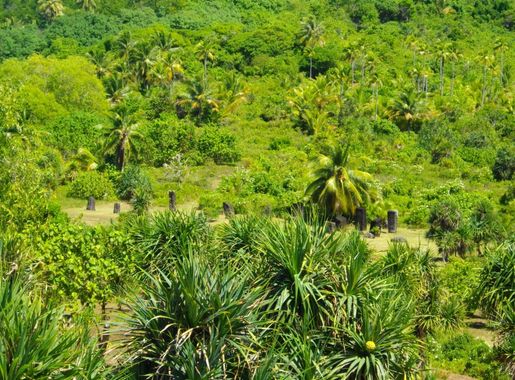


Babeldaob: The Heart of Palau
Babeldaob, the largest island in Palau, offers a unique blend of natural beauty and cultural heritage. As the main island, it boasts dense forests, rolling hills, and pristine beaches. It is a paradise for nature lovers and adventurers alike. Explore the island's rich history by visiting ancient stone monoliths and traditional meeting houses. The Ngarchelong Stone Monoliths are a must-see, as they offer a glimpse into Palau's mysterious past. For a touch of modern history, the capital city of Ngerulmud is located here, showcasing Palau's journey into contemporary times. Nature enthusiasts will find Babeldaob a haven. The island is home to the Ngardmau Waterfall, Palau's tallest, where you can take a refreshing dip. Bird watchers can delight in the diverse avian species inhabiting the island. For those interested in marine life, the beaches and waters offer excellent snorkeling and diving opportunities. Whether you're hiking through its lush landscapes, exploring historical sites, or simply relaxing on its beautiful beaches, Babeldaob promises an unforgettable experience. This island embodies the spirit of Palau, making it an essential destination for any traveler.