

Free Ngeruangel Reef Travel Guide & Mobile App
Explore Ngeruangel Reef with free travel guides. Discover regional history, expert tips, proposed trips, and audio guides on web or mobile app.


Ngeruangel Reef offers remote snorkelling, diving and marine wildlife encounters in Palau’s northern barrier-reef landscape.
Read more about Ngeruangel Reef
When is the best time to visit Ngeruangel Reef?
Best: December–February · 31°C| Month | High (°C) | Rainfall (mm) |
|---|---|---|
| January (best) | 31 | 220 |
| February (best) | 31 | 200 |
| March | 31 | 220 |
| April | 31 | 240 |
| May | 32 | 260 |
| June | 32 | 280 |
| July | 32 | 300 |
| August | 32 | 300 |
| September | 32 | 280 |
| October | 31 | 260 |
| November | 31 | 240 |
| December (best) | 31 | 220 |
Getting to and around Ngeruangel Reef
How to get there
Transportation
Best attractions in Ngeruangel Reef
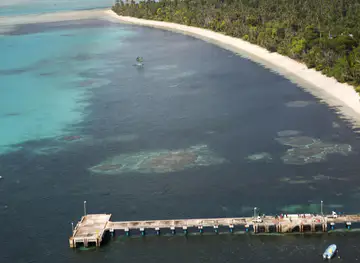
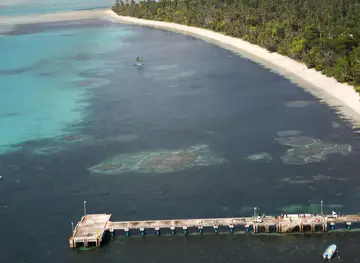
Ngeruangel Reef’s attractions are almost entirely marine. Snorkelling along sheltered reef sections can reveal coral formations and dense shoals of tropical fish, while experienced divers may explore deeper walls, channels and outer-reef habitats when conditions and local rules permit. Sand flats and shallow lagoons create a contrasting setting to the exposed Pacific side, where swell, current and visibility are more variable. Encounters with turtles, rays, reef sharks and other wildlife are possible but never guaranteed. The journey itself is part of the attraction, with open-water views and a strong sense of remoteness replacing conventional sightseeing. There are no museums, beaches with facilities, restaurants or family entertainment venues on the reef, and visitors should not expect a developed landing area. The wider northern Palauan seascape may be incorporated into a private expedition, but operators should explain clearly which sites are included and whether they lie within separate protected zones. Ngeruangel is most rewarding for travellers interested in marine ecology, photography, snorkelling, diving and low-impact exploration rather than a schedule of land-based stops.
-
Island
Kayangel Island
Discover the pristine beauty of Kayangel Island, Palau's paradise for snorkeling, relaxation, and exploration amidst stunning natural landscapes.
-
 Heritage preservation
Ngerkal Lake Conservation Area
Explore Ngerkal Lake Conservation Area, a serene sanctuary in Ngaraard, Palau, where nature and heritage unite in breathtaking beauty.
-
Tourist attraction
Olsebokel Kedam
Explore the tranquil beauty and cultural heritage of Olsebokel Kedam in Ngaraard, Palau, a perfect escape for nature lovers and cultural enthusiasts.
-
Reef
Ngeriklreker
Explore the vibrant coral reefs of Ngeriklreker in Palau, a top destination for diving and snorkeling enthusiasts seeking adventure and beauty.


Best landmarks in Ngeruangel Reef
Ngeruangel Reef is a natural landmark rather than an architectural one. Its defining feature is the long, exposed reef structure separating wide shallower waters from the open Pacific, with changing lines of breakers marking the outer edge. Reef passes and channels are significant navigational features, although their use depends on tide, swell, local knowledge and vessel conditions. Shallow sand flats and coral gardens provide visual contrasts within the marine landscape, while the absence of buildings, roads and permanent settlements reinforces the impression of a place shaped almost entirely by ocean processes. The reef’s importance also lies in its relationship to Palau’s northern maritime geography: it forms part of a network of islands, atolls and fishing grounds that has long been read by local navigators. Unlike Palau’s stone monoliths, war memorials and Japanese-era remains elsewhere in the country, Ngeruangel offers no monumental architecture. Its landmark value is ecological, geographical and cultural, and should be experienced from a carefully operated boat or in the water without damaging the formations that make it distinctive.
-
National museum
Belau National Museum
Discover the vibrant culture and rich history of Palau at the Belau National Museum, a premier destination for cultural exploration in Koror.
-
Tourist attraction
Ngardmau Waterfalls
Explore the breathtaking Ngardmau Waterfalls in Ngiwal, Palau, where nature's beauty meets adventure and tranquility.
-
Aquarium
Dolphins Pacific
Experience the magic of marine life at Dolphins Pacific in Koror, Palau, where unforgettable adventures and wildlife conservation come together.
-
Tourist attraction
German Channel
Discover the German Channel in Palau, a breathtaking dive site where vibrant marine life and stunning coral reefs await your exploration.


Explore Ngeruangel Reef on the map
Plan your trip on one map. See where the top cities, national parks and sights are, and book hotels and experiences in a few clicks.
Best hotels in Ngeruangel Reef
Best restaurants in Ngeruangel Reef
There are no restaurants, cafés or permanent food outlets at Ngeruangel Reef. Food is normally supplied by the boat operator, arranged as part of a charter or packed before departure from Koror, so visitors should confirm whether lunch, snacks and drinking water are included. Dining in the reef region is therefore an expedition experience rather than a restaurant scene: simple meals are practical, and all packaging and leftovers must return to shore. In Koror, the main gateway, visitors can find a broader selection of Palauan, Micronesian, Asian and international cooking, while markets and shops provide supplies for private charters. Palauan food traditions commonly draw on reef and coastal fish, taro, cassava, breadfruit, coconut and other tropical produce, although the availability of particular dishes varies by establishment and season. Responsible operators should respect fishing restrictions and avoid presenting protected wildlife or unsustainably caught species as part of the excursion.
-
Restaurant
Drop Off Bar and Grill
Experience mouthwatering cuisine at Drop Off Bar and Grill in Koror, Palau - where every meal is a celebration of flavors.
-
Indian
The Taj
Experience authentic Indian flavors at The Taj in Koror - a culinary gem offering exquisite dishes and warm hospitality.
-
Fine Dining
Elilai Seaside Dining
Experience exquisite fine dining at Elilai Seaside Dining in Koror, Palau - where culinary excellence meets breathtaking ocean views.
-
Restaurant
Marina Café VITA
Discover Marina Café VITA: A seaside culinary haven in Koror offering delightful flavors and breathtaking ocean views.


Best bars in Ngeruangel Reef
Ngeruangel Reef has no bars, nightclubs or evening entertainment, since visitors normally leave by boat and return to an inhabited centre the same day. Evening activity is concentrated in Koror, the practical gateway, where the scene ranges from hotel lounges and relaxed bars to restaurants, small live-music settings and locally oriented drinking places. The atmosphere is generally more conversational and low-key than that of a major international nightlife destination, and opening arrangements can change. Visitors staying in northern communities or joining a multi-day expedition should expect quiet evenings, early starts and limited services rather than a developed after-dark scene. Alcohol should never be consumed to excess before a boat journey, snorkelling or diving, and operators may impose their own safety restrictions. The reef’s nocturnal character is ecological rather than social: marine conditions, darkness, navigation and conservation rules make independent night activity inappropriate without specialist supervision and permission.
-
Resort hotel
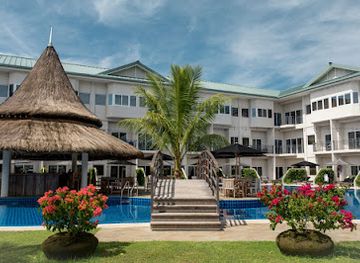
Palau Royal Resort
Discover the serene beauty and luxurious comfort of Palau Royal Resort - your gateway to the stunning landscapes of Palau.
-
Hotel
Palau Pacific Resort
Discover the ultimate tropical luxury at Palau Pacific Resort, where stunning ocean views and top-tier amenities await every traveler.
-
Restaurant
Drop Off Bar and Grill
Experience the vibrant flavors of Palau at Drop Off Bar and Grill, where local cuisine meets stunning views.
-
Restaurant
Palau Hotel
Experience the essence of Palauan cuisine at Palau Hotel, where local flavors meet international flair in a welcoming atmosphere.


Best nightclubs in Ngeruangel Reef
Ngeruangel Reef has no bars, nightclubs or evening entertainment, since visitors normally leave by boat and return to an inhabited centre the same day. Evening activity is concentrated in Koror, the practical gateway, where the scene ranges from hotel lounges and relaxed bars to restaurants, small live-music settings and locally oriented drinking places. The atmosphere is generally more conversational and low-key than that of a major international nightlife destination, and opening arrangements can change. Visitors staying in northern communities or joining a multi-day expedition should expect quiet evenings, early starts and limited services rather than a developed after-dark scene. Alcohol should never be consumed to excess before a boat journey, snorkelling or diving, and operators may impose their own safety restrictions. The reef’s nocturnal character is ecological rather than social: marine conditions, darkness, navigation and conservation rules make independent night activity inappropriate without specialist supervision and permission.
-
Resort hotel
Palau Royal Resort
Discover the beauty of Palau at Palau Royal Resort, where luxury meets nature in a stunning tropical paradise.
-
Resort hotel
Palau Pacific Resort
Discover the ultimate luxury and natural beauty at Palau Pacific Resort, where breathtaking views and world-class amenities await you.
-
Resort hotel
COVE Resort Palau
Discover the ultimate relaxation and adventure at COVE Resort Palau, where luxury meets the breathtaking beauty of nature.
-
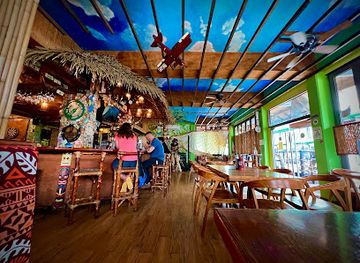
Restaurant
The Canoe House
Discover vibrant dining at The Canoe House in Koror, Palau, featuring live music, diverse cuisine, and a lively atmosphere that captivates every visitor.
Best shops in Ngeruangel Reef
There is no shopping at Ngeruangel Reef, and visitors should purchase essentials before departure from Koror or another recognised launch point. Useful preparations include drinking water, reef-conscious sun protection, waterproof storage, snacks, personal medication and any specialist equipment not supplied by the operator. In Koror, visitors can look for Palauan handicrafts, locally made art, shell-free souvenirs, books, clothing and packaged food, while markets and shops may offer produce for private boat trips. Bai-inspired designs, storyboards and other cultural products can be meaningful purchases when sourced from reputable makers and explained respectfully; visitors should avoid buying coral, shells, archaeological objects or products made from protected wildlife. Shopping opportunities are more limited in rural and northern communities than in Koror, so do not rely on finding fuel, specialist marine equipment or last-minute provisions near a remote departure point. A useful souvenir from the reef is often a conservation-minded photograph or locally produced item rather than anything collected from the sea.
-
Resort hotel
Palau Royal Resort
Discover the beauty of Palau at Palau Royal Resort, where luxury meets nature in a breathtaking paradise.
-
Hotel
Palau Pacific Resort
Palau Pacific Resort: A luxurious beachfront escape in Koror, offering top-notch amenities and breathtaking experiences in the heart of Palau.
-
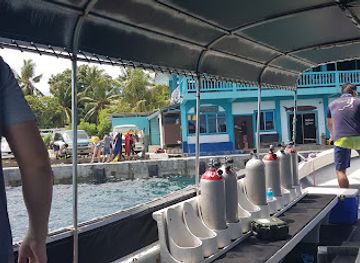
SCUBA tour agency
Fish 'n Fins Palau
Explore the underwater wonders of Palau with Fish 'n Fins, the premier scuba diving and adventure sports center in Koror.
-
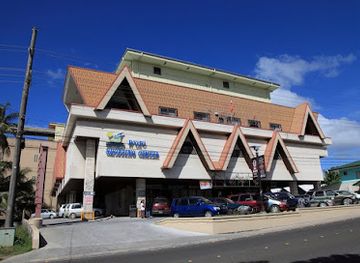
Shopping mall
WCTC Shopping Center
Discover shopping, dining, and local culture at WCTC Shopping Center, the premier retail destination in Koror, Palau.
Get your free copy of our complete guide to Ngeruangel Reef, delivered straight to you.
Everything on this page, from attractions and restaurants to essentials and local phrases, in one PDF you can read offline, print or share.
Already have an account? Sign in
Your Ngeruangel Reef guide is ready.
We'll send it to · Not you? Sign out

Getting your guide ready…
We are putting together a fresh copy of the Ngeruangel Reef guide. This can take up to a minute.
This can take a few moments. If your browser asks, choose Allow so the download can start. You'll find the guide in your Downloads folder.
Nothing happened? Download it again
Sorry, the guide is taking longer than usual. Please try again in a minute, or get it by email instead.
Ngeruangel Reef essentials
Currency and Payment
Safety
Emergency Situations
Do's and Don'ts
Local Tips
From Eve
Local phrases worth knowing
You don't need to get them perfect. A few words go a long way, and locals appreciate the effort.
Basics
| English | Local | Say it |
|---|---|---|
| Hello | Alii | [ah-lee] |
| Goodbye | A klech | [ah klech] |
| Yes | Omes | [oh-mes] |
| No | Ome | [oh-meh] |
| Please/You’re welcome | Me a diak | [meh ah dee-ack] |
| Thank you | Taisou | [tie-sow] |
| Excuse me/Sorry | Chao | [chow] |
| How are you? | Me delek? | [meh deh-lek] |
| Fine. And you? | Diak. Me delek? | [dee-ack. meh deh-lek] |
| Do you speak English? | Me a diak el ngilngil? | [meh ah dee-ack el ngil-ngil] |
| I don't understand | Ng diak a diak | [ng dee-ack ah dee-ack] |
Eating & Drinking
| English | Local | Say it |
|---|---|---|
| I’d like to see the menu, please | Me a diak el chad a menu, me a diak | [meh ah dee-ack el chad ah meh-noo, meh ah dee-ack] |
| I don’t eat meat | Ng diak a chad a meke | [ng dee-ack ah chad ah meh-keh] |
| Cheers! | Ike! | [ee-keh] |
| I would like to pay, please | Me a diak el chad a bill, me a diak | [meh ah dee-ack el chad ah bill, meh ah dee-ack] |
Emergencies
| English | Local | Say it |
|---|---|---|
| Help! | Ngek! | [ngek] |
| Go away! | Ome a klech! | [oh-me ah klech] |
| Call the Police! | Chad el ngii a Police! | [chad el ngee ah poh-lees] |
| Call a doctor! | Chad el ngii a doctor! | [chad el ngee ah doc-tor] |
| I’m lost | Ng diak a chad el ngii | [ng dee-ack ah chad el ngee] |
| I’m ill | Ng diak a chel | [ng dee-ack ah chel] |
Shopping
| English | Local | Say it |
|---|---|---|
| I’d like to buy... | Me a diak el chad... | [meh ah dee-ack el chad] |
| I’m just looking | Ng chad el chad | [ng chad el chad] |
| How much is it? | Ng diak a chad el ngii? | [ng dee-ack ah chad el ngee] |
| That’s too expensive | A chad a ngii a chel | [ah chad ah ngee ah chel] |
| Can you lower the price? | Me a diak el chel el ngii? | [meh ah dee-ack el chel el ngee] |
Time & Numbers
| English | Local | Say it |
|---|---|---|
| What time is it? | Ng diak a chad el ngii? | [ng dee-ack ah chad el ngee] |
| It’s one o’clock | A chad el chad a one | [ah chad el chad ah won] |
| Half past (10) | A chad el chad a ten chad | [ah chad el chad ah ten chad] |
| Morning | Ikech | [ee-kech] |
| Afternoon | Omesu | [oh-meh-soo] |
| Evening | Charau | [cha-rau] |
| Yesterday | Ngebard | [nge-bar-de] |
| Today | Ng diak el ngii | [ng dee-ack el ngee] |
| Tomorrow | Ngebard el ngii | [nge-bar-de el ngee] |
| 1 | Chad | [chad] |
| 2 | Chad el diak | [chad el dee-ack] |
| 3 | Chad el chad | [chad el chad] |
| 4 | Chad el chel | [chad el chel] |
| 5 | Chad el chel a ngii | [chad el chel ah ngee] |
| 6 | Chad el chel a ngii a chel | [chad el chel ah ngee ah chel] |
| 7 | Chad el chel a ngii a chel a ngii | [chad el chel ah ngee ah chel ah ngee] |
| 8 | Chad el chel a ngii a chel a ngii a chel | [chad el chel ah ngee ah chel ah ngee ah chel] |
| 9 | Chad el chel a ngii a chel a ngii a chel a ngii | [chad el chel ah ngee ah chel ah ngee ah chel ah ngee] |
| 10 | Chad el chel a ngii a chel a ngii a chel a chel | [chad el chel ah ngee ah chel ah ngee ah chel ah chel] |
Transport & Directions
| English | Local | Say it |
|---|---|---|
| Where's a/the...? | Ng diak a chad el...? | [ng dee-ack ah chad el...?] |
| What's the address? | Ng diak a chad el address? | [ng dee-ack ah chad el ah-dress?] |
| Can you show me (on the map)? | Me a diak el chad el ngii (el map)? | [meh ah dee-ack el chad el ngee (el map)?] |
| When's the next (bus)? | Ng diak a chad el next (bus)? | [ng dee-ack ah chad el next (bus)?] |
| A ticket (to ....) | Chad el ngii a ticket (el....) | [chad el ngee ah ticket (el....)] |
History of Ngeruangel Reef
Ancient Palauan Seafaring and Marine Knowledge
Long before modern tourism, Palauan communities developed sophisticated knowledge of reefs, lagoons, currents, winds and seasonal fishing grounds. Ngeruangel Reef forms part of the northern maritime environment understood through navigation, customary use and oral knowledge rather than through written maps alone. Traditional voyaging connected islands and coastal settlements, while reef resources supported food systems and social life. Although the reef itself has no large permanent settlement, its importance is best understood within this wider history of Palauan relationships with the sea.
Traditional Political and Customary Organisation
Palau’s islands were historically organised through communities, clans and chiefly systems in which access to land and marine resources was shaped by customary authority. Rules concerning fishing grounds, seasons and particular resources varied between areas and were transmitted through local institutions and knowledge. These traditions remain relevant to the way marine places are discussed and managed today. Ngeruangel Reef is therefore not simply an unoccupied natural space; it belongs to a cultural landscape in which responsibility for the sea has long been connected with community and customary practice.
Spanish, German and Japanese Colonial Periods
Palau entered successive colonial spheres from the late nineteenth century, first under Spain, then Germany after 1899 and Japan from 1914. These administrations introduced new political, economic and transport systems, but the northern reefs remained primarily maritime spaces rather than urban centres. Japanese rule brought wider regional integration and infrastructure to parts of Palau, while changing patterns of administration and resource use. The colonial period also placed Palauan waters within international strategic and commercial networks that extended far beyond the islands.
The Second World War and the Northern Palauan Sea
During the Second World War, Palau became part of Japan’s fortified western Pacific sphere, and major military operations took place elsewhere in the archipelago, most notably around Peleliu and Angaur. Ngeruangel Reef was not the scene of the best-known land battles, but the surrounding waters formed part of a region transformed by wartime movement, surveillance and military logistics. Visitors should distinguish the reef’s remote marine character from Palau’s more concentrated battlefield heritage in the southern islands.
United States Administration and the Road to Independence
After the war, Palau became part of the United Nations Trust Territory of the Pacific Islands administered by the United States. New education, governance and transport arrangements reshaped life across the islands, while traditional relationships with land and sea continued. Palau adopted its constitution in 1981 and entered into a Compact of Free Association with the United States before becoming an independent republic in 1994. This political development established the modern national framework within which northern reefs such as Ngeruangel are managed.
Marine Conservation and Sustainable Tourism
Late twentieth- and early twenty-first-century Palau saw growing recognition that healthy reefs are central to national prosperity, food security and cultural continuity. Protected areas, visitor rules and conservation programmes have increasingly shaped access to marine environments, including remote northern reefs. Palau’s wider conservation approach emphasises responsible tourism, protection of coral and wildlife, and the economic value of maintaining functioning seas. Ngeruangel’s appeal today depends on this balance: visitors come for a lightly developed environment whose future relies on careful management.
Ngeruangel Reef in Photos
Browse through our photo collection highlighting the charm and character of the destination.
Neighbouring regions of Ngeruangel Reef
The closest regions to Ngeruangel Reef, if you have time for more than one.
-
-
-

-

-


Swipe for more regions
Explore more

Explore more of Palau
Discover Palau's pristine beaches, vibrant marine life, and rich cultural heritage—an untouched paradise in the Pacific Ocean.
Explore Palau