

Free Kayangel Atoll Travel Guide & Mobile App
Explore Kayangel Atoll with free travel guides. Discover regional history, expert tips, proposed trips, and audio guides on web or mobile app.


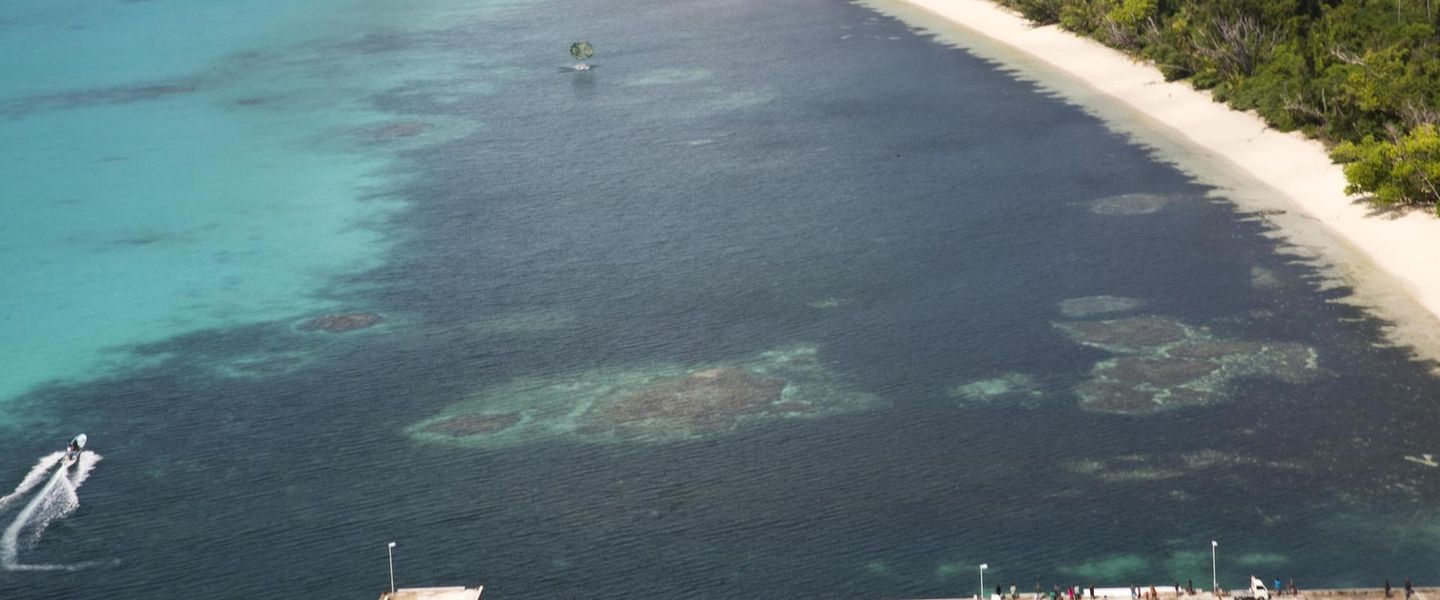


Kayangel Atoll, Palau’s remote northern island region, offers coral reefs, quiet beaches, lagoon excursions and a close view of Palauan island life.
Read more about Kayangel Atoll
When is the best time to visit Kayangel Atoll?
Best: February–April · 29–30°C| Month | High (°C) | Rainfall (mm) |
|---|---|---|
| January | 29 | 200 |
| February (best) | 29 | 170 |
| March (best) | 30 | 180 |
| April (best) | 30 | 190 |
| May | 30 | 230 |
| June | 30 | 250 |
| July | 30 | 260 |
| August | 30 | 250 |
| September | 30 | 240 |
| October | 30 | 230 |
| November | 30 | 210 |
| December | 30 | 200 |
Getting to and around Kayangel Atoll
How to get there
Transportation
Destinations in Kayangel Atoll
Resorts, valleys and scenic spots worth a trip of their own.

Swipe for more destinations
Best attractions in Kayangel Atoll
Kayangel’s attractions are predominantly natural and marine. Boat excursions can explore the calm lagoon, shallow reef areas and outer-island beaches, with snorkelling opportunities determined by visibility, tide, wind and local advice. Kayangel Island itself offers an unhurried look at a small Palauan community, coconut-lined paths and a low coral-island landscape very different from the larger limestone islands farther south. Birdlife, mangroves and beach vegetation add interest for visitors who appreciate quiet observation rather than formal wildlife facilities. Fishing and lagoon trips may be available through local arrangements, but they should be booked in advance and conducted according to local rules. There are no substantial museums, theme parks or developed resort complexes on the atoll; the experience is based on sea travel, scenery and community contact. The outer reef can be exposed, and conditions suitable for a boat landing may not be suitable for swimming, so local crews should determine where and when activities take place. Kayangel is best experienced slowly, with time for weather changes and a willingness to value a small-scale island environment rather than a large catalogue of visitor attractions.
-
Tourist attraction
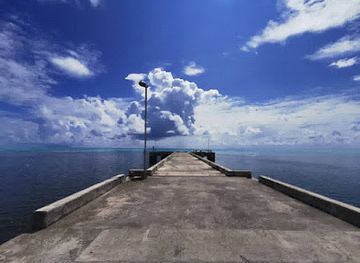
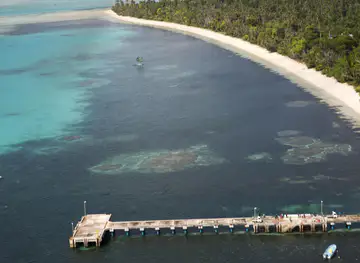
Port of Kayangel
Experience the serene beauty and vibrant marine life at the Port of Kayangel, a perfect spot for relaxation and aquatic adventures in Palau.
Best landmarks in Kayangel Atoll
Kayangel’s most recognisable landmarks are geographic rather than monumental. The surrounding coral atoll and its enclosed lagoon define the region, with a low reef rim separating calmer inner waters from the more exposed Pacific. Kayangel Island is the principal inhabited island and the clearest human landmark in a landscape of palms, beaches and shallow marine flats. The smaller atoll islands, including Ngeriungs, Orak and Ngerebelas, reinforce the sense of a dispersed coral-island system, though access and landing conditions are weather-dependent. Reef passes and the meeting of lagoon and open ocean are important navigational features, best understood from a locally guided boat rather than approached independently. Unlike Babeldaob or Koror, Kayangel has few large buildings, forts or monumental structures to define its skyline. Its significance lies in the relationship between a small Palauan community and a fragile atoll environment, as well as in the broader cultural importance of sea routes, fishing grounds and customary knowledge. Visitors should view the shoreline and islands as lived places, not simply scenic backdrops.
-
Island
Kayangel Island
Experience the untouched beauty of Kayangel Island, a serene escape in Palau, where pristine beaches and vibrant marine life await your discovery.

Explore Kayangel Atoll on the map
Plan your trip on one map. See where the top cities, national parks and sights are, and book hotels and experiences in a few clicks.
Best hotels in Kayangel Atoll
Best restaurants in Kayangel Atoll
Kayangel has no developed restaurant district and only limited food services, so visitors usually eat food brought from Babeldaob or arrange meals with a local host or boat operator beforehand. Palauan cooking commonly draws on fish, reef and ocean produce, taro, cassava, sweet potato, coconut and other tropical ingredients, although availability varies by season and household. A locally prepared meal, when arranged respectfully, offers more insight into island life than expecting a formal dining menu. Bring enough water and snacks for the crossing and time ashore, and confirm whether an excursion includes food. Do not assume that fresh seafood can be purchased on demand, since catches, weather and local needs determine availability. There are no established fine-dining or café scenes comparable with Koror, and visitors should avoid creating pressure for residents to provide services without prior agreement. Take all packaging and leftover rubbish back with you, as waste disposal on a remote atoll is limited.
-
Restaurant
Drop Off Bar and Grill
Experience the vibrant culinary scene at Drop Off Bar and Grill in Koror, Palau – where local flavors meet international cuisine.
-
Fine Dining
Elilai Seaside Dining
Experience exquisite fine dining at Elilai Seaside Dining in Koror, Palau—where every meal is a journey through flavor and elegance.
-
Restaurant
The Canoe House
Experience vibrant dining at The Canoe House in Koror, Palau – where fresh seafood meets live music and unforgettable moments.
-
Restaurant
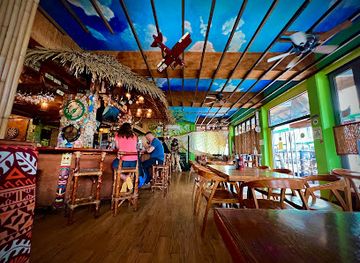
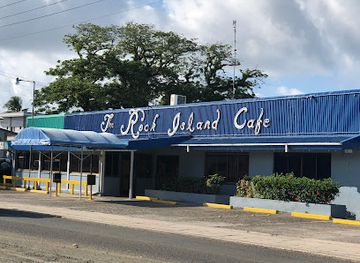
Rock Island Cafe
Experience authentic Palauan cuisine at Rock Island Cafe in Koror – a culinary gem blending local flavors with international flair.
Best bars in Kayangel Atoll
Kayangel has no significant bar or nightclub scene. Evening life is community-based and quiet, with conversation, family activities and the practical routines of a small island settlement taking precedence over commercial entertainment. Visitors staying overnight, where accommodation has been arranged, should follow their host’s guidance and avoid loud music or behaviour that disturbs residents. Alcohol is not necessary for experiencing the atoll and should never be brought or consumed in a way that conflicts with local expectations. Most organised visits return by boat before dark, while Koror provides Palau’s broader selection of restaurants, bars and occasional live entertainment outside the region. Because transport between Kayangel and the main islands is not an evening taxi service, visitors should not plan an improvised night out after arriving. Confirm overnight arrangements, lighting, communications and return transport in advance.
-
Restaurant
Drop Off Bar and Grill
Experience the vibrant flavors and stunning views at the Drop Off Bar and Grill, a culinary hotspot in Koror, Palau.
-
Fine Dining
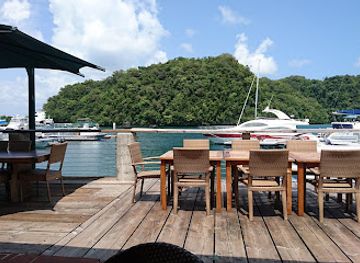
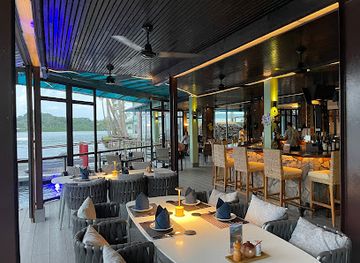
Elilai Seaside Dining
Discover the exquisite flavors of the sea at Elilai Seaside Dining in Palau, where fine dining meets breathtaking ocean views.
-
Bar
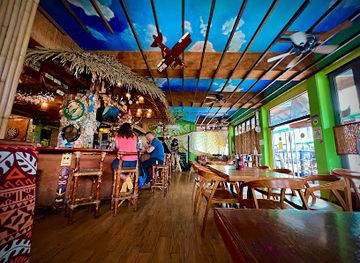
The Canoe House
Experience the vibrant culture of Palau at The Canoe House, where delicious food meets live entertainment in a lively bar atmosphere.
-
Japanese
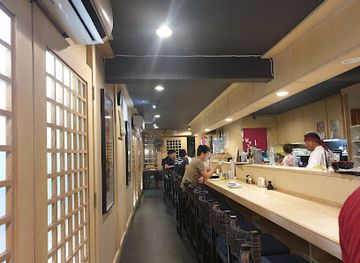
Tori Tori
Discover the flavors of Japan at Tori Tori, a top-rated Japanese restaurant in Koror, Palau, known for its quality dishes and warm ambiance.
Best nightclubs in Kayangel Atoll
Kayangel has no significant bar or nightclub scene. Evening life is community-based and quiet, with conversation, family activities and the practical routines of a small island settlement taking precedence over commercial entertainment. Visitors staying overnight, where accommodation has been arranged, should follow their host’s guidance and avoid loud music or behaviour that disturbs residents. Alcohol is not necessary for experiencing the atoll and should never be brought or consumed in a way that conflicts with local expectations. Most organised visits return by boat before dark, while Koror provides Palau’s broader selection of restaurants, bars and occasional live entertainment outside the region. Because transport between Kayangel and the main islands is not an evening taxi service, visitors should not plan an improvised night out after arriving. Confirm overnight arrangements, lighting, communications and return transport in advance.
-
Lounge
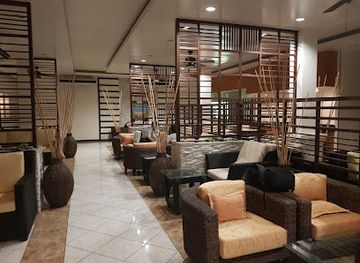
Ocean View Lounge
Experience the serene beauty of Palau at the Ocean View Lounge, where relaxation meets stunning ocean vistas.
Best shops in Kayangel Atoll
Shopping in Kayangel is extremely limited, with no conventional retail centre, extensive high street or dependable range of visitor shops. Travellers should purchase most essentials, gifts and practical supplies in Koror or on Babeldaob before travelling north. If locally made crafts, food or other products are available, buy them only through an agreed community or host arrangement and ask before photographing or handling them. Palauan handicrafts elsewhere in the country may include woven items, carved objects and locally produced food, but availability on Kayangel varies and should not be assumed. Fresh island produce or seafood may sometimes be obtainable by prior arrangement, subject to weather and household supply. Do not remove shells, coral, sand or other natural materials as souvenirs. The most appropriate purchases are therefore those arranged directly and respectfully with residents, with payment agreed in advance and waste kept to a minimum. Kayangel is not a shopping destination; its value is in its landscape, marine environment and community setting.
-
Ice Cream
L'Amarena Gelato Shop (Gelateria Italiana)
Discover the authentic Italian flavors at L'Amarena Gelato Shop, a delightful treat in the heart of Palau's Surangel's Supercenter.
-
Shopping mall
WCTC Shopping Center
Explore the WCTC Shopping Center in Palau for a delightful shopping experience, local eats, and unique finds in a vibrant atmosphere.
-
Shopping mall
Surangel and Sons Co. - Koror
Explore the vibrant Surangel and Sons Co. in Koror for unique Palauan crafts, souvenirs, and a taste of local culture.
-
Shopping mall
Surangel's Surpercenter Airai
Discover the vibrant shopping scene at Surangel's Supercenter Airai, where local culture meets international brands in the heart of Palau.


Get your free copy of our complete guide to Kayangel Atoll, delivered straight to you.
Everything on this page, from attractions and restaurants to essentials and local phrases, in one PDF you can read offline, print or share.
Already have an account? Sign in
Your Kayangel Atoll guide is ready.
We'll send it to · Not you? Sign out

Getting your guide ready…
We are putting together a fresh copy of the Kayangel Atoll guide. This can take up to a minute.
This can take a few moments. If your browser asks, choose Allow so the download can start. You'll find the guide in your Downloads folder.
Nothing happened? Download it again
Sorry, the guide is taking longer than usual. Please try again in a minute, or get it by email instead.
Kayangel Atoll essentials
Currency and Payment
Safety
Emergency Situations
Do's and Don'ts
Local Tips
From Eve
Local phrases worth knowing
You don't need to get them perfect. A few words go a long way, and locals appreciate the effort.
Basics
| English | Local | Say it |
|---|---|---|
| Hello | Alii | [Ah-lee-ee] |
| Goodbye | Alu | [Ah-loo] |
| Yes | Ome | [Oh-meh] |
| No | Ngii | [Ngee] |
| Please/You're welcome | Mechull | [Meh-chool] |
| Thank you | Kirel | [Kee-rehl] |
| Excuse me/Sorry | Esai | [Eh-sigh] |
| How are you? | Ngechei? | [Ngeh-chay] |
| Fine. And you? | Chad a, ngechei? | [Chahd ah, ngeh-chay] |
| Do you speak English? | Ome a ngerechek English? | [Oh-meh ah ngeh-reh-chek English] |
| I don't understand | Ngii a chad | [Ngee ah chahd] |
Eating & Drinking
| English | Local | Say it |
|---|---|---|
| I'd like to see the menu, please | Ome a kirel el menu, mechull | [Oh-meh ah kee-rehl el meh-noo, meh-chool] |
| I don't eat meat | Ngii a cheb el belau | [Ngee ah cheb el beh-lau] |
| Cheers! | Bai! | [Bye] |
| I would like to pay, please | Ome a kirel el pay, mechull | [Oh-meh ah kee-rehl el pay, meh-chool] |
Emergencies
| English | Local | Say it |
|---|---|---|
| Help! | Teng! | [Teng] |
| Go away! | Ngei a kirel! | [Ngeh-ee ah kee-rehl!] |
| Call the Police! | Kirel el Police! | [Kee-rehl el Police!] |
| Call a doctor! | Kirel el doctor! | [Kee-rehl el doctor!] |
| I'm lost | Ame a kirel el nen | [Ah-meh ah kee-rehl el nen] |
| I'm ill | Ame a kirel el belau | [Ah-meh ah kee-rehl el beh-lau] |
Shopping
| English | Local | Say it |
|---|---|---|
| I'd like to buy... | Ome a kirel el diak... | [Oh-meh ah kee-rehl el dee-ak] |
| I'm just looking | Ame a kirel el kirel | [Ah-meh ah kee-rehl el kee-rehl] |
| How much is it? | Ngechei a chad el? | [Ngeh-chay ah chahd el?] |
| That's too expensive | Chad a chel chel | [Chahd ah chel chel] |
| Can you lower the price? | Ome a kechei el price? | [Oh-meh ah keh-chay el price?] |
Time & Numbers
| English | Local | Say it |
|---|---|---|
| What time is it? | Ngechei a chad el tiempo? | [Ngeh-chay ah chahd el tee-em-poh?] |
| It's one o'clock | El a chad el one. | [El ah chahd el one.] |
| Half past (10) | El a chad el halfa el (10) | [El ah chahd el halfa el (10)] |
| Morning | Amech | [Ah-mech] |
| Afternoon | Meked | [Meh-ked] |
| Evening | Meked a chad | [Meh-ked ah chahd] |
| Yesterday | Chad a chad | [Chahd ah chahd] |
| Today | Ngei a chad | [Ngeh-ee ah chahd] |
| Tomorrow | Chad a chad el tuai | [Chahd ah chahd el too-ai] |
| 1 | Chad | [Chahd] |
| 2 | Meked | [Meh-ked] |
| 3 | Meked a chad | [Meh-ked ah chahd] |
| 4 | Meked a chad el do | [Meh-ked ah chahd el doh] |
| 5 | Meked a chad el telu | [Meh-ked ah chahd el teh-loo] |
| 6 | Meked a chad el om | [Meh-ked ah chahd el ohm] |
| 7 | Meked a chad el tuj | [Meh-ked ah chahd el tooj] |
| 8 | Meked a chad el walu | [Meh-ked ah chahd el wah-loo] |
| 9 | Meked a chad el si | [Meh-ked ah chahd el see] |
| 10 | Meked a chad el nulu | [Meh-ked ah chahd el noo-loo] |
Transport & Directions
| English | Local | Say it |
|---|---|---|
| Where's a/the...? | Ngechei a chad el ...? | [Ngeh-chay ah chahd el ...?] |
| What's the address? | Ngechei a chad el address? | [Ngeh-chay ah chahd el address?] |
| Can you show me (on the map)? | Ome a kirel el show a (el map)? | [Oh-meh ah kee-rehl el show ah (el map)?] |
| When's the next (bus)? | Ngechei a chad el next (bus)? | [Ngeh-chay ah chahd el next (bus)?] |
| A ticket (to ....) | El ticket (el ...) | [El ticket (el ...)] |
History of Kayangel Atoll
Ancient Austronesian Settlement
Kayangel’s islands form part of the wider Palauan cultural landscape, settled over many centuries by Austronesian-speaking peoples who developed detailed knowledge of reefs, currents, canoe travel and seasonal resources. In a low-lying atoll environment, survival depended on combining fishing and reef gathering with the cultivation of coconut and other plants where soils permitted. Archaeological evidence and oral traditions across Palau indicate long continuity of settlement and movement between islands, although Kayangel’s small scale and exposed position have left fewer monumental remains than some larger Palauan islands.
Traditional Palauan Society
Before European administration, Kayangel was integrated into Palau’s network of clans, alliances and customary authority rather than existing as an isolated community. Palauan social organisation was tied to land, lineage, rank and obligations between communities, while the sea connected islands through travel, exchange and fishing. Traditional knowledge remains relevant in Kayangel today, particularly in understanding reef conditions, local resources and appropriate conduct. The atoll’s contemporary community therefore reflects both a small island settlement and a wider Palauan cultural history.
Spanish and German Colonial Rule
Spain asserted sovereignty over the Palau Islands in the late nineteenth century, although its practical presence in the archipelago was limited. Following Spain’s sale of its remaining Micronesian possessions to Germany in 1899, Palau became part of the German colonial sphere. These changes brought new administrative structures, missionary influence and commercial interests to the islands, but they did not erase local systems of identity and authority. Kayangel’s remote location meant that everyday life continued to be shaped strongly by its marine environment and community relationships.
Japanese Administration, 1914–1944
Japan took control of Palau during the First World War and later administered the islands under a League of Nations mandate. Koror developed as the administrative and economic centre, while Japanese influence expanded through government, commerce, education and infrastructure. Kayangel remained a small and peripheral atoll rather than a major urban or industrial site. The period nevertheless connected Palau more closely to regional shipping and colonial networks, developments that were disrupted by the Pacific War and the end of Japanese rule.
The Pacific War and Its Aftermath
Palau became a strategic Japanese base area during the Second World War, and several parts of the archipelago were affected by military activity. The most intense fighting occurred elsewhere, notably on Peleliu and Angaur, not on Kayangel itself. The war altered regional transport, population movement and economic life, while its broader legacy remains visible in Palau’s wartime sites and memories. After Japan’s defeat, the islands entered a new period of international administration rather than returning to the pre-war colonial system.
Trust Territory and the Republic of Palau
After 1947, Palau was administered by the United States as part of the Trust Territory of the Pacific Islands. Roads, public services and political institutions developed unevenly across the archipelago, and remote communities such as Kayangel remained closely dependent on marine transport. Palau became an independent republic in 1994, in free association with the United States. Kayangel is now one of Palau’s states, with local governance and a small resident population within the constitutional framework of the republic.
Kayangel Atoll in Photos
Browse through our photo collection highlighting the charm and character of the destination.
Neighbouring regions of Kayangel Atoll
The closest regions to Kayangel Atoll, if you have time for more than one.
-

-

-
-

-


Swipe for more regions
Explore more

Explore more of Palau
Discover Palau's pristine beaches, vibrant marine life, and rich cultural heritage—an untouched paradise in the Pacific Ocean.
Explore Palau