

Northern Lagoon, Palau Travel Guide
Discover the serene beauty and rich marine biodiversity of Palau's Northern Lagoon, a top destination for snorkeling, diving, and cultural exploration.
Nestled in the heart of Micronesia, Palau's Northern Lagoon is a paradise for nature lovers and adventure seekers alike. This stunning gem is renowned for its crystal-clear waters, vibrant coral reefs, and diverse marine life, making it one of the world's premier destinations for snorkeling and scuba diving. The lagoon's serene waters offer a tranquil escape from the hustle and bustle of everyday life, providing a perfect setting for relaxation and exploration. The Northern Lagoon is home to a rich tapestry of marine biodiversity, with colorful fish, majestic manta rays, and even the occasional sea turtle gliding gracefully through the water. Visitors can embark on guided tours to explore hidden coves, secluded beaches, and ancient limestone rock formations that rise dramatically from the sea. The lagoon's warm, tropical climate ensures that the water remains inviting year-round, making it an ideal destination for water-based activities. Beyond its underwater wonders, Palau's Northern Lagoon boasts a wealth of cultural and historical significance. The area is dotted with ancient stone monoliths and traditional villages that offer a glimpse into the island's rich heritage. Local guides often share stories of Palau's past, adding depth to the experience and allowing visitors to connect with the island's vibrant culture. Whether you're an avid diver, a history enthusiast, or simply seeking a serene getaway, Palau's Northern Lagoon promises an unforgettable adventure.

Know before you go
Hi, I'm Eve. Here are a few practical things to know before exploring Northern Lagoon.
- Bring reef-safe sunscreen to protect the delicate marine life.
- Visit during the dry season (November to April) for the best weather conditions.
- Book guided tours in advance, especially for diving excursions, to ensure availability.
- Respect local customs and traditions when visiting villages and cultural sites.
- Keep an eye out for rare marine species, such as the dugong and Napoleon wrasse.
Top City Travel Guides in Northern Lagoon
The cities of Northern Lagoon, and the easiest places to base yourself.


Destinations in Northern Lagoon
Resorts, valleys and scenic spots worth a trip of their own.


Explore Northern Lagoon: Things to Do, Places to Eat, Hotels & More
Handpicked recommendations for top attractions, local dining, accommodations, and more

Top Attractions & Sightseeing in Northern Lagoon
Top-rated picks
Best Attractions

Palau Dive Adventures
Experience the thrill of diving with Palau Dive Adventures, your gateway to Palau's stunning underwater world and diverse marine life.

Badrulchau Stone Monoliths
Discover the ancient Badrulchau Stone Monoliths in Ngarchelong, Palau, a remarkable testament to the island's historical and cultural heritage.

Kuabes Park
Experience the tranquility and natural beauty of Kuabes Park in Ngaraard, Palau, a perfect destination for relaxation and exploration.

Nice view
Discover the stunning vistas of Elab in Ngaraard, Palau, a serene tourist attraction perfect for photography and nature lovers.

Best landmarks in Northern Lagoon
Top-rated picks
Best Landmarks

Belau National Museum
Uncover the vibrant history and culture of Palau at the Belau National Museum, a must-visit attraction in Koror for all travelers.

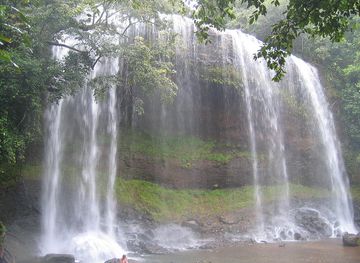
Ngardmau Waterfalls
Experience the breathtaking beauty of Ngardmau Waterfalls in Ngiwal, Palau, a natural gem that captivates with its stunning cascades and lush surroundings.

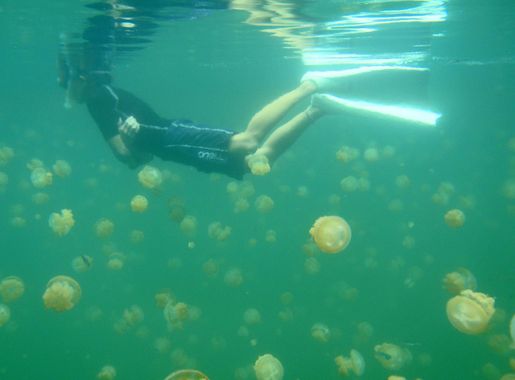
Jellyfish Lake
Explore Jellyfish Lake in Koror, Palau, where millions of harmless jellyfish create a mesmerizing underwater experience in a stunning natural setting.

Palau Dive Adventures
Explore the vibrant underwater paradise of Palau with Palau Dive Adventures, offering guided dives and SCUBA instruction for all levels.

Best restaurants in Northern Lagoon
Top-rated picks
Best Restaurants

Drop Off Bar and Grill
Experience exquisite local flavors and breathtaking views at Drop Off Bar and Grill in Koror, Palau.

The Taj
Discover authentic Indian cuisine at The Taj in Koror - where rich flavors meet tropical paradise.

Elilai Seaside Dining
Experience exquisite fine dining at Elilai Seaside Dining in Koror, Palau – where culinary excellence meets breathtaking ocean views.

Marina Café VITA
Discover exquisite dining with stunning ocean views at Marina Café VITA in Koror, Palau - where local flavors meet unforgettable experiences.

Best bars in Northern Lagoon
Top-rated picks
Best Bars

Palau Royal Resort
Discover the enchanting Palau Royal Resort, where luxury meets the breathtaking beauty of Palau's tropical paradise.
Palau Pacific Resort
Discover luxury and adventure at Palau Pacific Resort, a stunning beachfront retreat in the heart of Palau's natural beauty.
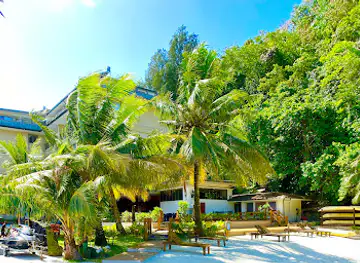
Drop Off Bar and Grill
Experience the vibrant flavors of Palau at Drop Off Bar and Grill, where fresh seafood meets a lively atmosphere in Koror.

Palau Hotel
Discover the perfect blend of comfort and adventure at Palau Hotel, your ideal base for exploring the breathtaking beauty of Palau.

Best nightclubs in Northern Lagoon
Top-rated picks
Best Nightclubs
Palau Royal Resort
Discover the ultimate island getaway at Palau Royal Resort, where luxury meets adventure in a tropical paradise.
Palau Pacific Resort
Escape to paradise at Palau Pacific Resort, where luxury meets the stunning beauty of the Pacific Islands.

COVE Resort Palau
Discover the serene beauty and luxury of COVE Resort Palau, your gateway to a tropical paradise in Koror.

The Canoe House
Experience the vibrant flavors and lively atmosphere at The Canoe House in Koror, Palau – a must-visit for foodies and fun-seekers alike.

Best shops in Northern Lagoon
Top-rated picks
Best Shops
Palau Royal Resort
Discover the ultimate tropical retreat at Palau Royal Resort, where luxury meets adventure in the heart of the Pacific.
Palau Pacific Resort
Discover luxury and tranquility at Palau Pacific Resort, where stunning ocean views meet world-class service in the heart of Koror.

Palau Hotel
Discover the ultimate blend of comfort and adventure at Palau Hotel in Koror, the gateway to exploring the natural beauty of Palau.

Palau International Airport
Discover the tropical paradise of Palau through its welcoming gateway, Palau International Airport, where adventure begins.

Explore Northern Lagoon on the Map
A handpicked selection of must-see spots in Northern Lagoon, mapped for you.
Northern Lagoon Essentials
-
The Northern Lagoon in Palau is accessible via the Roman Tmetuchl International Airport in Koror. From Koror, you can take a domestic flight or a boat to the island. The journey by boat offers a scenic view of the surrounding islands and typically takes around 45 minutes.
-
Once in Northern Lagoon, transportation options include taxis, rental cars, and boats. Taxis are available but can be expensive. Renting a car or a bike gives you the freedom to explore the area at your own pace. Boats are also a popular mode of transport for exploring the lagoon and nearby islands.
-
The official currency in Palau is the United States Dollar (USD). Credit cards are widely accepted in hotels, restaurants, and shops, but it's advisable to carry cash for smaller establishments and remote areas. ATMs are available, but it's wise to withdraw sufficient cash in Koror before traveling to Northern Lagoon.
-
Northern Lagoon is generally safe for tourists. However, standard precautions should be taken. Avoid walking alone at night in unfamiliar areas and keep an eye on your belongings in crowded places. There are no specific high-crime areas targeting tourists, but staying vigilant is always advisable.
-
In case of an emergency, dial 911 for immediate assistance. Northern Lagoon has local police stations and medical facilities. It's recommended to have travel insurance that covers medical emergencies. Pharmacies are available for minor health issues and over-the-counter medications.
-
Fashion: Do dress modestly, especially when visiting religious sites. Avoid wearing revealing clothing. Religion: Do respect local customs and traditions. Always show respect when visiting religious sites. Public Transport: Do be respectful and give up your seat to elderly passengers. Don't eat or drink on public transport. Greetings: Do greet people with a handshake. A slight bow of the head is also a sign of respect. Eating & Drinking: Do try local delicacies and accept food offerings graciously. Don't refuse hospitality, as it is considered impolite.
-
To experience Northern Lagoon like a local, visit the local markets where you can buy fresh seafood and traditional Palauan goods. Engage with locals, as they are often friendly and willing to share stories about the area's history and culture. Don't miss a boat trip to the Rock Islands and Jellyfish Lake for a unique experience.
When is the best time to visit Northern Lagoon?
Useful Local Phrases for Northern Lagoon
You don't need to speak the language perfectly. Even learning a few simple words can make conversations warmer—and locals usually appreciate the effort.
— Eve

Here are the phrases I use most often in Northern Lagoon. Try a few—you'll be surprised how far they go! 😊
❤️
-
- HelloAlii
[ah-lee-ee] - GoodbyeA chelu
[ah cheh-loo] - YesOmed
[oh-med] - NoNge
[ngay] - Please/You're welcomeMesulang
[meh-soo-lahng] - Thank youMekngal
[meh-kngahl] - Excuse me/SorryChad ra
[chahd rah] - How are you?Ulek a?
[oo-lek ah] - Fine. And you?Ngmeru. E a?
[ng-meh-roo. eh ah] - Do you speak English?Omed a kirel English?
[oh-med ah kee-rel English] - I don't understandNgkekngal
[ng-keh-kngahl]
- HelloAlii
-
- I'd like to see the menu, pleaseOmed el ngii a menu, mesulang
[oh-med el ng-ee ah meh-noo, meh-soo-lahng] - I don't eat meatNgkekngal a ngii remel
[ng-keh-kngahl ah ng-ee reh-mel] - Cheers!Omed a ngii!
[oh-med ah ng-ee] - I would like to pay, pleaseOmed el ngii a chelu, mesulang
[oh-med el ng-ee ah cheh-loo, meh-soo-lahng]
- I'd like to see the menu, pleaseOmed el ngii a menu, mesulang
-
- Help!Chad!
[chahd] - Go away!Ked a!
[keh-d ah] - Call the Police!Chad a Police!
[chahd ah Poh-lees] - Call a doctor!Chad a doctor!
[chahd ah doh-k-tor] - I'm lostNgii a chad
[ng-ee ah chahd] - I'm illNgii a ngkech
[ng-ee ah ng-kech]
- Help!Chad!
-
- I'd like to buy...Omed el ngii a el ngii...
[oh-med el ng-ee ah el ng-ee] - I'm just lookingNgii a ra el
[ng-ee ah rah el] - How much is it?Eme a chel?
[eh-meh ah chel] - That's too expensiveA chelu a mesul
[ah cheh-loo ah meh-sool] - Can you lower the price?E a ngar a chel?
[eh ah ngar ah chel]
- I'd like to buy...Omed el ngii a el ngii...
-
- What time is it?Eme a el a?
[eh-meh ah el ah] - It's one o'clockA a el a chad
[ah ah el ah chahd] - Half past (10)A chad el (10)
[ah chahd el (ten)] - MorningOlek
[oh-lek] - AfternoonOleng
[oh-leng] - EveningOlok
[oh-lok] - YesterdayChad a el
[chahd ah el] - TodayNgii a el
[ng-ee ah el] - TomorrowEme a ngii
[eh-meh ah ng-ee] - 1Mek
[meh-k] - 2Mik
[mee-k] - 3Mikl
[mee-k-l] - 4Mekal
[meh-kahl] - 5Mekal a ched
[meh-kahl ah ched] - 6Mekal a ruul
[meh-kahl ah roo-l] - 7Mekal a chad
[meh-kahl ah chahd] - 8Mekal a chel
[meh-kahl ah chel] - 9Mekal a chad a ruul
[meh-kahl ah chahd ah roo-l] - 10Mekal a chad a chel
[meh-kahl ah chahd ah chel]
- What time is it?Eme a el a?
-
- Where's a/the...?Ngii a el ...?
[ng-ee ah el] - What's the address?Eme a el a chel?
[eh-meh ah el ah chel] - Can you show me (on the map)?E a ngar a el a (map)?
[eh ah ngar ah el ah (map)] - When's the next (bus)?Eme a el a (bus)?
[eh-meh ah el ah (bus)] - A ticket (to ....)A ticket (to ...)
[ah ticket (to ...)]
- Where's a/the...?Ngii a el ...?
History of Northern Lagoon
-
The Northern Lagoon in Palau has been inhabited for thousands of years by the Palauan people. Archaeological evidence suggests that the first settlers arrived around 1000 BC. These early inhabitants developed a complex society with sophisticated systems of agriculture, fishing, and trade.
-
The bai, or traditional meeting house, is a significant cultural symbol in Palau, particularly in the Northern Lagoon area. These structures were historically used for village meetings, ceremonies, and as a place for elders to discuss important matters. The bai are intricately decorated with carvings and paintings that tell stories of Palauan mythology and history.
-
Palau came under Spanish influence after the explorer Ruy López de Villalobos sighted the islands in 1543. By 1574, Spain had claimed Palau as part of its Pacific empire. The Spanish impact on the Northern Lagoon was minimal due to limited direct contact, but they introduced Christianity and European goods to the islands.
-
Following the Spanish-American War, Spain sold Palau to Germany in 1899. The Germans focused on exploiting Palau's natural resources, particularly phosphate. They established administrative centers and infrastructure that laid the groundwork for modern development in areas like the Northern Lagoon.
-
During World War I, Japan seized control of Palau from Germany. The Japanese administration intensified economic activities, including agriculture and fishing, and introduced new technologies. The Northern Lagoon area saw significant development, including the construction of airfields and military installations during World War II.
-
The Northern Lagoon played a strategic role during World War II. The Battle of Peleliu, fought from September to November 1944, was one of the bloodiest battles in the Pacific Theater. Although Peleliu is south of the Northern Lagoon, the entire region was heavily fortified and witnessed intense military activity.
-
After World War II, Palau became a United Nations Trust Territory administered by the United States. The Northern Lagoon area saw infrastructural improvements and increased contact with the Western world during this period. The U.S. influence is still evident in the region's architecture and educational systems.
-
Palau gained full sovereignty in 1994. The Northern Lagoon has since become a focal point for tourism, conservation efforts, and cultural preservation. The region is renowned for its pristine waters, diverse marine life, and rich cultural heritage, making it a popular destination for travelers and researchers alike.
Neighbouring Regions of Northern Lagoon
The closest regions to Northern Lagoon, if you have time for more than one.


Your all‑in‑one travel companion app
Explore expert travel guides, compare and book tours, experiences, hotels, and more—all from the palm of your hand. Download now for seamless trip planning wherever your wanderlust takes you.


Explore More of Palau

Looking beyond Northern Lagoon? Discover Palau for broader travel guides, local hot-spots, and regional highlights.
Explore PalauNorthern Lagoon in Photos
Browse through our photo collection highlighting the charm and character of the destination.


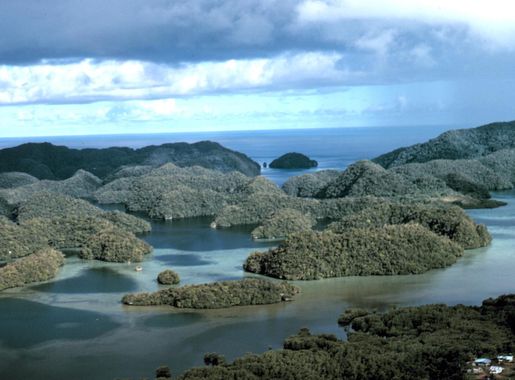




The Enchanting Waters of Palau's Northern Lagoon
Nestled in the heart of Micronesia, Palau's Northern Lagoon is a paradise for nature lovers and adventure seekers alike. This stunning gem is renowned for its crystal-clear waters, vibrant coral reefs, and diverse marine life, making it one of the world's premier destinations for snorkeling and scuba diving. The lagoon's serene waters offer a tranquil escape from the hustle and bustle of everyday life, providing a perfect setting for relaxation and exploration. The Northern Lagoon is home to a rich tapestry of marine biodiversity, with colorful fish, majestic manta rays, and even the occasional sea turtle gliding gracefully through the water. Visitors can embark on guided tours to explore hidden coves, secluded beaches, and ancient limestone rock formations that rise dramatically from the sea. The lagoon's warm, tropical climate ensures that the water remains inviting year-round, making it an ideal destination for water-based activities. Beyond its underwater wonders, Palau's Northern Lagoon boasts a wealth of cultural and historical significance. The area is dotted with ancient stone monoliths and traditional villages that offer a glimpse into the island's rich heritage. Local guides often share stories of Palau's past, adding depth to the experience and allowing visitors to connect with the island's vibrant culture. Whether you're an avid diver, a history enthusiast, or simply seeking a serene getaway, Palau's Northern Lagoon promises an unforgettable adventure.