

Free Bougainville Travel Guide & Mobile App
Explore Bougainville with free travel guides. Discover regional history, expert tips, proposed trips, and audio guides on web or mobile app.


Explore Bougainville in Papua New Guinea for volcanic landscapes, reefs, village culture and a deeply important modern history.
Read more about Bougainville
When is the best time to visit Bougainville?
Best: January–March · 31°C| Month | High (°C) | Rainfall (mm) |
|---|---|---|
| January (best) | 31 | 300 |
| February (best) | 31 | 300 |
| March (best) | 31 | 300 |
| April | 31 | 300 |
| May | 31 | 300 |
| June | 31 | 300 |
| July | 31 | 300 |
| August | 31 | 300 |
| September | 31 | 300 |
| October | 31 | 300 |
| November | 31 | 300 |
| December | 31 | 300 |
Getting to and around Bougainville
How to get there
Transportation
Top city travel guides in Bougainville
The cities of Bougainville, and the easiest places to base yourself.

Swipe for more cities
Best attractions in Bougainville
Bougainville's attractions are primarily landscape-based, community-led and historical rather than built for mass tourism. Buka provides access to coastal scenery, markets, sea crossings and boat excursions, while nearby reefs and sheltered waters can support swimming, snorkelling and fishing when local operators judge conditions suitable. On Bougainville Island, the Arawa area offers a starting point for understanding the former Panguna mining economy, the conflict and the region's continuing political transformation; access to the mine zone requires advance permission and local guidance. Forested uplands, rivers, volcanic terrain and rural coastlines reward visitors prepared for simple facilities and changing roads. In the south, Buin and surrounding communities present a quieter, more agricultural side of the region, though travel is slower and services are limited. Wartime sites, abandoned infrastructure and memorial places are scattered across the islands, but many are unmarked and should be visited only with knowledgeable local assistance. Community visits, canoe or boat journeys, village markets and conversations about customary land can be more significant than formal sightseeing, provided visitors approach them respectfully and do not treat living communities as displays.
-
Beach
Ela Beach
Discover the pristine beauty of Ela Beach, a stunning coastal paradise in Port Moresby, Papua New Guinea, perfect for relaxation and adventure.
-
Volcano
Mount Balbi
Experience the breathtaking beauty and rich biodiversity of Mount Balbi, a captivating volcano in the Autonomous Region of Bougainville, Papua New Guinea.
-
Tourist attraction
White Island
Discover the serene beauty and vibrant culture of White Island, a tropical paradise in the Solomon Sea perfect for adventure and relaxation.
-
Tourist attraction
Arco Beach
Experience the tranquil beauty of Arco Beach in Bougainville, where golden sands meet crystal-clear waters for a perfect getaway.

Best landmarks in Bougainville
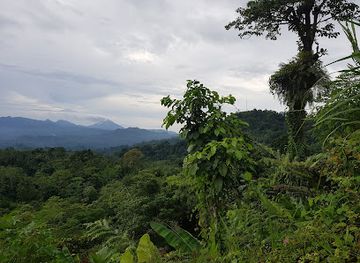
The most recognisable landmarks of Bougainville are closely tied to its mountains, political history and wartime past. The Panguna mine area above Arawa is the region's defining modern industrial landscape, although it is not a conventional visitor attraction and access must be arranged with landowners and local authorities. The rugged Crown Prince Range provides a powerful geographic backdrop to central Bougainville, with forested slopes and river valleys conveying the island's scale and isolation. Buka Passage, separating Buka from Bougainville Island, is both a practical waterway and a prominent feature of northern island life. In many communities, wartime remnants, memorials and former airfield or defensive sites mark the Second World War, but their locations and condition vary and some may contain dangerous unexploded material. Arawa's former industrial infrastructure and coastal setting embody the region's transition from mine-led development to post-conflict reconstruction. Smaller islands, reefs and atolls around Bougainville add striking natural landmarks, though reaching them requires locally organised boat travel and careful attention to sea conditions.
-
Tourist attraction
Port Moresby Nature Park
Discover the captivating flora and fauna of Port Moresby Nature Park, a must-visit tourist attraction showcasing Papua New Guinea’s unique wildlife and cultural heritage.
-
Island
Bougainville Island
Explore the stunning landscapes and rich cultural heritage of Bougainville Island, a hidden paradise in the South Pacific, perfect for every adventurous traveler.
-
Beach
Ela Beach
Discover the breathtaking beauty of Ela Beach in Port Moresby, a tranquil coastal paradise perfect for sunbathing, swimming, and stunning sunsets.
-
Theme park
Adventure Park PNG
Experience thrilling rides and serene nature walks at Adventure Park PNG in Central Province, the ultimate family-friendly destination in Papua New Guinea.



Explore Bougainville on the map
Plan your trip on one map. See where the top cities, national parks and sights are, and book hotels and experiences in a few clicks.
Best hotels in Bougainville
Best restaurants in Bougainville
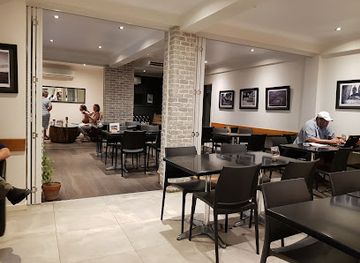
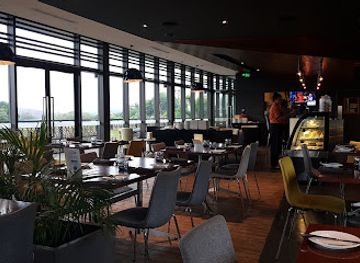
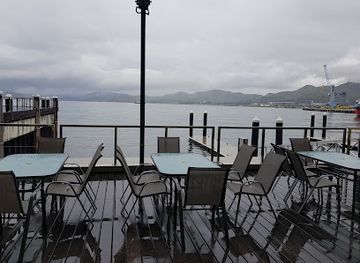
Dining in Bougainville is generally informal and locally supplied, with meals centred on root crops such as sweet potato, cassava and taro, rice, greens, coconut, bananas, seasonal fruit and fish where coastal access allows. Chicken and other meats may be available in larger settlements, while village food often reflects what households grow, catch or can obtain from local markets. Buka and Arawa offer the widest choice of small restaurants, guesthouse meals, bakeries and market food, but menus and supplies can change with transport and weather. Bougainvillean cooking is best understood through community meals and locally prepared dishes rather than a single signature cuisine. Visitors should give advance notice to accommodation providers when possible, especially if they have dietary restrictions or require vegetarian food. Bottled or treated water is advisable, and travellers should choose busy food stalls or kitchens with good turnover and sensible hygiene practices.
-
Restaurant
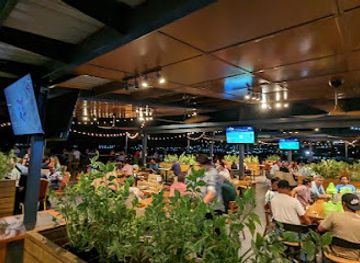
Alibi Bar & Grill
Experience exquisite dining at Alibi Bar & Grill in Port Moresby with breathtaking harbour views and a diverse menu that caters to all tastes.
-
Seafood
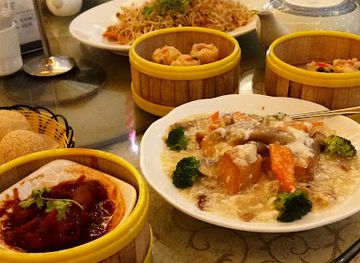
Dynasty Seafood Restaurant
Savor fresh seafood delicacies at Dynasty Seafood Restaurant in Vision City Mega Mall, Port Moresby - a must-visit culinary destination.
-
Japanese
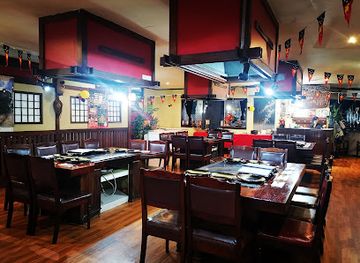
Daikoku Japanese Steak House
Savor the flavors of Japan at Daikoku Japanese Steak House in Port Moresby - where authentic cuisine meets exceptional dining experiences.
-
Chinese
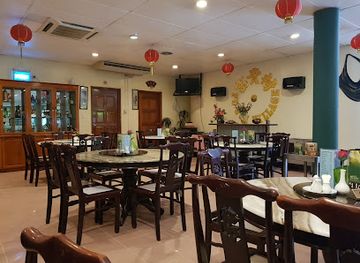
Fu Gui
Experience authentic Chinese flavors at Fu Gui in Port Moresby—where culinary tradition meets warm hospitality.
Best bars in Bougainville
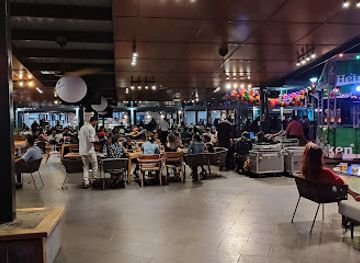
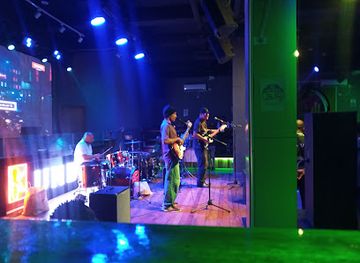
Bougainville does not have a large, concentrated nightclub scene. Evening life is more likely to revolve around guesthouses, modest bars, restaurants, church and community events, or informal gatherings in Buka, Arawa and other larger settlements. Some accommodation venues may serve beer or spirits, but availability, closing arrangements and social expectations vary, particularly outside the main towns. In rural communities, nights are quiet and dark once transport has stopped, so visitors should not plan on finding late venues or reliable taxis. Alcohol should be consumed carefully and discreetly, never treated as a requirement for social contact, and avoided before boat travel or when security conditions are uncertain. Ask local hosts which places are appropriate rather than wandering after dark, and remember that musical, ceremonial and community events may be more culturally important than commercial nightlife.
-
Cafe
Duffy PNG Cafe Gabaka St
Discover the vibrant flavors of Papua New Guinea at Duffy PNG Cafe in Port Moresby, where local dishes meet a welcoming atmosphere.
-
Restaurant
Alibi Bar & Grill
Experience the vibrant atmosphere and exquisite flavors at Alibi Bar & Grill in Port Moresby, where local meets international cuisine.
-
Bar
Jackson's Bar Restaurant & Gaming
Explore Jackson's Bar Restaurant & Gaming, where vibrant atmosphere meets local flavors in the heart of Port Moresby.
-
Chinese
Asia Aromas Harbour Side West PNG
Discover the authentic taste of China at Asia Aromas Harbour Side West PNG, where culinary traditions meet modern dining in Lae.
Best nightclubs in Bougainville
Bougainville does not have a large, concentrated nightclub scene. Evening life is more likely to revolve around guesthouses, modest bars, restaurants, church and community events, or informal gatherings in Buka, Arawa and other larger settlements. Some accommodation venues may serve beer or spirits, but availability, closing arrangements and social expectations vary, particularly outside the main towns. In rural communities, nights are quiet and dark once transport has stopped, so visitors should not plan on finding late venues or reliable taxis. Alcohol should be consumed carefully and discreetly, never treated as a requirement for social contact, and avoided before boat travel or when security conditions are uncertain. Ask local hosts which places are appropriate rather than wandering after dark, and remember that musical, ceremonial and community events may be more culturally important than commercial nightlife.
-
Bar
KUNDU CLUB
Experience the vibrant nightlife at Kundu Club, an energetic bar in Port Moresby offering refreshing drinks and a lively atmosphere.
-
Night club
The Gold Club
Discover the electrifying nightlife at The Gold Club in Port Moresby, where music and dance come alive in a vibrant atmosphere.
-
Night club
Club Illusion PNG
Dive into the vibrant nightlife of Port Moresby at Club Illusion PNG, where the music never stops and the party is just beginning.
-
Night club
Club Regal
Discover Port Moresby's nightlife at Club Regal, where vibrant music and exciting drinks create unforgettable moments.


Best shops in Bougainville
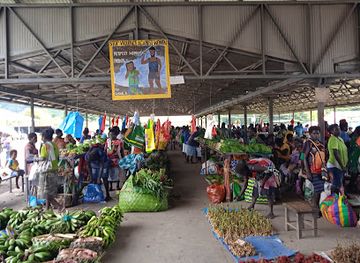
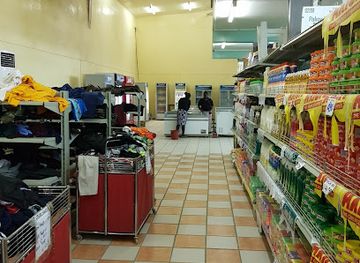
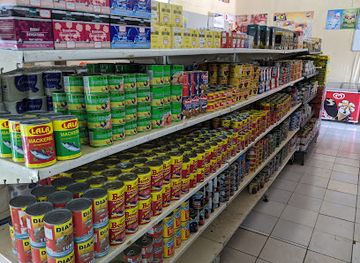
Shopping in Bougainville is concentrated in markets, small trade stores and informal roadside stalls rather than large retail centres. Buka and Arawa offer the broadest choice of everyday provisions, clothing, phone credit and locally produced food, while smaller communities depend on market days and irregular deliveries. Fresh greens, fruit, root crops, coconuts and fish are practical purchases when travelling with local cooking facilities. Handicrafts may include woven items, carvings, shell work and other locally made goods, but availability differs from one community to another and visitors should buy directly from makers where possible. Ask before photographing or bargaining over culturally significant objects, and never purchase archaeological material, wartime artefacts or items that may have been taken from customary land. Bring sufficient cash, as card payments are uncommon outside selected businesses in the main centres. Shopping in Bougainville is less about souvenirs and more about supporting local producers, meeting daily needs and understanding how island communities connect through markets.
-
Supermarket
Jomik Trading
Explore the local culture at Jomik Trading, a vibrant supermarket in Buka offering a wide selection of fresh produce and local products.
-
Market
Arawa Town Vegetable Market
Discover the flavors and colors of local life at Arawa Town Vegetable Market, a vibrant hub in Bougainville.
-
Shopping mall
STI Shopping Centre
Experience the vibrant shopping and dining at STI Shopping Centre, Arawa's premier destination for locals and tourists alike.
-
Supermarket
West Winds Trading
Explore West Winds Trading in Buka for a diverse selection of local and international products, ideal for every traveler's needs.

Get your free copy of our complete guide to Bougainville, delivered straight to you.
Everything on this page, from attractions and restaurants to essentials and local phrases, in one PDF you can read offline, print or share.
Already have an account? Sign in
Your Bougainville guide is ready.
We'll send it to · Not you? Sign out

Getting your guide ready…
We are putting together a fresh copy of the Bougainville guide. This can take up to a minute.
This can take a few moments. If your browser asks, choose Allow so the download can start. You'll find the guide in your Downloads folder.
Nothing happened? Download it again
Sorry, the guide is taking longer than usual. Please try again in a minute, or get it by email instead.
Bougainville essentials
Currency and Payment
Safety
Emergency Situations
Do's and Don'ts
Local Tips
From Eve
Local phrases worth knowing
You don't need to get them perfect. A few words go a long way, and locals appreciate the effort.
Basics
| English | Local | Say it |
|---|---|---|
| Hello | Kia ora | [kee-ah oh-rah] |
| Goodbye | Aroha mai | [ah-roh-hah my] |
| Yes | Aeo | [ah-eh-oh] |
| No | Ieo | [ee-oh] |
| Please/You're welcome | Taim yu | [time yoo] |
| Thank you | Tenkyu | [ten-kyoo] |
| Excuse me/Sorry | Sori | [soh-ree] |
| How are you? | Yu ora gut? | [yoo oh-rah goot] |
| Fine. And you? | Gut. Na yu? | [goot. nah yoo] |
| Do you speak English? | Yu tok Pisin? | [yoo tok pee-seen] |
| I don't understand | Mi no save | [mee noh sah-veh] |
Eating & Drinking
| English | Local | Say it |
|---|---|---|
| I'd like to see the menu, please | Mi laik lukim menu, plis | [mee like loo-keem meh-noo, plees] |
| I don't eat meat | Mi no kaikai mit | [mee noh kai-kai meet] |
| Cheers! | Kau! | [kau] |
| I would like to pay, please | Mi laik pay, plis | [mee laik pay, plees] |
Emergencies
| English | Local | Say it |
|---|---|---|
| Help! | Help! | [help] |
| Go away! | Go we! | [go we] |
| Call the Police! | Kolim Polis! | [koh-lim poh-lees] |
| Call a doctor! | Kolim doktor! | [koh-lim dok-tor] |
| I'm lost | Mi lus | [mee looss] |
| I'm ill | Mi sik | [mee seek] |
Shopping
| English | Local | Say it |
|---|---|---|
| I'd like to buy... | Mi laik bai... | [mee laik bye] |
| I'm just looking | Mi lukim tasol | [mee loo-keem tah-sol] |
| How much is it? | Em hamas? | [em hah-mas] |
| That's too expensive | Dis em tu hevi | [dis em too heh-vee] |
| Can you lower the price? | Yu ken daunim prais? | [yoo ken down-im prah-eese] |
Time & Numbers
| English | Local | Say it |
|---|---|---|
| What time is it? | Dispela taim em wanem? | [dis-peh-lah time em wah-nehm] |
| It's one o'clock | Em wan o'klok | [em wahn oh-klock] |
| Half past (10) | Haf pas ten | [hafe pahs ten] |
| Morning | Moning | [moh-ning] |
| Afternoon | Aftanoon | [af-tah-noon] |
| Evening | Ivin | [ee-vin] |
| Yesterday | Yestedei | [yes-teh-day] |
| Today | Tudei | [too-day] |
| Tomorrow | Tumoro | [too-moh-roh] |
| 1 | Wan | [wahn] |
| 2 | Tu | [too] |
| 3 | Tri | [tree] |
| 4 | Four | [for] |
| 5 | Faiv | [fah-eev] |
| 6 | Siks | [siks] |
| 7 | Sev | [sev] |
| 8 | Eit | [ate] |
| 9 | Nain | [nine] |
| 10 | Ten | [ten] |
Transport & Directions
| English | Local | Say it |
|---|---|---|
| Where's a/the...? | Wea em ...? | [weh em] |
| What's the address? | Wea em address? | [weh em add-res] |
| Can you show me (on the map)? | Yu ken soim mi (long map)? | [yoo ken so-im mee long mahp] |
| When's the next (bus)? | When em nex (bus)? | [when em nex bus] |
| A ticket (to ....) | Wan tiket (go ...) | [wahn tik-et go] |
History of Bougainville
Lapita Settlement and Austronesian Voyaging
Bougainville formed part of the wider western Pacific world reached by early seafaring communities associated with the Lapita cultural tradition. Archaeological evidence from the Bismarck Archipelago and the Solomon Sea region records long-distance voyaging, pottery-making and the movement of plants, animals and technologies. Later communities developed their own languages, social institutions and exchange networks across the islands. This deep history remains relevant to present-day Bougainville, where customary land, kinship, gardening and marine knowledge continue to shape community life.
European Contact and Colonial Administration
European navigators recorded the islands from the sixteenth century onwards, but sustained colonial influence came later. Germany administered the northern Solomon Islands, including Bougainville, before the First World War, while Australia subsequently governed the territory under international mandates and trusteeship arrangements. Mission activity, plantation development and colonial administration introduced new religious, economic and political structures, although they never displaced the importance of village authority and customary relationships.
The Second World War in Bougainville
Bougainville became a major theatre of the Pacific War after Japanese forces occupied parts of the island in 1942. Australian and Allied forces later established and defended positions there, while local people provided labour, intelligence, food and practical assistance under extremely difficult conditions. Remnants of wartime roads, airfields, bunkers and coastal positions survive in parts of the region, although many are overgrown or difficult to reach. The war left lasting memories in communities and reshaped the strategic importance of the islands.
Panguna Mine and Postwar Development
The Panguna copper mine, developed by Bougainville Copper Limited in the late 1960s on land above Arawa, became one of the largest mining projects in the South Pacific. It generated substantial revenue for Papua New Guinea and brought roads, services and wage employment, but landowners also raised serious concerns about compensation, environmental damage, social disruption and the distribution of benefits. The mine's importance to the national economy and the depth of local opposition made Panguna central to Bougainville's modern political history.
The Bougainville Conflict, 1988–1997
Conflict began in 1988 after escalating disputes over the Panguna mine and wider questions of autonomy, land and political power. The Bougainville Revolutionary Army opposed the Papua New Guinean state, and a government blockade and military operations followed. The fighting and isolation caused extensive loss of life, displacement and damage to infrastructure, schools and health services. The conflict developed regional differences and profound community trauma, while also strengthening demands for a distinct Bougainvillean political settlement.
Peace Agreement and Autonomous Government
A ceasefire process in the late 1990s led to the Bougainville Peace Agreement of 2001. Its arrangements provided for an Autonomous Bougainville Government, weapons disposal and a future referendum on Bougainville's political status. The agreement created a framework for rebuilding institutions and services, although implementation has been gradual and uneven. The autonomous government operates within Papua New Guinea's constitutional system, and questions of powers, finance and the region's final status remain part of the peace process.
The 2019 Independence Referendum
In 2019 Bougainville held the referendum promised under the peace agreement. More than 97 per cent of participating voters chose greater independence rather than continued autonomy within Papua New Guinea. The result was politically significant but not automatically a declaration of statehood: it required consultation between the Autonomous Bougainville Government and the national government, followed by consideration through Papua New Guinea's constitutional institutions. The referendum remains a defining contemporary event and shapes the region's public life, expectations and international interest.
Bougainville in Photos
Browse through our photo collection highlighting the charm and character of the destination.
Neighbouring regions of Bougainville
The closest regions to Bougainville, if you have time for more than one.
-

-

-

-

-


Swipe for more regions
Explore more

Explore more of Papua New Guinea
Discover Papua New Guinea, where ancient cultures meet untamed wilderness. From vibrant festivals to stunning natural landscapes, an adventure awaits in this Pacific gem.
Explore Papua New Guinea