

New Guinea Islands Region, Papua New Guinea Travel Guide
Discover the breathtaking beauty and rich culture of the New Guinea Islands Region in Papua New Guinea, where pristine beaches, lush rainforests, and vibrant traditions await.
The New Guinea Islands Region in Papua New Guinea is a mesmerizing archipelago that beckons travelers with its pristine beaches, lush rainforests, and rich cultural heritage. This region comprises several islands, each offering a unique experience that is sure to captivate the hearts of visitors. From the largest island, New Britain, to the serene shores of Bougainville, there is an adventure waiting for everyone. The islands are home to diverse wildlife, including rare bird species and vibrant marine life. Snorkelers and divers will find paradise beneath the waves, with colorful coral reefs and fascinating shipwrecks to explore. For those who prefer to stay on land, the dense rainforests offer hiking trails that lead to breathtaking waterfalls and panoramic views. Cultural enthusiasts will be delighted by the traditional ceremonies and festivals that take place throughout the year. The local communities are warm and welcoming, eager to share their customs and stories with visitors. From traditional dances to intricate wood carvings, the artistry and craftsmanship of the islanders are truly remarkable. Whether you are seeking adventure, relaxation, or cultural immersion, the New Guinea Islands Region provides an unforgettable experience. Its natural beauty and vibrant traditions make it a must-visit destination for any traveler exploring the Pacific.

Know before you go
Hi, I'm Eve. Here are a few practical things to know before exploring New Guinea Islands Region.
- Plan your visit during the dry season (May to October) to enjoy the best weather and outdoor activities.
- Respect local customs and traditions; always ask for permission before taking photos of people or participating in ceremonies.
- Bring insect repellent and sun protection, as the tropical climate can be intense.
- Try local delicacies such as mumu (a traditional dish cooked in an earth oven) and fresh seafood for an authentic culinary experience.
- Consider hiring a local guide for hiking and exploring the rainforests to gain deeper insights into the flora, fauna, and culture.
Top City Travel Guides in New Guinea Islands Region
The cities of New Guinea Islands Region, and the easiest places to base yourself.


Explore New Guinea Islands Region: Things to Do, Places to Eat, Hotels & More
Handpicked recommendations for top attractions, local dining, accommodations, and more

Top Attractions & Sightseeing in New Guinea Islands Region
Top-rated picks
Best Attractions

Wuhu Island
Experience the tranquil beauty of Wuhu Island in Papua New Guinea, where pristine beaches meet lush landscapes for an unforgettable escape.

Halis Springs
Experience tranquility at Halis Springs, a hidden gem in New Ireland Province, where crystal-clear waters meet lush tropical landscapes.

Nusa Island
Discover the untouched beauty of Nusa Island, a tranquil paradise in Papua New Guinea, perfect for relaxation, adventure, and vibrant marine life.

Vunela Martyrs Historical Site & WWII Japanese Tunnels
Discover the haunting history of Rabaul at the Vunela Martyrs Historical Site & WWII Japanese Tunnels, a tribute to bravery and resilience.

Best landmarks in New Guinea Islands Region
Top-rated picks
Best Landmarks

Kokopo Beach Bungalow Resort
Discover the serene beauty and vibrant culture of Kokopo Beach Bungalow Resort, your gateway to adventure in Papua New Guinea.

New Britain
Explore New Britain, a stunning island in Papua New Guinea known for its beautiful beaches, lush rainforests, and vibrant local culture, perfect for an adventurous getaway.

Lihir Island
Discover Lihir Island: A Tropical Paradise in Papua New Guinea with Stunning Landscapes, Rich Culture, and Vibrant Marine Life.

Kokopo War Museum
Explore the rich military history of Papua New Guinea at Kokopo War Museum, where artifacts and stories reveal the past.

Best restaurants in New Guinea Islands Region
Top-rated picks
Best Restaurants

New Guinea
Explore New Guinea: A tropical paradise with breathtaking landscapes, rich biodiversity, and vibrant indigenous cultures waiting to be discovered.

Duffy PNG Cafe Gabaka St
Discover the flavors of Papua New Guinea at Duffy PNG Cafe in Port Moresby - where local meets international in every bite.
Rapopo Plantation Resort
Experience unparalleled beauty and comfort at Rapopo Plantation Resort – your gateway to paradise in Papua New Guinea.

Alibi Bar & Grill
Experience delightful dining at Alibi Bar & Grill in Port Moresby with local flavors and vibrant atmosphere.

Best bars in New Guinea Islands Region
Top-rated picks
Best Bars
Loloata Island Resort
Discover the enchanting Loloata Island Resort, where luxury meets nature in a breathtaking island escape with stunning views and vibrant marine life.

Rapopo Plantation Resort
Discover the tropical beauty and cultural richness of Rapopo Plantation Resort, your ideal getaway in East New Britain Province.

Alibi Bar & Grill
Discover the vibrant culinary scene at Alibi Bar & Grill in Port Moresby, where local flavors meet international cuisine in a lively atmosphere.

Jackson's Bar Restaurant & Gaming
Discover the vibrant dining and gaming scene at Jackson's Bar Restaurant & Gaming in Port Moresby, where local flavors meet exhilarating entertainment.

Best nightclubs in New Guinea Islands Region
Top-rated picks
Best Nightclubs

The Gold Club
Discover the vibrant nightlife of Port Moresby at The Gold Club, where music, dance, and fun come together for an unforgettable experience.

Club Illusion PNG
Discover Club Illusion PNG: Port Moresby's ultimate nightlife destination for dancing, live music, and unforgettable experiences.

Club Regal
Vibrant nightlife awaits at Club Regal in Port Moresby, where music, drinks, and dance unite for an unforgettable experience.

BlackOut Night Club
Discover the vibrant nightlife at BlackOut Night Club in Port Moresby, where music, dancing, and unforgettable memories await.

Best shops in New Guinea Islands Region
Top-rated picks
Best Shops

Vision City Mega Mall
Discover a world of shopping, dining, and entertainment at Vision City Mega Mall in Port Moresby, the ultimate destination for tourists and locals.

Stop and Shop Waigani Central
Discover local flavors and fresh produce at Stop and Shop Waigani Central, your go-to grocery store in Port Moresby.

Tropicana Shopping Center RETAIL
Discover diverse shopping and dining experiences at Tropicana Shopping Center in Kokopo, East New Britain Province, a vibrant hub for locals and tourists.

Rabaul Market
Experience the vibrant flavors and rich culture at Rabaul Market, East New Britain's bustling hub of fresh food and local crafts.

Explore New Guinea Islands Region on the Map
A handpicked selection of must-see spots in New Guinea Islands Region, mapped for you.
New Guinea Islands Region Essentials
-
The New Guinea Islands Region can be accessed via several airports, with the main international gateway being Jacksons International Airport in Port Moresby. From Port Moresby, you can catch domestic flights to airports in the region such as Tokua Airport (Rabaul), Hoskins Airport (West New Britain), Kavieng Airport (New Ireland), and Buka Airport (Bougainville). Airlines PNG, Air Niugini, and PNG Air are the primary carriers operating these routes. Ensure to book flights in advance, as seats can fill up quickly, especially during peak travel seasons.
-
Once in the New Guinea Islands Region, transportation options include taxis, rental cars, and local buses. Taxis are available in major towns and are a convenient way to get around but always agree on a fare before the journey. Car rentals are available at airports and in larger towns, offering flexibility for exploring the islands at your own pace. Local mini-buses, known as PMVs (Public Motor Vehicles), are a cost-effective but less comfortable option for short distances and are best used during daylight hours.
-
The official currency of Papua New Guinea is the Papua New Guinean Kina (PGK). Credit cards are accepted in hotels, larger restaurants, and shops in major towns, but it's advisable to carry cash, especially when traveling to rural areas. ATMs are available in major towns like Kokopo, Kimbe, and Kavieng. It's wise to withdraw sufficient cash before heading to remote areas, as banking facilities can be limited.
-
While the New Guinea Islands Region is generally safe for tourists, it is essential to exercise caution. Avoid walking alone at night, especially in unfamiliar areas. Petty crime, such as pickpocketing and bag snatching, can occur in crowded places. Particular caution should be taken in some areas of Bougainville, where tensions can occasionally flare up. Always stay informed about the current situation and follow local advice. Keep your valuables secure and be aware of your surroundings at all times.
-
In case of emergency, dial 111 for immediate assistance. Major towns have police stations and medical facilities, but the quality of healthcare can vary. It is highly recommended to have comprehensive travel insurance that covers medical emergencies and evacuation. For minor health issues, pharmacies are available in larger towns. Always carry a basic first-aid kit and any necessary prescription medications.
-
Fashion: Do dress modestly, particularly when visiting villages and religious sites. Avoid wearing revealing clothing. Religion: Do respect local customs and traditions. Remove your hat and shoes when entering churches and village homes. Public Transport: Do be respectful and patient when using PMVs. Don't expect the same punctuality as in Western countries. Greetings: Do greet people with a handshake or a nod. A friendly 'hello' in Tok Pisin, 'Gude,' is appreciated. Eating & Drinking: Do try local food and accept food offerings graciously. Don't refuse hospitality, as it can be considered impolite.
-
To experience the New Guinea Islands Region like a local, visit the local markets where you can buy fresh produce, handmade crafts, and traditional artifacts. Engage with the locals, who are often friendly and willing to share their culture and stories. Attend a sing-sing, a traditional gathering featuring music, dance, and colorful costumes. Explore the stunning natural landscapes, including the active volcanoes, pristine beaches, and lush rainforests. Don't miss the opportunity to dive or snorkel in the region's spectacular coral reefs, teeming with marine life.
When is the best time to visit New Guinea Islands Region?
Useful Local Phrases for New Guinea Islands Region
You don't need to speak the language perfectly. Even learning a few simple words can make conversations warmer—and locals usually appreciate the effort.
— Eve

Here are the phrases I use most often in New Guinea Islands Region. Try a few—you'll be surprised how far they go! 😊
❤️
-
- HelloKia ora
[kee-ah or-ah] - GoodbyeSori
[soh-ree] - YesAyo
[ah-yo] - NoOro
[oh-roh] - Please/You’re welcomeTaim yu laik
[tie-m yoo like] - Thank youTenkyu
[ten-kyoo] - Excuse me/SorrySori
[soh-ree] - How are you?Yu orait?
[yoo oh-rite] - Fine. And you?Orait. Na yu?
[oh-rite. nah yoo] - Do you speak English?Yu tokim Inglis?
[yoo toh-kim ing-lis] - I don't understandMi no save
[mee noh sah-veh]
- HelloKia ora
-
- I’d like to see the menu, pleaseMi laik lukim menu, plis
[mee like loo-kim meh-noo, plees] - I don’t eat meatMi no kaikai mit
[mee noh kai-kai meet] - Cheers!Kia ora!
[kee-ah or-ah] - I would like to pay, pleaseMi laik payim, plis
[mee like pay-im, plees]
- I’d like to see the menu, pleaseMi laik lukim menu, plis
-
- Help!Help!
[help] - Go away!Go we!
[go wee] - Call the Police!Kolim Polisi!
[koh-lim poh-lee-see] - Call a doctor!Kolim dokta!
[koh-lim dok-tah] - I’m lostMi lus
[mee loos] - I’m illMi sik
[mee seek]
- Help!Help!
-
- I’d like to buy...Mi laik buy...
[mee like bye...] - I’m just lookingMi lukim tasol
[mee loo-kim tah-sol] - How much is it?Olsem hamas?
[ol-sem hah-mas] - That’s too expensiveDat i tumas
[daht ee too-mas] - Can you lower the price?Yu inap daunim prais?
[yoo ee-nahp down-im pryce]
- I’d like to buy...Mi laik buy...
-
- What time is it?Wanem taim?
[wah-nem tie-m] - It’s one o'clockEm i wan klok
[em ee wan klok] - Half past (10)Haf past (10)
[haf pahst (10)] - MorningMoning
[moh-ning] - AfternoonAftanoon
[af-tah-noon] - EveningIvin
[ee-vin] - YesterdayYestede
[yeh-steh-deh] - TodayTude
[too-deh] - TomorrowTumoro
[too-moh-roh] - 1Wan
[wahn] - 2Tu
[too] - 3Tri
[tree] - 4Foa
[foh-ah] - 5Faiv
[fahyv] - 6Siks
[siks] - 7Sev
[sev] - 8Eit
[ait] - 9Nayn
[nayn] - 10Ten
[ten]
- What time is it?Wanem taim?
-
- Where's a/the...?Wea na/wan...?
[weh-ah nah/wahn] - What's the address?Wanem adres?
[wah-nem ah-dres] - Can you show me (on the map)?Yu inap showim mi (long map)?
[yoo ee-nahp show-im mee (long mahp)] - When's the next (bus)?When next (bus)?
[when next (bus)] - A ticket (to ....)Wan tiket (go ....)
[wahn tee-ket (go ....)]
- Where's a/the...?Wea na/wan...?
History of New Guinea Islands Region
-
The New Guinea Islands Region has been inhabited for tens of thousands of years. The original settlers, the Melanesians, are believed to have arrived around 50,000 years ago. These early inhabitants developed complex societies, with intricate systems of trade, agriculture, and navigation long before European contact.
-
Around 3,000 years ago, the Austronesian people began migrating into the region. They brought with them advanced seafaring technology and new agricultural practices. This migration led to the intermingling of cultures and the formation of unique linguistic and cultural groups that still exist today.
-
The first recorded European contact with the New Guinea Islands Region occurred in the early 16th century when Portuguese and Spanish explorers, including Jorge de Menezes, reached the islands. These early contacts were sporadic and often driven by the search for spices and other valuable resources.
-
In the late 19th century, Germany established a protectorate over parts of the New Guinea Islands Region, including New Britain and New Ireland. This period saw the introduction of plantations, the exploitation of natural resources, and significant changes in the social and economic structures of the islands.
-
During World War II, the New Guinea Islands Region became a major battleground. The town of Rabaul on New Britain was transformed into a key Japanese military base. The Battle of Rabaul was one of the most intense conflicts in the Pacific Theater, drawing significant Allied forces to the region and leaving lasting impacts on the local population.
-
After World War II, the New Guinea Islands Region underwent extensive rebuilding efforts. The region was administered by Australia until Papua New Guinea gained independence in 1975. This period saw significant investment in infrastructure, education, and healthcare, setting the stage for the region's future development.
-
Despite the numerous external influences over the centuries, the New Guinea Islands Region has retained a rich cultural heritage. Traditional practices such as the Baining Fire Dance in East New Britain and the Malagan ceremonies in New Ireland are still celebrated. These cultural expressions are not only vital to the identity of the island communities but also attract visitors from around the world.
-
In recent decades, the New Guinea Islands Region has seen significant socio-economic changes. The growth of tourism, driven by the region's natural beauty and cultural richness, has become a vital part of the local economy. Additionally, there have been efforts to balance development with environmental conservation, ensuring that the islands' unique ecosystems are preserved for future generations.
Neighbouring Regions of New Guinea Islands Region
The closest regions to New Guinea Islands Region, if you have time for more than one.


Your all‑in‑one travel companion app
Explore expert travel guides, compare and book tours, experiences, hotels, and more—all from the palm of your hand. Download now for seamless trip planning wherever your wanderlust takes you.


Explore More of Papua New Guinea

Looking beyond New Guinea Islands Region? Discover Papua New Guinea for broader travel guides, local hot-spots, and regional highlights.
Explore Papua New GuineaNew Guinea Islands Region in Photos
Browse through our photo collection highlighting the charm and character of the destination.


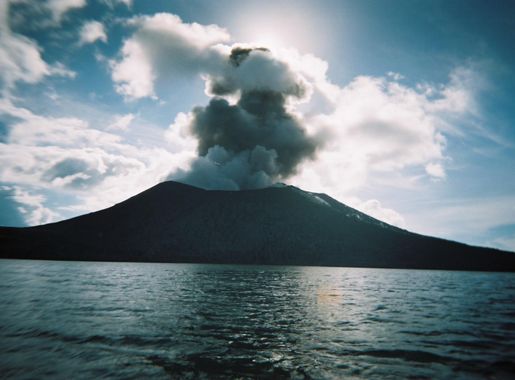


Enchanting New Guinea Islands: A Pacific Paradise
The New Guinea Islands Region in Papua New Guinea is a mesmerizing archipelago that beckons travelers with its pristine beaches, lush rainforests, and rich cultural heritage. This region comprises several islands, each offering a unique experience that is sure to captivate the hearts of visitors. From the largest island, New Britain, to the serene shores of Bougainville, there is an adventure waiting for everyone. The islands are home to diverse wildlife, including rare bird species and vibrant marine life. Snorkelers and divers will find paradise beneath the waves, with colorful coral reefs and fascinating shipwrecks to explore. For those who prefer to stay on land, the dense rainforests offer hiking trails that lead to breathtaking waterfalls and panoramic views. Cultural enthusiasts will be delighted by the traditional ceremonies and festivals that take place throughout the year. The local communities are warm and welcoming, eager to share their customs and stories with visitors. From traditional dances to intricate wood carvings, the artistry and craftsmanship of the islanders are truly remarkable. Whether you are seeking adventure, relaxation, or cultural immersion, the New Guinea Islands Region provides an unforgettable experience. Its natural beauty and vibrant traditions make it a must-visit destination for any traveler exploring the Pacific.