

Free East New Britain Travel Guide & Mobile App
Explore East New Britain with free travel guides. Discover regional history, expert tips, proposed trips, and audio guides on web or mobile app.


Explore East New Britain’s volcanoes, wartime heritage, Tolai culture, tropical coastlines and island waters from Kokopo and historic Rabaul.
Read more about East New Britain
When is the best time to visit East New Britain?
Best: June–August · 29°C| Month | High (°C) | Rainfall (mm) |
|---|---|---|
| January | 29 | 270 |
| February | 29 | 250 |
| March | 29 | 230 |
| April | 29 | 210 |
| May | 29 | 190 |
| June (best) | 29 | 170 |
| July (best) | 29 | 150 |
| August (best) | 29 | 170 |
| September | 29 | 190 |
| October | 29 | 210 |
| November | 29 | 230 |
| December | 29 | 250 |
Getting to and around East New Britain
How to get there
Transportation
Top city travel guides in East New Britain
The cities of East New Britain, and the easiest places to base yourself.
-

-


Swipe for more cities
Best attractions in East New Britain
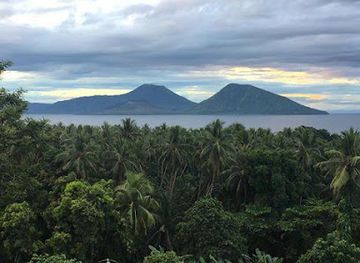
East New Britain’s attractions combine active volcanic terrain, wartime archaeology, Tolai culture and tropical marine environments. Rabaul is the central historical landscape, with ash-covered remains, harbour views, Japanese tunnels and military installations spread around the caldera and its surrounding settlements. Tavurvur and Vulcan are visually dominant, but access near them must always follow current volcanic advice. Kokopo provides museums, markets and practical bases for exploring the province, while Bitapaka War Cemetery offers a carefully maintained place of remembrance. Coastal roads and village visits reveal garden cultivation, local craft and everyday life beyond the main towns. Boat excursions from the Gazelle Peninsula can reach the Duke of York Islands, where reefs, beaches and clear-water environments support swimming, snorkelling and diving when conditions permit. The region is best experienced through organised, locally guided excursions rather than independent exploration of unstable ruins, restricted volcanic ground or remote shorelines. Its appeal lies less in a single formal attraction than in the close relationship between living communities, a heavily layered military past and a landscape that remains geologically active.
-
 Resort hotel
Rapopo Plantation Resort
Experience the ultimate tropical escape at Rapopo Plantation Resort in East New Britain, where relaxation meets adventure in paradise.
-
National museum
Papua New Guinea National Museum and Art Gallery
Explore the vibrant cultural heritage of Papua New Guinea at its National Museum and Art Gallery, where art and history come alive.
-
Theme park
Adventure Park PNG
Experience thrill and joy at Adventure Park PNG, a family-friendly theme park in Central Province, perfect for an unforgettable day of fun and excitement.
-
Hotel
Kulau Lodge
Discover the serene beauty of Kulau Lodge, a perfect blend of comfort, local flavors, and adventure in Rabaul, East New Britain Province.

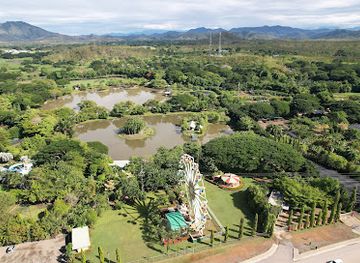

Best landmarks in East New Britain
Rabaul’s volcanic caldera is East New Britain’s defining natural landmark, enclosing a harbour and urban landscape altered by the eruptions of Tavurvur and Vulcan. The dark volcanic slopes and ash-covered remnants around the former town give the area a visual character found nowhere else in the province. At Kokopo, Bitapaka War Cemetery is one of the region’s most significant commemorative landmarks, with ordered grounds that contrast with the surrounding tropical vegetation. The Japanese tunnels and wartime installations around Rabaul form a dispersed military landscape rather than a single monument, recalling the town’s role as a major Pacific base during the Second World War. Simpson Harbour remains important for understanding Rabaul’s strategic geography, while the Duke of York Islands provide a contrasting maritime landmark group of low islands, reefs and channels. Churches, village meeting places and market spaces are also meaningful features of the settled landscape, although their significance is often local and access should be arranged with the relevant community.
-
Island
New Britain
Experience the captivating beauty and rich culture of New Britain Island, a stunning tropical paradise in Papua New Guinea.
-
Museum
Kokopo War Museum
Kokopo War Museum: A deep dive into Papua New Guinea's World War II history, showcasing artifacts and stories that shaped the Pacific.
-
Island
Duke of York Island
Explore the tropical paradise of Duke of York Island in East New Britain Province, where stunning beaches, vibrant marine life, and rich culture await.
-
Volcano
Bamus Volcano
Discover the breathtaking beauty and adventure of Bamus Volcano, an iconic natural wonder in Papua New Guinea's West New Britain Province.

Explore East New Britain on the map
Plan your trip on one map. See where the top cities, national parks and sights are, and book hotels and experiences in a few clicks.
Best hotels in East New Britain
Best restaurants in East New Britain
Dining in East New Britain is centred on hotels, guesthouses, local eateries and markets in Kokopo and Rabaul, with fewer formal options once visitors travel into rural or island areas. Meals commonly draw on Papua New Guinea’s wider Melanesian food traditions: taro, sweet potato, cassava, sago, greens, coconut, seasonal fruit and locally caught fish may appear alongside rice and imported staples. Coastal settings make seafood a natural feature, while village cooking may use earth ovens, known in many parts of the Pacific as mumu, though preparation varies between communities. Markets are useful for fruit, vegetables and snacks, but visitors should select food carefully and carry drinking water. Ask locally about Kuanua and Tolai food customs rather than assuming that a dish is unique to the province. Imported beer and soft drinks are available in established venues, while locally produced ingredients and fresh fish provide the clearest sense of East New Britain’s food landscape.
-
Resort hotel
Kokopo Beach Bungalow Resort
Discover paradise at Kokopo Beach Bungalow Resort - your gateway to adventure and relaxation in Papua New Guinea's stunning East New Britain.
-
Resort hotel
Rapopo Plantation Resort
Discover luxury and natural beauty at Rapopo Plantation Resort, where adventure meets relaxation in stunning Papua New Guinea.
-
Hotel
Gazelle International Hotel
Discover unparalleled comfort and warm hospitality at Gazelle International Hotel in beautiful Kokopo, East New Britain Province.
-
Fresh food market
Rabaul Market
Experience local culture at Rabaul Market - where fresh produce meets vibrant community spirit in East New Britain Province.

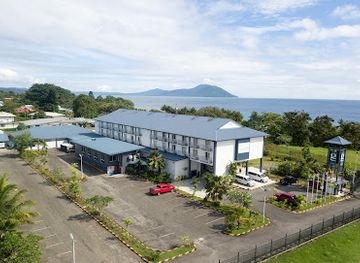

Best bars in East New Britain
Evening life is concentrated in Kokopo and, to a lesser extent, Rabaul, where hotel bars, restaurants and informal local venues provide the main settings for socialising. The atmosphere is generally low-key rather than centred on a large nightclub circuit, and entertainment may consist of conversation, music, sporting broadcasts or occasional live performances. Some accommodation venues offer a more familiar bar environment for visitors, but opening arrangements and security policies can change. In rural districts and the Duke of York Islands, evenings are usually quiet, with activities shaped by village life, early starts and the availability of electricity. Visitors should avoid walking unfamiliar roads after dark, use arranged transport and follow local advice about where to go. Alcohol is not necessary to engage with the region’s evening culture, and respectful behaviour is particularly important in small communities where visitors are guests rather than anonymous tourists.
-
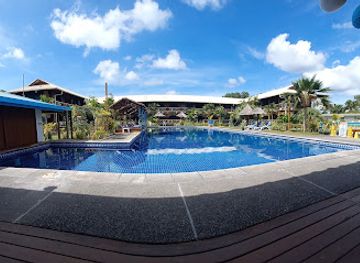
Resort hotel
Kokopo Beach Bungalow Resort
Experience the beauty and adventure at Kokopo Beach Bungalow Resort, your tropical getaway in East New Britain Province.
-
Resort hotel
Rapopo Plantation Resort
Experience unmatched serenity and breathtaking views at Rapopo Plantation Resort, your perfect getaway in East New Britain Province.
-
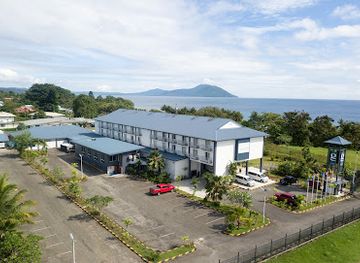
Hotel
Gazelle International Hotel
Discover the perfect blend of comfort and local charm at Gazelle International Hotel in Kokopo, East New Britain Province.
-
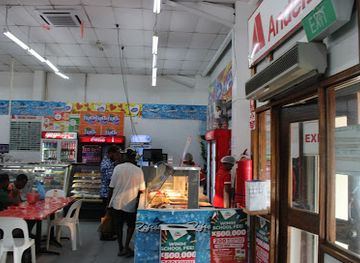
Supermarket
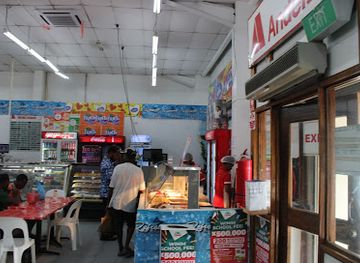
Andersons Supermarket Kokopo
Explore the flavors of Papua New Guinea at Andersons Supermarket in Kokopo, your one-stop shop for local and imported goods.
Best nightclubs in East New Britain
Evening life is concentrated in Kokopo and, to a lesser extent, Rabaul, where hotel bars, restaurants and informal local venues provide the main settings for socialising. The atmosphere is generally low-key rather than centred on a large nightclub circuit, and entertainment may consist of conversation, music, sporting broadcasts or occasional live performances. Some accommodation venues offer a more familiar bar environment for visitors, but opening arrangements and security policies can change. In rural districts and the Duke of York Islands, evenings are usually quiet, with activities shaped by village life, early starts and the availability of electricity. Visitors should avoid walking unfamiliar roads after dark, use arranged transport and follow local advice about where to go. Alcohol is not necessary to engage with the region’s evening culture, and respectful behaviour is particularly important in small communities where visitors are guests rather than anonymous tourists.
-
Night club
Vavagil Club
Discover the electrifying nightlife at Vavagil Club in Kokopo, where unforgettable dance experiences and vibrant energy await every visitor.
-
Club
New Guinea Club & Rabaul Museum
Explore the rich history and vibrant culture of Papua New Guinea at the New Guinea Club & Rabaul Museum, a journey through time awaits.

Best shops in East New Britain
Shopping in East New Britain is practical and locally focused, with the largest concentration of shops in Kokopo and additional market trade in Rabaul and surrounding settlements. Kokopo’s markets are useful for seasonal fruit, vegetables, betel nut, cooked snacks and everyday goods, while small retailers stock basic supplies and imported products. Visitors may find woven items, carved objects, shell jewellery and locally made handicrafts through markets, cultural visits or craft sellers, but quality and availability vary. Ask who made an item and whether it may legally and appropriately be sold before buying, particularly when shells, feathers, archaeological-looking objects or wartime materials are involved. Regional food products such as cocoa, copra-related goods and tropical produce may be available, though packaging and transport restrictions should be considered. Bargaining is not automatically appropriate everywhere; follow the seller’s lead, agree clearly and pay with small kina notes when possible.
-
Supermarket
Tropicana Shopping Center RETAIL
Discover a vibrant shopping experience at Tropicana Shopping Center in Kokopo, where local culture meets modern retail.
-
Supermarket
Andersons Supermarket Kokopo
Discover the local flavors and products at Andersons Supermarket Kokopo, a vibrant grocery store that reflects the heart of East New Britain.
-
Grocery store
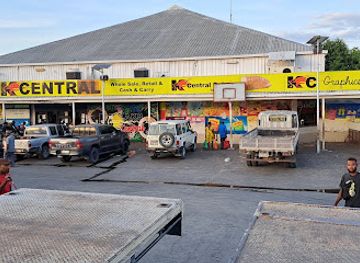
Kokopo Central (K-Central)
Experience local flavors and community spirit at Kokopo Central, your go-to grocery store in East New Britain.
-
Shopping mall
Echo Supermarket
Discover a vibrant shopping experience at Echo Supermarket in Kokopo, where local culture meets convenience and variety.
Get your free copy of our complete guide to East New Britain, delivered straight to you.
Everything on this page, from attractions and restaurants to essentials and local phrases, in one PDF you can read offline, print or share.
Already have an account? Sign in
Your East New Britain guide is ready.
We'll send it to · Not you? Sign out

Getting your guide ready…
We are putting together a fresh copy of the East New Britain guide. This can take up to a minute.
This can take a few moments. If your browser asks, choose Allow so the download can start. You'll find the guide in your Downloads folder.
Nothing happened? Download it again
Sorry, the guide is taking longer than usual. Please try again in a minute, or get it by email instead.
East New Britain essentials
Currency and Payment
Safety
Emergency Situations
Do's and Don'ts
Local Tips
From Eve
Local phrases worth knowing
You don't need to get them perfect. A few words go a long way, and locals appreciate the effort.
Basics
| English | Local | Say it |
|---|---|---|
| Hello | Monin | [moh-neen] |
| Goodbye | Nok | [noh-k] |
| Yes | Ayo | [ah-yoh] |
| No | Sori | [soh-ree] |
| Please/You're welcome | Sori | [soh-ree] |
| Thank you | Tenkyu | [ten-kyoo] |
| Excuse me/Sorry | Sori | [soh-ree] |
| How are you? | Yu orait? | [yoo oh-rait] |
| Fine. And you? | Orait. Yu? | [oh-rait. yoo?] |
| Do you speak English? | Yu tok Pisin? | [yoo tohk pee-sin] |
| I don't understand | Mi no save | [mee noh sah-veh] |
Eating & Drinking
| English | Local | Say it |
|---|---|---|
| I'd like to see the menu, please | Mi likim lukim menu, plis | [mee lee-keem loo-keem meh-noo, plees] |
| I don't eat meat | Mi no kaikai mit | [mee noh kai-kai meet] |
| Cheers! | Kaim | [kai-m] |
| I would like to pay, please | Mi laikim pai, plis | [mee lai-keem pai, plees] |
Emergencies
| English | Local | Say it |
|---|---|---|
| Help! | Help! | [help!] |
| Go away! | Ronim! | [roh-neem!] |
| Call the Police! | Kolim polis! | [koh-leem poh-lees!] |
| Call a doctor! | Kolim doktor! | [koh-leem dok-tah!] |
| I'm lost | Mi lus | [mee loos] |
| I'm ill | Mi sik | [mee seek] |
Shopping
| English | Local | Say it |
|---|---|---|
| I'd like to buy... | Mi likim bai... | [mee lee-keem bye...] |
| I'm just looking | Mi lukim tasol | [mee loo-keem tah-sol] |
| How much is it? | Hamamas em? | [ha-mah-mahs em?] |
| That's too expensive | Em i tu mipela | [em ee too mee-peh-lah] |
| Can you lower the price? | Yu inap daunim prais? | [yoo ee-nahp down-im pryce?] |
Time & Numbers
| English | Local | Say it |
|---|---|---|
| What time is it? | Wanem taim em? | [wah-nem tah-im em?] |
| It's one o'clock | Em i wan klok | [em ee wan klok] |
| Half past (10) | Haf pas (10) | [haf pahs (ten)] |
| Morning | Mornin | [mor-ning] |
| Afternoon | Aftanun | [af-tah-nun] |
| Evening | Ivening | [ee-ven-ing] |
| Yesterday | Yestedei | [yes-teh-day] |
| Today | Tudei | [too-day] |
| Tomorrow | Tumoro | [too-moh-roh] |
| 1 | Wan | [wahn] |
| 2 | Tu | [too] |
| 3 | Tri | [tree] |
| 4 | Foa | [foh-ah] |
| 5 | Faiv | [fahyv] |
| 6 | Siks | [siks] |
| 7 | Sev | [sev] |
| 8 | Eit | [ate] |
| 9 | Nayn | [nayn] |
| 10 | Ten | [ten] |
Transport & Directions
| English | Local | Say it |
|---|---|---|
| Where's a/the...? | Wea em ...? | [weh-em ...?] |
| What's the address? | Wanem adres? | [wah-nem ah-dress?] |
| Can you show me (on the map)? | Yu inap soim mi (long map)? | [yoo ee-nahp so-im mee (long map)?] |
| When's the next (bus)? | Wen em (bus) i kam? | [wen em (bus) ee kahm?] |
| A ticket (to ....) | Wan tiket (go....) | [wahn ti-ket (go....)] |
History of East New Britain
Early settlement and the Bismarck Archipelago
East New Britain has been inhabited for thousands of years, forming part of the wider Bismarck Archipelago whose archaeological record is important to understanding early Pacific settlement and the development of Lapita culture. Communities adapted to volcanic soils, forest, reefs and sheltered harbours, combining gardening, fishing and exchange. The archaeological story is broader than a single site and includes changing pottery traditions, voyaging connections and long-established coastal occupation. These foundations remain relevant to the region’s living communities, particularly the Tolai people of the Gazelle Peninsula.
Tolai societies before colonial rule
Before European administration, Tolai communities developed organised villages, productive garden systems and extensive networks of exchange across the Gazelle Peninsula and neighbouring islands. Shell valuables known as tabu played an important role in ceremonial and economic relationships, while kinship, land and customary authority shaped community life. Kuanua remains an important Tolai language, alongside Tok Pisin and English in wider public life. Many contemporary cultural practices and local understandings of land can only be understood against this pre-colonial social history.
German New Guinea and the rise of Rabaul
Germany established colonial control over the Bismarck Archipelago in the late nineteenth century, incorporating the region into German New Guinea. Rabaul developed as an administrative and commercial centre because of its deep harbour and strategic position, while plantations and mission activity expanded elsewhere in the Gazelle Peninsula. Colonial rule brought new institutions, labour systems and external markets, but also dispossession, coercion and profound social disruption. The surviving street plans, cemeteries and buildings around Rabaul and Kokopo reflect this period unevenly.
The First World War and Australian administration
In 1914 Australian forces captured the German administrative centre at Rabaul during the opening stages of the First World War. German authority ended, and the territory was subsequently administered under an international mandate before later Australian control. Rabaul continued to function as a major regional port and administrative town. Bitapaka War Cemetery, near Kokopo, commemorates Commonwealth personnel who died during the campaign and is also associated with the first Australian military action resulting in a death during the war.
Japanese occupation and the Second World War
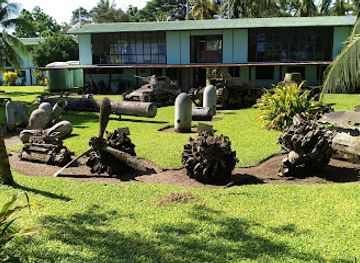
Japanese forces occupied Rabaul in 1942 and transformed the harbour and surrounding area into a major military headquarters and base. Thousands of military personnel and labourers were involved in constructing tunnels, roads, airfields, gun positions and supply facilities. Allied bombing and later isolation damaged the base, but the Japanese position remained significant throughout the New Guinea campaign. Wartime tunnels, wrecks, memorials and overgrown installations remain across the region, although visitors should treat unexploded ordnance and unstable structures as serious hazards.
Volcanic destruction and the growth of Kokopo
Rabaul’s modern history was dramatically reshaped by volcanic eruptions in 1937 and, most decisively, in 1994, when Tavurvur and Vulcan erupted simultaneously. Ash buried or damaged large parts of the town, and provincial administration and commercial activity increasingly shifted to Kokopo. Rabaul remains inhabited and historically important, but its reduced urban footprint and active volcanic setting distinguish it from the expanding provincial centre. The eruptions also demonstrate how geological forces continue to influence settlement, transport and tourism in East New Britain.
East New Britain in Photos
Browse through our photo collection highlighting the charm and character of the destination.
Neighbouring regions of East New Britain
The closest regions to East New Britain, if you have time for more than one.
-

-

-

-

-


Swipe for more regions
Explore more

Explore more of Papua New Guinea
Discover Papua New Guinea, where ancient cultures meet untamed wilderness. From vibrant festivals to stunning natural landscapes, an adventure awaits in this Pacific gem.
Explore Papua New Guinea