

Free New Ireland Travel Guide & Mobile App
Explore New Ireland with free travel guides. Discover regional history, expert tips, proposed trips, and audio guides on web or mobile app.


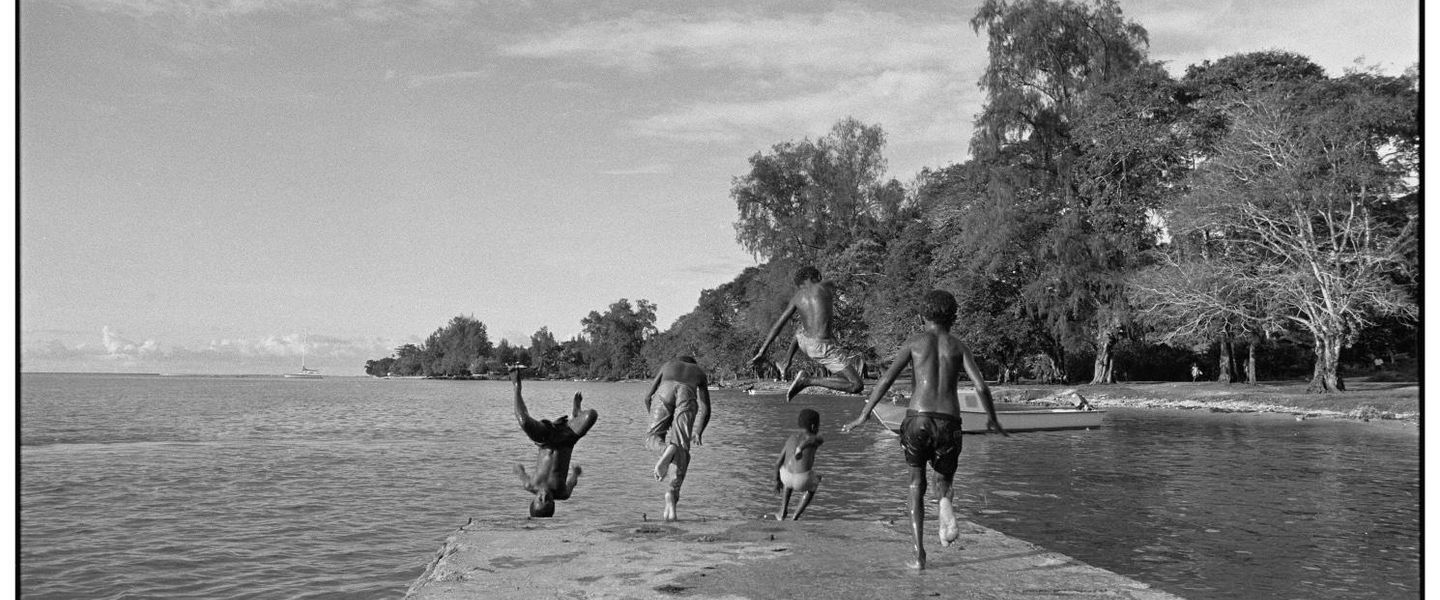


Explore New Ireland in Papua New Guinea for reef diving, rainforest, island culture, wartime history and the harbour town of Kavieng.
Read more about New Ireland
When is the best time to visit New Ireland?
Best: April–June · 30–31°C| Month | High (°C) | Rainfall (mm) |
|---|---|---|
| January | 30 | 300 |
| February | 30 | 250 |
| March | 31 | 230 |
| April (best) | 31 | 210 |
| May (best) | 31 | 200 |
| June (best) | 30 | 230 |
| July | 30 | 250 |
| August | 30 | 270 |
| September | 30 | 290 |
| October | 30 | 310 |
| November | 31 | 330 |
| December | 30 | 350 |
Getting to and around New Ireland
How to get there
Transportation
Top city travel guides in New Ireland
The cities of New Ireland, and the easiest places to base yourself.

Swipe for more cities
Best attractions in New Ireland
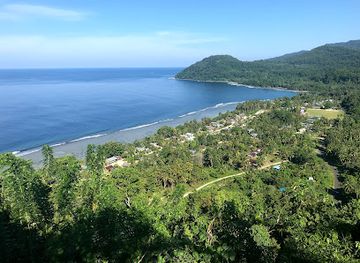
New Ireland’s attractions centre on the meeting of reef, forest and living island culture. Kavieng provides the easiest base for boat trips, snorkelling, diving and fishing in the surrounding bays and offshore waters, where coral gardens, drop-offs and small islands create varied marine environments. Along the main island, coastal villages, mangroves, beaches and plantation landscapes offer a slower form of sightseeing, best experienced with local introductions. The road south towards Namatanai reveals changing scenery and access to rural communities, although transport planning is essential. Inland areas, including the forested Lelet Plateau, appeal to visitors interested in walking and highland ecology rather than heavily developed trails. Cultural programmes may introduce Malagan traditions, carving, song and customary exchange, but presentations should be arranged through recognised local hosts. Wartime sites around Kavieng, including surviving military remains where accessible, add a sobering historical dimension. The province is also suited to kayaking, reef fishing and wildlife observation, with conditions changing between sheltered lagoons and open Pacific waters. Facilities are limited outside the provincial capital, so the attraction landscape is defined less by formal visitor complexes than by guided access to landscapes, seascapes and communities.
-
Tourist attraction
New Pacific PNG View
Explore the captivating vistas at New Pacific PNG View in Musu, Papua New Guinea, where breathtaking landscapes and rich culture await every traveler.
-
Museum
Kokopo War Museum
Explore the Kokopo War Museum in East New Britain Province for a remarkable insight into Papua New Guinea's World War II history and cultural resilience.
-
Historical place
Admiral Yamamoto's Bunker
Explore the historical significance of Admiral Yamamoto's Bunker in Rabaul, a key site from World War II offering insights into military strategy and history.
-
Landmark
Proposed VSAT Location
Explore Kavieng, a captivating coastal town in New Ireland Province, known for its stunning landscapes, rich culture, and vibrant marine adventures.

Best landmarks in New Ireland
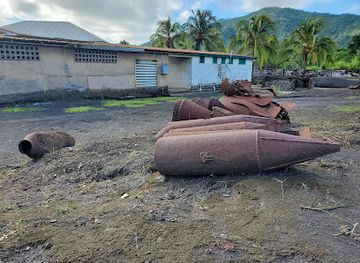
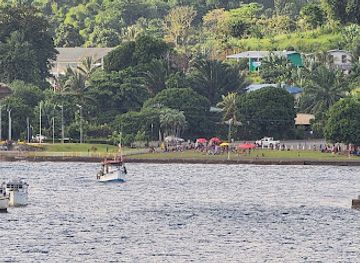
Kavieng Harbour is New Ireland’s most recognisable civic and geographical landmark, linking the provincial capital to the sheltered waters and islands that define its maritime life. The town’s older administrative and commercial buildings, together with its wharf and wartime remains, reflect successive German, Australian, Japanese and independent Papua New Guinean periods, although access to individual structures should be confirmed locally. Around Kavieng, former military sites and scattered wartime relics provide evidence of the Pacific War, when the harbour and airfield were strategically important; these places are significant historical sites rather than recreational ruins. Farther south, the long coastal road and the forested uplands of the Lelet Plateau express the physical contrast between New Ireland’s narrow shoreline and mountainous interior. Reefs, lagoons and offshore islands also function as natural landmarks, especially where coral shelves meet deep blue water. Malagan carvings are among the province’s most recognisable cultural forms, but they should be understood as ceremonial and customary heritage rather than treated as ordinary decorative monuments. Across the province, churches, village meeting places, coconut landscapes and locally significant beaches are often more meaningful to residents than formally signposted landmarks, making local interpretation essential.
-
Island
New Guinea
Discover the enchanting island of New Guinea, where adventure meets rich cultural heritage in a stunning natural paradise.
-
Tourist attraction
Port Moresby Nature Park
Discover the beauty of Papua New Guinea's flora and fauna at Port Moresby Nature Park, a perfect blend of adventure and education.
-
Border crossing station
Border Post RI Skouw & Papua New Guinea
Discover the vibrant cultural intersection at the Border Post RI Skouw, the gateway between Indonesia and Papua New Guinea.
-
National museum
Papua New Guinea National Museum and Art Gallery
Uncover the rich cultural heritage of Papua New Guinea at the National Museum and Art Gallery in Port Moresby, a treasure trove of art and artifacts.
Explore New Ireland on the map
Plan your trip on one map. See where the top cities, national parks and sights are, and book hotels and experiences in a few clicks.
Best hotels in New Ireland
Best restaurants in New Ireland
Dining in New Ireland is closely linked to the sea and to Papua New Guinea’s tropical staple foods. In Kavieng, guesthouses, hotels and small local eateries commonly provide fresh fish and other seafood when supplies are available, alongside rice, vegetables, sweet potato, taro, yam and sago-based foods. Coconut, banana, pawpaw and other tropical produce appear regularly in home cooking and market stalls. Outside the capital, meals are more likely to be arranged through accommodation or a local host, with availability shaped by fishing, gardening, transport and weather rather than a fixed restaurant scene. Visitors may encounter preparations influenced by wider Papua New Guinean cooking, including grilled or baked fish, stews and dishes using coconut cream; the exact style varies between communities. Local markets offer an opportunity to see garden produce and seasonal foods, although hygiene standards and refrigeration can be limited. Carrying suitable snacks is sensible on long road journeys or boat trips, and dietary requirements should be explained in advance. Alcohol and imported items may be available in larger establishments but should not be assumed in rural areas.
-
Seafood
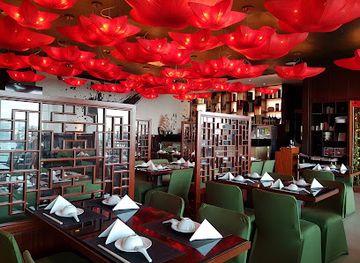
Dynasty Seafood Restaurant
Experience fresh seafood delights at Dynasty Seafood Restaurant in Port Moresby’s Vision City Mega Mall - a true taste of the ocean.
-
Japanese
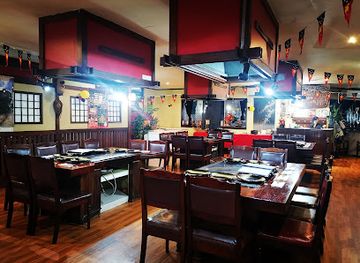
Daikoku Japanese Steak House
Savor authentic Japanese cuisine at Daikoku Japanese Steak House in Port Moresby – a feast for the senses.
-
Brunch
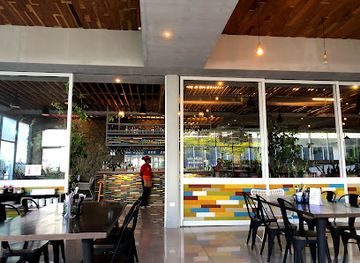
Edge Cafe Port Moresby
Discover delectable brunch options at Edge Cafe Port Moresby - where local flavors meet international cuisine in a cozy setting.
-
Restaurant
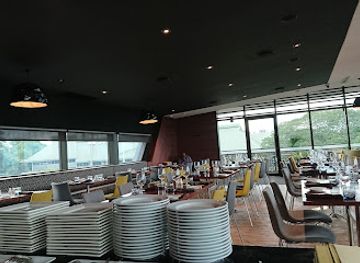
Savannah Bistro
Discover the flavors of Papua New Guinea at Savannah Bistro – where local ingredients meet international cuisine in a cozy setting.


Best bars in New Ireland
New Ireland does not have a large, concentrated nightclub scene. Evening life is centred mainly on hotel bars, local pubs, restaurants and informal social gatherings in Kavieng, with occasional live music or community events depending on the season and local programme. Some accommodation venues provide a setting for a drink after diving or a boat trip, but opening arrangements, supplies and entertainment can change. In smaller settlements, evenings are generally quiet and shaped by family, church and community life rather than a late-night commercial district. Visitors should follow local advice, avoid walking alone after dark and arrange transport in advance, particularly after drinking. Beer and other alcoholic drinks are available in some licensed venues, but responsible behaviour matters because services, transport and medical support are limited. The appeal of New Ireland’s night-time experience lies more in harbour sunsets, conversation and the sounds of coastal villages than in a formal club circuit.
-
Bar
Jackson's Bar Restaurant & Gaming
Discover the vibrant atmosphere of Jackson's Bar Restaurant & Gaming, where delicious food and exciting gaming converge in Port Moresby.
-
Chinese
Asia Aromas Harbour Side West PNG
Experience the best of authentic Chinese cuisine at Asia Aromas Harbour Side West in Lae, Papua New Guinea, where every dish tells a story.
-
 Resort hotel
Nusa Island Retreat
Discover the exquisite beauty of Nusa Island Retreat, a serene paradise in Papua New Guinea, perfect for relaxation and adventure amidst lush landscapes.
-
Hotel
Wellness Lodge
Experience comfort and tranquility at Wellness Lodge, a perfect retreat in the heart of Port Moresby, Papua New Guinea.
Best nightclubs in New Ireland
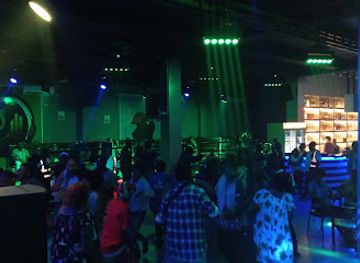
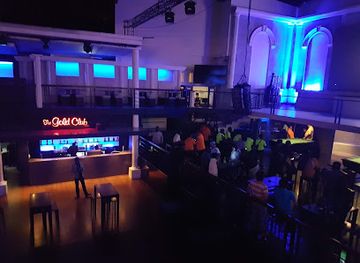
New Ireland does not have a large, concentrated nightclub scene. Evening life is centred mainly on hotel bars, local pubs, restaurants and informal social gatherings in Kavieng, with occasional live music or community events depending on the season and local programme. Some accommodation venues provide a setting for a drink after diving or a boat trip, but opening arrangements, supplies and entertainment can change. In smaller settlements, evenings are generally quiet and shaped by family, church and community life rather than a late-night commercial district. Visitors should follow local advice, avoid walking alone after dark and arrange transport in advance, particularly after drinking. Beer and other alcoholic drinks are available in some licensed venues, but responsible behaviour matters because services, transport and medical support are limited. The appeal of New Ireland’s night-time experience lies more in harbour sunsets, conversation and the sounds of coastal villages than in a formal club circuit.
-
Bar
KUNDU CLUB
Experience the vibrant nightlife at Kundu Club in Port Moresby, where refreshing drinks and lively atmosphere await every visitor.
-
Night club
The Gold Club
Experience the vibrant nightlife at The Gold Club in Port Moresby, where music, dance, and great drinks come together for unforgettable evenings.
-
Night club
Club Illusion PNG
Discover the vibrant nightlife at Club Illusion PNG, where music, dance, and entertainment unite for an unforgettable experience in Port Moresby.
-
Night club
Club Regal
Discover the vibrant nightlife at Club Regal in Port Moresby, where great music and a lively atmosphere await you.

Best shops in New Ireland
Shopping in New Ireland is concentrated in Kavieng, where small supermarkets, general stores, market stalls and locally owned shops provide everyday goods rather than a large-scale retail experience. Markets are the best places to encounter seasonal fruit, vegetables, coconuts, fish and garden produce, while craft opportunities may include carvings, woven items, shell work and paintings. Malagan-inspired carvings can be culturally significant, so buyers should ask about provenance, permissions and whether an item is approved for sale; authentic ceremonial objects should never be removed casually from a community. In rural districts, retail choice is narrow and supplies can be intermittent, making Kavieng the sensible place to buy essentials, snacks, batteries and basic medicines before travelling onward. Visitors may also find locally produced copra, cocoa or other food products, subject to availability and transport rules. Bargaining is not automatically appropriate in every setting, and a clearly stated price should be clarified before purchase. Do not buy coral, protected wildlife products, archaeological material or unverified wartime artefacts.
-
Shopping mall
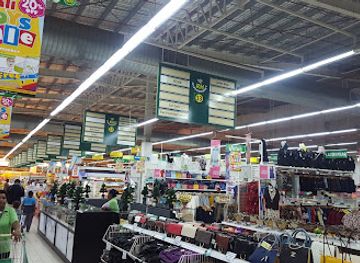
Vision City Mega Mall
Experience shopping, dining, and entertainment at Vision City Mega Mall in Port Moresby, the heart of retail in Papua New Guinea.
-
Shopping mall
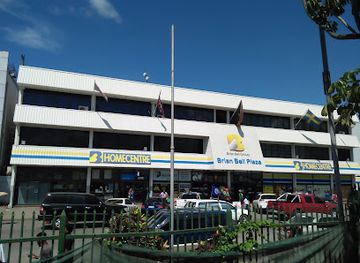
Brian Bell Plaza Boroko
Explore the vibrant Brian Bell Plaza Boroko in Port Moresby, a top shopping destination showcasing local culture and a diverse range of retail and dining options.
-
Fresh food market
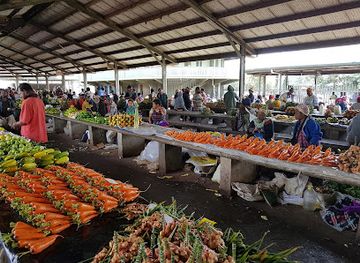
Mount Hagen Market
Explore Mount Hagen Market: A vibrant cultural hub in Papua New Guinea filled with fresh produce, handicrafts, and local traditions.
-
Seafood
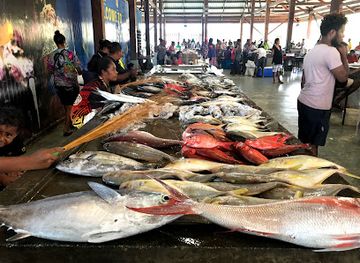
Koki Fish Market
Explore Koki Fish Market in Port Moresby for the freshest seafood and vibrant local culture.
Get your free copy of our complete guide to New Ireland, delivered straight to you.
Everything on this page, from attractions and restaurants to essentials and local phrases, in one PDF you can read offline, print or share.
Already have an account? Sign in
Your New Ireland guide is ready.
We'll send it to · Not you? Sign out

Getting your guide ready…
We are putting together a fresh copy of the New Ireland guide. This can take up to a minute.
This can take a few moments. If your browser asks, choose Allow so the download can start. You'll find the guide in your Downloads folder.
Nothing happened? Download it again
Sorry, the guide is taking longer than usual. Please try again in a minute, or get it by email instead.
New Ireland essentials
Currency and Payment
Safety
Emergency Situations
Do's and Don'ts
Local Tips
From Eve
Local phrases worth knowing
You don't need to get them perfect. A few words go a long way, and locals appreciate the effort.
Basics
| English | Local | Say it |
|---|---|---|
| Hello | Nau | [Nau] |
| Goodbye | Nau na | [Nau nah] |
| Yes | Aye | [Aye] |
| No | O | [O] |
| Please/You're welcome | Tii | [Tee] |
| Thank you | Tenkyu | [Ten-kyu] |
| Excuse me/Sorry | Sori | [Soh-ree] |
| How are you? | Yu orait? | [Yu oh-rait?] |
| Fine. And you? | Orait. Yu? | [Oh-rait. Yu?] |
| Do you speak English? | Yu tokim English? | [Yu toh-keym English?] |
| I don't understand | Mi no inap long | [Mee noh ee-nahp long] |
Eating & Drinking
| English | Local | Say it |
|---|---|---|
| I'd like to see the menu, please | Mi laik lukim menu, tii | [Mee laik loo-keem men-oo, tee] |
| I don't eat meat | Mi no kaikai mit | [Mee noh kai-kai meet] |
| Cheers! | Wa! (or) Sipsip! | [Wah! (or) Sip-sip!] |
| I would like to pay, please | Mi laik payim, tii | [Mee laik pay-im, tee] |
Emergencies
| English | Local | Say it |
|---|---|---|
| Help! | Help! | [Help!] |
| Go away! | Go we! | [Go weh!] |
| Call the Police! | Kolim Polisi! | [Koh-leem Poh-lee-see!] |
| Call a doctor! | Kolim dokta! | [Koh-leem dok-tah!] |
| I'm lost | Mi lus | [Mee loos] |
| I'm ill | Mi sik | [Mee seek] |
Shopping
| English | Local | Say it |
|---|---|---|
| I'd like to buy... | Mi laik baim... | [Mee laik bye-im...] |
| I'm just looking | Mi lukim tasol | [Mee loo-keem tah-sol] |
| How much is it? | Hamamas em? | [Ha-mah-mas em?] |
| That's too expensive | Em i tumas bikpela | [Em ee too-mas beek-peh-lah] |
| Can you lower the price? | Yu ken daunim prais? | [Yu ken dow-nim pry-s?] |
Time & Numbers
| English | Local | Say it |
|---|---|---|
| What time is it? | Wanem taim em? | [Wah-nem time em?] |
| It's one o'clock | Em i wan o'clock | [Em ee wan oh-clock] |
| Half past (10) | Haf past ten | [Hahf pahst ten] |
| Morning | Mornin | [Mor-ning] |
| Afternoon | Aftanun | [Af-ta-noon] |
| Evening | Ivening | [Ee-ven-ing] |
| Yesterday | Yestede | [Yes-teh-de] |
| Today | Tude | [Too-deh] |
| Tomorrow | Tumoro | [Too-mo-roh] |
| 1 | Wan | [Wan] |
| 2 | Tu | [Too] |
| 3 | Tri | [Tree] |
| 4 | Fo | [Fo] |
| 5 | Faiv | [Fahiv] |
| 6 | Siks | [Siks] |
| 7 | Seven | [Sev-en] |
| 8 | Eit | [Eit] |
| 9 | Nain | [Nain] |
| 10 | Ten | [Ten] |
Transport & Directions
| English | Local | Say it |
|---|---|---|
| Where's a/the...? | Wea em ...? | [Weh em ...?] |
| What's the address? | Wanem adres? | [Wah-nem ah-dres?] |
| Can you show me (on the map)? | Yu ken soim mi (long map)? | [Yu ken so-im mee (long map)?] |
| When's the next (bus)? | When em (bus) nasta? | [When em (bus) nah-stah?] |
| A ticket (to ....) | Wan tiket (go ...) | [Wan tee-ket (go ...)] |
History of New Ireland
Lapita Settlement and Austronesian Voyaging
The islands of the Bismarck Archipelago were settled by seafaring communities associated with the Lapita cultural tradition during the late second millennium BCE. Archaeological evidence from New Ireland and neighbouring islands records pottery, exchange networks and maritime movement linking communities across the western Pacific. These early voyages formed part of a much wider history of navigation and settlement rather than an isolated arrival. Later populations developed distinct languages, social systems and relationships with particular islands, reefs and stretches of coastline, laying foundations for the cultural diversity found across New Ireland Province today.
Malagan Ceremonial Traditions
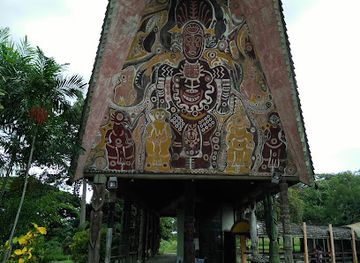
Northern New Ireland became particularly renowned for Malagan ceremonial traditions, which encompass mortuary rites, exchanges, performances and elaborately carved forms. Malagan objects were made for specific ceremonies and held meanings connected with ancestors, clans and social obligations; they were not simply decorative artworks. Although many traditional practices have changed through Christianisation, colonial rule and modern life, Malagan knowledge remains an important part of New Ireland’s cultural identity. Museums and cultural programmes outside the province have often displayed Malagan carvings, but their significance is best understood through the communities and customary contexts from which they come.
German New Guinea and the Copra Economy
Germany established colonial control over the Bismarck Archipelago in the late nineteenth century, incorporating New Ireland into German New Guinea. Government stations, missions and commercial plantations altered patterns of land use and labour, while copra became a major export from coconut-growing districts. Colonial rule was imposed over existing communities and customary authorities, and its economic benefits were unevenly distributed. Traces of this era survive in plantation landscapes, older administrative structures and the shape of coastal settlements, although many surviving buildings and sites require local interpretation to understand their wider social history.
Australian Administration and Mission Expansion
After the First World War, Australia administered the former German territory under a League of Nations mandate, later continuing its control through the Territory of New Guinea. Christian missions expanded their schools and churches, while government infrastructure and commercial agriculture developed unevenly along the coast. Mission education and conversion influenced languages, social organisation and customary practice, but communities also retained and adapted local traditions. The period created administrative and transport patterns that continued into the era of Papua New Guinean self-government and remain visible in the province’s concentration of services around Kavieng and other coastal centres.
The Pacific War in New Ireland
New Ireland was drawn into the Pacific War after Japanese forces occupied Kavieng and other strategic points in 1942. The harbour and airfield made Kavieng important to Japanese operations, and Allied attacks later damaged the town and its military infrastructure. Local people faced requisitioning, forced labour, displacement and the dangers of combat, while missions and villages across the province were affected by wartime disruption. Wartime relics, damaged structures and stories preserved within communities form part of New Ireland’s modern heritage, though sites should be visited respectfully and not treated as adventure props.
Independence and the Modern Province
Papua New Guinea became independent from Australia in 1975, and New Ireland developed as a province within the new nation. Fisheries, copra, cocoa, tourism and public-sector activity have all contributed to the regional economy, while large-scale mining on Lihir became a major modern development. Mining brought employment and infrastructure but also raised important questions about land, environmental change, customary ownership and the distribution of benefits. Contemporary New Ireland is therefore shaped by both longstanding island economies and national and global industries, with provincial life continuing to balance customary authority, Christianity, commercial activity and remote geography.
New Ireland in Photos
Browse through our photo collection highlighting the charm and character of the destination.
Neighbouring regions of New Ireland
The closest regions to New Ireland, if you have time for more than one.
-

-

-

-

-


Swipe for more regions
Explore more

Explore more of Papua New Guinea
Discover Papua New Guinea, where ancient cultures meet untamed wilderness. From vibrant festivals to stunning natural landscapes, an adventure awaits in this Pacific gem.
Explore Papua New Guinea