

Free West New Britain Travel Guide & Mobile App
Explore West New Britain with free travel guides. Discover regional history, expert tips, proposed trips, and audio guides on web or mobile app.


Explore West New Britain for Kimbe Bay reefs, active volcanoes, wartime history, rainforest journeys and island communities in Papua New Guinea.
Read more about West New Britain
When is the best time to visit West New Britain?
Best: June–August · 32°C| Month | High (°C) | Rainfall (mm) |
|---|---|---|
| January | 32 | 300 |
| February | 32 | 250 |
| March | 32 | 250 |
| April | 32 | 200 |
| May | 32 | 200 |
| June (best) | 32 | 150 |
| July (best) | 32 | 150 |
| August (best) | 32 | 200 |
| September | 32 | 200 |
| October | 32 | 250 |
| November | 32 | 300 |
| December | 32 | 300 |
Getting to and around West New Britain
How to get there
Transportation
Top city travel guides in West New Britain
The cities of West New Britain, and the easiest places to base yourself.

Swipe for more cities
Best attractions in West New Britain
West New Britain’s principal attractions combine marine environments, volcanic landscapes and wartime history. Kimbe Bay is the province’s leading visitor focus, offering guided diving and snorkelling around reefs, walls, channels and islands, with conditions and sites selected according to weather and experience. Inland and along the north coast, journeys reveal rainforest, rivers, gardens and settlements framed by the volcanic peaks of Mount Pago and Mount Ulawun. Talasea and the Willaumez Peninsula provide access to coastal scenery and volcanic terrain, while Lake Dakataua is a notable crater-lake destination reached through locally arranged travel. Offshore, the Vitu Islands offer a more remote island setting where boat logistics and community permission are essential. Cape Gloucester and nearby coastal areas carry reminders of the Second World War, including landscapes associated with the New Britain campaign. Visits to villages, markets and cultural performances can add social and historical context, but should be arranged through local hosts rather than treated as unstructured sightseeing. The province is also suited to birdwatching, reef observation, fishing and forest excursions, although facilities outside Kimbe are limited and independent travel can be difficult.
-
Hotel
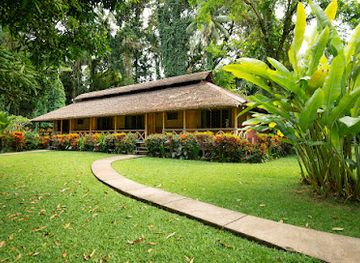
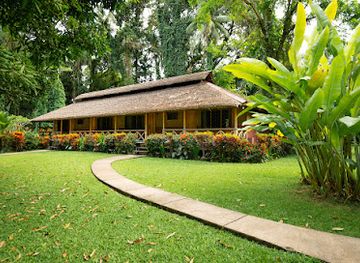
Walindi Plantation Resort
Experience the natural beauty and adventure at Walindi Plantation Resort, your gateway to diving and eco-friendly activities in Papua New Guinea.
-
Tourist attraction
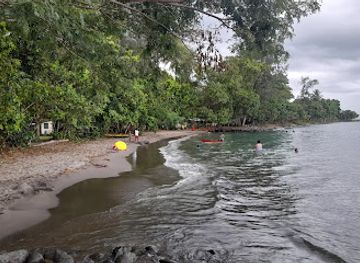
Dami Beach
Experience the idyllic charm of Dami Beach, a hidden paradise in West New Britain with pristine sands, vibrant waters, and local culture.
-
Hiking area
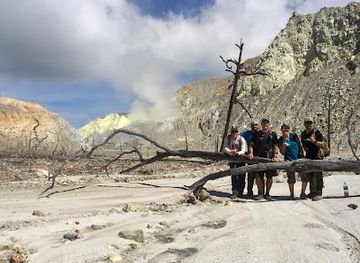
Garbuna Volcano
Explore the stunning landscapes and rich biodiversity of Garbuna Volcano, a must-visit hiking destination in Papua New Guinea's West New Britain.
-
 Volcano
Dakataua
Discover the stunning beauty of Dakataua, a breathtaking volcano in West New Britain, where nature and culture intertwine for an unforgettable experience.
Best landmarks in West New Britain
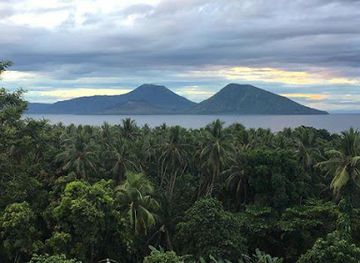
Mount Ulawun is West New Britain’s most imposing natural landmark, rising above the north-coast landscape as one of Papua New Guinea’s highest and most active volcanoes. Its profile is visible from considerable distances, but access and observation must always follow current volcanic advice. Near Kimbe, Mount Pago provides another prominent volcanic presence and helps explain the province’s rugged terrain and fertile soils. Kimbe Bay itself is a geographical landmark as well as a marine destination, with its broad waters, reef systems and forested islands defining the province’s coastal identity. Lake Dakataua, a water-filled volcanic basin on the Willaumez Peninsula, is notable for the contrast between crater landscape, dense vegetation and surrounding coastal settlements. Cape Gloucester is significant for both its distinctive coastal setting and its association with the Second World War. Smaller landmarks include traditional coastal villages, offshore island silhouettes and wartime remnants dispersed through areas that are often difficult to reach. These places are best understood with local guides, who can explain access, customary ownership, environmental sensitivities and historical context.
-
Island
New Britain
Explore New Britain Island, a paradise of stunning beaches, rich culture, and diverse wildlife in Papua New Guinea, perfect for your next adventure.
-
Hotel
Walindi Plantation Resort
Experience the serene beauty of Walindi Plantation Resort, a tropical paradise offering world-class diving, bird watching, and unforgettable cultural experiences.
-
Lodge
Genesis Haven Lodge
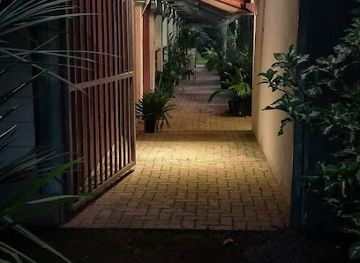
Experience the serenity and natural beauty of West New Britain Province at Genesis Haven Lodge, your perfect retreat in Kimbe.
-
Water
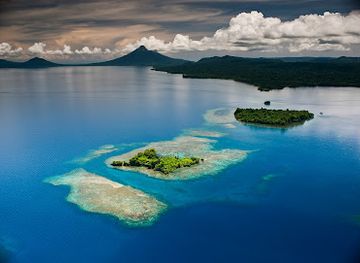
Kimbe Bay
Explore Kimbe Bay in Papua New Guinea for breathtaking diving, vibrant marine life, and rich cultural experiences in a stunning tropical paradise.
Explore West New Britain on the map
Plan your trip on one map. See where the top cities, national parks and sights are, and book hotels and experiences in a few clicks.
Best hotels in West New Britain
Best restaurants in West New Britain
Dining in West New Britain is centred on Kimbe, resort and guesthouse kitchens, markets and roadside food stalls rather than a large restaurant scene. Local meals commonly draw on garden produce such as sweet potato, cassava, taro, banana and leafy greens, with coconut, seasonal fruit and fish featuring strongly in coastal districts. Fresh seafood may be available through accommodation providers or organised excursions, but supply and menus vary with weather, fishing and transport. Kimbe’s markets are useful for seeing the everyday food economy and buying fruit or cooked local dishes, while larger hotels and resorts usually provide a mixture of Papua New Guinean and international meals. Plantation and rural areas may offer simple food through guesthouses or community arrangements rather than formal dining rooms. Visitors should confirm meal arrangements when staying outside Kimbe, especially on islands and in remote coastal settlements, and should carry snacks for long road or boat journeys. Drinking water and dietary requirements should also be discussed in advance with accommodation providers.
-
Hotel
Hotel Genesis
Discover comfort at Hotel Genesis in Kimbe—your gateway to exploring West New Britain's natural beauty and rich culture.
-
Hotel
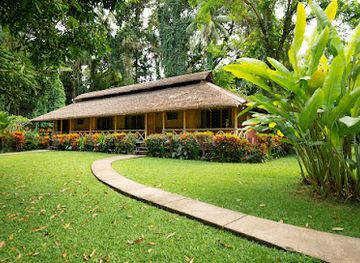
Walindi Plantation Resort
Discover unparalleled beauty at Walindi Plantation Resort - your gateway to adventure and relaxation in Papua New Guinea's pristine paradise.
-
Lodge
Genesis Haven Lodge
Discover the serene beauty and warm hospitality at Genesis Haven Lodge in West New Britain Province, your perfect escape into nature's embrace.
-
Bar
New Management Club -Mosa NBPOL(NMC)
Experience vibrant nightlife at New Management Club - Mosa NBPOL, where refreshing drinks meet local culture in West New Britain.
Best bars in West New Britain
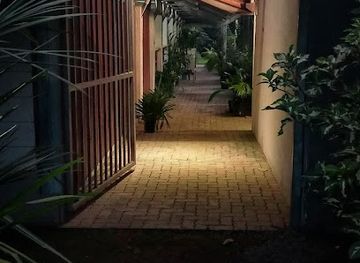
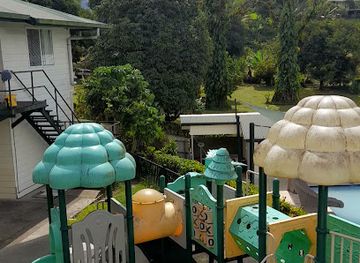
West New Britain does not have a large, late-night club circuit. Evening life is concentrated in Kimbe’s established hotels, restaurants and licensed venues, where visitors may find a bar, television, music or occasional organised entertainment. In resort areas around Kimbe Bay, evenings tend to centre on dinner, conversation and preparation for early boat departures rather than nightlife. Local pubs and hotel bars provide opportunities to meet other travellers, but opening arrangements and security advice can change, so follow guidance from accommodation staff and avoid walking alone at night. Outside Kimbe, settlements and villages generally have little formal nightlife; social occasions are more likely to be community-based and private. Alcohol should be consumed responsibly and respectfully, particularly in areas where local regulations or community expectations apply. There are no reliable reasons to expect a substantial nightclub scene in remote coastal or island districts.
-
Hotel
Hotel Genesis
Enjoy a comfortable and welcoming stay at Hotel Genesis, your perfect base for exploring the beauty of Kimbe, West New Britain Province.
-
Bar
New Management Club -Mosa NBPOL(NMC)
Experience the vibrant nightlife and social scene at New Management Club -Mosa NBPOL, a top bar destination in West New Britain Province.
-
Bar
Kokomo Bar
Discover the laid-back allure of Kokomo Bar in Kimbe, where refreshing drinks and stunning ocean views create the perfect escape.
-
Bar
NBPOL KAPIURA MANAGEMENT CLUB
Discover the lively NBPOL Kapiura Management Club, a must-visit bar in Ubai, where local culture meets a vibrant atmosphere for relaxation and fun.
Best nightclubs in West New Britain
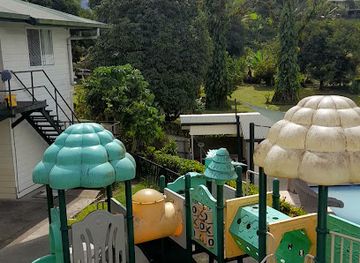
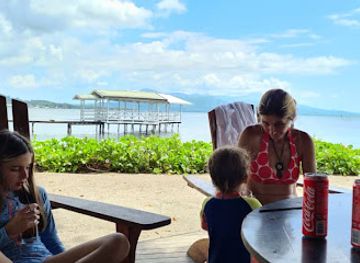
West New Britain does not have a large, late-night club circuit. Evening life is concentrated in Kimbe’s established hotels, restaurants and licensed venues, where visitors may find a bar, television, music or occasional organised entertainment. In resort areas around Kimbe Bay, evenings tend to centre on dinner, conversation and preparation for early boat departures rather than nightlife. Local pubs and hotel bars provide opportunities to meet other travellers, but opening arrangements and security advice can change, so follow guidance from accommodation staff and avoid walking alone at night. Outside Kimbe, settlements and villages generally have little formal nightlife; social occasions are more likely to be community-based and private. Alcohol should be consumed responsibly and respectfully, particularly in areas where local regulations or community expectations apply. There are no reliable reasons to expect a substantial nightclub scene in remote coastal or island districts.
-
Bar
The Golden Palm Club
Experience the vibrant atmosphere of The Golden Palm Club in Kimbe Bay, where refreshing drinks and stunning views await every visitor.

Best shops in West New Britain
Shopping in West New Britain is practical and locally focused. Kimbe has the province’s broadest selection of shops and services, while markets in Kimbe and other settlements sell fruit, vegetables, root crops, cooked food and everyday goods. Visitors may find locally made baskets, carvings, shell ornaments, woven items or other crafts through markets, accommodation providers and community-based cultural programmes, but availability varies and authenticity is best understood by asking the maker about the item. Regional produce, such as tropical fruit and locally grown food, is more meaningful than generic souvenirs, although transport and quarantine rules should be considered before taking food abroad. Shops outside the main centres are limited, so stock up on toiletries, snacks, medicines, batteries and other essentials before travelling to islands or remote coastal areas. Bargain politely where bargaining is customary, pay makers fairly and do not buy archaeological objects, coral, protected wildlife products or wartime artefacts.
-
Market
Kimbe Market
Discover the essence of local life at Kimbe Market, a vibrant hub of fresh produce and unique handicrafts in Papua New Guinea.
-
Building materials store
BNBM KIMBE BRANCH
Explore BNBM Kimbe Branch for top-notch building materials and expert advice in the heart of West New Britain Province.
-
Shopping mall
Bialla Shopping Complex
Experience the lively Bialla Shopping Complex in West New Britain, a shopping haven blending local culture and international brands.
-
Fresh food market
Mosa Market
Explore the vibrant Mosa Market for fresh produce, local delicacies, and a taste of the authentic culture of West New Britain Province.



Get your free copy of our complete guide to West New Britain, delivered straight to you.
Everything on this page, from attractions and restaurants to essentials and local phrases, in one PDF you can read offline, print or share.
Already have an account? Sign in
Your West New Britain guide is ready.
We'll send it to · Not you? Sign out

Getting your guide ready…
We are putting together a fresh copy of the West New Britain guide. This can take up to a minute.
This can take a few moments. If your browser asks, choose Allow so the download can start. You'll find the guide in your Downloads folder.
Nothing happened? Download it again
Sorry, the guide is taking longer than usual. Please try again in a minute, or get it by email instead.
West New Britain essentials
Currency and Payment
Safety
Emergency Situations
Do's and Don'ts
Local Tips
From Eve
Local phrases worth knowing
You don't need to get them perfect. A few words go a long way, and locals appreciate the effort.
Basics
| English | Local | Say it |
|---|---|---|
| Hello | Kumusta | [koo-moos-tah] |
| Goodbye | Sori | [soh-ree] |
| Yes | Yumi | [yoo-mee] |
| No | Nogat | [noh-gaht] |
| Please/You're welcome | Plis | [plees] |
| Thank you | Tenkyu | [ten-kyoo] |
| Excuse me/Sorry | Sori | [soh-ree] |
| How are you? | Yu orait? | [yoo oh-rait] |
| Fine. And you? | Orait. Na yu? | [oh-rait nah yoo] |
| Do you speak English? | Yu tok Inglis? | [yoo tok ing-lis] |
| I don't understand | Mi no save | [mee noh sah-veh] |
Eating & Drinking
| English | Local | Say it |
|---|---|---|
| I'd like to see the menu, please | Mi laik lukim menu, plis | [mee laik loo-keem meh-noo plees] |
| I don't eat meat | Mi no kaikai mit | [mee noh kai-kai meet] |
| Cheers! | Sikim! | [see-keem] |
| I would like to pay, please | Mi laik baim, plis | [mee laik bye-im plees] |
Emergencies
| English | Local | Say it |
|---|---|---|
| Help! | Help! | [help] |
| Go away! | Go awei! | [go ah-way] |
| Call the Police! | Kolim Polis! | [koh-lim poh-lis] |
| Call a doctor! | Kolim dokta! | [koh-lim dok-tah] |
| I'm lost | Mi lus | [mee loos] |
| I'm ill | Mi sik | [mee seek] |
Shopping
| English | Local | Say it |
|---|---|---|
| I'd like to buy... | Mi laik baim... | [mee laik bye-im] |
| I'm just looking | Mi lukim tasol | [mee loo-keem tah-sohl] |
| How much is it? | Hamastim? | [hah-mah-steem] |
| That's too expensive | Dis i tu expensiv | [dis ee too ex-pen-siv] |
| Can you lower the price? | Yu ken daunim prais? | [yoo ken down-im pryce] |
Time & Numbers
| English | Local | Say it |
|---|---|---|
| What time is it? | Wanem taim? | [wah-nem time] |
| It's one o'clock | Em wan oklok | [em wan oh-clock] |
| Half past (10) | Haf pas ten | [haf pahs ten] |
| Morning | Moning | [mo-ning] |
| Afternoon | Aftanoon | [af-ta-noon] |
| Evening | Ivining | [ee-vee-ning] |
| Yesterday | Yestede | [ye-steh-de] |
| Today | Tude | [too-deh] |
| Tomorrow | Tumoro | [too-mo-roh] |
| 1 | Wan | [wan] |
| 2 | Tu | [too] |
| 3 | Tri | [tree] |
| 4 | Fo | [foh] |
| 5 | Faiv | [fahiv] |
| 6 | Siks | [siks] |
| 7 | Sev | [sev] |
| 8 | Eit | [eit] |
| 9 | Nain | [nain] |
| 10 | Ten | [ten] |
Transport & Directions
| English | Local | Say it |
|---|---|---|
| Where's a/the...? | Wea em ...? | [weh-em] |
| What's the address? | Wanem adres? | [wah-nem ah-dress] |
| Can you show me (on the map)? | Yu ken soim mi (long map)? | [yoo ken soy-im mee long map] |
| When's the next (bus)? | When em nekst (bus)? | [wen em nekst bus] |
| A ticket (to ....) | Wan tiket (go ...) | [wan tee-ket go] |
History of West New Britain
Early Settlement and Lapita Heritage
New Britain has been inhabited for thousands of years, and archaeological evidence records long histories of seafaring, exchange, gardening and settlement across the island and its offshore groups. Lapita communities reached the Bismarck Archipelago more than three millennia ago, leaving distinctive decorated pottery and evidence of maritime connections. Later populations developed their own languages, social systems and relationships with forest, coast and reef. In West New Britain, this deep past remains relevant because many communities continue to organise life around customary land, gardening, fishing and kinship, even as towns, plantations and modern transport have expanded.
Regional Cultures before Colonial Rule
Before European administration, the western part of New Britain was home to numerous societies rather than a single political unit. Communities in the Nakanai, Kilenge, Kove, Willaumez Peninsula and offshore islands maintained distinct languages, exchange networks and ceremonial traditions. Coastal travel by canoe connected settlements around bays and islands, while inland areas were linked by footpaths through forest and volcanic terrain. Local authority rested with customary leaders, families and clan-based relationships. This diversity still shapes West New Britain: language, ceremony, land ownership and village obligations vary considerably from one district to another.
German New Guinea and Early Colonial Administration
Germany annexed the New Guinea mainland and the Bismarck Archipelago in the late nineteenth century, creating German New Guinea. Missionaries, traders and colonial officials established a limited European presence, while commercial agriculture and labour recruitment began to alter coastal economies. German rule was replaced by Australian military administration during the First World War, and the territory subsequently became part of the League of Nations Mandated Territory of New Guinea. Colonial boundaries and administrative practices helped create the modern provincial framework, although customary land tenure and local authority remained central to everyday life.
Plantations, Missions and the Colonial Economy
During the twentieth century, missions, government stations and plantations expanded in parts of New Britain. Copra and other agricultural products connected coastal districts to regional trading networks, while roads and airstrips were developed to serve administration and commercial production. Labour movement brought people into new workplaces and settlements, but colonial economic development also imposed unfamiliar regulations and disrupted established patterns of land use. In contemporary West New Britain, plantation agriculture remains an important feature of the landscape, alongside smallholder gardens, fishing, public-sector employment and a growing interest in marine tourism.
The Second World War in West New Britain
West New Britain became a major theatre of the Pacific War after Japanese forces occupied parts of New Britain. Allied operations included the landings and fighting around Cape Gloucester in late 1943 and the Arawe operation further east, while airfields, tracks and coastal positions became strategically important. The campaign brought severe disruption, displacement and hardship to local communities, many of whom assisted Allied forces as guides, carriers or members of wartime organisations. Jungle, shorelines and abandoned wartime structures still contain reminders of the conflict, although many locations are remote and should be visited with local guidance.
Independence and Provincial Development
Papua New Guinea became independent from Australia in 1975, and West New Britain developed as one of the country’s provinces, with Kimbe as its administrative centre. Post-independence growth brought expanded roads, schools, health services, plantation activity and domestic air connections, while customary landowners continued to influence development decisions. The province’s reefs and islands later attracted international diving and nature tourism, particularly around Kimbe Bay. Its modern identity therefore combines customary communities, a growing provincial town, agricultural production, wartime heritage, volcanic landscapes and marine environments that require careful stewardship.
West New Britain in Photos
Browse through our photo collection highlighting the charm and character of the destination.
Neighbouring regions of West New Britain
The closest regions to West New Britain, if you have time for more than one.
-

-

-

-

-


Swipe for more regions
Explore more

Explore more of Papua New Guinea
Discover Papua New Guinea, where ancient cultures meet untamed wilderness. From vibrant festivals to stunning natural landscapes, an adventure awaits in this Pacific gem.
Explore Papua New Guinea