

Free Milne Bay Region Travel Guide & Mobile App
Explore Milne Bay Region with free travel guides. Discover regional history, expert tips, proposed trips, and audio guides on web or mobile app.


Milne Bay Region combines coral reefs, island cultures, Pacific War history and remote maritime landscapes around Alotau and Papua New Guinea’s south-east.
Read more about Milne Bay Region
When is the best time to visit Milne Bay Region?
Best: August–October · 29°C| Month | High (°C) | Rainfall (mm) |
|---|---|---|
| January | 30 | 250 |
| February | 30 | 230 |
| March | 30 | 240 |
| April | 30 | 210 |
| May | 30 | 200 |
| June | 29 | 190 |
| July | 29 | 180 |
| August (best) | 29 | 170 |
| September (best) | 29 | 160 |
| October (best) | 29 | 150 |
| November | 30 | 170 |
| December | 30 | 230 |
Getting to and around Milne Bay Region
How to get there
Transportation
Top city travel guides in Milne Bay Region
The cities of Milne Bay Region, and the easiest places to base yourself.

Swipe for more cities
Destinations in Milne Bay Region
Resorts, valleys and scenic spots worth a trip of their own.

Swipe for more destinations
Best attractions in Milne Bay Region
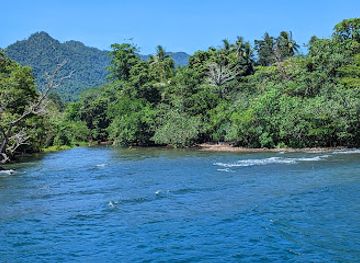
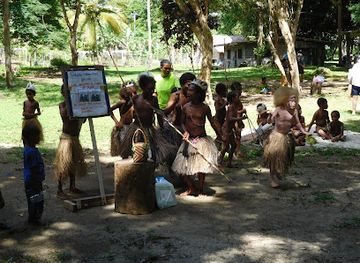
Milne Bay’s attractions are dispersed across a large maritime province rather than concentrated in a single resort area. Alotau provides the easiest starting point, with access to local markets, waterfront views, cultural activities and excursions connected with the Battle of Milne Bay. Beyond the town, the appeal lies in boat journeys through mangrove-lined channels, forested islands and reef passages. Diving and snorkelling are important experiences, especially for visitors interested in coral habitats, conservation and wartime wrecks, while sailing, kayaking and fishing offer other ways to read the coastline. The D’Entrecasteaux Islands, Louisiade Archipelago and Trobriand Islands each have different landscapes and cultural histories, but access is highly dependent on local boats, weather and advance arrangements. Village visits can provide insight into gardening, canoe-making, weaving, ceremonial exchange and everyday island life when organised respectfully through local communities. Battlefield traces and wartime sites add historical depth, although many are modest, scattered or difficult to reach. Remote beaches and reefs should be approached as living environments rather than empty recreational spaces: customary ownership, marine conservation and visitor permission are important throughout the region.
-
Memorial park
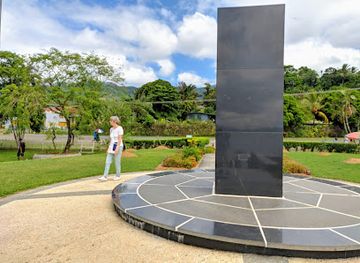
Alotau War Memorial Park
Explore the rich history of Alotau War Memorial Park, honoring the brave souls of the Battle of Milne Bay amidst serene natural beauty.
-
Marina
Port of Alotau
Explore the breathtaking Port of Alotau, a gateway to stunning islands and rich cultural experiences in Papua New Guinea's Milne Bay Province.
-
Tourist attraction
Massim Museum
Explore the cultural richness of Milne Bay at the Massim Museum, where tribal artifacts and history come to life in Alotau.
-
Island
Doini Island
Discover the tranquil beauty of Doini Island, an idyllic paradise in Milne Bay Province perfect for relaxation, adventure, and stunning marine experiences.

Best landmarks in Milne Bay Region
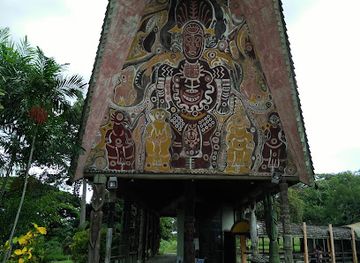
Alotau’s waterfront and surrounding bay form Milne Bay’s principal civic and geographic landmark, opening towards the channels and islands that define the region. The former port of Samarai, on an island near China Strait, is one of its most evocative historic places: once a colonial administrative and commercial centre, it now represents the rise and decline of an important Pacific harbour. The Battle of Milne Bay landscape is another major landmark, encompassing wartime airfield areas, memorials and scattered military remains associated with the 1942 fighting; locations are dispersed and should be visited with local guidance. Across the province, traditional sailing canoes, village churches, shoreline settlements and raised or stilted buildings express the region’s long relationship with the sea. The coral reefs, island passages and forested volcanic-looking profiles of the D’Entrecasteaux and Louisiade groups are natural landmarks as much as scenic backdrops. Their value lies not only in appearance but in customary ownership, navigation, fishing and conservation, so visitors should avoid treating beaches, reefs or archaeological remains as unclaimed spaces.
-
Island
New Guinea
Explore New Guinea: A vibrant island of breathtaking landscapes, rich cultures, and unparalleled biodiversity waiting to be discovered.
-
Tourist attraction
Port Moresby Nature Park
Discover the natural beauty and diverse wildlife of Port Moresby Nature Park, where adventure meets education in a stunning tropical setting.
-
National museum
Papua New Guinea National Museum and Art Gallery
Explore the vibrant culture and heritage of Papua New Guinea at the National Museum and Art Gallery in Port Moresby, a must-visit for every traveler.
-
 Resort hotel
Driftwood Resort
Discover the serene beauty of Driftwood Resort, a tropical paradise in Alotau, Milne Bay Province, perfect for relaxation and adventure.


Explore Milne Bay Region on the map
Plan your trip on one map. See where the top cities, national parks and sights are, and book hotels and experiences in a few clicks.
Best hotels in Milne Bay Region
Best restaurants in Milne Bay Region
Dining in Milne Bay is shaped by island supply chains, local gardens and the practical limitations of a remote province. In Alotau, hotels, guesthouses and local eateries provide the broadest choice, often combining Papua New Guinean staples with familiar international dishes. Fresh fish and other seafood may feature near the coast, while root crops such as sweet potato, cassava and taro, together with bananas, greens and coconut, remain important to local foodways. Chicken, rice and seasonal vegetables are also common. In villages and smaller islands, meals are more likely to be arranged through accommodation or community hosts than selected from a substantial restaurant menu. Markets offer opportunities to see locally grown produce, although availability varies by season and transport. Visitors should carry snacks and drinking water for excursions, make dietary requirements clear in advance and avoid assuming that remote locations can provide a wide choice of food. Eating with local hosts should be treated as a cultural exchange, with permission and customary expectations respected.
-
Hotel
Airways Hotel
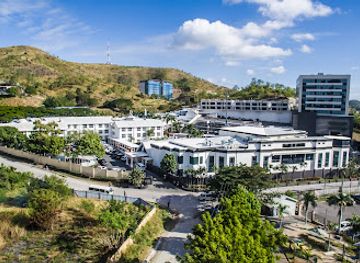
Experience luxury and comfort at Airways Hotel, your gateway to the beauty of Port Moresby.
-
Hotel
Lamana Hotel
Discover luxury and local charm at Lamana Hotel in Port Moresby - where comfort meets adventure.
-
Seafood
Dynasty Seafood Restaurant
Experience the best of local seafood at Dynasty Seafood Restaurant in Port Moresby’s Vision City Mega Mall.
-
Japanese
Daikoku Japanese Steak House
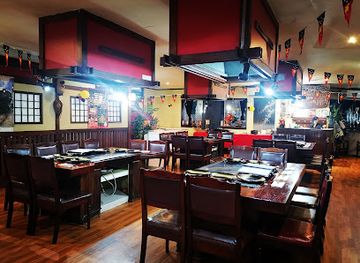
Savor authentic Japanese cuisine at Daikoku Japanese Steak House in Port Moresby – an unforgettable culinary journey awaits.


Best bars in Milne Bay Region
Nightlife in Milne Bay is relatively limited and centred mainly on Alotau’s hotels, restaurants, social clubs and a small number of licensed venues rather than a dedicated club district. Evenings in town may involve a meal, conversation, local music or a drink overlooking the waterfront, while guesthouses and resorts often provide the most predictable setting for visitors. Outside Alotau, night-time activity is generally quieter, with village gatherings and informal social occasions taking precedence over commercial entertainment. Remote-island accommodation may have little or no bar service, so expectations should be confirmed before travelling. Alcohol should be consumed responsibly and discreetly, particularly in communities where local customs differ from those of tourist resorts. After dark, use transport arranged by your accommodation, stay with companions and avoid walking unfamiliar roads or shorelines alone.
-
Hotel
Airways Hotel
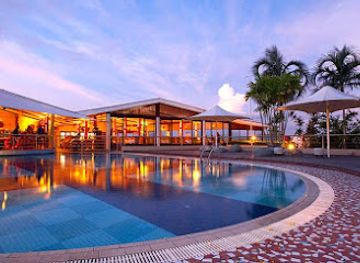
Experience unparalleled luxury and comfort at Airways Hotel, the premier destination for travelers in Port Moresby.
-
Bar
Jackson's Bar Restaurant & Gaming
Discover the lively atmosphere and diverse menu at Jackson's Bar Restaurant & Gaming in Port Moresby, a perfect blend of local culture and entertainment.
-
Chinese
Asia Aromas Harbour Side West PNG
Discover the authentic flavors of Chinese cuisine at Asia Aromas Harbour Side West PNG, a culinary gem in Lae, Morobe Province.
-
Cafe
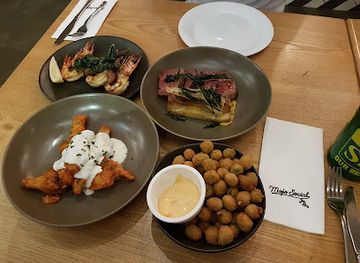
Mojo Social
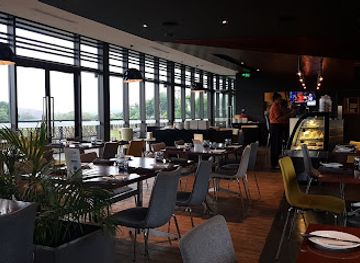
Experience the vibrant atmosphere and delicious flavors of Mojo Social, a top café in Port Moresby, perfect for socializing and savoring culinary delights.
Best nightclubs in Milne Bay Region
Nightlife in Milne Bay is relatively limited and centred mainly on Alotau’s hotels, restaurants, social clubs and a small number of licensed venues rather than a dedicated club district. Evenings in town may involve a meal, conversation, local music or a drink overlooking the waterfront, while guesthouses and resorts often provide the most predictable setting for visitors. Outside Alotau, night-time activity is generally quieter, with village gatherings and informal social occasions taking precedence over commercial entertainment. Remote-island accommodation may have little or no bar service, so expectations should be confirmed before travelling. Alcohol should be consumed responsibly and discreetly, particularly in communities where local customs differ from those of tourist resorts. After dark, use transport arranged by your accommodation, stay with companions and avoid walking unfamiliar roads or shorelines alone.
-
Night club
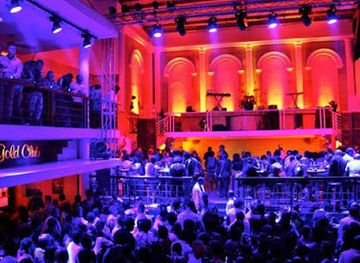
The Gold Club
Discover the lively nightlife at The Gold Club in Port Moresby, where music, drinks, and dancing unite for an unforgettable experience.
-
Night club
Club Illusion PNG
Immerse yourself in the vibrant nightlife of Port Moresby at Club Illusion PNG, where every night is a celebration of music and dance.
-
Night club
Club Regal
Dive into the vibrant nightlife at Club Regal, where music, drinks, and a lively atmosphere meet in Port Moresby.
-
Night club
BlackOut Night Club
Immerse yourself in the electrifying nightlife of Port Moresby at BlackOut Night Club, where every night is an unforgettable party.

Best shops in Milne Bay Region
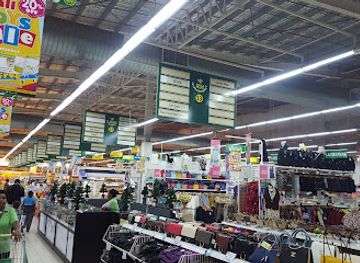
Shopping in Milne Bay is concentrated in Alotau, where markets and small shops are the most useful places to look for fresh produce, snacks, practical supplies and locally made goods. Handicrafts may include woven items, shell work, carvings, bilum bags and other products whose styles vary between mainland and island communities. In the Trobriand and wider Massim area, shell valuables and ceremonial objects carry cultural significance and should never be bought, handled or exported casually; ask knowledgeable local guides about what is appropriate for visitors to purchase. Rural and island settlements have limited retail choice, and market stock depends on transport, harvests and weather. Regional souvenirs are best bought through recognised community sellers or cultural programmes so that benefits remain with makers. Keep receipts and check Papua New Guinea’s export rules before taking cultural objects, shells, wildlife products or antiques out of the country.
-
Shopping mall
Vision City Mega Mall
Experience the vibrant shopping and entertainment scene at Vision City Mega Mall, the largest retail destination in Papua New Guinea.
-
Hotel
Lamana Hotel
Discover the perfect blend of comfort and entertainment at Lamana Hotel in Port Moresby, a top choice for travelers seeking relaxation and fun.
-
Tourist attraction
Port Moresby Nature Park
Discover the enchanting biodiversity of Papua New Guinea at Port Moresby Nature Park, a serene botanical garden and zoo perfect for families and nature lovers.
-
Shopping mall
Brian Bell Plaza Boroko
Discover the charm of Papua New Guinea at Brian Bell Plaza Boroko, your one-stop shopping destination in Port Moresby with diverse retail and dining options.

Get your free copy of our complete guide to Milne Bay Region, delivered straight to you.
Everything on this page, from attractions and restaurants to essentials and local phrases, in one PDF you can read offline, print or share.
Already have an account? Sign in
Your Milne Bay Region guide is ready.
We'll send it to · Not you? Sign out

Getting your guide ready…
We are putting together a fresh copy of the Milne Bay Region guide. This can take up to a minute.
This can take a few moments. If your browser asks, choose Allow so the download can start. You'll find the guide in your Downloads folder.
Nothing happened? Download it again
Sorry, the guide is taking longer than usual. Please try again in a minute, or get it by email instead.
Milne Bay Region essentials
Currency and Payment
Safety
Emergency Situations
Do's and Don'ts
Local Tips
From Eve
Local phrases worth knowing
You don't need to get them perfect. A few words go a long way, and locals appreciate the effort.
Basics
| English | Local | Say it |
|---|---|---|
| Hello | Sori | [so-ree] |
| Goodbye | Sori na | [so-ree nah] |
| Yes | Yes | [yes] |
| No | No | [no] |
| Please/You’re welcome | Bikpela tenkyu | [beak-peh-lah ten-kyu] |
| Thank you | Tenkyu | [ten-kyu] |
| Excuse me/Sorry | Sori | [so-ree] |
| How are you? | Yu stap gut? | [yu stap goot] |
| Fine. And you? | Gut. Na yu? | [goot. nah yu] |
| Do you speak English? | Yu tokim English? | [yu to-kee-m English] |
| I don't understand | Mi no save | [mee no sah-veh] |
Eating & Drinking
| English | Local | Say it |
|---|---|---|
| I’d like to see the menu, please | Mi laik lukim menu, plis | [mee laik loo-keem men-yoo, plees] |
| I don't eat meat | Mi no kaikai mit | [mee no kai-kai meet] |
| Cheers! | Oro! | [oh-roh] |
| I would like to pay, please | Mi laik payim, plis | [mee laik pai-eem, plees] |
Emergencies
| English | Local | Say it |
|---|---|---|
| Help! | Help! | [help] |
| Go away! | Go awei! | [go ah-way] |
| Call the Police! | Kolim polis! | [ko-leem poh-lees] |
| Call a doctor! | Kolim dokta! | [ko-leem dok-ta] |
| I’m lost | Mi lus | [mee loos] |
| I’m ill | Mi sik | [mee seek] |
Shopping
| English | Local | Say it |
|---|---|---|
| I’d like to buy... | Mi laik baim... | [mee laik bye-em] |
| I’m just looking | Mi soim tasol | [mee so-im tah-sol] |
| How much is it? | Hows much? | [hows much] |
| That’s too expensive | Dat em tu mipla | [dat em too mee-plah] |
| Can you lower the price? | Yu ken daunim prais? | [yu ken down-im price] |
Time & Numbers
| English | Local | Say it |
|---|---|---|
| What time is it? | Wanem taim? | [wah-nem time] |
| It’s one o'clock | Em wan o'clock | [em wan oh-clock] |
| Half past (10) | Haf past (10) | [haf past (10)] |
| Morning | Moning | [mo-ning] |
| Afternoon | Aftanun | [af-ta-noon] |
| Evening | Iving | [ee-ving] |
| Yesterday | Yestede | [yes-teh-day] |
| Today | Tude | [too-day] |
| Tomorrow | Tumoro | [too-mor-row] |
| 1 | Wan | [wan] |
| 2 | Tu | [too] |
| 3 | Tri | [tree] |
| 4 | Foa | [foh-ah] |
| 5 | Faiv | [five] |
| 6 | Siks | [six] |
| 7 | Seven | [seven] |
| 8 | Eit | [eight] |
| 9 | Nain | [nine] |
| 10 | Ten | [ten] |
Transport & Directions
| English | Local | Say it |
|---|---|---|
| Where's a/the...? | Wea na...? | [we-ah nah] |
| What's the address? | Wanem address? | [wah-nem ad-dress] |
| Can you show me (on the map)? | Yu ken soim mi (long map)? | [yu ken so-im mee (long map)] |
| When's the next (bus)? | Ven na nes bus? | [ven nah nehs bus] |
| A ticket (to ....) | Wan tiket (go ....) | [wan tee-ket (go ....)] |
History of Milne Bay Region
Ancient seafaring and island settlement
Milne Bay’s long history is rooted in the movement of Austronesian and Papuan-speaking peoples across a complex maritime environment. Communities developed ways of navigating open water, cultivating gardens on islands and coasts, and exchanging goods between settlements separated by reefs and channels. Archaeological evidence from the wider Massim area points to centuries of interaction rather than isolated island life. Canoes, shell valuables, pottery traditions, horticulture and knowledge of seasonal winds all helped shape societies whose connections extended far beyond a single village or island.
Kula exchange and Massim cultural networks
The islands of the Massim, including the Trobriand and other island groups of Milne Bay, are associated with kula, a ceremonial exchange network documented in detail by anthropologists during the twentieth century. Participants circulate shell necklaces and armbands through relationships of obligation, prestige and hospitality, often travelling considerable distances by canoe. Kula is not simply a commercial market: it is embedded in political relationships, social status and customary practice. Its wider legacy has made Milne Bay an important region in the study of Pacific societies, although visitors should remember that living traditions are not performances arranged solely for tourists.
Colonial ports and the rise of Samarai
European contact increased during the nineteenth century as traders, missionaries and colonial officials entered the south-eastern waters of New Guinea. Samarai, on a small island near China Strait, became a prominent port and administrative centre under British and later Australian colonial rule. Its position made it a hub for shipping, commerce and government, despite its limited land area. Other settlements and island stations were drawn into changing systems of taxation, mission education, labour and trade. The decline of Samarai’s commercial importance later demonstrated how quickly maritime routes and administrative priorities could shift.
The Battle of Milne Bay, 1942
Milne Bay became a major Pacific War theatre in 1942, when Japanese forces attempted to establish an airfield and base in the area. Australian troops, supported by Papuan personnel and Allied air and naval units, resisted the landing and forced the Japanese withdrawal after intense fighting between August and September. The battle was significant because it marked one of Japan’s first clear defeats in a land operation during the Pacific War. Airfields, memorials, wartime roads, wrecks and battlefield traces remain part of the region’s historical inheritance, although many sites are remote and require local guidance.
The post-war administrative region
After the Second World War, Milne Bay was rebuilt within the Australian administration of the Territory of Papua and New Guinea. Alotau gradually assumed greater importance as a mainland administrative and service centre, while Samarai did not return to its former prominence. Roads, air services, schools, health facilities and commercial links developed unevenly across the province, leaving island communities strongly dependent on maritime connections. The post-war period also brought new churches, changing education systems, wage employment and expanding relationships with the national economy.
Papua New Guinea and contemporary Milne Bay
Papua New Guinea became independent in 1975, and Milne Bay entered the national era as a province whose geography continued to influence public services and economic life. Alotau remains the principal gateway, while copra, fisheries, small-scale agriculture, public administration and tourism contribute to local livelihoods in different places. Contemporary interest has increasingly focused on marine conservation, diving, cultural heritage and community-based tourism. These opportunities exist alongside persistent logistical challenges, making locally managed access and respect for customary land and sea rights especially important.
Milne Bay Region in Photos
Browse through our photo collection highlighting the charm and character of the destination.
Neighbouring regions of Milne Bay Region
The closest regions to Milne Bay Region, if you have time for more than one.
-

-

-

-

-


Swipe for more regions
Explore more

Explore more of Papua New Guinea
Discover Papua New Guinea, where ancient cultures meet untamed wilderness. From vibrant festivals to stunning natural landscapes, an adventure awaits in this Pacific gem.
Explore Papua New Guinea