

East Sepik Region, Papua New Guinea Travel Guide
Uncover the rich cultural heritage and natural splendor of East Sepik Region, where the mighty Sepik River meanders through a vibrant landscape of diverse wildlife and traditional villages.
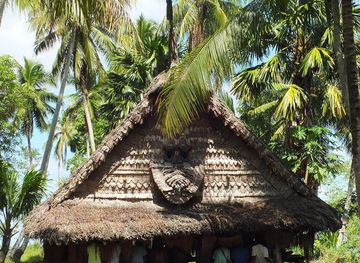
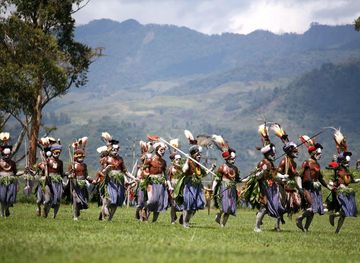
The East Sepik Region in Papua New Guinea is a true treasure trove for adventurous travelers. This remote and culturally rich area offers a unique glimpse into the traditional lives of the local communities. The Sepik River, one of the longest rivers in Papua New Guinea, winds its way through lush rainforests and sprawling wetlands, creating a vibrant ecosystem teeming with wildlife. Visitors to the East Sepik Region will find themselves immersed in a world where ancient traditions blend with natural wonders. The local tribes are known for their intricate carvings, elaborate rituals, and stunning art. A visit to the village of Wewak, the region's capital, offers an introduction to the area's history and culture, with its lively markets and friendly locals. Exploring the Sepik River by boat is a must-do for any traveler. As you navigate the waterway, you'll encounter stilt houses, hear the calls of exotic birds, and perhaps even spot crocodiles basking on the riverbanks. The river is also home to a variety of fish species, making it a popular spot for fishing enthusiasts. For a deeper understanding of the local culture, consider visiting one of the many villages along the river, where you can witness traditional ceremonies and dances up close.

Know before you go
Hi, I'm Eve. Here are a few practical things to know before exploring East Sepik Region.
- Hire a local guide to navigate the Sepik River safely and learn about the cultural significance of the area.
- Bring insect repellent and sun protection, as the region's tropical climate can be intense.
- Respect local customs and traditions by asking for permission before taking photographs, especially of people.
- Try to visit during local festivals to experience traditional dances and ceremonies.
- Pack light but include essentials like water purification tablets and a first aid kit.
Top City Travel Guides in East Sepik Region
The cities of East Sepik Region, and the easiest places to base yourself.


Best landmarks in East Sepik Region
Top-rated picks
Best Landmarks

Sepic River Crocodile Festival
Immerse yourself in the enchanting Sepic River Crocodile Festival, a vibrant celebration of culture, art, and tradition in Papua New Guinea.

Pegawi Lookout
Discover the stunning views and serene beauty of Pegawi Lookout in East Sepik Province, Papua New Guinea, a must-visit destination for nature lovers.


Best bars in East Sepik Region
Top-rated picks
Best Bars

In Wewak Boutique Hotel
Discover comfort and cultural richness at In Wewak Boutique Hotel, your ideal base for exploring Papua New Guinea's stunning East Sepik Province.

Village Inn Hotel & Apartments
Discover the charm of Papua New Guinea at Village Inn Hotel & Apartments, where comfort meets rich local culture in Wewak.

Talio Lodge
Experience comfort and local charm at Talio Lodge, your perfect getaway in East Sepik Province, Papua New Guinea.

Paradise New Wewak Hotel
Discover comfort and culture at Paradise New Wewak Hotel in East Sepik Province, your perfect base for exploring Papua New Guinea's stunning landscapes.

Best shops in East Sepik Region
Top-rated picks
Best Shops

In Wewak Boutique Hotel
In Wewak Boutique Hotel: Your gateway to the stunning beauty and rich culture of Wewak, Papua New Guinea.

Papindo Town Shop
Experience authentic local shopping at Papindo Town Shop in Wewak, where culture, cuisine, and community come together.

Sundaun Market
Discover the flavors and culture of Papua New Guinea at Sundaun Market in Wewak, a vibrant hub for local produce and unique crafts.

SHOPRITE
Discover the vibrant shopping experience at Shoprite in Wewak, East Sepik Province, where local culture meets convenience.

Explore East Sepik Region on the Map
A handpicked selection of must-see spots in East Sepik Region, mapped for you.
East Sepik Region Essentials
-
The East Sepik Region in Papua New Guinea is accessible primarily through air travel. The main gateway is Wewak Airport (WEW), which has regular flights from Port Moresby, the capital city. Air Niugini and PNG Air are the primary airlines operating these routes. From Wewak, you can use local transport options to reach various parts of the region.
-
Once in the East Sepik Region, transportation options include local buses, taxis, and boats. PMVs (Public Motor Vehicles) are the most common form of public transport, providing access to towns and villages. Taxis are available in larger towns but can be expensive. For riverine areas, motorized canoes and boats are essential for traveling along the Sepik River. Renting a vehicle is also an option, but road conditions can be challenging.
-
The official currency in Papua New Guinea is the Papua New Guinea Kina (PGK). Credit cards are accepted in some hotels, restaurants, and larger shops, but it's advisable to carry cash for transactions in smaller towns and rural areas. ATMs are available in Wewak, but it is wise to withdraw sufficient cash before traveling to more remote areas.
-
The East Sepik Region is generally safe for tourists, but standard precautions should be taken. Petty crime can occur, particularly in crowded areas and markets. Avoid walking alone at night and keep your belongings secure. Some areas along the Sepik River may have higher crime rates, so it's best to travel with a guide or in groups. Always stay informed about local conditions and heed any travel advisories.
-
In case of emergency, dial 111 for police, fire, or medical assistance. Wewak has a hospital with basic medical facilities, but serious medical conditions may require evacuation to Port Moresby or abroad. It is highly recommended to have comprehensive travel insurance that covers medical emergencies and evacuation. Pharmacies in Wewak can provide over-the-counter medications for minor health issues.
-
Fashion: Do dress modestly, especially in rural areas and when visiting villages. Avoid wearing revealing clothing. Religion: Do respect local customs and traditions. Always ask for permission before entering sacred sites or taking photographs. Public Transport: Do be respectful and courteous to fellow passengers. Don't eat or drink on public transport. Greetings: Do greet people with a smile and a handshake. Learn a few basic Pidgin phrases to show respect. Eating & Drinking: Do try local delicacies and accept food offerings graciously. Don't refuse hospitality, as it is considered impolite.
-
To experience East Sepik Region like a local, immerse yourself in the vibrant markets where you can buy fresh produce and traditional artifacts. Engage with the locals, who are often friendly and eager to share their culture and stories. Don't miss a visit to the Sepik River, where you can explore traditional villages, witness unique art forms, and experience local customs. Attending local ceremonies and festivals can provide deeper insights into the region's rich cultural heritage.
When is the best time to visit East Sepik Region?
Useful Local Phrases for East Sepik Region
You don't need to speak the language perfectly. Even learning a few simple words can make conversations warmer—and locals usually appreciate the effort.
— Eve

Here are the phrases I use most often in East Sepik Region. Try a few—you'll be surprised how far they go! 😊
❤️
-
- HelloNau
[Now] - GoodbyeKisim gut
[Kisim goot] - YesYes
[Yes] - NoNogat
[No-gat] - Please/You're welcomePlis
[Plees] - Thank youTenkyu
[Ten-kyu] - Excuse me/SorrySori
[So-ree] - How are you?Yu orait?
[You oh-right] - Fine. And you?Orait. Yu tu?
[Oh-right. You too?] - Do you speak English?Yu tokim Ingle?
[You toh-keem In-gel] - I don't understandMi no save
[Me no sah-veh]
- HelloNau
-
- I'd like to see the menu, pleaseMi laik lukim menu, plis
[Me like loo-keem men-you, plees] - I don't eat meatMi no kaikai mit
[Me no kai-kai meet] - Cheers!Salim
[Sah-lim] - I would like to pay, pleaseMi laik pe, plis
[Me like pay, plees]
- I'd like to see the menu, pleaseMi laik lukim menu, plis
-
- Help!Help!
[Help!] - Go away!Go awai!
[Go ah-wai] - Call the Police!Kolim polis!
[Koh-lim poh-lis] - Call a doctor!Kolim dokta!
[Koh-lim dok-ta] - I'm lostMi lus
[Me loos] - I'm illMi sik
[Me seek]
- Help!Help!
-
- I'd like to buy...Mi laik baim...
[Me like bye-m...] - I'm just lookingMi soim tasol
[Me so-im tah-sol] - How much is it?Hamuch em?
[Ha-much em?] - That's too expensiveDis em tu ekspensiv
[Dis em too ex-pen-siv] - Can you lower the price?Yu ken daunim prais?
[You ken down-im price?]
- I'd like to buy...Mi laik baim...
-
- What time is it?Em wanem taim?
[Em wah-nem time?] - It's one o'clockEm wan o'clock
[Em wan o-clock] - Half past (10)Half past ten
[Half past ten] - MorningMoning
[Mow-ning] - AfternoonAftanun
[Af-ta-noon] - EveningIvening
[Ee-vening] - YesterdayYestedei
[Yes-teh-day] - TodayTudei
[Too-day] - TomorrowTumoro
[Too-mo-ro] - 1Wan
[Wan] - 2Tu
[Two] - 3Tri
[Tree] - 4Foa
[Four] - 5Faiv
[Five] - 6Siks
[Six] - 7Sev
[Seven] - 8Eit
[Eight] - 9Nain
[Nine] - 10Ten
[Ten]
- What time is it?Em wanem taim?
-
- Where's a/the...?Wea em...?
[Wheh em...?] - What's the address?Weta address?
[Whet ah-dress?] - Can you show me (on the map)?Yu ken soim mi (long map)?
[You ken so-im me (long map)?] - When's the next (bus)?Wen em nekis (bus)?
[When em nek-iss (bus)?] - A ticket (to ....)Wan tiket (go....)
[Wan ti-ket (go...)]
- Where's a/the...?Wea em...?
History of East Sepik Region
-
The East Sepik Region has been inhabited for thousands of years by various indigenous groups, including the Abelam and Iatmul people. These communities have rich traditions and intricate social structures, and their artistry, especially in the form of yam cult ceremonies and carvings, is renowned. The Sepik River, one of the longest in Papua New Guinea, has been a vital lifeline for these communities, providing sustenance and a means of transport.
-
European contact with the East Sepik Region began in the late 19th century. German explorers were among the first to chart the area during the period when Papua New Guinea was part of German New Guinea. This was followed by Australian administration after World War I, as part of the League of Nations mandate. The colonial period brought significant changes, including the introduction of new governance structures and the spread of Christianity, which had a profound impact on the local cultures and traditions.
-
During World War II, the East Sepik Region saw significant military activity. Japanese forces occupied parts of Papua New Guinea, including areas around the Sepik River. The region was a strategic area for both the Japanese and Allied forces, leading to numerous conflicts and the establishment of military bases. The war had lasting effects on the local communities, including the disruption of traditional lifestyles and the introduction of new technologies and infrastructures.
-
Following Papua New Guinea's independence from Australia in 1975, the East Sepik Region has undergone various developments. Efforts have been made to preserve and promote the rich cultural heritage of the area. The establishment of cultural festivals, such as the Sepik River Crocodile Festival, celebrates the unique traditions and art of the indigenous communities. Additionally, there have been initiatives to improve infrastructure and support sustainable development in the region.
-
The East Sepik Region holds a special place in the field of anthropology. The area's diverse cultures and complex social systems have attracted researchers and anthropologists from around the world. Notable studies, such as those by Margaret Mead, have provided in-depth insights into the lives and customs of the local people. These studies have contributed to a greater understanding and appreciation of the cultural richness of the Sepik River communities.
Neighbouring Regions of East Sepik Region
The closest regions to East Sepik Region, if you have time for more than one.




Your all‑in‑one travel companion app
Explore expert travel guides, compare and book tours, experiences, hotels, and more—all from the palm of your hand. Download now for seamless trip planning wherever your wanderlust takes you.


Explore More of Papua New Guinea

Looking beyond East Sepik Region? Discover Papua New Guinea for broader travel guides, local hot-spots, and regional highlights.
Explore Papua New GuineaEast Sepik Region in Photos
Browse through our photo collection highlighting the charm and character of the destination.


Discover the Untamed Beauty of East Sepik Region
The East Sepik Region in Papua New Guinea is a true treasure trove for adventurous travelers. This remote and culturally rich area offers a unique glimpse into the traditional lives of the local communities. The Sepik River, one of the longest rivers in Papua New Guinea, winds its way through lush rainforests and sprawling wetlands, creating a vibrant ecosystem teeming with wildlife. Visitors to the East Sepik Region will find themselves immersed in a world where ancient traditions blend with natural wonders. The local tribes are known for their intricate carvings, elaborate rituals, and stunning art. A visit to the village of Wewak, the region's capital, offers an introduction to the area's history and culture, with its lively markets and friendly locals. Exploring the Sepik River by boat is a must-do for any traveler. As you navigate the waterway, you'll encounter stilt houses, hear the calls of exotic birds, and perhaps even spot crocodiles basking on the riverbanks. The river is also home to a variety of fish species, making it a popular spot for fishing enthusiasts. For a deeper understanding of the local culture, consider visiting one of the many villages along the river, where you can witness traditional ceremonies and dances up close.