

Free Sepik River Basin Travel Guide & Mobile App
Explore Sepik River Basin with free travel guides. Discover regional history, expert tips, proposed trips, and audio guides on web or mobile app.


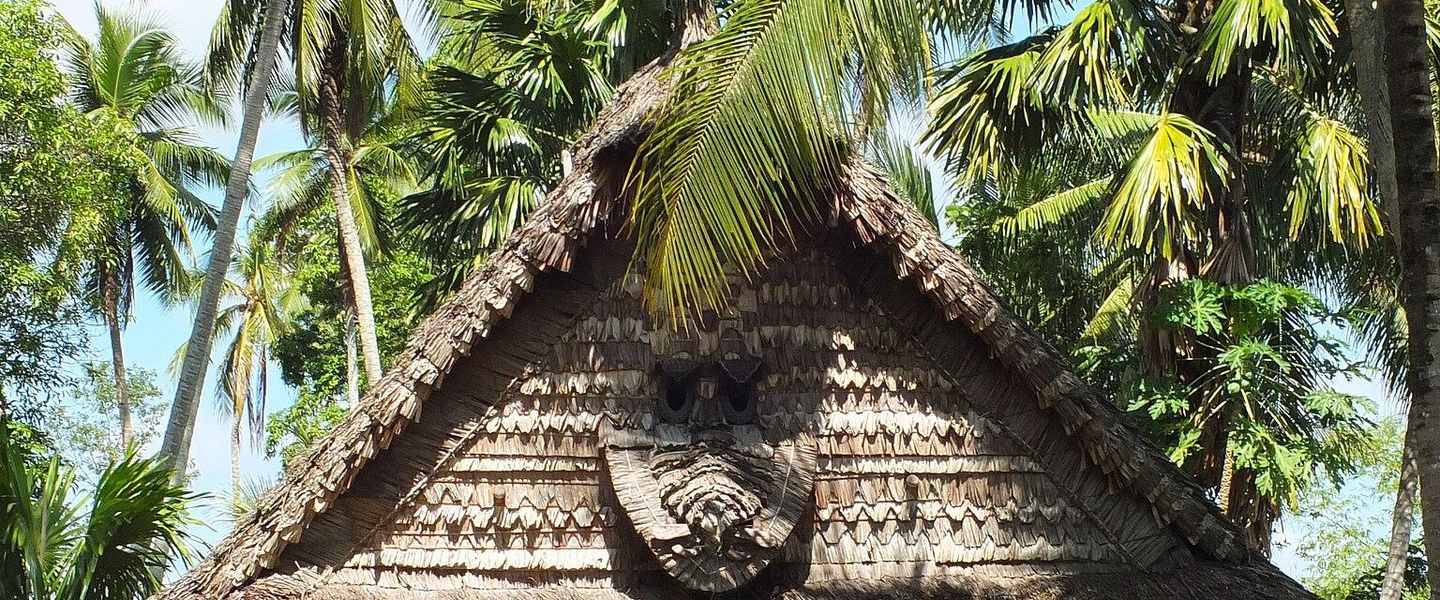


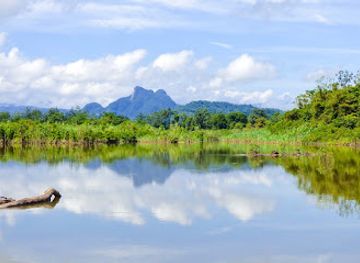
Discover the Sepik River Basin: A journey through Papua New Guinea's ancient traditions, lush landscapes, and vibrant wildlife.
Read more about Sepik River Basin
When is the best time to visit Sepik River Basin?
Best: February–March, November · 32°C| Month | High (°C) | Rainfall (mm) |
|---|---|---|
| January | 32 | 350 |
| February (best) | 32 | 330 |
| March (best) | 32 | 340 |
| April | 32 | 350 |
| May | 32 | 370 |
| June | 32 | 400 |
| July | 31 | 410 |
| August | 31 | 390 |
| September | 32 | 370 |
| October | 32 | 350 |
| November (best) | 32 | 340 |
| December | 32 | 360 |
Getting to and around Sepik River Basin
How to get there
Transportation
Top city travel guides in Sepik River Basin
The cities of Sepik River Basin, and the easiest places to base yourself.
-
 Wewak
Discover Wewak: A Coastal Gem in Papua New Guinea Rich in Culture, History, and Natural Beauty.
Wewak
Discover Wewak: A Coastal Gem in Papua New Guinea Rich in Culture, History, and Natural Beauty.
-
 Mount Hagen
Explore Mount Hagen, the vibrant cultural heart of Papua New Guinea's Highlands, and discover a world of traditional festivals, stunning landscapes, and rich history.
Mount Hagen
Explore Mount Hagen, the vibrant cultural heart of Papua New Guinea's Highlands, and discover a world of traditional festivals, stunning landscapes, and rich history.
-
 Vanimo
Discover Vanimo: A coastal paradise in Papua New Guinea known for its pristine beaches, world-class surfing, and rich cultural experiences.
Vanimo
Discover Vanimo: A coastal paradise in Papua New Guinea known for its pristine beaches, world-class surfing, and rich cultural experiences.
Swipe for more cities
Destinations in Sepik River Basin
Resorts, valleys and scenic spots worth a trip of their own.
-
 Mount Wilhelm
Explore Mount Wilhelm, Papua New Guinea's highest peak, where adventure meets culture amid stunning landscapes and traditional villages.
Mount Wilhelm
Explore Mount Wilhelm, Papua New Guinea's highest peak, where adventure meets culture amid stunning landscapes and traditional villages.
-
 Madang Province
Discover Madang Province: Dive into crystal-clear waters, explore lush rainforests, and experience the rich cultural heritage of Papua New Guinea's coastal paradise.
Madang Province
Discover Madang Province: Dive into crystal-clear waters, explore lush rainforests, and experience the rich cultural heritage of Papua New Guinea's coastal paradise.
Swipe for more destinations
Best attractions in Sepik River Basin
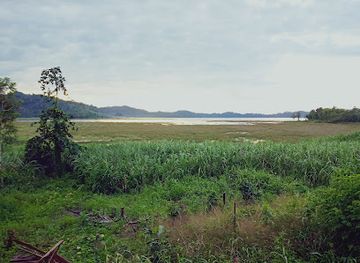
The Sepik River Basin in Papua New Guinea is a mesmerizing tapestry of unspoiled wilderness, vibrant tribal cultures, and intricate art forms. Visitors can navigate the serpentine waterways of one of the world's largest river systems, where every bend reveals lush rainforests teeming with exotic wildlife like the elusive bird of paradise. Explore remote villages where time-honored traditions thrive, and witness the masterful wood carvings and spirit masks that reflect the region's deep spiritual heritage. The local festivals, pulsating with rhythmic drumbeats and colorful dances, offer a rare glimpse into the ceremonial life of the indigenous tribes. Marvel at the stunning stilt houses perched above the water, and engage with the warm and welcoming locals who are eager to share their rich folklore and customs. The Sepik River Basin promises an unforgettable adventure, blending natural beauty with cultural richness in an unparalleled harmony.
Best landmarks in Sepik River Basin
The Sepik River Basin in Papua New Guinea is a treasure trove for adventurers and history enthusiasts alike, offering a journey through lush, untamed jungles and traditional villages where time seems to stand still. Expect to be mesmerized by the intricately carved spirit houses or 'haus tambaran,' which serve as cultural epicenters for the local tribes. The river itself is a lifeline, weaving through the landscape with its serpentine bends, providing opportunities for thrilling canoe rides. Don't miss the chance to witness the ancient art of wood carving, creating masks and totems that tell stories passed down through generations. Wildlife enthusiasts will be delighted by sightings of exotic birds, crocodiles, and unique flora that thrive along the riverbanks. Each landmark, from the mysterious Chambri Lakes to the vibrant markets of Pagwi, offers a unique glimpse into the rich tapestry of life that flourishes in this remote corner of the world.
-
Island
New Guinea
Explore New Guinea: A breathtaking island of rich biodiversity, vibrant cultures, and stunning landscapes awaiting your discovery.
-
Tourist attraction
Sepic River Crocodile Festival
Discover the vibrant Sepic River Crocodile Festival, a cultural celebration showcasing traditional artistry, music, and local cuisine in Papua New Guinea.
-
Tourist attraction
Pegawi Lookout
Discover Pegawi Lookout in East Sepik Province, a serene escape with breathtaking views and a glimpse into Papua New Guinea's rich culture.
-
 Water
WaterSepik River
Discover the untouched beauty and vibrant culture of the Sepik River in Papua New Guinea, an adventure for the curious traveler.

Explore Sepik River Basin on the map
Plan your trip on one map. See where the top cities, national parks and sights are, and book hotels and experiences in a few clicks.
Best hotels in Sepik River Basin
Best restaurants in Sepik River Basin
-
Resort hotel
Madang Resort Hotel
Discover paradise at Madang Resort Hotel—where breathtaking views meet luxurious comfort in Papua New Guinea.
-
Fresh food market
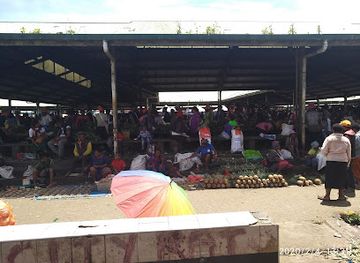
Mount Hagen Market
Discover Mount Hagen Market: A vibrant fresh food market showcasing local produce and culture in Papua New Guinea's stunning Western Highlands.
-
Hotel
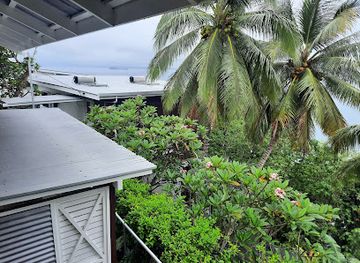
In Wewak Boutique Hotel
Discover tranquility and exquisite dining at In Wewak Boutique Hotel in East Sepik Province - your perfect escape in Papua New Guinea.
-
Ikan bakar restaurant
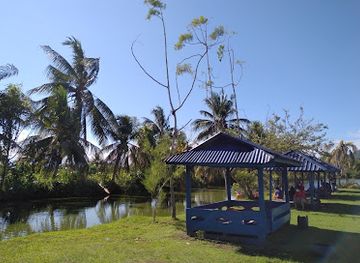
Pemancingan Aji Kencana
Experience authentic Papuan flavors at Pemancingan Aji Kencana, Jayapura's premier ikan bakar restaurant offering fresh grilled fish in a welcoming atmosphere.
Best bars in Sepik River Basin
The nightlife in the Sepik River Basin offers a unique and captivating experience for visitors, steeped in cultural heritage and vibrant local traditions. As the sun sets, the villages along the river come alive with the rhythmic beats of traditional drums, the mesmerizing sounds of bamboo flutes, and animated storytelling sessions around communal fires. Occasionally, travelers might be invited to witness or even participate in indigenous sing-sing gatherings, where locals don elaborate costumes and perform tribal dances under the starlit sky. While you won't find conventional bars and nightclubs, the authentic cultural immersion, illuminated by firelight and accompanied by the enchanting tunes of the Sepik's musical heritage, promises an unforgettable and enriching evening.
Best nightclubs in Sepik River Basin
-
Fresh food market
Mount Hagen Market
Immerse yourself in the rich cultural tapestry and fresh flavors at Mount Hagen Market, a must-visit destination in Papua New Guinea.
-
Hotel
In Wewak Boutique Hotel
Experience the warmth of East Sepik Province at In Wewak Boutique Hotel, where comfort meets local culture in a stunning natural setting.
-
Hotel
Village Inn Hotel & Apartments
Discover the tranquil charm of the Village Inn Hotel & Apartments in Wewak, your gateway to East Sepik's natural beauty and cultural heritage.
-
Airport
Wewak Airport AYWK
Explore the natural beauty and vibrant culture of East Sepik Province through Wewak Airport, your gateway to Papua New Guinea's hidden gems.
Best shops in Sepik River Basin
Nestled within the lush, untamed landscapes of Papua New Guinea, the Sepik River Basin offers an enchanting shopping experience that is both culturally rich and visually mesmerizing. Visitors can explore vibrant local markets teeming with intricate hand-carved wooden masks, elaborate spirit figures, and beautifully woven baskets, each piece a testament to the region's deep-rooted artistic traditions. Artisans from various villages along the sepik river come together to showcase their craftsmanship, allowing tourists to not only purchase unique, one-of-a-kind souvenirs but also to engage with the creators themselves, gaining insight into the stories and rituals that inspire their work. The bustling atmosphere, filled with the sounds of traditional music and the aroma of exotic spices, makes shopping in the Sepik River Basin an immersive journey into the heart of Melanesian culture.
Get your free copy of our complete guide to Sepik River Basin, delivered straight to you.
Everything on this page, from attractions and restaurants to essentials and local phrases, in one PDF you can read offline, print or share.
Already have an account? Sign in
Your Sepik River Basin guide is ready.
We'll send it to · Not you? Sign out

Getting your guide ready…
We are putting together a fresh copy of the Sepik River Basin guide. This can take up to a minute.
This can take a few moments. If your browser asks, choose Allow so the download can start. You'll find the guide in your Downloads folder.
Nothing happened? Download it again
Sorry, the guide is taking longer than usual. Please try again in a minute, or get it by email instead.
Sepik River Basin essentials
Currency and Payment
Safety
Emergency Situations
Do's and Don'ts
Local Tips
From Eve
Local phrases worth knowing
You don't need to get them perfect. A few words go a long way, and locals appreciate the effort.
Basics
| English | Local | Say it |
|---|---|---|
| Hello | Nau | [nau] |
| Goodbye | Bai | [bai] |
| Yes | Yes | [yes] |
| No | No | [no] |
| Please/You're welcome | Sori/Welcome | [sori/wel-kum] |
| Thank you | Tenkyu | [ten-kyu] |
| Excuse me/Sorry | Sori | [sori] |
| How are you? | Yu orait? | [yu or-ait] |
| Fine. And you? | Orait. Na yu? | [or-ait. na yu] |
| Do you speak English? | Yu tokim English? | [yu to-kim in-glish] |
| I don't understand | Mi no save | [mi no sa-ve] |
Eating & Drinking
| English | Local | Say it |
|---|---|---|
| I'd like to see the menu, please | Mi laik lukim menu, plis | [mi laik lu-kim men-u, plis] |
| I don't eat meat | Mi no kaikai mit | [mi no kai-kai mit] |
| Cheers! | Kamu! | [ka-mu] |
| I would like to pay, please | Mi laik pai, plis | [mi laik pai, plis] |
Emergencies
| English | Local | Say it |
|---|---|---|
| Help! | Help! | [help] |
| Go away! | Go awai! | [go a-wai] |
| Call the Police! | Kolim Polisi! | [ko-lim po-li-si] |
| Call a doctor! | Kolim dokta! | [ko-lim dok-ta] |
| I'm lost | Mi lus | [mi lus] |
| I'm ill | Mi sik | [mi sik] |
Shopping
| English | Local | Say it |
|---|---|---|
| I'd like to buy... | Mi laik baim... | [mi laik bai-m] |
| I'm just looking | Mi lukim tasol | [mi lu-kim ta-sol] |
| How much is it? | Em i hamas? | [em i ha-mas] |
| That's too expensive | Dis i tu ekspensiv | [dis i tu eks-pen-siv] |
| Can you lower the price? | Yu inap lusim prais? | [yu in-ap lu-sim prais] |
Time & Numbers
| English | Local | Say it |
|---|---|---|
| What time is it? | Hamas taim em? | [ha-mas taim em] |
| It's one o'clock | Em i wan klok | [em i wan klok] |
| Half past (10) | Halfa past ten | [hal-fa past ten] |
| Morning | Moning | [mo-ning] |
| Afternoon | Aftanoon | [af-ta-noon] |
| Evening | Ivening | [i-ve-ning] |
| Yesterday | Yestede | [yes-te-de] |
| Today | Tude | [tu-de] |
| Tomorrow | Tumoro | [tu-mo-ro] |
| 1 | Wan | [wan] |
| 2 | Tu | [tu] |
| 3 | Tri | [tri] |
| 4 | Foa | [fo-a] |
| 5 | Faiv | [faiv] |
| 6 | Siks | [siks] |
| 7 | Seven | [sev-en] |
| 8 | Eit | [eit] |
| 9 | Nain | [nain] |
| 10 | Ten | [ten] |
Transport & Directions
| English | Local | Say it |
|---|---|---|
| Where's a/the...? | Wea em ...? | [we-a em] |
| What's the address? | Hamas adres? | [ha-mas ad-res] |
| Can you show me (on the map)? | Yu inap showim mi (long map)? | [yu in-ap sho-wim mi (long map)] |
| When's the next (bus)? | Taim wanem naks (baskit)? | [ta-im wa-nem naks (bas-ket)] |
| A ticket (to ....) | Wan tiket (go ...) | [wan ti-ket (go ...)] |
History of Sepik River Basin
Early Inhabitants and the Rise of Sepik Cultures
The Sepik River Basin has been home to various indigenous groups for thousands of years. The river itself, stretching over 1,100 kilometers, has provided sustenance and a means of transportation for these communities. The region is particularly known for its rich and diverse cultures, including the Iatmul, Arapesh, and Abelam peoples. These groups have developed intricate social structures, artistic traditions, and spiritual beliefs that revolve around the river.
European Exploration and Contact
European contact with the Sepik River Basin began in the late 19th century. German colonists, followed by Australian administrators, explored the region, mapping the river and documenting the unique cultures they encountered. These early encounters were often marked by misunderstandings and conflicts, but they also laid the groundwork for future anthropological studies.
World War II Impact
During World War II, the Sepik River Basin became a strategic location for both Allied and Japanese forces. The river was used as a transportation route for troops and supplies. Several battles and skirmishes took place in the region, leaving behind remnants of the war that can still be found today. The war had a significant impact on the local populations, disrupting their traditional ways of life.
Post-Independence Developments
Papua New Guinea gained independence from Australia in 1975, which brought significant changes to the Sepik River Basin. The region saw increased governmental and non-governmental efforts aimed at preserving its unique cultural heritage. Various initiatives were launched to promote tourism while safeguarding the traditional lifestyles of the indigenous communities.
Anthropological Studies and Global Recognition
The Sepik River Basin has long been a focal point for anthropologists and researchers. Notable figures such as Margaret Mead and Gregory Bateson conducted extensive studies in the region, bringing global attention to its unique cultures. These studies have contributed to a broader understanding of human social and cultural diversity, further elevating the Sepik River Basin's importance on the world stage.
Contemporary Challenges and Conservation Efforts
In recent years, the Sepik River Basin has faced several challenges, including environmental threats and the impacts of globalization. Logging and mining activities have posed risks to the delicate ecosystems and traditional ways of life. In response, various local and international organizations have been working on conservation projects aimed at preserving the natural and cultural heritage of the region.
Sepik River Basin in Photos
Browse through our photo collection highlighting the charm and character of the destination.
Neighbouring regions of Sepik River Basin
The closest regions to Sepik River Basin, if you have time for more than one.
-
 East Sepik Region
Uncover the rich cultural heritage and natural splendor of East Sepik Region, where the mighty Sepik River meanders through a vibrant landscape of diverse wildlife and traditional villages.
East Sepik Region
Uncover the rich cultural heritage and natural splendor of East Sepik Region, where the mighty Sepik River meanders through a vibrant landscape of diverse wildlife and traditional villages.
-
 Enga Region
Discover the untouched beauty and rich cultural heritage of Enga Region, Papua New Guinea's highland paradise.
Enga Region
Discover the untouched beauty and rich cultural heritage of Enga Region, Papua New Guinea's highland paradise.
-
 Momase Region
Discover the Momase Region in Papua New Guinea: A coastal haven of pristine beaches, vibrant cultures, and breathtaking natural wonders.
Momase Region
Discover the Momase Region in Papua New Guinea: A coastal haven of pristine beaches, vibrant cultures, and breathtaking natural wonders.
-
 Hela Region
Explore the Hela Region in Papua New Guinea: A land of vibrant culture, breathtaking landscapes, and thrilling adventures.
Hela Region
Explore the Hela Region in Papua New Guinea: A land of vibrant culture, breathtaking landscapes, and thrilling adventures.
-
 West Sepik Region
Discover the untouched beauty and rich cultural heritage of West Sepik, Papua New Guinea's hidden gem, offering breathtaking landscapes and vibrant traditions.
West Sepik Region
Discover the untouched beauty and rich cultural heritage of West Sepik, Papua New Guinea's hidden gem, offering breathtaking landscapes and vibrant traditions.
Swipe for more regions

