

Free West Sepik Region Travel Guide & Mobile App
Explore West Sepik Region with free travel guides. Discover regional history, expert tips, proposed trips, and audio guides on web or mobile app.


Discover the untouched beauty and rich cultural heritage of West Sepik, Papua New Guinea's hidden gem, offering breathtaking landscapes and vibrant traditions.
Read more about West Sepik Region
When is the best time to visit West Sepik Region?
Best: June–August · 30°C| Month | High (°C) | Rainfall (mm) |
|---|---|---|
| January | 31 | 250 |
| February | 31 | 230 |
| March | 31 | 240 |
| April | 31 | 210 |
| May | 31 | 190 |
| June (best) | 30 | 170 |
| July (best) | 30 | 160 |
| August (best) | 30 | 170 |
| September | 30 | 180 |
| October | 31 | 200 |
| November | 31 | 230 |
| December | 31 | 250 |
Getting to and around West Sepik Region
How to get there
Transportation
Top city travel guides in West Sepik Region
The cities of West Sepik Region, and the easiest places to base yourself.
-

-


Swipe for more cities
Best attractions in West Sepik Region
The West Sepik Region in Papua New Guinea offers a mesmerizing blend of rugged landscapes, rich cultural heritage, and unique wildlife that will captivate any adventurous traveler. Visitors can explore the awe-inspiring Sepik River, one of the world's greatest river systems, where traditional villages dot the banks and locals still practice ancient customs and crafts. The region's dense rainforests are a haven for birdwatchers and nature enthusiasts, home to exotic species like the stunning Bird of Paradise. For history buffs, the area is brimming with remnants of World War II relics, from abandoned airstrips to hidden bunkers, offering a poignant glimpse into the past. The West Sepik Region is also known for its vibrant festivals, where visitors can witness traditional sing-sings, elaborate dances, and intricate body art that reflect the diverse tribal cultures. With untouched beaches, towering mountain ranges, and warm, welcoming locals, West Sepik promises an unforgettable journey into one of Papua New Guinea's most authentic and unexplored frontiers.
-
River
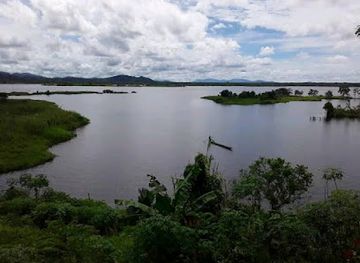
Sepik River
Experience the breathtaking beauty and rich cultural heritage of the Sepik River, Papua New Guinea's longest river, a true gem for adventurous travelers.
-
Park
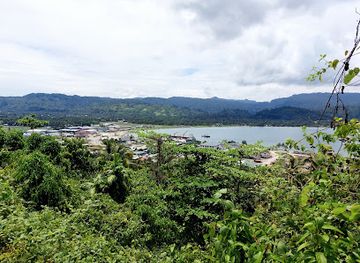
Vanimo
Explore the breathtaking beauty and vibrant culture of Vanimo, Papua New Guinea's coastal paradise, perfect for nature lovers and adventure seekers.
Best landmarks in West Sepik Region
West Sepik Region in Papua New Guinea, also known as Sandaun Province, is a treasure trove for adventurers and history enthusiasts alike. The region boasts the awe-inspiring Sepik River, one of the world's largest river systems, which winds through dense rainforests and is home to a myriad of traditional villages where you can witness ancient cultural practices and intricate wood carvings. Vanimo, the provincial capital, offers pristine beaches ideal for surfing and diving. The mysterious Telefomin area beckons with its rugged mountain ranges and the fascinating Telefomin Caves, rich in archaeological significance. For wildlife lovers, the region is a haven, with diverse ecosystems that provide habitat to unique flora and fauna, including the elusive tree kangaroo. Navigating through the region, visitors can expect an immersive experience filled with vibrant festivals, traditional dances, and a deep connection to the land's historical roots.
-
Island
New Guinea
Explore New Guinea: A Unique Island Adventure with Stunning Landscapes and Rich Cultural Heritage.
-
River
Sepik River
Explore the Sepik River, a mesmerizing adventure through Papua New Guinea's longest river, rich in culture, wildlife, and stunning landscapes.
-
Tourist attraction
Dali Beach
Discover the tranquil beauty of Dali Beach in Sandaun Province, Papua New Guinea – a hidden gem for relaxation and adventure by the sea.
-
 Mountain peak
Star Mountains
Discover the enchanting Star Mountains in Papua New Guinea, where majestic peaks meet rich biodiversity and vibrant indigenous culture.
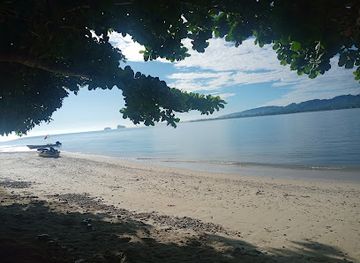
Explore West Sepik Region on the map
Plan your trip on one map. See where the top cities, national parks and sights are, and book hotels and experiences in a few clicks.
Best hotels in West Sepik Region
Best restaurants in West Sepik Region
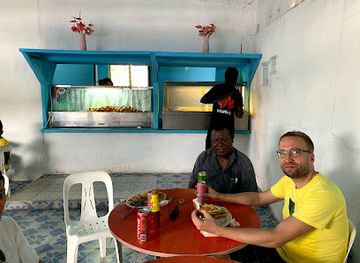
The dining scene in the West Sepik Region of Papua New Guinea promises an adventurous culinary journey like no other, featuring an eclectic mix of traditional and contemporary flavors. Visitors can savor the region's unique dishes such as sago-based meals, succulent seafood freshly caught from the coastal waters, and exotic fruits picked straight from the lush rainforests. Local markets brim with vibrant produce and aromatic spices, while village feasts offer an immersive experience into the rich cultural tapestry of the indigenous communities. For those seeking modern comforts, a handful of quaint eateries and eco-lodges provide a fusion of Western and Melanesian cuisines, ensuring a memorable gastronomic experience amidst the enchanting landscapes.
Best bars in West Sepik Region
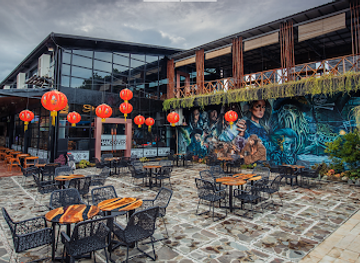
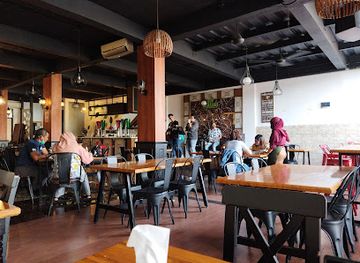
The nightlife in the West Sepik Region of Papua New Guinea offers a unique blend of cultural immersion and local flair, perfect for adventurous travelers. As the sun sets, small coastal villages and riverfront settlements come alive with traditional sing-sings, where you can witness mesmerizing dances and chants around crackling bonfires. While the region does not boast conventional bars and nightclubs, the local haus tambarans (spirit houses) occasionally host lively gatherings where you can enjoy local music played on traditional instruments like the garamut and kundu drums. For those seeking a more laid-back evening, cozy guesthouses and lodges often organize intimate gatherings where you can savor freshly caught seafood, sip on locally brewed beverages, and share stories with friendly locals under the starlit sky.
-
Night club
BLUE ANGELS CLUB
Discover the nightlife of Jayapura at Blue Angels Club, featuring karaoke, dancing, and vibrant entertainment for an unforgettable experience.
-
Bar
HANGOVER RESTO & LOUNGE
Discover the vibrant nightlife and culinary delights at Hangover Resto & Lounge in Jayapura, Papua, Indonesia.
-
Bar
Kemangi Cafe & Resto
Discover the culinary delights of Kemangi Cafe & Resto in Jayapura, where local flavors meet international cuisine in a serene, inviting atmosphere.
-
Lounge
58 Hauzz Kitchen & Lounge
Discover culinary delights at 58 Hauzz Kitchen & Lounge in Jayapura, where local flavors meet a vibrant lounge atmosphere.

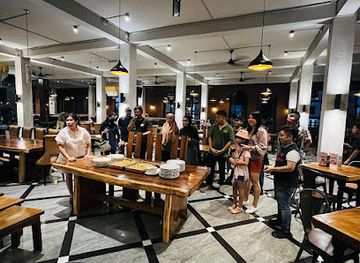
Best nightclubs in West Sepik Region
-
Hotel
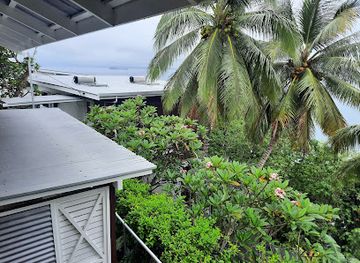
In Wewak Boutique Hotel
Experience the warmth of East Sepik Province at In Wewak Boutique Hotel, where comfort meets local culture in a stunning natural setting.
-
Hotel
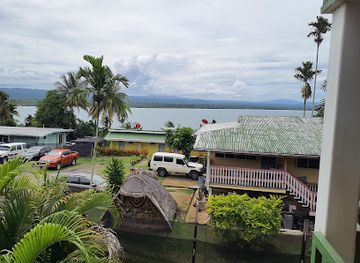
Village Inn Hotel & Apartments
Discover the tranquil charm of the Village Inn Hotel & Apartments in Wewak, your gateway to East Sepik's natural beauty and cultural heritage.
-
Airport
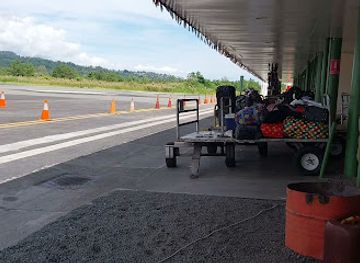
Wewak Airport AYWK
Explore the natural beauty and vibrant culture of East Sepik Province through Wewak Airport, your gateway to Papua New Guinea's hidden gems.
-
Airport
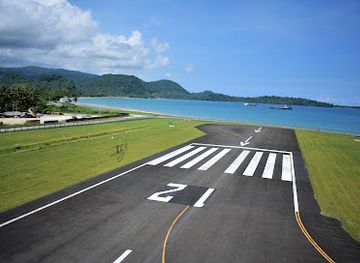
Vanimo Airport AYVN
Vanimo Airport: Your gateway to the tropical paradise of Papua New Guinea's Sandaun Province, blending natural beauty with cultural richness.
Best shops in West Sepik Region
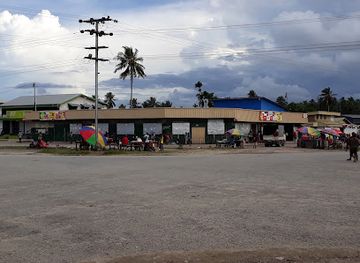
In the West Sepik Region of Papua New Guinea, the shopping scene is a vibrant tapestry of traditional and modern experiences that will captivate any visitor. Markets are the heart of commerce here, where you can immerse yourself in a bustling atmosphere filled with the rich aroma of fresh produce, exotic spices, and the vibrant colors of handmade crafts. Local artisans offer intricately woven bilums (traditional string bags), hand-carved wooden sculptures, and stunning tribal jewelry that reflect the region's deep cultural heritage. Don't miss the chance to barter for unique, one-of-a-kind souvenirs at the Vanimo Market, or explore the smaller village markets where you can witness the daily life of the indigenous communities. Each market visit is not just a shopping trip but a cultural journey, offering a glimpse into the diverse and rich traditions of the West Sepik people.
-
Shopping mall
Vanimo Supermarket
Discover the vibrant shopping experience at Vanimo Supermarket, where local flavors and everyday essentials meet in Sandaun Province.
-
Grocery store
Lucky Land Shopping Mall
Explore Lucky Land Shopping Mall in Vanimo for fresh local groceries and unique cultural experiences in Papua New Guinea.
-
Grocery store
RongSong
Explore RongSong in Vanimo for a taste of local flavors, fresh produce, and cultural authenticity in the heart of Sandaun Province.
-
Shopping mall
Papindo Supermarket
Explore the vibrant Papindo Supermarket in Aitape, your premier shopping destination for local goods and unique flavors in Sandaun Province.


Get your free copy of our complete guide to West Sepik Region, delivered straight to you.
Everything on this page, from attractions and restaurants to essentials and local phrases, in one PDF you can read offline, print or share.
Already have an account? Sign in
Your West Sepik Region guide is ready.
We'll send it to · Not you? Sign out

Getting your guide ready…
We are putting together a fresh copy of the West Sepik Region guide. This can take up to a minute.
This can take a few moments. If your browser asks, choose Allow so the download can start. You'll find the guide in your Downloads folder.
Nothing happened? Download it again
Sorry, the guide is taking longer than usual. Please try again in a minute, or get it by email instead.
West Sepik Region essentials
Currency and Payment
Safety
Emergency Situations
Do's and Don'ts
Local Tips
From Eve
Local phrases worth knowing
You don't need to get them perfect. A few words go a long way, and locals appreciate the effort.
Basics
| English | Local | Say it |
|---|---|---|
| Hello | Yumi | [Yoo-mee] |
| Goodbye | Lukim yu | [Loo-keem yoo] |
| Yes | Yes | [Yes] |
| No | Nogat | [Noh-gaht] |
| Please/You're welcome | Plis | [Pleez] |
| Thank you | Tenkyu | [Ten-kyoo] |
| Excuse me/Sorry | Sori | [Soh-ree] |
| How are you? | Yu stap gut? | [Yoo stahp goot] |
| Fine. And you? | Gut, na yu? | [Goot, nah yoo] |
| Do you speak English? | Yu tokim Inglis? | [Yoo toh-keem Ing-lis] |
| I don't understand | Mi no inap | [Mee noh ee-nahp] |
Eating & Drinking
| English | Local | Say it |
|---|---|---|
| I'd like to see the menu, please | Mi laik lukim menu, plis | [Mee liek loo-keem meh-noo, pleez] |
| I don't eat meat | Mi no kaikai mit | [Mee noh kai-kai meet] |
| Cheers! | Kisim! | [Kee-sim] |
| I would like to pay, please | Mi laik payim, plis | [Mee liek pay-im, pleez] |
Emergencies
| English | Local | Say it |
|---|---|---|
| Help! | Help! | [Help!] |
| Go away! | Go awai! | [Goh ah-wai] |
| Call the Police! | Kolim polisi! | [Koh-leem poh-lee-see] |
| Call a doctor! | Kolim dokta! | [Koh-leem dok-tah] |
| I'm lost | Mi lus | [Mee loos] |
| I'm ill | Mi sik | [Mee seek] |
Shopping
| English | Local | Say it |
|---|---|---|
| I'd like to buy... | Mi laik buy... | [Mee liek bai...] |
| I'm just looking | Mi soim luk | [Mee so-im look] |
| How much is it? | Em oltaim hamas? | [Em ol-tahim hah-mahs] |
| That's too expensive | Dat i tumas | [Daht ee too-mahs] |
| Can you lower the price? | Yu ken lessen prais? | [Yoo ken leh-sen pryce] |
Time & Numbers
| English | Local | Say it |
|---|---|---|
| What time is it? | Wanem taem? | [Wah-nem tah-em] |
| It's one o'clock | I gat wan o'clock | [Ee gaht wan oh-clock] |
| Half past (10) | Haf past ten | [Haf pahst ten] |
| Morning | Mornin | [Morn-ing] |
| Afternoon | Aftanun | [Af-tah-noon] |
| Evening | Ivening | [Ee-ven-ing] |
| Yesterday | Yestedei | [Yes-teh-day] |
| Today | Tudei | [Too-day] |
| Tomorrow | Tumoro | [Too-mo-roh] |
| 1 | Wan | [Wahn] |
| 2 | Tu | [Too] |
| 3 | Tri | [Tree] |
| 4 | Foa | [Foh-ah] |
| 5 | Faiv | [Fah-eev] |
| 6 | Siks | [Siks] |
| 7 | Seven | [Sev-en] |
| 8 | Eit | [Eight] |
| 9 | Nain | [Nine] |
| 10 | Ten | [Ten] |
Transport & Directions
| English | Local | Say it |
|---|---|---|
| Where's a/the...? | Wea em...? | [Weh em...?] |
| What's the address? | Wanem adres? | [Wah-nem ah-dress] |
| Can you show me (on the map)? | Yu ken soim mi (long map)? | [Yoo ken soy-im mee (long map)?] |
| When's the next (bus)? | Wen em nasta (basp)? | [Wen em nah-stah (bus)?] |
| A ticket (to ....) | Wan tiket (go....) | [Wahn tee-ket (go....)] |
History of West Sepik Region
Ancient Indigenous Cultures
The West Sepik Region, also known as Sandaun Province, has been home to various indigenous tribes for thousands of years. The indigenous communities, such as the Wape and Oksapmin people, have rich cultural traditions and unique languages. These tribes have traditionally lived in harmony with the dense rainforests, relying on hunting, fishing, and subsistence farming.
European Contact
The first recorded European contact with the West Sepik Region occurred in the late 19th century. German explorers and missionaries made initial forays into the region, followed by Australian patrols. These early encounters led to significant changes in the lives of the indigenous populations, including the introduction of Christianity and the disruption of traditional practices.
World War II Impact
During World War II, the West Sepik Region became strategically important due to its proximity to Japanese-occupied territories. The region saw several military campaigns, including the Battle of Aitape, where Allied forces fought to reclaim control from Japanese troops. The war left an indelible mark on the region, with remnants of wartime infrastructure and relics still visible today.
Post-War Development
After World War II, the West Sepik Region underwent significant development under Australian administration. Infrastructure projects, such as the construction of roads and airstrips, were initiated to improve accessibility. The establishment of government stations facilitated better administration and the provision of basic services to remote communities.
Independence and Autonomy
Papua New Guinea gained independence from Australia on September 16, 1975. The West Sepik Region became one of the country's 22 provinces. Since independence, there have been ongoing efforts to promote local governance and economic development. The region has also been a focal point for cultural preservation, with initiatives aimed at safeguarding traditional customs and practices.
Cultural Festivals
The cultural diversity of the West Sepik Region is celebrated through various festivals and events. One of the most significant is the Sepik River Crocodile Festival, which highlights the importance of crocodiles in local culture and mythology. These festivals provide an opportunity for different tribes to showcase their unique dances, music, and traditional attire, fostering a sense of unity and cultural pride.
Modern Challenges
Despite its rich history and cultural heritage, the West Sepik Region faces numerous challenges in the modern era. Issues such as infrastructure development, healthcare access, and education remain pressing concerns. Additionally, the region's remote location and rugged terrain pose logistical difficulties for development initiatives. However, efforts are ongoing to address these challenges and improve the quality of life for the local population.
West Sepik Region in Photos
Browse through our photo collection highlighting the charm and character of the destination.
Neighbouring regions of West Sepik Region
The closest regions to West Sepik Region, if you have time for more than one.
-

-

-

-

-


Swipe for more regions

