
Western Highlands, Papua New Guinea Travel Guide
Discover the lush landscapes, vibrant cultures, and stunning vistas of the Western Highlands in Papua New Guinea – a paradise for adventurers and cultural enthusiasts alike.
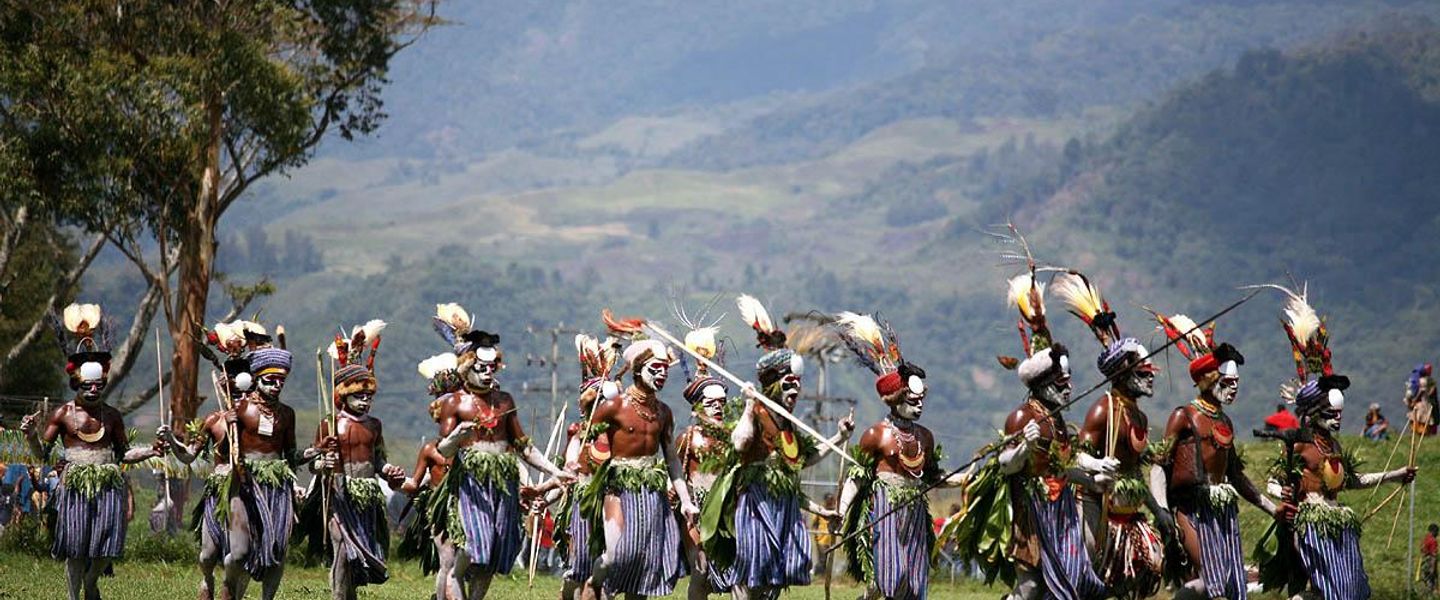
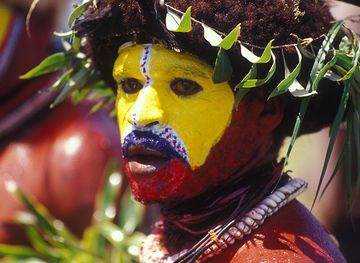
Nestled in the heart of Papua New Guinea, the Western Highlands is a region of extraordinary beauty and rich cultural heritage. This area is known for its lush landscapes, towering mountains, and vibrant tribal communities. The Western Highlands offer a unique blend of adventure and cultural immersion that is hard to find anywhere else in the world. Visitors can explore the stunning Waghi Valley, which is dotted with traditional villages and fertile gardens. The valley is also home to the famous Mount Wilhelm, the highest peak in Papua New Guinea, offering breathtaking views for those willing to make the climb. The region's cool climate and picturesque scenery make it an ideal destination for trekking and nature walks. Cultural enthusiasts will be captivated by the local traditions and festivals. The Mount Hagen Cultural Show is a must-see event where tribes from all over the highlands gather to showcase their unique dances, music, and elaborate costumes. This vibrant display of cultural diversity is a highlight for many visitors and provides a deeper understanding of the region's rich heritage. The Western Highlands is also known for its coffee plantations, producing some of the finest coffee in the world. A visit to a local plantation offers insight into the coffee-making process and a chance to sample these premium beans. The warm hospitality of the local people, combined with the region's natural beauty and cultural richness, makes the Western Highlands a truly unforgettable destination.

Know before you go
Hi, I'm Eve. Here are a few practical things to know before exploring Western Highlands.
- Pack warm clothing as temperatures can drop significantly, especially in the evenings.
- Hire a local guide for trekking and cultural tours to enhance your experience and ensure safety.
- Attend the Mount Hagen Cultural Show if visiting in August to witness the region's diverse tribal traditions.
- Visit a local coffee plantation to learn about the coffee-making process and taste some freshly brewed coffee.
- Respect local customs and traditions; always ask for permission before taking photos of people.
Top City Travel Guides in Western Highlands
The cities of Western Highlands, and the easiest places to base yourself.

Explore Western Highlands: Things to Do, Places to Eat, Hotels & More
Handpicked recommendations for top attractions, local dining, accommodations, and more

Top Attractions & Sightseeing in Western Highlands
Top-rated picks
Best Attractions

Kenneth Beach
Discover tranquility and natural beauty at Kenneth Beach, a serene park in Jiwaka Province, perfect for relaxation and outdoor adventures.

Baiyer River Sanctuary
Explore the untouched beauty of Baiyer River Sanctuary, a tranquil nature preserve in the Western Highlands of Papua New Guinea, ideal for nature lovers.

Puri, Creek
Discover the tranquil beauty of Puri Creek in Jiwaka Province, where nature's serenity meets adventure and exploration.

DupDawii village
Experience the authentic cultural heritage and stunning landscapes of DupDawii Village in Jiwaka Province, Papua New Guinea.

Best landmarks in Western Highlands
Top-rated picks
Best Landmarks

Kuk Swamp
Uncover the ancient agricultural marvels of Kuk Swamp, a UNESCO World Heritage Site in Papua New Guinea, and experience a journey through time.

Baiyer River Sanctuary
Explore the breathtaking beauty of Baiyer River Sanctuary, a pristine nature preserve in Papua New Guinea's Western Highlands, rich in biodiversity and tranquility.

Kwia Gutnius Lutheran Church
Experience spiritual serenity and stunning landscapes at Kwia Gutnius Lutheran Church in Wapenamanda, a cultural gem of Enga Province.

Best restaurants in Western Highlands
Top-rated picks
Best Restaurants

Mount Hagen Market
Explore Mount Hagen Market: A vibrant cultural hub filled with fresh produce, crafts, and authentic local experiences in Papua New Guinea.

Rondon Ridge
Experience breathtaking views and local culture at Rondon Ridge in Papua New Guinea's stunning Western Highlands.

Kofi Kave
Discover Kofi Kave in Mount Hagen - where delicious local cuisine meets a cozy atmosphere for an unforgettable dining experience.
Kumul Lodge
Discover Kumul Lodge: A serene escape in Papua New Guinea's highlands perfect for nature lovers and birdwatching enthusiasts.

Best bars in Western Highlands
Top-rated picks
Best Bars

Mount Hagen Market
Experience the authentic culture and vibrant fresh produce at Mount Hagen Market, a lively hub in the heart of Papua New Guinea's Western Highlands.

Alibi Bar & Grill
Experience the culinary delights of Port Moresby at Alibi Bar & Grill, where local flavors meet a vibrant dining atmosphere.

Tininga Dobel Supermarket
Experience the local culture and flavors at Tininga Dobel Supermarket in the heart of Papua New Guinea's Western Highlands.

Rondon Ridge
Experience breathtaking views and local flavors at Rondon Ridge, your retreat in the stunning Western Highlands of Papua New Guinea.

Best nightclubs in Western Highlands
Top-rated picks
Best Nightclubs

Mt Hagen Club
Discover the vibrant nightlife of Mt Hagen Club, a cultural gem in Papua New Guinea's Western Highlands, where music and local camaraderie await.

AliBarBar
Discover the vibrant local culture at AliBarBar, a welcoming bar in Mount Hagen, where unique drinks and friendly faces await.

Bala Koi Club
Discover the vibrant nightlife at Bala Koi Club in Minj, a perfect spot for drinks, dancing, and socializing in Jiwaka Province.
Jiwaka Rainbow Club
Discover the vibrant Jiwaka Rainbow Club, a local bar offering an authentic experience with drinks, music, and warm hospitality in the heart of Jiwaka Province.

Best shops in Western Highlands
Top-rated picks
Best Shops

Mount Hagen Market
Explore Mount Hagen Market: A colorful hub of fresh produce, local crafts, and cultural richness in Papua New Guinea's Western Highlands.

Tininga Dobel Supermarket
Discover the vibrant local culture and flavors at Tininga Dobel Supermarket in Mt. Hagen, a key shopping destination in Papua New Guinea.

Brian Bell Homecentre
Discover a unique shopping experience at Brian Bell Homecentre in Mount Hagen, where local culture meets quality products in a vibrant atmosphere.

Tininga Renbo Stoa
Explore Tininga Renbo Stoa, where local flavors and fresh produce create a unique shopping experience in Mount Hagen, Papua New Guinea.

Explore Western Highlands on the Map
A handpicked selection of must-see spots in Western Highlands, mapped for you.
Western Highlands Essentials
-
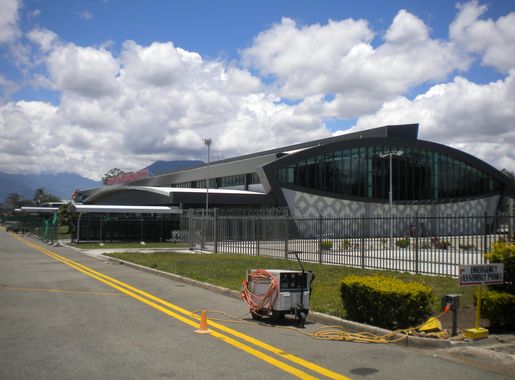
The Western Highlands of Papua New Guinea can be accessed via Mount Hagen, the provincial capital. The most common way to reach Mount Hagen is by air. Kagamuga Airport, located just outside Mount Hagen, has regular flights from Port Moresby, the capital city of Papua New Guinea. Airlines such as Air Niugini and PNG Air operate these flights. Alternatively, adventurous travelers can take a long and challenging road trip from Port Moresby via the Highlands Highway, but be aware that road conditions can be poor and travel times unpredictable.
-
Within the Western Highlands, transportation options include public minibuses (known locally as PMVs, or Public Motor Vehicles) and taxis. PMVs are the most common mode of transport for locals and are relatively inexpensive, but they can be crowded and schedules may be irregular. Taxis are available in Mount Hagen but are typically more expensive. For greater flexibility, renting a car is an option, though it is recommended only for confident drivers familiar with local driving conditions. Always ensure your vehicle is in good condition and that you have a reliable map or GPS device.
-
The official currency of Papua New Guinea is the Papua New Guinean Kina (PGK). Credit cards are accepted in some hotels, restaurants, and larger shops in Mount Hagen, but it is advisable to carry cash, especially when traveling to rural areas. ATMs are available in Mount Hagen, but they may not always be reliable, so it is wise to withdraw sufficient cash before leaving Port Moresby. Currency exchange services are available at major banks and some hotels.
-
The Western Highlands, like many parts of Papua New Guinea, has areas where crime can be a concern, especially for tourists. It is important to stay vigilant and take standard safety precautions. Avoid walking alone at night and be cautious in crowded places. Some areas in Mount Hagen, particularly the markets and bus stations, can have higher crime rates. It is recommended to travel with a local guide who knows the area well. Keep valuables secure and avoid displaying expensive items in public.
-
In case of an emergency, dial 111 for immediate assistance, although response times can vary. Mount Hagen has a hospital and several medical clinics that can handle minor and moderate health issues. For serious medical emergencies, evacuation to Port Moresby or even Australia may be necessary. It is crucial to have comprehensive travel insurance that covers medical evacuation. For minor health issues, there are pharmacies in Mount Hagen where you can purchase over-the-counter medications.
-
Fashion: Do dress modestly, especially when visiting villages and cultural sites. Avoid wearing revealing clothing. Religion: Do respect local customs and religious practices. Many people in the Western Highlands are Christians, but traditional beliefs are still practiced. Public Transport: Do be respectful and patient when using PMVs. Don't argue with drivers or other passengers. Greetings: Do greet people with a handshake or a friendly 'hello.' It is polite to ask permission before taking photographs of people. Eating & Drinking: Do try local dishes and accept food offerings graciously. Don't refuse hospitality, as it is considered impolite.
-
To experience the Western Highlands like a local, visit the local markets where you can buy fresh produce and traditional handicrafts. Engage with locals, as they are often friendly and willing to share stories about their culture and history. Attend a traditional 'sing-sing' (cultural festival) if possible, to witness traditional dances and music. Explore the natural beauty of the region, including the lush valleys, waterfalls, and coffee plantations. Hiring a local guide can enhance your experience and provide deeper insights into the local way of life.
When is the best time to visit Western Highlands?
Useful Local Phrases for Western Highlands
You don't need to speak the language perfectly. Even learning a few simple words can make conversations warmer—and locals usually appreciate the effort.
— Eve

Here are the phrases I use most often in Western Highlands. Try a few—you'll be surprised how far they go! 😊
❤️
-
- HelloGutpela dei
[goot-peh-lah day] - GoodbyeLukim yu
[loo-keem yoo] - YesYes
[yes] - NoNo
[no] - Please/You're welcomePlis
[plees] - Thank youTenkyu
[ten-kyoo] - Excuse me/SorrySori
[soh-ree] - How are you?Yu stap gut?
[yoo stap goot] - Fine. And you?Gutpela. Na yu?
[goot-peh-lah nah yoo] - Do you speak English?Yu tok Pisin?
[yoo tok pee-sin] - I don't understandMi no inap
[mee no ee-nahp]
- HelloGutpela dei
-
- I'd like to see the menu, pleaseMi laik lukim menu, plis
[mee laik loo-keem meh-noo plees] - I don't eat meatMi no kaikai mit
[mee no kai-kai meet] - Cheers!Bikpela
[beek-peh-lah] - I would like to pay, pleaseMi laik payim, plis
[mee laik pah-yeem plees]
- I'd like to see the menu, pleaseMi laik lukim menu, plis
-
- Help!Help!
[help] - Go away!Go antap!
[go an-tahp] - Call the Police!Kolim polis!
[koh-lim poh-lis] - Call a doctor!Kolim dokta!
[koh-lim dok-tah] - I'm lostMi lus
[mee loos] - I'm illMi sik
[mee seek]
- Help!Help!
-
- I'd like to buy...Mi laik buyim...
[mee laik buy-im] - I'm just lookingMi soim
[mee so-im] - How much is it?Olsem hamas?
[ol-sem hah-mas] - That's too expensiveI bikpela tu
[ee beek-peh-lah too] - Can you lower the price?Yu inap daunim pris?
[yoo ee-nahp dah-oo-nim prees]
- I'd like to buy...Mi laik buyim...
-
- What time is it?Dispela taim em wanem?
[dis-peh-lah tahim em wah-nem] - It's one o'clockEm wan klok
[em wan klok] - Half past (10)Hap pas (10)
[hap pahs (ten)] - MorningMoning
[moh-ning] - AfternoonAftanun
[af-tah-noon] - EveningIvening
[ee-vening] - YesterdayYestede
[yes-teh-deh] - TodayTude
[too-deh] - TomorrowTumora
[too-moh-rah] - 1Wan
[wan] - 2Tuo
[too-oh] - 3Thri
[three] - 4Four
[four] - 5Faiv
[five] - 6Siks
[six] - 7Seven
[seven] - 8Eit
[eight] - 9Nain
[nine] - 10Ten
[ten]
- What time is it?Dispela taim em wanem?
-
- Where's a/the...?Wea em ...?
[wea em] - What's the address?Olsem wanem adress?
[ol-sem wah-nem ah-dress] - Can you show me (on the map)?Yu inap soim mi (long map)?
[yoo ee-nahp soy-im mee long map] - When's the next (bus)?When em next (bas)?
[when em next bas] - A ticket (to ....)Wan tiket (go ...)
[wan tee-ket go]
- Where's a/the...?Wea em ...?
History of Western Highlands
-
The Western Highlands of Papua New Guinea have been inhabited for thousands of years, with evidence of human presence dating back to at least 50,000 years. The early inhabitants were primarily hunter-gatherers who later transitioned to subsistence farming. These ancient communities developed intricate agricultural systems, including the renowned 'Wahgi Valley' terraces, which are considered one of the oldest and most complex agricultural practices in the world.
-
The Western Highlands is home to the Enga people, one of the many ethnic groups in Papua New Guinea. The Enga have a rich cultural heritage, encapsulated in their unique language, traditional practices, and social structures. The Enga Cultural Complex in Wabag is a testament to their enduring legacy, showcasing traditional artifacts, oral histories, and ceremonial practices that have been passed down through generations.
-
Around 300 years ago, the introduction of the sweet potato (kaukau) revolutionized agriculture in the Western Highlands. This crop, believed to have been brought from South America through trade routes, became a staple food and significantly boosted population growth. The sweet potato's adaptability to the highland environment allowed for more intensive farming and surplus production, which in turn supported the development of more complex social structures.
-
The Western Highlands remained largely isolated from the outside world until the 1930s, when Australian prospectors ventured into the area during the gold rush. The first contact with Europeans was marked by a mixture of curiosity and tension. The Leahy brothers, among the earliest explorers, documented their encounters with the local tribes, providing valuable insights into the highland societies before significant external influence.
-
During World War II, the Western Highlands saw limited direct conflict but played a strategic role as a supply route for Allied forces. The war brought increased infrastructure development, including airstrips and roads, which facilitated greater accessibility and subsequent economic growth in the post-war period. The presence of Allied soldiers also introduced new goods and technologies to the local population.
-
Papua New Guinea gained independence from Australia in 1975, and the Western Highlands became one of its provinces. The post-independence era saw efforts to develop the region's infrastructure, education, and healthcare systems. Local governance structures were established, and there was a renewed emphasis on preserving cultural heritage while embracing modernity. The Western Highlands has since become a vibrant and dynamic part of Papua New Guinea, known for its cultural festivals, agricultural production, and stunning landscapes.
-
The Mt. Hagen Cultural Show, started in 1961, is one of the most famous cultural festivals in Papua New Guinea. It attracts tribes from all over the country who come to showcase their traditional dances, music, and attire. This event not only celebrates the rich cultural diversity of the Western Highlands but also promotes unity and understanding among different ethnic groups. The show has become a major tourist attraction, drawing visitors from around the world to witness the vibrant cultural heritage of the highlands.
Neighbouring Regions of Western Highlands
The closest regions to Western Highlands, if you have time for more than one.



Your all‑in‑one travel companion app
Explore expert travel guides, compare and book tours, experiences, hotels, and more—all from the palm of your hand. Download now for seamless trip planning wherever your wanderlust takes you.


Explore More of Papua New Guinea

Looking beyond Western Highlands? Discover Papua New Guinea for broader travel guides, local hot-spots, and regional highlights.
Explore Papua New GuineaWestern Highlands in Photos
Browse through our photo collection highlighting the charm and character of the destination.





The Enchanting Western Highlands of Papua New Guinea
Nestled in the heart of Papua New Guinea, the Western Highlands is a region of extraordinary beauty and rich cultural heritage. This area is known for its lush landscapes, towering mountains, and vibrant tribal communities. The Western Highlands offer a unique blend of adventure and cultural immersion that is hard to find anywhere else in the world. Visitors can explore the stunning Waghi Valley, which is dotted with traditional villages and fertile gardens. The valley is also home to the famous Mount Wilhelm, the highest peak in Papua New Guinea, offering breathtaking views for those willing to make the climb. The region's cool climate and picturesque scenery make it an ideal destination for trekking and nature walks. Cultural enthusiasts will be captivated by the local traditions and festivals. The Mount Hagen Cultural Show is a must-see event where tribes from all over the highlands gather to showcase their unique dances, music, and elaborate costumes. This vibrant display of cultural diversity is a highlight for many visitors and provides a deeper understanding of the region's rich heritage. The Western Highlands is also known for its coffee plantations, producing some of the finest coffee in the world. A visit to a local plantation offers insight into the coffee-making process and a chance to sample these premium beans. The warm hospitality of the local people, combined with the region's natural beauty and cultural richness, makes the Western Highlands a truly unforgettable destination.