

Momase Region, Papua New Guinea Travel Guide
Discover the Momase Region in Papua New Guinea: A coastal haven of pristine beaches, vibrant cultures, and breathtaking natural wonders.
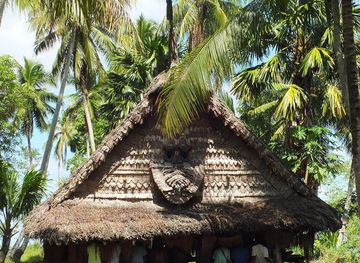
The Momase Region in Papua New Guinea is a vibrant blend of culture, history, and natural beauty. Located along the northern coast, this region is known for its stunning beaches, lush rainforests, and diverse wildlife. The name 'Momase' is derived from the first letters of the provinces Morobe, Madang, and Sepik. Each province offers a unique experience for tourists, from the bustling city life in Lae to the serene Sepik River. Madang is a paradise for underwater enthusiasts. Its crystal-clear waters are perfect for diving and snorkeling, revealing a world of colorful coral reefs and exotic marine life. On land, visitors can explore historical sites, including World War II relics and traditional villages that offer a glimpse into the local culture. The Sepik River, one of the largest river systems in the world, is a highlight of the Momase Region. A journey along this river provides an opportunity to see traditional stilt houses, intricate wood carvings, and vibrant cultural festivals. The river's surrounding rainforests are home to unique flora and fauna, making it a haven for nature lovers. Morobe Province, with its capital Lae, is the industrial hub of Papua New Guinea. However, it also boasts picturesque landscapes, from the lush Huon Peninsula to the rugged Finisterre Range. Lae's Botanical Gardens and the Rainforest Habitat are must-visit spots for those interested in the region's rich biodiversity.

Know before you go
Hi, I'm Eve. Here are a few practical things to know before exploring Momase Region.
- Carry local currency, as ATMs and card payment facilities may be limited in remote areas.
- Respect local customs and traditions, especially when visiting villages and cultural sites.
- Hire a local guide for a more immersive and informative experience, especially for river tours and hikes.
- Bring insect repellent and sun protection, as the tropical climate can be quite intense.
- Ensure you have appropriate travel insurance that covers adventure activities like diving and trekking.
Top City Travel Guides in Momase Region
The cities of Momase Region, and the easiest places to base yourself.


Destinations in Momase Region
Resorts, valleys and scenic spots worth a trip of their own.


Best restaurants in Momase Region
Top-rated picks
Best Restaurants

Lae City Hotel
Discover comfort and culture at Lae City Hotel in Morobe Province - your ideal base for exploring Papua New Guinea's stunning landscapes.

Dynasty Seafood Restaurant
Discover fresh seafood delights at Dynasty Seafood Restaurant in Port Moresby’s Vision City Mega Mall—an unforgettable dining experience awaits!
Crossroads Hotel
Discover comfort at Crossroads Hotel in Lae - your gateway to exploring Morobe Province's rich culture and stunning landscapes.

Savannah Bistro
Discover culinary excellence at Savannah Bistro in Port Moresby - where local flavors meet international cuisine.

Best bars in Momase Region
Top-rated picks
Best Bars

Madang Resort Hotel
Experience the beauty of Papua New Guinea at Madang Resort Hotel, a perfect blend of relaxation, adventure, and cultural richness.

Jackson's Bar Restaurant & Gaming
Discover the lively atmosphere of Jackson's Bar Restaurant & Gaming in Port Moresby, where delicious cuisine meets exciting entertainment.

Alibi Bar & Grill
Savor the vibrant culinary delights of Alibi Bar & Grill in Port Moresby, where local flavors meet international cuisine in a lively atmosphere.

Port Terrace Restaurant & Bar
Experience the vibrant culinary scene at Port Terrace Restaurant & Bar, where local flavors meet stunning views in Port Moresby.

Best nightclubs in Momase Region
Top-rated picks
Best Nightclubs

Lae Yacht Club
Experience the nautical charm and vibrant social scene at Lae Yacht Club in the heart of Morobe Province, Papua New Guinea.

The Gold Club
Experience electrifying nightlife at The Gold Club in Port Moresby, where music, drinks, and energetic vibes create unforgettable memories.

Club Illusion PNG
Discover the heartbeat of Port Moresby's nightlife at Club Illusion PNG, where unforgettable nights and lively music await you.

Club Regal
Discover the energy of Port Moresby's nightlife at Club Regal, where great music meets a vibrant atmosphere for an unforgettable evening.

Best shops in Momase Region
Top-rated picks
Best Shops

Vision City Mega Mall
Discover a shopping paradise at Vision City Mega Mall, where local culture meets modern retail in Port Moresby.

Port Moresby Nature Park
Explore Port Moresby Nature Park, a tropical paradise blending a botanical garden, zoo, and recreation center showcasing Papua New Guinea's rich biodiversity.

Stop N Shop Harbour City
Explore the heart of Port Moresby at Stop N Shop Harbour City, a vibrant shopping mall offering diverse shops, dining, and entertainment for all.

Brian Bell Plaza
Experience shopping and local culture at Brian Bell Plaza, the premier shopping mall in Madang, Papua New Guinea.

Explore Momase Region on the Map
A handpicked selection of must-see spots in Momase Region, mapped for you.
Momase Region Essentials
-
The Momase Region can be accessed by both air and sea. The main entry point by air is the Nadzab Airport near Lae, which offers both domestic and limited international flights. For those arriving internationally, Port Moresby’s Jacksons International Airport can be used as a gateway, followed by a domestic flight to Nadzab. For sea travel, the Lae Port is a major seaport, and there are ferry services connecting various coastal towns. Additionally, overland travel from the Highlands region is possible via the Highlands Highway that connects to Lae.
-
Within the Momase Region, transportation options include buses, minibuses (known locally as PMVs - Public Motor Vehicles), taxis, and private car rentals. PMVs are the most commonly used form of public transport and are quite affordable, though they can be crowded and their schedules are not always reliable. Taxis are available in larger towns like Lae and Madang, but it is advisable to negotiate the fare beforehand. Renting a car provides the most flexibility for exploring remote areas, but be aware that road conditions can vary significantly.
-
The official currency in Papua New Guinea is the Papua New Guinean Kina (PGK). Credit cards are accepted in major hotels, restaurants, and larger stores in urban areas like Lae and Madang. However, it is advisable to carry cash, especially when visiting rural areas where card facilities may not be available. ATMs are available in larger towns, but it is wise to withdraw sufficient cash before traveling to more remote locations.
-
The Momase Region has areas with varying safety levels. While Lae and Madang are generally safe during the day, they have neighborhoods with higher crime rates, particularly after dark. It is advisable to avoid walking alone at night and to stay in well-lit and populated areas. Always keep an eye on your belongings and avoid displaying valuable items. Seek advice from locals or your accommodation on areas to avoid.
-
In case of an emergency, dial 111 for police, fire, and medical assistance. Lae and Madang have hospitals and clinics that can handle medical emergencies. It is highly recommended to have travel insurance that covers medical evacuation, as some medical facilities may be limited. For minor health issues, pharmacies are available in larger towns.
-
Fashion: Do dress modestly, especially in rural areas. Avoid wearing revealing clothing. Religion: Do respect local customs and traditions. When visiting churches or sacred sites, dress conservatively and remove your hat. Public Transport: Do be respectful and patient, as PMVs can be crowded. Don't expect strict adherence to schedules. Greetings: Do greet people with a friendly 'good morning' or 'good afternoon.' A handshake is also common. Eating & Drinking: Do try local foods and accept food offerings graciously. Don't refuse hospitality, as it is considered impolite.
-
To experience the Momase Region like a local, visit the local markets where you can buy fresh produce, handicrafts, and traditional items. Engage with the locals, who are often friendly and willing to share their culture and stories. Don’t miss out on visiting historical sites such as the Madang Museum and the World War II relics in Lae. For a unique experience, take a boat trip to one of the many offshore islands near Madang, which offer pristine beaches and excellent snorkeling opportunities.
When is the best time to visit Momase Region?
Useful Local Phrases for Momase Region
You don't need to speak the language perfectly. Even learning a few simple words can make conversations warmer—and locals usually appreciate the effort.
— Eve

Here are the phrases I use most often in Momase Region. Try a few—you'll be surprised how far they go! 😊
❤️
-
- HelloNok
[nɔk] - GoodbyeKisim gut
[kiːsim ɡʊt] - YesAyo
[aɪoʊ] - NoNau
[naʊ] - Please/You're welcomePlis
[plɪs] - Thank youTenkyu
[tɛnˈkjuː] - Excuse me/SorrySori
[sɔri] - How are you?Yu orait?
[juː ɔːraɪt] - Fine. And you?Orait. Na yu?
[ɔːraɪt. nɑ juː] - Do you speak English?Yu tokim Inglis?
[juː toʊkɪm ˈɪŋɡlɪʃ] - I don't understandMi no save
[mi noʊ sæve]
- HelloNok
-
- I'd like to see the menu, pleaseMi laik lukim menu, plis
[mi laɪk ˈlʊkɪm ˈmɛnuː, plɪs] - I don't eat meatMi no kaikai mit
[mi noʊ kaɪkaɪ mɪt] - Cheers!Toktok!
[tɔktɔk] - I would like to pay, pleaseMi laik payim, plis
[mi laɪk ˈpeɪɪm, plɪs]
- I'd like to see the menu, pleaseMi laik lukim menu, plis
-
- Help!Help!
[hɛlp] - Go away!Go we!
[ɡoʊ weɪ] - Call the Police!Kolim polis!
[koʊlɪm pəˈliːs] - Call a doctor!Kolim doktor!
[koʊlɪm ˈdɒktər] - I'm lostMi lus
[mi lus] - I'm illMi sik
[mi sɪk]
- Help!Help!
-
- I'd like to buy...Mi laik buy...
[mi laɪk baɪ] - I'm just lookingMi lukim tasol
[mi ˈlʊkɪm ˈtɑːsɔl] - How much is it?Hao planti?
[haʊ ˈplænti] - That's too expensiveDispela i tu mipela
[dɪsˈpɛlə aɪ tuː ˈmɪpɛlə] - Can you lower the price?Yu ken daunim prais?
[juː kɛn ˈdaʊnɪm praɪs]
- I'd like to buy...Mi laik buy...
-
- What time is it?Wanem taim?
[ˈwʌnɛm taɪm] - It's one o'clockEm wan oklok
[ɛm wʌn oʊˈklɒk] - Half past (10)Hafi pas ten
[ˈhæfi pɑːst tɛn] - MorningMoning
[ˈmɔrnɪŋ] - AfternoonAftanun
[æfˈtɜrnʌn] - EveningIvin
[ˈivɪn] - YesterdayYestede
[ˈjɛstərdeɪ] - TodayTude
[tʊdeɪ] - TomorrowTumora
[tʊˈmɔrɔ] - 1Wan
[wʌn] - 2Tu
[tuː] - 3Tri
[triː] - 4Foa
[fɔː] - 5Faiv
[faɪv] - 6Siks
[sɪks] - 7Seven
[ˈsɛvən] - 8Eit
[eɪt] - 9Nain
[naɪn] - 10Ten
[tɛn]
- What time is it?Wanem taim?
-
- Where's a/the...?Wea na...?
[weɪ nɑ] - What's the address?Wanem adres?
[ˈwʌnɛm ˈædrɛs] - Can you show me (on the map)?Yu ken soim mi (long map)?
[juː kɛn ˈsɔɪm mi lɒŋ mæp] - When's the next (bus)?When na next (bus)?
[wɛn nɑ nɛkst bʌs] - A ticket (to ....)Wan tiket (go ...)
[wʌn ˈtɪkɪt goʊ]
- Where's a/the...?Wea na...?
History of Momase Region
-
The Momase Region, comprising Morobe, Madang, East Sepik, and West Sepik provinces, is rich with history dating back thousands of years. Indigenous tribes, such as the Sepik people, have thrived along the Sepik River, developing complex societies with intricate artistic traditions, including wood carving, pottery, and elaborate ceremonial masks. The region's diverse topography, from coastal areas to dense rainforests, has influenced the cultural practices and lifestyles of its inhabitants.
-
In the late 19th century, European explorers and missionaries arrived in the Momase Region. German colonizers initially established control over parts of the region, particularly in Madang and Morobe provinces. Lutheran missionaries played a significant role in the cultural and religious transformation of the local population, establishing schools and churches. The spread of Christianity brought significant changes to traditional practices and social structures.
-
The Momase Region was a significant battleground during World War II. The Japanese forces occupied parts of the region, including Madang and Wewak, turning them into strategic military bases. The Allies launched several critical campaigns to reclaim these areas, leading to fierce battles such as the Battle of Wewak. The remnants of wartime infrastructure and relics, including aircraft wrecks and bunkers, can still be found throughout the region, serving as poignant reminders of the conflict.
-
After World War II, the Momase Region underwent significant reconstruction and development. Infrastructure improvements, including roads and airstrips, facilitated better connectivity and economic growth. The region played a crucial role in Papua New Guinea's journey to independence, achieved in 1975. Post-independence, the region has continued to evolve, balancing traditional practices with modern development.
-
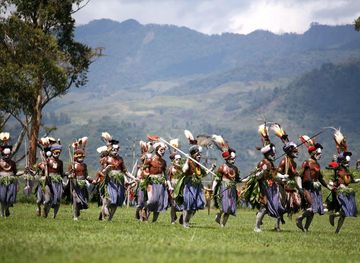
The Momase Region is renowned for its vibrant cultural festivals, which celebrate the rich heritage and traditions of its diverse communities. The annual Morobe Show in Lae showcases traditional dances, music, and crafts from various tribes. The Sepik River Crocodile Festival in Ambunti highlights the cultural significance of crocodiles in local mythology and traditions. These festivals offer a unique glimpse into the region's cultural diversity and artistic expressions.
-
The Momase Region is home to some of Papua New Guinea's most diverse ecosystems, including the rainforests of the Huon Peninsula and the coral reefs of Madang. Efforts to preserve these natural habitats have been increasingly important, with local and international organizations working to promote sustainable practices and protect endangered species. Conservation initiatives are crucial for maintaining the region's biodiversity and supporting the livelihoods of indigenous communities.
Neighbouring Regions of Momase Region
The closest regions to Momase Region, if you have time for more than one.




Your all‑in‑one travel companion app
Explore expert travel guides, compare and book tours, experiences, hotels, and more—all from the palm of your hand. Download now for seamless trip planning wherever your wanderlust takes you.


Explore More of Papua New Guinea

Looking beyond Momase Region? Discover Papua New Guinea for broader travel guides, local hot-spots, and regional highlights.
Explore Papua New GuineaMomase Region in Photos
Browse through our photo collection highlighting the charm and character of the destination.




Momase Region: Papua New Guinea's Coastal Gem
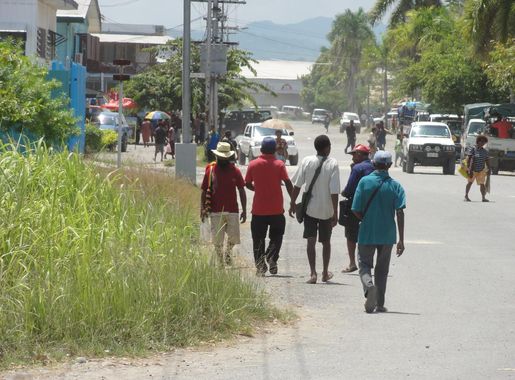
The Momase Region in Papua New Guinea is a vibrant blend of culture, history, and natural beauty. Located along the northern coast, this region is known for its stunning beaches, lush rainforests, and diverse wildlife. The name 'Momase' is derived from the first letters of the provinces Morobe, Madang, and Sepik. Each province offers a unique experience for tourists, from the bustling city life in Lae to the serene Sepik River. Madang is a paradise for underwater enthusiasts. Its crystal-clear waters are perfect for diving and snorkeling, revealing a world of colorful coral reefs and exotic marine life. On land, visitors can explore historical sites, including World War II relics and traditional villages that offer a glimpse into the local culture. The Sepik River, one of the largest river systems in the world, is a highlight of the Momase Region. A journey along this river provides an opportunity to see traditional stilt houses, intricate wood carvings, and vibrant cultural festivals. The river's surrounding rainforests are home to unique flora and fauna, making it a haven for nature lovers. Morobe Province, with its capital Lae, is the industrial hub of Papua New Guinea. However, it also boasts picturesque landscapes, from the lush Huon Peninsula to the rugged Finisterre Range. Lae's Botanical Gardens and the Rainforest Habitat are must-visit spots for those interested in the region's rich biodiversity.