

Free Enga Region Travel Guide & Mobile App
Explore Enga Region with free travel guides. Discover regional history, expert tips, proposed trips, and audio guides on web or mobile app.


Explore Enga Region in Papua New Guinea for cool highland valleys, Enga culture, mountain scenery, village gardens and Wabag’s cultural traditions.
Read more about Enga Region
Getting to and around Enga Region
How to get there
Transportation
Top city travel guides in Enga Region
The cities of Enga Region, and the easiest places to base yourself.

Swipe for more cities
Best attractions in Enga Region
Enga’s attractions lie chiefly in its highland environment and living cultural traditions. Wabag provides the clearest introduction to the province, with access to local cultural activity and the annual Enga Cultural Show when it is scheduled. Beyond the capital, road journeys through the Lai, Wapenamanda and other upland valleys reveal steep ridges, cultivated slopes, forested gullies and settlements linked by winding mountain routes. The scenery is rewarding for visitors interested in photography, gardens and the everyday landscapes of the Papua New Guinean highlands, though viewpoints and walking routes are rarely developed as formal tourism facilities. Village visits and cultural presentations should be arranged through local contacts, with permission obtained before entering land or taking photographs. Porgera offers an important perspective on contemporary resource development and the transformation of a remote highland area, but its mine is an operating industrial site rather than a recreational attraction. Enga is not a destination for a tightly packaged sightseeing circuit; its value lies in carefully arranged encounters with place, community, history and mountain life.
-
 Archaeological site
Kuk Swamp
Explore Kuk Swamp, a UNESCO World Heritage Site in Papua New Guinea, where ancient agriculture meets breathtaking natural beauty.
-
Tourist attraction
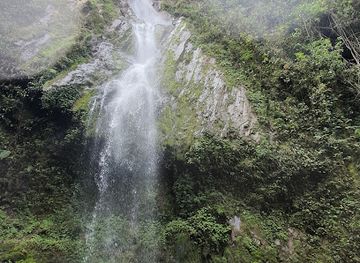
Ippe Waterfall
Experience the breathtaking beauty of Ippe Waterfall in Enga Province, a hidden gem perfect for nature lovers and adventurers alike.
-
Garden
Miokrest Rural Agri-tech
Experience the serene beauty of Miokrest Rural Agri-tech in Enga Province, where agriculture meets nature in a breathtaking landscape.
-
Tourist attraction
Engual Cultural Centre
Experience the vibrant traditions and rich culture of Papua New Guinea at the Engual Cultural Centre in the stunning Western Highlands.
Best landmarks in Enga Region
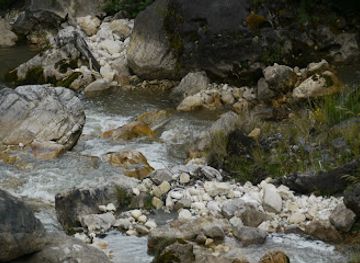
Wabag is Enga’s principal civic landmark, occupying a highland valley that expresses the province’s combination of administration, commerce, churches and local community life. Its position makes the town an effective reference point for understanding how settlements are linked across steep terrain. The cultivated valleys and grass-covered ridges around Wabag and Wapenamanda are themselves defining geographical landmarks: gardens, houses and roads appear in narrow bands between mountain slopes and forested waterways. Farther west, Porgera is recognised for its rugged setting and the large gold-mining complex that has reshaped the local economy and national perceptions of Enga; because it is an active industrial area, visitors must not approach restricted facilities or assume public access. The visual importance of Enga’s landscape lies in the relationship between mountains, gardens and settlement rather than in a concentration of monumental architecture. Local churches, community grounds and ceremonial spaces may be significant to residents, but their use and access should always be guided by local permission.
-
Archaeological site
Kuk Swamp
Explore the ancient agricultural practices at Kuk Swamp, a UNESCO World Heritage Site in Papua New Guinea's breathtaking Western Highlands.
Explore Enga Region on the map
Plan your trip on one map. See where the top cities, national parks and sights are, and book hotels and experiences in a few clicks.
Best hotels in Enga Region
Best restaurants in Enga Region
Dining in Enga is practical and locally oriented, with meals in Wabag accommodation, small eateries and roadside settings rather than a large restaurant scene. Sweet potato is a foundational highland crop and may appear alongside greens, other vegetables, rice, noodles or meat. Pork has important ceremonial and social associations, although availability and preparation vary. Garden produce is often freshest and most seasonal outside formal restaurants, while markets and roadside sellers can provide fruit and simple cooked foods when supplies are available. Visitors should expect menus to be more limited in rural districts and should carry suitable snacks for long road journeys. Tea, coffee and bottled drinks are common refreshment choices, while alcohol consumption should be approached in accordance with local guidance and the rules of accommodation providers. Food traditions are best understood through the region’s gardens, exchange relationships and community gatherings rather than through a highly specialised dining industry.
-
Indian
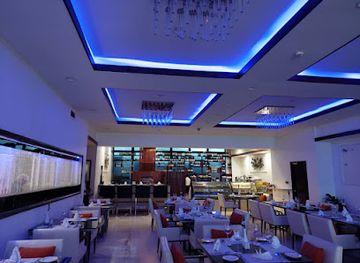
Signature Epicure
Discover vibrant Indian flavors at Signature Epicure in Mount Hagen - a culinary adventure awaits!
Best bars in Enga Region
Enga has no extensive, reliably established nightclub culture for international visitors. Evening social life is concentrated in accommodation venues, small local bars where available, church and community events, and informal gatherings in the larger settlements, especially Wabag. In rural areas, evenings are generally quiet, and darkness, transport limitations and security considerations make it unwise to move between venues late at night. Visitors should use only places recommended by trusted local contacts and should follow accommodation rules concerning alcohol. Cultural shows and community celebrations may include music and dancing, but these are not interchangeable with commercial nightlife and should be experienced respectfully. The region’s evening character is shaped more by conversation, local hospitality and organised community life than by a late-night entertainment circuit.
-
Bar
Numing Bar
Experience the vibrant nightlife of Mount Hagen at Numing Bar, where refreshing drinks and local culture come together in a lively atmosphere.
Best nightclubs in Enga Region
Enga has no extensive, reliably established nightclub culture for international visitors. Evening social life is concentrated in accommodation venues, small local bars where available, church and community events, and informal gatherings in the larger settlements, especially Wabag. In rural areas, evenings are generally quiet, and darkness, transport limitations and security considerations make it unwise to move between venues late at night. Visitors should use only places recommended by trusted local contacts and should follow accommodation rules concerning alcohol. Cultural shows and community celebrations may include music and dancing, but these are not interchangeable with commercial nightlife and should be experienced respectfully. The region’s evening character is shaped more by conversation, local hospitality and organised community life than by a late-night entertainment circuit.
-
Mine
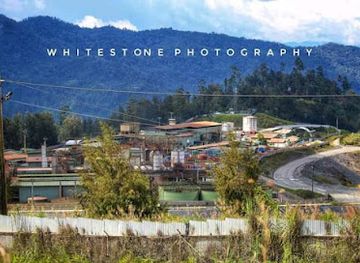
Porgera Gold Mining
Explore the heart of gold mining at Porgera Gold Mining in Enga Province, a unique blend of nature, culture, and industry.
-
Night club
Club Illusion PNG
Discover the pulsating nightlife of Port Moresby at Club Illusion PNG, the ultimate destination for music, dance, and entertainment.
-
Club
Mt Hagen Club
Discover the lively atmosphere of Mt Hagen Club, a local favorite for entertainment, gaming, and a taste of the vibrant culture in the heart of the Western Highlands.
Best shops in Enga Region
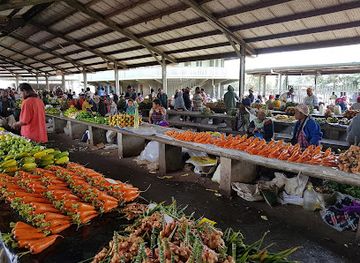
Shopping in Enga is centred on everyday markets, small stores and roadside stalls rather than large retail complexes. Wabag offers the broadest choice of basic goods and locally arranged supplies, while district centres provide more limited provisions. Seasonal garden produce, including sweet potatoes, greens and other vegetables, is among the most characteristic local purchases. Visitors may also encounter locally made bilum bags, woven items or other craftwork, but availability, quality and prices vary and should be discussed respectfully with the maker or seller. Enga-themed souvenirs are more likely to be found during cultural events such as the Enga Cultural Show than in a permanent tourist-shopping district. Carry sufficient cash, as markets and small traders generally cannot process cards. Avoid buying ceremonial objects or culturally sensitive items unless their ownership, use and export are clearly understood.
-
Shopping mall
Vision City Mega Mall
Discover the best shopping, dining, and entertainment experiences at Vision City Mega Mall in Port Moresby, Papua New Guinea.
-
Grocery store
Tininga Hagen Central
Explore Tininga Hagen Central, Mount Hagen's premier grocery store, offering local flavors and a friendly shopping experience.
-
Fresh food market
Mount Hagen Market
Explore Mount Hagen Market: A vibrant fresh food market showcasing local produce, culture, and craftsmanship in the heart of Papua New Guinea.
-
Shopping mall
Rangeview Plaza - Retail and Residential
Explore the vibrant Rangeview Plaza in Port Moresby, a shopping haven offering diverse retail, dining, and entertainment options for everyone.
Get your free copy of our complete guide to Enga Region, delivered straight to you.
Everything on this page, from attractions and restaurants to essentials and local phrases, in one PDF you can read offline, print or share.
Already have an account? Sign in
Your Enga Region guide is ready.
We'll send it to · Not you? Sign out

Getting your guide ready…
We are putting together a fresh copy of the Enga Region guide. This can take up to a minute.
This can take a few moments. If your browser asks, choose Allow so the download can start. You'll find the guide in your Downloads folder.
Nothing happened? Download it again
Sorry, the guide is taking longer than usual. Please try again in a minute, or get it by email instead.
Enga Region essentials
Currency and Payment
Safety
Emergency Situations
Do's and Don'ts
Local Tips
From Eve
Local phrases worth knowing
You don't need to get them perfect. A few words go a long way, and locals appreciate the effort.
Basics
| English | Local | Say it |
|---|---|---|
| Hello | Nanu | [nah-noo] |
| Goodbye | Wara | [wah-rah] |
| Yes | Aia | [ah-ee-ah] |
| No | Nai | [nah-ee] |
| Please/You're welcome | Nami | [nah-mee] |
| Thank you | Tukim yu | [too-keem yoo] |
| Excuse me/Sorry | Sori | [soh-ree] |
| How are you? | Yu orait? | [yoo oh-rite] |
| Fine. And you? | Orait. Na yu? | [oh-rite nah yoo] |
| Do you speak English? | Yu tokim Inglis? | [yoo toh-keem ing-lis] |
| I don't understand | Mi no inap | [mee noh ee-nahp] |
Eating & Drinking
| English | Local | Say it |
|---|---|---|
| I'd like to see the menu, please | Mi likim lukim menu, plis | [mee lee-keem loo-keem meh-noo plis] |
| I don't eat meat | Mi no kaikai mit | [mee noh kai-kai meet] |
| Cheers! | Kisim! | [kee-sim] |
| I would like to pay, please | Mi likim payim, plis | [mee lee-keem pai-im plis] |
Emergencies
| English | Local | Say it |
|---|---|---|
| Help! | Help! | [help] |
| Go away! | I go long! | [ee go long] |
| Call the Police! | Kolim polis! | [koh-leem poh-lis] |
| Call a doctor! | Kolim dokta! | [koh-leem dok-tah] |
| I'm lost | Mi lus | [mee loos] |
| I'm ill | Mi sik | [mee seek] |
Shopping
| English | Local | Say it |
|---|---|---|
| I'd like to buy... | Mi likim bai... | [mee lee-keem bye...] |
| I'm just looking | Mi soim lukim | [mee so-im loo-keem] |
| How much is it? | Ham naim? | [ham nah-im] |
| That's too expensive | Dis i tu maket | [dis ee too mah-ket] |
| Can you lower the price? | Yu inap loim prais? | [yoo ee-nahp loy-m pryse] |
Time & Numbers
| English | Local | Say it |
|---|---|---|
| What time is it? | Wanem taim? | [wah-nem time] |
| It's one o'clock | Em wan klok | [em wahn klok] |
| Half past (10) | Haf past ten | [haf pahst ten] |
| Morning | Moning | [moh-ning] |
| Afternoon | Aftanun | [ahf-tah-noon] |
| Evening | Ivening | [ee-ven-ing] |
| Yesterday | Yestide | [yes-ti-deh] |
| Today | Tude | [too-deh] |
| Tomorrow | Tumoro | [too-moh-roh] |
| 1 | Wan | [wahn] |
| 2 | Tu | [too] |
| 3 | Thri | [three] |
| 4 | Four | [for] |
| 5 | Faiv | [five] |
| 6 | Siks | [six] |
| 7 | Seven | [seven] |
| 8 | Eit | [eight] |
| 9 | Nain | [nine] |
| 10 | Ten | [ten] |
Transport & Directions
| English | Local | Say it |
|---|---|---|
| Where's a/the...? | Wea a/the...? | [weh-ah a/the] |
| What's the address? | Wanem adres? | [wah-nem ah-dress] |
| Can you show me (on the map)? | Yu inap soim mi (long map)? | [yoo ee-nahp soy-m mee (long map)] |
| When's the next (bus)? | When em nekst (bus)? | [when em nekst (bus)] |
| A ticket (to ....) | Wan tiket (long ....) | [wahn tee-ket (long ....)] |
History of Enga Region
Long Highland Settlement and Enga Society
Enga’s valleys and uplands have been occupied and cultivated for many generations. Enga communities developed detailed knowledge of mountain soils, water, crops and seasonal conditions, with sweet-potato gardening becoming central to subsistence and exchange. Social life was organised through extended family relationships, exchange networks, bridewealth and ceremonial obligations, with pigs holding important economic and symbolic roles. Oral histories preserve accounts of migration, ancestry, disputes and alliances. Although written records are comparatively recent, these living traditions provide an essential historical context for understanding the region’s villages, gardens and ceremonial gatherings.
Missionaries, Patrols and Colonial Administration
Regular Australian colonial patrols and Christian missions reached the Enga highlands during the twentieth century, bringing the region into more sustained contact with the administration of the Territory of New Guinea and later the Territory of Papua and New Guinea. Mission stations, schools and health services altered patterns of education and worship, while patrol posts extended government authority. These encounters also introduced new forms of labour, trade and law. Highland communities did not simply abandon earlier institutions; instead, customary leadership, church organisations and state administration developed alongside one another.
Enga Province and Papua New Guinea’s Independence
The area became a distinct province during the period of political reorganisation that preceded Papua New Guinea’s independence in 1975. Provincial government gave Enga a more formal administrative identity, with Wabag as its capital and district centres providing services across a difficult mountain terrain. Independence brought national citizenship and parliamentary politics while leaving customary authority and local community structures highly influential. The province’s dispersed settlements, linguistic diversity and challenging transport links have continued to shape how education, healthcare, government and commerce reach rural areas.
Porgera Gold and Economic Transformation
Gold exploration in the Porgera area eventually led to the development of a major mine, which began production in the early 1990s. The project brought roads, employment, royalties and new commercial connections, making Porgera one of Papua New Guinea’s best-known resource areas. It also created difficult debates over land, environmental effects, benefit sharing, relocation and the relationship between customary owners, provincial communities, the state and mining companies. Porgera’s history is therefore not only an industrial story but also part of the wider national discussion about resource development and local rights.
The Enga Cultural Show and Public Cultural Expression
The Enga Cultural Show emerged in the late twentieth century as a major public celebration of the province’s communities and cultural identity. Performers from different parts of Enga present distinctive dress, dances, music and ceremonial styles, allowing traditions that were once primarily observed within local communities to be shared in a provincial setting. The show also reflects contemporary Papua New Guinea, where cultural festivals support local identity, tourism and inter-community dialogue. Its schedule and programme can vary, so visitors should confirm current arrangements rather than relying on old calendars.
Contemporary Enga: Agriculture, Services and Mobility
Modern Enga combines subsistence and small-scale commercial gardening with public-sector employment, trade, church activity, transport businesses and large resource projects. Improved education and communications have connected many residents to other parts of Papua New Guinea, while migration and urbanisation have linked the province to national centres beyond the highlands. At the same time, steep topography, landslides, limited roads and uneven services remain persistent constraints. The region’s present character is best understood as a continuing negotiation between long-established highland systems and the opportunities and pressures of modern Papua New Guinea.
Enga Region in Photos
Browse through our photo collection highlighting the charm and character of the destination.
Neighbouring regions of Enga Region
The closest regions to Enga Region, if you have time for more than one.
-

-

-

-

-


Swipe for more regions
Explore more

Explore more of Papua New Guinea
Discover Papua New Guinea, where ancient cultures meet untamed wilderness. From vibrant festivals to stunning natural landscapes, an adventure awaits in this Pacific gem.
Explore Papua New Guinea