

Free Gulf Province Travel Guide & Mobile App
Explore Gulf Province with free travel guides. Discover regional history, expert tips, proposed trips, and audio guides on web or mobile app.


Gulf Province reveals Papua New Guinea’s river deltas, mangrove coast, rainforest cultures and remote waterways through carefully planned journeys.
Read more about Gulf Province
When is the best time to visit Gulf Province?
Best: June–August · 30°C| Month | High (°C) | Rainfall (mm) |
|---|---|---|
| January | 31 | 300 |
| February | 31 | 300 |
| March | 31 | 250 |
| April | 31 | 200 |
| May | 30 | 150 |
| June (best) | 30 | 100 |
| July (best) | 30 | 100 |
| August (best) | 30 | 100 |
| September | 30 | 150 |
| October | 31 | 200 |
| November | 31 | 250 |
| December | 31 | 300 |
Getting to and around Gulf Province
How to get there
Transportation
Top city travel guides in Gulf Province
The cities of Gulf Province, and the easiest places to base yourself.

Swipe for more cities
Destinations in Gulf Province
Resorts, valleys and scenic spots worth a trip of their own.

Swipe for more destinations
Best attractions in Gulf Province
-
Tourist attraction
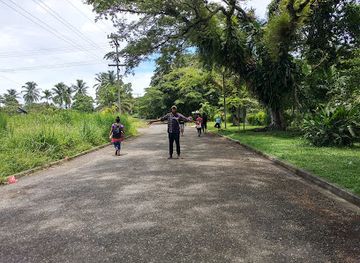
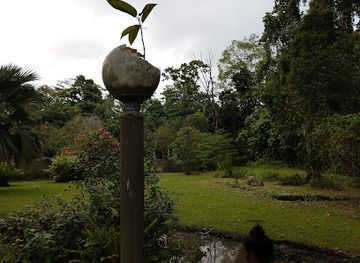
Lae Botanic Gardens
Explore Lae Botanic Gardens, a serene oasis showcasing the breathtaking flora of Papua New Guinea. A must-visit for nature enthusiasts in Lae.
-
Traditional market
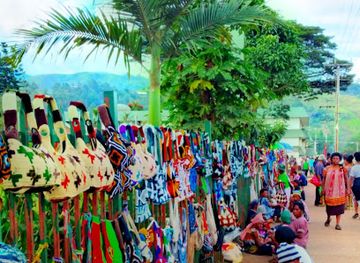
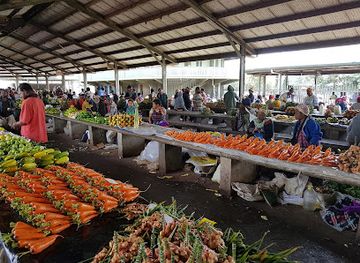
Goroka Main Market
Experience the vibrant culture and traditions of Papua New Guinea at Goroka Main Market, a lively hub of local commerce and flavors.
-
Tourist attraction
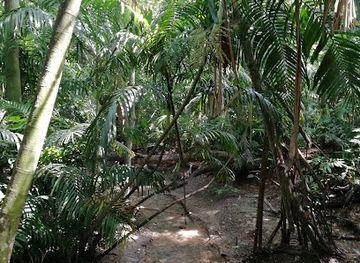
Rainforest Habitat
Discover the breathtaking biodiversity of Rainforest Habitat, a serene park attraction in Lae, Morobe Province, perfect for nature lovers and adventure seekers.
-
Tourist attraction
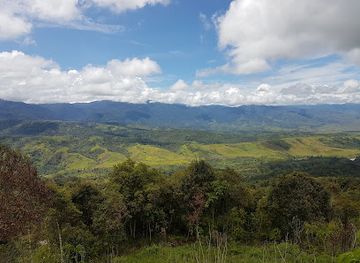
McAdam National Park
Explore the natural wonders of McAdam National Park, a hidden gem in Morobe Province with lush landscapes and diverse wildlife for nature enthusiasts.

Best landmarks in Gulf Province
-
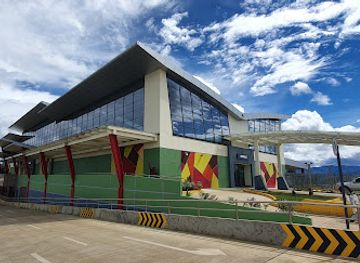
Airport
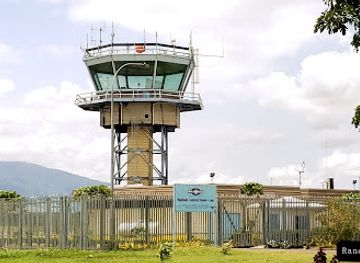
Lae Nadzab Airport AYNZ
Discover the gateway to Papua New Guinea at Lae Nadzab Airport, where adventure and culture meet in a stunning tropical paradise.
-
Botanical garden
Lae Botanic Gardens
Explore the enchanting Lae Botanic Gardens, a lush retreat showcasing diverse plant life and the serene beauty of Papua New Guinea.
-
Airport
ANZ Goroka Corporate Centre
Explore Goroka's cultural richness at the ANZ Goroka Corporate Centre, a modern hub in the heart of Papua New Guinea's Eastern Highlands.
-
 Indoor lodging
Pacific Gardens Hotel
Experience the tranquility and rich culture of Goroka at Pacific Gardens Hotel, your perfect retreat in the Eastern Highlands of Papua New Guinea.
Explore Gulf Province on the map
Plan your trip on one map. See where the top cities, national parks and sights are, and book hotels and experiences in a few clicks.
Best hotels in Gulf Province
Best restaurants in Gulf Province
Dining in Gulf Province is closely tied to local supply, seasonal availability and household cooking rather than a developed restaurant scene. Sago is a central food in many wetland communities and may be prepared in different forms alongside fish, shellfish, greens, root crops and garden produce. Rice, tinned goods and other imported staples are also common, particularly in town markets and stores. Kerema offers the widest choice of basic eateries, takeaway food and accommodation-based meals, while food options in river settlements can be very limited and need to be arranged in advance. Visitors should carry suitable snacks for journeys and clarify whether meals are included in transport, village visits or accommodation. Local markets provide insight into the movement of garden produce, bananas, coconuts and fish, though supply varies. Food hygiene deserves attention in hot, remote conditions: drink treated or sealed water, eat freshly cooked food where possible and take medical advice about precautions before travelling.
-
Restaurant
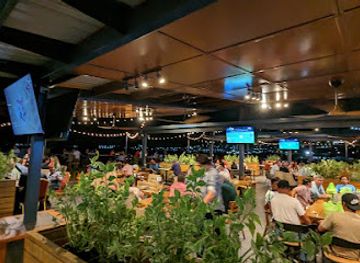
Alibi Bar & Grill
Discover the vibrant flavors of Alibi Bar & Grill in Port Moresby - where local meets global cuisine in a stunning harbourside setting.
-
Seafood
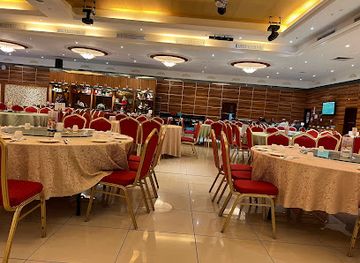
Dynasty Seafood Restaurant
Discover fresh seafood delights at Dynasty Seafood Restaurant in Vision City Mega Mall, Port Moresby – where every bite tells a story.
-
Japanese
Daikoku Japanese Steak House
Savor the art of Japanese cooking at Daikoku Japanese Steak House in Port Moresby - where tradition meets flavor.
-
Brunch
Edge Cafe Port Moresby
Discover delicious brunch options at Edge Cafe Port Moresby - where local flavors meet international favorites in a cozy atmosphere.


Best bars in Gulf Province
Gulf Province does not have a substantial nightclub circuit, and evening life is concentrated in Kerema and a small number of larger settlements. Licensed hotel bars, informal drinking places and simple social venues may be available, but opening arrangements, supplies and security can change. In rural and river communities, evenings are more likely to centre on family gatherings, conversation, church life or community activities than on commercial nightlife. Visitors should follow local advice, avoid walking alone after dark and drink moderately, especially when accommodation and transport are limited. Live music and social events may occur through local, church or community networks, but should be treated as occasional rather than scheduled tourist entertainment. The most rewarding evening experiences are often quiet: listening to the river, sharing food with hosts by invitation or learning about local life without assuming that alcohol is central to hospitality.
-
Hotel
The Stanley Hotel & Suites
Experience luxury and comfort at The Stanley Hotel & Suites, your premier destination in Port Moresby, Papua New Guinea.
-
Hotel
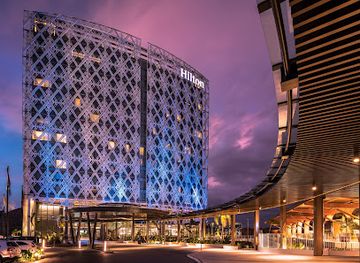
Hilton Port Moresby Hotel & Residences
Discover the luxurious Hilton Port Moresby Hotel & Residences, where comfort meets elegance in Papua New Guinea's vibrant capital.
-
Hotel
Airways Hotel
Discover unparalleled luxury and breathtaking views at Airways Hotel, your perfect getaway in Port Moresby.
-
Hotel
Lamana Hotel
Discover the heart of Port Moresby at Lamana Hotel, where comfort meets local culture in a vibrant setting.

Best nightclubs in Gulf Province
Gulf Province does not have a substantial nightclub circuit, and evening life is concentrated in Kerema and a small number of larger settlements. Licensed hotel bars, informal drinking places and simple social venues may be available, but opening arrangements, supplies and security can change. In rural and river communities, evenings are more likely to centre on family gatherings, conversation, church life or community activities than on commercial nightlife. Visitors should follow local advice, avoid walking alone after dark and drink moderately, especially when accommodation and transport are limited. Live music and social events may occur through local, church or community networks, but should be treated as occasional rather than scheduled tourist entertainment. The most rewarding evening experiences are often quiet: listening to the river, sharing food with hosts by invitation or learning about local life without assuming that alcohol is central to hospitality.
-
Yacht club
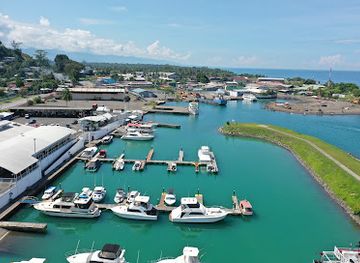
Lae Yacht Club
Discover the charm of Lae Yacht Club, a scenic retreat for relaxation, dining, and sailing adventures in Morobe Province, Papua New Guinea.
-
Disco club
Sports Inn
Discover the energetic nightlife of Port Moresby at Sports Inn, a vibrant disco club where local culture and music come alive.
-
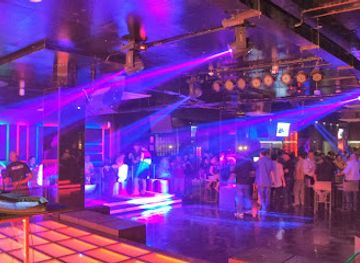
Night club
The Gold Club
Experience the vibrant nightlife at The Gold Club in Port Moresby, where music and energy collide for an unforgettable evening.
-
Night club
Club Illusion PNG
Dive into the heart of Port Moresby's nightlife at Club Illusion PNG, where vibrant music and an energetic atmosphere await.


Best shops in Gulf Province
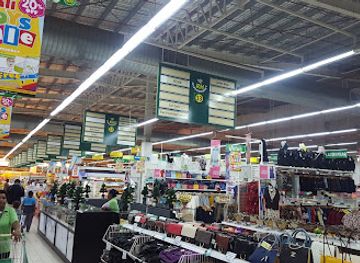
Shopping in Gulf Province is practical and small-scale, with Kerema providing the most dependable access to basic supplies, food, mobile credit and locally made items. Markets and roadside stalls may offer garden produce, coconuts, fish and other food, although selection and trading days vary. In rural districts, purchases are usually made through local stores or directly from communities with appropriate permission rather than through a formal souvenir industry. Sago, woven items, carvings and shell or fibre work may be available, but availability differs between communities and not every object is intended for sale. Ask about ownership, cultural meaning and lawful export before buying artefacts, wildlife products or old objects, and never purchase archaeological material. Travellers should obtain essential medicines, toiletries, batteries and replacement chargers before leaving Port Moresby or another major centre. Cash is important, as electronic payment and dependable retail infrastructure are limited beyond the provincial capital.
-
Shopping mall
Vision City Mega Mall
Explore Vision City Mega Mall: Port Moresby's premier shopping destination filled with diverse shops, delightful eateries, and vibrant entertainment options.
-
Tourist attraction
Port Moresby Nature Park
Discover the beauty and biodiversity of Port Moresby Nature Park, a top tourist attraction featuring lush gardens and native wildlife.
-
Hotel
Lae International Hotel
Experience the comfort and hospitality of Lae International Hotel, the perfect base for exploring Papua New Guinea's Morobe Province.
-
Fresh food market
Mount Hagen Market
Discover the vibrant culture and fresh produce at Mount Hagen Market, a true gem in the heart of Papua New Guinea's Highlands.
Get your free copy of our complete guide to Gulf Province, delivered straight to you.
Everything on this page, from attractions and restaurants to essentials and local phrases, in one PDF you can read offline, print or share.
Already have an account? Sign in
Your Gulf Province guide is ready.
We'll send it to · Not you? Sign out

Getting your guide ready…
We are putting together a fresh copy of the Gulf Province guide. This can take up to a minute.
This can take a few moments. If your browser asks, choose Allow so the download can start. You'll find the guide in your Downloads folder.
Nothing happened? Download it again
Sorry, the guide is taking longer than usual. Please try again in a minute, or get it by email instead.
Gulf Province essentials
Currency and Payment
Safety
Emergency Situations
Do's and Don'ts
Local Tips
From Eve
Local phrases worth knowing
You don't need to get them perfect. A few words go a long way, and locals appreciate the effort.
Basics
| English | Local | Say it |
|---|---|---|
| Hello | Nau | [Nau] |
| Goodbye | Kau | [Kau] |
| Yes | A | [Ah] |
| No | O | [Oh] |
| Please/You're welcome | Sori | [Soh-ree] |
| Thank you | Tenkiu | [Ten-kee-oo] |
| Excuse me/Sorry | Sori | [Soh-ree] |
| How are you? | Yu stap gut? | [Yoo stap goot?] |
| Fine. And you? | Gut, na yu? | [Goot, nah yoo?] |
| Do you speak English? | Yu tok English? | [Yoo tok English?] |
| I don't understand | Mi no save | [Mee noh sah-veh] |
Eating & Drinking
| English | Local | Say it |
|---|---|---|
| I'd like to see the menu, please | Mi laik lukim menu, plis | [Mee lai-kee loo-keem meh-noo, plees] |
| I don't eat meat | Mi no kaikai mit | [Mee noh kai-kai meet] |
| Cheers! | Kisim! | [Kee-sim!] |
| I would like to pay, please | Mi laik pay, plis | [Mee lai-kee pay, plees] |
Emergencies
| English | Local | Say it |
|---|---|---|
| Help! | Help! | [Help!] |
| Go away! | Go awai! | [Go ah-wai!] |
| Call the Police! | Kol polis! | [Kol poh-lis!] |
| Call a doctor! | Kol dokta! | [Kol dok-tah!] |
| I'm lost | Mi lus | [Mee looss] |
| I'm ill | Mi sik | [Mee seek] |
Shopping
| English | Local | Say it |
|---|---|---|
| I'd like to buy... | Mi laik buy... | [Mee lai-kee buy...] |
| I'm just looking | Mi soim lukim | [Mee so-im loo-keem] |
| How much is it? | Hamuch em? | [Ha-much em?] |
| That's too expensive | Dat i tu mipela | [Dat ee too mee-peh-lah] |
| Can you lower the price? | Yu ken loim prais? | [Yoo ken loy-m pryce?] |
Time & Numbers
| English | Local | Say it |
|---|---|---|
| What time is it? | Dispela taim em wanem? | [Dis-peh-lah time em wah-nem?] |
| It's one o'clock | Em wan o'clock | [Em wan oh-clock] |
| Half past (10) | Halfa past ten | [Hal-fa past ten] |
| Morning | Monin | [Mow-neen] |
| Afternoon | Aftanoon | [Af-ta-noon] |
| Evening | Ivin | [Ee-vin] |
| Yesterday | Yestade | [Yes-ta-day] |
| Today | Tude | [Too-day] |
| Tomorrow | Tumoro | [Too-mo-roh] |
| 1 | Wan | [Wahn] |
| 2 | Tu | [Too] |
| 3 | Tri | [Tree] |
| 4 | Foa | [Fo-ah] |
| 5 | Faiv | [Fah-ev] |
| 6 | Siks | [Siks] |
| 7 | Seven | [Sev-en] |
| 8 | Eit | [Eight] |
| 9 | Nain | [Nin] |
| 10 | Ten | [Ten] |
Transport & Directions
| English | Local | Say it |
|---|---|---|
| Where's a/the...? | Wea a/the...? | [Weh ah/the...?] |
| What's the address? | Wea address? | [Weh ad-dress?] |
| Can you show me (on the map)? | Yu ken soim mi (long map)? | [Yoo ken so-im mee (long map)?] |
| When's the next (bus)? | Wen em nekst (bus)? | [Wen em next (bus)?] |
| A ticket (to ....) | Wan tiket (go....) | [Wan tee-ket (go....)] |
History of Gulf Province
Ancient Wetland and River Cultures
The rivers, swamps and coastal forests of the Gulf have supported human communities for thousands of years. Archaeological evidence from the wider Gulf of Papua points to long-established exchange networks, fishing traditions, craft production and movement between coastal and inland environments. Local societies developed detailed knowledge of tides, waterways, sago palms, forest resources and seasonal food sources. The region’s many languages and cultural traditions reflect a complex history of migration, interaction and adaptation rather than a single Gulf identity. Water remains central to both the historical settlement pattern and contemporary life.
Coastal Exchange and Early European Contact
Before colonial administration, Gulf communities traded and travelled along the coast and major rivers, exchanging food, tools, shells and other locally valued materials. European and other outside contacts increased during the nineteenth century as explorers, traders, missionaries and government expeditions entered southern New Guinea. These encounters were uneven and often followed waterways, which functioned as the main routes into the interior. Foreign descriptions of the Gulf frequently misunderstood local political and cultural systems, while disease, labour demands and new religious influences contributed to substantial social change.
Colonial Administration in British New Guinea and Papua
The southern half of present-day Papua New Guinea was administered separately as Papua under Australian control after the establishment of British New Guinea’s administration in the late nineteenth century. Patrol officers, missionaries, traders and government stations gradually extended colonial authority through parts of the Gulf, although many remote communities remained difficult to reach. Colonial rule introduced new legal systems, taxation, mission education and labour practices, while also reshaping settlement and trade. Kerema and other coastal stations became important points of administration in a region where rivers continued to determine practical access.
War in the Pacific
The Gulf coast and its waterways were affected by the Second World War, when Papua New Guinea became a major theatre of conflict between Japanese and Allied forces. The Gulf’s difficult terrain, airstrips, rivers and coastal approaches had strategic value for movement and supply, even though the province is less associated with battlefield tourism than areas such as Kokoda. Wartime patrols and logistics brought intensified outside activity to communities, and the period left memories, material traces and family histories across parts of southern Papua.
Independence and Provincial Government
Papua New Guinea became independent from Australia in 1975, and Gulf Province developed within the new national state as one of its provincial governments. Kerema became the provincial capital and the focus of public administration, education and health services. Independence brought new political representation and national institutions, but the province’s dispersed population and challenging geography continued to make service delivery difficult. Local government, churches, customary leadership and community networks remain important in organising everyday life beyond the main centres.
Conservation, Resource Development and Contemporary Change
Since the late twentieth century, the Gulf has attracted international attention for its rainforest, river systems, wetlands and biodiversity. Conservation organisations and local communities have worked on approaches that connect environmental protection with customary land rights and sustainable livelihoods, especially around the Kikori basin. At the same time, debates about roads, logging, infrastructure and extractive development have highlighted the pressures facing forests and waterways. Contemporary Gulf Province is therefore shaped by both traditional environmental knowledge and national efforts to improve economic opportunity and public services.
Gulf Province in Photos
Browse through our photo collection highlighting the charm and character of the destination.
Neighbouring regions of Gulf Province
The closest regions to Gulf Province, if you have time for more than one.
-

-

-

-

-


Swipe for more regions
Explore more

Explore more of Papua New Guinea
Discover Papua New Guinea, where ancient cultures meet untamed wilderness. From vibrant festivals to stunning natural landscapes, an adventure awaits in this Pacific gem.
Explore Papua New Guinea