

Southern Highlands, Papua New Guinea Travel Guide
Discover the untouched beauty and vibrant cultures of the Southern Highlands in Papua New Guinea, a paradise of lush valleys, rich traditions, and breathtaking nature.
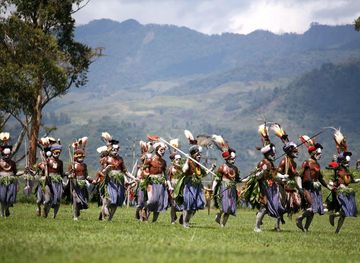
Nestled in the heart of Papua New Guinea, the Southern Highlands is a land of lush valleys, rugged mountains, and vibrant cultures. This region remains a jewel of untouched nature, where the landscapes shift from thick rainforests to rolling grasslands, all under the watchful gaze of mist-covered peaks. The Southern Highlands offer visitors an opportunity to experience the raw and unspoiled beauty of Papua New Guinea. The Southern Highlands are home to a rich tapestry of cultures and traditions. The local tribes are known for their intricate woven bilums, traditional face painting, and elaborate sing-sing festivals. These cultural expressions are deeply rooted in the heritage of the land and offer a glimpse into the lives of the highland communities. Visitors can immerse themselves in the local way of life, learning about the customs and stories passed down through generations. For nature enthusiasts, the Southern Highlands is a paradise waiting to be explored. Trekking through the region reveals hidden waterfalls, serene rivers, and an abundance of unique flora and fauna. Bird watchers will be thrilled by the sight of exotic bird species, including the famous Birds of Paradise. The natural beauty of the Southern Highlands is complemented by its cool, temperate climate, making it a perfect destination for those seeking adventure and tranquility in equal measure.

Know before you go
Hi, I'm Eve. Here are a few practical things to know before exploring Southern Highlands.
- Carry cash, as ATMs and card facilities are scarce in remote areas.
- Hire a local guide to navigate the terrain and enhance your cultural experience.
- Respect local customs and ask for permission before taking photographs of people.
- Pack warm clothing, as temperatures can drop significantly at night.
- Ensure you have necessary vaccinations and health precautions before traveling.
Top City Travel Guides in Southern Highlands
The cities of Southern Highlands, and the easiest places to base yourself.

Explore Southern Highlands: Things to Do, Places to Eat, Hotels & More
Handpicked recommendations for top attractions, local dining, accommodations, and more

Top Attractions & Sightseeing in Southern Highlands
Top-rated picks
Best Attractions

Akimi Falls
Experience the breathtaking beauty of Akimi Falls in Papua New Guinea's Southern Highlands, a hidden gem for nature lovers and adventurers alike.
Kari Olgemb
Explore the breathtaking landscapes and rich culture at Kari Olgemb in Papua New Guinea's Southern Highlands, a true gem for adventure seekers.
Imbongue Cultural Center
Experience the vibrant culture and traditions of Papua New Guinea at the Imbongue Cultural Center in Ialibu, a must-visit attraction for every traveler.
Karel Creek
Explore the tranquil beauty of Karel Creek in Papua New Guinea’s Southern Highlands, a serene retreat perfect for nature lovers and cultural enthusiasts.

Best landmarks in Southern Highlands
Top-rated picks
Best Landmarks

Lake Kutubu
Discover the breathtaking serenity of Lake Kutubu, a hidden paradise in Papua New Guinea's Southern Highlands, surrounded by lush rainforests and majestic mountains.
Mount Bosavi
Explore Mount Bosavi, a breathtaking mountain peak in Papua New Guinea's Southern Highlands, where adventure meets unparalleled natural beauty.
Kuk Swamp
Explore Kuk Swamp, a UNESCO World Heritage site that showcases ancient agricultural practices in the stunning Western Highlands of Papua New Guinea.

Best restaurants in Southern Highlands
Top-rated picks
Best Restaurants

Gold Bell Cafe
Discover authentic Papua New Guinean cuisine at Gold Bell Cafe in Goroka - where local flavors meet exceptional service.

Chetty's Restaurant
Experience authentic Papua New Guinean cuisine at Chetty's Restaurant in Mount Hagen – where local flavors meet warm hospitality.
Big Rooster
Experience fast food delight at Big Rooster in Mount Hagen - where local flavors meet global favorites!

Maranda Lodge
Discover authentic local flavors at Maranda Lodge, a culinary haven nestled in Mendi's breathtaking Southern Highlands.

Best bars in Southern Highlands
Top-rated picks
Best Bars

Jackson's Bar Restaurant & Gaming
Discover the vibrant experience of Jackson's Bar Restaurant & Gaming in Port Moresby, where local flavors meet exciting gaming options.

Port Terrace Restaurant & Bar
Experience exquisite dining with stunning views at Port Terrace Restaurant & Bar in Port Moresby, where local flavors meet international cuisine.

Akura Dining & Lounge Bar
Discover the vibrant Akura Dining & Lounge Bar in Port Moresby, where delicious drinks and local cuisine meet a lively atmosphere.

Gecko Bar, Holiday Inn
Discover the vibrant atmosphere of Gecko Bar at Holiday Inn in Port Moresby, where relaxation meets socialization in a cozy setting.

Best nightclubs in Southern Highlands
Top-rated picks
Best Nightclubs

Club Illusion PNG
Discover the lively nightlife of Port Moresby at Club Illusion PNG, where vibrant music and a welcoming atmosphere await.
DJ Sports Bar
Experience the vibrant nightlife of Goroka at DJ Sports Bar, where local culture and great drinks come together in a lively atmosphere.

Best shops in Southern Highlands
Top-rated picks
Best Shops

Ialibu Market
Immerse yourself in the local culture at Ialibu Market, a vibrant hub offering fresh produce and authentic Papua New Guinean handicrafts.

Papindo Supermarket
Experience Mendi's vibrant local culture at Papindo Supermarket, your one-stop shop for essentials and local delicacies in Southern Highlands.
Percy Market
Discover Percy Market in Orndol, where local flavors and vibrant culture await every visitor.

Imbongu District Office
Explore the vibrant Imbongu District Office for a unique shopping experience in the heart of Papua New Guinea's Southern Highlands, rich in culture and local flavors.

Explore Southern Highlands on the Map
A handpicked selection of must-see spots in Southern Highlands, mapped for you.
Southern Highlands Essentials
-
The Southern Highlands can be accessed via the Tari Airport, which is the main gateway to the region. Flights to Tari are available from Port Moresby, the capital of Papua New Guinea, and take about 1.5 hours. Alternatively, you can fly into Mount Hagen and then take a road trip to the Southern Highlands, which will take approximately 6-8 hours depending on road conditions.
-
Public transportation options in the Southern Highlands are limited. Most travelers rely on local buses, known as PMVs (Public Motor Vehicles), and taxis for getting around. Renting a 4WD vehicle is advisable for exploring more remote areas, but be aware that road conditions can be challenging. Local guides are highly recommended for navigating the region safely and efficiently.
-
The official currency is the Papua New Guinean Kina (PGK). While some hotels and larger businesses in the Southern Highlands accept credit cards, cash is still the preferred method of payment, especially in rural areas. ATMs are scarce, so it is wise to carry sufficient cash with you. It's advisable to exchange money in Port Moresby before heading to the Highlands.
-
While the Southern Highlands are generally safe for tourists, it is important to exercise caution. Avoid traveling alone, especially at night. Certain areas, such as the towns of Tari and Mendi, have experienced tribal conflicts and should be navigated carefully. Always stay updated on local news and travel advisories. Hiring a local guide can add an extra layer of security to your travels.
-
In case of an emergency, dial 111 for immediate assistance. Medical facilities in the Southern Highlands are basic, so it's essential to have comprehensive travel insurance that covers medical emergencies. For medical issues, the Tari Hospital is one of the more reliable options in the region. Always carry a basic first-aid kit and any necessary medications.
-
Fashion: Do dress modestly; lightweight, long-sleeved clothing is recommended. Avoid wearing flashy jewelry. Religion: Do respect local customs and religious practices. Always ask for permission before taking photographs in sacred areas. Public Transport: Do be aware of your belongings and avoid traveling alone on PMVs. Greetings: Do greet people with a friendly 'hello' or 'good morning.' A handshake is generally acceptable. Eating & Drinking: Do try local dishes and be polite when offered food. Don't waste food, as it is considered disrespectful.
-
To experience the Southern Highlands like a local, visit the weekly markets where you can buy fresh produce and handmade crafts. Engage with the Huli people, who are known for their vibrant cultural practices and traditional 'wigmen' ceremonies. Make time to trek through the Tari Gap for stunning views and a chance to see exotic birds of paradise. Always approach locals with respect and show genuine interest in their way of life.
-
It's important to take health precautions when traveling to the Southern Highlands. Malaria is prevalent, so take anti-malaria medication and use insect repellent. Ensure you are up-to-date with vaccinations, including hepatitis A and B, typhoid, and tetanus. Drink only bottled or boiled water to avoid waterborne illnesses.
-
The primary languages spoken are Tok Pisin and Huli, though English is also widely understood. Mobile phone coverage can be inconsistent, especially in remote areas, so consider purchasing a local SIM card for better connectivity. Satellite phones are also an option for those planning extensive travel in isolated regions.
When is the best time to visit Southern Highlands?
Useful Local Phrases for Southern Highlands
You don't need to speak the language perfectly. Even learning a few simple words can make conversations warmer—and locals usually appreciate the effort.
— Eve

Here are the phrases I use most often in Southern Highlands. Try a few—you'll be surprised how far they go! 😊
❤️
-
- HelloGude
[goo-deh] - GoodbyeLai
[lie] - YesEm
[em] - NoNogat
[noh-gaht] - Please/You're welcomeYumi likim
[yoo-mee lee-keem] - Thank youTenkyu
[ten-kyoo] - Excuse me/SorrySori
[soh-ree] - How are you?Yu orait?
[yoo oh-rite] - Fine. And you?Orait. Yu?
[oh-rite. yoo?] - Do you speak English?Yu tok Inglis?
[yoo tok ing-lis?] - I don't understandMi no inap long
[mee noh ee-nahp long]
- HelloGude
-
- I'd like to see the menu, pleaseMi laik lukim menu, plis
[mee like loo-keem meh-noo, plees] - I don't eat meatMi no kaika mit
[mee noh kai-kah meet] - Cheers!Salim
[sah-leem] - I would like to pay, pleaseMi laik payim, plis
[mee like pie-im, plees]
- I'd like to see the menu, pleaseMi laik lukim menu, plis
-
- Help!Help!
[help!] - Go away!Go we!
[go weh!] - Call the Police!Kolim Polis!
[koh-lim poh-lis!] - Call a doctor!Kolim dokta!
[koh-lim dok-tah!] - I'm lostMi lus
[mee loose] - I'm illMi sik
[mee seek]
- Help!Help!
-
- I'd like to buy...Mi laik bai...
[mee like bye...] - I'm just lookingMi soim luk
[mee so-im look] - How much is it?Hamamas em?
[ha-mah-mas em?] - That's too expensiveEm i tumas
[em ee too-mas] - Can you lower the price?Yu ken lukautim prais?
[yoo ken loo-kah-oo-tim price?]
- I'd like to buy...Mi laik bai...
-
- What time is it?Wanem taim?
[wah-nem time?] - It's one o'clockEm i wan klok
[em ee wan clock] - Half past (10)Haf pas ten
[haf pahs ten] - MorningMoning
[moh-ning] - AfternoonAftanun
[ahf-tah-noon] - EveningIvin
[ee-vin] - YesterdayYestide
[yes-ti-deh] - TodayTude
[too-deh] - TomorrowTumoro
[too-moh-roh] - 1Wan
[wahn] - 2Tu
[too] - 3Tri
[tree] - 4Foa
[foh-ah] - 5Faiv
[fah-eev] - 6Siks
[siks] - 7Sev
[sev] - 8Eit
[eit] - 9Nain
[nain] - 10Ten
[ten]
- What time is it?Wanem taim?
-
- Where's a/the...?Wea na/wan...?
[weh-nah/wahn...?] - What's the address?Wanem adres?
[wah-nem ah-dress?] - Can you show me (on the map)?Yu ken soim mi (long map)?
[yoo ken so-im mee (long map)?] - When's the next (bus)?When em next (bus)?
[wen em neks (bus)?] - A ticket (to ....)Wan tiket (go ....)
[wahn tee-ket (go ....)]
- Where's a/the...?Wea na/wan...?
History of Southern Highlands
-
The Southern Highlands of Papua New Guinea have been inhabited for thousands of years by various indigenous tribes, including the Huli, Mendi, and Kewa people. These tribes developed unique cultures, languages, and social structures that have been preserved through oral traditions and cultural practices.
-
One of the most iconic cultural groups in the Southern Highlands is the Huli Wigmen. Known for their elaborate wigs made from human hair and adorned with feathers, the Huli Wigmen maintain traditional customs and ceremonies that have been passed down through generations. Their vibrant culture includes the art of wig making, traditional dance, and the use of body paint for ceremonial purposes.
-
In the late 19th and early 20th centuries, European explorers and missionaries began to make contact with the tribes of the Southern Highlands. This period marked significant changes as missionaries introduced Christianity and Western education. The influence of missionaries can still be seen today in the region's schools, churches, and the blending of traditional and Christian practices.
-
During World War II, the Southern Highlands saw limited but notable activity. The region was strategically important due to its location and terrain. Allied and Japanese forces engaged in skirmishes, and airstrips were constructed to support military operations. The war left a lasting impact on the local population and infrastructure.
-
Papua New Guinea gained independence from Australia in 1975, leading to significant political and social changes in the Southern Highlands. The region has since experienced modernization efforts, including the development of infrastructure, health services, and education. However, the Southern Highlands continue to face challenges such as tribal conflicts and economic disparities.
-
The Southern Highlands are renowned for their cultural festivals, such as the annual Huli Wigmen Festival. These events provide a platform for tribes to showcase their traditional dances, music, and rituals. The festivals are not only a celebration of heritage but also an important means of preserving and passing on cultural knowledge to future generations.
-
Despite facing issues such as tribal conflicts, economic hardship, and the impacts of climate change, the people of the Southern Highlands have demonstrated remarkable resilience. Community initiatives and local leadership play crucial roles in addressing these challenges, promoting peace, and fostering sustainable development.
Neighbouring Regions of Southern Highlands
The closest regions to Southern Highlands, if you have time for more than one.




Your all‑in‑one travel companion app
Explore expert travel guides, compare and book tours, experiences, hotels, and more—all from the palm of your hand. Download now for seamless trip planning wherever your wanderlust takes you.


Explore More of Papua New Guinea

Looking beyond Southern Highlands? Discover Papua New Guinea for broader travel guides, local hot-spots, and regional highlights.
Explore Papua New GuineaSouthern Highlands in Photos
Browse through our photo collection highlighting the charm and character of the destination.


The Untamed Beauty of the Southern Highlands, Papua New Guinea
Nestled in the heart of Papua New Guinea, the Southern Highlands is a land of lush valleys, rugged mountains, and vibrant cultures. This region remains a jewel of untouched nature, where the landscapes shift from thick rainforests to rolling grasslands, all under the watchful gaze of mist-covered peaks. The Southern Highlands offer visitors an opportunity to experience the raw and unspoiled beauty of Papua New Guinea. The Southern Highlands are home to a rich tapestry of cultures and traditions. The local tribes are known for their intricate woven bilums, traditional face painting, and elaborate sing-sing festivals. These cultural expressions are deeply rooted in the heritage of the land and offer a glimpse into the lives of the highland communities. Visitors can immerse themselves in the local way of life, learning about the customs and stories passed down through generations. For nature enthusiasts, the Southern Highlands is a paradise waiting to be explored. Trekking through the region reveals hidden waterfalls, serene rivers, and an abundance of unique flora and fauna. Bird watchers will be thrilled by the sight of exotic bird species, including the famous Birds of Paradise. The natural beauty of the Southern Highlands is complemented by its cool, temperate climate, making it a perfect destination for those seeking adventure and tranquility in equal measure.