

Free Chimbu Region Travel Guide & Mobile App
Explore Chimbu Region with free travel guides. Discover regional history, expert tips, proposed trips, and audio guides on web or mobile app.


Explore Chimbu Region in Papua New Guinea for Mount Wilhelm, highland gardens, coffee country, mountain walks and living cultural traditions.
Read more about Chimbu Region
When is the best time to visit Chimbu Region?
Best: October–December · 26°C| Month | High (°C) | Rainfall (mm) |
|---|---|---|
| January | 25 | 250 |
| February | 25 | 240 |
| March | 25 | 230 |
| April | 25 | 220 |
| May | 25 | 210 |
| June | 26 | 200 |
| July | 26 | 190 |
| August | 26 | 180 |
| September | 26 | 170 |
| October (best) | 26 | 160 |
| November (best) | 26 | 150 |
| December (best) | 26 | 140 |
Getting to and around Chimbu Region
How to get there
Transportation
Top city travel guides in Chimbu Region
The cities of Chimbu Region, and the easiest places to base yourself.

Swipe for more cities
Destinations in Chimbu Region
Resorts, valleys and scenic spots worth a trip of their own.

Swipe for more destinations
Best attractions in Chimbu Region
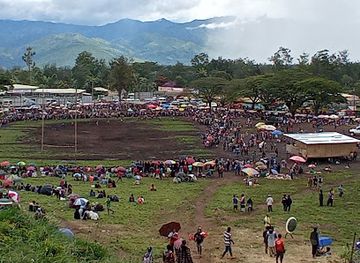
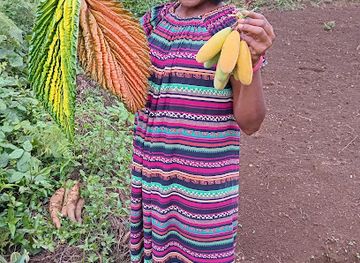
Chimbu’s attractions are shaped by elevation, mountain scenery and community life rather than by a dense concentration of formal tourism sites. The principal natural draw is the Mount Wilhelm area near Kegsugl, where guided treks pass through changing vegetation towards Papua New Guinea’s highest summit and high-altitude lakes. The demanding terrain, cold nights and variable weather make it a mountaineering and trekking destination rather than a casual day excursion. Around Kundiawa and the Wahgi-Simbu valleys, visitors can arrange cultural encounters, observe intensive highland gardening and learn about coffee production and bilum weaving through local contacts. Markets offer a practical view of regional exchange, with garden produce and everyday goods moving between rural communities and the provincial centre. The Highlands Highway itself provides access to changing valley landscapes, although journeys are slow and conditions can be unpredictable. Churches, schools and community events may also be culturally significant, but attendance should be arranged with local permission rather than treated as a spectacle. Remote districts such as Gumine and Chuave reward travellers with mountain scenery and rural perspectives, yet have limited visitor facilities and require careful planning. The region is best suited to visitors seeking guided outdoor experiences and respectful cultural engagement.
-
Park
Rotary Park
Explore Rotary Park in Goroka, a serene paradise of nature, culture, and relaxation in the heart of Papua New Guinea's Eastern Highlands.
-
Museum
JK McCarthy Museum
Explore the cultural treasures of Papua New Guinea at the JK McCarthy Museum in Goroka, where history comes alive through fascinating exhibits.
-
Park
National Day Park
Discover the tranquil beauty of National Day Park in Goroka, a serene escape filled with lush landscapes and cultural experiences in Papua New Guinea's Eastern Highlands.
-
Park
Goroka Picnic Park
Discover the tranquil beauty of Goroka Picnic Park, a perfect spot for relaxation and family fun in the heart of Papua New Guinea's Eastern Highlands.

Best landmarks in Chimbu Region
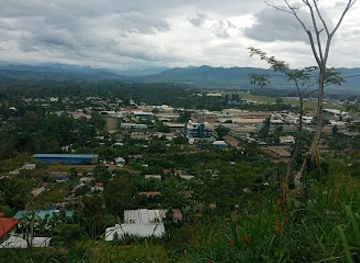
Mount Wilhelm is Chimbu’s most prominent natural landmark and the highest mountain in Papua New Guinea. Its upper slopes, approached from the Kegsugl area, rise through forest and alpine-like environments to a summit landscape of rock, grassland and cold mountain weather. The peak’s position near the provincial boundary adds geographical complexity, but it is firmly associated with the central highlands and is accessed through Chimbu. Kundiawa’s setting is another defining landmark of the region: the town occupies a narrow, steep-sided highland environment where the Highlands Highway, markets, government buildings and surrounding gardens meet. The road corridor itself is a significant infrastructural feature, linking Chimbu’s communities with Mount Hagen and Goroka while revealing the province’s dramatic valleys and slopes. Traditional garden landscapes are less monumental but equally important, displaying the long agricultural history of the highlands through drainage channels, cultivated hillsides and carefully managed plots. In villages and rural settlements, churches, meeting places and community structures may carry strong local significance, although their importance is primarily communal rather than architectural. Because customary places may be private or sacred, visitors should rely on local introductions and avoid treating them as unrestricted sightseeing sites.
-
Museum
JK McCarthy Museum
Explore the cultural tapestry of Papua New Guinea at JK McCarthy Museum, where history and heritage come alive through captivating artifacts.
-
Tourist attraction
undiscovered Heritage sites in Simbu
Unearth the rich heritage and breathtaking landscapes of Simbu, where culture and nature intertwine in Papua New Guinea's hidden gem.
-
Historical landmark
Gokobiglé
Explore Gokobiglè, a historical landmark in Chimbu Province, Papua New Guinea, and discover the cultural heritage and natural beauty of the region.
-
 Tourist attraction
Sikewake Kuglo
Explore Sikewake Kuglo, a stunning natural attraction in Chimbu Province, Papua New Guinea, rich in culture and breathtaking landscapes.
Explore Chimbu Region on the map
Plan your trip on one map. See where the top cities, national parks and sights are, and book hotels and experiences in a few clicks.
Best hotels in Chimbu Region
Best restaurants in Chimbu Region
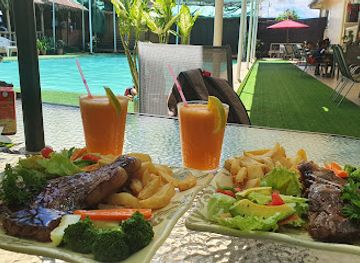
Dining in Chimbu is centred on local households, markets, small eateries, hotels and roadside cooking rather than a specialised restaurant scene. Sweet potato, or kaukau, is a central highland staple and is commonly accompanied by greens, root vegetables, rice, chicken or other locally available foods. Fresh produce from family gardens is important, while pork may appear at communal or ceremonial occasions. Coffee is the region’s most distinctive commercial crop, and visitors may encounter locally grown beans or brewed coffee, although quality and availability vary between establishments. Kundiawa offers the widest choice of practical meals, while travellers on the Highlands Highway should not assume that food will be available at every stop. Carrying water and simple provisions is sensible on longer journeys. Markets are useful for purchasing fruit and prepared snacks, but visitors should observe local hygiene conditions and choose food that is freshly cooked or properly washed. Eating with hosts may involve customary introductions and shared obligations, so clarify arrangements politely rather than assuming that an invitation is a commercial transaction.
-
Indoor lodging
Pacific Gardens Hotel
Discover comfort and local charm at Pacific Gardens Hotel in Goroka's stunning Eastern Highlands - your perfect travel retreat.
-
Steak
Goroka steak house
Discover Goroka Steak House: A must-visit destination for steak lovers in Papua New Guinea's Eastern Highlands offering delicious local flavors.
-
Restaurant
Bird of Paradise Hotel & Apartments
Discover comfort and local charm at Bird of Paradise Hotel & Apartments in Goroka - your perfect base for exploring Papua New Guinea.
-
Restaurant
Gold Bell Cafe
Discover authentic Papua New Guinean cuisine at Gold Bell Cafe in Goroka - where every dish tells a story.
Best bars in Chimbu Region
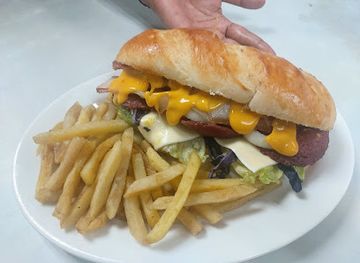
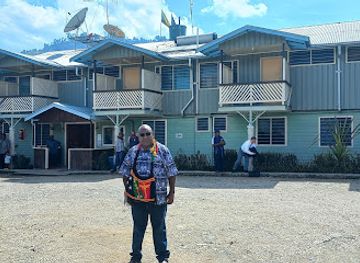
Chimbu does not have a major nightclub circuit, and evening life is concentrated in Kundiawa’s hotels, licensed bars, small social venues and informal gatherings rather than dedicated entertainment districts. In rural areas, evenings are generally quiet, with social life centred on households, churches, community events and local relationships. Some venues may offer music or televised sport, but opening arrangements and security conditions can change, so visitors should follow local advice and avoid walking unfamiliar roads after dark. Alcohol is available in licensed settings, yet it should not be treated as the defining feature of the region’s culture. In the mountains and smaller settlements, accommodation providers are more likely to arrange an early meal and a secure place to relax than late-night entertainment. Travellers attending a cultural performance or community gathering should confirm whether it is public, ask about appropriate behaviour and respect requests concerning photography, alcohol and departure times.
-
Bar
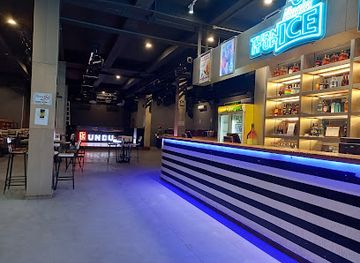
KUNDU CLUB
Discover the lively atmosphere of Kundu Club in Port Moresby, where great drinks and vibrant nightlife await every visitor.
-
Guest house
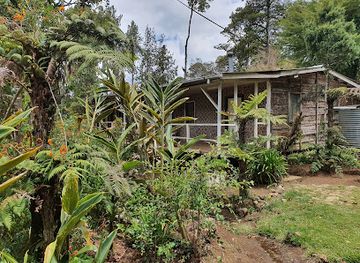
Betty's Lodge
Discover the serene beauty and rich culture of Chimbu Province at Betty's Lodge, your perfect retreat in Papua New Guinea.
-
Restaurant
Gold Bell Cafe
Experience the rich flavors of Papua New Guinea at Gold Bell Cafe, a culinary gem in Goroka, Eastern Highlands Province.
-
Restaurant
Greenland Motel
Savor the authentic tastes of Papua New Guinea at Greenland Motel, where local flavors meet warm hospitality in the heart of Kundiawa.
Best nightclubs in Chimbu Region
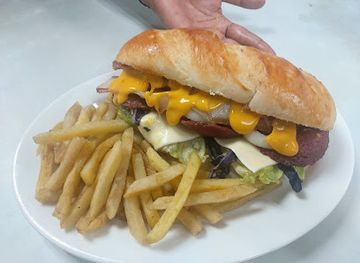
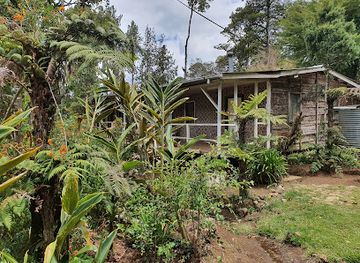
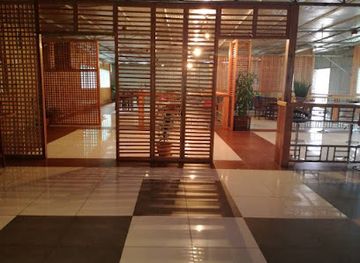
Chimbu does not have a major nightclub circuit, and evening life is concentrated in Kundiawa’s hotels, licensed bars, small social venues and informal gatherings rather than dedicated entertainment districts. In rural areas, evenings are generally quiet, with social life centred on households, churches, community events and local relationships. Some venues may offer music or televised sport, but opening arrangements and security conditions can change, so visitors should follow local advice and avoid walking unfamiliar roads after dark. Alcohol is available in licensed settings, yet it should not be treated as the defining feature of the region’s culture. In the mountains and smaller settlements, accommodation providers are more likely to arrange an early meal and a secure place to relax than late-night entertainment. Travellers attending a cultural performance or community gathering should confirm whether it is public, ask about appropriate behaviour and respect requests concerning photography, alcohol and departure times.
-
Guest house
Betty's Lodge
Discover the charm of Papua New Guinea at Betty's Lodge, your cozy retreat in Chimbu Province, where local culture meets warm hospitality.
-
Night club
Bala Koi Club
Discover the lively nightlife of Bala Koi Club in Minj, where music, dancing, and local culture collide for an unforgettable experience.
Best shops in Chimbu Region
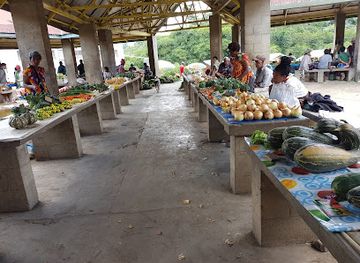
Shopping in Chimbu is practical and locally focused. Kundiawa provides the broadest choice of everyday goods, clothing, mobile-phone supplies and household necessities, while markets and roadside stalls connect visitors with sweet potatoes, greens, fruit and other produce from surrounding gardens. Bilum bags and woven items are among the most recognisable regional purchases; designs, colours and quality vary, and buying directly through an agreed local contact can provide clearer understanding of the maker and price. Coffee is another appropriate souvenir, although packaging and availability may be limited outside established businesses. Travellers may also find locally made clothing, small carvings or craftwork, but should ask about materials and cultural significance before purchasing. Smaller settlements and rural roads offer few conventional shops, and imported products can be expensive or unavailable. Carry essential toiletries, medicines and specialist equipment from a larger gateway town before entering remote districts. Bargaining should be courteous and moderate rather than aggressive, and visitors should not buy archaeological objects, ceremonial items or anything that appears to have been taken from a customary place.
-
Supermarket
Kundiawa Tema Supermarket
Discover local flavors and vibrant culture at Kundiawa Tema Supermarket in the heart of Chimbu Province.
-
Supermarket
Kundiawa Main Market
Dive into the vibrant atmosphere of Kundiawa Main Market, where local culture, fresh produce, and unique crafts come together in a colorful experience.
-
Home goods store
Brian Bell Home Center
Explore Brian Bell Home Center in Goroka for a unique selection of home goods that capture the essence of Eastern Highlands culture.
-
Grocery store
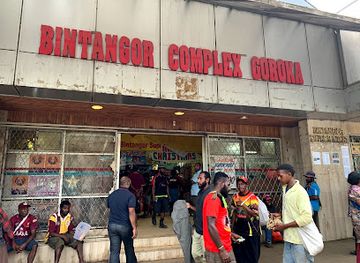
Bintangor supermarket
Discover the essence of Goroka at Bintangor Supermarket, where local flavors and authentic experiences await every visitor.


Get your free copy of our complete guide to Chimbu Region, delivered straight to you.
Everything on this page, from attractions and restaurants to essentials and local phrases, in one PDF you can read offline, print or share.
Already have an account? Sign in
Your Chimbu Region guide is ready.
We'll send it to · Not you? Sign out

Getting your guide ready…
We are putting together a fresh copy of the Chimbu Region guide. This can take up to a minute.
This can take a few moments. If your browser asks, choose Allow so the download can start. You'll find the guide in your Downloads folder.
Nothing happened? Download it again
Sorry, the guide is taking longer than usual. Please try again in a minute, or get it by email instead.
Chimbu Region essentials
Currency and Payment
Safety
Emergency Situations
Do's and Don'ts
Local Tips
From Eve
Local phrases worth knowing
You don't need to get them perfect. A few words go a long way, and locals appreciate the effort.
Basics
| English | Local | Say it |
|---|---|---|
| Hello | Kumai | [koo-my] |
| Goodbye | Kaimai | [kai-my] |
| Yes | Aye | [ah-ye] |
| No | Nau | [now] |
| Please/You're welcome | Wele | [weh-leh] |
| Thank you | Tenkyu | [ten-kyoo] |
| Excuse me/Sorry | Sori | [so-ree] |
| How are you? | Yu orait? | [yoo oh-right] |
| Fine. And you? | Orait. Na yu? | [oh-right. nah yoo] |
| Do you speak English? | Yu tokim Inglis? | [yoo toh-keem in-glis] |
| I don't understand | Mi no inap long kisim | [mee noh ee-nahp long kee-sim] |
Eating & Drinking
| English | Local | Say it |
|---|---|---|
| I'd like to see the menu, please | Mi laik lukim menu, plis | [mee laik loo-keem meh-noo, plees] |
| I don't eat meat | Mi no kaikai mit | [mee noh kai-kai meet] |
| Cheers! | Namba | [nam-ba] |
| I would like to pay, please | Mi laik payim, plis | [mee laik pai-im, plees] |
Emergencies
| English | Local | Say it |
|---|---|---|
| Help! | Help! | [help] |
| Go away! | I gowe! | [ee go-weh] |
| Call the Police! | Kolim Polis! | [koh-lim poh-lis] |
| Call a doctor! | Kolim dokta! | [koh-lim dok-ta] |
| I'm lost | Mi lus | [mee loos] |
| I'm ill | Mi sik | [mee seek] |
Shopping
| English | Local | Say it |
|---|---|---|
| I'd like to buy... | Mi laik buy... | [mee laik bye...] |
| I'm just looking | Mi soim lukim | [mee so-im loo-keem] |
| How much is it? | I gat hamas? | [ee gat ha-mas] |
| That's too expensive | Dis em tu ekspensiv | [dis em too ex-pen-siv] |
| Can you lower the price? | Yu inap daunim prais? | [yoo ee-nahp down-im pryce] |
Time & Numbers
| English | Local | Say it |
|---|---|---|
| What time is it? | Dispela taim em wanem? | [dis-peh-la tah-im em wah-nehm] |
| It's one o'clock | Em wan o'clock | [em wan oh-clock] |
| Half past (10) | Haf past (10) | [haf past (ten)] |
| Morning | Moning | [mo-ning] |
| Afternoon | Aftanum | [af-ta-num] |
| Evening | Ivening | [ee-ven-ing] |
| Yesterday | Yestide | [yes-ti-deh] |
| Today | Tude | [too-deh] |
| Tomorrow | Tumora | [too-mo-ra] |
| 1 | Wan | [wan] |
| 2 | Tu | [too] |
| 3 | Tri | [tree] |
| 4 | Foa | [foh-ah] |
| 5 | Faiv | [fah-iv] |
| 6 | Siks | [siks] |
| 7 | Seven | [seh-ven] |
| 8 | Eit | [eight] |
| 9 | Nain | [nine] |
| 10 | Ten | [ten] |
Transport & Directions
| English | Local | Say it |
|---|---|---|
| Where's a/the...? | Wea em ...? | [wea em ...?] |
| What's the address? | Wanem address? | [wah-nem ad-dress?] |
| Can you show me (on the map)? | Yu inap soim mi (long map)? | [yoo ee-nahp soy-im mee (long map)?] |
| When's the next (bus)? | When em next (bus)? | [when em next (bus)?] |
| A ticket (to ....) | Wan tiket (go ...) | [wan ti-ket (go ...)] |
History of Chimbu Region
Ancient Highland Settlement and Agriculture
The central highlands of Papua New Guinea have been occupied for thousands of years, and Chimbu’s steep valleys preserve evidence of long-established agricultural lifeways. Communities developed sophisticated gardening systems suited to different elevations, cultivating sweet potato, greens and other crops while managing drainage, soil fertility and slope stability. The densely patterned gardens visible around the province are therefore not simply recent farmland but part of a deep history of environmental adaptation. Clan relationships, land inheritance and customary obligations remain closely connected with access to gardens, forests and water.
First Colonial Encounters in the Highlands
European and Australian patrols entered the central highlands during the twentieth century, encountering communities that had developed complex societies without sustained outside administration. Contact brought new forms of government, mission activity, trade goods and labour relationships, but it also produced disruption and disease. Colonial officials gradually extended administrative influence through patrol posts, courts and schools. The arrival of outside authority did not replace customary systems; instead, local communities negotiated an often complicated relationship between introduced institutions and existing clan leadership.
Missions, Schools and Administrative Change
Christian missions became important agents of social change in the Chimbu highlands during the colonial period. Churches, schools and health services expanded unevenly along roads and near administrative settlements, while literacy and wage employment introduced new opportunities. Kundiawa developed as an administrative and commercial centre, linking surrounding communities with government services and markets. Religious practice, customary ceremony and reciprocal obligations continued alongside Christianity, producing the mixed cultural landscape experienced in the province today.
Roads and the Highlands Highway
Road construction transformed Chimbu by connecting its valleys to other highland provinces and to the coast-facing transport system. The Highlands Highway became the principal route for people, produce, fuel, building materials and public services, with Kundiawa gaining importance as a staging and trading centre. Its benefits have always been tempered by the region’s terrain: steep slopes, heavy rain, landslips and bridge problems can interrupt travel. Even so, the highway remains central to the province’s modern economy and to visitors’ access to its mountain districts.
Coffee and the Cash Economy
Coffee cultivation expanded across parts of the highlands during the later colonial period and after independence, giving smallholders a valuable cash crop alongside subsistence gardening. In Chimbu, coffee is grown in suitable valleys and lower mountain areas by families and small producers rather than by a single plantation system. Coffee income has supported school costs, household purchases and community projects, although prices, transport and market access remain significant challenges. The crop forms part of a wider agricultural economy that still depends heavily on gardens and local exchange.
Independence and Contemporary Chimbu
Papua New Guinea became independent in 1975, and Chimbu entered the national political system as one of the country’s highland provinces. Public administration, education, churches, electoral politics and migration have since reshaped relations between remote communities and regional centres. Kundiawa is now the principal hub for government and commerce, while the province continues to face the infrastructural pressures common to mountainous parts of Papua New Guinea. Contemporary Chimbu combines customary authority, Christian institutions, market agriculture and strong connections between rural communities and the national economy.
Chimbu Region in Photos
Browse through our photo collection highlighting the charm and character of the destination.
Neighbouring regions of Chimbu Region
The closest regions to Chimbu Region, if you have time for more than one.
-

-

-

-

-


Swipe for more regions
Explore more

Explore more of Papua New Guinea
Discover Papua New Guinea, where ancient cultures meet untamed wilderness. From vibrant festivals to stunning natural landscapes, an adventure awaits in this Pacific gem.
Explore Papua New Guinea