

Free Morobe Region Travel Guide & Mobile App
Explore Morobe Region with free travel guides. Discover regional history, expert tips, proposed trips, and audio guides on web or mobile app.


Explore Morobe Region in Papua New Guinea for Lae's gardens, Huon Gulf history, goldfield towns, rainforest and culturally diverse coastal communities.
Read more about Morobe Region
When is the best time to visit Morobe Region?
Best: January–March · 28–29°C| Month | High (°C) | Rainfall (mm) |
|---|---|---|
| January (best) | 28 | 200 |
| February (best) | 28 | 200 |
| March (best) | 29 | 220 |
| April | 29 | 220 |
| May | 28 | 250 |
| June | 28 | 250 |
| July | 28 | 250 |
| August | 28 | 250 |
| September | 29 | 230 |
| October | 29 | 230 |
| November | 29 | 230 |
| December | 28 | 230 |
Getting to and around Morobe Region
How to get there
Transportation
Top city travel guides in Morobe Region
The cities of Morobe Region, and the easiest places to base yourself.
-

-

-


Swipe for more cities
Destinations in Morobe Region
Resorts, valleys and scenic spots worth a trip of their own.

Swipe for more destinations
Best attractions in Morobe Region
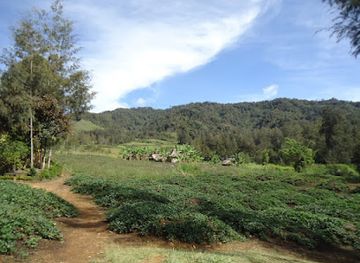
Morobe's attractions range from urban nature and history in Lae to difficult-to-reach coastal and inland landscapes. The Lae Botanic Gardens and Rainforest Habitat offer useful introductions to Papua New Guinea's tropical plants, birds and ecological diversity, while Lae War Cemetery provides a carefully maintained setting for understanding the Second World War. Around the Huon Gulf and Huon Peninsula, visitors may arrange boat journeys, village visits, fishing and wildlife-focused excursions through local contacts, subject to weather and customary permission. Salamaua and Finschhafen are particularly significant for wartime history, though access and interpretation are often limited. Inland, Wau and Bulolo combine goldfield landscapes, forest, rivers and remnants of early twentieth-century infrastructure. The Markham Valley has agricultural and cultural interest, with broad scenery contrasting with the densely forested country farther south and east. Birdwatching, short guided walks, river travel and community-led cultural experiences are more realistic than self-directed adventure tourism. Because many attractions lack formal visitor facilities, the quality and safety of an experience depend heavily on advance planning, local guides, transport and respect for landowners.
-
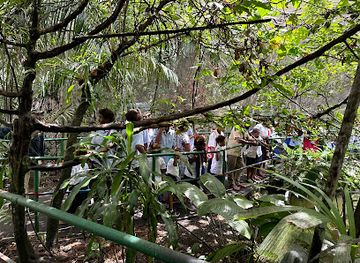
Park
Rainforest Habitat
Immerse yourself in the lush beauty of Rainforest Habitat, a premier park in Lae, Morobe Province, showcasing exotic wildlife and stunning landscapes.
-
McAdam National Park
Experience the breathtaking beauty and rich biodiversity of McAdam National Park in Papua New Guinea's Morobe Province, a must-visit for nature lovers.
-
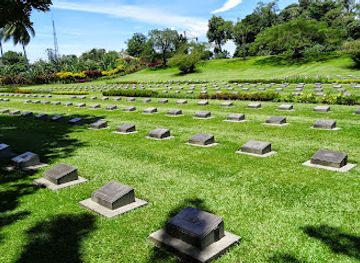
Cemetery
Lae War Cemetery
Explore Lae War Cemetery, a beautifully maintained tribute to World War II heroes in Papua New Guinea, perfect for history lovers and reflective travelers.
-
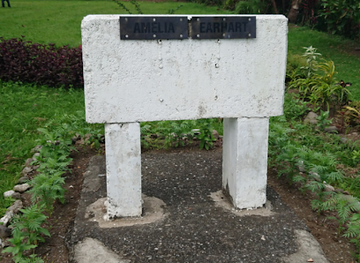
Historical landmark
Amelia Earhart Memorial
Explore the Amelia Earhart Memorial in Lae, Morobe Province, a serene tribute to a pioneering aviator surrounded by stunning natural beauty.

Best landmarks in Morobe Region
Lae War Cemetery is one of Morobe's most solemn and recognisable landmarks, commemorating Commonwealth service personnel who died in the New Guinea campaign and reflecting Lae's wartime importance. The city port and waterfront industrial landscape express a different aspect of the province: its role as a commercial gateway to northern and eastern Papua New Guinea. In the interior, Wau and Bulolo are landmarks of the goldfield era, where altered river valleys, old transport infrastructure and surviving town layouts recall the rapid development brought by mining. Salamaua and Finschhafen are important coastal historical sites associated with the Pacific War, although their physical remains are often dispersed and access may require boats, guides and local permission. The Huon Gulf itself is a major geographical landmark, linking Lae with coastal communities, islands and forested peninsulas. The Markham Valley provides a contrasting natural setting, marked by broad agricultural plains and mountain horizons. These landmarks are valuable less as polished monuments than as places where geography, resource development, customary culture and wartime history intersect.
-
Tourist attraction
Port Moresby Nature Park
Explore Port Moresby Nature Park - a vibrant botanical garden and zoo showcasing Papua New Guinea's unique flora and fauna in a stunning natural setting.
-
Airport
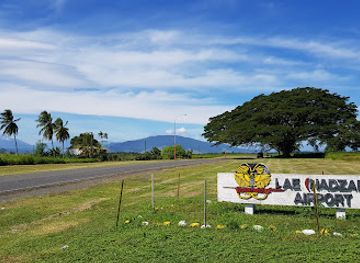
Lae Nadzab Airport AYNZ
Explore Papua New Guinea's natural beauty and rich culture through Lae Nadzab Airport, your gateway to unforgettable adventures.
-
 Hotel
HotelCrossroads Hotel
Experience Lae at Crossroads Hotel, where comfort meets convenience in the heart of Morobe Province.
-
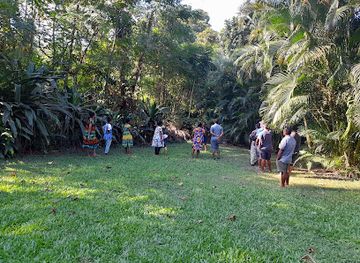
Botanical garden
Lae Botanic Gardens
Explore the diverse flora and tranquil beauty of Lae Botanic Gardens, a natural haven in Papua New Guinea's Morobe Province.
Explore Morobe Region on the map
Plan your trip on one map. See where the top cities, national parks and sights are, and book hotels and experiences in a few clicks.
Best hotels in Morobe Region
Best restaurants in Morobe Region
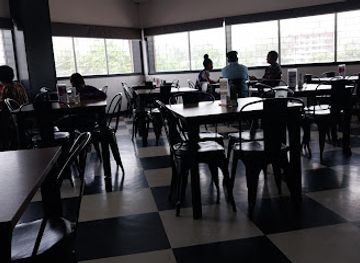
Dining in Morobe is centred on Lae, where hotels, cafés, takeaway shops and restaurants serve Papua New Guinean, Asian and international food. Local meals commonly draw on rice, sweet potato, taro, cassava, greens, tropical fruit, chicken, pork and fish, with ingredients varying between the markets, coast and inland gardens. Fresh seafood is especially relevant around the Huon Gulf, although supply and availability are seasonal rather than guaranteed. Lae's markets provide a more direct view of local produce, including betel nut and garden crops, but visitors should ask before photographing vendors and should use care with food hygiene. Outside the city, dining is generally linked to guesthouses, lodges, workplace facilities or village arrangements rather than a formal restaurant scene. Regional food should be approached as part of a wider Melanesian culinary culture, not as a single standardised Morobe cuisine. Bottled or treated water is a sensible precaution, particularly when travelling beyond established hotels.
-
Grocery store
Foodmart
Explore the flavors of Papua New Guinea at Foodmart in Lae – your one-stop destination for fresh produce and local delicacies.
-
Hotel
Lae International Hotel
Experience comfort and convenience at Lae International Hotel, your ideal base for exploring the captivating Morobe Province in Papua New Guinea.
-
Seafood
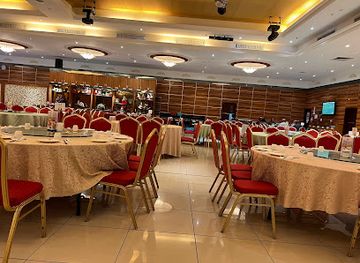
Dynasty Seafood Restaurant
Experience exquisite seafood delicacies at Dynasty Seafood Restaurant in Port Moresby – where fresh flavors meet inviting ambiance.
-
Japanese
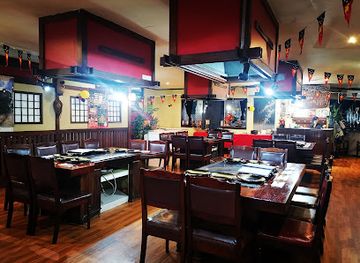
Daikoku Japanese Steak House
Discover the art of teppanyaki cooking at Daikoku Japanese Steak House - where flavor meets tradition in Port Moresby.
Best bars in Morobe Region
Lae has the province's most developed evening scene, with hotel bars, restaurants, social clubs and occasional live entertainment providing the main options for visitors. Nightlife is generally enclosed and security-conscious rather than organised around a large pedestrian bar district. In Wau, Bulolo and smaller settlements, evenings tend to centre on hotel or lodge facilities, local social venues and community events, with limited options and early closing more typical than a dedicated club culture. Coastal and rural areas usually offer quiet evenings, conversation and locally arranged hospitality rather than nightlife for tourists. Visitors should avoid walking between venues after dark, follow accommodation security rules and arrange transport in advance. Alcohol is not necessary to engage with Morobe's cultural life, and respectful participation in community gatherings should always be based on invitation rather than assumption.
-
Restaurant
Wickid Chicken
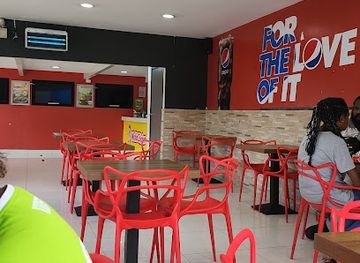
Experience the vibrant flavors of Lae at Wickid Chicken, where delicious dishes and a welcoming atmosphere await every traveler.
-
Restaurant
Vanda Restaurant
Discover the flavors of Papua New Guinea at Vanda Restaurant in Lae, where each dish tells a delicious story.
-
Bar
Ramu Management Club
Discover the serene charm of Ramu Management Club, a perfect bar for relaxation and socializing in the heart of Madang Province.
-
Restaurant
Lae Garden Restaurant
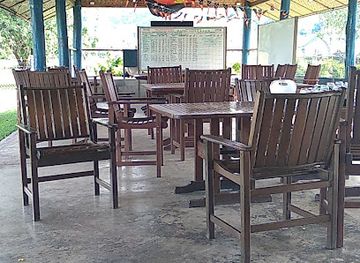
Discover the vibrant flavors of Lae at Lae Garden Restaurant, where local ingredients meet culinary creativity in a welcoming atmosphere.

Best nightclubs in Morobe Region
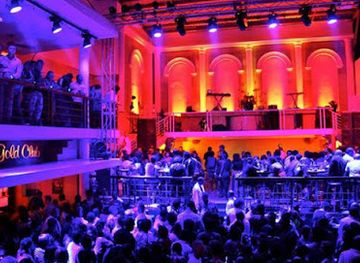
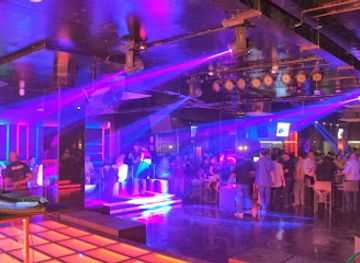
Lae has the province's most developed evening scene, with hotel bars, restaurants, social clubs and occasional live entertainment providing the main options for visitors. Nightlife is generally enclosed and security-conscious rather than organised around a large pedestrian bar district. In Wau, Bulolo and smaller settlements, evenings tend to centre on hotel or lodge facilities, local social venues and community events, with limited options and early closing more typical than a dedicated club culture. Coastal and rural areas usually offer quiet evenings, conversation and locally arranged hospitality rather than nightlife for tourists. Visitors should avoid walking between venues after dark, follow accommodation security rules and arrange transport in advance. Alcohol is not necessary to engage with Morobe's cultural life, and respectful participation in community gatherings should always be based on invitation rather than assumption.
-
Night club
The Gold Club
Discover the electrifying nightlife at The Gold Club in Port Moresby, where music, dance, and culture merge for an unforgettable experience.
-
Night club
Club Illusion PNG
Discover the vibrant nightlife of Port Moresby at Club Illusion PNG, where music, dancing, and unforgettable moments await.
-
Night club
Club Regal
Discover the vibrant nightlife at Club Regal, Port Moresby’s premier night club, where music and dancing come alive in a lively atmosphere.
-
Night club
BlackOut Night Club
Discover the electrifying nightlife at BlackOut Night Club in Port Moresby, a vibrant destination for unforgettable evenings filled with music and dance.

Best shops in Morobe Region
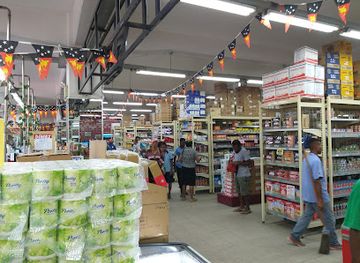
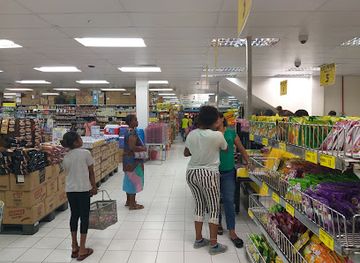
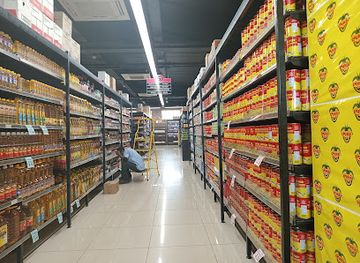
Lae is Morobe's principal place for practical shopping, with supermarkets, small commercial areas, markets and independent traders supplying food, clothing, household goods and transport essentials. Market visits offer the clearest view of regional produce, including tropical fruit, vegetables, fish where available and betel nut, while prices and supply can vary by season. In smaller towns such as Wau and Bulolo, shopping is limited and focused on everyday needs rather than tourism retail. Visitors may find locally made bilum bags, woven items, carvings or shell jewellery through markets and community contacts, but quality, provenance and prices should be discussed respectfully. Buying directly from makers is preferable when arrangements are transparent and customary ownership is understood. Packaged coffee, cocoa or other Papua New Guinean agricultural products may be available in established shops, although not every item is produced in Morobe. Carrying cash is important, and visitors should not photograph stalls or people without permission.
-
Shopping mall
Brian Bell Plaza
Discover the vibrant shopping experience at Brian Bell Plaza in Madang, featuring a wide variety of stores and local delicacies.
-
Shopping mall
Papindo Supermarket
Discover the best of local and international products at Papindo Supermarket in Lae, your go-to shopping destination.
-
Supermarket
BIGV Supermarket
Explore BIGV Supermarket in Lae for a delightful shopping experience offering fresh local produce, international treats, and a taste of Papua New Guinea's vibrant culture.
-
Shopping mall
Papindo Lae Toptown Shopping Centre
Explore the Papindo Lae Toptown Shopping Centre for a vibrant blend of shopping, dining, and cultural experiences in Lae, Papua New Guinea.

Get your free copy of our complete guide to Morobe Region, delivered straight to you.
Everything on this page, from attractions and restaurants to essentials and local phrases, in one PDF you can read offline, print or share.
Already have an account? Sign in
Your Morobe Region guide is ready.
We'll send it to · Not you? Sign out

Getting your guide ready…
We are putting together a fresh copy of the Morobe Region guide. This can take up to a minute.
This can take a few moments. If your browser asks, choose Allow so the download can start. You'll find the guide in your Downloads folder.
Nothing happened? Download it again
Sorry, the guide is taking longer than usual. Please try again in a minute, or get it by email instead.
Morobe Region essentials
Currency and Payment
Safety
Emergency Situations
Do's and Don'ts
Local Tips
From Eve
Local phrases worth knowing
You don't need to get them perfect. A few words go a long way, and locals appreciate the effort.
Basics
| English | Local | Say it |
|---|---|---|
| Hello | Gude | [goo-deh] |
| Goodbye | Sori | [so-ree] |
| Yes | Yes | [yes] |
| No | No | [no] |
| Please/You're welcome | Plis | [plees] |
| Thank you | Tenkyu | [ten-kyoo] |
| Excuse me/Sorry | Sori | [so-ree] |
| How are you? | Yu orait? | [yoo oh-rite] |
| Fine. And you? | Orait. Na yu? | [oh-rite. nah yoo] |
| Do you speak English? | Yu tokim English? | [yoo toh-keem ing-glish] |
| I don't understand | Mi no save | [mee no sah-veh] |
Eating & Drinking
| English | Local | Say it |
|---|---|---|
| I'd like to see the menu, please | Mi laik lukim menu, plis | [mee laik loo-keem meh-noo, plees] |
| I don't eat meat | Mi no kakae mit | [mee no kah-kai meet] |
| Cheers! | Sikim! | [see-keem] |
| I would like to pay, please | Mi laik pay, plis | [mee laik pay, plees] |
Emergencies
| English | Local | Say it |
|---|---|---|
| Help! | Help! | [help] |
| Go away! | Gat awai! | [gat ah-wai] |
| Call the Police! | Kolim polis! | [koh-lim poh-lis] |
| Call a doctor! | Kolim dokta! | [koh-lim dok-tah] |
| I'm lost | Mi lus | [mee loos] |
| I'm ill | Mi sik | [mee seek] |
Shopping
| English | Local | Say it |
|---|---|---|
| I'd like to buy... | Mi laik bai... | [mee laik bye] |
| I'm just looking | Mi soim luk | [mee so-im look] |
| How much is it? | Em hap wanem? | [em hap wah-nehm] |
| That's too expensive | Dis em tu mipela | [dis em too mee-peh-lah] |
| Can you lower the price? | Yu inap daunim prais? | [yoo ee-nahp down-im price] |
Time & Numbers
| English | Local | Say it |
|---|---|---|
| What time is it? | Wanem taim? | [wah-nem time] |
| It's one o'clock | Em wan o'clock | [em wan oh-clock] |
| Half past (10) | Haf pas (10) | [haf pas ten] |
| Morning | Moning | [moh-ning] |
| Afternoon | Aftanun | [af-tah-noon] |
| Evening | Ivening | [ee-ven-ing] |
| Yesterday | Yestedei | [yes-teh-day] |
| Today | Tudei | [too-day] |
| Tomorrow | Tumoro | [too-moh-roh] |
| 1 | Wan | [wan] |
| 2 | Tu | [too] |
| 3 | Tri | [tree] |
| 4 | Fo | [foh] |
| 5 | Faiv | [fah-eve] |
| 6 | Siks | [siks] |
| 7 | Sev | [sev] |
| 8 | Eit | [eight] |
| 9 | Nain | [nine] |
| 10 | Ten | [ten] |
Transport & Directions
| English | Local | Say it |
|---|---|---|
| Where's a/the...? | Wea em...? | [weh em] |
| What's the address? | Wanem adres? | [wah-nem ah-dress] |
| Can you show me (on the map)? | Yu inap soim mi (long map)? | [yoo ee-nahp so-im mee (long map)] |
| When's the next (bus)? | Whean em nekst (bas)? | [when em next (bus)] |
| A ticket (to ....) | Wan tiket (go....) | [wan tee-ket (go)] |
History of Morobe Region
Ancient settlement and diverse societies
Morobe's forests, valleys and coast have supported human communities for thousands of years. Archaeological research in Papua New Guinea demonstrates very early settlement and long histories of plant cultivation, exchange and adaptation to tropical environments, although evidence is unevenly distributed across Morobe itself. Before European administration, the area was home to numerous language groups with distinct systems of land tenure, trade, leadership and ritual life. Coastal waterways connected communities, while inland routes linked the Markham Valley and mountain districts. This cultural and linguistic diversity remains one of the defining features of the province.
European contact and coastal missions
European ships began charting parts of the south-eastern New Guinea coast during the nineteenth century, followed by traders, missionaries and colonial officials. Contact was uneven and often concentrated around ports, islands and coastal settlements. German and later Australian administration introduced new systems of taxation, labour recruitment, schooling and territorial control, while mission stations became important institutions in some districts. These changes did not replace existing societies: local communities continued to govern customary land and maintain their own languages and social structures, even as colonial infrastructure and commercial activity expanded.
Gold mining at Wau and Bulolo
Gold discoveries in the Wau area during the early twentieth century transformed Morobe's interior. Miners, prospectors, labourers and administrators moved into the previously difficult-to-reach country, and Wau developed as a centre of the goldfields. Bulolo later became associated with large-scale alluvial mining and extensive infrastructure, including roads, air transport and plantation forestry. Mining brought wealth and outside investment but also imposed heavy demands on local labour and land. The towns, altered river valleys and surviving airfields of the goldfields still reflect this era, while mining remains part of the region's contemporary economic story.
The New Guinea campaign, 1942–1945
Morobe was a major theatre of the Pacific War. Japanese forces occupied or operated around important coastal positions, while Allied campaigns focused on places including Lae, Salamaua and Finschhafen. The fighting involved Australian, American, Japanese and Papuan personnel, as well as local communities affected by forced labour, displacement, food shortages and the movement of armies. The Salamaua-Lae campaign culminated in the Allied capture of Lae in 1943, after difficult operations through mountains, jungle and coastal country. War cemeteries, memorials, aircraft wrecks and local oral histories preserve this legacy.
Post-war reconstruction and provincial development
After 1945, Lae expanded as a port, industrial centre and transport hub, while roads and air services connected the city with the interior and the wider country. Plantation agriculture, forestry, fisheries, manufacturing and mining contributed to the changing economy. Papua New Guinea's independence in 1975 brought new national institutions and a renewed emphasis on provincial administration and local participation. Morobe's development has remained uneven: Lae has urban growth and industrial activity, whereas many rural and coastal communities continue to depend on subsistence agriculture, fishing, small-scale trade and customary land.
Morobe in contemporary Papua New Guinea
Modern Morobe combines one of the country's busiest urban and commercial environments with remote districts that have limited infrastructure. Lae's port and industrial areas give the province national economic importance, while Wau and Bulolo retain mining and historical significance. Community organisations, churches, schools and customary authorities all influence public life. Current debates include land access, resource development, environmental protection, urban security and the quality of transport links. Visitors encounter a region where colonial, wartime and modern histories coexist with living local cultures rather than existing only as museum subjects.
Morobe Region in Photos
Browse through our photo collection highlighting the charm and character of the destination.
Neighbouring regions of Morobe Region
The closest regions to Morobe Region, if you have time for more than one.
-

-

-

-

-


Swipe for more regions
Explore more

Explore more of Papua New Guinea
Discover Papua New Guinea, where ancient cultures meet untamed wilderness. From vibrant festivals to stunning natural landscapes, an adventure awaits in this Pacific gem.
Explore Papua New Guinea