

Free Southern Region Travel Guide & Mobile App
Explore Southern Region with free travel guides. Discover regional history, expert tips, proposed trips, and audio guides on web or mobile app.


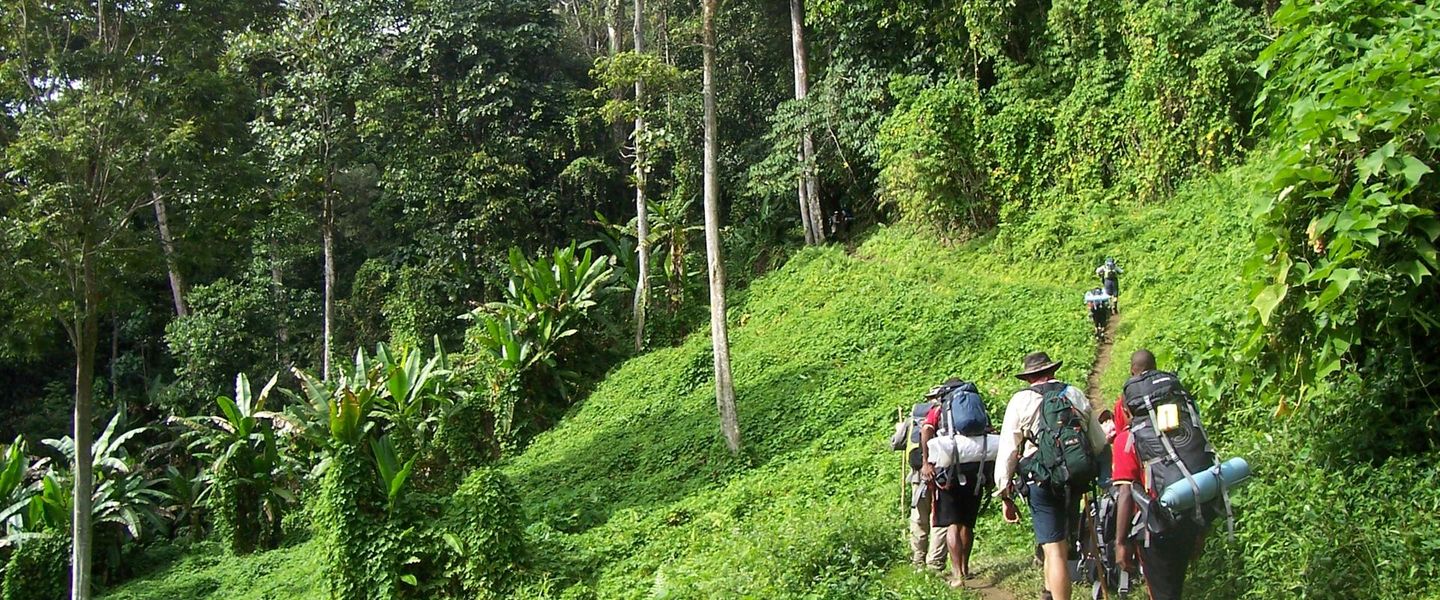


Explore Papua New Guinea’s Southern Region for Port Moresby heritage, Gulf waterways, Milne Bay islands, rainforest, reefs and living Papuan cultures.
Read more about Southern Region
When is the best time to visit Southern Region?
Best: June–August · 29°C| Month | High (°C) | Rainfall (mm) |
|---|---|---|
| January | 31 | 300 |
| February | 31 | 280 |
| March | 31 | 260 |
| April | 30 | 240 |
| May | 30 | 220 |
| June (best) | 29 | 200 |
| July (best) | 29 | 200 |
| August (best) | 29 | 220 |
| September | 30 | 240 |
| October | 30 | 260 |
| November | 30 | 280 |
| December | 31 | 300 |
Getting to and around Southern Region
How to get there
Transportation
Top city travel guides in Southern Region
The cities of Southern Region, and the easiest places to base yourself.
-

-

-

-

-


Swipe for more cities
Destinations in Southern Region
Resorts, valleys and scenic spots worth a trip of their own.
-

-

-

-


Swipe for more destinations
Best attractions in Southern Region
The Southern Region offers a wide range of experiences, but its attractions are dispersed and often depend on local logistics. In Port Moresby, the National Museum and Art Gallery, Port Moresby Nature Park and the city’s coastal viewpoints provide accessible introductions to Papua New Guinea’s natural and cultural diversity. Central Province adds dry savannah, limestone landscapes, coastal villages and forested uplands, with Varirata National Park offering birdwatching and views across the lowlands. Alotau and Milne Bay are gateways to coral reefs, sheltered bays, diving, island communities and wartime sites. The Gulf is better suited to guided river and cultural journeys through mangroves, deltas and rainforest, while Western Province opens access to the Fly River, Lake Murray and extensive wetland environments. Wildlife watching, canoe travel, fishing, diving and village-based cultural visits are often more significant than conventional built attractions. Because many locations have limited visitor infrastructure, responsible operators, medical preparation and respect for community permissions are central to enjoying them.
-
Water
Kimbe Bay
Discover the pristine waters and vibrant coral reefs of Kimbe Bay, a paradise for water lovers and adventure seekers in Papua New Guinea.
-
Island
Basilaki Island
Explore the untouched beauty of Basilaki Island in Milne Bay Province, a paradise for beach lovers and adventure seekers alike.
-
 Island
Panasia Island
Experience the breathtaking natural beauty and rich marine life of Panasia Island in Milne Bay Province, a true hidden gem in Papua New Guinea.
Best landmarks in Southern Region
Port Moresby’s Parliament House is one of the Southern Region’s most recognisable modern landmarks, with architecture that incorporates motifs associated with Papua New Guinea’s cultural traditions; access arrangements for visitors can vary. The National Museum and Art Gallery provides an important national setting for regional artefacts, while the city’s coastal position around Fairfax Harbour helps explain its historic and political importance. Bomana War Cemetery, on the outskirts of Port Moresby, is a carefully maintained memorial to Commonwealth service personnel who died in the Pacific War. In Milne Bay, Alotau’s wartime memorials and harbour views recall the 1942 campaign, while the remnants and memorial landscape around Samarai reflect the former importance of the island port. Further west, the Fly River is a geographical landmark on a vast scale, linking wetlands, rainforest and settlements over a remote basin. Across the region, traditional watercraft, sago-processing areas, village churches and carefully located memorials may be more meaningful local landmarks than monumental structures, and their significance is best explained by community guides.
-
Island
New Guinea
Explore New Guinea: A breathtaking island of stunning landscapes, rich cultures, and unique adventures waiting for you.
-
Tourist attraction
Port Moresby Nature Park
Explore the vibrant flora and fauna at Port Moresby Nature Park, a tranquil escape in Papua New Guinea's capital filled with wildlife and cultural experiences.
-
Stadium
Sir John Guise Stadium
Discover the heart of sports and culture at Sir John Guise Stadium, a vibrant venue in Port Moresby that hosts thrilling events and showcases local traditions.
-
Public university
UPNG Map
Discover the vibrant culture and academic excellence at the University of Papua New Guinea, an enriching destination in Port Moresby.
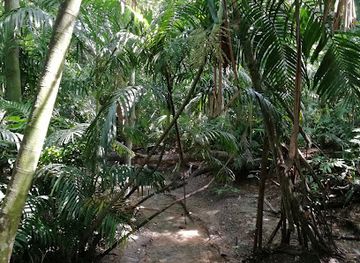
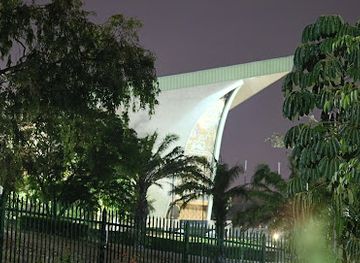
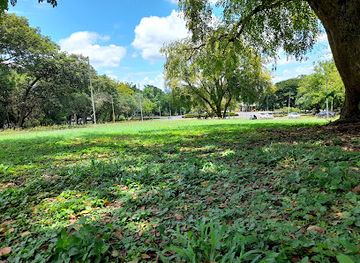
Explore Southern Region on the map
Plan your trip on one map. See where the top cities, national parks and sights are, and book hotels and experiences in a few clicks.
Best hotels in Southern Region
Best restaurants in Southern Region
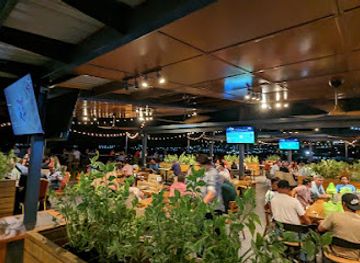
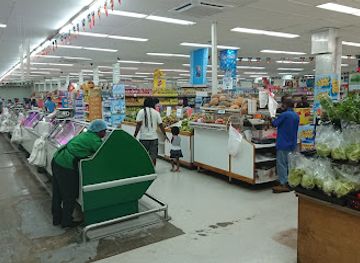
Dining in the Southern Region ranges from hotel and restaurant menus in Port Moresby to simple meals prepared for travellers in provincial lodges, guesthouses and community settings. The local food tradition uses sago, sweet potato, taro, cassava, greens, coconut, bananas and fish, with seafood particularly important around the Gulf of Papua and Milne Bay. In coastal and island communities, freshly caught fish may be accompanied by root crops, vegetables or coconut-based preparations, while urban restaurants offer broader Pacific, Asian and international choices. Port Moresby has the greatest variety of cafés, bakeries, supermarkets and formal dining rooms; Alotau and smaller provincial centres have fewer options and benefit from advance arrangements. Markets can provide seasonal fruit and local snacks, but hygiene standards vary, so visitors should choose food that is freshly cooked and served hot. Sago products, local produce and Papua New Guinean coffee may be encountered, although coffee is associated especially with the country’s highland growing areas rather than being a distinct Southern Region speciality.
-
Restaurant
Alibi Bar & Grill
Discover Alibi Bar & Grill: A culinary haven in Port Moresby blending local flavors with international cuisine in a vibrant setting.
-
Seafood
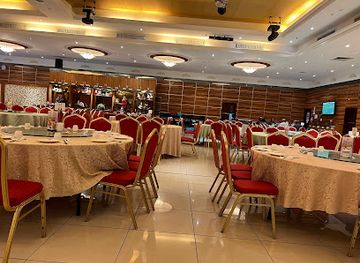
Dynasty Seafood Restaurant
Experience exquisite seafood dining at Dynasty Seafood Restaurant in Port Moresby’s Vision City Mega Mall – where flavors meet tradition.
-
Brunch
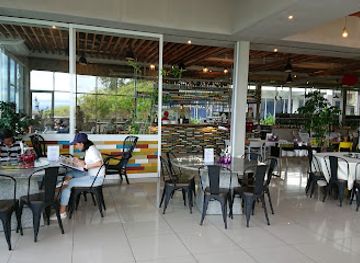
Edge Cafe Port Moresby
Discover delightful brunch experiences at Edge Cafe Port Moresby - where local flavors meet cozy ambiance.
-
Restaurant
Savannah Bistro
Discover exquisite dining at Savannah Bistro in Port Moresby – where local flavors meet international cuisine in a vibrant setting.

Best bars in Southern Region
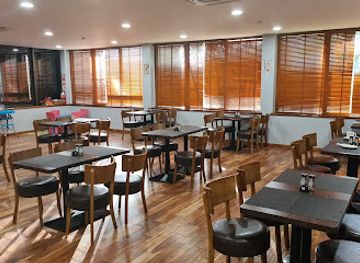
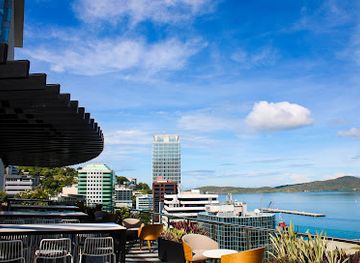
Nightlife is concentrated in Port Moresby, where established hotels, restaurants and selected entertainment venues provide the most predictable evening options. The capital has bars serving local and international drinks, occasional live music and social spaces attached to hotels, but visitors should arrange secure transport and avoid moving between venues on foot at night. Alotau has a quieter evening scene centred on hotel bars, restaurants and informal social gatherings rather than a large club circuit. In Kerema, Daru, Kiunga and remote island or river destinations, evenings are generally shaped by guesthouse dining, community interaction, early starts and the surrounding landscape. Some lodges may offer a bar or organised entertainment, but availability changes and should not be assumed. Visitors should follow local advice about alcohol, especially in villages and remote communities, and remember that a respectful conversation, cultural performance or early-morning wildlife excursion may be more characteristic of the region than late-night clubbing.
-
Restaurant
Alibi Bar & Grill
Experience the vibrant culinary scene of Port Moresby at Alibi Bar & Grill, where delicious flavors meet a lively atmosphere.
-
Bar
Jackson's Bar Restaurant & Gaming
Discover Jackson's Bar Restaurant & Gaming, a lively bar in Port Moresby serving delicious food, refreshing drinks, and exciting gaming experiences.
-
Restaurant
Luluai
Experience the vibrant flavors of Port Moresby at Luluai, a culinary haven offering a blend of local and international dishes in a warm atmosphere.
-
Restaurant
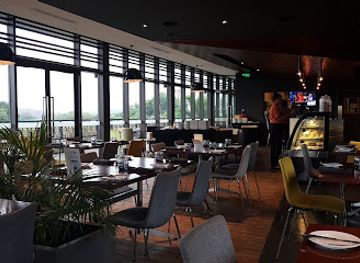
Port Terrace Restaurant & Bar
Discover the exquisite flavors of Port Moresby at Port Terrace Restaurant & Bar, where local culture meets culinary excellence in a stunning setting.
Best nightclubs in Southern Region
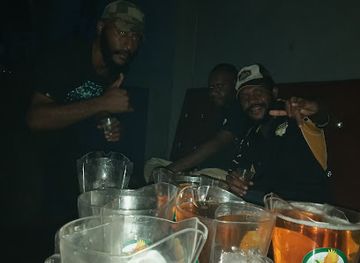
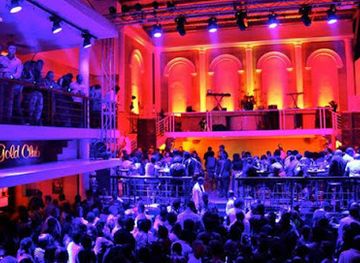
Nightlife is concentrated in Port Moresby, where established hotels, restaurants and selected entertainment venues provide the most predictable evening options. The capital has bars serving local and international drinks, occasional live music and social spaces attached to hotels, but visitors should arrange secure transport and avoid moving between venues on foot at night. Alotau has a quieter evening scene centred on hotel bars, restaurants and informal social gatherings rather than a large club circuit. In Kerema, Daru, Kiunga and remote island or river destinations, evenings are generally shaped by guesthouse dining, community interaction, early starts and the surrounding landscape. Some lodges may offer a bar or organised entertainment, but availability changes and should not be assumed. Visitors should follow local advice about alcohol, especially in villages and remote communities, and remember that a respectful conversation, cultural performance or early-morning wildlife excursion may be more characteristic of the region than late-night clubbing.
-
Bar
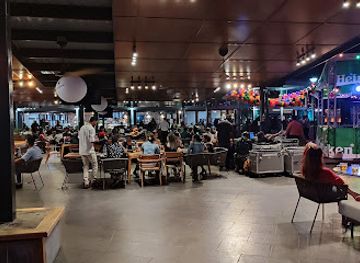
KUNDU CLUB
Experience the vibrant nightlife at Kundu Club, Port Moresby's premier bar featuring local drinks and a lively atmosphere.
-
Night club
The Gold Club
Experience the vibrant nightlife at The Gold Club in Port Moresby, where music, dance, and fun come together in a lively atmosphere.
-
Night club
Club Illusion PNG
Dive into the exciting nightlife of Port Moresby at Club Illusion PNG, where vibrant music and dancing create unforgettable experiences.
-
Night club
Club Regal
Discover the electrifying nightlife of Port Moresby at Club Regal, where vibrant music and lively crowds create unforgettable memories.


Best shops in Southern Region
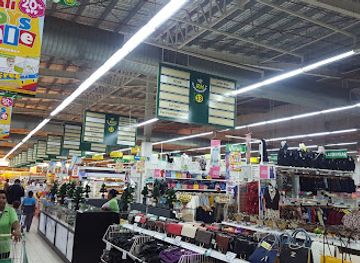
Shopping is most developed in Port Moresby, where supermarkets, craft outlets, galleries and selected hotel shops offer carvings, woven goods, bilums, jewellery, books, fabrics and packaged food products. The best purchases are traceable to their maker or community, and visitors should ask whether an item may legally be exported, particularly when it contains wildlife material, archaeological objects or protected timber. Markets in the capital and provincial towns sell fruit, vegetables, betel nut and everyday goods, although they are primarily places for local commerce rather than souvenir districts. Alotau can be a useful place to look for Milne Bay handicrafts, woven articles and locally made artworks, while smaller centres offer more limited and irregular opportunities. Bilums and carvings vary greatly in style because Papua New Guinea has many cultural traditions; buying directly through a reputable craft outlet or community organisation helps ensure respectful trade. Bargaining should be polite and moderate, and visitors should not remove shells, coral, plants or other natural materials from beaches, reefs or protected areas.
-
Shopping mall
Vision City Mega Mall
Discover the dynamic shopping experience at Vision City Mega Mall in Port Moresby, where retail, dining, and entertainment come together.
-
Grocery store
Boroko Foodworld
Explore the flavors of Papua New Guinea at Boroko Foodworld, your ultimate grocery destination in Port Moresby.
-
Grocery store
Stop and Shop Waigani Central
Explore Waigani Central in Port Moresby: A premier shopping destination blending local flavors and modern convenience for every traveler.
-
Tourist attraction
Port Moresby Nature Park
Explore the breathtaking beauty of Port Moresby Nature Park, a unique blend of botanical gardens, wildlife exhibits, and recreational spaces in the heart of Papua New Guinea.

Get your free copy of our complete guide to Southern Region, delivered straight to you.
Everything on this page, from attractions and restaurants to essentials and local phrases, in one PDF you can read offline, print or share.
Already have an account? Sign in
Your Southern Region guide is ready.
We'll send it to · Not you? Sign out

Getting your guide ready…
We are putting together a fresh copy of the Southern Region guide. This can take up to a minute.
This can take a few moments. If your browser asks, choose Allow so the download can start. You'll find the guide in your Downloads folder.
Nothing happened? Download it again
Sorry, the guide is taking longer than usual. Please try again in a minute, or get it by email instead.
Southern Region essentials
Currency and Payment
Safety
Emergency Situations
Do's and Don'ts
Local Tips
From Eve
Local phrases worth knowing
You don't need to get them perfect. A few words go a long way, and locals appreciate the effort.
Basics
| English | Local | Say it |
|---|---|---|
| Hello | Gude | [goo-deh] |
| Goodbye | Gude bye | [goo-deh bye] |
| Yes | Yes | [yes] |
| No | No | [no] |
| Please/You’re welcome | Plis | [plees] |
| Thank you | Tenkyu | [ten-kyoo] |
| Excuse me/Sorry | Sori | [so-ree] |
| How are you? | Yu orait? | [yoo oh-rait] |
| Fine. And you? | Orait. Na yu? | [oh-rait. nah yoo] |
| Do you speak English? | Yu tokim Inglis? | [yoo toh-kim ing-lis] |
| I don't understand | Mi no save | [mee noh sah-veh] |
Eating & Drinking
| English | Local | Say it |
|---|---|---|
| I’d like to see the menu, please | Mi laik lukim menu, plis | [mee lai-ik loo-kim meh-noo, plees] |
| I don't eat meat | Mi no kaika mit | [mee noh kai-kah meet] |
| Cheers! | Kaim | [kai-m] |
| I would like to pay, please | Mi laik pai, plis | [mee lai-ik pai, plees] |
Emergencies
| English | Local | Say it |
|---|---|---|
| Help! | Help! | [help] |
| Go away! | Go we! | [go weh] |
| Call the Police! | Kolim polis! | [koh-lim poh-lis] |
| Call a doctor! | Kolim dokta! | [koh-lim dok-tah] |
| I’m lost | Mi lus | [mee looss] |
| I’m ill | Mi sik | [mee seek] |
Shopping
| English | Local | Say it |
|---|---|---|
| I’d like to buy... | Mi laik baim... | [mee lai-ik bye-m] |
| I’m just looking | Mi lukim tasol | [mee loo-kim tah-sol] |
| How much is it? | Em olsem hamas? | [em oh-lsem hah-mahs] |
| That’s too expensive | Dispela i bikpela prais | [dis-peh-lah ee beek-peh-lah prai-s] |
| Can you lower the price? | Yu ken lessen prais? | [yoo ken leh-sen prai-s] |
Time & Numbers
| English | Local | Say it |
|---|---|---|
| What time is it? | Wanem taim? | [wah-nem tah-im] |
| It’s one o'clock | Em wan o'clock | [em wan oh-clock] |
| Half past (10) | Haf past (10) | [haf pahst ten] |
| Morning | Mornin | [mor-ning] |
| Afternoon | Aftanun | [af-tah-noon] |
| Evening | Ivening | [ee-ven-ing] |
| Yesterday | Yestede | [yes-teh-de] |
| Today | Tude | [too-deh] |
| Tomorrow | Tumoro | [too-mo-roh] |
| 1 | Wan | [wan] |
| 2 | Tu | [too] |
| 3 | Tri | [tree] |
| 4 | Foa | [foh-ah] |
| 5 | Faiv | [fah-iv] |
| 6 | Siks | [siks] |
| 7 | Sev | [sev] |
| 8 | Eit | [eight] |
| 9 | Nain | [nine] |
| 10 | Ten | [ten] |
Transport & Directions
| English | Local | Say it |
|---|---|---|
| Where's a/the...? | Wea em...? | [weh-ah em] |
| What's the address? | Wanem address? | [wah-nem ad-dres] |
| Can you show me (on the map)? | Yu ken soim mi (long map)? | [yoo ken so-im mee long map] |
| When's the next (bus)? | When em next (bus)? | [wen em next bus] |
| A ticket (to ....) | Wan tiket (go....) | [wan ti-ket go] |
History of Southern Region
Ancient settlement and Papuan lifeways
The southern mainland and islands have been inhabited for thousands of years, with communities adapting to savannah, rainforest, river deltas, wetlands and reefs. Archaeological evidence across Papua New Guinea points to long-established gardening, fishing, hunting and trading traditions rather than a single path of development. In the Southern Region, waterways were important corridors for movement and exchange, while the diverse environments encouraged highly localised languages, social systems and artistic practices. Many contemporary communities continue to maintain relationships with particular rivers, forests, islands and ancestral places.
Motu-Koitabu communities and hiri trade
The coastal communities around today’s Port Moresby developed a maritime trading system known as the hiri, in which large sailing canoes carried pottery from the Gulf of Papua to Motu villages and returned with sago and other goods. The voyages linked communities across difficult coastal waters and helped shape the cultural history of the National Capital District and Central Province. Hiri traditions remain important to local identity, public cultural events and interpretations of the capital’s past, although they should be understood as living heritage rather than simply as a historical spectacle.
European contact and colonial administration
European exploration and missionary activity increased during the nineteenth century, followed by the establishment of British and then Australian administration in the southern part of New Guinea. Port Moresby became the administrative centre of the Territory of Papua, and colonial influence expanded through government stations, missions, plantations, shipping and labour systems. These changes brought new institutions and infrastructure but also disrupted local authority, economies and patterns of land use. Colonial buildings, cemeteries, mission sites and town layouts offer physical reminders of this period, particularly around Port Moresby and older coastal settlements.
The growth of coastal and river economies
During the colonial and post-war periods, ports, airstrips, plantations, fisheries, mining operations and river transport influenced the development of the Southern Region. The Fly River and Gulf waterways remained crucial to communities that could not be connected easily by roads, while Milne Bay’s islands depended on maritime links. Economic activity brought wider access to schools, health services and markets, but it also created debates over land, environmental change and the distribution of benefits. These tensions continue to shape conversations about resource development and conservation across the region.
The Pacific War in Papua
The Southern Region became strategically important during the Second World War. Port Moresby was a major Allied base, and the Battle of the Coral Sea in 1942 helped prevent a direct Japanese seizure of the harbour. Milne Bay was the scene of a major Allied victory later that year, while wartime airfields, coastal defences, wrecks, memorials and cemeteries remain part of the region’s historical landscape. The conflict also placed great demands on Papuan communities, whose labour, knowledge and logistical support were vital but were often poorly acknowledged in older wartime accounts.
Independence and the modern capital
Papua New Guinea became independent from Australia in 1975, with Port Moresby continuing as the national capital and the political centre of the Southern Region. Independence brought new national institutions, cultural expression and development priorities, while provincial communities continued to negotiate the relationship between customary landownership, state administration and commercial activity. Contemporary Port Moresby combines government districts, expanding suburbs, markets, cultural institutions and long-established coastal communities. Across the wider region, customary practices and local languages remain central to social life despite significant economic and infrastructural challenges.
Conservation, resource development and cultural continuity
In recent decades, the region has faced competing pressures from mining, petroleum, forestry, urban expansion, fisheries and infrastructure projects. At the same time, wetlands, reefs, forests and island environments have attracted conservation work and research. Communities in the Gulf, Western and Milne Bay areas continue to draw on local ecological knowledge in fishing, gardening, navigation and resource management. For visitors, this history is visible in cultural centres, museums, wartime sites, community-based tourism and the increasingly important effort to present Papuan heritage on local terms.
Southern Region in Photos
Browse through our photo collection highlighting the charm and character of the destination.
Neighbouring regions of Southern Region
The closest regions to Southern Region, if you have time for more than one.
-

-

-

-

-


Swipe for more regions
Explore more

Explore more of Papua New Guinea
Discover Papua New Guinea, where ancient cultures meet untamed wilderness. From vibrant festivals to stunning natural landscapes, an adventure awaits in this Pacific gem.
Explore Papua New Guinea