

Free Hela Region Travel Guide & Mobile App
Explore Hela Region with free travel guides. Discover regional history, expert tips, proposed trips, and audio guides on web or mobile app.


Explore the Hela Region in Papua New Guinea: A land of vibrant culture, breathtaking landscapes, and thrilling adventures.
Read more about Hela Region
When is the best time to visit Hela Region?
Best: January–March · 25°C| Month | High (°C) | Rainfall (mm) |
|---|---|---|
| January (best) | 25 | 250 |
| February (best) | 25 | 250 |
| March (best) | 25 | 250 |
| April | 25 | 250 |
| May | 25 | 250 |
| June | 25 | 250 |
| July | 25 | 250 |
| August | 25 | 250 |
| September | 25 | 250 |
| October | 25 | 250 |
| November | 25 | 250 |
| December | 25 | 250 |
Getting to and around Hela Region
How to get there
Transportation
Best attractions in Hela Region
Nestled in the heart of Papua New Guinea, the Hela Region offers an unparalleled journey through time and nature, where visitors can immerse themselves in the rich cultural tapestry of the Huli Wigmen with their vibrant, traditional headdresses and captivating dance rituals. Adventurers can hike through the rugged landscapes of the Tari Basin, home to lush rainforests teeming with exotic bird species like the iconic Bird of Paradise, or explore the mysterious limestone caves and cascading waterfalls that dot the region. The Hela Region also boasts geothermal wonders, with natural hot springs providing a perfect spot for relaxation amid the wild, untouched beauty of the highlands. History enthusiasts will be thrilled by the ancient archaeological sites, including relics from early human settlements that offer a glimpse into the region's storied past. Each corner of Hela promises a unique and unforgettable experience, blending natural splendor with deep-rooted traditions.
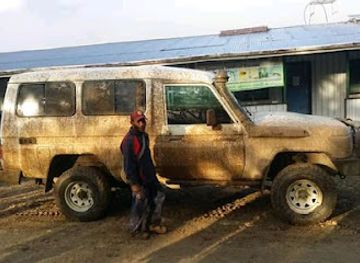
Explore Hela Region on the map
Plan your trip on one map. See where the top cities, national parks and sights are, and book hotels and experiences in a few clicks.
Best hotels in Hela Region
Best restaurants in Hela Region
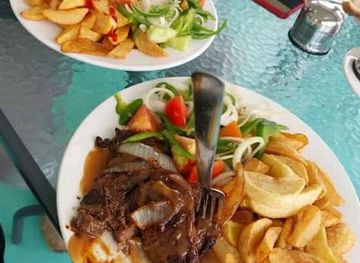
The dining scene in Hela Region is a captivating journey into Papua New Guinea's rich culinary traditions, offering visitors a unique opportunity to savor authentic local flavors amidst stunning natural landscapes. Expect to indulge in meals centered around organically-grown produce, with dishes featuring sweet potatoes, taro, and yams, often cooked in a traditional earth oven known as a 'mumu.' The region's rivers and lush terrain provide fresh fish, wild game, and an array of tropical fruits, ensuring a diverse and vibrant palate. Dining experiences here are often communal, inviting you to share in the warmth and hospitality of the Huli people, all while embracing the rustic charm and unspoiled beauty of Hela's highlands.
-
Restaurant
Hela PHA Commercial Kitchen
Experience authentic Papua New Guinean cuisine at Hela PHA Commercial Kitchen - where local flavors meet warm hospitality.
-
 Restaurant
Iba Gambaya Bebalibuni Buluandini Tuu
Experience authentic Papua New Guinean cuisine at Iba Gambaya Bebalibuni Buluandini Tuu in Hela Province—where every dish tells a story.
-
Restaurant
Kela Ayunabe
Discover the authentic flavors of Hela Province at Kela Ayunabe, where every meal is a celebration of local cuisine amidst breathtaking scenery.
Best bars in Hela Region
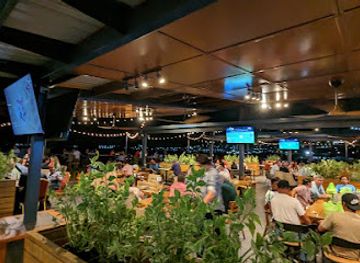
The nightlife in Hela Region offers an authentic and immersive experience that is a world apart from the typical urban club scene. As the sun sets over the lush highlands, local communities often gather for traditional sing-sings, where rhythmic drumming, vibrant dances, and ancestral songs fill the air, inviting visitors to witness and even participate in these age-old cultural celebrations. For those seeking a more laid-back evening, intimate gatherings around communal bonfires provide a perfect setting to share stories with locals, sample traditional Huli cuisine, and sip on locally brewed beverages such as Taro beer. Some lodges and eco-resorts also host live performances that showcase the region's unique musical heritage, offering a deeper connection to the cultural tapestry of Papua New Guinea. Expect an evening rich in cultural exchange and a chance to engage with the heart and soul of Hela's vibrant community life.
-
Restaurant
Alibi Bar & Grill
Experience the best of local and international cuisine at Alibi Bar & Grill in Port Moresby, where vibrant flavors meet a lively atmosphere.
-
Bar
Jackson's Bar Restaurant & Gaming
Discover Port Moresby's lively hub for dining and gaming at Jackson's Bar Restaurant & Gaming, where fun and flavors meet in a warm atmosphere.
-
Restaurant
Luluai
Experience the vibrant flavors of Papua New Guinea at Luluai, a must-visit restaurant in Port Moresby for an unforgettable dining experience.
-
Restaurant
Port Terrace Restaurant & Bar
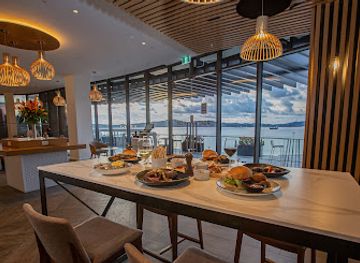
Experience exceptional dining with stunning views at Port Terrace Restaurant & Bar in Port Moresby, where local flavors meet international cuisine.

Best nightclubs in Hela Region
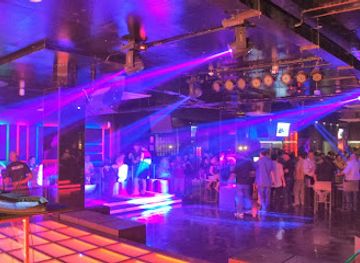
The nightlife in Hela Region offers an authentic and immersive experience that is a world apart from the typical urban club scene. As the sun sets over the lush highlands, local communities often gather for traditional sing-sings, where rhythmic drumming, vibrant dances, and ancestral songs fill the air, inviting visitors to witness and even participate in these age-old cultural celebrations. For those seeking a more laid-back evening, intimate gatherings around communal bonfires provide a perfect setting to share stories with locals, sample traditional Huli cuisine, and sip on locally brewed beverages such as Taro beer. Some lodges and eco-resorts also host live performances that showcase the region's unique musical heritage, offering a deeper connection to the cultural tapestry of Papua New Guinea. Expect an evening rich in cultural exchange and a chance to engage with the heart and soul of Hela's vibrant community life.
Best shops in Hela Region
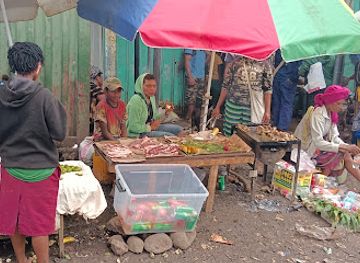
The shopping scene in the Hela Region of Papua New Guinea is a vibrant tapestry of traditional culture and local craftsmanship that will captivate any visitor. At bustling local markets, you'll find stalls brimming with hand-woven bilums (string bags), intricately carved wooden artifacts, and colorful traditional attire, each piece telling a unique story of the Huli people. Freshly harvested produce and exotic spices fill the air with a fragrant allure, while friendly vendors eagerly share tales of their heritage. The authentic, rustic setting offers a sensory-rich experience, providing a genuine glimpse into the everyday life and artistic expressions of the Hela community.
-
Hardware store
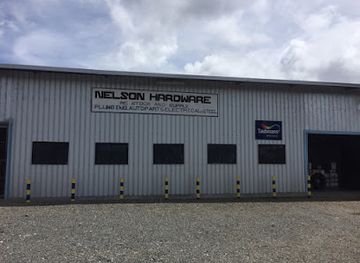
Nelson Hardware
Visit Nelson Hardware for a unique blend of local culture and essential DIY supplies in Tari, Hela Province.
-
Supermarket
Tari Main Market
Explore the vibrant Tari Main Market in Hela Province, Papua New Guinea, and immerse yourself in local culture through unique crafts and fresh produce.
-
Supermarket
Percy Market
Discover the essence of Orndol at Percy Market, your local stop for fresh produce, unique crafts, and authentic Papua New Guinean culture.
-
Hardware store
Poiyo Hardware
Explore the charm of Poiyo Hardware in Mendi, where local craftsmanship meets the essentials for every project.
Get your free copy of our complete guide to Hela Region, delivered straight to you.
Everything on this page, from attractions and restaurants to essentials and local phrases, in one PDF you can read offline, print or share.
Already have an account? Sign in
Your Hela Region guide is ready.
We'll send it to · Not you? Sign out

Getting your guide ready…
We are putting together a fresh copy of the Hela Region guide. This can take up to a minute.
This can take a few moments. If your browser asks, choose Allow so the download can start. You'll find the guide in your Downloads folder.
Nothing happened? Download it again
Sorry, the guide is taking longer than usual. Please try again in a minute, or get it by email instead.
Hela Region essentials
Currency and Payment
Safety
Emergency Situations
Do's and Don'ts
Local Tips
From Eve
Local phrases worth knowing
You don't need to get them perfect. A few words go a long way, and locals appreciate the effort.
Basics
| English | Local | Say it |
|---|---|---|
| Hello | Kia ora | [kee-ah-oh-rah] |
| Goodbye | Sokim | [soh-keem] |
| Yes | Aye | [ah-yeh] |
| No | Nok | [nawk] |
| Please/You're welcome | Kia ora | [kee-ah-oh-rah] |
| Thank you | Tenkyu | [ten-kyoo] |
| Excuse me/Sorry | Kisim mi sori | [kee-sim mee soh-ree] |
| How are you? | Yu orait? | [yoo oh-ryt] |
| Fine. And you? | Orait. Na yu? | [oh-ryt nah yoo] |
| Do you speak English? | Yu tok Inglis? | [yoo tok ing-lis] |
| I don't understand | Mi no inap | [mee noh ee-nahp] |
Eating & Drinking
| English | Local | Say it |
|---|---|---|
| I'd like to see the menu, please | Mi likim lukim menu, plis | [mee lee-keem loo-keem meh-noo plis] |
| I don't eat meat | Mi no kaikai mit | [mee noh kai-kai meet] |
| Cheers! | Kia ora! | [kee-ah-oh-rah] |
| I would like to pay, please | Mi likim payim, plis | [mee lee-keem pah-ee-m plis] |
Emergencies
| English | Local | Say it |
|---|---|---|
| Help! | Help! | [help] |
| Go away! | Lusim! | [loo-sim] |
| Call the Police! | Kolim polis! | [koh-lim poh-lis] |
| Call a doctor! | Kolim dokta! | [koh-lim dok-tah] |
| I'm lost | Mi lus | [mee loo-s] |
| I'm ill | Mi sik | [mee seek] |
Shopping
| English | Local | Say it |
|---|---|---|
| I'd like to buy... | Mi likim baim... | [mee lee-keem bye-m] |
| I'm just looking | Mi lukim tasol | [mee loo-keem tah-sol] |
| How much is it? | Em hamas? | [em hah-mahs] |
| That's too expensive | Dis em tu ekspensiv | [dis em too eks-pen-siv] |
| Can you lower the price? | Yu ken daunim prais? | [yoo ken dah-oo-neem prah-is] |
Time & Numbers
| English | Local | Say it |
|---|---|---|
| What time is it? | Hamas taim? | [hah-mahs tah-im] |
| It's one o'clock | Em wan klok | [em wahn klok] |
| Half past (10) | Haf past (10) | [haf pahst ten] |
| Morning | Moning | [moh-ning] |
| Afternoon | Aftonun | [ahf-tuh-noon] |
| Evening | Ivin | [ee-vin] |
| Yesterday | Yestedei | [yeh-steh-day] |
| Today | Tudei | [too-day] |
| Tomorrow | Tumoro | [too-moh-roh] |
| 1 | Wan | [wahn] |
| 2 | Tu | [too] |
| 3 | Tri | [tree] |
| 4 | Fo | [foh] |
| 5 | Faiv | [fah-eve] |
| 6 | Siks | [siks] |
| 7 | Sev | [sev] |
| 8 | Eit | [ate] |
| 9 | Nain | [nine] |
| 10 | Ten | [ten] |
Transport & Directions
| English | Local | Say it |
|---|---|---|
| Where's a/the...? | Wea em ...? | [weh em] |
| What's the address? | Hamas adres? | [hah-mahs ah-dres] |
| Can you show me (on the map)? | Yu ken shoim mi (long map)? | [yoo ken shoym mee long mahp] |
| When's the next (bus)? | When em nekst (bus)? | [whehn em nekst bus] |
| A ticket (to ....) | Wan tiket (go ....) | [wahn tee-ket go] |
History of Hela Region
The Birth of the Huli People
The Huli people, indigenous to the Hela Region, have lived in the area for approximately 1,000 years. They are known for their unique cultural practices, including elaborate wig-making and face painting. The Huli have maintained a distinct identity, characterized by their rich oral traditions and strong communal ties.
Huli Wigmen Tradition
One of the most distinctive cultural practices of the Huli people is the creation of ceremonial wigs. These wigs, made from human hair, are grown, harvested, and intricately designed by men who live in isolation during the process. The wigs are often adorned with feathers and other natural materials, symbolizing status and achievements within the community.
The Impact of European Contact
European explorers first made contact with the Hela Region in the early 20th century. This encounter brought significant changes to the region, including the introduction of new technologies and the establishment of colonial administrative structures. The Huli people's way of life was profoundly affected, leading to a period of adaptation and transformation.
World War II and its Aftermath
During World War II, the Hela Region was strategically significant due to its location. Allied forces established bases in the area, and the local population experienced the war's impacts firsthand. Post-war, the region saw increased infrastructure development, including airstrips and roads, which facilitated greater interaction with the outside world.
The Discovery of Oil and Gas
In the late 20th century, significant oil and gas reserves were discovered in the Hela Region. This discovery brought economic opportunities but also challenges, including disputes over land rights and environmental concerns. The influx of companies and workers transformed the local economy and social structure.
The Tari Basin and Archaeological Findings
The Tari Basin, located in the Hela Region, is a significant archaeological site. Excavations have uncovered evidence of ancient human settlement, including tools and pottery, providing valuable insights into the early history of the region. These findings have helped to piece together the story of human habitation and cultural development in Hela.
The Role of Traditional Leadership
Traditional leadership plays a crucial role in the Hela Region. Clan leaders and elders hold significant authority and are responsible for maintaining social order and cultural practices. Their leadership is integral to conflict resolution, land management, and the preservation of cultural heritage.
The Hela Wigmen Festival
The Hela Wigmen Festival is an annual event that celebrates the culture and traditions of the Huli people. It features traditional dances, music, and the display of ceremonial wigs. The festival attracts visitors from around the world, offering a unique opportunity to experience the vibrant culture of the Hela Region.
Modern Day Hela Region
Today, the Hela Region is a blend of traditional and modern influences. While many Huli people continue to practice their ancestral customs, the region is also experiencing modernization and development. Education, healthcare, and infrastructure improvements are gradually transforming the social and economic landscape of the area.
Hela Region in Photos
Browse through our photo collection highlighting the charm and character of the destination.
Neighbouring regions of Hela Region
The closest regions to Hela Region, if you have time for more than one.
-

-

-
-

-


Swipe for more regions

