

Free Highlands Region Travel Guide & Mobile App
Explore Highlands Region with free travel guides. Discover regional history, expert tips, proposed trips, and audio guides on web or mobile app.


Explore Papua New Guinea’s Highlands for mountain landscapes, ancient agriculture, coffee country and richly diverse living cultures.
Read more about Highlands Region
When is the best time to visit Highlands Region?
Best: June–August · 24°C| Month | High (°C) | Rainfall (mm) |
|---|---|---|
| January | 24 | 250 |
| February | 24 | 230 |
| March | 24 | 210 |
| April | 24 | 190 |
| May | 24 | 170 |
| June (best) | 24 | 150 |
| July (best) | 24 | 130 |
| August (best) | 24 | 150 |
| September | 24 | 170 |
| October | 24 | 190 |
| November | 24 | 210 |
| December | 24 | 230 |
Getting to and around Highlands Region
How to get there
Transportation
Top city travel guides in Highlands Region
The cities of Highlands Region, and the easiest places to base yourself.
-

-

-

-


Swipe for more cities
Destinations in Highlands Region
Resorts, valleys and scenic spots worth a trip of their own.
-

-


Swipe for more destinations
Best attractions in Highlands Region
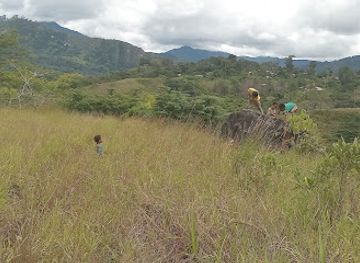
The Highlands’ attractions are distributed across a large, mountainous area and combine living culture with agricultural and natural landscapes. In the Western Highlands, the Wahgi Valley offers gardens, coffee-growing communities and access to the archaeological landscape associated with Kuk. Mount Hagen provides a base for cultural events and excursions into surrounding valleys, while Goroka is known for Eastern Highlands scenery, markets and public sing-sing traditions. Simbu offers access to rugged mountain country and guided approaches towards Mount Wilhelm, where conditions demand serious preparation. Enga’s high valleys around Wabag have distinctive grassland and settlement landscapes, while Tari and the wider Hela area are associated with highland forests, birdlife and community-guided cultural experiences. In the south, Lake Kutubu and the surrounding forested country provide a contrasting environment of water, wetlands and wildlife. The most rewarding activities are usually arranged through local guides: walking between gardens and villages, visiting coffee producers, observing birds, exploring archaeological contexts and understanding highland farming. Infrastructure is limited beyond the main towns, and attractions may not operate as formal, permanently staffed visitor sites, so permission, local knowledge and flexible timing are essential.
-
Park
Queen's Park
Experience the beauty and tranquility of Queen's Park in Mount Hagen, where nature meets culture in the heart of Papua New Guinea.
-
Hiking area
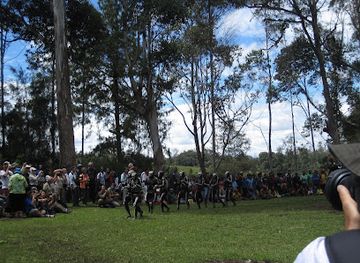
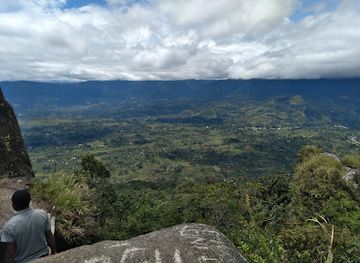
Aundaka
Experience the breathtaking beauty of Aundaka, a hiking paradise nestled in the stunning landscapes of Mount Hagen, Papua New Guinea's Western Highlands.
-
Garden
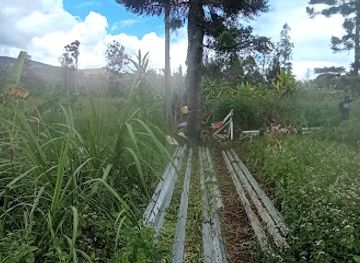
Kirkimb Mangakona
Explore the lush serenity of Kirkimb Mangakona, a tranquil garden in Mount Hagen, where natural beauty meets cultural heritage in Papua New Guinea's highlands.
-
Tourist attraction
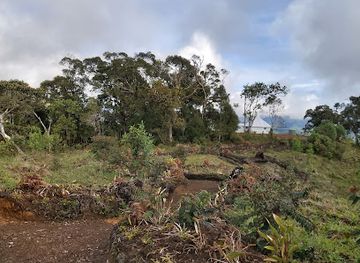
Konaitumbu/Popurul
Explore the natural beauty and cultural richness of Konaitumbu, a hidden gem in the Southern Highlands of Papua New Guinea.
Best landmarks in Highlands Region
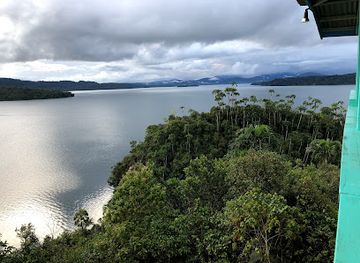
Mount Wilhelm in Simbu Province is the Highlands’ most prominent natural landmark and the highest mountain in Papua New Guinea, rising above a landscape of steep ridges, alpine vegetation and changing weather. The mountain is a serious trekking objective rather than a casual viewpoint, and routes require local guidance and preparation. The Kuk Early Agricultural Site in the Western Highlands is a landmark of global archaeological importance, preserving evidence of ancient drainage and cultivation in the Wahgi Valley. Lake Kutubu in Southern Highlands Province forms a major natural feature of the southern interior, framed by forest and associated with wetland and aquatic habitats. The broad Wahgi Valley itself is a geographical landmark, its cultivated floor contrasting with enclosing mountain walls. In Hela, the Tari Basin is notable for its highland setting, forest margins and distinctive cultural landscapes. Urban landmarks are generally more functional than monumental: markets, churches, airfields, government compounds and road junctions reveal the region’s modern development and its links with surrounding villages.
-
Lake
Lake Kutubu
Explore the enchanting Lake Kutubu, a pristine oasis in Papua New Guinea's Southern Highlands, where nature and culture intertwine beautifully.
-
 Lodge
LodgeKumul Lodge
Discover the breathtaking beauty and rich culture of Papua New Guinea at Kumul Lodge, your serene retreat in the Highlands.
-
Archaeological site
Kuk Swamp
Explore Kuk Swamp, a UNESCO World Heritage archaeological site in Mount Ambra, revealing the ancient agricultural practices of Papua New Guinea's highlands.
-
Historical landmark
Gawa Plains, Tonari & Family
Explore the historical significance and stunning landscapes of Gawa Plains in Chimbu Province, a must-visit for culture enthusiasts and nature lovers alike.
Explore Highlands Region on the map
Plan your trip on one map. See where the top cities, national parks and sights are, and book hotels and experiences in a few clicks.
Best hotels in Highlands Region
Best restaurants in Highlands Region
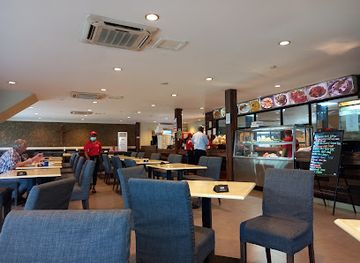
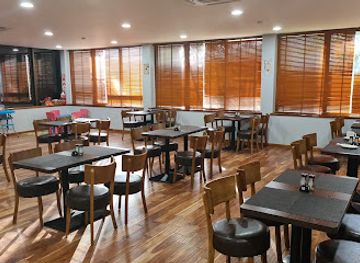
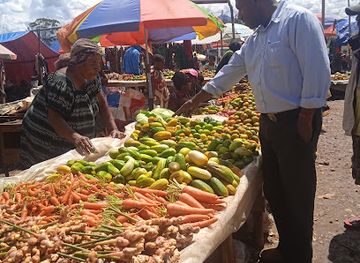
Highland dining is closely connected to gardens, markets and household agriculture rather than a separate restaurant tradition. Sweet potato is a principal staple, accompanied by taro, greens, corn, cassava in some areas and locally raised pork prepared for family, community and ceremonial occasions. Fresh vegetables from the cool valleys are widely traded, and coffee from the Highlands is the region’s most recognisable commercial product, with locally grown beans often available through cafés, hotels or producer visits. In Mount Hagen, Goroka and other provincial centres, visitors will find a mixture of Papua New Guinean meals, Chinese-influenced cafés, bakeries, hotel dining rooms and familiar international dishes. Rural meals may be simple and arranged as part of a guided cultural visit rather than purchased from a conventional restaurant. Markets provide insight into seasonal produce, but visitors should use normal food and water precautions. Where invited to share food, follow the host’s lead, clarify payment or contribution arrangements beforehand and remember that ceremonial feasts carry social meaning beyond ordinary dining.
-
Restaurant
Heritage Cafe PNG
Experience authentic Papua New Guinean flavors at Heritage Cafe PNG in Port Moresby – a delightful dining destination for all food lovers.
-
Restaurant
Luluai
Experience the rich flavors of Papua New Guinea at Luluai - where culinary tradition meets modern dining in Port Moresby.
-
Restaurant
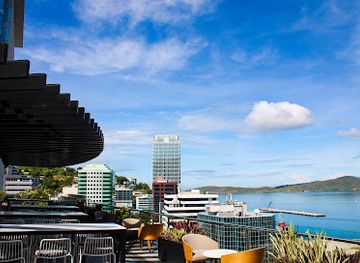
Port Terrace Restaurant & Bar
Experience exquisite cuisine and breathtaking views at Port Terrace Restaurant & Bar in Port Moresby.
-
Restaurant
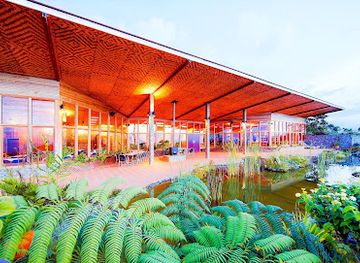
Rondon Ridge
Experience exquisite dining with breathtaking views at Rondon Ridge in Mount Hagen's Western Highlands.
Best bars in Highlands Region
Nightlife in the Highlands is modest and concentrated in hotels, licensed restaurants and a small number of town-centre venues rather than dedicated club districts. Mount Hagen and Goroka have the broadest choice of evening settings, including hotel bars, casual restaurants and occasional live entertainment, while smaller provincial centres generally become quiet earlier. In rural areas, evenings are more likely to centre on family, church or community life than commercial nightlife. Visitors should avoid walking after dark, seek local advice before going out and use transport arranged through accommodation. Alcohol is not necessary to experience highland culture, and public drunkenness can create avoidable risks. Cultural festivals and sing-sings may include music and evening social activity, but arrangements vary and should be confirmed locally rather than assumed to operate as regular nightlife events.
-
Bar
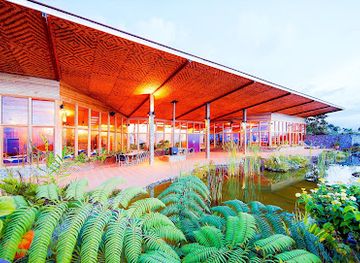
Rondon Ridge
Discover the stunning landscapes and rich culture at Rondon Ridge in Papua New Guinea's breathtaking Western Highlands.
-
Bar
KUNDU CLUB
Experience the vibrant nightlife and tropical charm of Kundu Club, a top bar destination in Port Moresby, perfect for relaxation and socializing.
-
Bar
Ramu Management Club
Experience the vibrant local culture and unwind with refreshing drinks at Ramu Management Club in Madang Province, a must-visit bar for travelers.
-
Restaurant
Chetty's Restaurant
Discover the flavors of Papua New Guinea at Chetty's Restaurant in Mount Hagen, a must-visit culinary destination for every traveler.
Best nightclubs in Highlands Region
Nightlife in the Highlands is modest and concentrated in hotels, licensed restaurants and a small number of town-centre venues rather than dedicated club districts. Mount Hagen and Goroka have the broadest choice of evening settings, including hotel bars, casual restaurants and occasional live entertainment, while smaller provincial centres generally become quiet earlier. In rural areas, evenings are more likely to centre on family, church or community life than commercial nightlife. Visitors should avoid walking after dark, seek local advice before going out and use transport arranged through accommodation. Alcohol is not necessary to experience highland culture, and public drunkenness can create avoidable risks. Cultural festivals and sing-sings may include music and evening social activity, but arrangements vary and should be confirmed locally rather than assumed to operate as regular nightlife events.
-
Night club
The Gold Club
Experience the vibrant nightlife at The Gold Club, Port Moresby's premier destination for dancing, music, and local culture.
-
Night club
Club Illusion PNG
Discover the vibrant nightlife of Port Moresby at Club Illusion PNG, where music and fun come alive every night.
-
Night club
Club Regal
Discover the vibrant nightlife of Port Moresby at Club Regal, a premier destination for drinks, dancing, and unforgettable experiences.
-
Night club
BlackOut Night Club
Discover the electrifying nightlife of Port Moresby at BlackOut Night Club, where music, dance, and vibrant culture collide for an unforgettable experience.


Best shops in Highlands Region
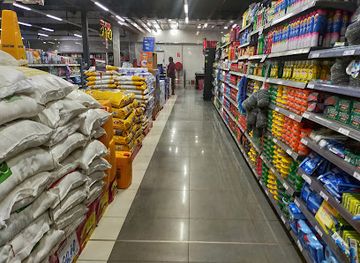
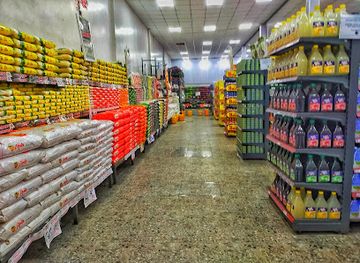
Shopping in the Highlands is centred on markets, small town high streets and locally produced goods rather than large retail districts. Mount Hagen and Goroka offer the greatest range of practical shops, supermarkets, craft stalls and market produce, while smaller centres have more limited but locally important trading areas. Fresh vegetables, sweet potatoes, fruit, coffee and other garden products are central to market life, although availability changes with season and transport. Visitors may find bilum bags and other woven goods, carved items, beadwork, shell ornaments and textiles, but quality, cultural meaning and provenance vary; buy respectfully and ask before photographing makers or their work. Coffee is a practical regional purchase when properly packaged for travel, and locally made crafts can provide more meaningful souvenirs than imported merchandise. Bargaining is not automatically appropriate everywhere, so establish the price politely and pay agreed amounts. Avoid purchasing sacred, archaeological or protected natural materials, and check airline and customs rules before carrying food, feathers, wood or plant products across borders.
-
Grocery store
Tininga Hagen Central
Explore the vibrant flavors of Mount Hagen at Tininga Hagen Central, your gateway to local produce and traditional delicacies.
-
Supermarket
Tininga Dobel Supermarket
Explore Tininga Dobel Supermarket for a taste of local culture and fresh produce in the heart of Papua New Guinea's Western Highlands.
-
Market
Ialibu Market
Explore Ialibu Market: A cultural treasure trove of fresh produce and authentic handicrafts in the Southern Highlands.
-
Supermarket
Apex Supermarket
Discover local flavors and essentials at Apex Supermarket in Mount Hagen, your destination for shopping and cultural experience in Papua New Guinea.

Get your free copy of our complete guide to Highlands Region, delivered straight to you.
Everything on this page, from attractions and restaurants to essentials and local phrases, in one PDF you can read offline, print or share.
Already have an account? Sign in
Your Highlands Region guide is ready.
We'll send it to · Not you? Sign out

Getting your guide ready…
We are putting together a fresh copy of the Highlands Region guide. This can take up to a minute.
This can take a few moments. If your browser asks, choose Allow so the download can start. You'll find the guide in your Downloads folder.
Nothing happened? Download it again
Sorry, the guide is taking longer than usual. Please try again in a minute, or get it by email instead.
Highlands Region essentials
Currency and Payment
Safety
Emergency Situations
Do's and Don'ts
Local Tips
From Eve
Local phrases worth knowing
You don't need to get them perfect. A few words go a long way, and locals appreciate the effort.
Basics
| English | Local | Say it |
|---|---|---|
| Hello | Yumi | [Yoo-mee] |
| Goodbye | Bai | [Bye] |
| Yes | Yes | [Yes] |
| No | No | [No] |
| Please/You're welcome | Plis | [Pleez] |
| Thank you | Tenkyu | [Ten-kyoo] |
| Excuse me/Sorry | Sori | [So-ree] |
| How are you? | Yu orait? | [Yoo or-ite?] |
| Fine. And you? | Orait. Yu? | [Or-ite. Yoo?] |
| Do you speak English? | Yu tok Pidgin? | [Yoo tok Pee-jin?] |
| I don't understand | Mi no save | [Mee no sah-veh] |
Eating & Drinking
| English | Local | Say it |
|---|---|---|
| I'd like to see the menu, please | Mi laik lukim menu, plis | [Mee laik loo-keem men-yoo, pleez] |
| I don't eat meat | Mi no kaikai mit | [Mee no kai-kai meet] |
| Cheers! | Sori! | [So-ree!] |
| I would like to pay, please | Mi laik pay, plis | [Mee laik pay, pleez] |
Emergencies
| English | Local | Say it |
|---|---|---|
| Help! | Help! | [Help!] |
| Go away! | I go! | [Ee go!] |
| Call the Police! | Kolim Polis! | [Ko-leem Po-lis!] |
| Call a doctor! | Kolim dokta! | [Ko-leem dok-ta!] |
| I'm lost | Mi lus | [Mee loos] |
| I'm ill | Mi sik | [Mee seek] |
Shopping
| English | Local | Say it |
|---|---|---|
| I'd like to buy... | Mi laik buy... | [Mee laik bye...] |
| I'm just looking | Mi lukim tasol | [Mee loo-keem tah-sol] |
| How much is it? | Hamass i kamap? | [Ha-mas ee kah-map?] |
| That's too expensive | Dat i tumas expensive | [Dat ee too-mas ex-pen-siv] |
| Can you lower the price? | Yu ken daunim pris? | [Yoo ken down-im pris?] |
Time & Numbers
| English | Local | Say it |
|---|---|---|
| What time is it? | Hu long taim? | [Hoo long time?] |
| It's one o'clock | I wan klok | [Ee wan klok] |
| Half past (10) | Haf past ten | [Haf past ten] |
| Morning | Mornin | [Mor-ning] |
| Afternoon | Aftanun | [Af-ta-noon] |
| Evening | Ivening | [Ee-ven-ing] |
| Yesterday | Yestede | [Yes-teh-day] |
| Today | Tude | [Too-day] |
| Tomorrow | Tumoro | [Too-mor-row] |
| 1 | Wan | [Wan] |
| 2 | Tu | [Too] |
| 3 | Tri | [Tree] |
| 4 | Fo | [Fo] |
| 5 | Faiv | [Five] |
| 6 | Siks | [Six] |
| 7 | Sev | [Seven] |
| 8 | Eit | [Eight] |
| 9 | Nain | [Nine] |
| 10 | Ten | [Ten] |
Transport & Directions
| English | Local | Say it |
|---|---|---|
| Where's a/the...? | Wea em ...? | [Wee-em ...?] |
| What's the address? | Wet naim bilong? | [Wet name bee-long?] |
| Can you show me (on the map)? | Yu ken soim mi (long map)? | [Yoo ken so-im mee (long map)?] |
| When's the next (bus)? | When em next (bus)? | [When em next (bus)?] |
| A ticket (to ....) | Wan tiket (go ....) | [Wan tee-ket (go ....)] |
History of Highlands Region
Kuk and the beginnings of highland agriculture
The Kuk Early Agricultural Site in the Western Highlands preserves evidence of ancient drainage systems and deliberate cultivation dating back several thousand years. Its remains demonstrate that people in New Guinea were managing wetland environments and domesticating or tending useful plants independently of developments in some other parts of the world. Kuk is important not simply as an archaeological attraction but as evidence of long-term adaptation to the Highlands’ difficult terrain. The surrounding Wahgi Valley still reflects this deep agricultural inheritance through intensive gardens, drainage channels and settled village landscapes.
Ancient highland societies and exchange networks
Long before European contact, the Highlands contained numerous communities linked by marriage, ceremonial exchange, trade and sometimes warfare. Stone axes, shells, pigments, feathers, food crops and other valued goods moved across mountain passes and valleys. The exact forms of social organisation varied considerably, but exchange helped connect communities separated by formidable terrain. Sweet potato later became a particularly important staple, supporting dense populations and reshaping highland farming. Many modern customs should not be read as unchanged survivals; they are living traditions that have adapted through generations of social and economic change.
Patrols, missions and colonial administration
Australian-led patrols entered and mapped parts of the central Highlands during the early twentieth century, followed by the expansion of colonial administration, mission stations, schools and medical services. Contact was uneven and sometimes coercive, and local responses differed from valley to valley. Missions introduced Christianity and new forms of education while colonial officials sought to impose outside legal and administrative structures. Airstrips, posts and roads gradually connected previously isolated communities to coastal centres. The legacy remains visible in town layouts, churches, government stations and the continuing importance of local customary authority.
The Highlands Highway and commercial agriculture
The development of the Highlands Highway transformed movement through the interior, linking the urban centres of the Wahgi, Simbu and Eastern Highlands with the coastward road network. Its construction and subsequent upgrading enabled wider access to markets, schools and public services, although sections have long been vulnerable to landslides, flooding and maintenance problems. Coffee became a major cash crop in parts of the Highlands, particularly around the Wahgi Valley and Eastern Highlands. Smallholder gardens and market production continue alongside coffee, making agriculture central to both household livelihoods and regional identity.
The Second World War and the mountain interior
The Highlands were not the principal battlefield of Papua New Guinea’s Second World War campaigns, but the conflict altered the country’s transport, communications and political landscape. Aircraft operations, wartime roads and intensified movement through the interior helped bring remote areas into closer contact with the colonial state and the wider Pacific war. Later infrastructure often followed routes whose strategic importance had become apparent during this period. The war therefore forms part of the background to the Highlands’ modern connectivity, even though many visitors associate the most prominent battlefields with coastal and island regions elsewhere in Papua New Guinea.
Independence and provincial identities
Papua New Guinea became independent from Australia in 1975, and the Highlands entered nationhood with strong local identities, diverse languages and established political networks. Provincial administration has changed over time, including the creation of Jiwaka and Hela from areas formerly administered within larger provinces. These changes reflect efforts to bring government closer to local populations, but they also influence how travellers understand geography and services. Mount Hagen, Goroka, Mendi, Wabag, Tari and Kundiawa each function as regional centres, while customary landholding continues to shape access, development and local decision-making.
Contemporary Highlands: agriculture, culture and change
Today the Highlands combine subsistence and commercial farming, expanding towns, church communities, government services and strong customary affiliations. Coffee remains important, while sweet potato, vegetables, pork and other products circulate through markets and family networks. Cultural festivals and sing-sings provide public expressions of regional identity, but communities also face pressures linked to land disputes, population growth, infrastructure limitations and climate variability. Tourism is consequently most rewarding when it supports local guides and communities, recognises security realities and approaches cultural encounters as relationships governed by permission and respect.
Highlands Region in Photos
Browse through our photo collection highlighting the charm and character of the destination.
Neighbouring regions of Highlands Region
The closest regions to Highlands Region, if you have time for more than one.
-

-

-

-

-


Swipe for more regions
Explore more

Explore more of Papua New Guinea
Discover Papua New Guinea, where ancient cultures meet untamed wilderness. From vibrant festivals to stunning natural landscapes, an adventure awaits in this Pacific gem.
Explore Papua New Guinea