
Manus Province, Papua New Guinea Travel Guide
Discover Manus Province in Papua New Guinea, a secluded paradise with pristine beaches, lush rainforests, vibrant marine life, and rich cultural heritage.
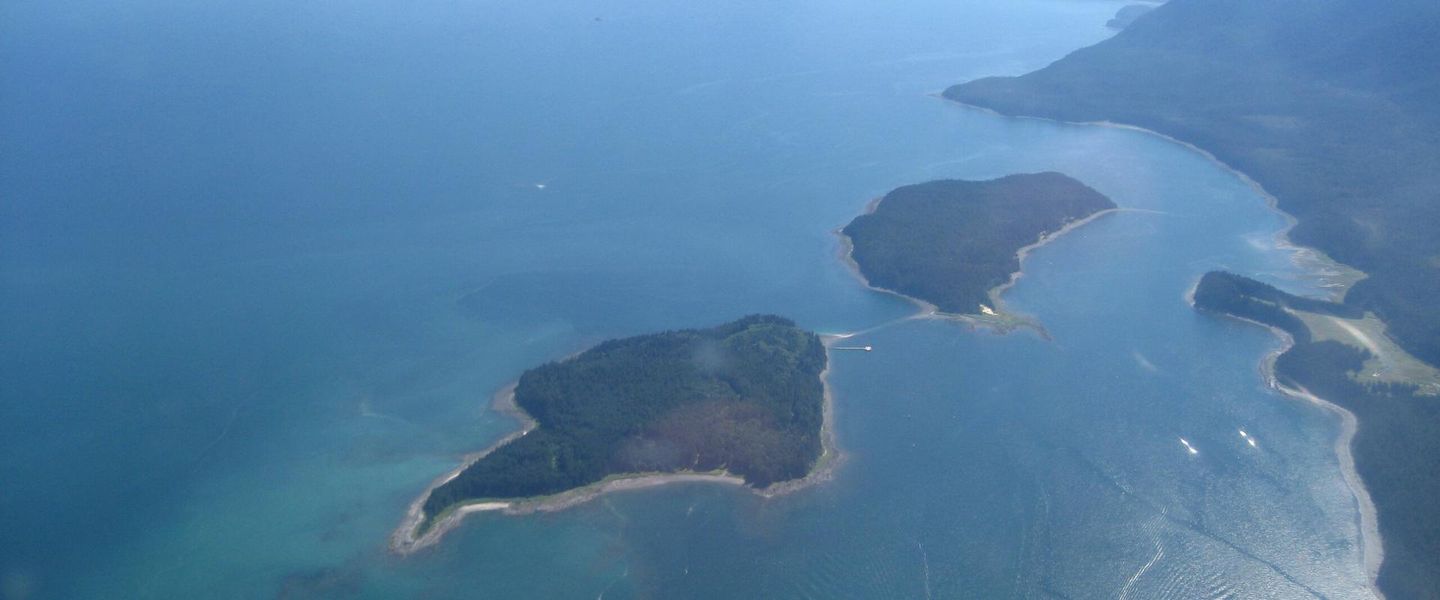
Manus Province, located in the northern region of Papua New Guinea, is a tropical paradise waiting to be discovered. This remote province is made up of the main Manus Island and a sprinkling of smaller islands, each offering a unique blend of pristine beaches, lush rainforests, and vibrant marine life. Visitors to Manus Province can explore the crystal-clear waters that are perfect for diving and snorkeling. The coral reefs here are teeming with colorful fish and other marine creatures, making it a diver's dream. For those who prefer to stay on land, the province's dense forests provide excellent opportunities for hiking and wildlife spotting. Bird watchers will be delighted with the variety of exotic species that call Manus home. Cultural enthusiasts will appreciate the rich traditions and warm hospitality of the local communities. You can experience traditional dances, music, and crafts that have been passed down through generations. The local markets are a great place to find unique souvenirs and taste fresh, locally-sourced food. Whether you're an adventurer, a nature lover, or a culture seeker, Manus Province offers an unforgettable experience far from the beaten path.

Know before you go
Hi, I'm Eve. Here are a few practical things to know before exploring Manus Province.
- Plan your visit during the dry season from May to October for the best weather conditions.
- Bring insect repellent and sunscreen to protect yourself from the tropical climate.
- Respect local customs and traditions; always ask for permission before taking photos of people.
- Consider hiring a local guide to enhance your experience and gain deeper insights into the culture and environment.
- Be prepared for limited internet and mobile connectivity; enjoy the opportunity to disconnect and immerse in nature.
Explore Manus Province: Things to Do, Places to Eat, Hotels & More
Handpicked recommendations for top attractions, local dining, accommodations, and more

Top Attractions & Sightseeing in Manus Province
Top-rated picks
Best Attractions

Ndrova
Explore the natural beauty and rich culture of Ndrova, a hidden gem in Manus Province, Papua New Guinea, perfect for adventurous travelers seeking unique experiences.

Loniu Passage
Experience the breathtaking beauty and serene nature of Loniu Passage, a hidden treasure in Bubi, Papua New Guinea, perfect for adventure seekers.

Chalasai Beach
Discover the serene beauty of Chalasai Beach, a stunning public beach in Manus Province, Papua New Guinea, perfect for relaxation and adventure.
Haus Tarangau
Explore Haus Tarangau in Manus Province, a stunning tourist attraction blending natural beauty and rich cultural experiences in Papua New Guinea.

Best landmarks in Manus Province
Top-rated picks
Best Landmarks

Manus Island
Explore Manus Island: A Tropical Paradise in Papua New Guinea with Rich Culture, Biodiversity, and Unforgettable Adventures Awaiting You.

Seadler Bay Hotel
Discover the tranquility of Seadler Bay Hotel in Lorengau, Manus Province, your perfect base for exploring Papua New Guinea's stunning natural beauty.

Loniu Bridge
Explore the scenic Loniu Bridge in Manus Province, a beautiful landmark showcasing local culture and breathtaking landscapes.

Tharapiyap Lodge
Discover the charm of Manus Province at Tharapiyap Lodge, a cozy hotel offering comfort, local hospitality, and access to stunning natural beauty.

Best restaurants in Manus Province
Top-rated picks
Best Restaurants

Manus Island
Experience the untouched beauty of Manus Island – a hidden paradise filled with rich culture and breathtaking nature.

Harbourside Hotel Limited
Experience comfort and tranquility at Harbourside Hotel Limited in Lorengau, your perfect retreat in Manus Province.

Officers Mess
Experience authentic local cuisine in Lombrum at Officers Mess, where stunning views meet delightful flavors in Papua New Guinea.

Best bars in Manus Province
Top-rated picks
Best Bars

Manus Island
Experience the untouched beauty and rich culture of Manus Island, a tropical paradise in Papua New Guinea perfect for adventure and relaxation.

Harbourside Hotel Limited
Experience the charm of Manus Province at Harbourside Hotel Limited, where comfort meets breathtaking scenery and local culture.

Seadler Bay Hotel
Discover serenity and stunning views at Seadler Bay Hotel in Manus Province, a perfect getaway for nature lovers and cultural explorers.

Coconut bar
Discover the vibrant Coconut Bar in Manus Province, where tropical drinks and a relaxed atmosphere await you in paradise.

Best nightclubs in Manus Province
Top-rated picks
Best Nightclubs

Old Wamundu Club
Discover the lively Old Wamundu Club on Manus Island, where vibrant nightlife meets rich local culture and unforgettable experiences await.

Coconut bar
Experience the vibrant atmosphere and tropical flavors at Coconut Bar in Manus Province, a perfect spot for relaxation and socializing.

Best shops in Manus Province
Top-rated picks
Best Shops

Vision City Mega Mall
Experience the ultimate shopping and entertainment hub in Port Moresby at Vision City Mega Mall, where local culture meets modern convenience.

Andersons Foodland
Discover Andersons Foodland, Lae's premier supermarket offering fresh local produce and international delights, perfect for every culinary adventure.

Mount Hagen Market
Experience the vibrant culture and fresh flavors at Mount Hagen Market, a must-visit destination for travelers seeking authentic Papua New Guinea.

Jack's of PNG
Explore the vibrant fashion scene at Jack's of PNG in Port Moresby, where local culture meets contemporary style in a unique clothing store experience.

Explore Manus Province on the Map
A handpicked selection of must-see spots in Manus Province, mapped for you.
Manus Province Essentials
-
Manus Province is accessible primarily by air and sea. The main entry point is Momote Airport (MAS), located on Los Negros Island, which is connected to Manus Island by a bridge. Air Niugini operates regular flights from Port Moresby, the capital of Papua New Guinea, to Momote Airport. Alternatively, you can reach Manus Province by sea via cargo vessels or passenger ships that operate between Port Moresby and Lorengau, the provincial capital.
-
Transportation within Manus Province is relatively limited. In Lorengau, the main town, you can find local taxis and PMVs (Public Motor Vehicles) for short distances. For exploring more remote areas, it is advisable to arrange transportation with local guides or tour operators. Boats are commonly used for inter-island travel within the province. Renting a car or a motorbike is not common due to limited infrastructure.
-
The official currency in Papua New Guinea is the Papua New Guinean Kina (PGK). While credit cards are accepted at some hotels and larger establishments in Lorengau, it is highly recommended to carry sufficient cash, especially when traveling to remote areas. ATMs are available in Lorengau, but they can be unreliable, so it's wise to withdraw cash in Port Moresby before your trip.
-
Manus Province is generally safe for tourists, but it's important to take standard precautions. Avoid venturing out alone at night, especially in unfamiliar areas. Keep your belongings secure and stay vigilant in crowded places like markets. While Lorengau is relatively safe, some remote areas may pose risks due to limited law enforcement presence. Consult with local residents or guides for advice on safe travel routes.
-
In case of emergency, you can contact local authorities by dialing 111 for police assistance. The main hospital in the province is Lorengau General Hospital, which provides basic medical services. For serious medical emergencies, evacuation to Port Moresby may be necessary, so it is advisable to have comprehensive travel insurance. Pharmacies are available in Lorengau for minor health issues.
-
Fashion: Do dress modestly, especially in rural areas and villages. Avoid wearing revealing clothing. Religion: Do respect local customs and religious practices. Always ask for permission before entering churches or other religious sites. Public Transport: Do be respectful and polite to drivers and fellow passengers. Don't eat or drink on public transport. Greetings: Do greet people with a smile and a friendly 'hello.' A handshake is also common. Eating & Drinking: Do try local dishes and accept food offerings graciously. Don't refuse hospitality, as it is considered impolite.
-
To experience Manus Province like a local, visit the local markets in Lorengau where you can buy fresh produce and traditional handicrafts. Engage with the locals, who are often friendly and eager to share stories about their culture and traditions. Don't miss the opportunity to explore the beautiful beaches and coral reefs, which are perfect for snorkeling and diving. For a unique experience, attend a traditional sing-sing (dance and music performance) to immerse yourself in the local culture.
When is the best time to visit Manus Province?
Useful Local Phrases for Manus Province
You don't need to speak the language perfectly. Even learning a few simple words can make conversations warmer—and locals usually appreciate the effort.
— Eve

Here are the phrases I use most often in Manus Province. Try a few—you'll be surprised how far they go! 😊
❤️
-
- HelloGoo dē
[goo day] - GoodbyeGoo dē
[goo day] - YesYes
[yes] - NoNo
[no] - Please/You're welcomePlis
[plees] - Thank youTenkyu
[ten-kyu] - Excuse me/SorrySori
[soh-ree] - How are you?Yu orait?
[you oh-rite] - Fine. And you?Mi orait. Yu?
[mee oh-rite. you?] - Do you speak English?Yu tok Inglis?
[you tok ing-lis?] - I don't understandMi no save
[mee no sah-veh]
- HelloGoo dē
-
- I'd like to see the menu, pleaseMi laik lukim menu, plis
[mee like loo-kim men-oo, plees] - I don't eat meatMi no kaikai mit
[mee no kye-kye mit] - Cheers!Yu orait!
[you oh-rite!] - I would like to pay, pleaseMi laik pay, plis
[mee like pay, plees]
- I'd like to see the menu, pleaseMi laik lukim menu, plis
-
- Help!Help!
[help!] - Go away!Gaiwe!
[gai-we!] - Call the Police!Kol polisi!
[kol po-lee-see!] - Call a doctor!Kol dokta!
[kol dok-ta!] - I'm lostMi lus
[mee loos] - I'm illMi sik
[mee seek]
- Help!Help!
-
- I'd like to buy...Mi laik bai...
[mee like bye...] - I'm just lookingMi lukim tasol
[mee loo-kim tah-sol] - How much is it?Hau mach?
[how mach?] - That's too expensiveDis i tu ekspensiv
[dis ee too eks-pen-siv] - Can you lower the price?Yu inap daunim prais?
[you ee-nap down-im price?]
- I'd like to buy...Mi laik bai...
-
- What time is it?Wat taim?
[wat time?] - It's one o'clockI gat wan o'clock
[ee gat wan o-clock] - Half past (10)Half past ten
[half past ten] - MorningMornin
[mor-ning] - AfternoonAftanoon
[af-ta-noon] - EveningIvening
[ee-ven-ing] - YesterdayYestede
[yes-teh-deh] - TodayTude
[too-deh] - TomorrowTumoro
[too-mo-ro] - 1Wan
[wan] - 2Tu
[too] - 3Tri
[tree] - 4Foa
[foh-ah] - 5Faiv
[five] - 6Six
[six] - 7Seven
[seven] - 8Eit
[eight] - 9Nain
[nine] - 10Ten
[ten]
- What time is it?Wat taim?
-
- Where's a/the...?Wea a/the...?
[wea a/the...?] - What's the address?Wat address?
[wat ad-dress?] - Can you show me (on the map)?Yu inap soim mi (long map)?
[you ee-nap so-im mee (long map)?] - When's the next (bus)?Wen naxt (bus)?
[wen nax-t (bus)?] - A ticket (to ....)Wan tiket (go....)
[wan tee-ket (go....)]
- Where's a/the...?Wea a/the...?
History of Manus Province
-
Before the arrival of Europeans, Manus Province was home to several indigenous groups with rich cultural traditions. The Manus people, known for their seafaring skills, lived in harmony with their environment, relying on fishing and horticulture. Social structures were organized around clan systems, with elaborate rituals, oral traditions, and a deep connection to the ocean.
-
The first recorded European contact with Manus Province occurred in 1616 when Dutch sailors, Jacob Le Maire and Willem Schouten, sighted the islands. However, significant European presence didn't establish until the late 19th century. German colonialists claimed the region in the 1880s, integrating it into German New Guinea. This period saw the introduction of Christianity and Western education, which began to transform local societies.
-
Manus Province played a crucial role during World War II. In 1944, the United States established a significant naval base on Manus Island, known as the Seeadler Harbor Naval Base. This base became one of the largest in the Pacific, providing support for Allied operations in the region. The base's construction brought thousands of American troops and significant infrastructure development, leaving lasting impacts on the local community.
-
After World War II, Manus Province, along with the rest of Papua New Guinea, came under Australian administration. The post-war period saw efforts towards reconstruction and development, including improvements in education, healthcare, and infrastructure. Papua New Guinea eventually gained independence from Australia in 1975, and Manus Province became one of its administrative divisions.
-
In recent decades, there has been a resurgence of interest in preserving and revitalizing the traditional cultures of Manus Province. Efforts have been made to document indigenous languages, promote traditional arts and crafts, and celebrate cultural festivals. Additionally, modern developments such as improved transportation, communication, and tourism infrastructure have gradually integrated Manus Province into the broader national and global economy.
Neighbouring Regions of Manus Province
The closest regions to Manus Province, if you have time for more than one.


Your all‑in‑one travel companion app
Explore expert travel guides, compare and book tours, experiences, hotels, and more—all from the palm of your hand. Download now for seamless trip planning wherever your wanderlust takes you.


Explore More of Papua New Guinea

Looking beyond Manus Province? Discover Papua New Guinea for broader travel guides, local hot-spots, and regional highlights.
Explore Papua New GuineaManus Province in Photos
Browse through our photo collection highlighting the charm and character of the destination.


The Hidden Gem of Papua New Guinea: Manus Province
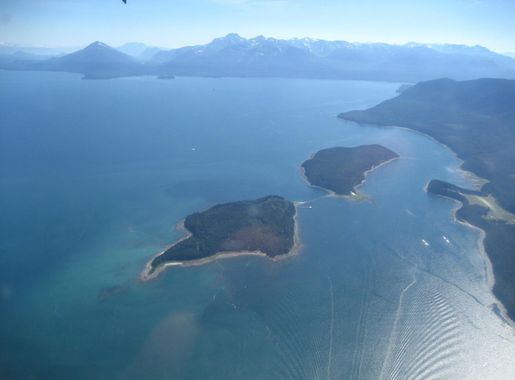
Manus Province, located in the northern region of Papua New Guinea, is a tropical paradise waiting to be discovered. This remote province is made up of the main Manus Island and a sprinkling of smaller islands, each offering a unique blend of pristine beaches, lush rainforests, and vibrant marine life. Visitors to Manus Province can explore the crystal-clear waters that are perfect for diving and snorkeling. The coral reefs here are teeming with colorful fish and other marine creatures, making it a diver's dream. For those who prefer to stay on land, the province's dense forests provide excellent opportunities for hiking and wildlife spotting. Bird watchers will be delighted with the variety of exotic species that call Manus home. Cultural enthusiasts will appreciate the rich traditions and warm hospitality of the local communities. You can experience traditional dances, music, and crafts that have been passed down through generations. The local markets are a great place to find unique souvenirs and taste fresh, locally-sourced food. Whether you're an adventurer, a nature lover, or a culture seeker, Manus Province offers an unforgettable experience far from the beaten path.