

Free Madang Region Travel Guide & Mobile App
Explore Madang Region with free travel guides. Discover regional history, expert tips, proposed trips, and audio guides on web or mobile app.


Madang Region pairs coral reefs, rainforest, volcanic islands, wartime history and living coastal cultures on Papua New Guinea's north coast.
Read more about Madang Region
When is the best time to visit Madang Region?
Best: June–August · 31°C| Month | High (°C) | Rainfall (mm) |
|---|---|---|
| January | 31 | 300 |
| February | 31 | 250 |
| March | 31 | 280 |
| April | 31 | 270 |
| May | 31 | 250 |
| June (best) | 31 | 230 |
| July (best) | 31 | 220 |
| August (best) | 31 | 220 |
| September | 31 | 230 |
| October | 31 | 250 |
| November | 31 | 270 |
| December | 31 | 290 |
Getting to and around Madang Region
How to get there
Transportation
Top city travel guides in Madang Region
The cities of Madang Region, and the easiest places to base yourself.
-

-

-


Swipe for more cities
Destinations in Madang Region
Resorts, valleys and scenic spots worth a trip of their own.
-

-


Swipe for more destinations
Best attractions in Madang Region
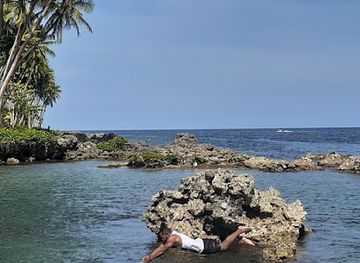
Madang's attractions extend from its reef-fringed peninsula to inland forest and the islands scattered across the Bismarck Sea. Diving and snorkelling are central, with coral gardens, channels, drop-offs and wartime wrecks offering varied underwater experiences for both beginners and experienced divers; conditions and access should be arranged with qualified local operators. Boat excursions can visit nearby islands and coastal communities, while swimming and reef exploration are best undertaken at recognised sites with local advice. On land, Balek Wildlife Sanctuary combines river scenery, limestone formations and tropical vegetation in a protected setting inland from Madang town. Markets and village visits provide contact with contemporary local life, but should be arranged respectfully through community or tour contacts. Cultural interest includes Bilbil pottery traditions and the region's richly varied coastal and island communities. The town itself offers a useful base for learning about Madang's colonial and wartime past, while the broad province rewards visitors who allow time for remote roads, changing weather and boat logistics. Volcanic islands such as Manam and Karkar add dramatic geographical interest, though travel there requires current local information and careful planning.
-
Hotel
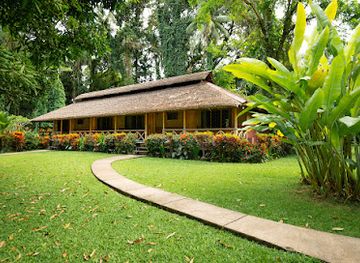
Walindi Plantation Resort
Experience world-class diving and serene birdwatching at Walindi Plantation Resort, your gateway to the natural wonders of Papua New Guinea.
-
Island
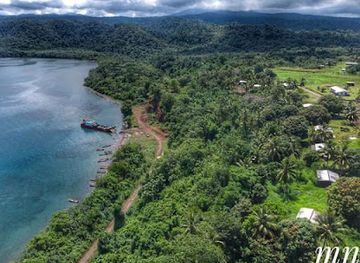
Umboi Island
Discover the pristine beauty and rich culture of Umboi Island, a hidden paradise in Papua New Guinea's Morobe Province, perfect for adventure seekers and nature lovers.
-
Mountain peak
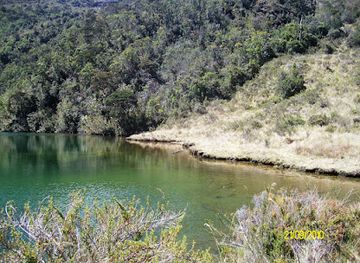
Mt Wilhelm
Explore the breathtaking beauty of Mt. Wilhelm, the highest peak in Papua New Guinea, where adventure meets stunning natural landscapes.
-
Island
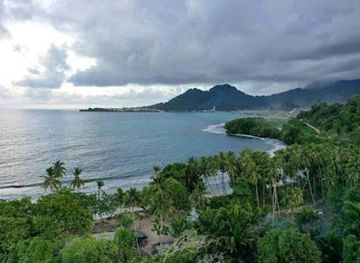
Lihir Island
Experience the untouched beauty of Lihir Island, a tropical paradise in Papua New Guinea with stunning landscapes and rich cultural heritage.
Best landmarks in Madang Region
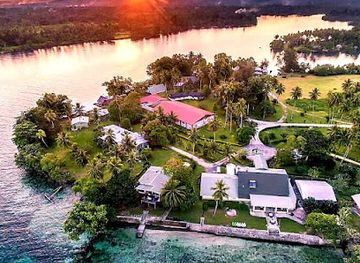
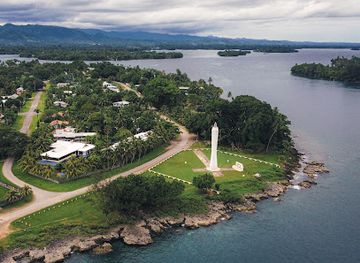
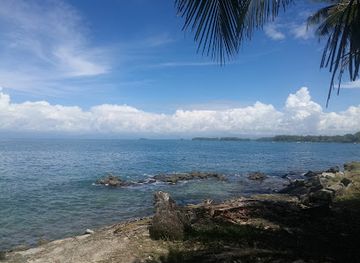
Madang's most recognisable landmarks are often geographical as well as architectural. The town's peninsula, coves and offshore islets define its visual identity, with palm-lined waterfronts opening towards the Bismarck Sea and providing a natural setting for coastal excursions. Inland, the limestone formations and river environment of Balek Wildlife Sanctuary represent the region's transition from lowland coast to forested country. The volcanic silhouettes of Manam and Karkar are major features of the wider provincial landscape when visible from the mainland, although both are active volcanic environments and access must follow current local advice. Madang's older colonial-era buildings and cemeteries offer reminders of the German and later Australian periods, while wartime memorials, wrecks and surviving military traces connect the coast with the Pacific War. Bilbil's pottery tradition is a cultural landmark rather than a single monument, linking local craftsmanship with long-standing coastal exchange. Together these places show why Madang cannot be reduced to a resort shoreline: its landmarks combine reef, volcano, rainforest, colonial history, wartime memory and living community practice.
-
Hotel
Jais Aben Resort
Experience tropical bliss at Jais Aben Resort, where stunning views and Pacific Rim culinary delights await in Madang Province.
-
Historical landmark
Kalibobo Light House
Explore the Kalibobo Light House in Madang, a historical landmark offering stunning coastal views and rich maritime heritage.
-
Park
Machine Gun Beach
Discover the tranquil beauty and historical significance of Machine Gun Beach in Madang Province, a must-visit destination for every traveler.
-
Visitor center
Madang Visitors & Cultural Bureau
Discover Madang's hidden treasures and rich cultural heritage at the Madang Visitors & Cultural Bureau, your gateway to the stunning beauty of Papua New Guinea.
Explore Madang Region on the map
Plan your trip on one map. See where the top cities, national parks and sights are, and book hotels and experiences in a few clicks.
Best hotels in Madang Region
Best restaurants in Madang Region
Dining in Madang is shaped by Papua New Guinea's tropical produce, coastal setting and modest but varied urban food scene. Hotels, guesthouses and restaurants in and around town commonly serve fish, prawns and other seafood alongside chicken, rice, noodles, vegetables and familiar international dishes. Local markets are useful for seeing and buying seasonal fruit, greens, root crops and betel nut, although visitors should take local advice about preparation and hygiene rather than assuming every food is ready to eat. Roadside sellers and small eateries offer a more informal experience, while accommodation remains the dependable option when travelling beyond town. Coconut, sweet potato, cassava, taro and bananas are important foods across Papua New Guinea, but dishes and cooking methods vary between communities. Bilbil pottery also provides a cultural link to food preparation and exchange, rather than merely a souvenir association. Visitors should remember that supplies can be affected by transport and weather, particularly on islands, so menus may be simpler outside Madang.
-
 Resort hotel
Madang Resort Hotel
Experience unparalleled beauty and comfort at Madang Resort Hotel - your gateway to adventure in Papua New Guinea.
-
Hotel
Madang Lodge Hotel
Experience tropical bliss at Madang Lodge Hotel, where comfort meets stunning vistas of the Bismarck Sea in Papua New Guinea.
-
Hotel
Jais Aben Resort
Experience tranquility at Jais Aben Resort: where luxury meets nature in stunning Madang Province.
-
Hotel
Madang Star International Hotel
Discover comfort and hospitality at Madang Star International Hotel in beautiful Madang - your gateway to adventure in Papua New Guinea.
Best bars in Madang Region
Madang's evening life is relatively low-key and concentrated around hotels, restaurants, town establishments and occasional live entertainment rather than a large nightclub circuit. Hotel bars and coastal venues are the most accessible places for a drink, a meal or conversation, while local pubs and small social venues may attract residents after work or at weekends. In the town centre, evening activity can include music and informal gatherings, but arrangements and opening patterns are changeable. Outside Madang, nightlife generally centres on guesthouse dining, community occasions and quiet evenings rather than organised late-night entertainment. Visitors should use trusted transport after dark, avoid displaying valuables and follow local advice about suitable venues. Breweries, cocktails and imported drinks may be available in established hotels, while menus and stock in smaller places can be limited. Alcohol is not necessary to experience the region's culture, which is better encountered through daytime community visits, markets, marine activities and locally guided events.
-
Bar
Jackson's Bar Restaurant & Gaming
Discover the lively ambiance and delicious offerings at Jackson's Bar Restaurant & Gaming, the perfect spot for relaxation and entertainment in Port Moresby.
-
Hotel
Jais Aben Resort
Discover serenity and taste exquisite Pacific Rim cuisine at Jais Aben Resort, your ultimate getaway in Madang Province.
-
Restaurant
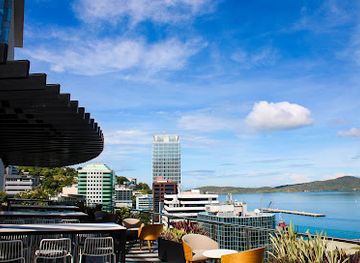
Port Terrace Restaurant & Bar
Experience the best of local and international cuisine at Port Terrace Restaurant & Bar, where every meal is a taste of paradise.
-
Restaurant
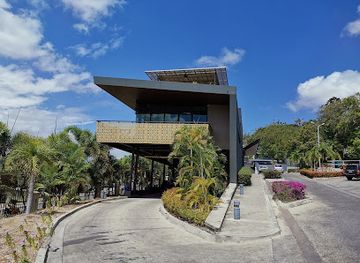
The Anchor
Discover the culinary treasures of Madang at The Anchor, a beloved restaurant offering local flavors and stunning views in Papua New Guinea.
Best nightclubs in Madang Region
Madang's evening life is relatively low-key and concentrated around hotels, restaurants, town establishments and occasional live entertainment rather than a large nightclub circuit. Hotel bars and coastal venues are the most accessible places for a drink, a meal or conversation, while local pubs and small social venues may attract residents after work or at weekends. In the town centre, evening activity can include music and informal gatherings, but arrangements and opening patterns are changeable. Outside Madang, nightlife generally centres on guesthouse dining, community occasions and quiet evenings rather than organised late-night entertainment. Visitors should use trusted transport after dark, avoid displaying valuables and follow local advice about suitable venues. Breweries, cocktails and imported drinks may be available in established hotels, while menus and stock in smaller places can be limited. Alcohol is not necessary to experience the region's culture, which is better encountered through daytime community visits, markets, marine activities and locally guided events.
-
Club
Madang Club
Experience the vibrant nightlife of Madang at Madang Club, where local culture meets exhilarating entertainment in a lively atmosphere.
-
Bar
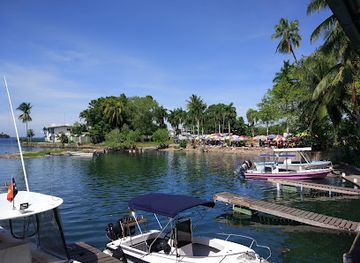
Jais Aben Bridge Bar
Experience stunning ocean views and vibrant nightlife at Jais Aben Bridge Bar in Madang, where relaxation meets local culture.
-
Bar
KUNDU CLUB
Discover the vibrant nightlife at Kundu Club, Port Moresby's premier bar for drinks, music, and fun in a lively atmosphere.
-
Night club
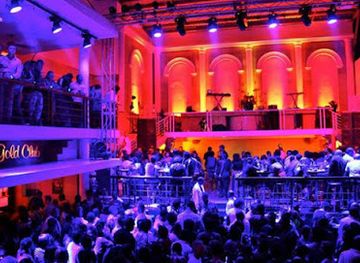
The Gold Club
Discover the electrifying nightlife at The Gold Club, Port Moresby's premier destination for music, dancing, and unforgettable experiences.

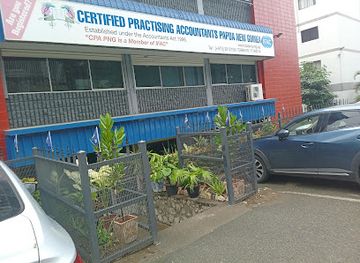
Best shops in Madang Region
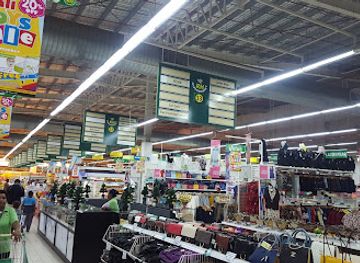
Shopping in Madang is centred on local markets, small shops, hotel gift outlets and stalls rather than large retail complexes. Markets are the best places to see seasonal fruit, vegetables, betel nut and everyday produce, while visitors may find woven articles, carvings, shells, paintings and other locally made items through reputable sellers or organised cultural visits. Bilbil pottery is particularly associated with the area and can provide a meaningful regional purchase when acquired directly or through a trusted outlet; ask about the maker and the safe transport of fragile pieces. Stock and quality vary, so compare items without aggressive bargaining and agree prices before completing a sale. Supermarkets and larger shops in town can supply provisions for journeys, but rural and island communities have far fewer choices. Souvenirs should be sourced responsibly: do not buy protected wildlife products, archaeological material, coral or shells taken from reefs. Carry cash in small kina denominations and pack purchases securely for domestic flights and boat transfers.
-
Shopping mall
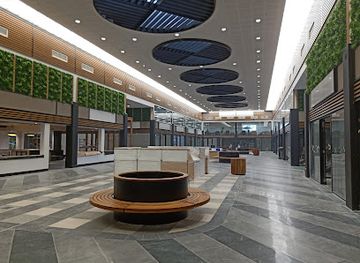
Vision City Mega Mall
Discover the ultimate shopping experience at Vision City Mega Mall in Port Moresby, where fashion, food, and fun come together for an unforgettable visit.
-
Shopping mall
Brian Bell Home Centre Gordons
Explore the vibrant Brian Bell Home Centre in Gordons, your ultimate shopping destination in Port Moresby for quality home goods and local treasures.
-
Supermarket
Andersons Foodland
Discover local flavors and international goods at Andersons Foodland, the top supermarket in Lae, Morobe Province, PNG.
-
Shopping mall
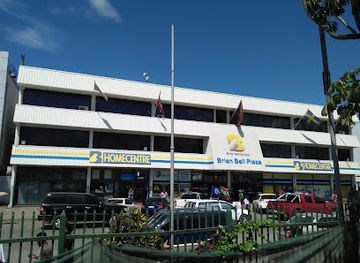
Brian Bell Plaza Boroko
Discover Brian Bell Plaza Boroko in Port Moresby: a vibrant shopping destination with diverse retail and dining options for every traveler.

Get your free copy of our complete guide to Madang Region, delivered straight to you.
Everything on this page, from attractions and restaurants to essentials and local phrases, in one PDF you can read offline, print or share.
Already have an account? Sign in
Your Madang Region guide is ready.
We'll send it to · Not you? Sign out

Getting your guide ready…
We are putting together a fresh copy of the Madang Region guide. This can take up to a minute.
This can take a few moments. If your browser asks, choose Allow so the download can start. You'll find the guide in your Downloads folder.
Nothing happened? Download it again
Sorry, the guide is taking longer than usual. Please try again in a minute, or get it by email instead.
Madang Region essentials
Currency and Payment
Safety
Emergency Situations
Do's and Don'ts
Local Tips
From Eve
Local phrases worth knowing
You don't need to get them perfect. A few words go a long way, and locals appreciate the effort.
Basics
| English | Local | Say it |
|---|---|---|
| Hello | Nau | [Nau] |
| Goodbye | Sori | [Sori] |
| Yes | Yup | [Yup] |
| No | Nogat | [Nogat] |
| Please/You're welcome | Plis | [Plis] |
| Thank you | Tenkyu | [Tenkyu] |
| Excuse me/Sorry | Sori | [Sori] |
| How are you? | Yu orait? | [Yu orait?] |
| Fine. And you? | Orait. Yu yet? | [Orait. Yu yet?] |
| Do you speak English? | Yu tok Pisin? | [Yu tok Pisin?] |
| I don't understand | Mi no save | [Mi no save] |
Eating & Drinking
| English | Local | Say it |
|---|---|---|
| I'd like to see the menu, please | Mi laik lukim menu, plis | [Mi laik lukim menu, plis] |
| I don't eat meat | Mi no kaikai mit | [Mi no kaikai mit] |
| Cheers! | Sorosoro! | [Sorosoro!] |
| I would like to pay, please | Mi laik pai, plis | [Mi laik pai, plis] |
Emergencies
| English | Local | Say it |
|---|---|---|
| Help! | Help! | [Help!] |
| Go away! | Gowe! | [Gowe!] |
| Call the Police! | Kolim Polis! | [Kolim Polis!] |
| Call a doctor! | Kolim doktor! | [Kolim doktor!] |
| I'm lost | Mi lus | [Mi lus] |
| I'm ill | Mi sik | [Mi sik] |
Shopping
| English | Local | Say it |
|---|---|---|
| I'd like to buy... | Mi laik baim... | [Mi laik baim...] |
| I'm just looking | Mi lukim tasol | [Mi lukim tasol] |
| How much is it? | Em kost inap? | [Em kost inap?] |
| That's too expensive | Dat i tu ekspensiv | [Dat i tu ekspensiv] |
| Can you lower the price? | Yu inap daunim prais? | [Yu inap daunim prais?] |
Time & Numbers
| English | Local | Say it |
|---|---|---|
| What time is it? | Wanem taim bilong dispela? | [Wanem taim bilong dispela?] |
| It's one o'clock | I wan klok | [I wan klok] |
| Half past (10) | Haf past ten | [Haf past ten] |
| Morning | Moning | [Moning] |
| Afternoon | Aftanun | [Aftanun] |
| Evening | Ivening | [Ivening] |
| Yesterday | Yestede | [Yestede] |
| Today | Tude | [Tude] |
| Tomorrow | Tumora | [Tumora] |
| 1 | Wan | [Wan] |
| 2 | Tu | [Tu] |
| 3 | Thri | [Thri] |
| 4 | Foa | [Foa] |
| 5 | Faiv | [Faiv] |
| 6 | Siks | [Siks] |
| 7 | Seven | [Seven] |
| 8 | Eit | [Eit] |
| 9 | Nain | [Nain] |
| 10 | Ten | [Ten] |
Transport & Directions
| English | Local | Say it |
|---|---|---|
| Where's a/the...? | Wea em i...? | [Wea em i...?] |
| What's the address? | Wanem adres? | [Wanem adres?] |
| Can you show me (on the map)? | Yu inap soim mi (long map)? | [Yu inap soim mi (long map)?] |
| When's the next (bus)? | When em i next (bas)? | [When em i next (bas)?] |
| A ticket (to ....) | Wan tiket (go....) | [Wan tiket (go....)] |
History of Madang Region
Early coastal settlement and maritime exchange
The Madang coast and its islands have been occupied by communities with deep knowledge of reefs, lagoons, rivers and seasonal sea travel for many centuries. Archaeological research across the wider Bismarck Archipelago records early Pacific settlement and later Austronesian influences, while local oral traditions preserve different accounts of ancestry, movement and place. Pottery, canoe use, fishing and exchange connected coastal communities with one another and with islands farther across the Bismarck Sea. These long-standing relationships remain visible in languages, material culture, village organisation and continuing reliance on marine environments.
European contact and German New Guinea
European ships began charting and visiting the north coast during the nineteenth century, followed by the establishment of German colonial authority in the area then known as German New Guinea. Madang was founded as a German administrative settlement in the 1880s, though difficult disease conditions and limited agricultural prospects prevented it from becoming the major colonial centre originally envisaged. Missionaries, traders and officials altered local systems of labour, religion and commerce, while the colonial period also introduced new buildings, roads and administrative boundaries. Its legacy is part of a much longer and more complex regional history.
Mission activity and colonial transformation
Catholic and Protestant missions became important institutions along the Madang coast and inland routes during the late nineteenth and twentieth centuries. Mission stations established schools, clinics and churches, but they also participated in the wider colonial transformation of local authority, land use and religious life. German administration was followed by Australian control after the First World War, under the League of Nations mandate for New Guinea. Cocoa, copra and other agricultural products entered expanding commercial networks, while coastal communities continued to combine subsistence production, fishing and local exchange with the colonial economy.
The Second World War in Madang
Madang and its surrounding waters became strategically important during the Pacific War. Japanese forces occupied parts of New Guinea, using coastal locations and nearby islands within a military network that supported operations against advancing Allied forces. Fighting, bombing, forced labour, displacement and disease affected local communities, while aircraft and vessels were lost in the region's waters. Australian-led Allied operations later moved through the north coast as Japanese forces withdrew. Wartime remains, memorials, wrecks and oral histories form an important but sometimes difficult layer of Madang's modern landscape.
Post-war administration and provincial development
After 1945, Madang was rebuilt within the Australian-administered Territory of New Guinea, with expanded transport, education, health and agricultural programmes. The town developed as an administrative and commercial centre, while roads and river routes connected coastal settlements with inland plantations and communities. Development remained uneven, especially where rugged terrain, islands and limited infrastructure made services difficult to extend. The period also saw increasing political participation by Papua New Guineans and the growth of institutions that would later support the country's transition to self-government and independence.
Independence and contemporary Madang
Papua New Guinea became independent in 1975, and Madang became the capital of Madang Province within the new national state. Since independence, the region has balanced agriculture, fisheries, public administration, education and tourism with pressures affecting forests, reefs, roads and rural services. Madang town remains a gateway to a large and culturally diverse province, while island and mainland communities retain strong local identities. Contemporary visitors encounter a region shaped by customary land and marine relationships, national institutions, churches, small businesses and an increasingly international interest in its natural environments.
Madang Region in Photos
Browse through our photo collection highlighting the charm and character of the destination.
Neighbouring regions of Madang Region
The closest regions to Madang Region, if you have time for more than one.
-

-

-

-

-


Swipe for more regions
Explore more

Explore more of Papua New Guinea
Discover Papua New Guinea, where ancient cultures meet untamed wilderness. From vibrant festivals to stunning natural landscapes, an adventure awaits in this Pacific gem.
Explore Papua New Guinea