

Free Central Highlands Travel Guide & Mobile App
Explore Central Highlands with free travel guides. Discover regional history, expert tips, proposed trips, and audio guides on web or mobile app.


Explore Papua New Guinea’s Central Highlands for mountain scenery, ancient agriculture, coffee country, cultural festivals and guided treks.
Read more about Central Highlands
When is the best time to visit Central Highlands?
Best: May–July · 22°C| Month | High (°C) | Rainfall (mm) |
|---|---|---|
| January | 23 | 301 |
| February | 22 | 290 |
| March | 22 | 280 |
| April | 22 | 271 |
| May (best) | 22 | 260 |
| June (best) | 22 | 250 |
| July (best) | 22 | 261 |
| August | 22 | 271 |
| September | 22 | 280 |
| October | 22 | 290 |
| November | 22 | 300 |
| December | 23 | 310 |
Getting to and around Central Highlands
How to get there
Transportation
Top city travel guides in Central Highlands
The cities of Central Highlands, and the easiest places to base yourself.
-

-

-

-


Swipe for more cities
Destinations in Central Highlands
Resorts, valleys and scenic spots worth a trip of their own.
-

-


Swipe for more destinations
Best attractions in Central Highlands
Central Highlands attractions are spread across separate mountain basins, so the region rewards planned journeys rather than a single town-based itinerary. Goroka offers access to Eastern Highlands market life, agricultural landscapes and cultural events, while Mount Hagen is the principal western hub and a starting point for coffee, village and mountain excursions. The Kuk Early Agricultural Site near Mount Hagen is especially significant for visitors interested in archaeology and the origins of highland cultivation. Around Chimbu, high-altitude trails lead towards the Mount Wilhelm area, where forest, alpine vegetation and changing weather create demanding hiking conditions. The Tari Basin in Hela is known for forest habitats, birdwatching and cultural experiences arranged with local guides. Cultural festivals, craft demonstrations, gardens, roadside markets and community-led visits reveal everyday life as well as ceremonial traditions. Attractions are rarely packaged into dense tourist circuits, and access can depend on weather, local permissions, reliable transport and current security advice.
-
Traditional market
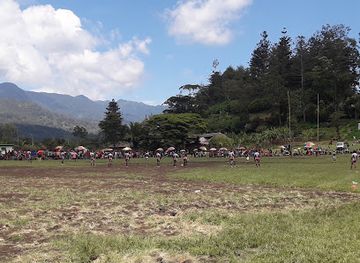
Goroka Main Market
Explore the heart of Goroka at the Main Market, where vibrant culture and local craftsmanship collide in the Eastern Highlands of Papua New Guinea.
Best landmarks in Central Highlands
The most historically important landmark in the Central Highlands is the Kuk Early Agricultural Site near Mount Hagen, where archaeological remains document sophisticated wetland cultivation and provide a long perspective on highland farming. Mount Wilhelm, rising in Chimbu Province within the Bismarck Range, is Papua New Guinea’s highest mountain and a major geographical reference point, although reaching its upper trails requires preparation for cold, rain and altitude. The mountain valleys themselves are landmarks of human adaptation: densely cultivated slopes, grassland ridges and settlement patterns reveal how communities have farmed difficult terrain for generations. In Goroka and Mount Hagen, provincial civic centres, market areas and festival grounds reflect the modern administrative importance of the highlands, while mission churches, old airfields and mountain roads recall colonial and wartime transformations. These places are best understood alongside local guides who can explain customary relationships, land ownership and the significance of particular landscapes.
-
Island
New Guinea
Explore the stunning landscapes, diverse cultures, and unique wildlife of New Guinea – a true paradise for adventure seekers and nature lovers.
-
Tourist attraction
Port Moresby Nature Park
Explore the lush landscapes and unique wildlife at Port Moresby Nature Park, a must-visit destination for nature enthusiasts and families alike.
-
National museum
Papua New Guinea National Museum and Art Gallery
Discover the rich cultural heritage of Papua New Guinea at the National Museum and Art Gallery, a treasure trove of history, art, and tradition.
-
Beach
Ela Beach
Discover the serene beauty of Ela Beach in Port Moresby, where relaxation meets adventure amidst stunning coastal views.

Explore Central Highlands on the map
Plan your trip on one map. See where the top cities, national parks and sights are, and book hotels and experiences in a few clicks.
Best hotels in Central Highlands
Best restaurants in Central Highlands
Dining in the Central Highlands is closely connected to gardens, markets and household agriculture. Sweet potato is a principal staple, joined by taro, cassava, greens, beans, corn and seasonal fruit; pork is important on ceremonial occasions, while chicken and other meats appear in town restaurants and guesthouses. In coffee-growing districts around Eastern and Western Highlands, locally produced beans are an important part of the regional economy, although preparation and availability vary considerably. Towns such as Goroka and Mount Hagen have hotel dining rooms, cafés, bakeries and informal eateries serving Papua New Guinean and international dishes, while rural accommodation tends to offer simple meals based on available produce. Markets provide a more direct view of local food systems, with garden produce, cooked snacks and fruit changing by season. Visitors should carry suitable snacks for long road journeys and confirm meal arrangements in advance when staying in remote lodges or travelling on guided treks.
-
 Resort hotel
Rapopo Plantation Resort
Experience unparalleled tranquility at Rapopo Plantation Resort – your idyllic escape in East New Britain’s tropical paradise.
-
Seafood
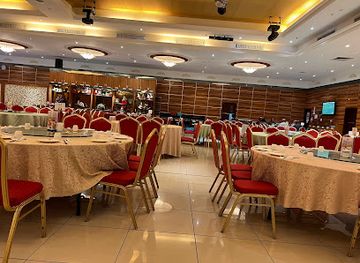
Dynasty Seafood Restaurant
Savor fresh seafood delights in the heart of Port Moresby at Dynasty Seafood Restaurant within Vision City Mega Mall.
-
Japanese
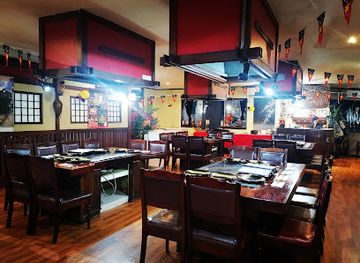
Daikoku Japanese Steak House
Experience authentic Japanese flavors with captivating teppanyaki performances at Daikoku Japanese Steak House in Port Moresby.
-
Brunch
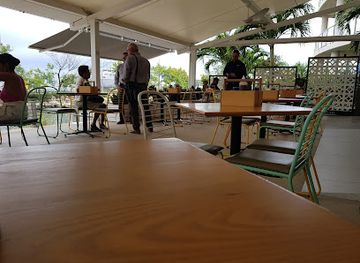
Edge Cafe Port Moresby
Discover the ultimate brunch experience at Edge Cafe in Port Moresby—where local flavors meet cozy ambiance.
Best bars in Central Highlands
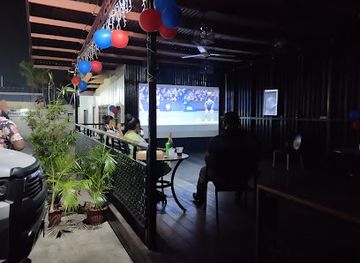
Evening life in the Central Highlands is concentrated in hotel bars, licensed restaurants, small pubs and social venues in provincial towns rather than in a large, region-wide club scene. Goroka and Mount Hagen have the broadest choice, with occasional live music, informal gatherings and televised sport, while Kundiawa, Wabag and Tari are quieter and more dependent on individual hotels or local events. In rural districts, evenings generally centre on accommodation, community activities and early starts rather than nightlife. Visitors should use only reputable venues, follow local security advice and avoid walking between establishments after dark. Alcohol is not necessary to engage with highland culture, and photography or participation at community events should always be guided by permission rather than treated as part of a nightlife programme.
-
Restaurant
Alibi Bar & Grill
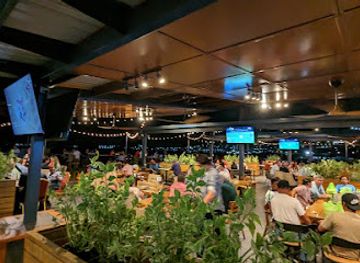
Experience the vibrant culinary scene at Alibi Bar & Grill, offering delicious dishes and stunning waterside views in Port Moresby.
-
Bar
Jackson's Bar Restaurant & Gaming
Experience the vibrant atmosphere of Jackson's Bar Restaurant & Gaming in Port Moresby, where delicious food meets thrilling gaming.
-
Restaurant
Port Terrace Restaurant & Bar
Experience the exquisite flavors of Port Moresby at Port Terrace Restaurant & Bar, where local meets international cuisine in a stunning waterfront setting.
-
Bar
Gecko Bar, Holiday Inn
Discover the vibrant atmosphere of Gecko Bar at Holiday Inn, where tasty meals and friendly service await in the heart of Port Moresby.
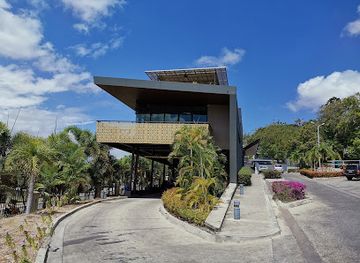
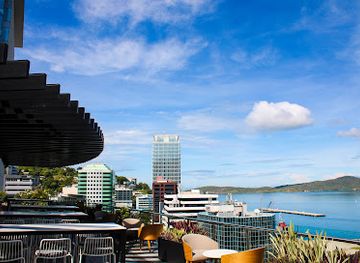
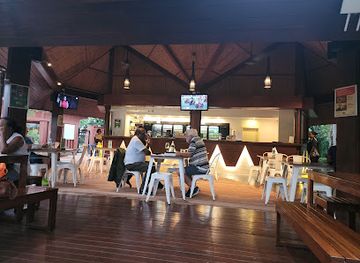
Best nightclubs in Central Highlands
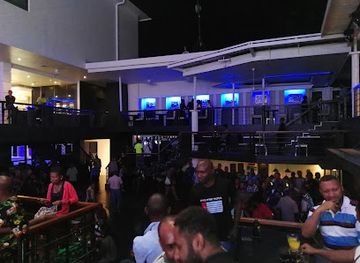
Evening life in the Central Highlands is concentrated in hotel bars, licensed restaurants, small pubs and social venues in provincial towns rather than in a large, region-wide club scene. Goroka and Mount Hagen have the broadest choice, with occasional live music, informal gatherings and televised sport, while Kundiawa, Wabag and Tari are quieter and more dependent on individual hotels or local events. In rural districts, evenings generally centre on accommodation, community activities and early starts rather than nightlife. Visitors should use only reputable venues, follow local security advice and avoid walking between establishments after dark. Alcohol is not necessary to engage with highland culture, and photography or participation at community events should always be guided by permission rather than treated as part of a nightlife programme.
-
Sports club
Aviat Social & Sporting Club
Experience the vibrant atmosphere of Aviat Social & Sporting Club, where sports, leisure, and community come together in Port Moresby.
-
Disco club
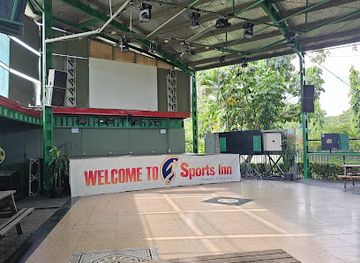
Sports Inn
Experience the vibrant nightlife at Sports Inn, the premier disco club in Port Moresby, where music and dance come alive.
-
Night club
The Gold Club
Discover the vibrant nightlife of Port Moresby at The Gold Club, where music, dance, and fun come together for an unforgettable experience.
-
Bar
Platinum Pokies Lounge and Bar
Discover the lively spirit of Port Moresby at Platinum Pokies Lounge and Bar, where great drinks and local entertainment await.
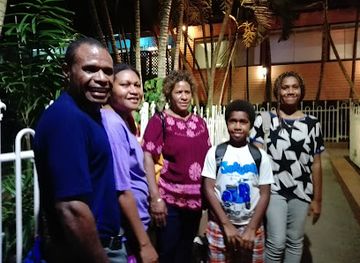
Best shops in Central Highlands
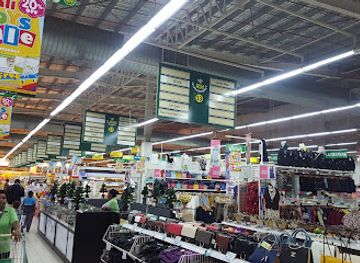
Shopping in the Central Highlands is centred on markets, roadside stalls, small town high streets and exchanges arranged through cultural or craft visits rather than large retail complexes. Goroka and Mount Hagen offer the widest selection of practical goods, clothing, food, locally produced coffee and handicrafts, while smaller towns provide a more limited but often more directly local market experience. Bilums, the woven string bags associated with many Papua New Guinean communities, are widely encountered, but patterns, materials and meanings vary and visitors should ask about provenance and payment. Woodcarvings, woven items, shell ornaments and festival-related crafts may be available through reputable organisations or guides; avoid purchasing objects that appear culturally restricted or made from protected wildlife. Pack fragile purchases carefully, retain receipts where available and check current customs rules before exporting feathers, plant products, antiques or other natural and cultural materials.
-
Shopping mall
Vision City Mega Mall
Discover a world of shopping, dining, and entertainment at Vision City Mega Mall in Port Moresby, your ultimate destination for a vibrant retail experience.
-
Grocery store
Stop and Shop Waigani Central
Experience the vibrant shopping culture at Waigani Central, your ultimate destination for local produce and international goods in Port Moresby.
-
Market
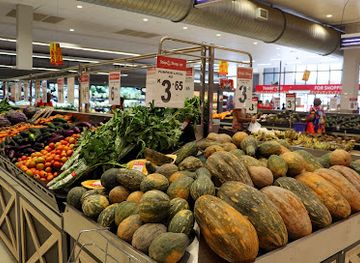
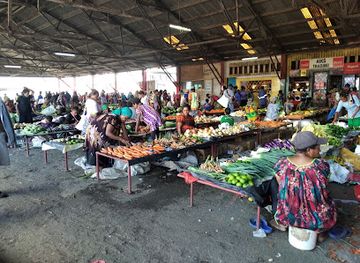
Lae Main Market
Discover the vibrant Lae Main Market, where fresh produce, local crafts, and the rich culture of Papua New Guinea come together in a lively shopping experience.
-
Shopping mall
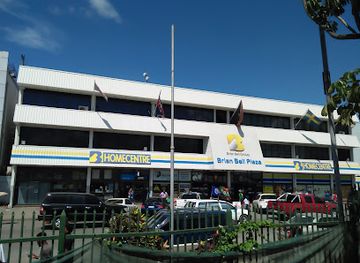
Brian Bell Plaza Boroko
Explore Brian Bell Plaza Boroko, Port Moresby's premier shopping destination with diverse shops, dining options, and a lively atmosphere for every visitor.
Get your free copy of our complete guide to Central Highlands, delivered straight to you.
Everything on this page, from attractions and restaurants to essentials and local phrases, in one PDF you can read offline, print or share.
Already have an account? Sign in
Your Central Highlands guide is ready.
We'll send it to · Not you? Sign out

Getting your guide ready…
We are putting together a fresh copy of the Central Highlands guide. This can take up to a minute.
This can take a few moments. If your browser asks, choose Allow so the download can start. You'll find the guide in your Downloads folder.
Nothing happened? Download it again
Sorry, the guide is taking longer than usual. Please try again in a minute, or get it by email instead.
Central Highlands essentials
Currency and Payment
Safety
Emergency Situations
Do's and Don'ts
Local Tips
From Eve
Local phrases worth knowing
You don't need to get them perfect. A few words go a long way, and locals appreciate the effort.
Basics
| English | Local | Say it |
|---|---|---|
| Hello | Kia ora | [kee-ah ora] |
| Goodbye | Tofa | [toh-fah] |
| Yes | Aee | [ah-ee] |
| No | Ih | [ee] |
| Please/You're welcome | Tōfā | [toh-fah] |
| Thank you | Fa'afetai | [fah-ah-feh-tah-ee] |
| Excuse me/Sorry | Fa'amolemole | [fah-ah-moh-leh-moh-leh] |
| How are you? | O a mai oe? | [oh ah my oh-eh] |
| Fine. And you? | Fa'afetai. O a mai oe? | [fah-ah-feh-tah-ee. oh ah my oh-eh] |
| Do you speak English? | E te iloa le Gagana Ingilisi? | [eh teh ee-loh-ah le gah-gah-nah een-gee-lee-see] |
| I don't understand | E le mafai ona ou malamalama | [eh leh mah-fai oh-nah oh mah-lah-mah-ngah] |
Eating & Drinking
| English | Local | Say it |
|---|---|---|
| I'd like to see the menu, please | Ou te manaʻo e vaʻai i le menu, fa'amolemole | [oh-oo teh mah-nuh-oh eh vah-ee ee leh meh-noo, fah-ah-moh-leh-moh-leh] |
| I don't eat meat | E le 'ai aiga | [eh leh ah-ee ah-ee-gah] |
| Cheers! | Fa'amanuia! | [fah-ah-mah-noo-ee-ah] |
| I would like to pay, please | Ou te manaʻo e totogi, fa'amolemole | [oh-oo teh mah-nuh-oh eh toh-toh-gee, fah-ah-moh-leh-moh-leh] |
Emergencies
| English | Local | Say it |
|---|---|---|
| Help! | Tautua! | [tau-too-ah] |
| Go away! | O le fa'asa'e! | [oh leh fah-sah-eh] |
| Call the Police! | Fa'ailoa le Polisi! | [fah-eye-loh-ah leh poh-lee-see] |
| Call a doctor! | Fa'ailoa se foma'i! | [fah-eye-loh-ah seh fo-mah-ee] |
| I'm lost | Ou te le iloa | [oh-oo teh leh ee-loh-ah] |
| I'm ill | Ou te le soifuina | [oh-oo teh leh so-ee-foo-ee-nah] |
Shopping
| English | Local | Say it |
|---|---|---|
| I'd like to buy... | Ou te manaʻo e faʻatau... | [oh-oo teh mah-nuh-oh eh fah-oo, ...] |
| I'm just looking | Ou na'o le va'aiga | [oh-oo nah-oh leh vah-ee-gah] |
| How much is it? | E fia le tau? | [eh fee-ah leh tah-oo] |
| That's too expensive | O le tau e maualuga | [oh leh tah-oo eh mah-oo-lah-ngah] |
| Can you lower the price? | E mafai ona e fa'aitiiti le tau? | [eh mah-fai oh-nah eh fah-ee-tee-tee leh tah-oo] |
Time & Numbers
| English | Local | Say it |
|---|---|---|
| What time is it? | O le a le taimi? | [oh leh ah leh tah-ee-mee] |
| It's one o'clock | O le 1 le asu | [oh leh e-nee le ah-soo] |
| Half past (10) | O le afa o le (10) | [oh leh ah-fah oh leh (10)] |
| Morning | Taeao | [tai-ah-oh] |
| Afternoon | Afiafi | [ah-fee-ah-fee] |
| Evening | Po | [poh] |
| Yesterday | O le aso na | [oh leh ah-so nah] |
| Today | O le aso nei | [oh leh ah-so nay] |
| Tomorrow | O le aso e | [oh leh ah-so eh] |
| 1 | Tasi | [tah-see] |
| 2 | Lua | [loo-ah] |
| 3 | Tolu | [toh-loo] |
| 4 | Fa | [fah] |
| 5 | lima | [lee-mah] |
| 6 | Ona | [oh-nah] |
| 7 | Fitu | [fee-too] |
| 8 | Valu | [vah-loo] |
| 9 | Iva | [ee-vah] |
| 10 | Sefulu | [seh-foo-loo] |
Transport & Directions
| English | Local | Say it |
|---|---|---|
| Where's a/the...? | O fea le...? | [oh feh-ah leh...?] |
| What's the address? | O le a le adiresi? | [oh leh ah leh ah-dee-reh-see?] |
| Can you show me (on the map)? | E mafai ona e fa'aali mai ia te a'u (i le fa'ata'ita'iga)? | [eh mah-fai oh-nah eh fah-ah-lee my ah yah-oo (ee leh fah-ah-tah-ee-tah-ee-gah)?] |
| When's the next (bus)? | O le a le taimi o le (bus) i le isi? | [oh leh ah leh tah-ee-mee oh leh (bus) ee leh ee-see?] |
| A ticket (to ....) | Se tiketi (i le ....) | [seh tee-keh-tee (ee leh ....)] |
History of Central Highlands
Early Highland Agriculture
The Central Highlands contain some of the oldest known evidence of organised agriculture in the Pacific. At Kuk near Mount Hagen, drainage channels and cultivated landscapes show that people were managing wetland environments and growing crops thousands of years ago. The evidence does not represent a single uninterrupted farming system exactly as it appears today, but it demonstrates the depth of local experimentation with taro, bananas and other plants before European contact. Across the wider highlands, communities developed intensive garden systems, forest management practices and settlements adapted to steep terrain, creating a densely inhabited agricultural landscape without the large urban centres familiar from other parts of the world.
Highland Communities Before Colonial Rule
Before sustained outside administration, the mountain valleys contained numerous societies connected by exchange, marriage, ceremonial relationships and, in some areas, conflict. Political authority was generally distributed among influential men, clan leaders and closely related social networks rather than concentrated in a single highland state. Shell valuables, pigs, feathers, food and other goods circulated through regional exchange systems, while gardens supported large populations in favourable valleys. Languages and customs varied considerably from one district to another. These local histories remain important today, because modern provincial boundaries and town names do not erase older affiliations or the continuing importance of clan and community relationships.
Patrols, Missions and First Colonial Contacts
Australian administration reached the interior more gradually than the coast, with patrol officers, missionaries, traders and aircraft extending outside influence into the mountain valleys during the twentieth century. Roads, airstrips, schools, churches and government stations altered patterns of movement and authority, while mission Christianity became influential in many communities. Contact was not a simple or uniform process: different valleys experienced patrols and mission work at different times, and local people actively negotiated the new institutions. The legacy is visible in the location of many modern towns, churches and administrative centres, as well as in memories of first contact preserved within highland communities.
The Second World War in the Mountains
The highlands became strategically important during the Pacific War after Japanese advances in New Guinea. Roads, airfields, patrol routes and supply networks connected the interior to the Allied war effort, and Papua New Guinean carriers played a major role in moving equipment and wounded personnel through difficult terrain. The Kokoda Trail itself lies to the east of the Central Highlands rather than within the whole region, but the wider wartime mobilisation affected highland transport and administration. Airstrips and improved routes later helped link isolated valleys to towns and markets, leaving a practical infrastructure legacy alongside the human cost of the conflict.
Coffee and the Cash Economy
Coffee became one of the Central Highlands’ most important links to national and international markets, particularly in the cooler, fertile districts around Eastern Highlands and Western Highlands towns. Smallholder gardens and larger agricultural enterprises introduced a cash income that could support school fees, transport, tools and household needs, although prices, weather, disease and access to roads have always affected growers. Coffee production did not replace subsistence gardening; many households continue to combine food cultivation with cash crops and other work. The resulting landscape of coffee plots, market gardens and roadside trading is a defining feature of several highland districts.
Independence and Provincial Development
Papua New Guinea became independent from Australia in 1975, and the Central Highlands developed within a national political system that often had to balance dispersed rural communities with a small number of urban and administrative centres. Goroka, Mount Hagen, Kundiawa, Wabag and Tari expanded as provincial capitals or service towns, bringing together government offices, schools, hospitals, markets and transport links. Development has remained uneven, with remote communities facing significant challenges in road maintenance, health access and education. At the same time, highland languages, ceremonies, food systems and customary relationships continue to shape public life alongside modern institutions.
Contemporary Cultural Revivals and Tourism
Since the late twentieth century, cultural festivals in Goroka and Mount Hagen have become important public expressions of Papua New Guinea’s cultural diversity, bringing performers from different communities together through dress, dance, music and ceremonial presentation. They also provide a platform for regional identity and tourism, although participation and interpretation should remain grounded in community consent. Contemporary highland tourism increasingly combines festival visits with birdwatching, archaeology, coffee experiences, village encounters and mountain trekking. Its future depends on reliable infrastructure, responsible operators, local benefit and respectful engagement rather than on treating living cultures as museum displays.
Central Highlands in Photos
Browse through our photo collection highlighting the charm and character of the destination.
Neighbouring regions of Central Highlands
The closest regions to Central Highlands, if you have time for more than one.
-

-

-

-

-


Swipe for more regions
Explore more

Explore more of Papua New Guinea
Discover Papua New Guinea, where ancient cultures meet untamed wilderness. From vibrant festivals to stunning natural landscapes, an adventure awaits in this Pacific gem.
Explore Papua New Guinea