

Western Province, Papua New Guinea Travel Guide
Explore Western Province, Papua New Guinea: A land of vast rainforests, rich cultures, and thrilling adventures, perfect for nature lovers and cultural enthusiasts alike.
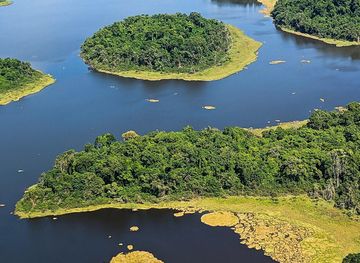
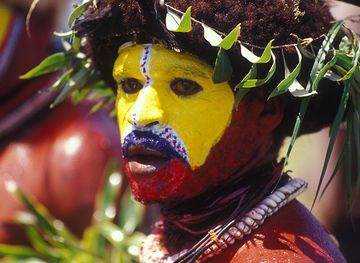
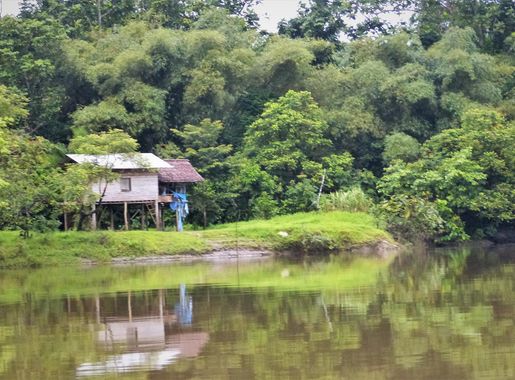
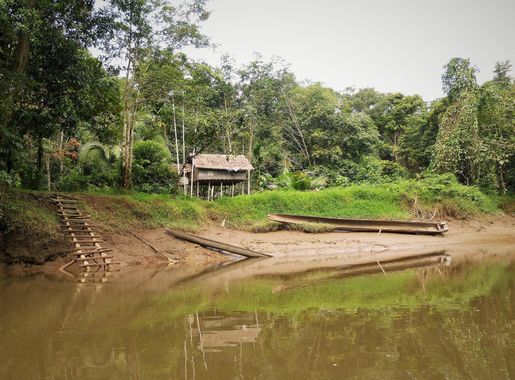
Western Province in Papua New Guinea is a hidden gem, offering an unparalleled blend of natural beauty, rich cultural heritage, and adventure. Located in the southwestern part of the country, it is known for its vast rainforests, winding rivers, and expansive plains. The province is a haven for wildlife enthusiasts and birdwatchers, hosting a diverse array of species in its untouched habitats. The Fly River, one of the largest rivers in Papua New Guinea, flows through the province, providing opportunities for river cruises and fishing expeditions. The river's meandering path is dotted with traditional villages where you can immerse yourself in local customs and traditions. The people of Western Province are known for their warmth and hospitality, and visitors often find themselves welcomed into the heart of village life. For the adventurous traveler, Western Province offers numerous trekking routes through dense jungles and up rugged mountains. The ecological diversity here is astounding, with rare flora and fauna waiting to be discovered. The region's remote nature means that many areas remain largely unexplored, offering a true sense of adventure for those willing to venture off the beaten path. A visit to Western Province is not complete without exploring its unique cultural heritage. The province is home to various indigenous tribes, each with its own distinct traditions, languages, and art forms. Traditional ceremonies and festivals are a vibrant display of the local way of life, providing a deep insight into the region's rich cultural tapestry.

Know before you go
Hi, I'm Eve. Here are a few practical things to know before exploring Western Province.
- Bring insect repellent; the rainforests are home to many insects.
- Hire a local guide for trekking; they can provide valuable insights and ensure your safety.
- Respect local customs and traditions when visiting villages.
- Carry cash, as ATMs and card payment facilities are limited.
- Dress modestly when visiting local communities.
Top City Travel Guides in Western Province
The cities of Western Province, and the easiest places to base yourself.

Explore Western Province: Things to Do, Places to Eat, Hotels & More
Handpicked recommendations for top attractions, local dining, accommodations, and more

Top Attractions & Sightseeing in Western Province
Top-rated picks
Best Attractions

Port Moresby Nature Park
Explore the lush landscapes and unique wildlife of Port Moresby Nature Park, a key destination for nature lovers in Papua New Guinea.

Tugu 0 KM Merauke - Sabang
Discover the breathtaking beauty and cultural richness at Tugu 0 KM Merauke - Sabang, the easternmost point of Indonesia.

Mount Hagen Market
Explore the vibrant Mount Hagen Market, a cultural gem in Papua New Guinea where fresh produce and local crafts come together in a lively atmosphere.

Lae Botanic Gardens
Explore Lae Botanic Gardens, a lush tropical haven showcasing Papua New Guinea's rich flora and serene landscapes in the heart of Lae.


Best restaurants in Western Province
Top-rated picks
Best Restaurants

Alibi Bar & Grill
Experience vibrant flavors and a lively atmosphere at Alibi Bar & Grill in Port Moresby—your go-to destination for exceptional dining.

Asia Aromas Harbour Side West PNG
Discover exquisite Chinese flavors at Asia Aromas Harbour Side West in Lae - where every meal is a celebration of taste and culture.

Heritage Cafe PNG
Discover the flavors of Papua New Guinea at Heritage Cafe PNG - where culinary traditions meet modern dining.

Port Terrace Restaurant & Bar
Discover exquisite dining at Port Terrace Restaurant & Bar in Port Moresby, where local flavors meet international cuisine amidst breathtaking views.

Best bars in Western Province
Top-rated picks
Best Bars

Jackson's Bar Restaurant & Gaming
Jackson's Bar Restaurant & Gaming: Your destination for vibrant dining and exhilarating gaming in the heart of Port Moresby.

KUNDU CLUB
Experience the vibrant nightlife of Port Moresby at Kundu Club, where great drinks and friendly vibes await.

Akura Dining & Lounge Bar
Experience the vibrant flavors and relaxed ambiance of Akura Dining & Lounge Bar, a culinary hotspot in Port Moresby’s scenic Stanley Esplanade.

Gazeebo Club and Chinese Restaurant
Experience the delightful fusion of grill favorites and authentic Chinese cuisine at Gazeebo Club in Tabubil, Western Province.

Best nightclubs in Western Province
Top-rated picks
Best Nightclubs

Gazeebo Club and Chinese Restaurant
Discover the flavors of the East at Gazeebo Club and Chinese Restaurant in Tabubil, where grill meets Chinese cuisine in a warm, inviting atmosphere.

The Gold Club
Experience the vibrant nightlife of Port Moresby at The Gold Club, where dance, drinks, and unforgettable memories await.

Club Illusion PNG
Discover the pulse of Port Moresby's nightlife at Club Illusion PNG, where music, dance, and culture blend for an unforgettable experience.

Club Regal
Discover the heart of Port Moresby’s nightlife at Club Regal, where music, dance, and vibrant energy collide for an unforgettable evening.

Best shops in Western Province
Top-rated picks
Best Shops

Tininga Dobel Supermarket
Experience the vibrant culture and local flavors at Tininga Dobel Supermarket in Papua New Guinea’s breathtaking Western Highlands.

Maku Gifts
Discover Maku Gifts in Kokopo - a treasure trove of unique home goods and authentic Papua New Guinean craftsmanship.

Ialibu Market
Experience the heart of Ialibu at the bustling market filled with fresh produce, handcrafted goods, and local culture.

Freedom Apex Supermarket
Experience local culture and vibrant shopping at Freedom Apex Supermarket in Mount Hagen, your go-to destination for unique finds and fresh produce.

Explore Western Province on the Map
A handpicked selection of must-see spots in Western Province, mapped for you.
Western Province Essentials
-
Western Province in Papua New Guinea is primarily accessed via the town of Daru. The nearest international airport is Jacksons International Airport in Port Moresby. From Port Moresby, you can catch a domestic flight to Daru Airport. Alternatively, you can reach Kiunga, another major town in Western Province, by flying from Port Moresby to Kiunga Airport. Be aware that flights can be infrequent and subject to weather conditions, so plan accordingly.
-
Transportation within Western Province is limited but manageable. In Daru and Kiunga, you can find local taxis and minibuses for short trips. For inter-town travel, small boats and ferries are commonly used, especially along the Fly River. Roads can be rugged, so if you plan to rent a vehicle, a 4WD is highly recommended. Always check the availability and condition of transportation methods before planning your journey.
-
The official currency in Papua New Guinea is the Papua New Guinean Kina (PGK). Credit cards are accepted in some hotels and larger establishments in Daru and Kiunga, but cash is king in smaller towns and villages. ATMs can be found in larger towns, but it's advisable to carry sufficient cash, especially when traveling to remote areas. Currency exchange services are available in Port Moresby, so consider exchanging your money before heading to Western Province.
-
Western Province is generally safe for tourists, but caution is advised. Some areas, particularly remote regions, may have higher crime rates. Petty theft and pickpocketing can occur, especially in crowded places. Avoid walking alone at night, and stay alert to your surroundings. It's always best to travel in groups and stick to well-known paths. Consult local guides for current safety conditions.
-
In case of an emergency, dial 111 for immediate assistance. Medical facilities in Western Province are limited, so it's crucial to have comprehensive travel insurance that covers medical evacuation. Daru General Hospital and Kiunga Hospital are the primary healthcare providers, but for serious conditions, evacuation to Port Moresby may be necessary. Always carry a basic first aid kit and essential medications.
-
Fashion: Do dress modestly; lightweight, breathable clothing is recommended due to the tropical climate. Avoid wearing flashy jewelry. Religion: Do respect local customs and traditions. When visiting villages, dress conservatively and ask for permission before taking photographs. Public Transport: Do be patient, as schedules can be unpredictable. Don't expect Western standards of punctuality. Greetings: Do greet people with a smile and a handshake. Learn a few phrases in Tok Pisin, the local lingua franca, to make a good impression. Eating & Drinking: Do try local dishes like sago and fresh seafood. Don't refuse food or drink that's offered, as it can be considered rude.
-
To experience Western Province like a local, visit the bustling markets in Daru and Kiunga. Engage with local fishermen and learn about their daily routines. Participate in traditional dances and ceremonies if invited. Don't miss exploring the Fly River by boat, which offers a unique perspective of the region's natural beauty. For an authentic experience, consider staying in village guesthouses where you can immerse yourself in local culture.
When is the best time to visit Western Province?
Useful Local Phrases for Western Province
You don't need to speak the language perfectly. Even learning a few simple words can make conversations warmer—and locals usually appreciate the effort.
— Eve

Here are the phrases I use most often in Western Province. Try a few—you'll be surprised how far they go! 😊
❤️
-
- HelloMoning
[Mohn-ing] - GoodbyeLukim yu
[Loo-kim yoo] - YesYes
[Yes] - NoNo
[No] - Please/You're welcomePlis/No worries
[Pleez/No wuh-riz] - Thank youTenkyu
[Ten-kyoo] - Excuse me/SorrySori
[So-ree] - How are you?Yu orait?
[Yoo oh-rite?] - Fine. And you?Orait. Na yu?
[Oh-rite. Nah yoo?] - Do you speak English?Yu tokim Inglis?
[Yoo toh-kim Ing-lis?] - I don't understandMi no save
[Mee noh sah-veh]
- HelloMoning
-
- I'd like to see the menu, pleaseMi laik lukim menu, plis
[Mee la-ik loo-kim me-nu, pleez] - I don't eat meatMi no kaikai mit
[Mee noh kai-kai meet] - Cheers!Toktok
[Toke-toke] - I would like to pay, pleaseMi laik pai, plis
[Mee la-ik pai, pleez]
- I'd like to see the menu, pleaseMi laik lukim menu, plis
-
- Help!Help!
[Help!] - Go away!Go awai!
[Go ah-wai!] - Call the Police!Kolim Polis!
[Koh-lim Poe-lis!] - Call a doctor!Kolim dokta!
[Koh-lim dok-ta!] - I'm lostMi lus
[Mee loos] - I'm illMi sik
[Mee seek]
- Help!Help!
-
- I'd like to buy...Mi laik buy...
[Mee la-ik bai...] - I'm just lookingMi stap lukim
[Mee stap loo-kim] - How much is it?Em i hamas?
[Em ee ha-mas?] - That's too expensiveDis i tu bikpela
[Dis ee too beek-peh-lah] - Can you lower the price?Yu ken daunim prais?
[Yoo ken dow-nim prize?]
- I'd like to buy...Mi laik buy...
-
- What time is it?Dispela taem em hamas?
[Dis-peh-lah tie-em em ha-mas?] - It's one o'clockEm i wan oklok
[Em ee wan oh-clock] - Half past (10)Haf pas (10)
[Haf pas (ten)] - MorningMoning
[Mohn-ing] - AfternoonAftanoon
[Af-ta-noon] - EveningIvening
[Ee-ve-ning] - YesterdayYestede
[Yess-teh-dee] - TodayTude
[Too-day] - TomorrowTumoro
[Too-mo-roh] - 1Wan
[Wan] - 2Tu
[Too] - 3Tri
[Tree] - 4Foa
[Foh-ah] - 5Faiv
[Fah-iv] - 6Siks
[Siks] - 7Seven
[Sev-en] - 8Eit
[Eight] - 9Nain
[Nine] - 10Ten
[Ten]
- What time is it?Dispela taem em hamas?
-
- Where's a/the...?Wea em i...?
[Weh em ee...?] - What's the address?Hamas address?
[Ha-mas ad-dress?] - Can you show me (on the map)?Yu ken soim mi (long map)?
[Yoo ken soy-m mee (long map)?] - When's the next (bus)?Wen em i nekst (bas)?
[Wen em ee next (bus)?] - A ticket (to ....)Wan tiket (go....)
[Wan tee-ket (go....)]
- Where's a/the...?Wea em i...?
History of Western Province
-
Western Province is home to some of the earliest human settlements in Papua New Guinea, with evidence of habitation dating back thousands of years. The indigenous tribes, such as the Gogodala, Kiwai, and Fly River people, have developed unique cultures and languages over millennia. They relied on the vast river systems for transportation, fishing, and trade, fostering a rich and diverse cultural tapestry.
-
The first European contact with Western Province occurred in the 19th century when British and Dutch explorers navigated its extensive river systems. Captain John Moresby, a British Naval officer, was among the first to chart parts of the Fly River in the 1870s. These early explorations opened the region to further European interest and eventual colonization.
-
Western Province came under British control in the late 19th century as part of British New Guinea. The region was later administered by Australia following World War I. The colonial period saw the establishment of administrative centers and the introduction of Western education and Christianity. However, the impact on indigenous cultures was profound, with many traditional practices being suppressed or altered.
-
During World War II, Western Province was a significant area of strategic importance. The Japanese forces occupied parts of Papua New Guinea, including Western Province, leading to several military engagements between the Allied and Japanese forces. The war left behind numerous relics and remnants, which are now points of historical interest for visitors.
-
Papua New Guinea gained independence from Australia in 1975, marking a new chapter for Western Province. The region has since focused on developing its infrastructure and economy while preserving its rich cultural heritage. Efforts have been made to promote indigenous rights and cultural practices, ensuring that the ancient traditions of the Gogodala, Kiwai, and other tribes continue to thrive.
-
Western Province is characterized by its vast rainforests, wetlands, and river systems. The Fly River, one of the world's largest river systems, plays a crucial role in the region's ecology and the livelihoods of its people. Conservation efforts are ongoing to protect the unique biodiversity of the region, which includes rare species like the Papuan black bass and the Fly River turtle.
-
Western Province is known for its vibrant cultural festivals, which celebrate the heritage and traditions of its indigenous communities. Events such as the Gogodala Canoe Festival and the Kiwai Mask Festival attract visitors from around the world, offering a glimpse into the rich cultural tapestry of the region. These festivals feature traditional music, dance, and art, reflecting the enduring spirit of the local people.
Neighbouring Regions of Western Province
The closest regions to Western Province, if you have time for more than one.


Your all‑in‑one travel companion app
Explore expert travel guides, compare and book tours, experiences, hotels, and more—all from the palm of your hand. Download now for seamless trip planning wherever your wanderlust takes you.


Explore More of Papua New Guinea

Looking beyond Western Province? Discover Papua New Guinea for broader travel guides, local hot-spots, and regional highlights.
Explore Papua New GuineaWestern Province in Photos
Browse through our photo collection highlighting the charm and character of the destination.




Discover the Untamed Beauty of Western Province, Papua New Guinea
Western Province in Papua New Guinea is a hidden gem, offering an unparalleled blend of natural beauty, rich cultural heritage, and adventure. Located in the southwestern part of the country, it is known for its vast rainforests, winding rivers, and expansive plains. The province is a haven for wildlife enthusiasts and birdwatchers, hosting a diverse array of species in its untouched habitats. The Fly River, one of the largest rivers in Papua New Guinea, flows through the province, providing opportunities for river cruises and fishing expeditions. The river's meandering path is dotted with traditional villages where you can immerse yourself in local customs and traditions. The people of Western Province are known for their warmth and hospitality, and visitors often find themselves welcomed into the heart of village life. For the adventurous traveler, Western Province offers numerous trekking routes through dense jungles and up rugged mountains. The ecological diversity here is astounding, with rare flora and fauna waiting to be discovered. The region's remote nature means that many areas remain largely unexplored, offering a true sense of adventure for those willing to venture off the beaten path. A visit to Western Province is not complete without exploring its unique cultural heritage. The province is home to various indigenous tribes, each with its own distinct traditions, languages, and art forms. Traditional ceremonies and festivals are a vibrant display of the local way of life, providing a deep insight into the region's rich cultural tapestry.