
Chaco Central, Paraguay Travel Guide
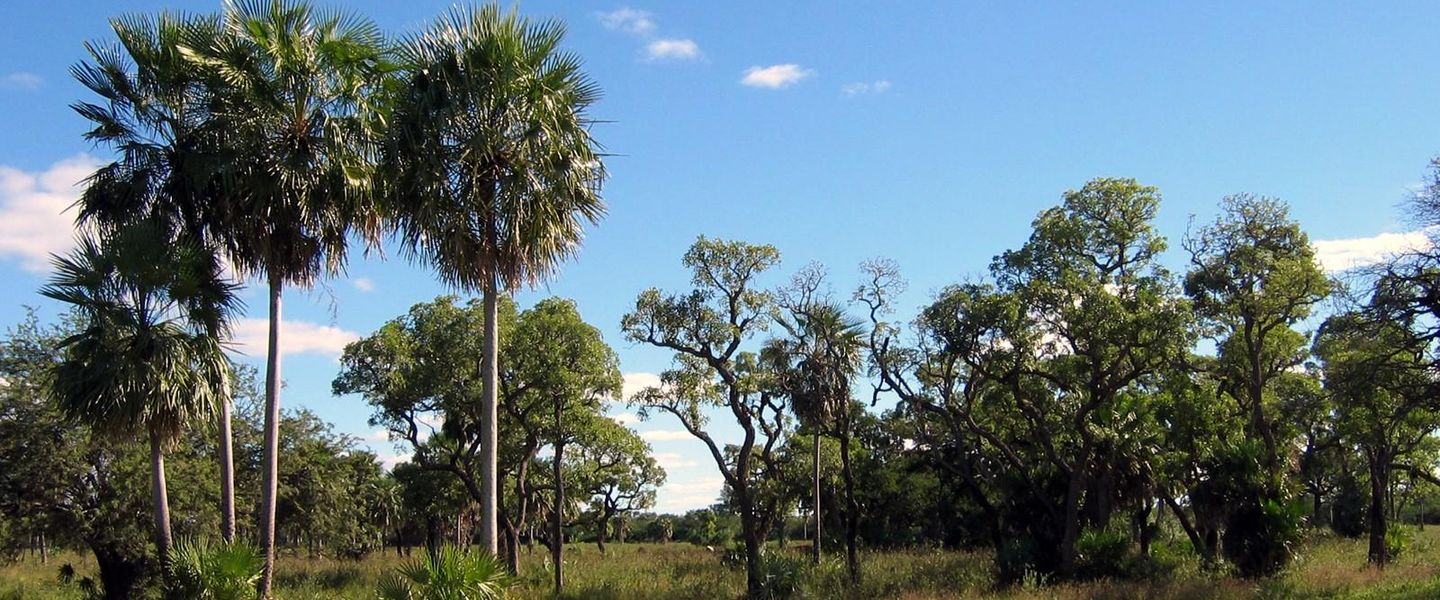
Discover Chaco Central in Paraguay: A land of vast savannas, rich wildlife, and diverse cultures, perfect for nature enthusiasts and adventurers.
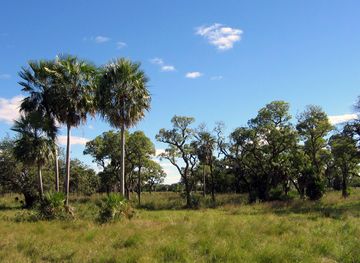
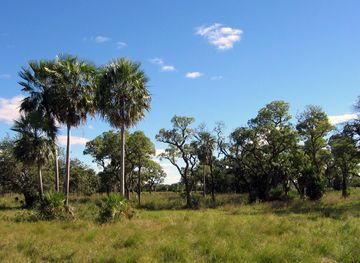
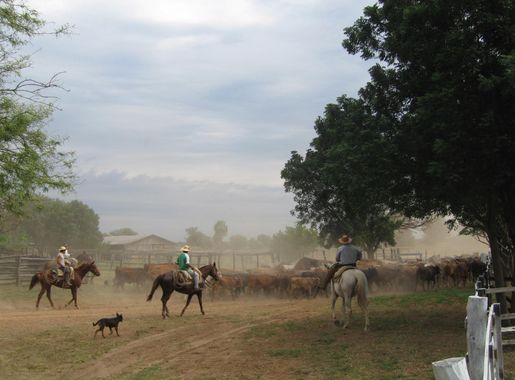
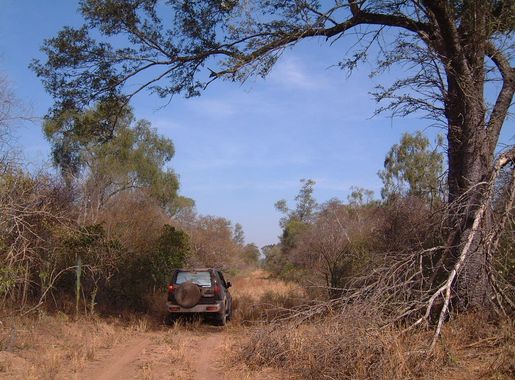
Chaco Central, an expansive region in Paraguay, is a treasure trove for nature enthusiasts and adventurous travelers. Known for its vast, rugged landscapes, it offers a unique blend of cultural richness and natural beauty. The region is characterized by its semi-arid climate, sprawling savannas, and diverse wildlife, making it an ideal destination for those looking to escape the ordinary. One of the highlights of Chaco Central is its wildlife reserves. The Defensores del Chaco National Park is a must-visit, home to jaguars, tapirs, and a wide array of bird species. The park's remote trails and untouched habitats offer a glimpse into a world that remains largely unaffected by human activity. Bird watchers will be delighted by the chance to see rare species like the Chaco eagle. Chaco Central also offers a rich cultural experience. The region is home to several indigenous communities, including the Guaraní, Nivaclé, and Ayoreo. Visitors have the opportunity to learn about their traditional way of life, crafts, and customs. The Mennonite colonies in the area add another layer of cultural diversity, where you can explore their unique history and architecture. For those interested in history, the Fortín Boquerón is a significant site from the Chaco War between Paraguay and Bolivia. The fort and its museum provide insight into this pivotal conflict and its impact on the region. Additionally, the Trans-Chaco Highway, which traverses the region, offers a scenic route for road trips, providing a chance to see the changing landscapes and small, charming towns along the way.

Know before you go
Hi, I'm Eve. Here are a few practical things to know before exploring Chaco Central.
- Visit during the cooler months (May to August) to avoid the extreme heat.
- Bring plenty of water and sun protection as the region can be very dry and hot.
- Hire a local guide for wildlife tours to enhance your experience and ensure safety.
- Respect local customs and traditions when visiting indigenous communities.
- Carry cash, as ATMs and card facilities may not be available in remote areas.
Explore Chaco Central: Things to Do, Places to Eat, Hotels & More
Handpicked recommendations for top attractions, local dining, accommodations, and more

Top Attractions & Sightseeing in Chaco Central
Top-rated picks
Best Attractions

Puente Corrientes - Chaco
Discover the stunning Puente Corrientes, an architectural marvel connecting Corrientes and Chaco, offering breathtaking views and cultural experiences.

Expo Rodeo Trebol
Discover the excitement of Paraguayan culture at Expo Rodeo Trebol, where thrilling rodeo events come to life in a vibrant atmosphere.

Cerro Lambaré
Explore Cerro Lambaré, Asunción's iconic mountain peak, offering stunning views and a peaceful escape into nature for all adventure seekers.
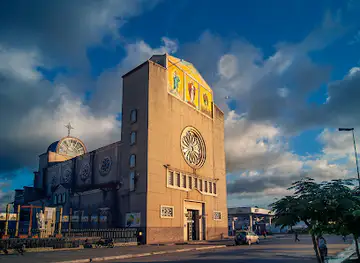
CATEDRAL SAN ROQUE.
Explore the stunning Catedral San Roque in Presidencia Roque Sáenz Peña, a captivating architectural marvel steeped in history and spirituality.

Best landmarks in Chaco Central
Top-rated picks
Best Landmarks

Parque de la Democracia
Discover the beauty and cultural significance of Parque de la Democracia, a serene park in Resistencia, Argentina, perfect for relaxation and exploration.

Monday Falls
Experience the breathtaking beauty of Monday Falls, a national park in Paraguay known for its stunning waterfalls and lush landscapes.

Monalisa Paraguay
Discover unmatched shopping experiences at Monalisa Paraguay, a vibrant mall in Ciudad del Este with diverse offerings and unbeatable prices.

Plaza Uruguaya
Discover the beauty and cultural vibrancy of Plaza Uruguaya, a serene park in the heart of Asunción, Paraguay, perfect for relaxation and exploration.

Best restaurants in Chaco Central
Top-rated picks
Best Restaurants

Bolsi
Discover Bolsi in Asunción: A family-friendly restaurant offering delightful Paraguayan dishes and sushi in a cozy atmosphere.

Churrasquería O Gaúcho
Experience authentic Paraguayan barbecue at Churrasquería O Gaúcho in Asunción—where flavor meets tradition.

El Café de Acá
Discover El Café de Acá in Asunción – where authentic Paraguayan flavors meet warm hospitality in a cozy breakfast haven.

La Cabrera
Experience the ultimate steakhouse adventure at La Cabrera in Asunción - where quality meets tradition.

Best bars in Chaco Central
Top-rated picks
Best Bars
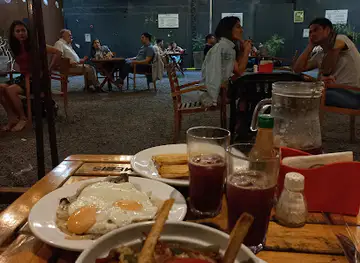
Lido Bar
Experience the authentic flavors of Paraguay at Lido Bar in Asunción, where delicious cuisine meets a welcoming atmosphere.

Britannia Pub
Experience the lively atmosphere and delicious offerings at Britannia Pub in Asunción, where locals and travelers come together to enjoy great food and drinks.

Bar San Roque
Discover the vibrant flavors of Paraguay at Bar San Roque, a beloved restaurant in Asunción offering authentic cuisine and a welcoming atmosphere.
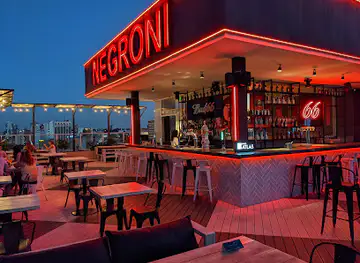
Negroni Downtown Skybar
Experience the exquisite flavors and stunning views at Negroni Downtown Skybar, Asunción’s premier destination for sushi and cocktails.

Best nightclubs in Chaco Central
Top-rated picks
Best Nightclubs

O'Leary club
Discover the lively nightlife at O'Leary Club in Asunción, where delicious cocktails and a vibrant atmosphere await every night.

Velvet Asuncion
Discover the electrifying nightlife of Velvet Asuncion, a premier disco club in the heart of Paraguay's capital, where music and dance come alive.

Morgan Warehouse, Nightclub
Experience the vibrant nightlife of Asunción at Morgan Warehouse, where music, dance, and cocktails create unforgettable nights.

Toc Toc Disco Pub
Discover the vibrant nightlife of Asunción at Toc Toc Disco Pub, where music and dance create unforgettable memories in a lively atmosphere.

Best shops in Chaco Central
Top-rated picks
Best Shops

Paseo La Galería
Discover the vibrant shopping, dining, and entertainment experiences at Paseo La Galería in Asunción, Paraguay's premier shopping destination.

delSol Shopping
Explore a world of shopping and dining at DelSol Shopping in Asunción, where retail therapy meets local culture in a vibrant atmosphere.

Shopping Mariscal
Discover Shopping Mariscal, the vibrant shopping mall in Asunción, Paraguay, featuring top brands, diverse dining, and exciting entertainment options.

Shopping China Importados
Discover incredible deals and unique products at Shopping China Importados, the ultimate shopping destination in Ciudad del Este, Paraguay.

Explore Chaco Central on the Map
A handpicked selection of must-see spots in Chaco Central, mapped for you.
Chaco Central Essentials
-
Chaco Central is located in the heart of Paraguay. The nearest major city with an airport is Asunción, which is about 250-300 kilometers away. From Asunción, you can take a bus, rent a car, or arrange a private transfer to reach Chaco Central. The journey by road takes approximately 5 to 6 hours, depending on road conditions. It is advisable to check the weather forecast and road conditions beforehand as heavy rains can make some routes difficult to navigate.
-
Within Chaco Central, transportation options include buses, taxis, and rental cars. Buses are the most economical way to travel, though they can be less frequent and may not reach remote areas. Taxis are available in larger towns, but it is advisable to agree on a fare before starting your journey. Renting a car gives you the flexibility to explore at your own pace, but make sure to rent a vehicle suitable for rough terrain if you plan to venture off the main roads.
-
The official currency in Paraguay is the Paraguayan Guaraní (PYG). Credit cards are accepted in most hotels, larger restaurants, and shops in bigger towns, but it is advisable to carry cash, especially when traveling to more remote areas. ATMs are available in larger towns, but it is a good idea to withdraw sufficient cash in Asunción or other major cities before heading into Chaco Central.
-
Chaco Central is generally safe for tourists, but it is wise to take standard precautions. Avoid isolated areas, especially at night, and keep an eye on your belongings in crowded places. Some areas, particularly around the borders, may have higher crime rates, so it is best to stay updated on local advisories. Stick to well-traveled routes and avoid displaying valuables openly.
-
In case of emergency, dial 911 for immediate assistance. Hospitals and clinics are available in larger towns such as Filadelfia and Loma Plata. It is highly recommended to have travel insurance that covers medical emergencies. For minor health issues, pharmacies are available in larger towns, but it is advisable to carry any essential medications with you. If you are traveling to remote areas, consider carrying a basic first-aid kit.
-
Fashion: Do dress in lightweight, breathable clothing suitable for hot weather. Avoid wearing overly revealing clothing. Religion: Do respect local customs and traditions. When visiting religious sites, dress modestly and behave respectfully. Public Transport: Do be patient as public transport can be infrequent. Don't eat or drink on public transport. Greetings: Do greet people with a handshake and a friendly 'Hola'. Eating & Drinking: Do try local dishes and beverages. Don’t refuse food offerings, as it is considered impolite.
-
To experience Chaco Central like a local, visit the local markets in towns like Filadelfia and Loma Plata where you can buy fresh produce and traditional Paraguayan goods. Engage with locals, who are often friendly and willing to share stories about the region's history and culture. Don’t miss visiting the Mennonite colonies to learn about their unique way of life. For a unique experience, explore the vast landscapes and diverse wildlife of the Chaco region, including the Defensores del Chaco National Park.
When is the best time to visit Chaco Central?
Useful Local Phrases for Chaco Central
You don't need to speak the language perfectly. Even learning a few simple words can make conversations warmer—and locals usually appreciate the effort.
— Eve

Here are the phrases I use most often in Chaco Central. Try a few—you'll be surprised how far they go! 😊
❤️
-
- HelloMba'éichapa
[m-bay-ee-chah-pah] - GoodbyeAña
[ah-nyah] - YesHã
[hahn] - NoNahã
[nah-hah] - Please/You're welcomePor favor
[por fah-vor] - Thank youAguyje
[ah-goo-ee-hay] - Excuse me/SorryPetei
[peh-teh-ee] - How are you?Mba'éichapa nde?
[m-bay-ee-chah-pah n-day] - Fine. And you?Iporã. Ha nde?
[ee-poh-rah. hah n-day] - Do you speak English?Nde ha'e inglés?
[n-day hah-eh een-glays] - I don't understandNdaikuaái
[ndah-ee-kwah-ee]
- HelloMba'éichapa
-
- I'd like to see the menu, pleaseAiporã hína pehẽi, por favor
[ah-ee-poh-rah hee-nah peh-hay, por fah-vor] - I don't eat meatNdaikaru carne
[ndah-ee-kah-roo kah-neh] - Cheers!Tembi'u porã!
[tem-bee-oo por-rah] - I would like to pay, pleaseAiporã guaraní, por favor
[ah-ee-poh-rah gwah-rah-nee, por fah-vor]
- I'd like to see the menu, pleaseAiporã hína pehẽi, por favor
-
- Help!Ayuha!
[ah-yoo-hah] - Go away!Eju henda!
[eh-hoo hen-dah] - Call the Police!Eguerekó police!
[eh-gweh-reh-koh poh-lee-say] - Call a doctor!Eguerekó médico!
[eh-gweh-reh-koh meh-dee-koh] - I'm lostAikatu henda
[ah-ee-kah-too hen-dah] - I'm illAiko pya'e
[ah-ee-koh pyah-eh]
- Help!Ayuha!
-
- I'd like to buy...Aiporã añemomba'e...
[ah-ee-poh-rah ah-nyem-om-bah-eh] - I'm just lookingAiko añehenda
[ah-ee-koh ah-nyen-dah] - How much is it?Aña mbyky?
[ah-nyah m-bee-kee] - That's too expensiveIta'ỹ henyhẽ
[ee-tah-ee hen-yen-heh] - Can you lower the price?Nde ikatu reko'ũ pe mbyky?
[n-day ee-kah-too reh-koh-oo pay m-bee-kee]
- I'd like to buy...Aiporã añemomba'e...
-
- What time is it?Mba'éichapa hora?
[m-bay-ee-chah-pah oh-rah] - It's one o'clockOpaite petei
[oh-pah-ee-teh peh-teh-ee] - Half past (10)Pytu'a (10)
[pee-too-ah] - MorningAmanhã
[ah-mah-nyah] - AfternoonTarde
[tar-deh] - EveningTarde
[tar-deh] - YesterdayAña oĩ
[ah-nyah oy] - TodayKo'ágã
[koh-ah-gah] - TomorrowAña oú
[ah-nyah oh-oo] - 1Petei
[peh-teh-ee] - 2Mokõi
[moh-koh-ee] - 3Mbohapy
[m-boh-hah-pee] - 4Iporã
[ee-poh-rah] - 5Pohã
[poh-hah] - 6Poro
[poh-roh] - 7Pota
[poh-tah] - 8Porã
[poh-rah] - 9Porãry
[poh-rah-ree] - 10Iporã
[ee-poh-rah]
- What time is it?Mba'éichapa hora?
-
- Where's a/the...?Mo'ã a ...?
[mo-ah ah ...] - What's the address?Mba'éichapa pe dirección?
[m-bay-ee-chah-pah pay dee-rek-syon] - Can you show me (on the map)?Nde ikatu eikuaá (mapa-pe)?
[n-day ee-kah-too eh-ee-kwah (mah-pah-peh)] - When's the next (bus)?Oñemomarã a (bus)?
[oh-nyem-oh-mah-rah ah (boos)] - A ticket (to ....)Un bilhete (para ...)
[oon bee-yeh-tay (pah-rah ...)]
- Where's a/the...?Mo'ã a ...?
History of Chaco Central
-
Long before European contact, the Chaco Central region was inhabited by indigenous groups such as the Guarani and the Ayoreo. These communities lived in harmony with the harsh environment, developing unique survival techniques and rich cultural traditions.
-
The arrival of Spanish explorers in the 16th century marked a new era for Chaco Central. Jesuit and Franciscan missionaries established missions in the area, aiming to convert the indigenous population to Christianity. These missions became centers of cultural exchange and agricultural development.
-
One of the most significant historical events in the region was the Chaco War between Paraguay and Bolivia. Both nations fought over control of the Chaco Boreal, a resource-rich and strategically important area. The war had devastating effects on the local population and reshaped the geopolitical landscape of Paraguay.
-
Following the Chaco War, the Paraguayan government initiated efforts to develop and integrate the Chaco Central region into the national economy. Infrastructure projects, including roads and agricultural settlements, were established to support these goals. Mennonite communities, who migrated from Canada and Europe, played a significant role in this development.
-
Today, Chaco Central is a melting pot of cultures. Indigenous communities, Mennonite settlers, and other Paraguayan groups coexist, each contributing to the region's unique cultural tapestry. Festivals, traditional crafts, and culinary practices reflect this rich diversity.
-
The Chaco Central region is known for its unique ecosystem, characterized by dry forests, savannas, and wetlands. Efforts to preserve its biodiversity have led to the establishment of several protected areas and wildlife reserves, making it a vital area for conservation in Paraguay.
Neighbouring Regions of Chaco Central
The closest regions to Chaco Central, if you have time for more than one.



Your all‑in‑one travel companion app
Explore expert travel guides, compare and book tours, experiences, hotels, and more—all from the palm of your hand. Download now for seamless trip planning wherever your wanderlust takes you.


Explore More of Paraguay

Looking beyond Chaco Central? Discover Paraguay for broader travel guides, local hot-spots, and regional highlights.
Explore ParaguayChaco Central in Photos
Browse through our photo collection highlighting the charm and character of the destination.



Exploring the Heart of Chaco Central: Paraguay's Hidden Gem
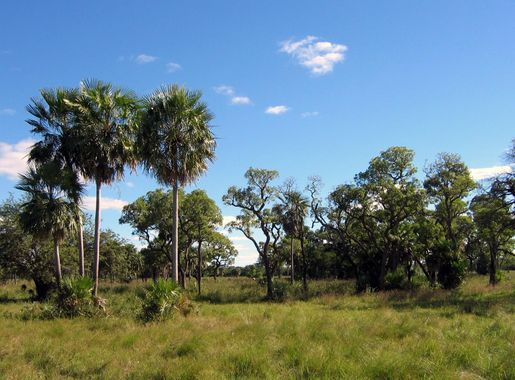
Chaco Central, an expansive region in Paraguay, is a treasure trove for nature enthusiasts and adventurous travelers. Known for its vast, rugged landscapes, it offers a unique blend of cultural richness and natural beauty. The region is characterized by its semi-arid climate, sprawling savannas, and diverse wildlife, making it an ideal destination for those looking to escape the ordinary. One of the highlights of Chaco Central is its wildlife reserves. The Defensores del Chaco National Park is a must-visit, home to jaguars, tapirs, and a wide array of bird species. The park's remote trails and untouched habitats offer a glimpse into a world that remains largely unaffected by human activity. Bird watchers will be delighted by the chance to see rare species like the Chaco eagle. Chaco Central also offers a rich cultural experience. The region is home to several indigenous communities, including the Guaraní, Nivaclé, and Ayoreo. Visitors have the opportunity to learn about their traditional way of life, crafts, and customs. The Mennonite colonies in the area add another layer of cultural diversity, where you can explore their unique history and architecture. For those interested in history, the Fortín Boquerón is a significant site from the Chaco War between Paraguay and Bolivia. The fort and its museum provide insight into this pivotal conflict and its impact on the region. Additionally, the Trans-Chaco Highway, which traverses the region, offers a scenic route for road trips, providing a chance to see the changing landscapes and small, charming towns along the way.