

Free Chaco Boreal Travel Guide & Mobile App
Explore Chaco Boreal with free travel guides. Discover regional history, expert tips, proposed trips, and audio guides on web or mobile app.


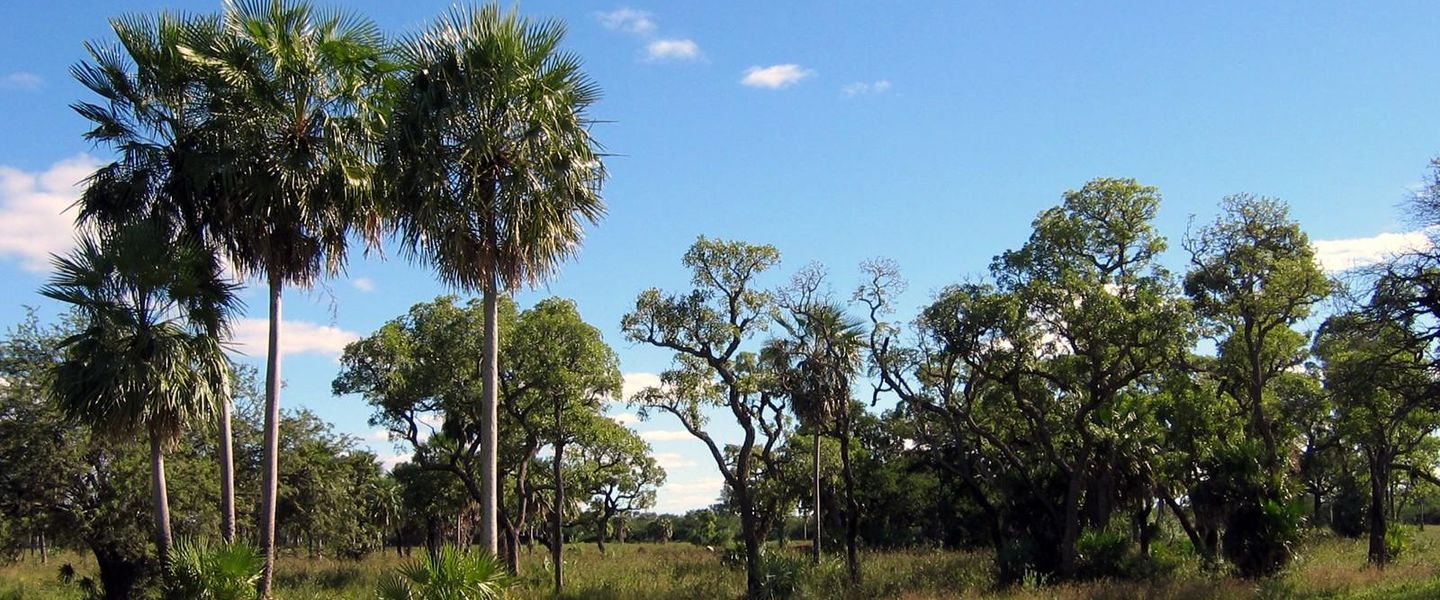


Explore Chaco Boreal in Paraguay for dry forests, wildlife reserves, Mennonite heritage, Chaco War history and remote river landscapes.
Read more about Chaco Boreal
When is the best time to visit Chaco Boreal?
Best: July–September · 22–26°C| Month | High (°C) | Rainfall (mm) |
|---|---|---|
| January | 32 | 130 |
| February | 32 | 120 |
| March | 30 | 110 |
| April | 28 | 100 |
| May | 24 | 80 |
| June | 22 | 60 |
| July (best) | 22 | 50 |
| August (best) | 23 | 60 |
| September (best) | 26 | 70 |
| October | 29 | 90 |
| November | 30 | 110 |
| December | 32 | 120 |
Getting to and around Chaco Boreal
How to get there
Transportation
Top city travel guides in Chaco Boreal
The cities of Chaco Boreal, and the easiest places to base yourself.
-
-

-

-

-


Swipe for more cities
Destinations in Chaco Boreal
Resorts, valleys and scenic spots worth a trip of their own.
-

-

-

-
-

-


Swipe for more destinations
Best attractions in Chaco Boreal
Chaco Boreal’s attractions are primarily landscapes, wildlife and historical settings rather than densely concentrated visitor complexes. The central settlements of Filadelfia, Loma Plata and Neuland offer museums, cooperative heritage and insights into Mennonite agricultural life, alongside opportunities to learn about Indigenous cultures and the region’s difficult settlement history. Around Mariscal Estigarribia, military museums and former fort areas interpret the Chaco War and the logistical challenge of fighting in a dry forest. The national parks are the region’s major natural destinations: Defensores del Chaco protects extensive wilderness around Cerro León, Médanos del Chaco contains remote dune landscapes, and Teniente Agripino Enciso preserves wildlife-rich thorn forest. Eastern Chaco Boreal offers a contrasting environment around Fuerte Olimpo and Bahía Negra, where the Paraguay River, wetlands and gallery forest support birdwatching and fishing-related activities. Wildlife excursions may reveal peccaries, armadillos, tapirs, large raptors and other Chaco species, although conditions are basic and sightings depend on season, water and patience. Access arrangements, road conditions and permission requirements should always be confirmed before departure.
-
Cathedral
Caacupe Cathedral
Explore the breathtaking Caacupé Cathedral, an iconic basilica in Paraguay that embodies spiritual heritage and stunning architecture.
-
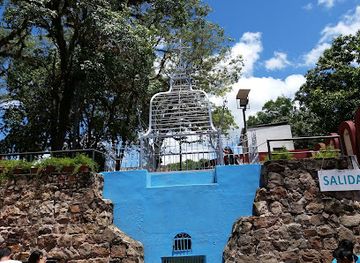
Tupasy Ykuá Caacupé, Pozo De La Virgen De Caacupe
Discover the spiritual heart of Paraguay at Tupasy Ykuá Caacupé, a stunning church known for its breathtaking architecture and serene atmosphere.
-
Park
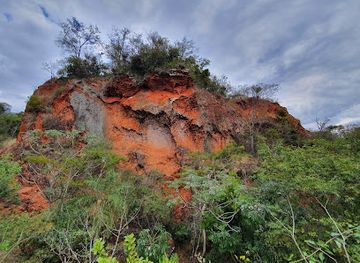
Cerro Kõi
Discover the beauty of Cerro Kôi, a stunning park in Areguá, Paraguay, featuring unique geological formations and breathtaking views for all nature lovers.
-
Nature preserve
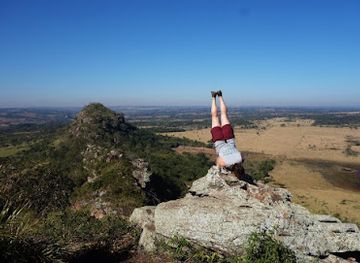
Cerro Dos De Oro
Discover the serene beauty of Cerro Dos De Oro, a nature preserve in Paraguay offering stunning landscapes and rich biodiversity in a tranquil setting.
Best landmarks in Chaco Boreal
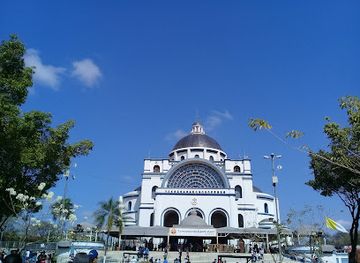
The most recognisable landmarks of Chaco Boreal are tied to war, settlement, rivers and the distinctive dry landscape. Mariscal Estigarribia’s military museums and memorial sites are important for understanding the Chaco War and the town’s role in the western defensive network. Around Filadelfia, Loma Plata and Neuland, cooperative buildings, churches, museums and planned settlement landscapes express the continuing physical presence of Mennonite communities, although their significance is cultural and historical rather than monumental in the European sense. In the east, Fuerte Olimpo is marked by its historic river-facing position and the Cathedral of María Auxiliadora, whose elevated setting is associated with the town’s long frontier history. The Paraguay River itself becomes a major geographical landmark around Fuerte Olimpo and Bahía Negra, contrasting with the inland thorn forest. Within the protected areas, Cerro León in Defensores del Chaco and the dune fields of Médanos del Chaco are natural landmarks whose importance lies in geology, habitat and remoteness. Access to several of these places is difficult and may require local permission, a guide or suitable transport.
-
Park
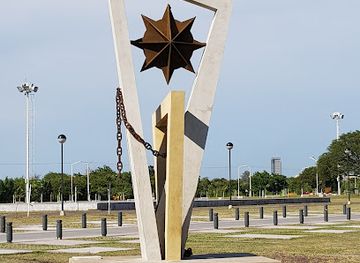
Parque de la Democracia
Explore the lush landscapes and cultural vibrancy of Parque de la Democracia, Resistencia's premier park for relaxation and recreation.
-
National park
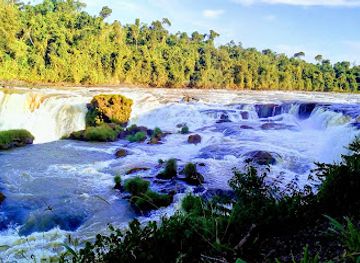
Monday Falls
Experience the breathtaking beauty of Monday Falls, a stunning natural jewel in Paraguay's National Park, perfect for adventure and relaxation.
-
Park
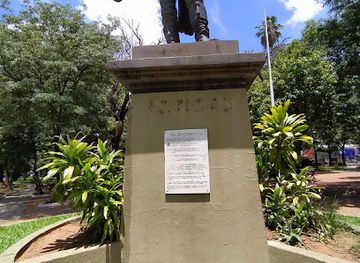
Plaza Uruguaya
Discover Plaza Uruguaya in Asunción, a vibrant park blending history, culture, and nature in the heart of Paraguay's capital.
-
Historical landmark
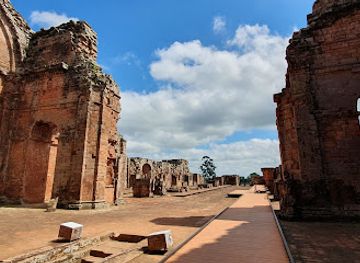
Jesuit Mission of the Holy Trinity
Explore the Jesuit Mission of the Holy Trinity, a UNESCO World Heritage site showcasing rich history and stunning architecture in Paraguay.
Explore Chaco Boreal on the map
Plan your trip on one map. See where the top cities, national parks and sights are, and book hotels and experiences in a few clicks.
Best hotels in Chaco Boreal
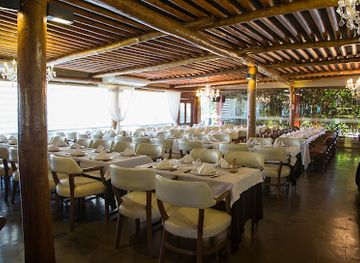
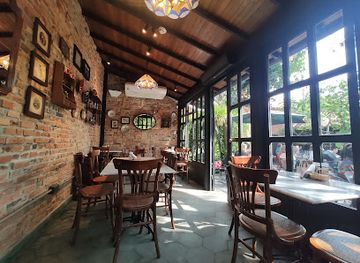
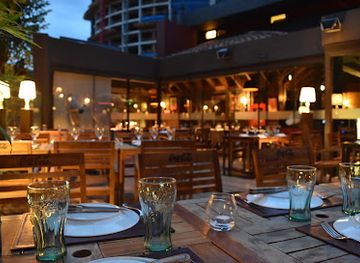
Best restaurants in Chaco Boreal
Dining in Chaco Boreal reflects the region’s practical frontier economy, Mennonite agricultural communities, Paraguayan traditions and Indigenous food knowledge. Filadelfia, Loma Plata, Neuland and Mariscal Estigarribia have the broadest selection of cafés, bakeries, hotel dining rooms and straightforward restaurants. Cooperative production has made dairy foods, beef, pork, bread, preserves and other farm products especially visible in the central Chaco, while Paraguayan staples such as chipa, sopa paraguaya, mbejú and grilled meats are widely encountered as part of the national cuisine. River settlements add fish and simpler waterside meals, although availability varies with season and supply. Markets and supermarkets in larger towns are useful for assembling provisions before a remote excursion, where self-catering is often more realistic than relying on roadside dining. In rural areas, meals may be arranged through accommodation, a guide or a community initiative, and visitors should not assume that every settlement has regular restaurant service.
-
Family-friendly
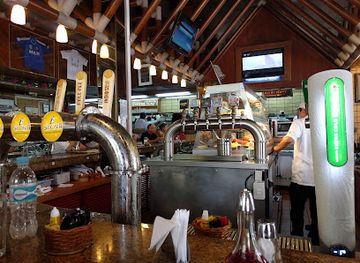
Bolsi
Discover Bolsi: Asunción's favorite family-friendly restaurant offering delightful breakfasts and authentic Paraguayan cuisine in a vibrant setting.
-
Grill
Churrasquería O Gaúcho
Experience authentic Paraguayan barbecue at Churrasquería O Gaúcho - where every meal is a celebration of flavor.
-
Restaurant
El Café de Acá
Experience the vibrant flavors of Paraguay at El Café de Acá, Asunción's premier destination for breakfast and brunch delights.
-
Restaurant
La Cabrera
Experience the best steakhouse in Asunción at La Cabrera – where flavor meets tradition in every bite.
Best bars in Chaco Boreal
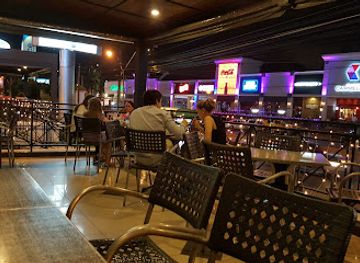
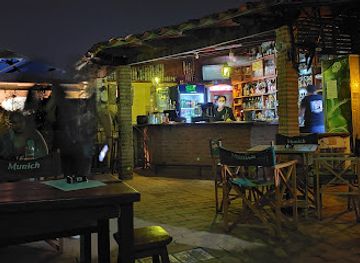
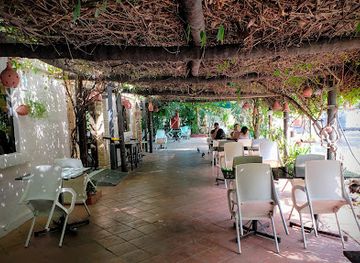
Nightlife in Chaco Boreal is modest and concentrated in the larger central settlements rather than organised around a major club scene. Filadelfia, Loma Plata, Neuland and Mariscal Estigarribia have hotel bars, casual restaurants, cafés and social venues where residents and visitors gather for drinks, conversation and occasional live music. Traditional Paraguayan foods, cold soft drinks and beer are more characteristic of an evening out than late-night dancing. In Fuerte Olimpo and Bahía Negra, riverside accommodation and local gathering places provide a quieter evening atmosphere, often shaped by the next day’s travel or river activity. Rural lodges and ranch stays usually offer dinner, an open-air setting and opportunities for night wildlife observation rather than public nightlife. Opening arrangements and entertainment can be seasonal or informal, so ask locally and avoid travelling long distances at night simply in search of a venue.
-
Night club
Paseo Carmelitas
Discover the vibrant nightlife of Asunción at Paseo Carmelitas, where culinary delights meet lively entertainment.
-
Pub
Britannia Pub
Discover the lively Britannia Pub in Asunción – a perfect blend of local culture, delicious food, and vibrant nightlife.
-
Restaurant
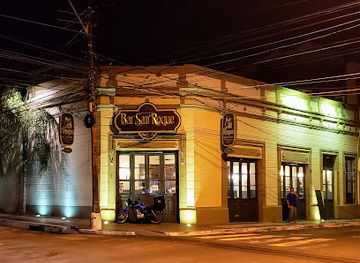
Bar San Roque
Discover the rich flavors of Paraguay at Bar San Roque, a local favorite restaurant in Asunción known for its authentic cuisine and warm atmosphere.
-
Restaurant
Bar San Miguel
Discover culinary delights at Bar San Miguel, a premier restaurant and espresso bar in Asunción, offering a unique blend of Paraguayan and international flavors.
Best nightclubs in Chaco Boreal
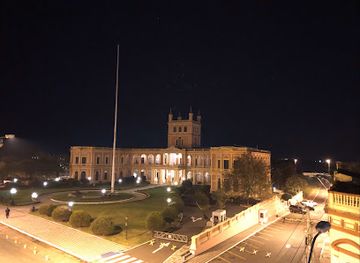
Nightlife in Chaco Boreal is modest and concentrated in the larger central settlements rather than organised around a major club scene. Filadelfia, Loma Plata, Neuland and Mariscal Estigarribia have hotel bars, casual restaurants, cafés and social venues where residents and visitors gather for drinks, conversation and occasional live music. Traditional Paraguayan foods, cold soft drinks and beer are more characteristic of an evening out than late-night dancing. In Fuerte Olimpo and Bahía Negra, riverside accommodation and local gathering places provide a quieter evening atmosphere, often shaped by the next day’s travel or river activity. Rural lodges and ranch stays usually offer dinner, an open-air setting and opportunities for night wildlife observation rather than public nightlife. Opening arrangements and entertainment can be seasonal or informal, so ask locally and avoid travelling long distances at night simply in search of a venue.
-
Bar
O'Leary club
O'Leary Club in Asunción: Dive into a lively bar experience with great drinks, music, and a friendly crowd that keeps the energy high all night long.
-
Disco club
Velvet Asuncion
Velvet Asuncion: Dance the night away in a vibrant disco club, where electrifying music and an energetic atmosphere await every night.
-
Bar
Morgan Warehouse, Nightclub
Experience the vibrant nightlife of Asunción at Morgan Warehouse, the ultimate destination for dancing and enjoying exquisite drinks.
-
Disco club
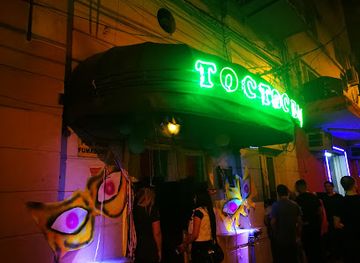
Toc Toc Disco Pub
Discover the vibrant nightlife of Asunción at Toc Toc Disco Pub, where music, dance, and fun come together for an unforgettable experience.


Best shops in Chaco Boreal
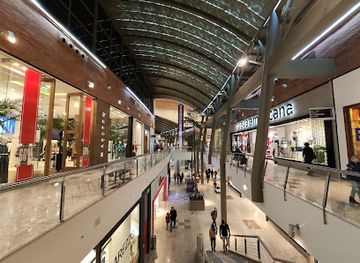
Shopping in Chaco Boreal is practical and locally focused rather than centred on large retail districts. Filadelfia, Loma Plata, Neuland and Mariscal Estigarribia have the most useful supermarkets, hardware shops, pharmacies, bakeries and general stores for travellers preparing for long road journeys. Cooperative outlets and local markets may offer dairy products, preserves, breads, meat and other provisions associated with central Chaco agriculture. Visitors can also look for Indigenous crafts, woven goods, leatherwork and locally made souvenirs, but should buy only through legitimate community or responsible retail channels and avoid objects made from protected wildlife or archaeological material. In Fuerte Olimpo and Bahía Negra, small shops supply everyday needs and river-related goods rather than extensive souvenir ranges. Travellers heading into remote parks should purchase fuel, water, food and basic supplies before leaving the larger settlements, since retail options become increasingly limited along isolated routes.
-
Shopping mall
Paseo La Galería
Explore Paseo La Galería in Asunción for a unique shopping experience, featuring local and international brands, delightful dining, and family-friendly entertainment.
-
Shopping mall
delSol Shopping
Discover the ultimate shopping experience at DelSol Shopping Mall in Asunción, where retail, dining, and entertainment come together.
-
Shopping mall
Shopping Mariscal
Discover Shopping Mariscal in Asunción, a vibrant shopping mall with diverse retail, dining, and entertainment options for every traveler.
-
Shopping mall
Nissei
Explore Nissei in Ciudad del Este for an exceptional shopping experience filled with electronics, perfumes, and unique duty-free finds.



Get your free copy of our complete guide to Chaco Boreal, delivered straight to you.
Everything on this page, from attractions and restaurants to essentials and local phrases, in one PDF you can read offline, print or share.
Already have an account? Sign in
Your Chaco Boreal guide is ready.
We'll send it to · Not you? Sign out

Getting your guide ready…
We are putting together a fresh copy of the Chaco Boreal guide. This can take up to a minute.
This can take a few moments. If your browser asks, choose Allow so the download can start. You'll find the guide in your Downloads folder.
Nothing happened? Download it again
Sorry, the guide is taking longer than usual. Please try again in a minute, or get it by email instead.
Chaco Boreal essentials
Currency and Payment
Safety
Emergency Situations
Do's and Don'ts
Local Tips
From Eve
Local phrases worth knowing
You don't need to get them perfect. A few words go a long way, and locals appreciate the effort.
Basics
| English | Local | Say it |
|---|---|---|
| Hello | Hola | [Ola] |
| Goodbye | Adiós | [Adios] |
| Yes | Sí | [Si] |
| No | No | [No] |
| Please/You're welcome | Por favor | [Por favor] |
| Thank you | Gracias | [Grasias] |
| Excuse me/Sorry | Disculpe | [Disculpe] |
| How are you? | ¿Cómo estás? | [¿Como estas?] |
| Fine. And you? | Bien. ¿Y tú? | [Bien. ¿Y tu?] |
| Do you speak English? | ¿Hablas inglés? | [¿Hablas ingles?] |
| I don't understand | No entiendo | [No entiendo] |
Eating & Drinking
| English | Local | Say it |
|---|---|---|
| I'd like to see the menu, please | Me gustaría ver el menú, por favor | [Me gustaria ver el menu, por favor] |
| I don't eat meat | No como carne | [No como carne] |
| Cheers! | ¡Salud! | [¡Salud!] |
| I would like to pay, please | Me gustaría pagar, por favor | [Me gustaria pagar, por favor] |
Emergencies
| English | Local | Say it |
|---|---|---|
| Help! | ¡Ayuda! | [¡Ayuda!] |
| Go away! | ¡Vete! | [¡Vete!] |
| Call the Police! | ¡Llama a la policía! | [¡Llama a la policia!] |
| Call a doctor! | ¡Llama a un doctor! | [¡Llama a un doctor!] |
| I'm lost | Estoy perdido | [Estoy perdido] |
| I'm ill | Estoy enfermo | [Estoy enfermo] |
Shopping
| English | Local | Say it |
|---|---|---|
| I'd like to buy... | Me gustaría comprar... | [Me gustaria comprar...] |
| I'm just looking | Solo estoy mirando | [Solo estoy mirando] |
| How much is it? | ¿Cuánto cuesta? | [¿Cuanto cuesta?] |
| That's too expensive | Eso es muy caro | [Eso es muy caro] |
| Can you lower the price? | ¿Puedes bajar el precio? | [¿Puedes bajar el precio?] |
Time & Numbers
| English | Local | Say it |
|---|---|---|
| What time is it? | ¿Qué hora es? | [¿Que hora es?] |
| It's one o'clock | Es la una | [Es la una] |
| Half past (10) | Diez y media | [Diez y media] |
| Morning | Mañana | [Mañana] |
| Afternoon | Tarde | [Tarde] |
| Evening | Noche | [Noche] |
| Yesterday | Ayer | [Ayer] |
| Today | Hoy | [Hoy] |
| Tomorrow | Mañana | [Mañana] |
| 1 | Uno | [Uno] |
| 2 | Dos | [Dos] |
| 3 | Tres | [Tres] |
| 4 | Cuatro | [Cuatro] |
| 5 | Cinco | [Cinco] |
| 6 | Seis | [Seis] |
| 7 | Siete | [Siete] |
| 8 | Ocho | [Ocho] |
| 9 | Nueve | [Nueve] |
| 10 | Diez | [Diez] |
Transport & Directions
| English | Local | Say it |
|---|---|---|
| Where's a/the...? | ¿Dónde está un/una...? | [¿Donde esta un/una...?] |
| What's the address? | ¿Cuál es la dirección? | [¿Cual es la direccion?] |
| Can you show me (on the map)? | ¿Puedes mostrarme (en el mapa)? | [¿Puedes mostrarme (en el mapa)?] |
| When's the next (bus)? | ¿Cuándo es el próximo (autobús)? | [¿Cuando es el proximo (autobus)?] |
| A ticket (to ....) | Un boleto (a ....) | [Un boleto (a ....)] |
History of Chaco Boreal
Indigenous Chaco societies before European settlement
For centuries, Chaco Boreal was occupied and travelled by Indigenous peoples including Nivaclé, Enxet, Ayoreo, Guaraní and other communities, each with distinct languages, territories and social traditions. Mobile hunting, gathering, fishing and seasonal use of water sources were adapted to a landscape that outsiders often regarded as empty or inhospitable. Indigenous knowledge remains essential to understanding plants, wildlife and routes through the dry forest. The region’s history therefore predates national borders by a considerable margin, and contemporary questions of land, cultural continuity and access to resources remain central to its identity.
Colonial frontier and the Paraguay River
Spanish colonial influence reached the Chaco unevenly, with the Paraguay River serving as the principal corridor for exploration, trade and communication. European settlements on the river and occasional expeditions inland did not create dense colonial control across the dry interior. The Chaco remained a frontier contested through diplomacy, mission activity, commercial interests and Indigenous resistance. Later Paraguayan claims to the territory drew heavily on river access and the historic relationship between the western bank and the national capital, although effective state infrastructure remained limited for much of the nineteenth century.
Quebracho, tannin and frontier industries
From the late nineteenth century into the early twentieth century, quebracho trees became commercially important because their wood supplied tannin for leather production. Industrial settlements and transport routes developed along parts of the Paraguay River, including Puerto Casado and Puerto Pinasco, while timber extraction altered sections of the forest. The industry brought capital, workers and international trade but also depended on harsh labour systems and intensive use of natural resources. Its legacy is visible in abandoned industrial sites, river ports and the altered landscapes of eastern Chaco Boreal.
Mennonite settlement and cooperative agriculture
Mennonite communities began establishing colonies in the central Chaco during the 1920s, particularly around present-day Loma Plata, Filadelfia and Neuland. They developed cooperative systems for farming, livestock production, processing, education and water management in conditions that demanded careful organisation. These settlements became important economic centres and helped connect the interior Chaco with national markets. Their history is not separate from that of Indigenous communities and earlier frontier populations: land ownership, labour, cultural autonomy and changing agricultural practices have shaped relations across the region.
The Chaco War, 1932–1935
The Chaco War between Paraguay and Bolivia was fought largely over competing claims to the Gran Chaco and the possibility of strategic access to the Paraguay River. Extreme heat, thirst, disease, difficult terrain and long supply lines made the conflict exceptionally demanding. Forts and military roads in and around the Paraguayan Chaco became part of a campaign in which Paraguay ultimately secured most of the disputed Chaco Boreal. Memorials, museums and surviving fort locations near Mariscal Estigarribia and elsewhere preserve this defining chapter of twentieth-century Paraguayan history.
Roads, water infrastructure and national integration
For much of the twentieth century, the Chaco’s small population and difficult terrain limited reliable connections with eastern Paraguay. The Transchaco road progressively linked Asunción with the central western settlements, while wells, reservoirs, pipelines, airstrips and cooperative infrastructure supported permanent habitation and livestock production. These developments reduced some forms of isolation but did not eliminate the region’s logistical challenges. Seasonal flooding, drought, dust and road conditions still influence travel, commerce and access to services, particularly in the northern and eastern reaches of Chaco Boreal.
Conservation and contemporary land pressures
Large protected areas were created as awareness grew of the Chaco’s dry forests, wetlands and wildlife, including Defensores del Chaco, Teniente Agripino Enciso and Médanos del Chaco national parks. At the same time, expansion of cattle ranching, roads and mechanised land clearance has intensified debate about habitat loss, water resources and Indigenous territorial rights. Modern Chaco Boreal is therefore shaped by competing priorities: economic development, community livelihoods, cultural survival and conservation of one of South America’s most distinctive ecosystems.
Chaco Boreal in Photos
Browse through our photo collection highlighting the charm and character of the destination.
Neighbouring regions of Chaco Boreal
The closest regions to Chaco Boreal, if you have time for more than one.
-

-

-

-

-


Swipe for more regions
Explore more

Explore more of Paraguay
Discover Paraguay: A blend of history, culture, and natural beauty in the heart of South America. Visit Asunción, explore Jesuit ruins, and experience the local cuisine.
Explore Paraguay