

Free Lower Chaco Travel Guide & Mobile App
Explore Lower Chaco with free travel guides. Discover regional history, expert tips, proposed trips, and audio guides on web or mobile app.


Explore Lower Chaco for riverfront towns, Chaco wetlands, frontier history, wildlife and wide Paraguayan landscapes within reach of Asunción.
Read more about Lower Chaco
When is the best time to visit Lower Chaco?
Best: May, August–September · 23–26°C| Month | High (°C) | Rainfall (mm) |
|---|---|---|
| January | 32 | 120 |
| February | 31 | 110 |
| March | 30 | 100 |
| April | 28 | 80 |
| May (best) | 25 | 60 |
| June | 22 | 40 |
| July | 21 | 40 |
| August (best) | 23 | 50 |
| September (best) | 26 | 60 |
| October | 28 | 70 |
| November | 30 | 90 |
| December | 31 | 100 |
Getting to and around Lower Chaco
How to get there
Transportation
Top city travel guides in Lower Chaco
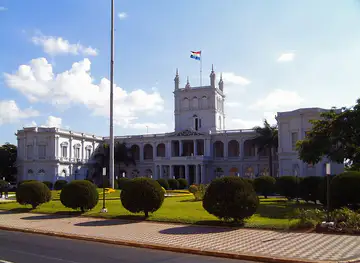
The cities of Lower Chaco, and the easiest places to base yourself.
-
-

-

-

-


Swipe for more cities
Destinations in Lower Chaco
Resorts, valleys and scenic spots worth a trip of their own.
-

-

-

-
-

-


Swipe for more destinations
Best attractions in Lower Chaco
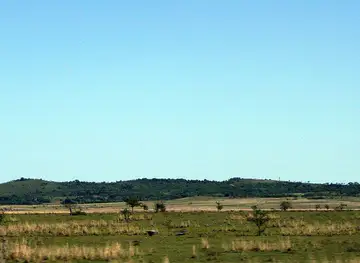
Lower Chaco’s attractions are primarily landscapes, river settlements and historical settings rather than a dense collection of ticketed sights. Villa Hayes provides the most accessible introduction, with riverfront views, local civic heritage and a useful base for understanding the region’s relationship with Asunción and the Paraguay River. Benjamín Aceval offers a quieter agricultural perspective, while Nanawa and the Pilcomayo frontier combine border commerce with memories of the Chaco War. The seasonally flooded environments around Tinfunqué National Park are important for birdlife and wetland ecology, although access is remote and should be arranged carefully. Rural drives reveal cattle ranches, wooded savannah and changing Chaco vegetation, but visitors must distinguish public roads from private land. The region suits travellers interested in geography, nature observation, historical context and working landscapes; conventional facilities are limited, and independent exploration requires preparation, suitable transport and respect for local access arrangements.
-
Park
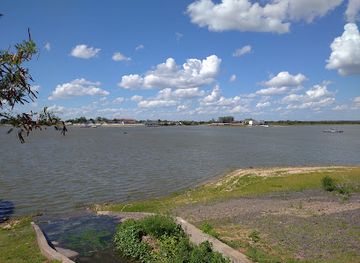
Costanera de Asunción
Discover the tranquil beauty of Costanera de Asunción, a riverside park perfect for relaxation, recreation, and stunning sunset views over the Paraguay River.
Best landmarks in Lower Chaco
The Paraguay River is Lower Chaco’s defining natural landmark, forming the region’s eastern edge and explaining the historical importance of Villa Hayes as a river port and crossing point. The Remanso crossing and bridge are prominent pieces of modern infrastructure linking the Chaco with the Asunción metropolitan area, although the metropolitan side lies outside the region. The Pilcomayo River provides the southern frontier landmark, with Nanawa and José Falcón associated with the border landscape and routes towards Argentina. Villa Hayes itself is significant for its nineteenth-century foundation and its connection with the 1878 arbitration that confirmed Paraguay’s claim to the Chaco. Nanawa carries particular historical weight because of the fortified battles fought there during the Chaco War. Farther from the towns, the lagoons, floodplains and open wooded landscapes associated with Tinfunqué National Park are geographical landmarks in their own right, illustrating the seasonal water systems that shape life in the lower Chaco.
-
Park
Parque de la Democracia
Explore the lush landscapes of Parque de la Democracia, a cultural and recreational gem in Resistencia, Chaco, Argentina.
-
National park
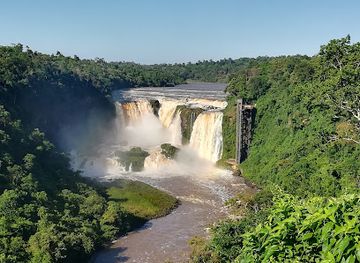
Monday Falls
Explore the natural wonders of Monday Falls, a stunning national park in Presidente Franco, where cascading waterfalls meet lush ecosystems.
-
Shopping mall
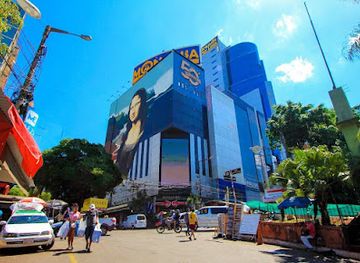
Monalisa Paraguay
Discover the bustling Monalisa Paraguay, a vibrant shopping mall in Ciudad del Este, offering a wide range of products from electronics to local crafts.
-
Park
Plaza Uruguaya
Explore the vibrant Plaza Uruguaya, a serene park in the heart of Asunción, blending relaxation with the rich culture and history of Paraguay.
Explore Lower Chaco on the map
Plan your trip on one map. See where the top cities, national parks and sights are, and book hotels and experiences in a few clicks.
Best hotels in Lower Chaco
Best restaurants in Lower Chaco
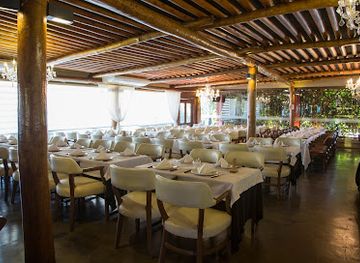
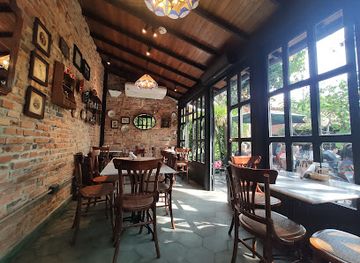
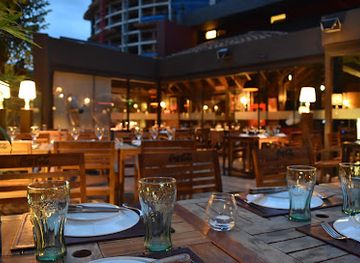
Dining in Lower Chaco is grounded in Paraguayan home cooking, roadside eateries, neighbourhood cafés and simple restaurants serving the communities along the main routes. Expect dishes such as sopa paraguaya, chipa, mandioca, mbejú and grilled beef, with river fish available in some riverine locations. Fresh produce and sugar-related agriculture are particularly associated with the agricultural districts around Benjamín Aceval, while cattle production strongly influences the wider regional food economy. Villa Hayes has the broadest choice of casual dining and everyday services, whereas rural meals may need to be arranged in advance or taken at modest roadside establishments. Shared tereré is a familiar social custom in Paraguay’s hot climate, although visitors should follow local cues. Dining is generally informal, and cash in guaraníes remains useful outside established urban businesses.
-
Family-friendly
Bolsi
Discover Bolsi in Asunción: A family-friendly restaurant serving delicious Paraguayan cuisine alongside international favorites.
-
Grill
Churrasquería O Gaúcho
Experience authentic Paraguayan barbecue at Churrasquería O Gaúcho—where succulent meats meet vibrant culture in Asunción.
-
Restaurant
El Café de Acá
Discover the flavors of Paraguay at El Café de Acá - where breakfast dreams come true in a cozy setting.
-
Restaurant
La Cabrera
Discover the best steakhouse in Asunción at La Cabrera, where tradition meets culinary excellence in every bite.
Best bars in Lower Chaco
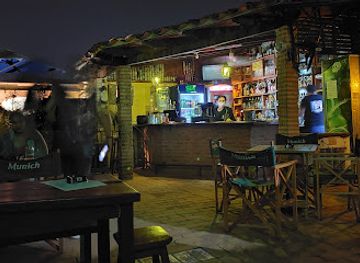
Lower Chaco does not have a major clubbing circuit; evening life is concentrated in Villa Hayes, border towns and roadside communities. Local options are more likely to include traditional bars, casual restaurants, small music venues and neighbourhood gathering places than purpose-built nightclubs. Around Nanawa and José Falcón, the atmosphere reflects cross-border commerce and the movement of travellers, while Villa Hayes offers the greatest choice of places to eat and socialise after dark. In rural areas, evenings are quiet and may centre on family gatherings, food and conversation rather than nightlife. Check transport arrangements before going out, particularly if staying beyond the main towns, and do not assume that venues keep late or fixed hours. Alcohol is available, but it is not necessary to participate in the region’s evening culture.
-
Pub
Britannia Pub
Discover the vibrant atmosphere of Britannia Pub in Asunción, where great drinks, delicious food, and friendly locals come together for an unforgettable experience.
-
Sushi
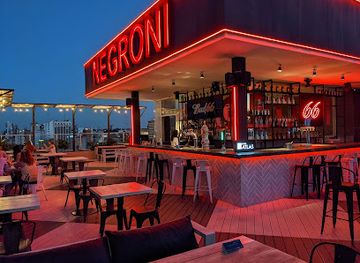
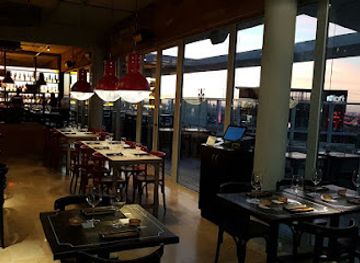
Negroni Downtown Skybar
Discover Negroni Downtown Skybar in Asunción, where sushi delights, cocktails flow, and stunning views create an unforgettable dining experience.
-
Brewpub
Palo Santo Brewing Company
Discover the vibrant craft beer scene at Palo Santo Brewing Company in Asunción, where quality brews and community come together.
-
Sushi
Negroni Rooftop at Dazzler
Experience exquisite sushi and cocktails with breathtaking views at Negroni Rooftop in Asunción.

Best nightclubs in Lower Chaco
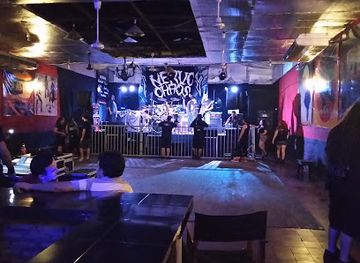
Lower Chaco does not have a major clubbing circuit; evening life is concentrated in Villa Hayes, border towns and roadside communities. Local options are more likely to include traditional bars, casual restaurants, small music venues and neighbourhood gathering places than purpose-built nightclubs. Around Nanawa and José Falcón, the atmosphere reflects cross-border commerce and the movement of travellers, while Villa Hayes offers the greatest choice of places to eat and socialise after dark. In rural areas, evenings are quiet and may centre on family gatherings, food and conversation rather than nightlife. Check transport arrangements before going out, particularly if staying beyond the main towns, and do not assume that venues keep late or fixed hours. Alcohol is available, but it is not necessary to participate in the region’s evening culture.
-
Bar
O'Leary club
Experience lively nightlife at O'Leary Club, Asunción's premier bar for cocktails, live music, and unforgettable memories.
-
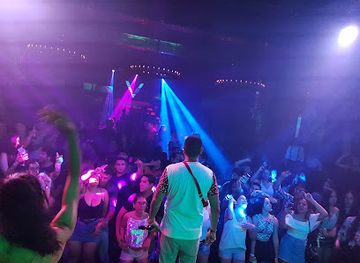
Disco club
Velvet Asuncion
Discover the electrifying nightlife of Velvet Asuncion, a premier disco club in Paraguay’s capital, where unforgettable memories await in a vibrant atmosphere.
-
Bar
Absoluto Rock Bar
Discover the electric vibe of Absoluto Rock Bar, the heart of Asunción's live music scene, where every night is a rock 'n' roll celebration.
-
Bar
Morgan Warehouse, Nightclub
Dive into the vibrant nightlife of Asunción at Morgan Warehouse Nightclub, where music, dancing, and cocktails come together in an electrifying atmosphere.

Best shops in Lower Chaco
Shopping in Lower Chaco is practical and local rather than centred on large retail districts. Villa Hayes has the widest selection of everyday shops, services and small businesses, while Benjamín Aceval and the border settlements provide modest high-street shopping and food supplies. Look for Paraguayan staples such as chipa, mandioca-based products, sweets, tereré accessories and locally produced food where available. Informal stalls and roadside outlets may sell seasonal fruit, drinks or agricultural produce, but selection and opening arrangements vary. Border commerce around Nanawa and José Falcón can be useful for observing regional trade, though prices, stock and payment practices are changeable. Authentic crafts may be found through local contacts rather than in a concentrated souvenir quarter; ask permission before purchasing directly from Indigenous artisans and avoid treating culturally significant designs as generic souvenirs. Carry guaraníes for small purchases, especially away from the principal road corridors.
-
Shopping mall
Paseo La Galería
Explore the vibrant shopping and dining scene at Paseo La Galería, Asunción's premier shopping destination with a unique blend of local and international flair.
-
Shopping mall
delSol Shopping
Discover DelSol Shopping Mall: A premier shopping and entertainment destination in Asunción, Paraguay, perfect for tourists and locals alike.
-
Shopping mall
Shopping Mariscal
Discover Shopping Mariscal in Asunción – a vibrant shopping mall with endless retail options, delicious dining, and entertainment for every traveler.
-
Shopping mall
San Lorenzo Shopping
Discover the vibrant shopping scene, diverse dining options, and endless entertainment at San Lorenzo Shopping in Paraguay.



Get your free copy of our complete guide to Lower Chaco, delivered straight to you.
Everything on this page, from attractions and restaurants to essentials and local phrases, in one PDF you can read offline, print or share.
Already have an account? Sign in
Your Lower Chaco guide is ready.
We'll send it to · Not you? Sign out

Getting your guide ready…
We are putting together a fresh copy of the Lower Chaco guide. This can take up to a minute.
This can take a few moments. If your browser asks, choose Allow so the download can start. You'll find the guide in your Downloads folder.
Nothing happened? Download it again
Sorry, the guide is taking longer than usual. Please try again in a minute, or get it by email instead.
Lower Chaco essentials
Currency and Payment
Safety
Emergency Situations
Do's and Don'ts
Local Tips
From Eve
Local phrases worth knowing
You don't need to get them perfect. A few words go a long way, and locals appreciate the effort.
Basics
| English | Local | Say it |
|---|---|---|
| Hello | Hola | [Olah] |
| Goodbye | Adiós | [Ah-dee-ohs] |
| Yes | Sí | [See] |
| No | No | [No] |
| Please/You're welcome | Por favor | [Por fah-bor] |
| Thank you | Gracias | [Gra-see-as] |
| Excuse me/Sorry | Perdón | [Per-don] |
| How are you? | ¿Cómo estás? | [Koh-moh es-tas] |
| Fine. And you? | Bien. ¿Y tú? | [Bee-en. Ee too] |
| Do you speak English? | ¿Hablas inglés? | [Ah-blas een-glehs] |
| I don't understand | No entiendo | [No en-tee-en-do] |
Eating & Drinking
| English | Local | Say it |
|---|---|---|
| I'd like to see the menu, please | Me gustaría ver el menú, por favor | [Meh goos-tah-ree-ah ver el meh-noo, por fah-bor] |
| I don't eat meat | No como carne | [No koh-mo kar-neh] |
| Cheers! | ¡Salud! | [Sah-lud] |
| I would like to pay, please | Me gustaría pagar, por favor | [Meh goos-tah-ree-ah pah-gar, por fah-bor] |
Emergencies
| English | Local | Say it |
|---|---|---|
| Help! | ¡Ayuda! | [Ah-yoo-dah] |
| Go away! | ¡Vete! | [Veh-teh] |
| Call the Police! | ¡Llama a la policía! | [Yah-mah ah lah poh-lee-see-ah] |
| Call a doctor! | ¡Llama a un doctor! | [Yah-mah ah oon dok-tor] |
| I'm lost | Estoy perdido | [Es-toy per-dee-do] |
| I'm ill | Estoy enfermo | [Es-toy en-fer-mo] |
Shopping
| English | Local | Say it |
|---|---|---|
| I'd like to buy... | Me gustaría comprar... | [Meh goos-tah-ree-ah kom-prar] |
| I'm just looking | Solo estoy mirando | [So-lo es-toy mee-ran-do] |
| How much is it? | ¿Cuánto cuesta? | [Kwan-toh kwehs-ta] |
| That's too expensive | Eso es muy caro | [Eh-so es mwee kah-ro] |
| Can you lower the price? | ¿Puedes bajar el precio? | [Pweh-des bah-har el preh-syo] |
Time & Numbers
| English | Local | Say it |
|---|---|---|
| What time is it? | ¿Qué hora es? | [Keh oh-ra es] |
| It's one o'clock | Es la una | [Es lah oo-na] |
| Half past (10) | Y media (10) | [Ee meh-dee-ah (10)] |
| Morning | Mañana | [Mah-nyah-nah] |
| Afternoon | Tarde | [Tar-deh] |
| Evening | Noche | [No-cheh] |
| Yesterday | Ayer | [Ah-yer] |
| Today | Hoy | [Oy] |
| Tomorrow | Mañana | [Mah-nyah-nah] |
| 1 | Uno | [Oo-no] |
| 2 | Dos | [Dose] |
| 3 | Tres | [Tres] |
| 4 | Cuatro | [Kwatro] |
| 5 | Cinco | [Seen-ko] |
| 6 | Seis | [Says] |
| 7 | Siete | [See-eh-teh] |
| 8 | Ocho | [Oh-cho] |
| 9 | Nueve | [Nweh-veh] |
| 10 | Diez | [Dyehs] |
Transport & Directions
| English | Local | Say it |
|---|---|---|
| Where's a/the...? | ¿Dónde está un/una...? | [Dohn-deh es-tah oon/oo-nah] |
| What's the address? | ¿Cuál es la dirección? | [Kwahl es lah dee-rek-syon] |
| Can you show me (on the map)? | ¿Puedes mostrarme (en el mapa)? | [Pweh-des mos-trar-meh (en el mah-pah)] |
| When's the next (bus)? | ¿Cuándo es el próximo (autobús)? | [Kwan-doh es el prohk-see-mo (ow-toh-boos)] |
| A ticket (to ....) | Un boleto (a ....) | [Oon boh-leh-toh (ah ....)] |
History of Lower Chaco
Indigenous Chaco Heritage
Long before Paraguay’s modern borders, the Chaco was inhabited and traversed by Indigenous peoples whose knowledge of seasonal water, plants, animals and movement across the dry forest made life in this demanding environment possible. Communities associated with the wider lower Chaco include Qom and other Indigenous peoples, each with their own histories and contemporary identities. European settlement later altered access to land and resources, but Indigenous presence remains an essential part of the region’s history rather than a relic of the past.
Colonial Frontier and River Routes
During the Spanish colonial period, the Paraguay River was the principal route linking Asunción with the interior, while the western bank remained comparatively difficult for permanent European settlement. Missions, military expeditions, cattle movements and trade all depended on river crossings and seasonal conditions. The lower Chaco therefore functioned as a frontier zone: close to Paraguay’s political centre but separated from it by water, floodplain and an environment that resisted intensive settlement.
Villa Hayes and Postwar Settlement
Villa Hayes was founded in the nineteenth century as Nueva Burdeos, an attempt to establish a settlement in the Chaco after the Paraguayan War. The colonisation project faced difficult conditions and did not develop exactly as its promoters intended, but the settlement endured as an important riverine centre. It was later renamed Villa Hayes in honour of United States President Rutherford B. Hayes, whose 1878 arbitration awarded the disputed Chaco territory between the Pilcomayo and Verde rivers to Paraguay.
Cattle, Agriculture and Frontier Economy
Over the nineteenth and twentieth centuries, the lower Chaco developed through cattle ranching, river commerce and agriculture rather than dense urbanisation. Large properties and transport routes shaped settlement patterns, while areas near Benjamín Aceval supported farming and sugar production. The region’s economy remains closely tied to land, livestock, seasonal water and road access. This working landscape explains why many apparently empty spaces are privately managed or environmentally sensitive rather than undeveloped public countryside.
The Chaco War, 1932–1935
The Chaco War between Paraguay and Bolivia transformed the western Paraguayan frontier. Nanawa, on the Pilcomayo near the southern edge of the Chaco, was one of the conflict’s important fortified positions and resisted repeated Bolivian attacks in 1933. Although many major battlefields lie farther west, the lower Chaco served as an approach, supply and strategic zone. The war strengthened Paraguay’s control over much of the territory and remains central to national historical memory.
Roads, Bridges and Regional Integration
Modern transport has gradually reduced the lower Chaco’s isolation. The Remanso crossing and road links through Villa Hayes connect the western bank with the Asunción metropolitan area, while routes towards José Falcón and the Pilcomayo support trade with Argentina. These connections have encouraged urban growth, freight movement and new settlement, but they have not erased the region’s dependence on weather and river conditions. The contrast between major transport corridors and lightly serviced rural roads remains one of its defining features.
Contemporary Indigenous and Environmental Questions
Today, Lower Chaco is shaped by the interaction of ranching, agriculture, infrastructure, Indigenous rights and wetland conservation. Protected areas such as Tinfunqué preserve seasonally flooded habitats, while changing land use places pressure on water systems and native vegetation. For visitors, this history is visible in the coexistence of cattle country, river ports, Indigenous communities and wildlife-rich wetlands. Responsible travel requires recognising that these are lived landscapes with competing uses, not simply empty spaces for recreation.
Lower Chaco in Photos
Browse through our photo collection highlighting the charm and character of the destination.
Neighbouring regions of Lower Chaco
The closest regions to Lower Chaco, if you have time for more than one.
-

-

-

-

-


Swipe for more regions
Explore more

Explore more of Paraguay
Discover Paraguay: A blend of history, culture, and natural beauty in the heart of South America. Visit Asunción, explore Jesuit ruins, and experience the local cuisine.
Explore Paraguay