

Free Gran Chaco Travel Guide & Mobile App
Explore Gran Chaco with free travel guides. Discover regional history, expert tips, proposed trips, and audio guides on web or mobile app.


Explore Paraguay’s Gran Chaco for remote national parks, Indigenous cultures, Mennonite heritage, wildlife and demanding overland journeys.
Read more about Gran Chaco
When is the best time to visit Gran Chaco?
Best: May, August–September · 23–26°C| Month | High (°C) | Rainfall (mm) |
|---|---|---|
| January | 33 | 120 |
| February | 33 | 100 |
| March | 31 | 80 |
| April | 28 | 60 |
| May (best) | 25 | 40 |
| June | 22 | 30 |
| July | 21 | 30 |
| August (best) | 23 | 40 |
| September (best) | 26 | 50 |
| October | 29 | 60 |
| November | 31 | 80 |
| December | 33 | 100 |
Getting to and around Gran Chaco
How to get there
Transportation
Top city travel guides in Gran Chaco
The cities of Gran Chaco, and the easiest places to base yourself.
-
-

-

-

-


Swipe for more cities
Destinations in Gran Chaco
Resorts, valleys and scenic spots worth a trip of their own.
-

-

-

-
-

-


Swipe for more destinations
Best attractions in Gran Chaco
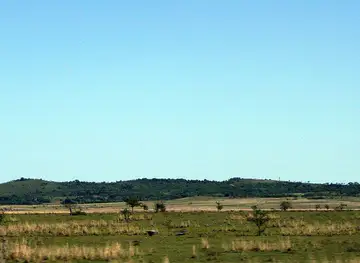
Gran Chaco attractions are defined by landscape, wildlife and historical distance rather than by a dense circuit of conventional sights. Filadelfia and Loma Plata provide an introduction to Mennonite settlement, cooperative agriculture and the practical adaptation of communities to a demanding dry environment, while Mariscal Estigarribia offers access to routes associated with the Chaco War. Defensores del Chaco National Park is the region’s major wilderness area, with extensive dry forest and Cerro León, but its remoteness means that specialist planning, suitable vehicles and local guidance are important. Teniente Agripino Enciso National Park protects Chaco habitats nearer the central settlements, while Tinfunque National Park in Presidente Hayes is associated with wetlands and birdlife. In Alto Paraguay, Fuerte Olimpo and Bahía Negra combine river scenery with access to isolated forests, lagoons and wildlife-rich country. Nature travel is generally based on patient observation, guided drives and walking rather than developed visitor facilities. Military heritage, Indigenous cultural landscapes and rural production add human dimensions to the journey, although access to communities and private land must always be arranged respectfully.
-
Park
Costanera de Asunción
Discover the serene beauty of Costanera de Asunción, a vibrant riverside park perfect for relaxation, local cuisine, and breathtaking sunset views.
-
Park
Plaza Uruguaya
Experience the tranquil beauty and cultural richness of Plaza Uruguaya, a must-see park in the heart of Asunción, Paraguay.
-
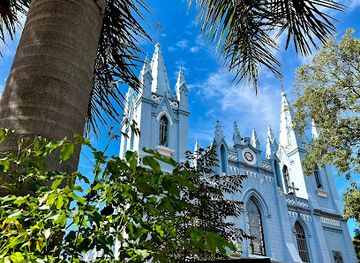
Catholic church
Cathedral of San Lorenzo City
Discover the beauty and history of the Cathedral of San Lorenzo, an architectural gem in Paraguay's vibrant cultural landscape.
-
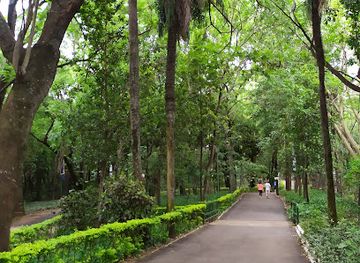
Park
Health Park (IPS)
Discover tranquility at Health Park in Asunción, an urban oasis perfect for relaxation, recreation, and experiencing local culture amidst nature's beauty.
Best landmarks in Gran Chaco
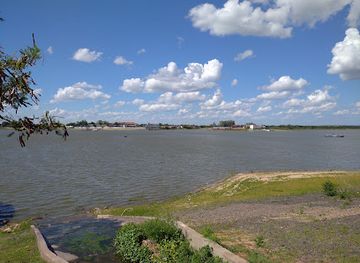
The Gran Chaco’s most important landmarks combine military memory, river geography, conservation and settlement history. Cerro León, within Defensores del Chaco National Park, is a distinctive elevated feature in an otherwise predominantly level dry-forest landscape and gives the park much of its symbolic identity. The former military landscape around Mariscal Estigarribia and the wider Boquerón area recalls the Chaco War, whose forts, cemeteries and memorials mark the human cost of fighting in extreme conditions. Filadelfia and Loma Plata are landmarks of twentieth-century colonisation in a broader sense: their planned streets, community institutions and agricultural infrastructure reveal how Mennonite settlers established permanent towns in the central plain. Fuerte Olimpo is significant for its position on the Paraguay River and its long frontier history, while Bahía Negra represents the riverine gateway to the remote northern Chaco. The dry forests, palm savannahs, wetlands and lagoons themselves are also defining geographical landmarks, though many lie on private or protected land and should be visited only with permission, appropriate guidance and regard for conservation rules.
-
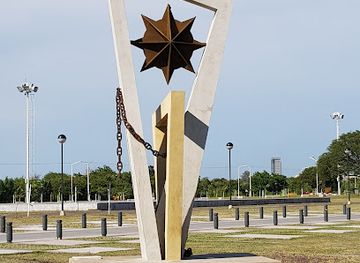
Park
Parque de la Democracia
Discover the beauty and tranquility of Parque de la Democracia, a lush urban park in Resistencia, Chaco, perfect for relaxation and cultural experiences.
-
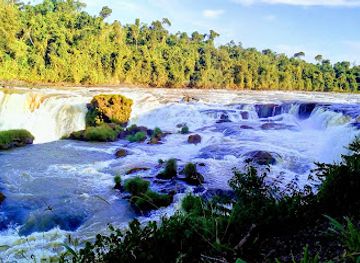
National park
Monday Falls
Experience the enchanting beauty of Monday Falls, a stunning waterfall nestled in Paraguay's natural landscapes, perfect for adventure and relaxation.
-
Park
Plaza Uruguaya
Explore the lush landscapes and cultural vibrancy of Plaza Uruguaya, a must-visit park in the heart of Asunción, Paraguay.
-
Historical landmark
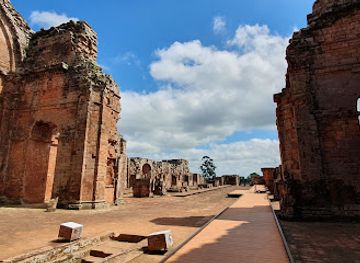
Jesuit Mission of the Holy Trinity
Discover the Jesuit Mission of the Holy Trinity, a UNESCO World Heritage Site rich in history and breathtaking architecture in Paraguay.
Explore Gran Chaco on the map
Plan your trip on one map. See where the top cities, national parks and sights are, and book hotels and experiences in a few clicks.
Best hotels in Gran Chaco
Best restaurants in Gran Chaco
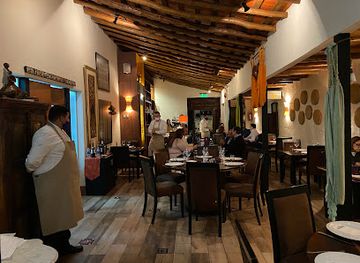
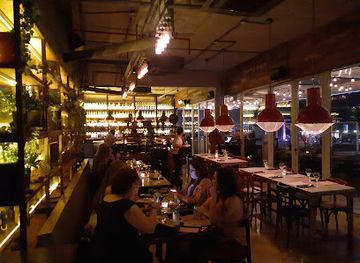
Dining in the Gran Chaco is practical, regional and closely tied to the settlements that make long-distance travel possible. Filadelfia and Loma Plata offer the broadest choice of cafés, bakeries, supermarkets, informal restaurants and hotel dining, with Mennonite culinary influences visible alongside Paraguayan staples. Chipa, sopa paraguaya, stews, grilled meats and tereré belong to the wider food culture of Paraguay, while dairy products, beef and other farm produce are especially important in the central Chaco economy. Roadside eateries and modest dining rooms are useful for travellers crossing the Transchaco, but options become sparse on remote routes and in smaller river settlements. Visitors heading towards national parks or Alto Paraguay should carry provisions and confirm whether accommodation includes meals. Local produce, seasonal cooking and hospitality are often more significant than elaborate restaurant formats, and food traditions vary between Mennonite colonies, Paraguayan towns, Indigenous communities and river settlements. Photography or visits connected with community food practices should be arranged with permission rather than assumed to be tourist activities.
-
Restaurant
ALMA - Cocina con Fuegos
Experience unique fire-cooked dishes at ALMA - Cocina con Fuegos in Asunción; where tradition meets innovation in every bite.
-
Restaurant
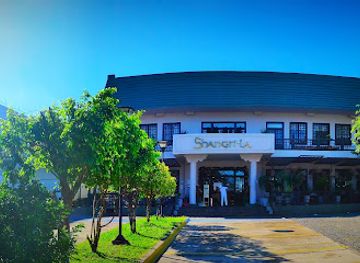
Shangri-La Palace
Experience the rich flavors of authentic Chinese cuisine at Shangri-La Palace in Asunción - a culinary gem for every food lover.
-
Restaurant
Tierra Colorada Gastro
Discover authentic Paraguayan flavors at Tierra Colorada Gastro in Asunción - where every dish tells a story.
-
Sushi
Negroni Rooftop at Dazzler
Discover exquisite sushi and breathtaking views at Negroni Rooftop at Dazzler - your ultimate dining destination in Asunción.
Best bars in Gran Chaco
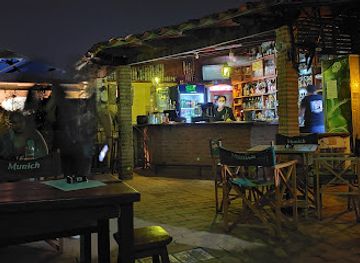
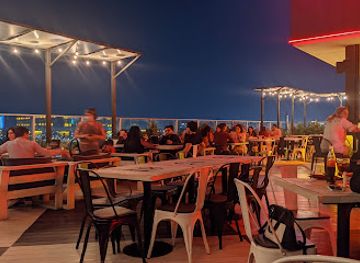
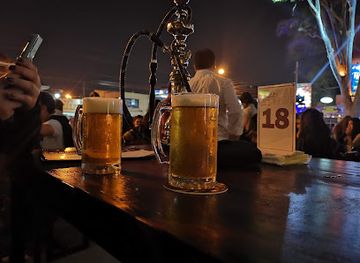
Nightlife in the Gran Chaco is limited and concentrated in the larger settlements, especially Filadelfia, Loma Plata and Mariscal Estigarribia. Evenings generally centre on hotel restaurants, cafés, informal bars, social clubs and gatherings rather than a large nightclub circuit. Tereré and other shared refreshments are part of everyday Paraguayan social life, while beer and regional soft drinks are common in relaxed settings. Fuerte Olimpo and Bahía Negra have a quieter river-town atmosphere, with evening activity shaped by local communities, restaurants and practical travel schedules. Outside the towns, darkness, heat and poor road conditions make night driving unwise, and remote lodges or estancias may offer little organised entertainment beyond conversation, stargazing and wildlife listening. Visitors should not expect dependable late-night transport or long opening hours, and should respect the peace of rural properties and nearby communities. The Chaco’s evening character is best understood through its slower pace and open landscapes rather than through club culture.
-
Pub
Britannia Pub
Britannia Pub: Discover the heart of Asunción's nightlife with delightful food and drinks in a cozy ambiance.
-
Sushi
Negroni Downtown Skybar
Discover the elegance of Negroni Downtown Skybar in Asunción, a culinary haven offering sushi, Italian cuisine, and stunning skyline views.
-
Grill
El Fabriquero
Discover the vibrant flavors of Paraguay at El Fabriquero, a premier grill restaurant in Fernando de la Mora, perfect for an unforgettable dining experience.
-
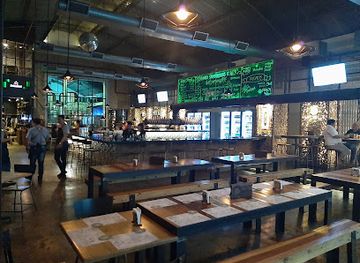
Brewpub
Palo Santo Brewing Company
Explore the rich flavors of craft beer at Palo Santo Brewing Company, a top brewpub in Asunción, Paraguay, perfect for enthusiasts and casual drinkers alike.
Best nightclubs in Gran Chaco
Nightlife in the Gran Chaco is limited and concentrated in the larger settlements, especially Filadelfia, Loma Plata and Mariscal Estigarribia. Evenings generally centre on hotel restaurants, cafés, informal bars, social clubs and gatherings rather than a large nightclub circuit. Tereré and other shared refreshments are part of everyday Paraguayan social life, while beer and regional soft drinks are common in relaxed settings. Fuerte Olimpo and Bahía Negra have a quieter river-town atmosphere, with evening activity shaped by local communities, restaurants and practical travel schedules. Outside the towns, darkness, heat and poor road conditions make night driving unwise, and remote lodges or estancias may offer little organised entertainment beyond conversation, stargazing and wildlife listening. Visitors should not expect dependable late-night transport or long opening hours, and should respect the peace of rural properties and nearby communities. The Chaco’s evening character is best understood through its slower pace and open landscapes rather than through club culture.
-
Bar
O'Leary club
Experience the lively nightlife at O'Leary Club, a premier bar in Asunción with great drinks and music.
-
Disco club
Velvet Asuncion
Discover the stylish nightlife at Velvet Asuncion, a premier disco club in Paraguay offering electrifying music and a vibrant atmosphere.
-
Bar
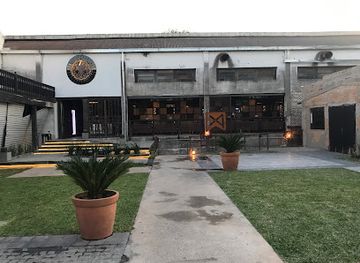
Morgan Warehouse, Nightclub
Discover the electrifying nightlife of Asunción at Morgan Warehouse, where music, dance, and vibrant energy come together for an unforgettable experience.
-
Night club
But-M
But-M in Resistencia: Unleash your inner party spirit at this vibrant night club with amazing music and energetic atmosphere.



Best shops in Gran Chaco
Shopping in the Gran Chaco is concentrated in practical market towns rather than large retail districts. Filadelfia and Loma Plata have the strongest selection of supermarkets, pharmacies, hardware stores, bakeries and small independent businesses, making them the best places to stock up before travelling into remote areas. Visitors may find dairy products, preserves, baked goods, local food supplies and practical outdoor equipment associated with the central Chaco’s agricultural and Mennonite economy. Small shops and markets in Mariscal Estigarribia, Fuerte Olimpo and Bahía Negra serve local needs and may offer Paraguayan food products or simple regional souvenirs, but selection can be limited. Indigenous communities and craft producers are not retail attractions to be approached without permission; buy directly and respectfully where sales have been organised by the community or a recognised cooperative. Carry cash for smaller purchases, check transport capacity before buying bulky goods, and avoid purchasing wildlife products, archaeological objects or items made from protected species. The most useful Chaco purchases are often provisions, locally produced food and modest handmade goods rather than conventional tourist merchandise.
-
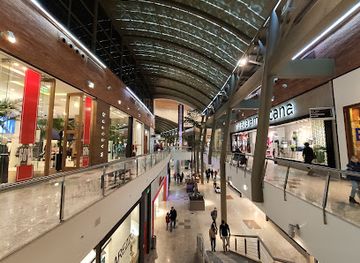
Shopping mall
Paseo La Galería
Explore Paseo La Galería in Asunción – a shopping haven with diverse stores, delightful dining, and vibrant entertainment all under one roof.
-
Shopping mall
delSol Shopping
Discover the vibrant delSol Shopping mall in Asunción, where shopping, dining, and entertainment come together for an unforgettable experience.
-
Shopping mall
Shopping Mariscal
Discover Shopping Mariscal, a vibrant shopping mall in Asunción offering local and international brands, dining, and entertainment for a delightful experience.
-
Shopping mall
Shopping Villa Morra
Discover Shopping Villa Morra, a vibrant shopping mall in Asunción featuring diverse stores, eateries, and entertainment for an unforgettable experience.


Get your free copy of our complete guide to Gran Chaco, delivered straight to you.
Everything on this page, from attractions and restaurants to essentials and local phrases, in one PDF you can read offline, print or share.
Already have an account? Sign in
Your Gran Chaco guide is ready.
We'll send it to · Not you? Sign out

Getting your guide ready…
We are putting together a fresh copy of the Gran Chaco guide. This can take up to a minute.
This can take a few moments. If your browser asks, choose Allow so the download can start. You'll find the guide in your Downloads folder.
Nothing happened? Download it again
Sorry, the guide is taking longer than usual. Please try again in a minute, or get it by email instead.
Gran Chaco essentials
Currency and Payment
Safety
Emergency Situations
Do's and Don'ts
Local Tips
From Eve
Local phrases worth knowing
You don't need to get them perfect. A few words go a long way, and locals appreciate the effort.
Basics
| English | Local | Say it |
|---|---|---|
| Hello | Hola | [Ola] |
| Goodbye | Adiós | [Adios] |
| Yes | Sí | [Si] |
| No | No | [No] |
| Please/You're welcome | Por favor | [Por favor] |
| Thank you | Gracias | [Grasias] |
| Excuse me/Sorry | Disculpe | [Disculpe] |
| How are you? | ¿Cómo estás? | [Como estas] |
| Fine. And you? | Bien. ¿Y tú? | [Bien. I tu] |
| Do you speak English? | ¿Hablas inglés? | [Hablas ingles] |
| I don't understand | No entiendo | [No entiendo] |
Eating & Drinking
| English | Local | Say it |
|---|---|---|
| I'd like to see the menu, please | Me gustaría ver el menú, por favor | [Me gustaria ver el menu, por favor] |
| I don't eat meat | No como carne | [No como carne] |
| Cheers! | ¡Salud! | [Salud] |
| I would like to pay, please | Quisiera pagar, por favor | [Quisiera pagar, por favor] |
Emergencies
| English | Local | Say it |
|---|---|---|
| Help! | ¡Ayuda! | [Ayuda] |
| Go away! | ¡Vete! | [Vete] |
| Call the Police! | ¡Llama a la policía! | [Llama a la policia] |
| Call a doctor! | ¡Llama a un doctor! | [Llama a un doctor] |
| I'm lost | Estoy perdido | [Estoy perdido] |
| I'm ill | Estoy enfermo | [Estoy enfermo] |
Shopping
| English | Local | Say it |
|---|---|---|
| I'd like to buy... | Me gustaría comprar... | [Me gustaria comprar] |
| I'm just looking | Solo estoy mirando | [Solo estoy mirando] |
| How much is it? | ¿Cuánto cuesta? | [Cuanto cuesta] |
| That's too expensive | Eso es demasiado caro | [Eso es demasiado caro] |
| Can you lower the price? | ¿Puedes bajar el precio? | [Puedes bajar el precio] |
Time & Numbers
| English | Local | Say it |
|---|---|---|
| What time is it? | ¿Qué hora es? | [Que hora es] |
| It's one o'clock | Es la una | [Es la una] |
| Half past (10) | Y media (10) | [Y media 10] |
| Morning | Mañana | [Mañana] |
| Afternoon | Tarde | [Tarde] |
| Evening | Noche | [Noche] |
| Yesterday | Ayer | [Ayer] |
| Today | Hoy | [Hoy] |
| Tomorrow | Mañana | [Mañana] |
| 1 | Uno | [Uno] |
| 2 | Dos | [Dos] |
| 3 | Tres | [Tres] |
| 4 | Cuatro | [Cuatro] |
| 5 | Cinco | [Cinco] |
| 6 | Seis | [Seis] |
| 7 | Siete | [Siete] |
| 8 | Ocho | [Ocho] |
| 9 | Nueve | [Nueve] |
| 10 | Diez | [Diez] |
Transport & Directions
| English | Local | Say it |
|---|---|---|
| Where's a/the...? | ¿Dónde está un/una...? | [Donde esta un/una] |
| What's the address? | ¿Cuál es la dirección? | [Cual es la direccion] |
| Can you show me (on the map)? | ¿Puedes mostrarme (en el mapa)? | [Puedes mostrarme en el mapa] |
| When's the next (bus)? | ¿Cuándo es el próximo (bus)? | [Cuando es el proximo bus] |
| A ticket (to ....) | Un boleto (a....) | [Un boleto a] |
History of Gran Chaco
Ancient Indigenous Landscapes
Long before modern borders, the Chaco was inhabited and travelled by Indigenous peoples adapted to its forests, wetlands and seasonal water sources. Peoples including the Nivaclé, Ayoreo, Enxet, Sanapaná and Toba Qom developed distinct languages, social systems and ecological knowledge. Their histories are not merely a prelude to later settlement: Indigenous communities remain fundamental to the region’s population and cultural life. Archaeological and historical evidence also reflects movement, exchange and conflict across a landscape that was never an empty wilderness.
Colonial Frontier and the Paraguay River
During the Spanish colonial period, the Chaco remained difficult for European authorities to control. The Paraguay River provided the principal corridor for movement, communication and commerce, while the interior resisted permanent colonial occupation. Missions and frontier settlements appeared unevenly, and relationships between Indigenous peoples, settlers and military expeditions were often contested. This long history helps explain why the western plain retained a distinctive frontier character well into the modern era and why river settlements such as Fuerte Olimpo later acquired strategic importance.
The Chaco War, 1932–1935
The Chaco War between Paraguay and Bolivia was fought across some of the most hostile terrain in South America. Water scarcity, heat, disease and long supply lines shaped the campaign as much as battlefield tactics. Fortifications and military routes spread through the scrubland, and Paraguay ultimately retained most of the disputed territory under the peace settlement. Reminders of the conflict survive around former forts, cemeteries and memorial sites, while the war remains central to Paraguayan national memory and to the history of the region.
Mennonite Settlement from the 1920s
Mennonite immigrants began establishing agricultural colonies in the central Chaco during the 1920s, particularly around present-day Filadelfia, Loma Plata and Neuland. They faced severe environmental and logistical challenges, gradually developing systems for water management, livestock production, farming and cooperative commerce. These communities helped create durable settlement networks in an area previously regarded by many outsiders as nearly impossible to colonise. Their Germanic linguistic and religious heritage remains visible, although the colonies are now part of a wider Paraguayan and multicultural Chaco society.
Indigenous Displacement and Social Change
Expansion of roads, ranching, agriculture and settlement brought profound disruption to Indigenous communities during the twentieth century. Some groups lost access to traditional territories, while others experienced forced labour, displacement or pressure to abandon languages and customary practices. Ayoreo communities, including people who remained in voluntary isolation until comparatively recent decades, illustrate the serious ethical and legal issues surrounding contact and land use. Contemporary Chaco history therefore includes both economic development and continuing struggles over land rights, cultural survival and self-determination.
Roads, Ranching and the Modern Chaco
The opening and improvement of the Transchaco route connected western Paraguay more directly with Asunción and neighbouring countries. Roads supported the growth of cattle ranching, agricultural production, freight transport and regional towns, while also increasing pressure on dry forests and wildlife habitats. Filadelfia became a major service and commercial centre, and the Chaco gained greater importance in Paraguay’s national economy. The modern region remains marked by a tension between economic expansion, conservation and the rights of communities living across the plain.
Protected Areas and Conservation
Paraguay created protected areas in the Chaco to conserve habitats that contain unusually high biodiversity despite their arid appearance. Defensores del Chaco National Park, established in the northern Chaco, protects extensive dry forest and the distinctive Cerro León area; Teniente Agripino Enciso and Tinfunque protect other combinations of forest, savannah and wetland. Conservation is complicated by remoteness, limited infrastructure, fire, deforestation and competing land uses. The parks are historically significant as evidence of a more recent effort to define the Chaco as an ecological heritage as well as a frontier for production.
Gran Chaco in Photos
Browse through our photo collection highlighting the charm and character of the destination.
Neighbouring regions of Gran Chaco
The closest regions to Gran Chaco, if you have time for more than one.
-

-

-

-

-


Swipe for more regions
Explore more

Explore more of Paraguay
Discover Paraguay: A blend of history, culture, and natural beauty in the heart of South America. Visit Asunción, explore Jesuit ruins, and experience the local cuisine.
Explore Paraguay