

Free Upper Chaco Travel Guide & Mobile App
Explore Upper Chaco with free travel guides. Discover regional history, expert tips, proposed trips, and audio guides on web or mobile app.


Upper Chaco reveals Paraguay's remote northern frontier through river towns, dry forests, wetlands, wildlife and demanding overland journeys.
Read more about Upper Chaco
When is the best time to visit Upper Chaco?
Best: May, August–September · 23–27°C| Month | High (°C) | Rainfall (mm) |
|---|---|---|
| January | 33 | 120 |
| February | 32 | 110 |
| March | 31 | 100 |
| April | 28 | 90 |
| May (best) | 25 | 80 |
| June | 22 | 70 |
| July | 22 | 60 |
| August (best) | 23 | 60 |
| September (best) | 27 | 70 |
| October | 29 | 80 |
| November | 31 | 90 |
| December | 32 | 100 |
Getting to and around Upper Chaco
How to get there
Transportation
Top city travel guides in Upper Chaco
The cities of Upper Chaco, and the easiest places to base yourself.
-
-

-

-


Swipe for more cities
Destinations in Upper Chaco
Resorts, valleys and scenic spots worth a trip of their own.
-

-


Swipe for more destinations
Best attractions in Upper Chaco
Upper Chaco's attractions are defined by scale, remoteness and ecological variety rather than by a dense concentration of visitor facilities. Defensores del Chaco National Park is the region's major protected landscape, covering extensive dry forest and supporting wildlife adapted to heat and seasonal water scarcity; access is demanding and should be organised with knowledgeable local support. The Chovoreca Natural Monument offers a contrasting environment of scrub, open woodland and distinctive rocky formations in the northern Chaco. Along the Paraguay River, Fuerte Olimpo, Bahía Negra and Carmelo Peralta provide river scenery, working-port atmosphere and opportunities for guided boat trips or wildlife observation when conditions permit. Birdwatching is especially rewarding around wetlands, lagoons and river margins, while larger mammals are present but elusive. Visitors interested in history can explore the character of frontier settlements, old transport corridors and remnants associated with the timber, tannin and military past. This is not a region of conventional theme parks or highly developed cultural attractions: its appeal lies in guided encounters with river, forest, wildlife and the demanding geography that has shaped life here.
-
 National park
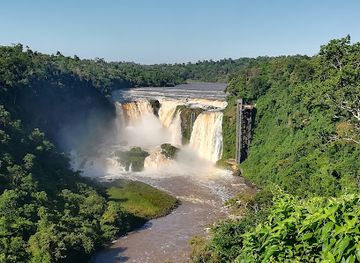
Monday Falls
Experience the breathtaking beauty of Monday Falls, a national park in Paraguay, featuring stunning waterfalls and lush landscapes perfect for nature lovers.
-
Health Park (IPS)
Discover the serene charm of Health Park in Asunción, a lush green haven perfect for relaxation, picnics, and leisurely walks amidst nature's beauty.
-
Tourist attraction
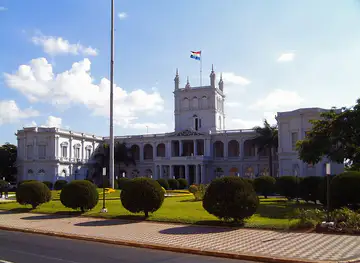
National Pantheon of Heroes
Explore the National Pantheon of Heroes in Asunción: A stunning tribute to Paraguay's heroes and rich cultural heritage.
-
Tourist attraction
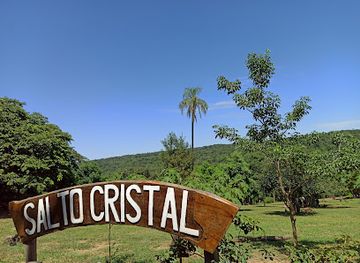
Salto Cristal
Experience the breathtaking beauty of Salto Cristal waterfall in Isla Yvate, Paraguay, a must-visit destination for nature lovers and adventure seekers.

Best landmarks in Upper Chaco
The Paraguay River is Upper Chaco's defining natural landmark, forming a broad eastern edge and linking isolated settlements with the wider Paraguayan river system. Fuerte Olimpo is the region's most recognisable historic settlement, its position and fort-related heritage reflecting Paraguay's long effort to maintain a northern frontier. Bahía Negra is another prominent river landmark, known less for monumental architecture than for its strategic location, port activity and proximity to some of the country's most remote landscapes. Inland, Defensores del Chaco National Park represents the scale of the protected dry Chaco, while the Chovoreca Natural Monument is distinguished by its unusual rocky terrain and surrounding woodland. The contrast between river, wetland, thorn forest and open savanna gives Upper Chaco a strong geographical identity. Old timber and tannin-era sites, military traces and transport remnants may be historically important, but many are fragile, dispersed or difficult to access and should be visited only with local guidance.
-
Park
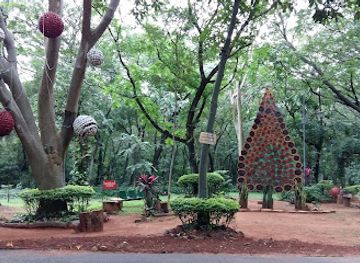
Parque de la Democracia
Explore the natural beauty and artistic charm of Parque de la Democracia in Resistencia, a must-visit park for every traveler in Chaco Province.
-
National park
Monday Falls
Experience the breathtaking beauty of Monday Falls, a national park in Presidente Franco, where nature's wonders await your discovery.
-
Park
Plaza Uruguaya
Discover the charm of Plaza Uruguaya, a beautiful park in Asunción, where culture and nature harmoniously blend for an unforgettable experience.
-
Historical landmark
Jesuit Mission of the Holy Trinity
Explore the Jesuit Mission of the Holy Trinity, a UNESCO World Heritage site in Paraguay, rich in history, stunning architecture, and natural beauty.
Explore Upper Chaco on the map
Plan your trip on one map. See where the top cities, national parks and sights are, and book hotels and experiences in a few clicks.
Best hotels in Upper Chaco
Best restaurants in Upper Chaco
Dining in Upper Chaco is practical, local and closely tied to supply logistics. In Fuerte Olimpo, Bahía Negra, Carmelo Peralta and smaller settlements, visitors are more likely to eat at guesthouses, simple restaurants, lodges or family-run establishments than at a large choice of specialised venues. Meals commonly reflect wider Paraguayan cooking, including grilled beef, mandioca, rice, soups and savoury corn-based dishes, while fish from the Paraguay River may appear where local supply and regulations allow. Tereré, the cold herbal infusion widely associated with Paraguay, is well suited to the hot climate and is part of everyday social life. Visitors travelling into remote areas should not expect regular shops or reliable refrigeration and should carry supplementary food and water. Ranching, fishing and river transport influence the region's food culture, but regional claims should be treated carefully because provisions often arrive from elsewhere in Paraguay. Ask accommodation providers about meals when booking and give advance notice where possible.
-
Family-friendly
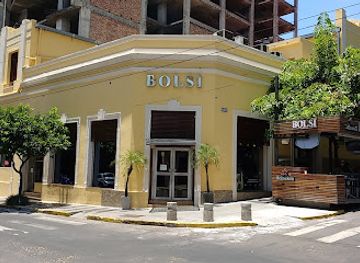
Bolsi
Experience the rich flavors of Paraguay at Bolsi, a family-friendly restaurant in Asunción serving breakfast and sushi with warm hospitality.
-
Restaurant
La Cabrera
Discover La Cabrera in Asunción - an exceptional steakhouse offering prime cuts of meat and authentic Paraguayan flavors in a welcoming atmosphere.
-
Restaurant
Maurice de Talleyrand
Discover exquisite flavors and an elegant atmosphere at Maurice de Talleyrand in Asunción—where culinary artistry meets sophistication.
-
Restaurant
ALMA - Cocina con Fuegos
Experience the vibrant flavors of Paraguay at ALMA - Cocina con Fuegos, where culinary tradition meets modern creativity.
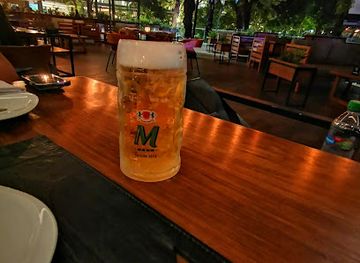
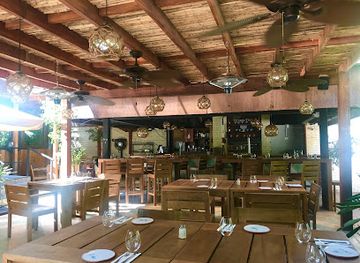
Best bars in Upper Chaco
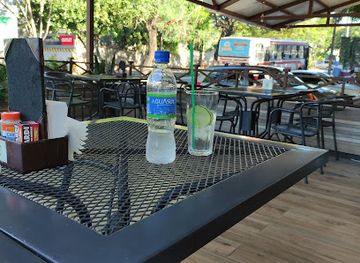
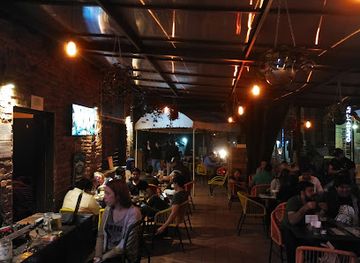
Upper Chaco has little conventional nightclub culture. Evening life in the river settlements generally centres on family homes, modest bars, simple restaurants, guesthouses and occasional community gatherings rather than purpose-built entertainment districts. Fuerte Olimpo, Bahía Negra and Carmelo Peralta offer the greatest likelihood of finding a place for a cold drink, conversation or a meal, although opening arrangements and choice can change. Tereré and other non-alcoholic refreshments are important in the heat, while beer and locally available spirits may accompany informal socialising. In remote lodges, the main evening activity is often watching wildlife, listening to the forest or observing the sky rather than going out. Visitors should carry realistic expectations, respect quiet residential communities and avoid treating alcohol as the central feature of local culture. Plan transport before drinking, since distances are long and taxis or late-night services may not be available.
-
Night club
Paseo Carmelitas
Experience the vibrant nightlife at Paseo Carmelitas, a top destination for dining, drinks, and entertainment in Asunción.
-
Pub
Britannia Pub
Discover the lively Britannia Pub in Asunción, where great food and vibrant nightlife come together for an unforgettable experience.
-
Bar
Ña Virginia
Experience the vibrant taste of Paraguay at Ña Virginia, Asunción's top spot for authentic local cuisine and lively atmosphere.
-
Grill
Territorio Chopp San Lorenzo
Discover the vibrant flavors of Paraguay at Territorio Chopp San Lorenzo, a top destination for grilled delights and a lively atmosphere.
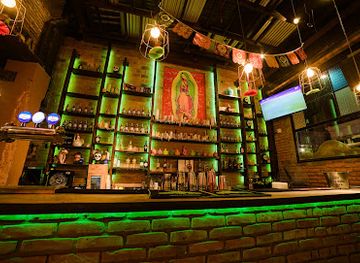
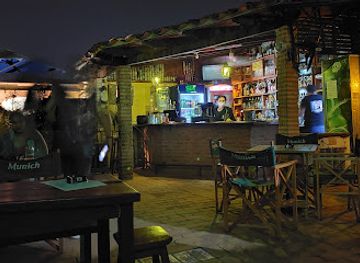
Best nightclubs in Upper Chaco
Upper Chaco has little conventional nightclub culture. Evening life in the river settlements generally centres on family homes, modest bars, simple restaurants, guesthouses and occasional community gatherings rather than purpose-built entertainment districts. Fuerte Olimpo, Bahía Negra and Carmelo Peralta offer the greatest likelihood of finding a place for a cold drink, conversation or a meal, although opening arrangements and choice can change. Tereré and other non-alcoholic refreshments are important in the heat, while beer and locally available spirits may accompany informal socialising. In remote lodges, the main evening activity is often watching wildlife, listening to the forest or observing the sky rather than going out. Visitors should carry realistic expectations, respect quiet residential communities and avoid treating alcohol as the central feature of local culture. Plan transport before drinking, since distances are long and taxis or late-night services may not be available.
-
Bar
O'Leary club
Experience the vibrant nightlife of Asunción at O'Leary Club, a lively bar offering delicious cocktails and a welcoming atmosphere.
-
Disco club
Velvet Asuncion
Discover the pulsating nightlife of Velvet Asuncion, a premier disco club in Paraguay where vibrant music and dance come alive.
-
Bar
Morgan Warehouse, Nightclub
Dive into the electrifying nightlife at Morgan Warehouse, Asunción's premier nightclub for dancing and cocktails until dawn.
-
Disco club
Toc Toc Disco Pub
Dive into the electrifying nightlife at Toc Toc Disco Pub, where music, dance, and vibrant energy come together for an unforgettable experience in Asunción.



Best shops in Upper Chaco
Shopping in Upper Chaco is limited and functional, with small local shops supplying everyday necessities rather than extensive retail streets. Fuerte Olimpo, Bahía Negra and Carmelo Peralta are the most practical places to look for basic provisions, drinks, toiletries and travel supplies, but stock can be irregular and prices may reflect transport distances. Visitors should buy fuel, medicines, specialist equipment and substantial food supplies before entering the region. Local products and handmade items may sometimes be available through community initiatives, accommodation providers or informal markets, including woven goods, carved objects or small regional souvenirs; purchase them respectfully and ask about provenance. Do not buy archaeological material, wildlife products, feathers, skins, plants or items whose collection may have harmed the environment. The most useful souvenirs are often shelf-stable Paraguayan foods, tereré equipment or responsibly produced crafts, while larger towns outside Upper Chaco provide far more choice for clothing, electronics and specialist outdoor gear.
-
Shopping mall
Paseo La Galería
Discover Asunción’s vibrant shopping scene at Paseo La Galería, featuring top brands, delicious dining, and family-friendly entertainment.
-
Shopping mall
delSol Shopping
Discover the ultimate shopping experience at delSol Shopping Mall in Asunción, where fashion, food, and fun converge.
-
Shopping mall
Shopping Mariscal
Explore Shopping Mariscal in Asunción for an exceptional shopping experience filled with diverse stores and delightful dining options.
-
Shopping mall
Shopping China Importados
Explore a world of shopping at Shopping China Importados in Pedro Juan Caballero, offering everything from electronics to local crafts.




Get your free copy of our complete guide to Upper Chaco, delivered straight to you.
Everything on this page, from attractions and restaurants to essentials and local phrases, in one PDF you can read offline, print or share.
Already have an account? Sign in
Your Upper Chaco guide is ready.
We'll send it to · Not you? Sign out

Getting your guide ready…
We are putting together a fresh copy of the Upper Chaco guide. This can take up to a minute.
This can take a few moments. If your browser asks, choose Allow so the download can start. You'll find the guide in your Downloads folder.
Nothing happened? Download it again
Sorry, the guide is taking longer than usual. Please try again in a minute, or get it by email instead.
Upper Chaco essentials
Currency and Payment
Safety
Emergency Situations
Do's and Don'ts
Local Tips
From Eve
Local phrases worth knowing
You don't need to get them perfect. A few words go a long way, and locals appreciate the effort.
Basics
| English | Local | Say it |
|---|---|---|
| Hello | Aña | [Ah-nyah] |
| Goodbye | Aña reko | [Ah-nyah reh-koh] |
| Yes | Aye | [Eye] |
| No | Nah | [Nah] |
| Please/You're welcome | Por favor | [Por fah-vor] |
| Thank you | Agradezco | [Ah-grah-deh-sko] |
| Excuse me/Sorry | Disculpe | [Dees-kool-peh] |
| How are you? | Mba'éichapa | [Bah-eh-ee-chah-pah] |
| Fine. And you? | Iporã. Ha nde? | [Ee-poh-rah. Hah n-deh?] |
| Do you speak English? | Mba'éichapa habla inglés? | [Bah-eh-ee-chah-pah ah-blah een-glehs?] |
| I don't understand | Nderehechauka | [N-deh-reh-heh-chow-kah] |
Eating & Drinking
| English | Local | Say it |
|---|---|---|
| I'd like to see the menu, please | Aipota rohayhu pe menú, por favor | [Eye-poh-tah roh-hah-yoo peh meh-noo, por fah-vor] |
| I don't eat meat | Ndaha'éi carne | [N-dah-hay-ee kahr-neh] |
| Cheers! | Salud! | [Sah-lood] |
| I would like to pay, please | Aipota ropay, por favor | [Eye-poh-tah roh-pie, por fah-vor] |
Emergencies
| English | Local | Say it |
|---|---|---|
| Help! | Karai! | [Kah-rah-ee] |
| Go away! | Jahú! | [Hah-hoo] |
| Call the Police! | Eike Policía! | [Eh-ee-keh Poh-lee-see-ah!] |
| Call a doctor! | Eike médico! | [Eh-ee-keh meh-dee-koh!] |
| I'm lost | Aikotevẽ | [Eye-koh-teh-veh] |
| I'm ill | Aipota aña | [Eye-poh-tah ah-nyah] |
Shopping
| English | Local | Say it |
|---|---|---|
| I'd like to buy... | Aipota ajoguata... | [Eye-poh-tah ah-ho-goo-ah-tah] |
| I'm just looking | Aipota ahakatu | [Eye-poh-tah ah-ha-kah-too] |
| How much is it? | Mba'eichapa? | [Bah-eh-ee-chah-pah?] |
| That's too expensive | Ojehecha vai | [Oh-heh-chah vah-ee] |
| Can you lower the price? | Ikatu remoguaru pe precio? | [Ee-kah-too reh-moh-gah-roo peh preh-see-oh?] |
Time & Numbers
| English | Local | Say it |
|---|---|---|
| What time is it? | Mba'éichapa ojehu? | [Bah-eh-ee-chah-pah oh-heh-hoo?] |
| It's one o'clock | Ojehu peteĩ | [Oh-heh-hoo peh-teh-ee] |
| Half past (10) | Mokõi jey (10) | [Moh-koy jeh-ee (10)] |
| Morning | Aña | [Ah-nyah] |
| Afternoon | Tarde | [Tahr-deh] |
| Evening | Ka'aru | [Kah-ah-roo] |
| Yesterday | Karu | [Kah-roo] |
| Today | Ko'ẽ | [Koh-eh] |
| Tomorrow | Aña po | [Ah-nyah poh] |
| 1 | Peteĩ | [Pe-teh-ee] |
| 2 | Mokõi | [Moh-koy] |
| 3 | Mbohapy | [M-boh-hah-pee] |
| 4 | Iporã | [Ee-poh-rah] |
| 5 | Mokõi | [Moh-koy] |
| 6 | Poteĩ | [Poh-teh-ee] |
| 7 | Pota | [Poh-tah] |
| 8 | Poteĩ | [Poh-teh-ee] |
| 9 | Mbohapy | [M-boh-hah-pee] |
| 10 | Iporã | [Ee-poh-rah] |
Transport & Directions
| English | Local | Say it |
|---|---|---|
| Where's a/the...? | Mba'éichapa ...? | [Bah-eh-ee-chah-pah ...?] |
| What's the address? | Mba'éichapa pe dirección? | [Bah-eh-ee-chah-pah peh dee-rek-see-oh?] |
| Can you show me (on the map)? | Ikatu remombe'u (mapa-pe)? | [Ee-kah-too reh-mom-beh-oo (mah-pah-peh)?] |
| When's the next (bus)? | Aña jey pe bus? | [Ah-nyah heh-ee peh boos?] |
| A ticket (to ....) | Pe boleto (a ...) | [Peh boh-leh-toe (ah ...)] |
History of Upper Chaco
Indigenous Chaco Heritage
Long before colonial boundaries or modern departments, the northern Chaco was inhabited and travelled by Indigenous peoples with distinct languages, social systems and detailed knowledge of seasonal water, plants and wildlife. Communities associated with the Chamacoco, Ayoreo and other Chaco peoples have shaped the region's cultural history, although their experiences have also included displacement, land pressure and the disruption of traditional lifeways. In Upper Chaco, the river, forest and wetlands remain central to understanding settlement and movement. Visitors should regard Indigenous communities as contemporary societies rather than solely as subjects of the past.
Colonial and Frontier Outposts
The Paraguay River provided the main route into the northern interior during the colonial and early republican periods. Fortified and religious outposts were established intermittently as Paraguay sought to organise its frontier and maintain communications along the river. Fuerte Olimpo became one of the most recognisable settlements in this northern zone, reflecting the strategic importance of river access. Control beyond the river remained limited for long periods, and the Chaco's difficult terrain, scarce permanent water and strong Indigenous presence prevented dense colonial settlement.
Quebracho, Tannin and River Commerce
From the late nineteenth century into the twentieth, quebracho timber and tannin extraction transformed parts of the Paraguayan Chaco. River ports, including Puerto Casado farther south and other settlements along the Paraguay, connected the interior's resources with regional and international trade. The industry brought transport links, company settlements and employment, but it also involved intense exploitation of forests and difficult labour conditions. Some of the region's older river infrastructure and settlement patterns still reflect this extractive era, even though the commercial system that created them has declined.
The Chaco War, 1932–1935
The Chaco War between Paraguay and Bolivia was fought across the wider Chaco, with strategic movement and military supply routes affecting the northern frontier and the Paraguay River corridor. Although many of the best-known battlefields lie elsewhere in the Chaco, Upper Chaco's forts, river settlements and communications network formed part of the logistical geography of the conflict. The war consolidated Paraguay's control over most of the disputed territory but caused enormous loss of life and hardship. Military memory remains an important part of the region's historical landscape.
Post-war Settlement and Ranching
After the Chaco War, Paraguay strengthened administrative and economic control over the Chaco through roads, military posts, ranching and new settlement. The northern zone remained sparsely populated compared with eastern Paraguay, and the Paraguay River continued to be more dependable than overland routes. Cattle production became an important land use, often alongside extensive areas of native woodland. This period also intensified debates over land ownership, access to resources and the relationship between development and Indigenous rights.
Conservation in the Northern Chaco
Late twentieth-century and contemporary conservation efforts recognised that Upper Chaco contains habitats of international ecological importance. Defensores del Chaco National Park protects a large area of dry forest and associated landscapes, while the Chovoreca Natural Monument preserves a distinctive northern environment. Conservation has had to contend with fire, illegal hunting, land conversion, difficult monitoring conditions and the needs of local communities. The resulting protected areas are significant not simply as visitor attractions but as part of Paraguay's effort to retain large, functioning Chaco ecosystems.
New Roads and Changing Access
Recent improvements to road connections across the Chaco have begun to alter the region's relationship with the rest of Paraguay, particularly around the corridor linking Carmelo Peralta with the interior. Better access can support trade, public services and tourism, but it also increases pressure on forests and wildlife habitats. In Upper Chaco, the contrast between new transport infrastructure and isolated river communities is especially visible. The region's current story is therefore one of access and opportunity balanced against environmental protection and the rights of established communities.
Upper Chaco in Photos
Browse through our photo collection highlighting the charm and character of the destination.
Neighbouring regions of Upper Chaco
The closest regions to Upper Chaco, if you have time for more than one.
-

-

-

-

-


Swipe for more regions
Explore more

Explore more of Paraguay
Discover Paraguay: A blend of history, culture, and natural beauty in the heart of South America. Visit Asunción, explore Jesuit ruins, and experience the local cuisine.
Explore Paraguay