

Free Western Paraguay Travel Guide & Mobile App
Explore Western Paraguay with free travel guides. Discover regional history, expert tips, proposed trips, and audio guides on web or mobile app.


Explore Western Paraguay’s Chaco forests, Mennonite colonies, Indigenous heritage, remote national parks and wildlife-rich Paraguay River wetlands.
Read more about Western Paraguay
When is the best time to visit Western Paraguay?
Best: April–May, September · 23–27°C| Month | High (°C) | Rainfall (mm) |
|---|---|---|
| January | 31 | 100 |
| February | 31 | 90 |
| March | 29 | 80 |
| April (best) | 27 | 70 |
| May (best) | 23 | 60 |
| June | 21 | 50 |
| July | 21 | 50 |
| August | 22 | 60 |
| September (best) | 25 | 70 |
| October | 27 | 80 |
| November | 29 | 90 |
| December | 30 | 100 |
Getting to and around Western Paraguay
How to get there
Transportation
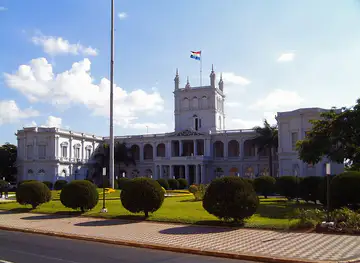
Top city travel guides in Western Paraguay
The cities of Western Paraguay, and the easiest places to base yourself.
-
-

-

-

-


Swipe for more cities
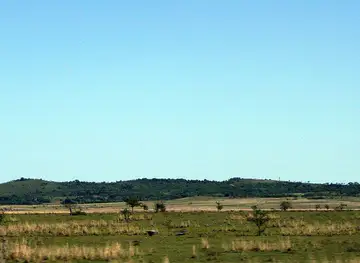
Destinations in Western Paraguay
Resorts, valleys and scenic spots worth a trip of their own.
-

-

-

-
-

-


Swipe for more destinations
Best attractions in Western Paraguay
-
Park
Costanera de Asunción
Experience the beauty and vibrant culture of Asunción at Costanera de Asunción, a stunning riverside park perfect for relaxation and recreation.
-
Tourist attraction
Ñu Guasú - Humberto Rubín Park
Experience the natural beauty and cultural richness of Ñu Guasú - Humberto Rubín Park, a serene retreat in Luque, Paraguay, perfect for relaxation and recreation.
-
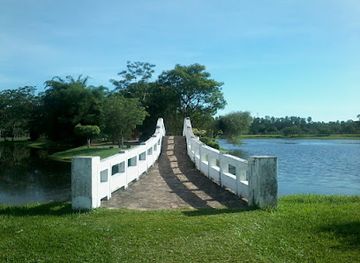
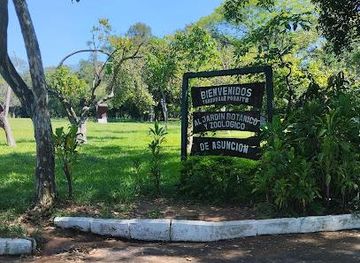
Botanical garden
Botanical Garden of Asunción
Explore the Botanical Garden of Asunción, a lush paradise in Paraguay's capital, teeming with stunning flora and rich biodiversity for nature enthusiasts.
-
Tourist attraction
Plaza Uruguaya
Discover the beauty of Plaza Uruguaya, a serene park in Asunción, rich in history and perfect for relaxation amidst vibrant local life.

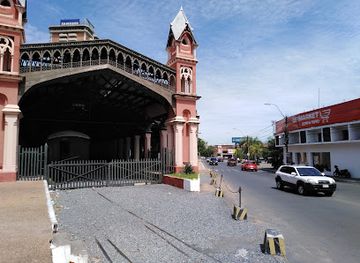
Best landmarks in Western Paraguay
The most recognisable landmarks of Western Paraguay include the historic river settlements and fortified sites of the northern Chaco, particularly Fuerte Olimpo, whose position reflects the strategic importance of the Paraguay River frontier. Filadelfia’s civic and interpretive institutions represent the twentieth-century Mennonite settlement of the central Chaco, while the wider colony landscapes of Loma Plata and Neuland preserve the visual legacy of cooperative agricultural development. The region’s natural landmarks are often more powerful than its built monuments: the extensive dry forests of Defensores del Chaco National Park, the sandy terrain of Médanos del Chaco and the wooded river corridors around Bahía Negra each express a different face of the Chaco. The Paraguay River itself is a defining geographical landmark, linking the remote north with the rest of the country. Chaco War sites, old routes and military remains are scattered across the landscape, but many are difficult to reach and should not be presented as conventional, fully serviced attractions. Their significance lies in the way they reveal the region’s role in Paraguay’s territorial history.
-
National park
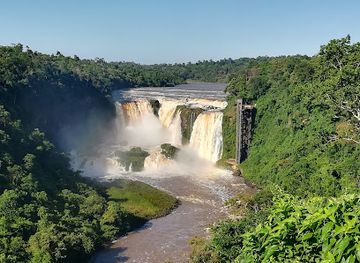
Monday Falls
Explore the breathtaking beauty of Monday Falls, a stunning national park in Paraguay with majestic waterfalls and rich biodiversity.
-
Park
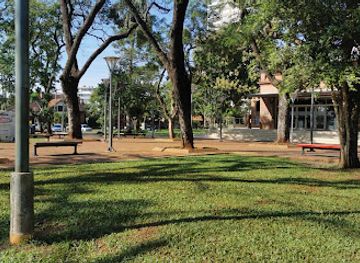
Plaza Uruguaya
Experience the beauty and culture of Asunción at Plaza Uruguaya, a vibrant park filled with lush greenery and rich historical significance.
-
Park
República del Paraguay Park
Discover the natural beauty and cultural richness of República del Paraguay Park in Posadas, Argentina, a perfect blend of relaxation and outdoor adventure.
-
Historical landmark
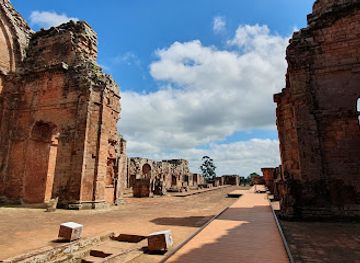
Jesuit Mission of the Holy Trinity
Discover the Jesuit Mission of the Holy Trinity, a breathtaking UNESCO World Heritage Site in Paraguay, rich in history and architectural beauty.
Explore Western Paraguay on the map
Plan your trip on one map. See where the top cities, national parks and sights are, and book hotels and experiences in a few clicks.
Best hotels in Western Paraguay
Best restaurants in Western Paraguay
Dining in Western Paraguay reflects the region’s frontier geography, agricultural economy and mixture of cultural traditions. Filadelfia, Loma Plata and Neuland have the broadest choice, including cafés, bakeries, cooperative food outlets, family restaurants and establishments serving Paraguayan staples. Visitors may encounter sopa paraguaya, chipa, mbeju, grilled meats, stews and sweet preparations familiar from Paraguay as a whole, alongside dairy products and beef associated with the Chaco’s Mennonite farming economy. In rural areas, meals are often simple and arranged through accommodation rather than selected from a long restaurant list, so advance planning is sensible. Northern river settlements add fish and locally available freshwater ingredients to the culinary picture, although supply varies by season. Markets and small shops are useful for fruit, bread, snacks and bottled water before travelling into remote country. Food traditions belong to several communities, and visitors should avoid assuming that one colony or ethnic group represents the cuisine of the entire Chaco.
-
Family-friendly
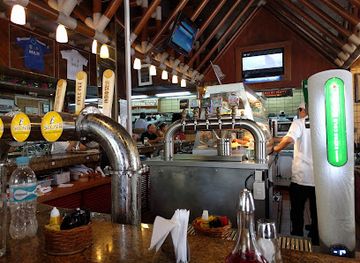
Bolsi
Discover Bolsi in Asunción: A family-friendly restaurant serving delightful Paraguayan cuisine and international favorites in a cozy atmosphere.
-
Restaurant
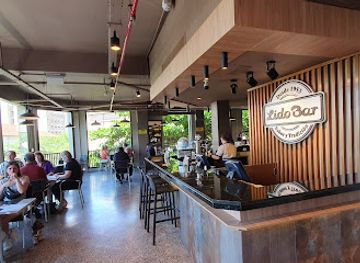
Lido Bar
Discover Lido Bar in Asunción: A must-visit restaurant offering authentic Paraguayan dishes in a lively atmosphere.
-
Grill
Churrasquería O Gaúcho
Discover authentic Paraguayan barbecue at Churrasquería O Gaúcho - a grill restaurant where tradition meets flavor in Asunción.
-
Steak
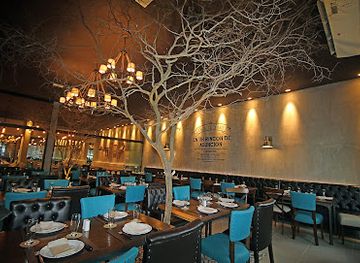
Acuarela
Experience the best of Brazilian steakhouse dining at Acuarela in Asunción – where flavor meets tradition.

Best bars in Western Paraguay
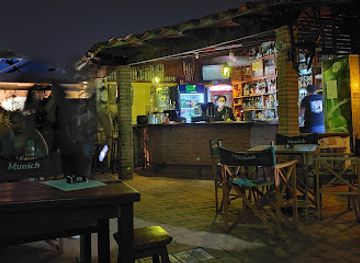
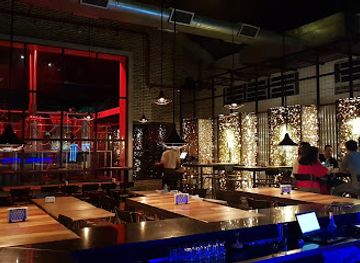
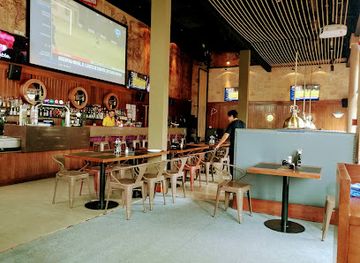
Nightlife in Western Paraguay is modest and concentrated in the larger settlements. Filadelfia, Loma Plata and Neuland offer cafés, hotel lounges, restaurants and social venues where residents meet after work, while local celebrations may bring music and dancing at particular times of year. The evening atmosphere is generally more rural and community-based than club-oriented, with limited late-night options outside the main towns. In Bahía Negra and Fuerte Olimpo, evenings often centre on simple restaurants, local bars and accommodation near the river rather than a formal nightlife district. Some establishments serve Paraguayan beer and other familiar drinks, but alcohol is not necessary to engage with the region’s evening culture. Because settlements are widely separated and roads may be difficult after dark, visitors should arrange transport in advance and avoid assuming that a remote lodge or small town will have entertainment, reliable lighting or late-opening services.
-
Pub
Britannia Pub
Discover Britannia Pub in Asunción, a vibrant gathering place for locals and tourists with great food, drinks, and live music.
-
Brewpub
Palo Santo Brewing Company
Experience the vibrant craft beer culture at Palo Santo Brewing Company, where exceptional brews and delicious bites await in Asunción.
-
Bar
Kilkenny
Experience the vibrant nightlife at Kilkenny in Asunción, where local culture meets a lively bar atmosphere with excellent drink selections.
-
Bar
Capitão Bar - Asunción
Explore the vibrant nightlife of Asunción at Capitão Bar, where lively music, delicious cocktails, and a fun atmosphere await you.

Best nightclubs in Western Paraguay
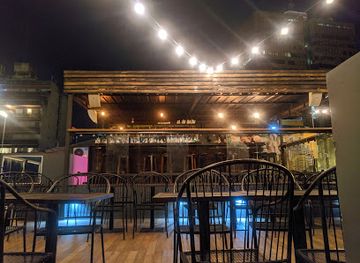
Nightlife in Western Paraguay is modest and concentrated in the larger settlements. Filadelfia, Loma Plata and Neuland offer cafés, hotel lounges, restaurants and social venues where residents meet after work, while local celebrations may bring music and dancing at particular times of year. The evening atmosphere is generally more rural and community-based than club-oriented, with limited late-night options outside the main towns. In Bahía Negra and Fuerte Olimpo, evenings often centre on simple restaurants, local bars and accommodation near the river rather than a formal nightlife district. Some establishments serve Paraguayan beer and other familiar drinks, but alcohol is not necessary to engage with the region’s evening culture. Because settlements are widely separated and roads may be difficult after dark, visitors should arrange transport in advance and avoid assuming that a remote lodge or small town will have entertainment, reliable lighting or late-opening services.
-
Bar
O'Leary club
Experience the vibrant nightlife of Asunción at O'Leary Club, where great drinks and live music create unforgettable moments.
-
Disco club
Velvet Asuncion
Discover the pulsating nightlife at Velvet Asuncion, a premier disco club blending vibrant music, stylish decor, and an electric atmosphere for an unforgettable night.
-
Bar
Morgan Warehouse, Nightclub
Discover the vibrant nightlife at Morgan Warehouse, Asunción's premier nightclub offering an electrifying atmosphere, eclectic music, and unforgettable experiences.
-
Disco club
Toc Toc Disco Pub
Discover the vibrant nightlife of Asunción at Toc Toc Disco Pub, where music, dance, and fun come together for an unforgettable experience.



Best shops in Western Paraguay
Shopping in Western Paraguay is practical, local and closely tied to agriculture and community production. Filadelfia, Loma Plata and Neuland have the widest range of supermarkets, bakeries, pharmacies, hardware shops and small retailers, making them the best places to buy provisions before a remote journey. Visitors may find dairy products, baked goods, preserves and other foods associated with the Mennonite colonies, although availability and packaging vary. Small craft outlets and community initiatives may offer textiles, woven goods or other products made by Indigenous artisans; purchase directly and ask about provenance rather than treating cultural objects as generic souvenirs. In Villa Hayes and the larger settlements, ordinary Paraguayan market shopping includes chipa, household goods, clothing and regional produce. Northern river towns have fewer retail choices and are primarily supply points rather than shopping destinations. Carry cash for small purchases, and remember that stock can be seasonal or limited because many goods travel long distances into the Chaco.
-
Shopping mall
Paseo La Galería
Discover a vibrant shopping experience at Paseo La Galería, the top destination for fashion, dining, and entertainment in Asunción, Paraguay.
-
Shopping mall
delSol Shopping
Discover delSol Shopping in Asunción: your go-to mall for fashion, dining, and entertainment in the heart of Paraguay.
-
Shopping mall
Shopping Mariscal
Explore Shopping Mariscal in Asunción for a diverse shopping experience, culinary delights, and entertainment under one roof.
-
Shopping mall
Pinedo Shopping
Explore Pinedo Shopping in San Lorenzo, Paraguay - where shopping, dining, and entertainment unite in a vibrant atmosphere!




Get your free copy of our complete guide to Western Paraguay, delivered straight to you.
Everything on this page, from attractions and restaurants to essentials and local phrases, in one PDF you can read offline, print or share.
Already have an account? Sign in
Your Western Paraguay guide is ready.
We'll send it to · Not you? Sign out

Getting your guide ready…
We are putting together a fresh copy of the Western Paraguay guide. This can take up to a minute.
This can take a few moments. If your browser asks, choose Allow so the download can start. You'll find the guide in your Downloads folder.
Nothing happened? Download it again
Sorry, the guide is taking longer than usual. Please try again in a minute, or get it by email instead.
Western Paraguay essentials
Currency and Payment
Safety
Emergency Situations
Do's and Don'ts
Local Tips
From Eve
Local phrases worth knowing
You don't need to get them perfect. A few words go a long way, and locals appreciate the effort.
Basics
| English | Local | Say it |
|---|---|---|
| Hello | Hola | [Ola] |
| Goodbye | Adiós | [Adyos] |
| Yes | Sí | [Si] |
| No | No | [No] |
| Please/You're welcome | Por favor/De nada | [Por favor/De nada] |
| Thank you | Gracias | [Grasias] |
| Excuse me/Sorry | Perdón | [Perdon] |
| How are you? | ¿Cómo estás? | [Como estas] |
| Fine. And you? | Bien. ¿Y tú? | [Bien. I tu] |
| Do you speak English? | ¿Hablas inglés? | [Hablas ingles] |
| I don't understand | No entiendo | [No entiendo] |
Eating & Drinking
| English | Local | Say it |
|---|---|---|
| I'd like to see the menu, please | Me gustaría ver el menú, por favor | [Me gustaria ver el menu, por favor] |
| I don't eat meat | No como carne | [No como carne] |
| Cheers! | ¡Salud! | [Salud] |
| I would like to pay, please | Me gustaría pagar, por favor | [Me gustaria pagar, por favor] |
Emergencies
| English | Local | Say it |
|---|---|---|
| Help! | ¡Ayuda! | [Ayuda] |
| Go away! | ¡Vete! | [Vete] |
| Call the Police! | ¡Llama a la policía! | [Llama a la policia] |
| Call a doctor! | ¡Llama a un médico! | [Llama a un medico] |
| I'm lost | Estoy perdido | [Estoy perdido] |
| I'm ill | Estoy enfermo | [Estoy enfermo] |
Shopping
| English | Local | Say it |
|---|---|---|
| I'd like to buy... | Me gustaría comprar... | [Me gustaria comprar] |
| I'm just looking | Solo estoy mirando | [Solo estoy mirando] |
| How much is it? | ¿Cuánto cuesta? | [Cuanto cuesta] |
| That's too expensive | Eso es demasiado caro | [Eso es demasiado caro] |
| Can you lower the price? | ¿Puedes bajar el precio? | [Puedes bajar el precio] |
Time & Numbers
| English | Local | Say it |
|---|---|---|
| What time is it? | ¿Qué hora es? | [Que hora es] |
| It's one o'clock | Es la una | [Es la una] |
| Half past (10) | Y media (10) | [Y media] |
| Morning | Mañana | [Mañana] |
| Afternoon | Tarde | [Tarde] |
| Evening | Noche | [Noche] |
| Yesterday | Ayer | [Ayer] |
| Today | Hoy | [Hoy] |
| Tomorrow | Mañana | [Mañana] |
| 1 | Uno | [Uno] |
| 2 | Dos | [Dos] |
| 3 | Tres | [Tres] |
| 4 | Cuatro | [Cuatro] |
| 5 | Cinco | [Cinco] |
| 6 | Seis | [Seis] |
| 7 | Siete | [Siete] |
| 8 | Ocho | [Ocho] |
| 9 | Nueve | [Nueve] |
| 10 | Diez | [Diez] |
Transport & Directions
| English | Local | Say it |
|---|---|---|
| Where's a/the...? | ¿Dónde está un/una...? | [Donde esta un/una] |
| What's the address? | ¿Cuál es la dirección? | [Cual es la direccion] |
| Can you show me (on the map)? | ¿Puedes mostrarme (en el mapa)? | [Puedes mostrarme en el mapa] |
| When's the next (bus)? | ¿Cuándo es el próximo (autobús)? | [Cuando es el proximo autobus] |
| A ticket (to ....) | Un boleto (a ...) | [Un boleto a] |
History of Western Paraguay
Indigenous Chaco Civilisations and Living Territories
Long before modern state borders, the Chaco was inhabited and managed by Indigenous peoples whose languages, seasonal movements, hunting practices and knowledge of plants shaped the region. Among the peoples with longstanding connections to western Paraguay are the Nivaclé, Enxet, Ayoreo and Yshir, alongside other communities. Their histories cannot be reduced to the later frontier narrative: Indigenous organisations continue to defend land, language and cultural rights. Visitors should understand the Chaco as a lived Indigenous landscape, not an empty wilderness awaiting settlement.
Colonial Forts and the Paraguay River Frontier
Spanish colonial influence reached the Chaco unevenly, with the Paraguay River serving as the most practical corridor for settlement, communication and trade. Fortified river settlements such as Fuerte Olimpo reflected the strategic importance of the northern frontier, while expeditions and missions struggled with distance, climate and resistance to outside control. Colonial-era authority remained limited across much of the interior, leaving the Chaco culturally and politically distinct from Paraguay’s more densely settled eastern region.
The Chaco War, 1932–1935
The Chaco War between Paraguay and Bolivia was fought largely over control of the Gran Chaco, with water access, strategic routes and suspected natural resources among the competing concerns. Battles took place across a harsh environment where heat, thirst and disease were as formidable as the opposing armies. Paraguay emerged with control of most of the disputed territory, although the conflict caused severe loss of life on both sides. Forts, military routes and memorials remain part of the region’s historical landscape.
Mennonite Settlement from the 1920s
Mennonite settlers, many arriving from communities in Canada, Russia and elsewhere, established agricultural colonies in the central Chaco from the 1920s. Filadelfia, Loma Plata and Neuland developed as centres of farming, dairy production, livestock management and cooperative organisation. Their success depended on water management, transport, collective institutions and adaptation to a demanding environment. The colonies brought economic infrastructure to western Paraguay, while their history also intersects with the displacement and changing circumstances of Indigenous communities.
Road Building and National Integration
For much of the twentieth century, the Chaco remained difficult to reach from Paraguay’s eastern heartland. The Trans-Chaco road and associated transport links gradually connected the colonies, military settlements and river approaches with Asunción and the national economy. Seasonal mud and flooding still affect some routes, but road development transformed access to markets, supplies and public services. The contrast between major graded highways and remote tracks remains one of the defining practical features of travel in western Paraguay.
Conservation in the Chaco and Pantanal
As agricultural expansion, cattle ranching and infrastructure altered parts of the region, Paraguay created protected areas to conserve representative Chaco and Pantanal environments. Defensores del Chaco, Teniente Enciso and Médanos del Chaco protect dry forests, thorn scrub and dune landscapes, while northern wetlands and riverine habitats support a different ecological system. Conservation remains complex, involving landowners, Indigenous communities, government agencies and researchers. The protected areas are historically significant because they preserve landscapes increasingly affected by commercial development.
Western Paraguay in Photos
Browse through our photo collection highlighting the charm and character of the destination.
Neighbouring regions of Western Paraguay
The closest regions to Western Paraguay, if you have time for more than one.
-

-

-

-

-


Swipe for more regions
Explore more

Explore more of Paraguay
Discover Paraguay: A blend of history, culture, and natural beauty in the heart of South America. Visit Asunción, explore Jesuit ruins, and experience the local cuisine.
Explore Paraguay