

Yataity Travel Guide - Free Web & App
Your ultimate guide to Yataity. Discover top landmarks, proposed trips, and local tips. Free on the web or via the Evendo companion app.


Yataity, Paraguay, reveals Guairá’s ao po’i embroidery tradition, artisan workshops, rural landscapes and authentic local culture near Villarrica.
A Small Town with a Distinctive Identity
Yataity is a rural town and district in Paraguay’s Guairá Department, best known for ao po’i, the fine cotton embroidery that has become one of the country’s most recognisable textile traditions. Located in the gentle agricultural landscapes around Villarrica, Yataity offers a quieter experience than Paraguay’s larger cities, with its identity rooted in family workshops, locally made clothing and the skills passed between generations.Read more about Yataity
Textiles, Landscapes and Local Life
A Craft Tradition to Approach Respectfully
When is the best time to visit Yataity?
Best: June–August · 26–27°C| Month | High (°C) | Rainfall (mm) |
|---|---|---|
| January | 34 | 150 |
| February | 33 | 140 |
| March | 32 | 130 |
| April | 31 | 120 |
| May | 28 | 110 |
| June (best) | 26 | 100 |
| July (best) | 26 | 100 |
| August (best) | 27 | 110 |
| September | 28 | 120 |
| October | 30 | 130 |
| November | 32 | 140 |
| December | 33 | 150 |
Getting to and around Yataity
How to get there
Transportation
Best attractions in Yataity
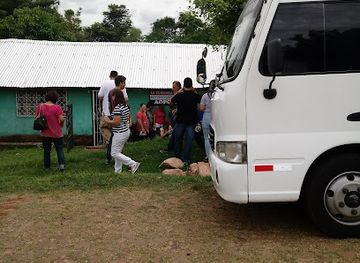
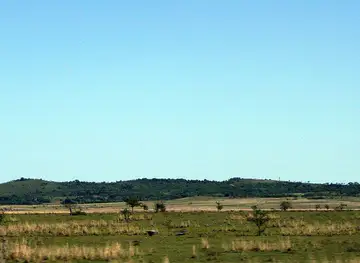
Yataity’s principal attraction is its ao po’i craft tradition, encountered through local textile sellers, family workshops and community events rather than through a large museum complex. Visitors can examine embroidered cotton garments, table linen and other pieces while learning how a regional domestic skill became the town’s defining cultural product. The compact town is set within Guairá’s agricultural countryside, where red-earth roads, cultivated fields and low wooded hills create a distinctly rural setting. Nearby Villarrica provides a useful complement, with more extensive services and access to the wider department’s cultural and historic places. The journey between settlements is part of the experience, revealing a landscape of farms, small communities and roadside commerce rather than a concentrated tourist circuit. Yataity is best approached as a living cultural destination: the people who make, sell and explain the textiles are more significant to the visit than a long list of formal sights.
-
Park
Ykua Pytã, Villarrica
Experience the tranquility of Ykua Pytã in Villarrica, a lush park perfect for leisure, family outings, and appreciating Paraguay's natural beauty.
-
Tourist attraction
Laguna Hyaty
Explore the natural beauty of Laguna Hyaty, a tranquil lagoon in Félix Pérez Cardozo, Paraguay, offering adventure, relaxation, and stunning landscapes.
-
Tourist attraction
Puente Hū, Coronel Martínez, Guairá
Discover the breathtaking views and rich cultural heritage at Puente Hú, a must-visit tourist attraction in Guairá, Paraguay.
-
 Tourist attraction
Quinta El Triunfo
Experience serenity and natural beauty at Quinta El Triunfo, the perfect getaway in Aguapety-Sub Urbano, Paraguay.


Best landmarks in Yataity
The most important landmark associated with Yataity is cultural rather than monumental: the town’s ao po’i workshops and sales points represent a living tradition that links Paraguayan cotton, Guaraní vocabulary, domestic needlework and regional identity. The surrounding red-earth countryside is another defining feature, placing the settlement within Guairá’s agricultural landscape of fields, small farms and dispersed communities. Yataity does not have a dense collection of major architectural monuments, castles or archaeological sites, so its significance lies in the continuity of its craft and the community spaces where that craft is maintained. Villarrica, outside Yataity, contains the principal urban heritage and services for the wider area, but it should be treated as a neighbouring gateway rather than as part of the town itself.
-
Playground
Quinta Don Tranqui
Discover family-friendly fun at Quinta Don Tranqui, a serene playground in Yataity, perfect for kids to play and families to relax in nature.
-
Historical landmark
Estancia La Paloma
Discover the enchanting beauty and rich history of Estancia La Paloma in Yataity, Paraguay – a hidden gem for all travelers.
-
Haunted house
Flia. Barrios Goiris
Explore Yataity's Flia. Barrios Goiris, a haunted house that reveals spine-chilling stories and supernatural encounters in the heart of Paraguay.
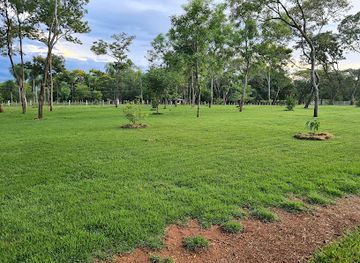
Explore Yataity on the map
Plan your trip on one map. See where the top attractions, landmarks, restaurants and hotels are, and book hotels and experiences in a few clicks.
Best hotels in Yataity
Best restaurants in Yataity
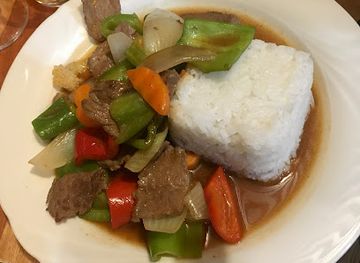
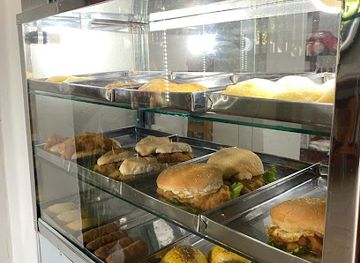
Yataity has a modest dining scene, with food options more likely to be found in local eateries, family-run establishments and small shops than in a dedicated restaurant quarter. For a wider choice, visitors generally use Villarrica, where Paraguayan staples and everyday Guairá cooking are easier to find. Regional meals may include dishes based on maize, cassava, cheese, meat and locally produced vegetables, alongside tereré, the cold herbal infusion closely associated with Paraguayan social life. Travellers should not expect a large concentration of cafés or restaurants beside artisan workshops, and a rural itinerary may require planning meals around the opening arrangements of local businesses. Asking residents or accommodation hosts for current recommendations is more reliable than relying on assumptions about fixed tourist facilities.
-
Restaurant
Cocina Tailandesa
Experience authentic Thai flavors at Cocina Tailandesa in Mbocayaty—where culinary tradition meets vibrant ambiance.
-
Restaurant
Ñarundia
Discover authentic Paraguayan flavors at Ñarundia in Yataity—where every dish tells a story.
-
Family-friendly
Kapi i Colonia Jorge Naville Mbocayaty Paraguay
Discover Kapi: A family-friendly restaurant in Mbocayaty offering authentic Paraguayan cuisine and a warm atmosphere perfect for all ages.
Best bars in Yataity
Yataity is not a nightlife destination and has no substantial club district or late-night entertainment infrastructure. Evening life is more likely to centre on quiet conversations, family gatherings and modest local establishments, while a broader choice of bars and evening dining can be found in Villarrica. Visitors staying in the area should expect rural nights rather than a programmed entertainment scene, with activity shaped by community events and local calendars instead of permanent performances. After dark, transport between settlements requires particular planning because countryside roads may be poorly lit and services can be limited. Cultural festivals and craft-related events may create livelier occasions at particular times, but their dates and programmes should be confirmed locally.
-
Bar
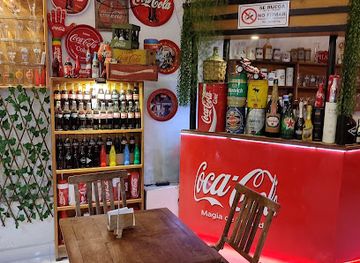
El Quincho Burgers
Experience the vibrant atmosphere and gourmet burgers at El Quincho Burgers in Mbocayaty, a top bar destination for food lovers.
-
Bar
Bar pykirỹi
Experience the vibrant culture of Paraguay at Bar Pykirỹi, a charming local bar in Yataity with delightful drinks and a welcoming atmosphere.
-
Bar
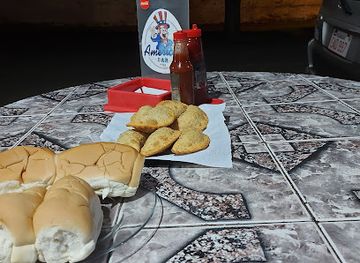
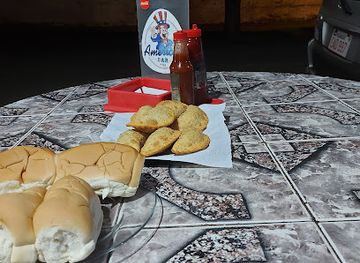
American Bar
Experience the vibrant ambiance and delightful drinks at American Bar in Yataity, a perfect stop for every traveler seeking local flavor and fun.
-
Bar
Maik's Bar & Grill
Experience the vibrant culinary scene at Maik's Bar & Grill, where local flavors meet a lively atmosphere in the heart of Mbocayaty.
Best nightclubs in Yataity
Yataity is not a nightlife destination and has no substantial club district or late-night entertainment infrastructure. Evening life is more likely to centre on quiet conversations, family gatherings and modest local establishments, while a broader choice of bars and evening dining can be found in Villarrica. Visitors staying in the area should expect rural nights rather than a programmed entertainment scene, with activity shaped by community events and local calendars instead of permanent performances. After dark, transport between settlements requires particular planning because countryside roads may be poorly lit and services can be limited. Cultural festivals and craft-related events may create livelier occasions at particular times, but their dates and programmes should be confirmed locally.
-
Bar
Bar pykirỹi
Discover the vibrant spirit of Yataity at Bar Pykirỹi, where authentic Paraguayan flavors and warm hospitality await every visitor.
-
Bar
American Bar
Experience the vibrant nightlife at American Bar in Yataity, a perfect spot for tourists seeking fun, drinks, and local culture.
-
Bar
Dalilus Bar
Discover the vibrant atmosphere of Dalilus Bar in Yataity – your go-to destination for refreshing drinks and unforgettable nightlife experiences.
-
Bar
Copetin los Amigos
Experience the vibrant nightlife at Copetin los Amigos, a lively bar in Yataity serving local drinks and fostering a friendly atmosphere.
Best shops in Yataity
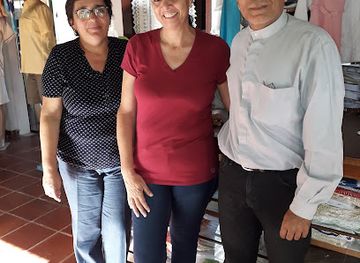
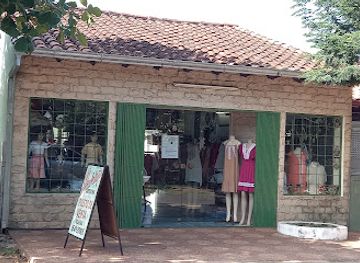
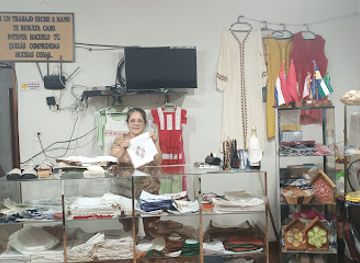
Shopping in Yataity centres on ao po’i, with locally made embroidered clothing, cotton garments, household textiles and decorative pieces forming the most meaningful purchases. The range and availability depend on individual makers, family businesses and local events rather than on a permanent commercial district. Buyers should take time to inspect the fabric and stitching, ask whether a piece is handmade locally, and learn about washing and storage before packing it for travel. Everyday provisions and a broader selection of retail goods are more readily available in Villarrica. The town’s textiles are valuable not simply as souvenirs but as products of regional knowledge and labour, making direct, respectful purchasing particularly appropriate.
-
Clothing store
Reina Artesanía
Explore Reina Artesanía in Yataity, Paraguay, where every garment and craft tells a story of local artistry and tradition, perfect for unique souvenirs.
-
Craft store
Guadalupe Artesanía
Explore the heart of Paraguayan craftsmanship at Guadalupe Artesanía, where tradition and artistry come together in exquisite handmade goods.
-
Craft store
Ña Rubi Artesania
Explore the vibrant world of handmade crafts at Ña Rubi Artesania in Yataity, where local artisans bring culture to life through their exquisite creations.
-
Craft store
CASA DE LA TEJEDORA DEL POYVI Y DEL AUTENTICO AO PO'I
Explore the rich textile heritage of Paraguay at Casa de la Tejedora del Poyvi, where artistry and tradition meet.
Get your free copy of our complete guide to Yataity, delivered straight to you.
Everything on this page, from attractions and restaurants to essentials and local phrases, in one PDF you can read offline, print or share.
Already have an account? Sign in
Your Yataity guide is ready.
We'll send it to · Not you? Sign out

Getting your guide ready…
We are putting together a fresh copy of the Yataity guide. This can take up to a minute.
This can take a few moments. If your browser asks, choose Allow so the download can start. You'll find the guide in your Downloads folder.
Nothing happened? Download it again
Sorry, the guide is taking longer than usual. Please try again in a minute, or get it by email instead.
Yataity essentials
Currency and Payment
Safety
Emergency Situations
Do's and Don'ts
Local Tips
From Eve
Local phrases worth knowing
You don't need to get them perfect. A few words go a long way, and locals appreciate the effort.
Basics
| English | Local | Say it |
|---|---|---|
| Hello | Mba'éichapa | [Mba-eh-ee-cha-pa] |
| Goodbye | Py'a reko | [Pee-ah reh-ko] |
| Yes | Ehe | [Eh-heh] |
| No | Avei | [Ah-veh-ee] |
| Please/You're welcome | Por favor | [Por fah-vor] |
| Thank you | Aguyje | [Ah-gwee-heh] |
| Excuse me/Sorry | Ñandejára | [Nyahn-deh-ha-ra] |
| How are you? | Mba'éichapa ha'e? | [Mba-eh-ee-cha-pa ha-eh] |
| Fine. And you? | Ñande pyhare. Ha'e che mba'e? | [Nyahn-deh pee-hah-reh. Ha-eh che mba-eh] |
| Do you speak English? | Inglesme'ê rehe? | [Ing-gles-meh-eh reh-heh] |
| I don't understand | Ñandejapói | [Nyahn-deh-ha-poi] |
Eating & Drinking
| English | Local | Say it |
|---|---|---|
| I'd like to see the menu, please | Menu ko'ápe ñe'ê, rovapy | [Men-oo koh-ah-peh nyeh-eh, roh-vah-pee] |
| I don't eat meat | Nyama peteî ñane | [Nyah-mah peh-teh nyah-neh] |
| Cheers! | Viva! | [Vee-vah] |
| I would like to pay, please | Mba'epota haguã ñe'ê, rovapy | [Mba-eh-po-tah hah-gwah nyeh-eh, roh-vah-pee] |
Emergencies
| English | Local | Say it |
|---|---|---|
| Help! | Tavy | [Tah-vy] |
| Go away! | Jahapý! | [Jah-hah-pee] |
| Call the Police! | Kuña pytãhë térã! | [Koo-nyah pee-tah-heh teh-rah] |
| Call a doctor! | Kuña mbarete térã! | [Koo-nyah mba-reh-teh teh-rah] |
| I'm lost | Nde reko | [Ndeh reh-ko] |
| I'm ill | Nde jepo | [Ndeh heh-poh] |
Shopping
| English | Local | Say it |
|---|---|---|
| I'd like to buy... | Mba'epota jave... | [Mba-eh-po-tah hah-veh] |
| I'm just looking | Ñande rehe | [Nyahn-deh reh-heh] |
| How much is it? | Piko ne'e? | [Pee-koh neh-eh] |
| That's too expensive | Ha'ekuéra | [Hah-eh-kweh-rah] |
| Can you lower the price? | Mba'epota he'i arakã nde pyahu? | [Mba-eh-po-tah heh-ee ah-rah-kah ndeh pyah-hoo] |
Time & Numbers
| English | Local | Say it |
|---|---|---|
| What time is it? | Mba'éichapa peteî? | [Mba-eh-ee-cha-pa peh-teh] |
| It's one o'clock | Peteî guasu | [Peh-teh-ee gwa-soo] |
| Half past (10) | Peteî guasu puku (10) | [Peh-teh-ee gwa-soo poo-koo] |
| Morning | Amanecer | [Ah-mah-neh-ser] |
| Afternoon | Tarde | [Tahr-deh] |
| Evening | Jasypuku | [Hah-seep-oo-koo] |
| Yesterday | Jajapo | [Hah-hah-poh] |
| Today | Ñandejára | [Nyahn-deh-ha-ra] |
| Tomorrow | Ñande rovapy | [Nyahn-deh roh-vah-pee] |
| 1 | Peteî | [Peh-teh] |
| 2 | Mokõi | [Moh-ko-ee] |
| 3 | Mokõi guasu | [Moh-ko-ee gwa-soo] |
| 4 | Mokoivy | [Moh-koh-ee-vy] |
| 5 | Mokõi pytã | [Moh-ko-ee pee-tah] |
| 6 | Mokõi pytã ivy | [Moh-ko-ee pee-tah ee-vy] |
| 7 | Mokõi pytã oguapy | [Moh-ko-ee pee-tah oh-gwah-pee] |
| 8 | Mokõi pytã mokõi | [Moh-ko-ee pee-tah moh-ko-ee] |
| 9 | Mokõi pytã mokõi guasu | [Moh-ko-ee pee-tah moh-ko-ee gwa-soo] |
| 10 | Puku | [Poo-koo] |
Transport & Directions
| English | Local | Say it |
|---|---|---|
| Where's a/the...? | Mba'éichapa... | [Mba-eh-ee-cha-pa] |
| What's the address? | Aka nderehe? | [Ah-kah n-deh-reh-heh] |
| Can you show me (on the map)? | Mba'epota ñe'ê (mapa ndive)? | [Mba-eh-po-tah nyeh-eh (mah-pah n-dee-veh)] |
| When's the next (bus)? | Mba'éichapa ndive (colectivo)? | [Mba-eh-ee-cha-pa n-dee-veh (coh-leh-kee-ti-vo)] |
| A ticket (to ....) | Tekéta (rógape ....) | [Teh-keh-ta roh-gah-peh] |
History of Yataity
Guairá’s Early Landscape and Settlement
Yataity developed within the historic region of Guairá, an area shaped by Indigenous Guaraní communities, colonial settlement and later agricultural expansion. The surrounding department became closely associated with small-scale farming and dispersed rural communities rather than a single dominant urban centre. As roads, local administration and market connections developed, settlements such as Yataity acquired a more defined civic identity while retaining strong links with the countryside around them.
The Growth of a Rural Community
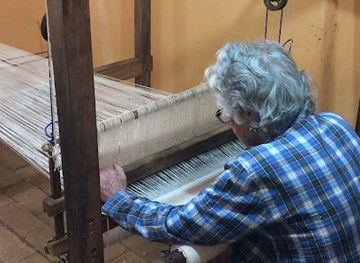
Yataity’s history is closely connected with the development of rural Guairá and its network of villages and small towns. Families cultivated the land, raised livestock and exchanged produce through nearby centres, especially Villarrica. As in many Paraguayan communities, household production was not separate from cultural life: sewing, weaving and embroidery formed part of domestic skills that could provide clothing, status and supplementary income. This background helped create the conditions in which textile work became a lasting local speciality.
Ao Po’i and Women’s Needlework
Ao po’i, whose name refers to fine or delicate cloth in Guaraní, became associated with Paraguayan cotton garments and detailed embroidery. The technique developed through domestic textile knowledge and was sustained particularly by women working in family settings. Although ao po’i is now sold throughout Paraguay, Yataity gained a distinctive reputation as a centre of production, where embroidery, whitework and decorative stitching became important expressions of local identity as well as sources of income.
Craft Heritage and Modern Recognition
During the twentieth century and into the present, Yataity’s textile tradition moved beyond purely domestic use into craft commerce, cultural displays and regional celebrations. Handmade garments and household pieces connected the town with visitors seeking Paraguayan products made outside industrial supply chains. The continuing value of ao po’i depends on maintaining technical knowledge, supporting fair local production and distinguishing carefully made work from mass-produced imitations. Yataity’s modern identity therefore rests on the relationship between rural community life, Guairá’s cultural heritage and the preservation of a living craft.
Yataity in Photos
Browse through our photo collection highlighting the charm and character of the destination.
Cities in Yataity
The towns and cities of Yataity, and the easiest places to base yourself.

Swipe for more cities
Neighbouring destination travel guides
The closest destinations to Yataity, if you have time for more than one.
-

-

-
-

-


Swipe for more destinations
Explore more
Explore more of Guairá Forest
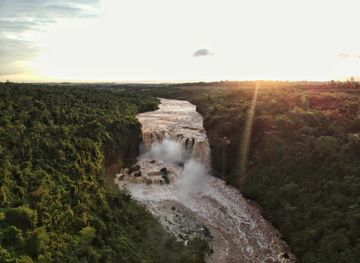
Explore the lush Guairá Forest in Paraguay, a paradise for nature lovers and adventure seekers, teeming with wildlife, ancient history, and breathtaking landscapes.
Explore Guairá Forest
Explore more of Paraguay
Discover Paraguay: A blend of history, culture, and natural beauty in the heart of South America. Visit Asunción, explore Jesuit ruins, and experience the local cuisine.
Explore Paraguay