

Free Fray Bentos Travel Guide & Mobile App
Plan your Fray Bentos trip with Evendo. Get free guides to top attractions, restaurants, hotels, and bars. Web access or download the mobile app.





Fray Bentos, Uruguay, pairs Uruguay River scenery with UNESCO-listed Anglo industrial heritage, historic streets, museums and authentic local culture for curious travellers.
A City Shaped by the Uruguay River
Fray Bentos stands on the west bank of the Uruguay River in western Uruguay, in the department of Río Negro. Its broad waterfront, leafy streets and low-rise centre give it an unhurried character, while the river connects the city to a landscape of islands, beaches, pasture and working ports. Known locally as a gateway to the region's riverside scenery, Fray Bentos is also a place where Uruguay's social and industrial history remains unusually visible.Read more about Fray Bentos
The Anglo Legacy
Riverside Life and Local Character
When is the best time to visit Fray Bentos?
Best: April, October–November · 22–25°C| Month | High (°C) | Rainfall (mm) |
|---|---|---|
| January | 32 | 120 |
| February | 31 | 110 |
| March | 28 | 100 |
| April (best) | 23 | 90 |
| May | 19 | 80 |
| June | 15 | 70 |
| July | 14 | 70 |
| August | 15 | 70 |
| September | 19 | 80 |
| October (best) | 22 | 90 |
| November (best) | 25 | 100 |
| December | 29 | 110 |
Getting to and around Fray Bentos
How to get there
Transportation
Best attractions in Fray Bentos
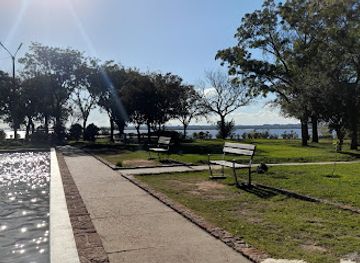
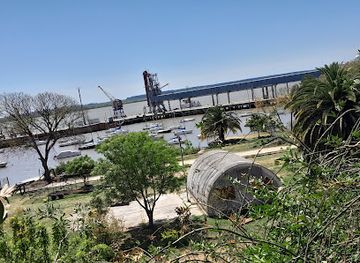
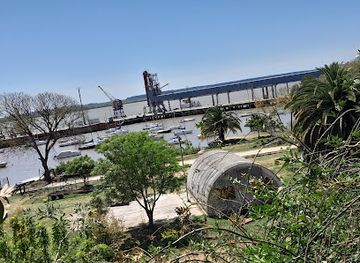
The principal attraction is the former Anglo meat-processing complex, where museums, factory buildings, machinery, warehouses and workers' facilities reveal the scale of the enterprise that once connected Fray Bentos to global food markets. The site is best understood as a complete industrial landscape rather than a single building. In the city centre, Plaza Constitución provides a calm starting point for seeing civic architecture, local daily life and the street plan of the historic town. The Rambla Costanera follows the Uruguay River and offers open views, breezes and a pleasant setting for an evening walk, while nearby riverside spaces give a sense of the city's relationship with water and pasture. Smaller cultural and heritage points around the centre reward unhurried exploration, particularly when combined with local cafés and shops. Visitors interested in regional history can also use Fray Bentos as a base for exploring the wider Río Negro countryside, while remembering that rural sites and neighbouring towns lie beyond the city itself.
-
Park
Plaza Constitución
Discover the vibrant Plaza Constitución in Fray Bentos, a perfect blend of nature, culture, and local charm in Uruguay.
10 min walk · 0.8 km from city centre
-
Park
Roosevelt Park
Discover the tranquility of Roosevelt Park in Fray Bentos, a serene escape filled with lush greenery and historical charm.
15 min walk · 1.2 km from city centre
-
Tourist attraction
Rambla Fray Bentos
Discover the scenic beauty and vibrant culture at Rambla Fray Bentos, a picturesque waterfront promenade in Uruguay's heart.
16 min walk · 1.3 km from city centre
-
Performing arts theater
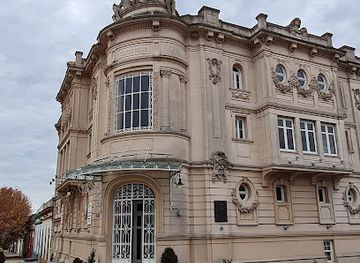
Teatro Miguel Young
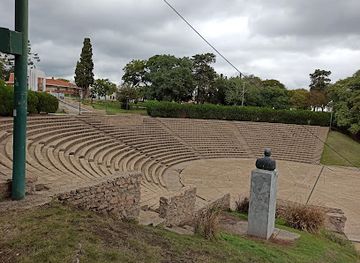
Discover the captivating performances at Teatro Miguel Young, a cultural hub in Fray Bentos, Uruguay, showcasing local artistry and vibrant entertainment.
10 min walk · 0.8 km from city centre


Best landmarks in Fray Bentos
The most significant landmark is the former Anglo meatpacking complex, whose industrial buildings, chimneys, workshops, warehouses and associated housing form a rare surviving landscape of the international meat industry. Its importance lies in the relationship between architecture, machinery, labour and river commerce rather than in a single monumental façade. In the centre, Plaza Constitución is the city's principal civic square and a useful setting for observing the scale and layout of Fray Bentos's public architecture. Parish and civic buildings around the central area reflect the town's development as a nineteenth-century community, while the Rambla Costanera expresses its continuing relationship with the Uruguay River rather than a formal architectural style. The historic bridge corridor towards Argentina is also significant to the region's transport geography, though the international crossing lies outside the urban centre and is governed by border controls.
-
Park
Roosevelt Park
Discover the serene beauty of Roosevelt Park in Fray Bentos, a perfect escape into nature with lush greenery and tranquil settings.
15 min walk · 1.2 km from city centre
-
Tourist attraction
Rambla Fray Bentos
Experience the charm of Rambla Fray Bentos, a beautiful waterfront promenade offering stunning river views and a vibrant local atmosphere.
16 min walk · 1.3 km from city centre
-
Restaurant
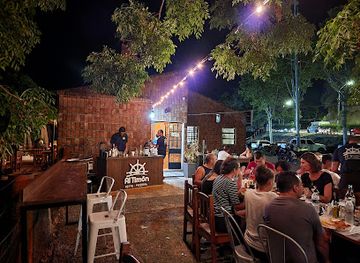
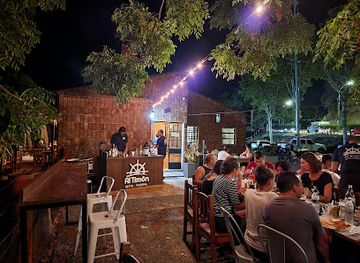
Resto Pizzería Al Timón
Discover the best pizza and traditional Uruguayan cuisine at Resto Pizzería Al Timón in Fray Bentos.
16 min walk · 1.3 km from city centre
-
Performing arts theater
Teatro Miguel Young
Discover the enchanting performances at Teatro Miguel Young, the heart of Fray Bentos' vibrant cultural scene, where art and community come alive.
10 min walk · 0.8 km from city centre

Explore Fray Bentos on the map
Plan your Fray Bentos trip on one map. See where the top attractions, landmarks, restaurants, bars and hotels are, find what's near where you're staying, and book hotels and experiences in a few clicks.
Best hotels in Fray Bentos
Best restaurants in Fray Bentos
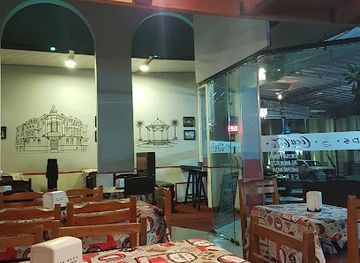
Fray Bentos's food culture reflects the cattle country of western Uruguay, with grilled beef, asado, milanesas, chivitos and empanadas appearing alongside familiar regional staples. The former meat industry is part of the city's historical identity, but contemporary dining is not limited to industrial nostalgia: family-run restaurants, simple parrillas, cafés and bakeries serve everyday Uruguayan food in an easy-going setting. Mate is a visible part of local life, while sweets, pastries and sandwiches suit travellers looking for a quick stop between heritage visits. The Uruguay River adds a regional dimension, although fish dishes are less defining than the broader traditions of beef, pasta and grilled food found across the country. Central streets around the main square provide the greatest concentration of casual dining and refreshments, while visitors should expect a smaller and more locally oriented scene than in Montevideo or Punta del Este.
-
Restaurant
Resto Pizzería Al Timón
Experience the best pizza in Fray Bentos at Resto Pizzería Al Timón – where flavor meets tradition.
16 min walk · 1.3 km from city centre
-
Restaurant
Tabacana Resto Bar
Discover exquisite flavors at Tabacana Resto Bar in Fray Bentos - where culinary art meets vibrant nightlife.
5 min walk · 0.4 km from city centre
-
Restaurant
Friends
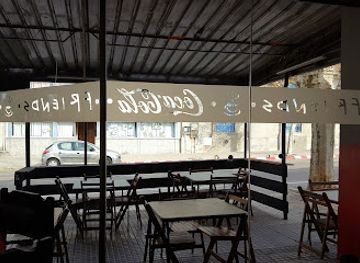
Discover authentic Uruguayan cuisine at Friends Restaurant in Fray Bentos – where flavor meets tradition in every dish.
9 min walk · 0.7 km from city centre
-
Fast Food
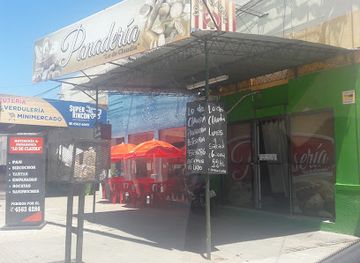
Lo de Claudia
Discover authentic fast food at Lo de Claudia in Fray Bentos - where local flavors meet convenience in every bite.
6 min walk · 0.5 km from city centre

Best bars in Fray Bentos
Fray Bentos has a modest, social evening scene rather than a large club circuit. After work and at weekends, locals gather in cafés, bars and restaurants around the central streets for conversation, beer, wine, coffee and familiar Uruguayan food. The rambla can be appealing before or after dinner, particularly when the river is illuminated by the fading light, although it is quieter and less commercially active than the centre. Entertainment is often seasonal and community-oriented, with local celebrations, cultural programming and social events supplementing ordinary nightlife. Visitors should not expect a dense concentration of late-night venues or a major electronic-music scene; evening activity is generally relaxed, dispersed and shaped by local schedules. Checking current listings locally is more dependable than relying on assumptions about opening hours, especially outside weekends and summer periods.
-
Restaurant
Resto Pizzería Al Timón
Discover the taste of Fray Bentos at Resto Pizzería Al Timón, where delicious pizzas meet local flavors in a welcoming atmosphere.
16 min walk · 1.3 km from city centre
-
Restaurant
Tabacana Resto Bar
Discover the flavors of Uruguay at Tabacana Resto Bar in Fray Bentos, where good food meets a vibrant atmosphere.
5 min walk · 0.4 km from city centre
-
Restaurant
Friends
Discover the culinary charm of Friends Restaurant in Fray Bentos, where local flavors and international dishes come together in a delightful dining experience.
9 min walk · 0.7 km from city centre
-
Restaurant
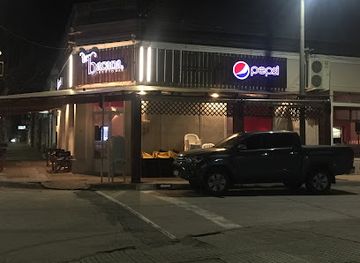
Liebig's Bar Y Pizzeria Lo De Billy
Experience the vibrant dining scene at Liebig's Bar Y Pizzeria Lo De Billy in Fray Bentos, where delicious pizzas and local flavors await.
12 min walk · 1.0 km from city centre
Best nightclubs in Fray Bentos
Fray Bentos has a modest, social evening scene rather than a large club circuit. After work and at weekends, locals gather in cafés, bars and restaurants around the central streets for conversation, beer, wine, coffee and familiar Uruguayan food. The rambla can be appealing before or after dinner, particularly when the river is illuminated by the fading light, although it is quieter and less commercially active than the centre. Entertainment is often seasonal and community-oriented, with local celebrations, cultural programming and social events supplementing ordinary nightlife. Visitors should not expect a dense concentration of late-night venues or a major electronic-music scene; evening activity is generally relaxed, dispersed and shaped by local schedules. Checking current listings locally is more dependable than relying on assumptions about opening hours, especially outside weekends and summer periods.
-
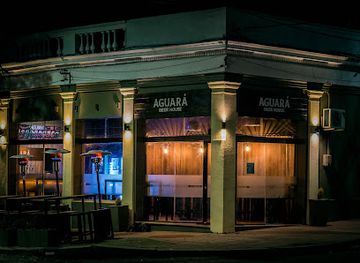
Brewpub
Aguará - Beer House - Fray Bentos
Experience the heart of Fray Bentos at Aguará, where craft beer and vibrant atmosphere create unforgettable moments.
12 min walk · 1.0 km from city centre
-
Bar
WHYSKERIA LA MIEL, La Esquina mas Dulce
Experience the sweetness of life at WHYSKERIA LA MIEL, the must-visit bar in Fray Bentos, where delectable treats and refreshing drinks await.
12 min walk · 1.0 km from city centre
-
Lounge
Salon COVIJO
Discover the charm of Salon COVIJO in Fray Bentos, the perfect lounge for experiencing local culture and relaxation.
7 min drive · 2.3 km from city centre
-
Disco club
Crazy Disco
Dive into the exhilarating nightlife of Crazy Disco in Fray Bentos, where music, dance, and vibrant energy come together for an unforgettable experience.
4 min walk · 0.3 km from city centre



Best shops in Fray Bentos
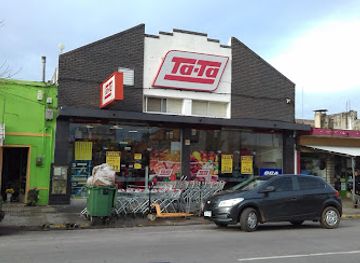
Shopping in Fray Bentos is centred on practical local commerce rather than large-scale retail or luxury districts. The streets around the central square contain supermarkets, pharmacies, clothing shops, cafés and small independent businesses, providing a useful window into everyday life in western Uruguay. Visitors may find locally made food products, mate accessories, leather goods, textiles and modest craft items, although availability varies between shops and seasons. Regional specialities and packaged foods can be sourced from supermarkets and delis, while small markets and community fairs, when operating, offer a more informal selection of produce and handmade goods. The city is not primarily a shopping destination, and the former Anglo complex is more important for heritage than retail, but its industrial history can inform interest in local food traditions and souvenirs connected with Río Negro. Carrying pesos remains useful for smaller purchases.
-
Underwear store
Pimenton Fray Bentos
Explore stylish underwear and exceptional customer service at Pimenton Fray Bentos, a unique shopping destination in Uruguay's charming town.
10 min walk · 0.8 km from city centre
-
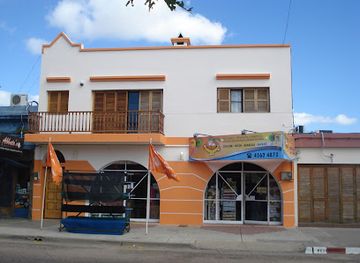
Store
Casa Naranja
Discover the vibrant local culture at Casa Naranja, a must-visit store in Fray Bentos offering unique crafts and culinary delights.
9 min walk · 0.7 km from city centre
-
Clothing store
Urban Haus Fray Bentos
Discover stylish clothing and local fashion trends at Urban Haus Fray Bentos, a must-visit boutique in Uruguay's Río Negro department.
3 min walk · 0.2 km from city centre
-
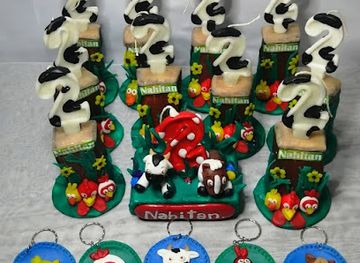
Handicraft
Sekai Creaciones
Discover unique handicrafts and anime treasures at Sekai Creaciones in Fray Bentos, where local artistry meets vibrant culture.
8 min walk · 0.7 km from city centre

Get your free copy of our complete guide to Fray Bentos, delivered straight to you.
Everything on this page, from attractions and restaurants to essentials and local phrases, in one PDF you can read offline, print or share.
Already have an account? Sign in
Your Fray Bentos guide is ready.
We'll send it to · Not you? Sign out

Getting your guide ready…
We are putting together a fresh copy of the Fray Bentos guide. This can take up to a minute.
This can take a few moments. If your browser asks, choose Allow so the download can start. You'll find the guide in your Downloads folder.
Nothing happened? Download it again
Sorry, the guide is taking longer than usual. Please try again in a minute, or get it by email instead.
Fray Bentos essentials
Currency and Payment
Safety
Emergency Situations
Do's and Don'ts
Local Tips
From Eve
Local phrases worth knowing
You don't need to get them perfect. A few words go a long way, and locals appreciate the effort.
Basics
| English | Local | Say it |
|---|---|---|
| Hello | Hola | [oh-lah] |
| Goodbye | Adios | [ah-dee-ohs] |
| Yes | Si | [see] |
| No | No | [noh] |
| Please/You're welcome | Por favor/De nada | [por fah-vor/de nah-dah] |
| Thank you | Gracias | [grah-see-ahs] |
| Excuse me/Sorry | Perdon/Disculpa | [pair-dohn/dees-kool-pah] |
| How are you? | ¿Cómo estás? | [koh-moh ehs-tahs] |
| Fine. And you? | Bien. ¿Y tú? | [bee-ehn. ee too] |
| Do you speak English? | ¿Hablas inglés? | [ah-blahs een-glays] |
| I don't understand | No entiendo | [noh ehn-tee-ehn-doh] |
Eating & Drinking
| English | Local | Say it |
|---|---|---|
| I'd like to see the menu, please | Me gustaría ver el menú, por favor | [may goo-stah-ree-ah vehr ehl meh-noo, pour fah-vor] |
| I don't eat meat | No como carne | [noh koh-moh kahr-neh] |
| Cheers! | ¡Salud! | [sah-loohd] |
| I would like to pay, please | Me gustaría pagar, por favor | [may goo-stah-ree-ah pah-gar, pour fah-vor] |
Emergencies
| English | Local | Say it |
|---|---|---|
| Help! | ¡Ayuda! | [ah-yoo-dah] |
| Go away! | ¡Vete! | [veh-teh] |
| Call the Police! | ¡Llama a la policía! | [yah-mah ah lah poh-lee-see-ah] |
| Call a doctor! | ¡Llama a un doctor! | [yah-mah ah oon dohk-tohr] |
| I'm lost | Estoy perdido | [ehs-toy pehr-dee-doh] |
| I'm ill | Estoy enfermo | [ehs-toy ehn-fehr-moh] |
Shopping
| English | Local | Say it |
|---|---|---|
| I'd like to buy... | Me gustaría comprar... | [may goo-stah-ree-ah kohm-prar] |
| I'm just looking | Solo estoy mirando | [soh-loh ehs-toy mee-rahn-doh] |
| How much is it? | ¿Cuánto cuesta? | [kwan-to kway-stah] |
| That's too expensive | Esto es demasiado caro | [ehs-toh ehs de-mah-see-ah-doh kah-roh] |
| Can you lower the price? | ¿Puedes bajar el precio? | [pway-dehs bah-har ehl pree-syoh] |
Time & Numbers
| English | Local | Say it |
|---|---|---|
| What time is it? | ¿Qué hora es? | [keh oh-rah ehs] |
| It's one o'clock | Es la una | [ehs lah oo-nah] |
| Half past (10) | Y media (10) | [ee meh-dee-ah (diez)] |
| Morning | Mañana | [mah-nyah-nah] |
| Afternoon | Tarde | [tahr-deh] |
| Evening | Noche | [noh-cheh] |
| Yesterday | Ayer | [ah-yehr] |
| Today | Hoy | [oy] |
| Tomorrow | Mañana | [mah-nyah-nah] |
| 1 | Uno | [oo-noh] |
| 2 | Dos | [dohs] |
| 3 | Tres | [trehs] |
| 4 | Cuatro | [kooah-troh] |
| 5 | Cinco | [seen-koh] |
| 6 | Seis | [says] |
| 7 | Siete | [syeh-teh] |
| 8 | Ocho | [oh-choh] |
| 9 | Nueve | [nweh-veh] |
| 10 | Diez | [dyehs] |
Transport & Directions
| English | Local | Say it |
|---|---|---|
| Where's a/the...? | ¿Dónde está...? | [dohn-deh ehs-tah] |
| What's the address? | ¿Cuál es la dirección? | [kwal ehs lah dee-rek-syon] |
| Can you show me (on the map)? | ¿Puedes mostrarme (en el mapa)? | [pway-dehs mohs-trar-meh (ehn ehl mah-pah)] |
| When's the next (bus)? | ¿Cuándo es el próximo (autobús)? | [kwan-doh ehs ehl proh-ksy-moh (ow-toh-booce)] |
| A ticket (to ....) | Un boleto (a ...) | [oon boh-leh-toh (ah ...)] |
History of Fray Bentos
From River Settlement to Villa Independencia
The settlement that became Fray Bentos developed beside the Uruguay River in a region long used by Indigenous peoples and later shaped by Spanish colonial expansion, ranching and river commerce. Its name is generally associated with a Franciscan friar, although the precise origin is not entirely settled. In the nineteenth century, the settlement was formally established as Villa Independencia in 1859, reflecting the creation of a more defined civic community on the river's western bank. Its position gave it access to waterways, pasture and the expanding commercial networks of the Río de la Plata. The town subsequently became known as Fray Bentos, and its central streets and public institutions grew as agriculture and river-based trade strengthened the surrounding department of Río Negro.
The Liebig Company Arrives
A decisive transformation began in 1865, when the Liebig's Extract of Meat Company established a large processing plant near Fray Bentos. The factory produced concentrated meat extract and later preserved meat for international markets, using cattle from the surrounding pastoral economy. Its location combined access to livestock, river transport and overseas trade, making the site an important node in a global food industry. The company built not only industrial structures but also housing, workshops, stores and social facilities, creating a company settlement whose rhythms influenced employment, migration and family life. Fray Bentos consequently became linked to European capital, international commerce and the changing technologies of nineteenth-century food preservation.
A Global Meatpacking Centre
During the late nineteenth and early twentieth centuries, the factory complex expanded and connected Fray Bentos to consumers far beyond Uruguay. Its products included meat extract and preserved beef, commodities that became particularly important to military provisioning and long-distance travel. The site brought together slaughtering, processing, refrigeration, packaging, engineering and administration, while workers arrived from varied backgrounds. In 1924 the Anglo Meatpacking Company acquired the operation, and the complex became widely known as the Anglo plant. Its buildings, machinery and workers' facilities embodied an industrial model in which production and community life were closely interdependent. The prosperity generated by the plant left a lasting mark on Fray Bentos's population, urban development and collective memory.
Decline of the Anglo Plant
The industrial system that had sustained the complex weakened during the twentieth century as international food production changed, competition increased and the economics of large-scale meat processing shifted. The Anglo operation eventually closed in 1979, ending more than a century of continuous association between the site and industrial meat production. Closure affected employment and the wider local economy, but the surviving buildings preserved an unusually complete record of the enterprise. Rather than being erased or replaced, much of the complex remained legible as a landscape of factories, warehouses, offices, housing and communal facilities. Its abandonment therefore became the starting point for conservation and a new interpretation of Fray Bentos's industrial past.
Industrial Heritage Recognised
The former factory and its associated settlement were conserved as the Anglo Meatpacking Industry Landscape, presenting the relationship between industrial technology, river transport, livestock production and social organisation. In 2015 UNESCO inscribed the Fray Bentos Industrial Landscape on the World Heritage List, recognising its testimony to the global meat-processing industry and the movement of food technologies and labour across continents. Today, the site functions as a museum and heritage area, where machinery, buildings and documentary interpretation illuminate the lives of workers as well as the commercial ambitions of the companies. The designation has given Fray Bentos an international historical profile while keeping its industrial story connected to the city's living community.
Fray Bentos in Photos
Browse through our photo collection highlighting the charm and character of the destination.
Cities near Fray Bentos
The closest cities to Fray Bentos, if you have time for more than one stop.
-

-

-

-

-


Swipe for more cities
Explore more

Explore more of Uruguay
Discover Uruguay: Rich culture, stunning beaches, and a warm, welcoming atmosphere await in this hidden gem of South America.
Explore Uruguay