

Free Anthracite Coal Region Travel Guide & Mobile App
Explore Anthracite Coal Region with free travel guides. Discover regional history, expert tips, proposed trips, and audio guides on web or mobile app.


Explore Pennsylvania’s Anthracite Coal Region for mining heritage, railway museums, mountain towns, river valleys and distinctive immigrant food traditions.
Getting to and around Anthracite Coal Region
How to get there
Transportation
Best attractions in Anthracite Coal Region
The Anthracite Coal Region’s attractions are rooted in the relationship between industry, community and mountain landscape. In Scranton, the Lackawanna Coal Mine Tour takes visitors underground in a former mine, while the Anthracite Heritage Museum and railway collections explain the work, migration and transport systems that shaped the city. The No. 9 Coal Mine and Museum in Lansford and Pioneer Tunnel in Ashland offer further interpretations of underground extraction. Eckley Miners’ Village preserves the layout and buildings of a company mining settlement, giving unusual insight into domestic as well as industrial history. Pottsville adds brewing and civic heritage, while Jim Thorpe provides access to historic streets, the Lehigh Gorge and nearby cycling and walking routes. Around the region, former rail corridors, forested ridges, reservoirs and river valleys support hiking, fishing, paddling and seasonal scenic drives. The appeal lies less in a single blockbuster sight than in the way museums, towns, landscapes and surviving industrial structures form a coherent regional story.
-
Tourist attraction
Lehigh Gorge Scenic Railway: Trademark of the Reading & Northern Railroad
Explore the breathtaking beauty of Pennsylvania aboard the Lehigh Gorge Scenic Railway, a scenic train ride through stunning landscapes.
-
State park
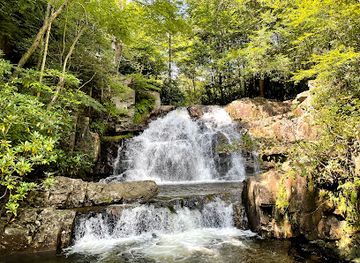
Hickory Run State Park
Explore Hickory Run State Park, a stunning natural retreat in Pennsylvania featuring hiking, picnicking, and unique geological wonders for outdoor enthusiasts.
-
State park
Lehigh Gorge State Park - Rockport Access
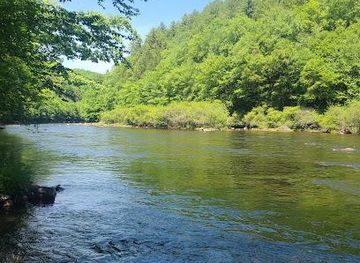
Explore the breathtaking landscapes and outdoor adventures at Lehigh Gorge State Park, a natural treasure in Pennsylvania's heart.
-
State park
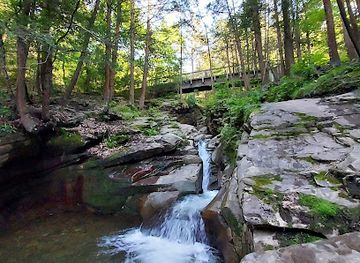
Seven Tubs Recreation Area - Pinchot Forest District
Explore the captivating beauty of Seven Tubs Recreation Area, a state park featuring stunning waterfalls, lush trails, and unique geological formations.
Best landmarks in Anthracite Coal Region
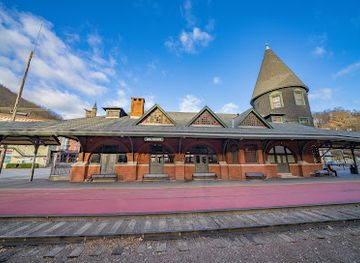
The region’s most meaningful landmarks are often industrial or civic structures rather than grand estates. The former Lackawanna Iron and Coal Company landscape in Scranton, including surviving railway and industrial heritage, reflects the city’s rise as a transport and manufacturing centre. The mining structures and settlement buildings preserved at Eckley Miners’ Village show the physical organisation of a company town, while the No. 9 mine workings at Lansford and Pioneer Tunnel at Ashland represent different approaches to interpreting the underground world. Pottsville’s historic centre and the Yuengling brewery complex embody the connection between town, brewing and industrial enterprise. Jim Thorpe’s Victorian streetscape occupies a narrow valley framed by the eastern Pennsylvania mountains, and the Lehigh Gorge provides a natural landmark shaped by the same transport history that carried coal. Across the region, churches, miners’ monuments, railway bridges, spoil banks and cemeteries give individual towns a visible record of migration, labour and loss.
-
Scenic spot
Grandview Overlook
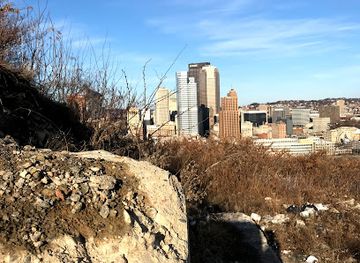
Discover stunning panoramic views of Pittsburgh's skyline and rivers at Grandview Overlook, a scenic gem atop Mount Washington.
-
Tourist attraction
Lehigh Gorge Scenic Railway: Trademark of the Reading & Northern Railroad
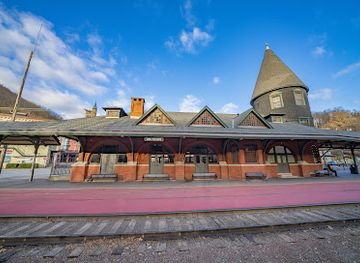
Discover breathtaking views and rich history aboard the Lehigh Gorge Scenic Railway in beautiful Jim Thorpe, Pennsylvania.
-
Heritage railroad
Strasburg Rail Road
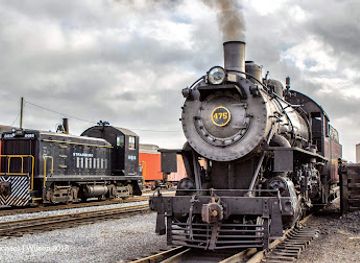
Discover the magic of steam travel at Strasburg Rail Road, where history, scenic beauty, and family fun come together in Pennsylvania.
-
Park
Nay Aug Park
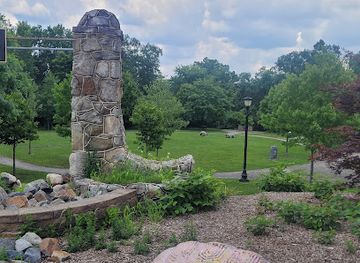
Discover the natural beauty of Nay Aug Park, Scranton's urban oasis featuring trails, a treehouse, and recreational activities for the whole family.
Explore Anthracite Coal Region on the map
Plan your trip on one map. See where the top cities, national parks and sights are, and book hotels and experiences in a few clicks.
Best hotels in Anthracite Coal Region
Best restaurants in Anthracite Coal Region
Dining in the Anthracite Coal Region reflects the successive immigrant communities that supplied its mines and built its towns. Pierogi, halupki, kielbasa, potato pancakes and other eastern European-influenced dishes appear in family restaurants, church suppers and community events, while Pennsylvania Dutch baking contributes shoofly pie, apple desserts, breads and seasonal pastries. Scranton, Wilkes-Barre, Pottsville and Jim Thorpe offer the broadest choice of contemporary restaurants, cafés, breweries and independent bakeries, with rural taverns and traditional diners remaining important elsewhere. Local menus also draw on wider American and Pennsylvania traditions rather than following one fixed coal-region cuisine. Farmers’ markets and farm shops can provide produce, preserves, baked goods and regional meats, particularly in the warmer months. Visitors should distinguish genuinely local dishes from general American fare, and ask about daily specials at long-established family-run establishments.
-
Brazilian
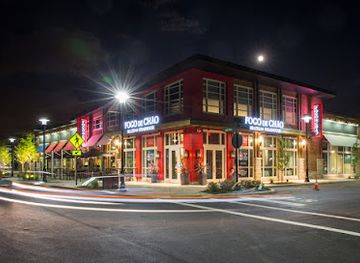
Fogo de Chão Brazilian Steakhouse
Discover the essence of Brazilian cuisine at Fogo de Chão Steakhouse—an exquisite dining destination in King of Prussia.
-
Family-friendly
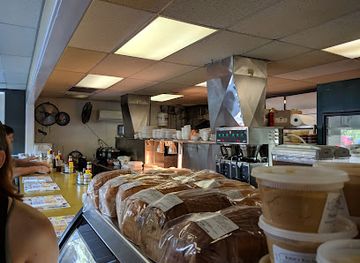
Katie's Kitchen
Experience family-friendly dining at Katie's Kitchen in Ronks - savor American classics & Pennsylvania Dutch specialties in a cozy atmosphere.
-
American
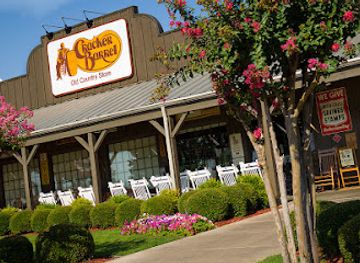
Cracker Barrel Old Country Store
Discover delicious Southern comfort food at Cracker Barrel Old Country Store in Bloomsburg – perfect for families and travelers alike.
-
Brunch
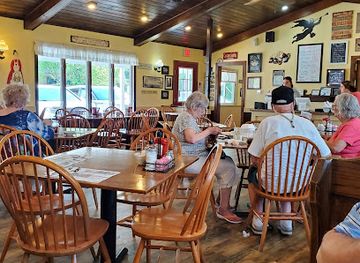
Brown's Country Kitchen
Discover authentic home-cooked brunch delights at Brown's Country Kitchen in Portersville – where every meal feels like Sunday morning.
Best bars in Anthracite Coal Region
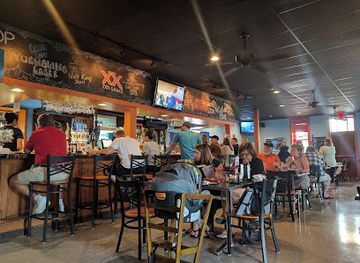
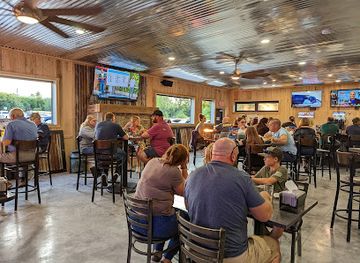
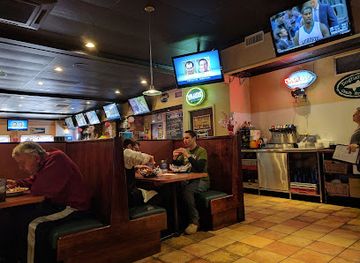
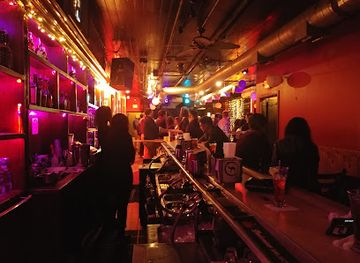
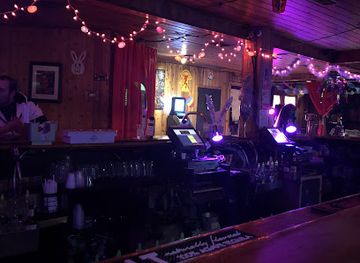
Evening life is largely centred on traditional pubs, taverns, restaurants, breweries and live music rather than a large, unified nightclub scene. Scranton and Wilkes-Barre have the widest selection of bars, entertainment venues and late-evening dining, with a youthful element connected to local colleges and universities. Pottsville’s brewing heritage is reflected in its drinking culture, while Jim Thorpe combines restaurants, historic inns and occasional live entertainment in a compact mountain setting. Smaller communities tend to favour neighbourhood taverns, social clubs and seasonal events, and some venues are quiet rather than late-running. Travellers should check current arrangements locally, as opening patterns and entertainment programmes change. Alcohol is not necessary to experience the region’s evening culture: theatre, music, walking through historic centres and dining are equally established options.
-
Grill
Westy Bar & Grill
Discover the best burgers and a welcoming atmosphere at Westy Bar & Grill in Hamburg, PA, perfect for food lovers and families.
-
American
Anthracite Cafe'
Experience the heart of American dining at Anthracite Cafe', where comfort food meets a lively bar atmosphere in Wilkes-Barre.
-
Sports bar
Brewser’s Sports Grille
Discover the ultimate sports bar experience at Brewser’s Sports Grille, where delicious food meets the excitement of game day in Coal Township.
-
Brewpub
1787 Brewing Company
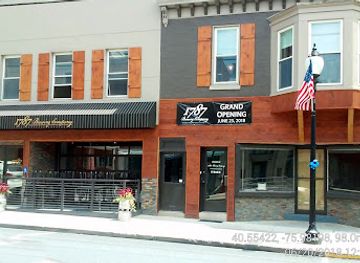
Discover local flavors and craft brews at 1787 Brewing Company, Hamburg's premier brewpub for food and beer lovers.
Best nightclubs in Anthracite Coal Region
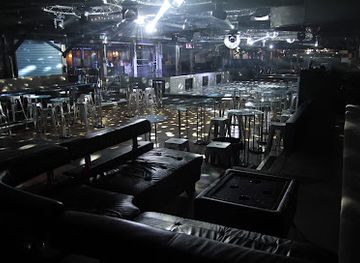
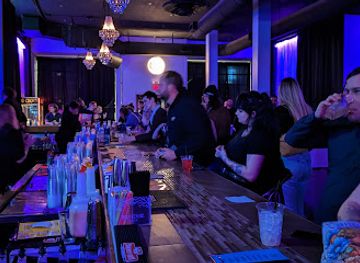
Evening life is largely centred on traditional pubs, taverns, restaurants, breweries and live music rather than a large, unified nightclub scene. Scranton and Wilkes-Barre have the widest selection of bars, entertainment venues and late-evening dining, with a youthful element connected to local colleges and universities. Pottsville’s brewing heritage is reflected in its drinking culture, while Jim Thorpe combines restaurants, historic inns and occasional live entertainment in a compact mountain setting. Smaller communities tend to favour neighbourhood taverns, social clubs and seasonal events, and some venues are quiet rather than late-running. Travellers should check current arrangements locally, as opening patterns and entertainment programmes change. Alcohol is not necessary to experience the region’s evening culture: theatre, music, walking through historic centres and dining are equally established options.
-
Night club
Brasil's Nightclub
Dive into the vibrant nightlife of Philadelphia at Brasil's Nightclub, where music, dance, and unforgettable experiences await.
-
Gay bar
Heat Bar & Night Club
Experience the vibrant nightlife at Heat Bar & Night Club in Wilkes-Barre, PA, a welcoming hub for fun, diversity, and unforgettable entertainment.
-
Night club
MainGate Nightclub
Discover the vibrant nightlife of Allentown at MainGate Nightclub, where music, dancing, and good times await every weekend.
-
Night club
Nocturnal
Nocturnal in Harrisburg: the ultimate destination for dancing, games, and unforgettable nightlife experiences.
Best shops in Anthracite Coal Region
Shopping is most rewarding in the region’s historic town centres, independent bakeries, farm shops, antique stores and small galleries rather than in large luxury districts. Scranton and Wilkes-Barre provide the broadest urban retail choice, while Pottsville, Jim Thorpe, Tamaqua and smaller boroughs offer locally owned shops, books, crafts, art and vintage goods in older commercial streets. Farmers’ markets and seasonal produce stands can be good places to find Pennsylvania honey, preserves, baked goods, apples and other regional food products, although schedules vary through the year. Coal-themed souvenirs, mining books, railway memorabilia and locally produced artwork are more meaningful purchases than generic items, particularly when bought from museums or independent makers. Pottery, textiles, jewellery and woodwork may also appear in galleries and craft shops, but the selection is modest and changes frequently. Allow time for individual opening patterns, especially in small towns and outside the main visitor season.
-
Shopping mall
Coal Creek Commerce Center
Discover Coal Creek Commerce Center: A premier shopping destination in St. Clair, PA, offering diverse stores, dining, and entertainment options.
-
Department store
Walmart Supercenter
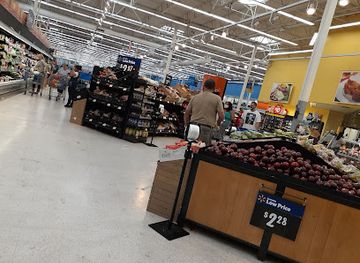
Discover everything you need at Walmart Supercenter in Coal Township, Pennsylvania, from groceries to electronics in one convenient location.
-
Book store
Barnes & Noble
Explore a world of literature in Wilkes-Barre Township at Barnes & Noble, where books meet coffee and creativity.
-
Mine
No. 9 Coal Mine and Museum
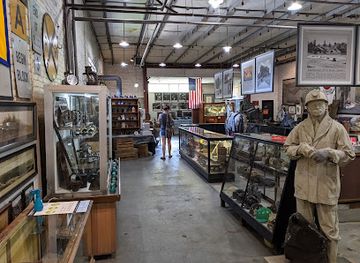
Explore the No. 9 Coal Mine and Museum, a fascinating journey into Pennsylvania's rich coal mining history and the lives of its miners.

Get your free copy of our complete guide to Anthracite Coal Region, delivered straight to you.
Everything on this page, from attractions and restaurants to essentials and local phrases, in one PDF you can read offline, print or share.
Already have an account? Sign in
Your Anthracite Coal Region guide is ready.
We'll send it to · Not you? Sign out

Getting your guide ready…
We are putting together a fresh copy of the Anthracite Coal Region guide. This can take up to a minute.
This can take a few moments. If your browser asks, choose Allow so the download can start. You'll find the guide in your Downloads folder.
Nothing happened? Download it again
Sorry, the guide is taking longer than usual. Please try again in a minute, or get it by email instead.
Anthracite Coal Region essentials
Currency and Payment
Safety
Emergency Situations
Do's and Don'ts
Local Tips
From Eve
Local phrases worth knowing
You don't need to get them perfect. A few words go a long way, and locals appreciate the effort.
Basics
| English | Local | Say it |
|---|---|---|
| Hello | Howdy | [Haw-dee] |
| Goodbye | Take care | [Tayk kayr] |
| Yes | Yup | [Yup] |
| No | Nah | [Nah] |
| Please/You're welcome | No problem | [No prob-lum] |
| Thank you | Thanks a lot | [Thangs a lot] |
| Excuse me/Sorry | Pardon me | [Pahr-dun mee] |
| How are you? | How ya doin'? | [How ya doin'?] |
| Fine. And you? | I'm good, you? | [I'm gud, ya?] |
| Do you speak English? | Ya speakin' English? | [Ya speakin' Ing-lish?] |
| I don't understand | I ain't gettin' it | [I ain't gettin' it] |
Eating & Drinking
| English | Local | Say it |
|---|---|---|
| I'd like to see the menu, please | Can I see the menu? | [Can I see thuh men-yoo?] |
| I don't eat meat | I ain't eatin' meat | [I ain't eatin' meat] |
| Cheers! | Bottoms up! | [Bah-tums up!] |
| I would like to pay, please | Can I get the check? | [Can I get thuh chek?] |
Emergencies
| English | Local | Say it |
|---|---|---|
| Help! | Help! | [Help!] |
| Go away! | Scram! | [Skram!] |
| Call the Police! | Call the cops! | [Call thuh kops!] |
| Call a doctor! | Get a doc! | [Get a dok!] |
| I'm lost | I can't find my way | [I can't find my way] |
| I'm ill | I'm not feelin' well | [I'm not feelin' wel] |
Shopping
| English | Local | Say it |
|---|---|---|
| I'd like to buy... | I wanna buy... | [I wanna buy...] |
| I'm just looking | Just browsin' | [Just brow-zin'] |
| How much is it? | What's the price? | [What's thuh pryce?] |
| That's too expensive | That's a bit pricey | [That's a bit pry-see] |
| Can you lower the price? | Can ya drop the price? | [Can ya drop thuh pryce?] |
Time & Numbers
| English | Local | Say it |
|---|---|---|
| What time is it? | What time ya got? | [What time ya got?] |
| It's one o'clock | It's one o'clock | [It's wun o'clock] |
| Half past (10) | Half past ten | [Haf past ten] |
| Morning | Mornin' | [Mornin'] |
| Afternoon | Afternoon | [Aft-ernoon] |
| Evening | Evenin' | [Evenin'] |
| Yesterday | Yest'day | [Yest'day] |
| Today | To'day | [To'day] |
| Tomorrow | To'morrow | [To'morrow] |
| 1 | One | [Wun] |
| 2 | Two | [Too] |
| 3 | Three | [Three] |
| 4 | Four | [For] |
| 5 | Five | [Fyv] |
| 6 | Six | [Siks] |
| 7 | Seven | [Sev-en] |
| 8 | Eight | [Ayt] |
| 9 | Nine | [Nyn] |
| 10 | Ten | [Ten] |
Transport & Directions
| English | Local | Say it |
|---|---|---|
| Where's a/the...? | Where's the...? | [Where's thuh...?] |
| What's the address? | What's the address? | [What's thuh ad-dress?] |
| Can you show me (on the map)? | Can ya point it out? | [Can ya point it out?] |
| When's the next (bus)? | When's the next bus? | [When's thuh next bus?] |
| A ticket (to ....) | A ticket to... | [A tik-it to...] |
History of Anthracite Coal Region
Indigenous Homelands and Early Settlement
Before industrial mining, the valleys and ridges of northeastern Pennsylvania were inhabited and used by Indigenous peoples including Lenape communities and groups associated with the Susquehannock world. Rivers, forest resources and established paths shaped movement through the area. European settlement expanded during the eighteenth century, bringing farms, mills and trading communities into valleys that would later become coalfield towns. Although the mining landscape dominates the region’s modern identity, Indigenous geography and the earlier agricultural pattern remain important foundations of its history.
Anthracite and the Early Coal Industry
Anthracite deposits were known in Pennsylvania during the colonial period, but large-scale commercial use developed in the early nineteenth century when engineers and entrepreneurs learned to transport and burn the difficult fuel more effectively. The Schuylkill, Lehigh and Wyoming coalfields became major sources for homes, ironworks, railways and urban industry. Canals, turnpikes and early railways connected mines to eastern markets, while settlements such as Pottsville, Tamaqua, Carbondale and Wilkes-Barre grew around extraction and transport.
Railways, Canals and Industrial Expansion
The anthracite economy depended on an extensive transport system. Coal companies, canal corporations and railway builders cut through mountains, constructed bridges and developed gravity railroads, inclined planes and junction towns. Scranton emerged as a major railway and industrial centre, while the valleys around Hazleton, Wilkes-Barre and the northern coalfields became densely settled. The surviving railway structures, preserved locomotives, canal remnants and engineered valleys demonstrate how thoroughly transportation reshaped northeastern Pennsylvania during the nineteenth century.
Immigration and Mining Communities
Coal mining attracted workers from Ireland, Wales, England, Germany, Italy, eastern Europe and elsewhere, adding new languages, churches, mutual-aid societies, foods and festivals to the region. Company towns often provided housing and services but also tied workers closely to employers and local stores. Ethnic neighbourhoods, Catholic and Orthodox churches, cemeteries and family traditions still reflect this migration. The region’s celebrated pierogi, halupki and other coal-country foods are part of this broader history of communities adapting older culinary traditions to industrial Pennsylvania.
The Molly Maguires and Labour Conflict
Labour relations in the nineteenth-century coalfields were frequently tense because miners faced dangerous work, company control and irregular wages. The 1870s prosecutions and executions associated with the Molly Maguires remain one of the most contested episodes in Pennsylvania mining history. The case involved alleged violence, labour resistance and the actions of private and public authorities, and historians continue to debate its interpretation. It is best encountered through museums and historic sites that explain the competing perspectives rather than reducing the story to folklore.
The 1902 Coal Strike and Reform
The United Mine Workers of America’s 1902 anthracite strike brought national attention to miners’ demands for better pay, shorter hours and recognition of collective bargaining. The prolonged dispute threatened the winter fuel supply of major American cities and was eventually settled after intervention by President Theodore Roosevelt and a specially established commission. The settlement improved conditions in important respects and marked a significant moment in the history of organised labour, although mining remained hazardous and relations between companies and workers continued to evolve.
Decline of Anthracite and Heritage Preservation
Anthracite employment declined during the twentieth century as oil, natural gas and other fuels displaced coal, while mechanisation and changing industrial geography reduced the need for labour. Mines and breakers closed, rail routes disappeared and many communities faced population loss. From the late twentieth century onwards, museums, mine tours, historic villages, railway collections and local preservation groups began interpreting this legacy. Former industrial sites now support heritage tourism, education and recreation, while the region continues to negotiate the environmental and social consequences of abandoned mines.
Anthracite Coal Region in Photos
Browse through our photo collection highlighting the charm and character of the destination.
Neighbouring regions of Anthracite Coal Region
The closest regions to Anthracite Coal Region, if you have time for more than one.
-

-

-

-

-


Swipe for more regions
Explore more

Explore more of Pennsylvania
Discover Pennsylvania: A blend of rich history, breathtaking nature, and vibrant culture awaits you in the Keystone State.
Explore Pennsylvania