

Free Great Valley Travel Guide & Mobile App
Explore Great Valley with free travel guides. Discover regional history, expert tips, proposed trips, and audio guides on web or mobile app.


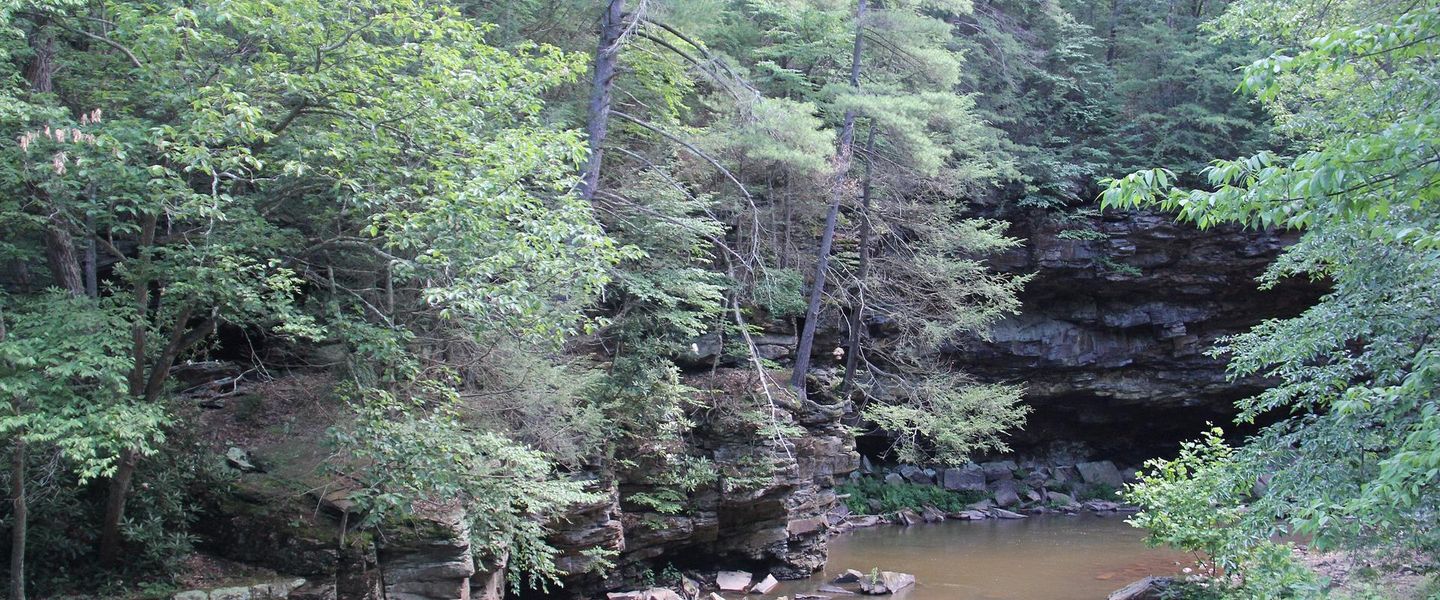


Explore Great Valley in Pennsylvania for Revolutionary history, rolling farmland, historic towns, gardens and accessible countryside near Philadelphia.
Read more about Great Valley
Getting to and around Great Valley
How to get there
Transportation
Top city travel guides in Great Valley
The cities of Great Valley, and the easiest places to base yourself.
-
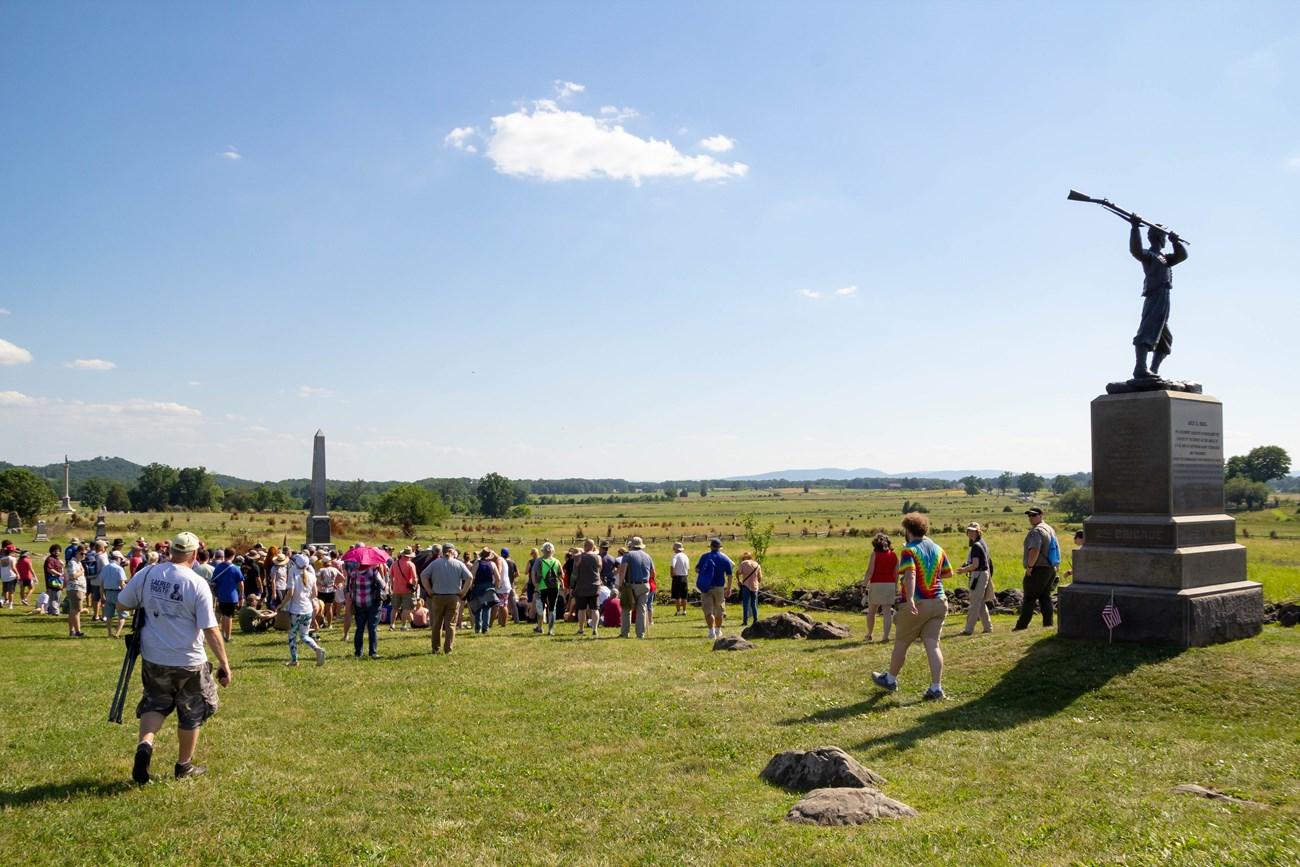 Gettysburg
, Pennsylvania, brings Civil War history to life through its battlefield, museums, historic streets, monuments and thoughtful local culture.
-
-

-


Swipe for more cities
Destinations in Great Valley
Resorts, valleys and scenic spots worth a trip of their own.
-
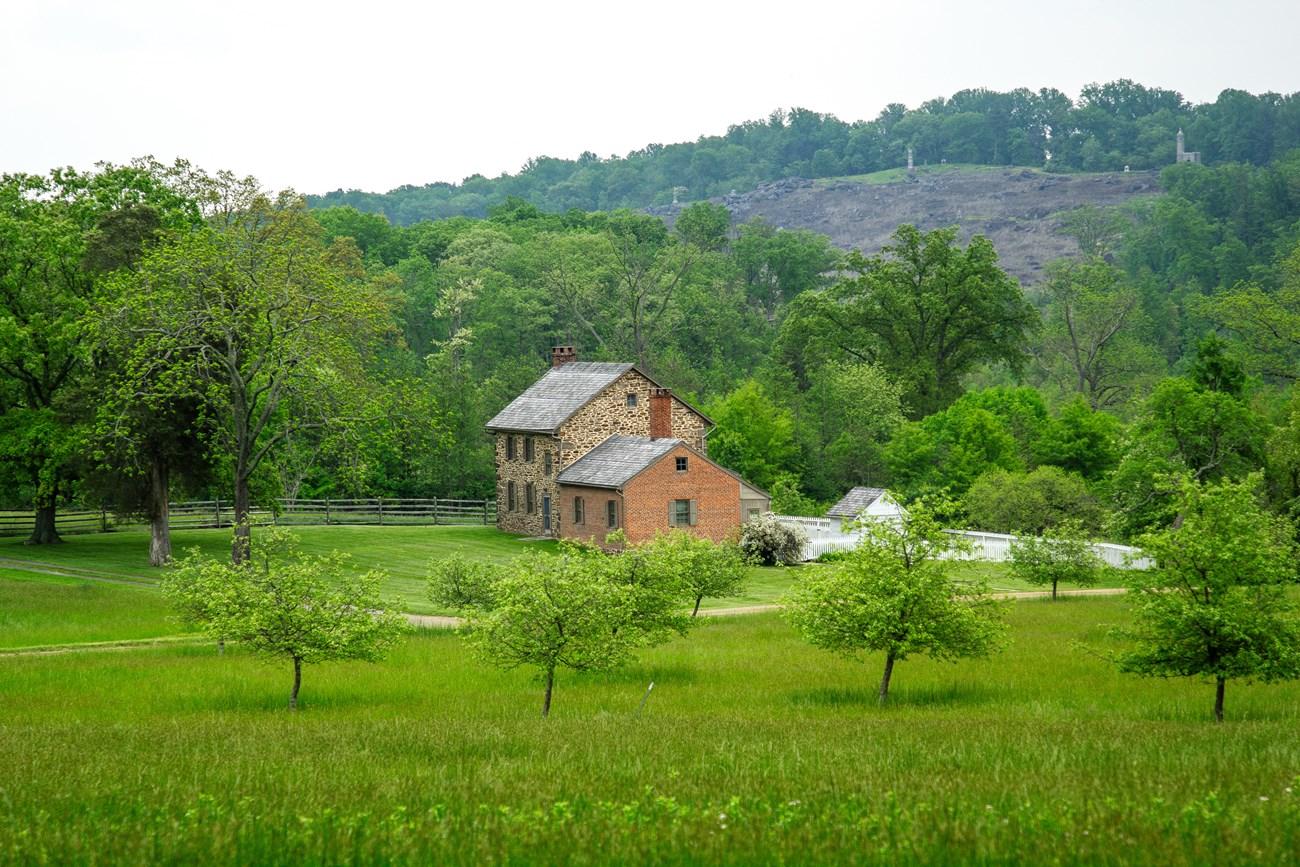 Gettysburg Battlefield
 in Pennsylvania traces the 1863 Civil War battle through monuments, historic fields, museum exhibits and guided tours near Gettysburg.
-

-


Swipe for more destinations
Best attractions in Great Valley
Great Valley’s attractions combine Revolutionary history, open countryside and the cultural resources of southeastern Pennsylvania. Valley Forge National Historical Park is the principal historic site, with reconstructed buildings, memorials, interpretive displays and a large network of roads and trails across the Continental Army’s winter encampment. Historic towns and villages along the Chester Valley add stone houses, former mills, churches and railway heritage. French Creek State Park, west of the central corridor, offers woodland, lakes, boating and walking routes, while nearby Hopewell Furnace National Historic Site explains the region’s charcoal-iron industry. The Brandywine countryside to the south contains battlefield interpretation, historic farms and a concentration of gardens and museums, including Longwood Gardens and the Brandywine Museum of Art; these are best regarded as nearby extensions of a Great Valley itinerary rather than attractions in its narrowest geographic core. Farm shops, equestrian landscapes, nurseries and seasonal produce stands provide less formal but equally characteristic ways to experience the region.
-
Amusement park
Hersheypark
Discover the excitement of Hersheypark, an amusement park that combines thrilling rides, a water park, and a zoo for an unforgettable family adventure.
-
Garden
Longwood Gardens
Discover the breathtaking beauty of Longwood Gardens, a premier botanical garden featuring stunning displays, seasonal events, and a rich array of plant collections.
-
Amusement park
Knoebels Amusement Resort
Discover the magic of Knoebels Amusement Resort, a family-owned amusement park in Elysburg, PA, offering thrilling rides, delicious food, and beautiful scenery.
-
Tourist attraction
Hershey's Chocolate World
Immerse yourself in the delightful world of chocolate at Hershey's Chocolate World, where sweet adventures await for visitors of all ages.


Best landmarks in Great Valley
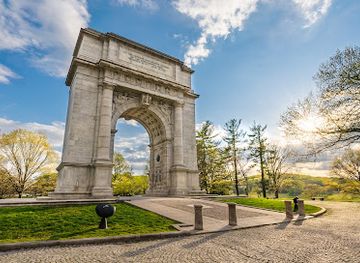
Valley Forge National Historical Park is Great Valley’s most recognisable landmark, with the National Memorial Arch, Washington’s Headquarters and preserved traces of the Continental Army’s winter encampment forming a powerful historical landscape beside the Schuylkill River. The Chester Valley’s older roads and surviving stone barns express the agricultural and Quaker-influenced settlement patterns that preceded suburban growth. In Coatesville, the Lukens Historic District and associated industrial heritage recall the city’s long connection with iron and steelmaking. South of the central valley, the Brandywine Battlefield landscape marks the 1777 Revolutionary engagement near Chadds Ford, while the covered bridges and farm buildings of southern Chester County provide visual reminders of nineteenth-century rural life. French Creek’s wooded hills and Hopewell Furnace’s stone industrial structures add natural and technological landmarks to the area’s identity. Because Great Valley is a geographic corridor rather than a formal jurisdiction, these landmarks are best understood as a connected group of places across southeastern Pennsylvania, not as monuments contained within one town.
-
Garden
Longwood Gardens
Explore the enchanting beauty of Longwood Gardens, a stunning botanical paradise in Pennsylvania, filled with vibrant landscapes and rich horticultural history.
-
Historical place
Independence National Historical Park
Explore Independence National Historical Park, where American democracy was born. Discover iconic landmarks and immerse yourself in rich history.
-
Historical landmark
Liberty Bell
Discover the Liberty Bell, a timeless symbol of freedom and independence, nestled in Philadelphia's rich historical landscape.
-
Park
Valley Forge National Historical Park
Explore the rich history and scenic beauty of Valley Forge National Historical Park, a pivotal site in the American Revolutionary War.


Explore Great Valley on the map
Plan your trip on one map. See where the top cities, national parks and sights are, and book hotels and experiences in a few clicks.
Best hotels in Great Valley
Best restaurants in Great Valley
Dining in Great Valley reflects both Chester County’s agricultural base and its close relationship with Philadelphia. In towns such as Malvern, Paoli, Exton, West Chester and Phoenixville, visitors will find contemporary American cooking, international restaurants, cafés, bakeries and practical options near business districts. Historic inns and country restaurants make use of the region’s stone-building heritage, while rural markets and farm shops offer mushrooms, apples, berries, vegetables, cheeses, baked goods and other seasonal products. The Kennett Square area, south of the central valley, is especially associated with mushroom cultivation and is a useful food excursion. Pennsylvania beer is widely represented, and local menus often combine farm produce with familiar American dishes rather than following a single Great Valley cuisine. Reservations can be useful for popular restaurants at weekends, while rural dining generally requires more planning because establishments are spread between villages and main roads.
-
American
Founding Farmers King of Prussia
Savor delicious American cuisine at Founding Farmers King of Prussia – your go-to spot for breakfast, brunch, and lunch delights.
-
New American
Seasons 52
Experience the essence of New American cuisine at Seasons 52, where fresh ingredients meet culinary artistry in King of Prussia.
-
Health Food
True Food Kitchen
Experience vibrant flavors at True Food Kitchen in King of Prussia - where health meets delicious dining with diverse culinary inspirations.
-
Fine Dining
The Capital Grille
Experience fine dining at The Capital Grille in King of Prussia with exquisite steaks and seafood paired with exceptional wines.


Best bars in Great Valley
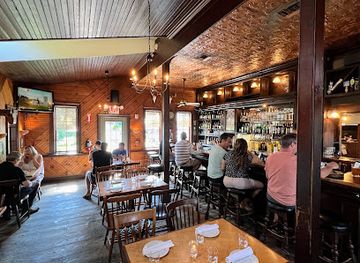
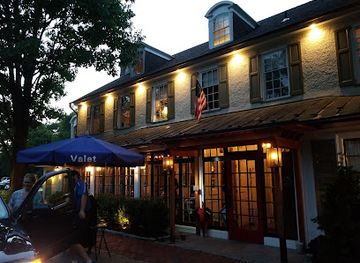
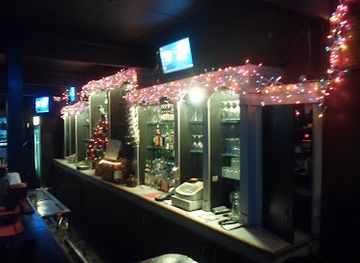
Evening life in Great Valley is centred on pubs, breweries, restaurants and live-music venues rather than a single nightclub district. Phoenixville and West Chester, at the edges of the broader corridor, have particularly active concentrations of bars and independent restaurants, while Malvern, Paoli and Exton offer a mixture of hotel bars, suburban dining and craft-beer venues. Historic inns and taverns provide a quieter setting in smaller communities, and some breweries operate taprooms where visitors can sample Pennsylvania-made beer. Nightclubs are limited compared with Philadelphia, and many rural areas become quiet after dinner. Check transport arrangements before drinking, since distances between villages can be considerable and late-night public transport is not comprehensive. Seasonal outdoor seating and occasional live performances add to the warmer-month evening scene without defining the region as a major nightlife destination.
-
Bar
The Pour House [Exton]
Discover the lively atmosphere and delicious menu at The Pour House in Exton, a top destination for food and drink lovers.
-
Grill
P.J. Whelihan's Pub + Restaurant - Malvern
Discover the vibrant atmosphere of P.J. Whelihan's Pub + Restaurant in Malvern, where delicious grill cuisine meets sports entertainment.
-
New American
Four Dogs Tavern
Discover the flavors of New American cuisine at Four Dogs Tavern, where historic charm meets modern culinary delights in West Chester, PA.
-
American
General Warren
Experience the charm of General Warren, where fine dining meets cozy accommodations in the heart of Malvern, PA.
Best nightclubs in Great Valley
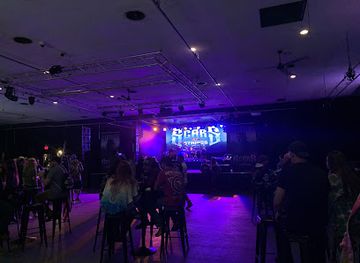
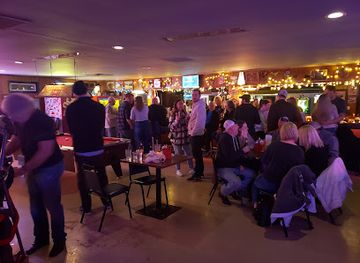
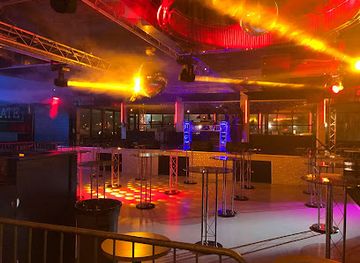
Evening life in Great Valley is centred on pubs, breweries, restaurants and live-music venues rather than a single nightclub district. Phoenixville and West Chester, at the edges of the broader corridor, have particularly active concentrations of bars and independent restaurants, while Malvern, Paoli and Exton offer a mixture of hotel bars, suburban dining and craft-beer venues. Historic inns and taverns provide a quieter setting in smaller communities, and some breweries operate taprooms where visitors can sample Pennsylvania-made beer. Nightclubs are limited compared with Philadelphia, and many rural areas become quiet after dinner. Check transport arrangements before drinking, since distances between villages can be considerable and late-night public transport is not comprehensive. Seasonal outdoor seating and occasional live performances add to the warmer-month evening scene without defining the region as a major nightlife destination.
-
Night club
Nightclub Reverb
Discover the electrifying nightlife at Nightclub Reverb, Reading's top destination for unforgettable music, dancing, and vibrant social experiences.
-
Bar
Brickette Lounge
Experience the lively atmosphere of Brickette Lounge, where delicious barbecue meets vibrant live music in West Chester, PA.
-
Night club
MainGate Nightclub
Experience the vibrant nightlife of Allentown at MainGate Nightclub, featuring live music, dancing, and an inviting beer garden.
-
Night club
Rusty Nail Tavern / Nightclub
Discover the vibrant nightlife of Ardmore at Rusty Nail Tavern, a must-visit night club and bar with live music and a lively atmosphere.
Best shops in Great Valley
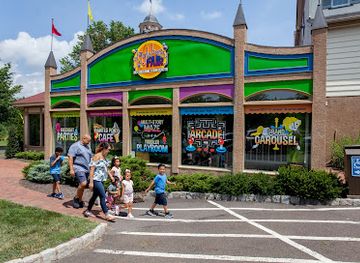
Shopping in Great Valley ranges from large suburban retail areas near King of Prussia and Exton to independent high streets and rural producers. West Chester, Phoenixville, Malvern and smaller Chester County communities offer bookshops, galleries, cafés, clothing stores, antiques and locally owned businesses, although their character differs from one town to another. Farmers’ markets and farm shops are the best places to look for mushrooms, preserves, honey, baked goods, seasonal fruit, vegetables and Pennsylvania-made products. Garden-related shopping is particularly relevant in the Brandywine and southern Chester County area, where nurseries and horticultural businesses reflect the region’s long association with cultivated landscapes. Visitors interested in crafts can find ceramics, artwork, jewellery and specialist gifts through galleries and studio shops rather than one concentrated craft market. Large shopping centres provide conventional American retail, but the region’s more distinctive purchases are generally food, garden products, books, local art and practical farm-made goods.
-
Shopping mall
Peddler's Village
Discover the unique charm of Peddler's Village, a historic shopping destination with artisanal shops, delicious dining, and beautiful scenery.
-
Grocery store
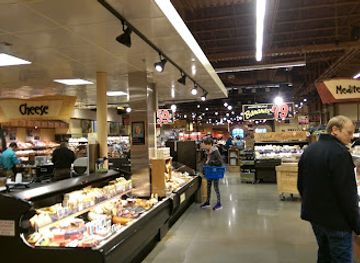
Wegmans
Explore Wegmans in Malvern, PA – a grocery store that offers fresh produce, gourmet foods, and unique dining experiences for every food lover.
-
Cafe
Malvern Buttery
Discover the cozy warmth of Malvern Buttery, where delightful baked goods and fresh coffee await to enhance your travel experience.
-
Gift shop
Shady Maple Gift Shop
Discover unique Amish craftsmanship and delightful collectibles at Shady Maple Gift Shop, a must-visit destination in Pennsylvania.
Get your free copy of our complete guide to Great Valley, delivered straight to you.
Everything on this page, from attractions and restaurants to essentials and local phrases, in one PDF you can read offline, print or share.
Already have an account? Sign in
Your Great Valley guide is ready.
We'll send it to · Not you? Sign out

Getting your guide ready…
We are putting together a fresh copy of the Great Valley guide. This can take up to a minute.
This can take a few moments. If your browser asks, choose Allow so the download can start. You'll find the guide in your Downloads folder.
Nothing happened? Download it again
Sorry, the guide is taking longer than usual. Please try again in a minute, or get it by email instead.
Great Valley essentials
Currency and Payment
Safety
Emergency Situations
Do's and Don'ts
Local Tips
From Eve
Local phrases worth knowing
You don't need to get them perfect. A few words go a long way, and locals appreciate the effort.
Basics
| English | Local | Say it |
|---|---|---|
| Hello | Hi | [hai] |
| Goodbye | See ya | [si ya] |
| Yes | Yep | [yehp] |
| No | Nope | [nohp] |
| Please/You're welcome | Please | [pleez] |
| Thank you | Thanks | [thangs] |
| Excuse me/Sorry | Excuse me | [eks-kyoos mee] |
| How are you? | How ya doin'? | [how ya doin] |
| Fine. And you? | Good. And you? | [gud. an yoo] |
| Do you speak English? | Do ya speak English? | [doo ya speek ing-glish] |
| I don't understand | I don’t get it | [I dont get it] |
Eating & Drinking
| English | Local | Say it |
|---|---|---|
| I'd like to see the menu, please | Can I see the menu, please? | [kan I see the men-yoo pleez] |
| I don't eat meat | I’m a vegetarian | [Im a vege-tair-ee-an] |
| Cheers! | Cheers! | [cheerz] |
| I would like to pay, please | Can I get the check, please? | [kan I get the chek pleez] |
Emergencies
| English | Local | Say it |
|---|---|---|
| Help! | Help! | [help] |
| Go away! | Get lost! | [get lost] |
| Call the Police! | Call 911! | [call nine-one-one] |
| Call a doctor! | Call a doctor! | [call a doctor] |
| I'm lost | I can’t find my way | [I kant find my way] |
| I'm ill | I’m not feeling well | [Im not feeling wel] |
Shopping
| English | Local | Say it |
|---|---|---|
| I'd like to buy... | I wanna buy... | [I wanna buy] |
| I'm just looking | Just browsing | [just brow-zing] |
| How much is it? | What’s the price? | [whats the price] |
| That's too expensive | That’s way too pricey | [thats way too pry-see] |
| Can you lower the price? | Can you make it cheaper? | [kan you make it cheeper] |
Time & Numbers
| English | Local | Say it |
|---|---|---|
| What time is it? | What time is it? | [what time is it] |
| It's one o'clock | It's one o'clock | [its one o'clock] |
| Half past (10) | Half past ten | [half past ten] |
| Morning | Morning | [morning] |
| Afternoon | Afternoon | [afternoon] |
| Evening | Evening | [evening] |
| Yesterday | Yesterday | [yesterday] |
| Today | Today | [today] |
| Tomorrow | Tomorrow | [tomorrow] |
| 1 | One | [wun] |
| 2 | Two | [too] |
| 3 | Three | [three] |
| 4 | Four | [for] |
| 5 | Five | [fiv] |
| 6 | Six | [siks] |
| 7 | Seven | [sev-en] |
| 8 | Eight | [ayt] |
| 9 | Nine | [nyn] |
| 10 | Ten | [ten] |
Transport & Directions
| English | Local | Say it |
|---|---|---|
| Where's a/the...? | Where’s the...? | [wheres the] |
| What's the address? | What’s the address? | [whats the ad-dress] |
| Can you show me (on the map)? | Can you show me on the map? | [kan you sho me on the map] |
| When's the next (bus)? | When’s the next bus? | [whens the next bus] |
| A ticket (to ....) | A ticket to ... | [a tik-it to] |
History of Great Valley
Lenape Homeland and European Settlement
Before European colonisation, the Great Valley and surrounding southeastern Pennsylvania were inhabited and used by Lenape communities, whose economies combined agriculture, hunting and exchange. From the seventeenth century, English, Welsh, German and other settlers established farms and villages, encouraged by Pennsylvania’s policies of religious toleration. Quaker meetinghouses, field patterns and early stone buildings became enduring features of the countryside. Indigenous displacement, changing land ownership and colonial expansion transformed the region profoundly, although the landscape still contains place names and archaeological evidence connected with its earlier inhabitants.
Roads, Farms and the Colonial Economy
The valley’s fertile soils and position between Philadelphia and the interior made it an important agricultural corridor during the eighteenth century. Roads linked market towns, mills, farms and river crossings, while streams supplied waterpower for gristmills and sawmills. Welsh and English Quaker communities were particularly influential in the Chester County area, and German settlement contributed distinctive building traditions and farming practices. The resulting landscape of stone houses, barns, lanes and enclosed fields remains one of the region’s clearest historical legacies.
Revolutionary War and Valley Forge
The winter of 1777–78 made Valley Forge one of the most significant places in American Revolutionary history. George Washington’s Continental Army established its winter encampment beside the Schuylkill River after the British occupation of Philadelphia. Soldiers endured shortages and difficult conditions while training and reorganising under the direction of officers including Friedrich Wilhelm von Steuben. The army’s departure in June 1778 marked an important stage in its development. Today, preserved earthworks, reconstructed buildings, monuments and museum displays interpret the encampment and its human cost.
Brandywine and Revolutionary Pennsylvania
The countryside south of the central Great Valley was drawn into the Philadelphia campaign of 1777, when British and American forces fought the Battle of Brandywine near Chadds Ford. The battle enabled British forces to advance towards Philadelphia, although the wider campaign continued through the autumn. Historic roads, surviving buildings and preserved ground in the Brandywine area help explain how rivers, fords and ridgelines shaped military movement. The region’s Revolutionary heritage therefore extends beyond Valley Forge into the agricultural landscapes of southern Chester County.
Ironmaking and Early Industry
The wooded uplands and streams around the Great Valley supported charcoal ironmaking from the colonial period into the nineteenth century. Furnaces consumed local timber and processed nearby ore, producing iron for tools, domestic goods and military supplies. Hopewell Furnace, west of the central valley near Elverson, preserves an important example of this industrial system, including furnace buildings, workers’ housing and associated farmland. Ironmaking altered woodland management, labour patterns and settlement, linking rural Pennsylvania to wider Atlantic markets before modern factories and railways reshaped the economy.
Railways, Manufacturing and Chester Valley Towns
Nineteenth-century railways strengthened connections between Philadelphia, the agricultural interior and emerging manufacturing communities. Stations and rail lines encouraged the growth of towns such as Malvern, Paoli, Downingtown and Coatesville, while local industries processed farm produce, iron and other materials. Coatesville became particularly associated with steel production through the Lukens works, an important industrial enterprise in the region’s history. Rail travel also helped make the valley a commuter and residential corridor, a role that expanded greatly in the twentieth century.
Suburbanisation and the Modern Corridor
After the Second World War, improved roads, expanding Philadelphia-area employment and the growth of the King of Prussia, Malvern and Exton business districts transformed parts of Great Valley from predominantly rural farmland into a mixed suburban and corporate landscape. Historic villages and farms survived alongside offices, shopping areas and residential development. Conservation organisations, historic parks and preserved gardens have helped retain important open spaces. The modern region is consequently defined by the continuing negotiation between agricultural heritage, environmental protection, commuting infrastructure and economic growth.
Great Valley in Photos
Browse through our photo collection highlighting the charm and character of the destination.
Neighbouring regions of Great Valley
The closest regions to Great Valley, if you have time for more than one.
-
 Piedmont
Explore Piedmont Pennsylvania for rolling farmland, Brandywine gardens, historic battlefields, country markets and distinctive small-town culture.
-

-
-
-


Swipe for more regions
Explore more

Explore more of Pennsylvania
Discover Pennsylvania: A blend of rich history, breathtaking nature, and vibrant culture awaits you in the Keystone State.
Explore Pennsylvania