

Susquehanna Valley, Pennsylvania Travel Guide
Discover the tranquil beauty and rich history of Susquehanna Valley, Pennsylvania - a perfect escape for nature lovers, history enthusiasts, and culture seekers.
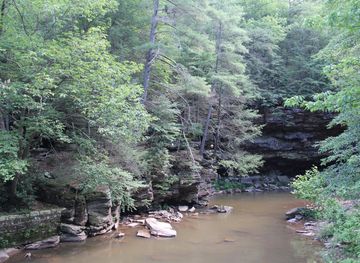
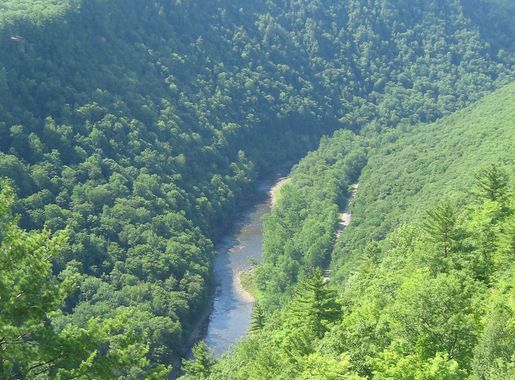
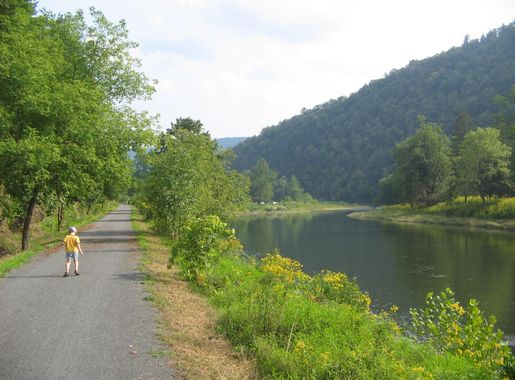
Nestled in the heart of Pennsylvania, the Susquehanna Valley is a tranquil retreat perfect for nature lovers and history buffs alike. This picturesque region is defined by the Susquehanna River, one of the oldest rivers in the world, which meanders through rolling hills, lush forests, and charming small towns. The valley offers a blend of outdoor activities, historical sites, and local culture that promises a memorable visit for all. For outdoor enthusiasts, the Susquehanna Valley is a haven. Hiking trails abound in the state parks, offering stunning views of the river and the surrounding landscape. Kayaking and fishing are popular activities on the Susquehanna River, providing a peaceful escape into nature. Wildlife enthusiasts will also appreciate the diverse fauna that inhabits the area, including bald eagles, deer, and a variety of bird species. History enthusiasts will find plenty to explore as well. The valley is dotted with historic landmarks, from colonial-era buildings in towns like Selinsgrove and Lewisburg to Civil War battle sites. The Susquehanna Valley is also home to several museums that showcase the rich cultural heritage of the region. Don't miss the Packwood House Museum in Lewisburg, which offers a glimpse into 19th-century life. The local culture is another highlight of the Susquehanna Valley. The area is known for its friendly communities, vibrant farmers' markets, and annual festivals. Visitors can enjoy locally sourced foods, including the region's famous apple cider and homemade pies. The valley's small towns are also great for leisurely strolls, with their quaint shops, cafes, and historic architecture providing a charming backdrop.

Know before you go
Hi, I'm Eve. Here are a few practical things to know before exploring Susquehanna Valley.
- Visit in the fall to experience the stunning foliage and enjoy local harvest festivals.
- Bring binoculars for bird-watching along the riverbanks.
- Check out the farmers' markets for fresh local produce and unique artisan goods.
- Wear comfortable shoes for exploring the historic towns and hiking trails.
- Take a guided river tour to learn about the area's natural and historical significance.
Explore Susquehanna Valley: Things to Do, Places to Eat, Hotels & More
Handpicked recommendations for top attractions, local dining, accommodations, and more

Top Attractions & Sightseeing in Susquehanna Valley
Top-rated picks
Best Attractions

Knoebels Amusement Resort
Discover the joy of Knoebels Amusement Resort, where free admission meets thrilling rides and family fun in the heart of Pennsylvania.

Bushkill Falls
Explore the breathtaking Bushkill Falls, a spectacular hiking area with stunning waterfalls, scenic trails, and family-friendly picnic spots in Pennsylvania's Pocono Mountains.

Ricketts Glen State Park
Discover the breathtaking waterfalls and lush landscapes of Ricketts Glen State Park, a perfect outdoor escape in Pennsylvania's natural beauty.

Lehigh Gorge Scenic Railway: Trademark of the Reading & Northern Railroad
Discover breathtaking views and rich history aboard the Lehigh Gorge Scenic Railway, a must-visit attraction in the heart of Pennsylvania.

Best landmarks in Susquehanna Valley
Top-rated picks
Best Landmarks

Knoebels Amusement Resort
Experience the magic of Knoebels Amusement Resort, where family fun meets nostalgic charm in the heart of Pennsylvania.

Lehigh Gorge Scenic Railway: Trademark of the Reading & Northern Railroad
Journey through breathtaking landscapes aboard the Lehigh Gorge Scenic Railway, a historic adventure in the heart of Pennsylvania's natural beauty.

Elfreth's Alley Museum
Discover the charm of Elfreth's Alley Museum, Philadelphia's historic treasure showcasing the nation's oldest residential street and its rich heritage.

Steamtown National Historic Site
Explore the rich history of steam locomotives at Steamtown National Historic Site, a captivating rail museum in Scranton, Pennsylvania.

Best restaurants in Susquehanna Valley
Top-rated picks
Best Restaurants

Duke's Riverside Bar & Grille
Experience riverside dining at Duke's Riverside Bar & Grille with delicious cuisine and stunning views along the Susquehanna River.

Texas Roadhouse
Experience authentic Texas cuisine at Texas Roadhouse in Selinsgrove—where every meal feels like a celebration.

Bingham's
Discover Bingham's: A family-friendly restaurant offering delicious breakfasts and freshly baked goods in Kingsley, Pennsylvania.

Dockside Willies
Experience riverside dining at Dockside Willies in Lemoyne, PA - where delicious grilled dishes meet stunning views.

Best bars in Susquehanna Valley
Top-rated picks
Best Bars

Skeeter's Pit BBQ
Experience the authentic taste of barbecue at Skeeter's Pit BBQ, where every bite tells a story of flavor and tradition.

Marzoni's Brick Oven & Brewing Co.
Savor delicious pizza and craft brews at Marzoni's Brick Oven & Brewing Co. in Selinsgrove, a must-visit for food lovers in Pennsylvania.

Dobb's Country Kitchen
Experience the heartwarming flavors of America at Dobb's Country Kitchen, where comfort food meets a cozy atmosphere in Hallstead, PA.

Penn's Tavern Historical Waterfront Restaurant
Discover the rich history and delightful flavors at Penn's Tavern, a waterfront restaurant in Sunbury, PA, perfect for food lovers and history buffs alike.

Best nightclubs in Susquehanna Valley
Top-rated picks
Best Nightclubs

S Club
Discover the lively S Club in Harrisburg for affordable drinks and vibrant entertainment in a welcoming atmosphere.

704 Lounge
704 Lounge in Harrisburg: A vibrant gay bar offering cocktails, entertainment, and a welcoming community atmosphere for all.

Cell Block
Discover the vibrant nightlife at Cell Block, a lively bar and night club in Williamsport, PA, featuring great drinks and live entertainment.

Harrisburg Maennerchor
Discover the lively spirit of Harrisburg at the Maennerchor, where music and community come together for an unforgettable nightlife experience.

Best shops in Susquehanna Valley
Top-rated picks
Best Shops

Walmart Supercenter
Experience the Walmart Supercenter in Selinsgrove, PA – your go-to destination for all shopping needs, from groceries to electronics, all under one roof.

Monroe Marketplace
Explore Monroe Marketplace in Selinsgrove for a diverse shopping experience, featuring department stores, unique boutiques, and great dining options.

Boscov's
Explore Boscov's in Selinsgrove for a diverse shopping experience with clothing, home goods, and accessories in a welcoming department store.

The Shoppes at Susquehanna Marketplace
Discover shopping, dining, and entertainment at The Shoppes at Susquehanna Marketplace in Harrisburg, where retail dreams come true.

Explore Susquehanna Valley on the Map
A handpicked selection of must-see spots in Susquehanna Valley, mapped for you.
When is the best time to visit Susquehanna Valley?
Useful Local Phrases for Susquehanna Valley
You don't need to speak the language perfectly. Even learning a few simple words can make conversations warmer—and locals usually appreciate the effort.
— Eve

Here are the phrases I use most often in Susquehanna Valley. Try a few—you'll be surprised how far they go! 😊
❤️
-
- HelloHowdy
[Hau-dee] - GoodbyeSee ya later
[See ya lay-ter] - YesYup
[Yup] - NoNah
[Nah] - Please/You're welcomeSure thing
[Shur thing] - Thank youThanks
[Thangs] - Excuse me/SorrySorry 'bout that
[Sor-ree 'bout that] - How are you?How ya doin'?
[How ya doin'?] - Fine. And you?I'm good. And you?
[I'm good. An' you?] - Do you speak English?Ya speakin' English?
[Ya speakin' English?] - I don't understandI ain't followin'
[I ain't followin']
- HelloHowdy
-
- I'd like to see the menu, pleaseCan I see the menu, please?
[Can I see the menu, pleeze?] - I don't eat meatI ain't eatin' meat
[I ain't eatin' meat] - Cheers!Cheers!
[Cheers!] - I would like to pay, pleaseI'd like to settle up, please
[I'd like to settle up, pleeze]
- I'd like to see the menu, pleaseCan I see the menu, please?
-
- Help!Help!
[Help!] - Go away!Get lost!
[Get lost!] - Call the Police!Call the cops!
[Call the cops!] - Call a doctor!Get a doctor!
[Get a doctor!] - I'm lostI ain't knowin' where I am
[I ain't knowin' where I am] - I'm illI'm feelin' sick
[I'm feelin' sick]
- Help!Help!
-
- I'd like to buy...I wanna buy...
[I wanna buy...] - I'm just lookingJust browsin'
[Just browsin'] - How much is it?How much's this?
[How much's this?] - That's too expensiveThat ain't worth it
[That ain't worth it] - Can you lower the price?Can ya bring it down?
[Can ya bring it down?]
- I'd like to buy...I wanna buy...
-
- What time is it?What time's it?
[What time's it?] - It's one o'clockIt's one
[It's one] - Half past (10)Half past ten
[Half past ten] - MorningMornin'
[Mornin'] - AfternoonAfternoon
[Afternoon] - EveningEvenin'
[Evenin'] - YesterdayYesterday
[Yesterday] - TodayToday
[Today] - TomorrowTomorrow
[Tomorrow] - 1One
[One] - 2Two
[Two] - 3Three
[Three] - 4Four
[Four] - 5Five
[Five] - 6Six
[Six] - 7Seven
[Seven] - 8Eight
[Eight] - 9Nine
[Nine] - 10Ten
[Ten]
- What time is it?What time's it?
-
- Where's a/the...?Where's the...?
[Where's the...?] - What's the address?What's the address?
[What's the address?] - Can you show me (on the map)?Can ya show me on the map?
[Can ya show me on the map?] - When's the next (bus)?When's the next bus?
[When's the next bus?] - A ticket (to ....)A ticket to...
[A ticket to...]
- Where's a/the...?Where's the...?
History of Susquehanna Valley
-
Long before European settlers arrived, the Susquehanna Valley was home to various indigenous tribes, including the Susquehannock people. These native inhabitants thrived along the Susquehanna River, utilizing its resources for fishing, transportation, and trade. Their complex social structures and impressive fortifications, such as the Conestoga Town, highlight their significance in the region's early history.
-
In the early 18th century, European settlers, primarily of German, Scotch-Irish, and English descent, began to establish communities in the Susquehanna Valley. This period saw the founding of key towns such as Harrisburg in 1785, which would later become the state capital. These settlers brought with them a mix of cultures, traditions, and agricultural practices that shaped the valley's development.
-
The Susquehanna Valley played a strategic role during the American Revolutionary War. Fort Augusta, located in present-day Sunbury, Pennsylvania, served as a crucial defensive site against British and Native American forces. The region's residents were also active in the war effort, providing troops and supplies to the Continental Army.
-
During the 19th century, the Susquehanna Valley experienced significant industrial growth. The discovery of anthracite coal in the region spurred the development of railroads and manufacturing industries. The lumber industry also boomed, with Williamsport earning the nickname 'Lumber Capital of the World.' This era of prosperity contributed to the valley's economic and demographic expansion.
-
The Susquehanna Valley was a vital corridor for the Underground Railroad, helping enslaved African Americans escape to freedom in the North. Numerous safe houses and sympathetic residents provided shelter and assistance along the way. Notable figures, such as William Still, played key roles in coordinating these efforts, making the valley an important chapter in the fight against slavery.
-
The Susquehanna River has a history of flooding that has significantly impacted the valley’s communities. The most devastating flood occurred in June 1972, when Hurricane Agnes caused widespread destruction. Thousands of homes were damaged or destroyed, and the disaster led to substantial federal and state efforts to improve flood management and disaster preparedness in the region.
-
Today, the Susquehanna Valley preserves its rich cultural heritage through numerous historical sites, museums, and annual events. The Pennsylvania Dutch traditions remain vibrant, particularly in areas like Lancaster County. Modern developments, including higher education institutions and recreational facilities, continue to shape the region, making it a dynamic blend of past and present.
Neighbouring Regions of Susquehanna Valley
The closest regions to Susquehanna Valley, if you have time for more than one.




Your all‑in‑one travel companion app
Explore expert travel guides, compare and book tours, experiences, hotels, and more—all from the palm of your hand. Download now for seamless trip planning wherever your wanderlust takes you.


Explore More of Pennsylvania

Looking beyond Susquehanna Valley? Discover Pennsylvania for broader travel guides, local hot-spots, and regional highlights.
Explore PennsylvaniaSusquehanna Valley in Photos
Browse through our photo collection highlighting the charm and character of the destination.




The Serene Beauty of Susquehanna Valley
Nestled in the heart of Pennsylvania, the Susquehanna Valley is a tranquil retreat perfect for nature lovers and history buffs alike. This picturesque region is defined by the Susquehanna River, one of the oldest rivers in the world, which meanders through rolling hills, lush forests, and charming small towns. The valley offers a blend of outdoor activities, historical sites, and local culture that promises a memorable visit for all. For outdoor enthusiasts, the Susquehanna Valley is a haven. Hiking trails abound in the state parks, offering stunning views of the river and the surrounding landscape. Kayaking and fishing are popular activities on the Susquehanna River, providing a peaceful escape into nature. Wildlife enthusiasts will also appreciate the diverse fauna that inhabits the area, including bald eagles, deer, and a variety of bird species. History enthusiasts will find plenty to explore as well. The valley is dotted with historic landmarks, from colonial-era buildings in towns like Selinsgrove and Lewisburg to Civil War battle sites. The Susquehanna Valley is also home to several museums that showcase the rich cultural heritage of the region. Don't miss the Packwood House Museum in Lewisburg, which offers a glimpse into 19th-century life. The local culture is another highlight of the Susquehanna Valley. The area is known for its friendly communities, vibrant farmers' markets, and annual festivals. Visitors can enjoy locally sourced foods, including the region's famous apple cider and homemade pies. The valley's small towns are also great for leisurely strolls, with their quaint shops, cafes, and historic architecture providing a charming backdrop.