

Free Lehigh Valley Travel Guide & Mobile App
Explore Lehigh Valley with free travel guides. Discover regional history, expert tips, proposed trips, and audio guides on web or mobile app.


Explore Lehigh Valley for Bethlehem’s steel heritage, Allentown’s arts, Easton’s riverside culture, historic trails and rolling Pennsylvania countryside.
Read more about Lehigh Valley
When is the best time to visit Lehigh Valley?
Best: May–June, September · 22–26°C| Month | High (°C) | Rainfall (mm) |
|---|---|---|
| January | 4 | 71 |
| February | 5 | 62 |
| March | 10 | 87 |
| April | 16 | 86 |
| May (best) | 22 | 92 |
| June (best) | 26 | 95 |
| July | 29 | 108 |
| August | 28 | 100 |
| September (best) | 24 | 92 |
| October | 17 | 82 |
| November | 12 | 73 |
| December | 4 | 76 |
Getting to and around Lehigh Valley
How to get there
Transportation
Top city travel guides in Lehigh Valley
The cities of Lehigh Valley, and the easiest places to base yourself.

Swipe for more cities
Best attractions in Lehigh Valley
Lehigh Valley’s attractions reflect the meeting of industrial history, religious settlement, rivers and accessible countryside. Bethlehem’s SteelStacks, the remains of Bethlehem Steel and the Hoover-Mason Trestle offer an unusually direct interpretation of heavy industry, while the National Museum of Industrial History places machinery and manufacturing within a wider American story. Moravian Bethlehem’s restored buildings and archaeological areas provide a different perspective on eighteenth-century community life. In Allentown, the Allentown Art Museum, America on Wheels Museum and Da Vinci Science Center broaden the cultural and educational offer, with Dorney Park providing a major seasonal amusement attraction. Easton’s National Canal Museum explains the transport systems that carried coal and manufactured goods through the valley. Beyond the cities, Trexler Nature Preserve, Jacobsburg Environmental Education Center, the Lehigh River and sections of the Delaware and Lehigh National Heritage Corridor support walking, cycling, wildlife observation, paddling and fishing. The result is a destination where museums and heritage sites can be combined with open-air recreation without long journeys between every stop.
-
Tourist attraction
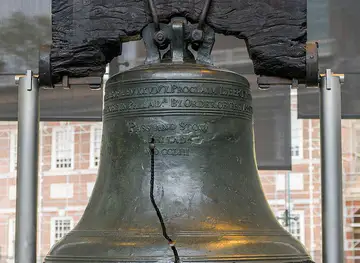
Liberty Bell
Explore the Liberty Bell in Philadelphia, a historic landmark symbolizing freedom and independence, and immerse yourself in America's fascinating history.
-
Amusement park
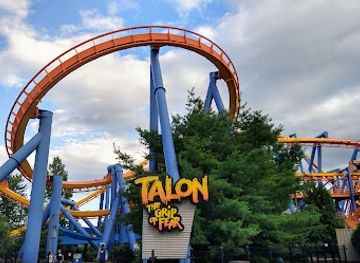
Dorney Park & Wildwater Kingdom
Unleash your inner thrill-seeker at Dorney Park & Wildwater Kingdom, where amusement meets relaxation for a perfect family getaway in Allentown, PA.
-
 Tourist attraction
Wind Creek Bethlehem
Discover the excitement of Wind Creek Bethlehem, where gaming, dining, and relaxation come together in a vibrant resort atmosphere.
-
Theme park
Crayola Experience
Discover the colorful world of imagination at Crayola Experience, where creativity comes to life through engaging activities and interactive exhibits.


Best landmarks in Lehigh Valley
The most recognisable landmark in Lehigh Valley is the line of Bethlehem Steel stacks beside the Lehigh River, now preserved as part of the SteelStacks cultural complex. Their scale conveys the industrial importance that shaped Bethlehem and the wider region, while the Hoover-Mason Trestle provides an elevated route through the former works. Bethlehem’s Moravian historic district contains eighteenth- and early nineteenth-century buildings associated with the town’s founding religious community, including the Gemeinhaus and adjoining historic spaces. In Easton, Centre Square and the focal figure of the Soldiers’ and Sailors’ Monument anchor a historic civic landscape near the confluence of the Lehigh and Delaware rivers. The Delaware and Lehigh Canal corridor, with its towpath and engineered waterways, is a quieter but important landmark of the anthracite and transport era. Allentown’s historic civic and residential buildings, including the Old Allentown area, help express the city’s nineteenth-century growth. Beyond the built environment, the Lehigh River, wooded ridges and open views from Trexler Nature Preserve form the valley’s principal natural landmarks.
-
Historical landmark
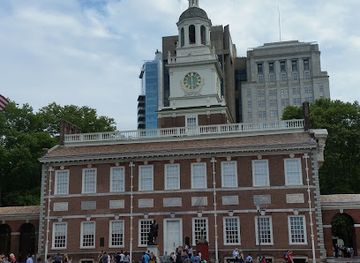
Liberty Bell
Explore the Liberty Bell, a powerful symbol of freedom and independence located in the heart of Philadelphia’s historic district.
-
Historical place
Valley Forge National Historical Park
Explore the rich history and scenic beauty of Valley Forge National Historical Park, a key site in America's fight for independence.
-
Historical landmark
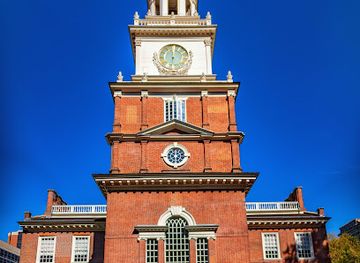
Independence Hall
Explore Independence Hall, the iconic birthplace of American democracy and a UNESCO World Heritage Site, in the heart of Philadelphia, PA.
-
Tourist attraction
Lehigh Gorge Scenic Railway: Trademark of the Reading & Northern Railroad
Discover breathtaking views of the Lehigh Gorge with the historic Lehigh Gorge Scenic Railway, a perfect blend of adventure and natural beauty.


Explore Lehigh Valley on the map
Plan your trip on one map. See where the top cities, national parks and sights are, and book hotels and experiences in a few clicks.
Best hotels in Lehigh Valley
Best restaurants in Lehigh Valley
Dining in Lehigh Valley ranges from old-fashioned diners, bakeries and Pennsylvania Dutch-influenced cooking to restaurants shaped by the region’s Latin American, Mediterranean, South Asian and East Asian communities. Allentown, Bethlehem and Easton contain the widest range of cafés, casual restaurants, breweries and more formal dining rooms, while smaller towns and rural roads offer family-run establishments and traditional inns. Local food culture includes baked goods, pretzels, seasonal produce, sausages and other Pennsylvania traditions, although no single dish defines the whole valley. Farmers’ markets and farm shops are useful for finding fruit, vegetables, preserves and baked products from the surrounding agricultural districts. Around Bethlehem’s former industrial areas and Easton’s downtown, contemporary restaurants occupy a setting where historic buildings, arts programming and newer food businesses overlap. Visitors should expect American portion sizes and should note that gratuity for table service is normally added separately from the menu price.
-
Grill
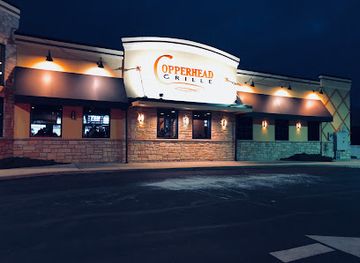
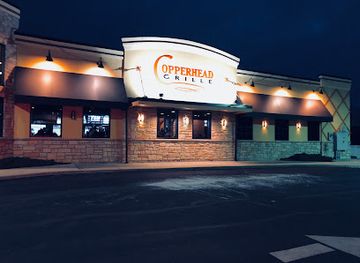
Copperhead Grille Allentown
Discover Copperhead Grille in Allentown – where American cuisine meets vibrant sports bar atmosphere for an unforgettable dining experience.
-
American
The Bayou
Discover authentic Southern flavors at The Bayou in Bethlehem – where every meal feels like home.
-
Seafood
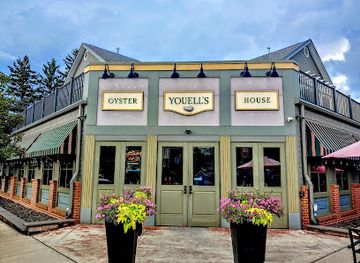
Youell's Oyster House
Discover the ultimate seafood dining experience at Youell's Oyster House in Allentown – where fresh flavors meet exceptional service.
-
Steak
blue grillhouse
Discover culinary excellence at Blue Grillhouse in Bethlehem - where succulent steaks meet vibrant bar culture.


Best bars in Lehigh Valley
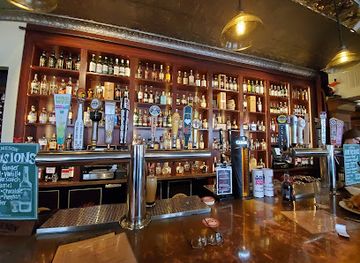
Evening life is concentrated in Allentown, Bethlehem and Easton rather than spread evenly across the rural valley. Traditional pubs, craft breweries, cocktail bars, restaurants and live-music venues provide the main options, with Bethlehem particularly notable for the cultural programming and concert setting around SteelStacks. Allentown has the region’s broadest urban choice, including theatre, music and late-evening dining, while Easton’s compact centre supports bars and restaurants within walking distance of one another. Nightclubs exist but the region is not primarily a large-club destination, and closing times and entertainment schedules vary. Outside the cities, evenings tend to centre on local pubs, dining rooms, breweries and seasonal events rather than a formal nightlife district. Under-21 alcohol rules are strictly applied in the United States, and visitors should carry accepted identification when purchasing alcohol.
-
Bar
Miller's Ale House
Explore the vibrant atmosphere of Miller's Ale House in Allentown, PA, where delicious American cuisine meets a lively sports bar experience.
-
Grill
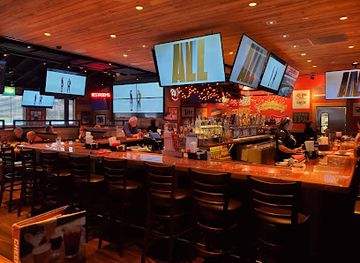
Copperhead Grille Allentown
Discover Copperhead Grille Allentown - a premier gastropub offering delicious American cuisine, chilled drinks, and vibrant sports atmosphere in Pennsylvania.
-
Pub
McCarthy's Red Stag Pub and Whiskey Bar
Discover the authentic spirit of an Irish Pub at McCarthy's Red Stag, where exceptional whiskey and delicious food come together in Bethlehem, PA.
-
New American
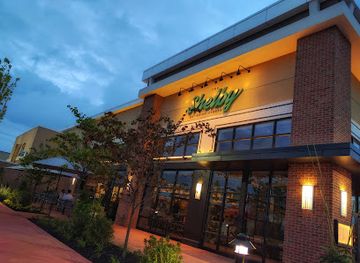
The Shelby
Experience the vibrant flavors of New American cuisine at The Shelby in Allentown, where fresh ingredients and creative dishes come together.
Best nightclubs in Lehigh Valley
Evening life is concentrated in Allentown, Bethlehem and Easton rather than spread evenly across the rural valley. Traditional pubs, craft breweries, cocktail bars, restaurants and live-music venues provide the main options, with Bethlehem particularly notable for the cultural programming and concert setting around SteelStacks. Allentown has the region’s broadest urban choice, including theatre, music and late-evening dining, while Easton’s compact centre supports bars and restaurants within walking distance of one another. Nightclubs exist but the region is not primarily a large-club destination, and closing times and entertainment schedules vary. Outside the cities, evenings tend to centre on local pubs, dining rooms, breweries and seasonal events rather than a formal nightlife district. Under-21 alcohol rules are strictly applied in the United States, and visitors should carry accepted identification when purchasing alcohol.
-
Lounge
Molten
Discover the lively atmosphere of Molten Lounge, Bethlehem's premier destination for cocktails, live music, and unforgettable nightlife experiences.
-
Grill
The FunHouse
Experience the vibrant atmosphere of The FunHouse in Bethlehem, where delicious grill fare meets exciting live music every night.
-
Night club
Platinum Plus
Discover the vibrant nightlife at Platinum Plus, Allentown's premier night club offering exhilarating adult entertainment and unforgettable experiences.
-
Night club
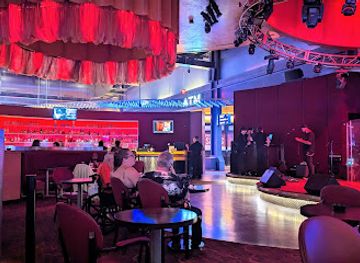
MainGate Nightclub
Discover the ultimate nightlife experience at MainGate Nightclub in Allentown, PA, featuring live music, dancing, and a lively beer garden.


Best shops in Lehigh Valley
Shopping in Lehigh Valley is centred on the urban downtowns, traditional commercial districts, farmers’ markets and larger suburban retail areas. Allentown offers the broadest city shopping environment, including independent food businesses, galleries, specialist stores and the long-established Allentown Fairgrounds Farmers Market. Bethlehem’s historic districts are suited to browsing for books, gifts, art, antiques, jewellery and locally produced food, with the SouthSide area adding contemporary shops near the former steelworks. Easton’s compact centre has independent retailers, galleries, cafés and food-oriented businesses, while market activity reflects the city’s relationship with nearby farms and producers. Visitors looking for regional purchases can consider Pennsylvania Dutch baked goods, preserves, craft beverages, artwork and products made by local makers rather than generic souvenirs. Large shopping centres and national retailers are present in the suburban corridor, but they are generally easier to reach by car and offer a different experience from the older downtown streets.
-
Shopping mall
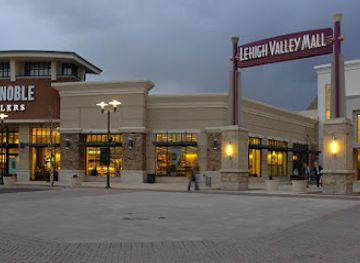
Lehigh Valley Mall
Explore the Lehigh Valley Mall, a vibrant shopping destination in Pennsylvania featuring diverse stores, delightful dining, and family-friendly entertainment.
-
Outlet mall
The Outlets at Wind Creek
Experience unparalleled shopping at The Outlets at Wind Creek in Bethlehem, PA, where fashion meets unbeatable prices in a vibrant atmosphere.
-
Shopping mall
Promenade Saucon Valley
Explore the vibrant Promenade Saucon Valley, where unique boutiques and popular brands meet delicious dining in a charming open-air setting.
-
Shopping mall
Lower Nazareth Commons
Explore Lower Nazareth Commons, a vibrant shopping mall in Easton, PA, featuring diverse stores, delicious dining, and a welcoming atmosphere.
Get your free copy of our complete guide to Lehigh Valley, delivered straight to you.
Everything on this page, from attractions and restaurants to essentials and local phrases, in one PDF you can read offline, print or share.
Already have an account? Sign in
Your Lehigh Valley guide is ready.
We'll send it to · Not you? Sign out

Getting your guide ready…
We are putting together a fresh copy of the Lehigh Valley guide. This can take up to a minute.
This can take a few moments. If your browser asks, choose Allow so the download can start. You'll find the guide in your Downloads folder.
Nothing happened? Download it again
Sorry, the guide is taking longer than usual. Please try again in a minute, or get it by email instead.
Lehigh Valley essentials
Currency and Payment
Safety
Emergency Situations
Do's and Don'ts
Local Tips
From Eve
Local phrases worth knowing
You don't need to get them perfect. A few words go a long way, and locals appreciate the effort.
Basics
| English | Local | Say it |
|---|---|---|
| Hello | How ya doin'? | [Haw yah doin'?] |
| Goodbye | See ya later! | [See yah lay-tah!] |
| Yes | Yeah | [Yah] |
| No | Nah | [Nah] |
| Please/You're welcome | No problem | [No prob-lum] |
| Thank you | Thanks! | [Thanks!] |
| Excuse me/Sorry | Sorry 'bout that | [Sorry 'bout that] |
| How are you? | How ya doin'? | [Haw yah doin'?] |
| Fine. And you? | Good. You? | [Good. You?] |
| Do you speak English? | You speakin' English? | [Yah speakin' English?] |
| I don't understand | I ain't gettin' it | [Ah ain't gettin' it] |
Eating & Drinking
| English | Local | Say it |
|---|---|---|
| I'd like to see the menu, please | Can I see the menu? | [Can I see the men-yoo?] |
| I don't eat meat | I don't do meat | [I don't do meat] |
| Cheers! | Cheers! | [Cheers!] |
| I would like to pay, please | Can I get the check? | [Can I get the check?] |
Emergencies
| English | Local | Say it |
|---|---|---|
| Help! | Help! | [Help!] |
| Go away! | Scram! | [Scram!] |
| Call the Police! | Call the cops! | [Call tha cops!] |
| Call a doctor! | Get a doc! | [Get a doc!] |
| I'm lost | I’m turned around | [I’m turned 'round] |
| I'm ill | I'm not feelin' well | [I'm not feelin' well] |
Shopping
| English | Local | Say it |
|---|---|---|
| I'd like to buy... | I wanna buy... | [I wanna buy...] |
| I'm just looking | Just browsin' | [Just browsin'] |
| How much is it? | What’s the price? | [What’s tha price?] |
| That's too expensive | That's too pricey | [That's too pry-cee] |
| Can you lower the price? | Can you knock down the price? | [Can you knock down tha price?] |
Time & Numbers
| English | Local | Say it |
|---|---|---|
| What time is it? | What time we got? | [What time we got?] |
| It's one o'clock | It's one | [It's one] |
| Half past (10) | Half past ten | [Half past ten] |
| Morning | Mornin' | [Mornin'] |
| Afternoon | Afternoon | [Afternoon] |
| Evening | Evenin' | [Evenin'] |
| Yesterday | Yesterday | [Yesterday] |
| Today | Today | [Today] |
| Tomorrow | Tomorrow | [Tomorrow] |
| 1 | One | [One] |
| 2 | Two | [Two] |
| 3 | Three | [Three] |
| 4 | Four | [Four] |
| 5 | Five | [Five] |
| 6 | Six | [Six] |
| 7 | Seven | [Seven] |
| 8 | Eight | [Eight] |
| 9 | Nine | [Nine] |
| 10 | Ten | [Ten] |
Transport & Directions
| English | Local | Say it |
|---|---|---|
| Where's a/the...? | Where’s the...? | [Where’s tha...?] |
| What's the address? | What’s the address? | [What’s tha address?] |
| Can you show me (on the map)? | Can ya point it out? | [Can ya point it out?] |
| When's the next (bus)? | When’s the next bus? | [When’s tha next bus?] |
| A ticket (to ....) | A ticket to... | [A ticket to...] |
History of Lehigh Valley
Lenape Homeland and River Networks
Before European colonisation, the Lehigh Valley and Delaware River basin formed part of the homeland of the Lenape, whose communities used the rivers, forests and fertile lowlands for travel, hunting, fishing and cultivation. Colonial expansion, land purchases made under unequal conditions, disease and organised displacement profoundly disrupted Lenape life. The region’s later roads, towns and industrial sites therefore occupy a landscape with a much older Indigenous history, even though relatively little of that history is visible in the built environment. The Delaware River remains an important geographic reference for understanding the valley’s early movement and settlement.
Moravian Bethlehem, Founded in 1741
German-speaking Moravians founded Bethlehem in 1741 as a planned religious community on the north bank of the Lehigh River. Its communal buildings, workshops, churches and gardens expressed a distinctive approach to worship, education and economic organisation. Bethlehem became part of a wider Moravian network linking settlements in Pennsylvania and beyond, and its surviving historic district preserves an unusually coherent group of eighteenth- and early nineteenth-century structures. The settlement’s history includes complex relationships with Indigenous peoples and changing Moravian missionary ambitions. Today, the oldest parts of Bethlehem provide an important lens on colonial-era religious communities.
Canals, Iron and the Industrial Revolution
During the nineteenth century, the Lehigh Valley changed rapidly as anthracite coal from the upper Lehigh region was carried along canals and later railways towards furnaces and markets. The Lehigh Coal and Navigation Company’s canal system helped connect the interior coalfields with the Delaware River, while local ironworks used regional resources and transport links. The later Delaware and Lehigh Canal corridor helped move fuel, raw materials and finished goods. Easton, Allentown and Bethlehem grew as commercial and manufacturing centres, and the rivers became engineered transport landscapes rather than simply natural boundaries.
Railways, Steel and Urban Growth
Railway construction in the nineteenth century reinforced the valley’s position between the coalfields, Philadelphia and New York. Bethlehem Iron Company, founded in 1857, evolved into Bethlehem Steel and became one of the largest steel producers in the United States. Its Bethlehem works made structural steel, armour and other products, while generations of workers and immigrant communities shaped the surrounding cities. Allentown also developed manufacturing in textiles, machinery, food processing and other industries. Industrial employment drove urban growth, transformed riverfronts and left a substantial architectural and social legacy.
Bethlehem Steel and the Twentieth-Century Nation
Bethlehem Steel contributed to major American infrastructure and military production, including bridges, ships and components for national defence. The company’s structures and workforce connected the Lehigh Valley to projects far beyond Pennsylvania, while its fortunes reflected the rise of integrated mass production. Industrial decline in the late twentieth century brought plant closures, job losses and extensive brownfield areas. Bethlehem Steel’s Bethlehem works ceased production in 1995, but the surviving stacks, furnaces and trestle have since been conserved as part of a major heritage and cultural redevelopment.
Suburbanisation and Modern Regional Change
After the Second World War, highways, housing development and changes in manufacturing encouraged suburban expansion across Lehigh and Northampton counties. The region became increasingly connected to the wider metropolitan economies of New York, New Jersey and Philadelphia, while retaining distinct cities and older boroughs. Former industrial land has been reused for museums, arts venues, offices, housing and entertainment, particularly around Bethlehem’s steelworks. Colleges, healthcare, logistics and cultural tourism now complement manufacturing. The result is a region balancing post-industrial renewal with farmland preservation, river restoration and the practical pressures of metropolitan growth.
Lehigh Valley in Photos
Browse through our photo collection highlighting the charm and character of the destination.
Neighbouring regions of Lehigh Valley
The closest regions to Lehigh Valley, if you have time for more than one.
-
-

-

-

-


Swipe for more regions
Explore more

Explore more of Pennsylvania
Discover Pennsylvania: A blend of rich history, breathtaking nature, and vibrant culture awaits you in the Keystone State.
Explore Pennsylvania