

Free Northeastern Pennsylvania Travel Guide & Mobile App
Explore Northeastern Pennsylvania with free travel guides. Discover regional history, expert tips, proposed trips, and audio guides on web or mobile app.


Explore Northeastern Pennsylvania for coal heritage, Pocono forests, river towns, waterfalls, local food and four-season outdoor adventures.
Read more about Northeastern Pennsylvania
When is the best time to visit Northeastern Pennsylvania?
Best: June, August–September · 22–26°C| Month | High (°C) | Rainfall (mm) |
|---|---|---|
| January | 0 | 74 |
| February | 1 | 68 |
| March | 8 | 86 |
| April | 14 | 89 |
| May | 19 | 98 |
| June (best) | 24 | 107 |
| July | 27 | 115 |
| August (best) | 26 | 110 |
| September (best) | 22 | 98 |
| October | 16 | 82 |
| November | 9 | 85 |
| December | 3 | 80 |
Getting to and around Northeastern Pennsylvania
How to get there
Transportation
Top city travel guides in Northeastern Pennsylvania
The cities of Northeastern Pennsylvania, and the easiest places to base yourself.
-

-

-


Swipe for more cities
Destinations in Northeastern Pennsylvania
Resorts, valleys and scenic spots worth a trip of their own.
-

-
-


Swipe for more destinations
Best attractions in Northeastern Pennsylvania
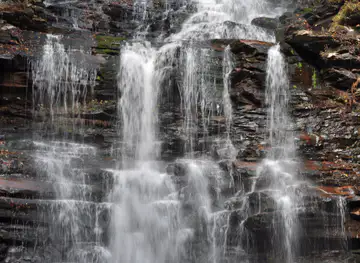
Northeastern Pennsylvania's attractions are divided between industrial heritage, historic communities and a large outdoor landscape. In Scranton, Steamtown National Historic Site interprets the importance of steam railways and railway work, while the Lackawanna Coal Mine Tour offers a direct introduction to underground anthracite mining. Wilkes-Barre provides civic architecture, museums and cultural venues around the Susquehanna River. The Pocono portion of the region brings hiking, fishing, paddling, skiing and waterfall walks, with Delaware Water Gap National Recreation Area particularly important for river scenery and Appalachian terrain. Pike County adds Grey Towers in Milford and access to forested recreation areas, while Honesdale and Tunkhannock provide smaller-scale heritage and river-town experiences. Rail trails, reservoirs, state parks and seasonal foliage make outdoor recreation a year-round theme, although snow and ice affect winter access. Families may find amusement and water-based facilities in the Poconos, while visitors interested in conservation, architecture or local history can follow the stories of forestry, immigration, coal and rail transport rather than treating the region solely as a resort destination.
-
Amusement park
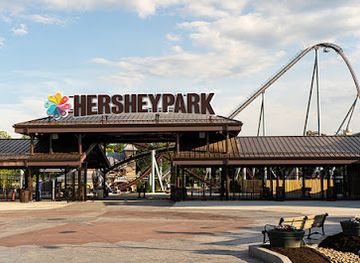
Hersheypark
Experience the magic of Hersheypark, a premier amusement and water park in Pennsylvania, where thrilling rides and sweet treats await your family.
-
Historical place
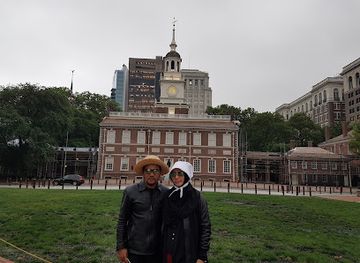
Independence National Historical Park
Discover the heart of American democracy at Independence National Historical Park, home to iconic landmarks and rich history in Philadelphia.
-
Historical landmark
Liberty Bell
Discover the Liberty Bell in Philadelphia, an iconic symbol of freedom and a pivotal historical landmark that embodies the spirit of American independence.
-
State park
Presque Isle State Park
Explore the sandy shores, scenic trails, and rich wildlife of Presque Isle State Park, a top tourist attraction on the shores of Lake Erie.
Best landmarks in Northeastern Pennsylvania
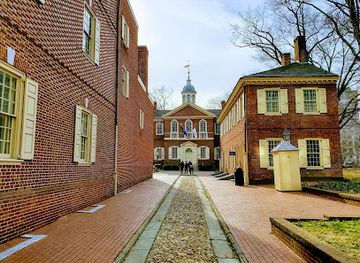
Scranton's former Delaware, Lackawanna and Western Railroad station, now the city hall, is one of the region's most recognisable civic buildings and reflects the wealth generated by rail transport and anthracite. The Lackawanna County Courthouse and adjoining public buildings add a formal architectural dimension to the city's historic core. In Wilkes-Barre, the Luzerne County Courthouse and the Susquehanna River help define a city shaped by law, commerce and coal. The Nicholson Viaduct in Wyoming County is a major railway landmark: its long stone arches carry the historic Tunkhannock Creek Viaduct and demonstrate the engineering ambition of the early railway era. In Pike County, Grey Towers in Milford is significant both for its architecture and for its association with Gifford Pinchot and American conservation. The Delaware Water Gap, where the Delaware River passes through the Kittatinny ridge, is the region's defining natural landmark. Historic downtowns in Milford, Honesdale and Stroudsburg complete the picture with Victorian commercial buildings, churches and houses that survived the decline of heavy industry.
-
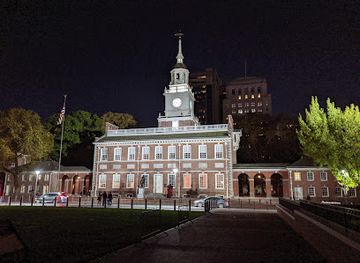
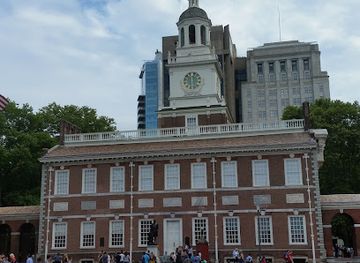
Historical place
Independence National Historical Park
Explore the roots of American democracy at Independence National Historical Park, home to the Liberty Bell and Independence Hall in Philadelphia.
-
Historical landmark
Liberty Bell
Discover the Liberty Bell, an enduring symbol of freedom and justice, in the heart of Philadelphia's historic district.
-
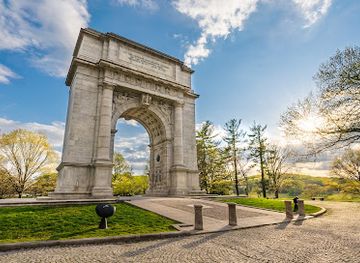
Park
Valley Forge National Historical Park
Explore the historic Valley Forge National Historical Park, where the spirit of the American Revolution meets breathtaking landscapes.
-
Historical place
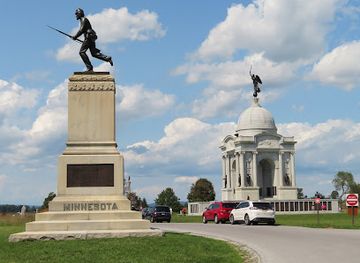
Gettysburg National Military Park
Discover the profound history and stunning landscapes of Gettysburg National Military Park, a tribute to the sacrifices made during the Civil War.
Explore Northeastern Pennsylvania on the map
Plan your trip on one map. See where the top cities, national parks and sights are, and book hotels and experiences in a few clicks.
Best hotels in Northeastern Pennsylvania
Best restaurants in Northeastern Pennsylvania
Dining in Northeastern Pennsylvania reflects coal-region immigration, Pennsylvania country cooking and the produce of the surrounding hills and farms. Old Forge pizza, associated with the Lackawanna County community of the same name, is typically served in a distinctive rectangular style, while pierogies, stuffed cabbage, kielbasa, bakery goods and Welsh cookies reflect eastern European and Welsh influences found across former mining communities. Scranton, Wilkes-Barre and Stroudsburg offer the broadest choice of contemporary restaurants, cafés, breweries and international food, whereas rural districts are more likely to centre on diners, taverns, farm shops and family-run inns. Pocono resort areas include restaurants aimed at visitors, but local menus can still feature trout, seasonal vegetables, apples and regional baking. Portion sizes and service customs follow wider American patterns, and tipping is expected for table service. Food markets and independent bakeries are often more revealing of local habits than formal dining rooms, especially in older boroughs and market towns.
-
Seafood
Cooper's Seafood House
Discover the freshest seafood and vibrant atmosphere at Cooper's Seafood House in Scranton - where culinary excellence meets local charm.
-
Restaurant
The Skunk and Goat Tavern
Experience local flavors at The Skunk and Goat Tavern – where traditional pub fare meets innovative cuisine in North East, PA.
-
Steak
LongHorn Steakhouse
Discover the ultimate steak dining experience at LongHorn Steakhouse in Moosic, PA—where flavor meets tradition in every bite.
-
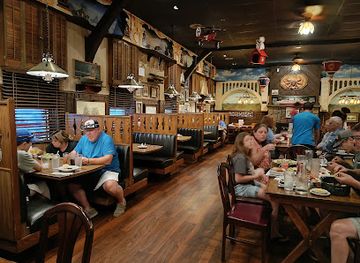
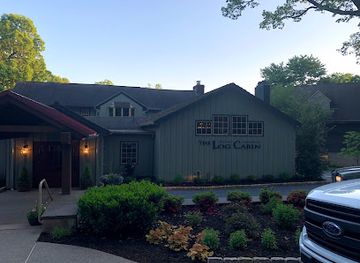
American
The Log Cabin Restaurant
Experience authentic American cuisine at The Log Cabin Restaurant in Leola, PA – where history meets flavor and live music creates unforgettable memories.


Best bars in Northeastern Pennsylvania
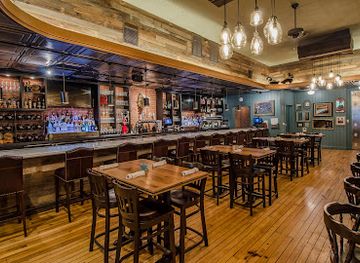
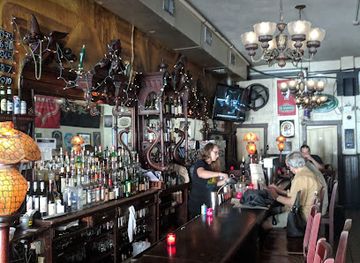
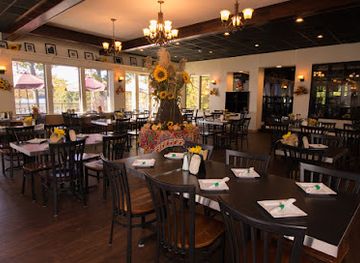
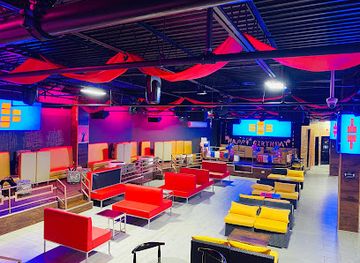
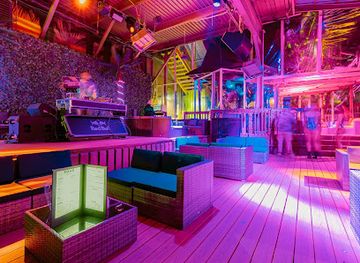
Evening life is concentrated in Scranton, Wilkes-Barre, Stroudsburg and the larger Pocono resort communities rather than distributed evenly across the countryside. Traditional taverns, Irish-influenced pubs, breweries and restaurants are important meeting places in former coal towns, while the main cities add cocktail bars, live music, comedy, theatre and student-oriented venues. Wilkes-Barre and Scranton generally provide the widest choice of organised entertainment, with schedules changing according to university terms, touring performers and seasonal events. Stroudsburg has a walkable concentration of restaurants and bars around its historic centre, while Milford and Honesdale offer quieter evenings based on dining and small local venues. Rural areas often close earlier and may require a designated driver because public transport is limited. Nightlife is therefore best approached as part of a town-based itinerary, not as a continuous regional club scene.
-
Restaurant
Barley Creek Brewing Company
Discover the flavors of craft beer and delicious food at Barley Creek Brewing Company, a premier brewpub in Tannersville, Pennsylvania.
-
Restaurant
The Skunk and Goat Tavern
Experience unique dining at The Skunk and Goat Tavern, where local flavors meet a cozy atmosphere in North East, Pennsylvania.
-
Pub
Khyber Pass Pub
Experience the vibrant atmosphere and great flavors at Khyber Pass Pub, a must-visit destination for beer lovers in Philadelphia.
-
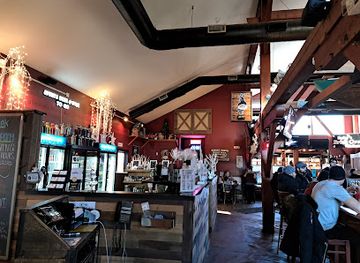
Bar
Boulder View Tavern
Experience the vibrant atmosphere and lakeside dining at Boulder View Tavern, the perfect spot for food, drinks, and live music in Lake Harmony.
Best nightclubs in Northeastern Pennsylvania
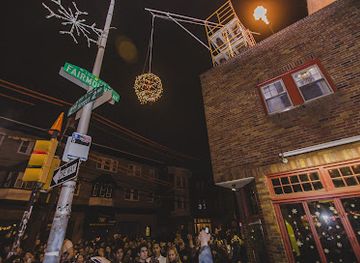
Evening life is concentrated in Scranton, Wilkes-Barre, Stroudsburg and the larger Pocono resort communities rather than distributed evenly across the countryside. Traditional taverns, Irish-influenced pubs, breweries and restaurants are important meeting places in former coal towns, while the main cities add cocktail bars, live music, comedy, theatre and student-oriented venues. Wilkes-Barre and Scranton generally provide the widest choice of organised entertainment, with schedules changing according to university terms, touring performers and seasonal events. Stroudsburg has a walkable concentration of restaurants and bars around its historic centre, while Milford and Honesdale offer quieter evenings based on dining and small local venues. Rural areas often close earlier and may require a designated driver because public transport is limited. Nightlife is therefore best approached as part of a town-based itinerary, not as a continuous regional club scene.
-
Bar
Howl at the Moon Pittsburgh
Discover the vibrant nightlife of Pittsburgh at Howl at the Moon, featuring live music, delicious cocktails, and an electrifying atmosphere.
-
Bar
The 700
Experience the vibrant nightlife at The 700, a premier bar in Philadelphia offering karaoke, comedy, and a welcoming atmosphere for all.
-
Restaurant
Makumba Restaurant Bar
Experience the lively atmosphere and flavorful dishes at Makumba Restaurant Bar in Philadelphia, where dining meets vibrant nightlife.
-
Night club
Roar Nightclub
Experience the vibrant nightlife at Roar Nightclub in Philadelphia, where electrifying music and an inviting atmosphere create unforgettable moments.

Best shops in Northeastern Pennsylvania
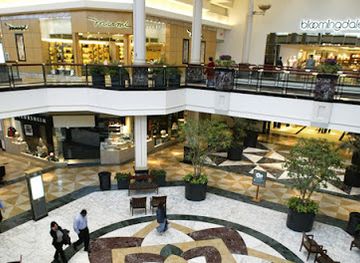
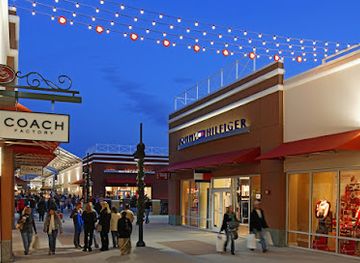
Shopping is strongest in the region's historic downtowns, suburban commercial corridors and seasonal farm markets rather than in one dominant retail district. Scranton and Wilkes-Barre provide independent bookshops, galleries, antique dealers, clothing stores and everyday shopping, while Stroudsburg and Milford are known for walkable streets with locally owned boutiques, arts businesses and gift shops. Honesdale and Tunkhannock offer smaller-town browsing, including antiques, crafts, books and galleries. Visitors looking for regional products can seek out farm stands, cider, honey, preserves, baked goods, maple products and locally produced beer, with availability varying by season. Outdoor equipment and ski-related retail are more prominent in the Pocono communities. Coal-themed souvenirs, railway memorabilia and handmade Pennsylvania crafts are more meaningful purchases than generic resort merchandise, and farmers' markets are often the best place to buy food products directly from nearby producers.
-
Shopping mall
King of Prussia
Discover the unparalleled shopping, dining, and entertainment experience at King of Prussia, Pennsylvania's largest shopping mall.
-
Shopping mall
Peddler's Village
Experience the enchanting blend of shopping, dining, and history at Peddler's Village in Lahaska, PA, a delightful destination for all ages.
-
Outlet mall
Pocono Premium Outlets
Discover unbeatable deals and stunning views at Pocono Premium Outlets, a shopper's paradise in the heart of the Poconos.
-
Outlet mall
Philadelphia Premium Outlets
Discover unparalleled savings and an exciting shopping experience at the Philadelphia Premium Outlets in Pottstown, PA.

Get your free copy of our complete guide to Northeastern Pennsylvania, delivered straight to you.
Everything on this page, from attractions and restaurants to essentials and local phrases, in one PDF you can read offline, print or share.
Already have an account? Sign in
Your Northeastern Pennsylvania guide is ready.
We'll send it to · Not you? Sign out

Getting your guide ready…
We are putting together a fresh copy of the Northeastern Pennsylvania guide. This can take up to a minute.
This can take a few moments. If your browser asks, choose Allow so the download can start. You'll find the guide in your Downloads folder.
Nothing happened? Download it again
Sorry, the guide is taking longer than usual. Please try again in a minute, or get it by email instead.
Northeastern Pennsylvania essentials
Currency and Payment
Safety
Emergency Situations
Do's and Don'ts
Local Tips
From Eve
Local phrases worth knowing
You don't need to get them perfect. A few words go a long way, and locals appreciate the effort.
Basics
| English | Local | Say it |
|---|---|---|
| Hello | Hey | [Hey] |
| Goodbye | See ya | [See ya] |
| Yes | Yeah | [Yeah] |
| No | Nah | [Nah] |
| Please/You're welcome | Sure thing | [Shoor thing] |
| Thank you | Thanks | [Thanks] |
| Excuse me/Sorry | Sorry 'bout that | [Sorry 'bout that] |
| How are you? | How ya doin'? | [How ya doin'?] |
| Fine. And you? | Good. You? | [Good. You?] |
| Do you speak English? | You speakin' English? | [You speakin' English?] |
| I don't understand | I don’t get it | [I don’t get it] |
Eating & Drinking
| English | Local | Say it |
|---|---|---|
| I'd like to see the menu, please | Can I see the menu? | [Can I see the menu?] |
| I don't eat meat | I ain't eatin' meat | [I ain't eatin' meat] |
| Cheers! | Cheers! | [Cheers!] |
| I would like to pay, please | Can I get the check? | [Can I get the check?] |
Emergencies
| English | Local | Say it |
|---|---|---|
| Help! | Help! | [Help!] |
| Go away! | Get lost! | [Get lost!] |
| Call the Police! | Call the cops! | [Call the cops!] |
| Call a doctor! | Get a doctor! | [Get a doctor!] |
| I'm lost | I’m lost | [I’m lost] |
| I'm ill | I’m feelin' sick | [I’m feelin' sick] |
Shopping
| English | Local | Say it |
|---|---|---|
| I'd like to buy... | I wanna buy... | [I wanna buy...] |
| I'm just looking | Just lookin' | [Just lookin'] |
| How much is it? | How much’s that? | [How much’s that?] |
| That's too expensive | That’s too pricey | [That’s too pricey] |
| Can you lower the price? | Can ya knock down the price? | [Can ya knock down the price?] |
Time & Numbers
| English | Local | Say it |
|---|---|---|
| What time is it? | What time is it? | [What time is it?] |
| It's one o'clock | It’s one o’clock | [It’s one o’clock] |
| Half past (10) | Half past ten | [Half past ten] |
| Morning | Mornin' | [Mornin'] |
| Afternoon | Afternoon | [Afternoon] |
| Evening | Evenin' | [Evenin'] |
| Yesterday | Yest'day | [Yest'day] |
| Today | Today | [Today] |
| Tomorrow | Tomorrow | [Tomorrow] |
| 1 | One | [One] |
| 2 | Two | [Two] |
| 3 | Three | [Three] |
| 4 | Four | [Four] |
| 5 | Five | [Five] |
| 6 | Six | [Six] |
| 7 | Seven | [Seven] |
| 8 | Eight | [Eight] |
| 9 | Nine | [Nine] |
| 10 | Ten | [Ten] |
Transport & Directions
| English | Local | Say it |
|---|---|---|
| Where's a/the...? | Where’s a...? | [Where’s a...?] |
| What's the address? | What’s the address? | [What’s the address?] |
| Can you show me (on the map)? | Can ya show me on the map? | [Can ya show me on the map?] |
| When's the next (bus)? | When’s the next bus? | [When’s the next bus?] |
| A ticket (to ....) | A ticket to... | [A ticket to...] |
History of Northeastern Pennsylvania
Indigenous Homelands and River Corridors
Before European settlement, the region was inhabited and travelled by Indigenous peoples including the Lenape and Susquehannock, with the Delaware and Susquehanna rivers providing important routes through the mountains. Indigenous place-names and archaeological evidence remain part of the area's deeper history, although much of the record was disrupted by colonisation, land dispossession and forced migration. The river valleys later attracted farms, roads and towns, making the geography that had long supported Indigenous movement central to the region's colonial and commercial development.
The Pennamite–Yankee Disputes
During the eighteenth century, northeastern Pennsylvania became the setting for a prolonged territorial struggle between settlers associated with Connecticut and Pennsylvania. The disagreement centred on overlapping colonial land claims in the Wyoming Valley and produced armed confrontations commonly known as the Pennamite–Yankee Wars. Pennsylvania's claim was ultimately upheld after the American Revolution, but the conflict left a distinctive political and settlement legacy in the Wyoming Valley, where New England and Pennsylvania influences had already become closely intertwined.
Anthracite Coal and Industrial Expansion
Large deposits of hard anthracite coal transformed the valleys around Scranton, Wilkes-Barre, Carbondale and Hazleton during the nineteenth century. Mines, breakers, canals and railways expanded rapidly, linking the coalfields with eastern American cities and ports. Companies recruited workers from Ireland, Wales, eastern and southern Europe, and elsewhere, creating strongly immigrant communities with their own churches, clubs, newspapers and food traditions. Coal wealth also funded substantial civic buildings, theatres and private houses, many of which remain visible in the region's older urban districts.
Railways, Labour and the Rise of Scranton
Railways were essential to the movement of anthracite and helped Scranton develop from a mining settlement into a major industrial and transport centre. The Delaware, Lackawanna and Western Railroad was especially influential, while locomotive works, iron production and related businesses broadened the local economy. Labour organisation and industrial disputes formed an important part of community life, reflecting difficult conditions underground and in factories. Steamtown National Historic Site preserves part of this wider railway story, including the technology that connected northeastern Pennsylvania to national markets.
The Knox Mine Disaster and Coal's Decline
On 22 January 1959, the roof of the Susquehanna River broke into the Knox Coal Company's River Slope Mine near Port Griffith, close to Wilkes-Barre. The disaster killed twelve miners and hastened the decline of deep anthracite mining in the Wyoming Valley. By that time, mechanisation, competition from other fuels and changing industrial patterns had already weakened the coal economy. The consequences were profound: population loss, unemployment, environmental damage and the need to rebuild local economies around education, healthcare, services, culture and outdoor tourism.
Conservation and the Pocono Landscape
The forests, rivers and mountain scenery east of the coal cities became increasingly important to conservation and recreation in the late nineteenth and twentieth centuries. Gifford Pinchot, born into a prominent Milford family, became a major figure in American forestry and served as Pennsylvania governor. Grey Towers, his family home in Milford, reflects that conservation history. The creation and development of Delaware Water Gap National Recreation Area and other public recreation lands later helped protect important valleys, ridges and river corridors while establishing tourism as a significant part of the regional economy.
Northeastern Pennsylvania in Photos
Browse through our photo collection highlighting the charm and character of the destination.
Neighbouring regions of Northeastern Pennsylvania
The closest regions to Northeastern Pennsylvania, if you have time for more than one.
-

-

-

-

-
 Upper Delaware Valley
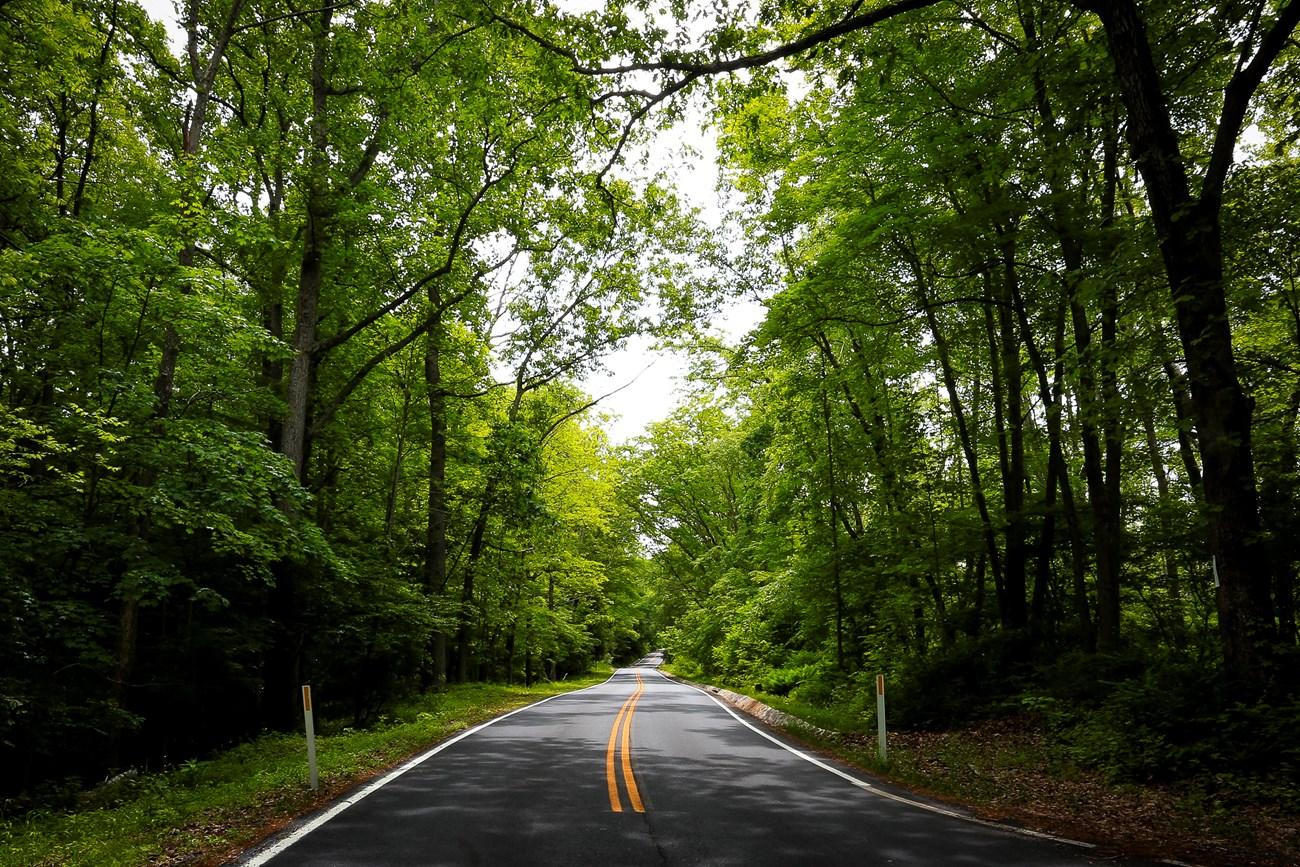
Explore Pennsylvania’s Upper Delaware Valley for river landscapes, forested hills, historic towns, canal heritage and outdoor recreation.


Swipe for more regions
Explore more

Explore more of Pennsylvania
Discover Pennsylvania: A blend of rich history, breathtaking nature, and vibrant culture awaits you in the Keystone State.
Explore Pennsylvania