

Lower Susquehanna Valley, Pennsylvania Travel Guide
Discover the Lower Susquehanna Valley: A blend of scenic beauty, historical charm, and vibrant local culture in the heart of Pennsylvania.
Nestled in the heart of Pennsylvania, the Lower Susquehanna Valley is a scenic wonderland waiting to be explored. This region is known for its picturesque landscapes, rich history, and vibrant local culture. Travelers will find a perfect blend of outdoor adventures and charming small towns that offer a taste of true Americana. The valley is home to the majestic Susquehanna River, which provides a stunning backdrop for many activities. Visitors can enjoy boating, fishing, and kayaking on the river, or take a leisurely stroll along its banks to soak in the serene beauty. The area also boasts numerous parks and nature reserves, making it a haven for hikers, bird watchers, and nature lovers. History buffs will be delighted by the region's historical sites. The Lower Susquehanna Valley played a significant role in the Civil War, and many landmarks and museums offer a glimpse into this tumultuous period. Don't miss the chance to visit the town of Columbia, known for its well-preserved 19th-century architecture and vibrant arts scene. Foodies will find plenty to savor in the valley's diverse culinary scene. From farm-to-table restaurants to cozy cafes, there is something to satisfy every palate. Be sure to sample the local wines from the many vineyards dotting the landscape, as well as the craft beers from the area's burgeoning brewery scene.

Know before you go
Hi, I'm Eve. Here are a few practical things to know before exploring Lower Susquehanna Valley.
- Visit the Susquehanna Riverlands for outdoor activities like hiking, fishing, and bird watching.
- Explore the historic town of Columbia, known for its 19th-century architecture and art galleries.
- Sample local wines at the many vineyards in the region, and don't miss the area's craft breweries.
- Check out the local farmers' markets for fresh produce and handmade goods.
- Visit the local museums to learn about the region's role in the Civil War.
Top City Travel Guides in Lower Susquehanna Valley
The cities of Lower Susquehanna Valley, and the easiest places to base yourself.

Destinations in Lower Susquehanna Valley
Resorts, valleys and scenic spots worth a trip of their own.


Explore Lower Susquehanna Valley: Things to Do, Places to Eat, Hotels & More
Handpicked recommendations for top attractions, local dining, accommodations, and more

Top Attractions & Sightseeing in Lower Susquehanna Valley
Top-rated picks
Best Attractions

Knoebels Amusement Resort
Discover the magic of Knoebels Amusement Resort, a family-friendly amusement park in Pennsylvania with thrilling rides, free admission, and a nostalgic atmosphere.

Presque Isle State Park
Explore the stunning shores and natural wonders of Presque Isle State Park, a premier destination for outdoor adventure and relaxation in Pennsylvania.

Bushkill Falls
Explore the breathtaking beauty of Bushkill Falls, a natural wonder showcasing stunning waterfalls and scenic trails in the heart of the Pocono Mountains.

Lehigh Gorge Scenic Railway: Trademark of the Reading & Northern Railroad
Discover the breathtaking beauty of Pennsylvania aboard the Lehigh Gorge Scenic Railway, a historic train journey through stunning landscapes.

Best landmarks in Lower Susquehanna Valley
Top-rated picks
Best Landmarks

Valley Forge National Historical Park
Explore the historic Valley Forge National Historical Park, where America's revolutionary past meets breathtaking natural beauty in Pennsylvania.

Elfreth's Alley Museum
Explore the oldest residential street in America at Elfreth's Alley Museum, where history comes alive in the heart of Philadelphia.

Steamtown National Historic Site
Explore the legacy of American railroads at Steamtown National Historic Site, a captivating rail museum in Scranton, Pennsylvania.

Sachs Covered Bridge
Experience the enchanting Sachs Covered Bridge in Gettysburg, a historical landmark that captures the essence of America's past amidst stunning natural beauty.

Best restaurants in Lower Susquehanna Valley
Top-rated picks
Best Restaurants

Duke's Riverside Bar & Grille
Experience delightful dining with stunning river views at Duke's Riverside Bar & Grille in Wormleysburg.

Cooper's Seafood House
Discover the best seafood dining at Cooper's Seafood House in Scranton—where fresh flavors meet inviting ambiance.

Texas Roadhouse
Experience authentic American flavors at Texas Roadhouse in Selinsgrove - home of hand-cut steaks & lively atmosphere!

Dockside Willies
Experience waterfront dining at Dockside Willies - where delicious flavors meet breathtaking views in Lemoyne, Pennsylvania.

Best bars in Lower Susquehanna Valley
Top-rated picks
Best Bars

Olde Brook Inn
Discover the flavors of American cuisine at Olde Brook Inn, where comfort meets creativity in a charming gastropub setting.

Penn's Tavern Historical Waterfront Restaurant
Discover the culinary delights at Penn's Tavern, a historical waterfront gem offering local flavors and live music in a charming setting.

Chaplin's Honky Tonk Restaurant & Saloon
Discover the lively atmosphere and delicious fare at Chaplin's Honky Tonk Restaurant & Saloon in Scranton, PA - a true taste of Americana.

Happy Valley Sports Bar
Enjoy a vibrant atmosphere at Happy Valley Sports Bar, where sports, family fun, and delicious food come together in Dickson City, Pennsylvania.

Best nightclubs in Lower Susquehanna Valley
Top-rated picks
Best Nightclubs

S Club
Discover the vibrant nightlife at S Club, a lively bar in Harrisburg offering a great selection of drinks and a welcoming atmosphere.

704 Lounge
Experience the vibrant nightlife at 704 Lounge, Harrisburg's premier gay bar, offering delicious cocktails and a welcoming atmosphere for all.

Savannah's On Hanna
Discover the lively atmosphere and exceptional performances at Savannah's On Hanna, the premier adult entertainment venue in Downtown Harrisburg.

Harrisburg Maennerchor
Experience the energetic nightlife at Harrisburg Maennerchor, where affordable drinks and fun events create the perfect atmosphere for a memorable night.

Best shops in Lower Susquehanna Valley
Top-rated picks
Best Shops

Peddler's Village
Explore Peddler's Village: A charming blend of unique shops, delightful dining, and beautiful landscapes in Lahaska, PA.

Walmart Supercenter
Explore Walmart Supercenter in Selinsgrove, PA – your ultimate shopping destination for groceries, home goods, clothing, and more!

Hobby Lobby
Discover endless crafting possibilities at Hobby Lobby, your ultimate destination for arts, crafts, and home decor in Dickson City, PA.

Boscov's
Explore Boscov's in Selinsgrove for a diverse shopping experience with clothing, home goods, and unique treasures, perfect for every traveler.

Explore Lower Susquehanna Valley on the Map
A handpicked selection of must-see spots in Lower Susquehanna Valley, mapped for you.
Lower Susquehanna Valley Essentials
-
The Lower Susquehanna Valley is easily accessible via several major highways, including Interstate 83 and U.S. Route 30. The nearest major airports are Harrisburg International Airport (MDT) and Baltimore/Washington International Thurgood Marshall Airport (BWI). From these airports, you can rent a car or take a shuttle service to reach the valley. Amtrak also serves the region with stops in Harrisburg and Lancaster, providing a scenic and comfortable travel option.
-
Once in the Lower Susquehanna Valley, you have various transportation options. Renting a car is highly recommended for the most flexibility, as it allows you to explore the area's rural landscapes and historic sites at your own pace. Public transportation is available in the larger cities like Harrisburg and Lancaster, where you can use local buses and taxis. Ride-sharing services like Uber and Lyft are also operational in the region. Biking is another great way to experience the valley, especially along the many trails and scenic routes.
-
The official currency is the U.S. Dollar (USD). Credit and debit cards are widely accepted in most hotels, restaurants, and shops. However, it's always a good idea to carry some cash for smaller establishments, farmers' markets, and rural areas where card payments may not be accepted. ATMs are readily available throughout the region.
-
The Lower Susquehanna Valley is generally a safe destination for tourists. However, like any travel destination, it is advisable to take standard precautions. Avoid walking alone at night in unfamiliar areas and keep an eye on your belongings in crowded places. While the region is mostly safe, certain areas in the larger cities, such as some neighborhoods in Harrisburg, have higher crime rates. It’s best to stay vigilant and use common sense.
-
In case of emergency, dial 911 for immediate assistance. The region is well-equipped with medical facilities and hospitals, especially in larger cities like Harrisburg and Lancaster. It is recommended to have travel insurance that covers medical emergencies. For minor health issues, there are numerous pharmacies where you can purchase over-the-counter medications. Carry a list of emergency contacts and any necessary medical information.
-
Fashion: Do dress comfortably, especially if you plan to explore outdoor attractions. Wearing layers is advisable due to changing weather conditions. Avoid overly casual attire in upscale restaurants or historical sites. Religion: Do respect local customs and traditions. If visiting religious sites, dress modestly and be quiet and respectful. Public Transport: Do be courteous and give up your seat to elderly or disabled passengers. Don’t eat or drink on public transport. Greetings: Do greet people with a friendly handshake or a simple hello. Locals appreciate politeness and friendliness. Eating & Drinking: Do try local delicacies and be willing to sample Pennsylvania Dutch cuisine. Don’t forget to tip your servers, as it is customary in the United States.
-
To experience the Lower Susquehanna Valley like a local, visit the farmers' markets where you can buy fresh produce and homemade goods. Engage with locals, who are often eager to share stories about the region’s rich history and culture. Don’t miss visiting historical sites like the Gettysburg Battlefield, the Amish communities in Lancaster, and the charming town of Lititz. For a unique experience, take a boat tour on the Susquehanna River or explore the many hiking and biking trails in the area.
When is the best time to visit Lower Susquehanna Valley?
Useful Local Phrases for Lower Susquehanna Valley
You don't need to speak the language perfectly. Even learning a few simple words can make conversations warmer—and locals usually appreciate the effort.
— Eve

Here are the phrases I use most often in Lower Susquehanna Valley. Try a few—you'll be surprised how far they go! 😊
❤️
-
- HelloHowdy
[hau-dee] - GoodbyeSee ya
[see yah] - YesYup
[yup] - NoNah
[nah] - Please/You're welcomeSure thing
[shur thing] - Thank youThanks a lot
[thanks a lot] - Excuse me/SorryPardon me
[par-dun mee] - How are you?How ya doin'?
[how yah doin'?] - Fine. And you?Good, and you?
[good, and you?] - Do you speak English?You speakin' English?
[you speakin' English?] - I don't understandI ain't gettin' it
[I ain't gettin' it]
- HelloHowdy
-
- I'd like to see the menu, pleaseCan I see the menu, please?
[can I see the menu, please?] - I don't eat meatI don't eat no meat
[I don't eat no meat] - Cheers!Cheers!
[cheers] - I would like to pay, pleaseCan I get the check, please?
[can I get the check, please?]
- I'd like to see the menu, pleaseCan I see the menu, please?
-
- Help!Help!
[help] - Go away!Leave me alone!
[leave me alone] - Call the Police!Call the cops!
[call the cops] - Call a doctor!Get a doctor!
[get a doctor] - I'm lostI’m turned around
[I’m turned around] - I'm illI ain't feelin' well
[I ain't feelin' well]
- Help!Help!
-
- I'd like to buy...I wanna buy...
[I wanna buy...] - I'm just lookingJust browsin'
[just browsin'] - How much is it?What’s the price?
[what's the price?] - That's too expensiveThat’s way too pricey
[that’s way too pricey] - Can you lower the price?Can ya cut the price?
[can yah cut the price?]
- I'd like to buy...I wanna buy...
-
- What time is it?What time ya got?
[what time yah got?] - It's one o'clockIt’s one o’clock
[it’s one o’clock] - Half past (10)Half past ten
[half past ten] - MorningMornin'
[mornin'] - AfternoonAfternoon
[afternoon] - EveningEvenin'
[evenin'] - YesterdayYesterday
[yesterday] - TodayToday
[today] - TomorrowTomorrow
[tomorrow] - 1One
[one] - 2Two
[two] - 3Three
[three] - 4Four
[four] - 5Five
[five] - 6Six
[six] - 7Seven
[seven] - 8Eight
[eight] - 9Nine
[nine] - 10Ten
[ten]
- What time is it?What time ya got?
-
- Where's a/the...?Where's the...?
[where's the...?] - What's the address?What’s the address?
[what's the address?] - Can you show me (on the map)?Can ya point it out?
[can yah point it out?] - When's the next (bus)?When's the next bus?
[when's the next bus?] - A ticket (to ....)A ticket to...
[a ticket to...]
- Where's a/the...?Where's the...?
History of Lower Susquehanna Valley
-
The Susquehannock, also known as the Conestoga, were the original inhabitants of the Lower Susquehanna Valley. They were known for their large, fortified villages and complex society. Their presence was first documented by European explorers in the early 17th century. The Susquehannock were involved in fur trading with Europeans, which greatly influenced their way of life until their population dwindled due to disease and conflicts.
-
In 1719, John Harris Sr., an English trader and pioneer, established a trading post along the Susquehanna River, which later became Harrisburg, Pennsylvania's state capital. Harris’s son, John Harris Jr., laid out the town in 1785 and named it after his father. The strategic location of Harrisburg along the river made it a vital transportation hub and contributed to its growth and significance in the region.
-
In December 1763, a group of frontiersmen known as the Paxton Boys attacked and killed 20 Susquehannock people in what is now Conestoga Township. This violent event was a reaction to ongoing frontier conflicts and perceived threats from Native Americans. The Paxton Boys' actions led to a larger political conflict in Pennsylvania, highlighting tensions between frontier settlers and the colonial government.
-
The Lower Susquehanna Valley played a significant role during the American Revolution. Harrisburg served as a supply center for the Continental Army, and the area was a key passageway for troops and supplies. The region's ironworks and other industries contributed essential materials for the war effort, supporting the struggle for American independence.
-
The Lower Susquehanna Valley was an important region for the Underground Railroad, the network of secret routes and safe houses used by enslaved African Americans to escape to free states and Canada. Local abolitionists, including those in Harrisburg and surrounding communities, provided critical assistance and shelter to those fleeing slavery, making the valley a beacon of hope and freedom.
-
In the early 19th century, the construction of the Pennsylvania Canal transformed the Lower Susquehanna Valley into a transportation and industrial hub. The canal facilitated the movement of coal, iron, and other goods, spurring economic growth. Towns like Middletown and Columbia thrived as canal ports, contributing to the region's prosperity and industrial development.
-
Though the Battle of Gettysburg occurred south of the Lower Susquehanna Valley, the region was deeply affected by the Civil War. Harrisburg was a significant logistics and training center for Union forces. The Confederate Army's advance into Pennsylvania in 1863, including skirmishes in nearby towns such as Wrightsville, brought the war's impact directly to the valley, highlighting its strategic importance.
-
The fertile lands of the Lower Susquehanna Valley have long supported robust agricultural activities. In the 18th and 19th centuries, the arrival of Amish and Mennonite communities brought unique farming practices and a distinct cultural heritage to the region. These communities continue to thrive today, contributing to the area's rich agricultural landscape and cultural diversity.
-
In 1979, the Three Mile Island nuclear power plant near Harrisburg experienced a partial meltdown, resulting in the most serious accident in U.S. commercial nuclear power plant history. The incident raised significant concerns about nuclear safety and led to widespread public fear and regulatory changes. The event remains a pivotal moment in the region's modern history.
-
Today, the Lower Susquehanna Valley is celebrated for its vibrant cultural festivals and preservation of heritage. Events such as the Kipona Festival in Harrisburg, which showcases Native American heritage and local arts, and the Pennsylvania Renaissance Faire in Manheim, reflect the region’s rich cultural tapestry. These festivals attract visitors from all over, highlighting the valley's enduring historical and cultural significance.
Neighbouring Regions of Lower Susquehanna Valley
The closest regions to Lower Susquehanna Valley, if you have time for more than one.



Your all‑in‑one travel companion app
Explore expert travel guides, compare and book tours, experiences, hotels, and more—all from the palm of your hand. Download now for seamless trip planning wherever your wanderlust takes you.


Explore More of Pennsylvania

Looking beyond Lower Susquehanna Valley? Discover Pennsylvania for broader travel guides, local hot-spots, and regional highlights.
Explore PennsylvaniaLower Susquehanna Valley in Photos
Browse through our photo collection highlighting the charm and character of the destination.


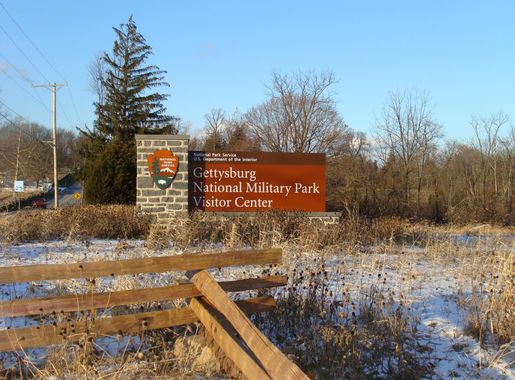

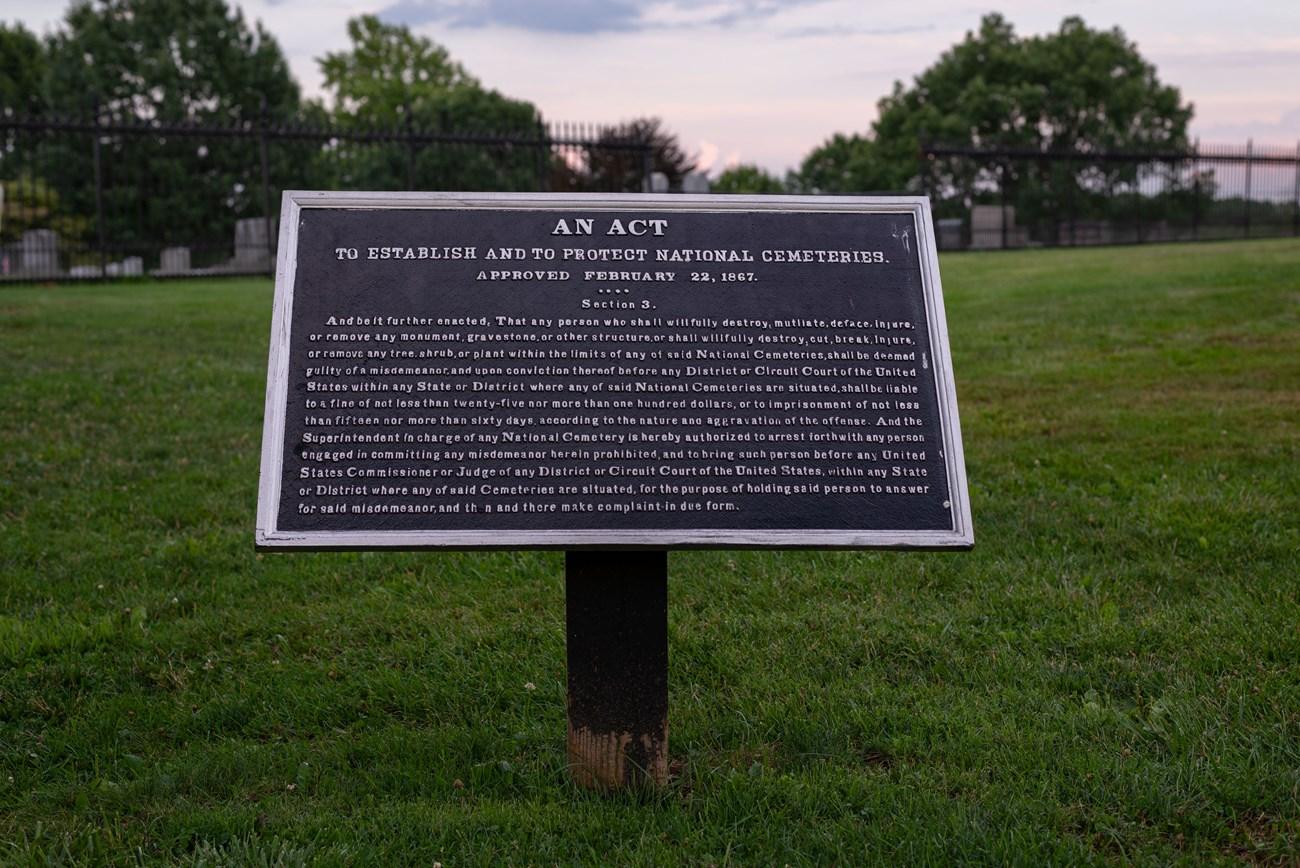
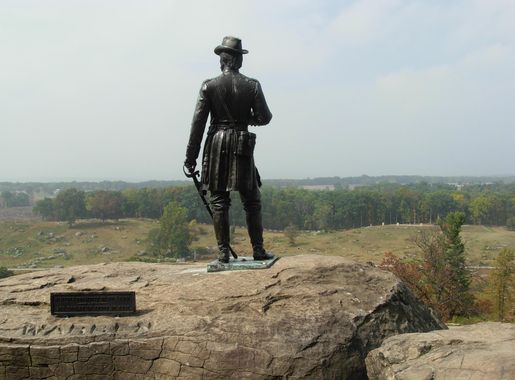
The Enchanting Lower Susquehanna Valley
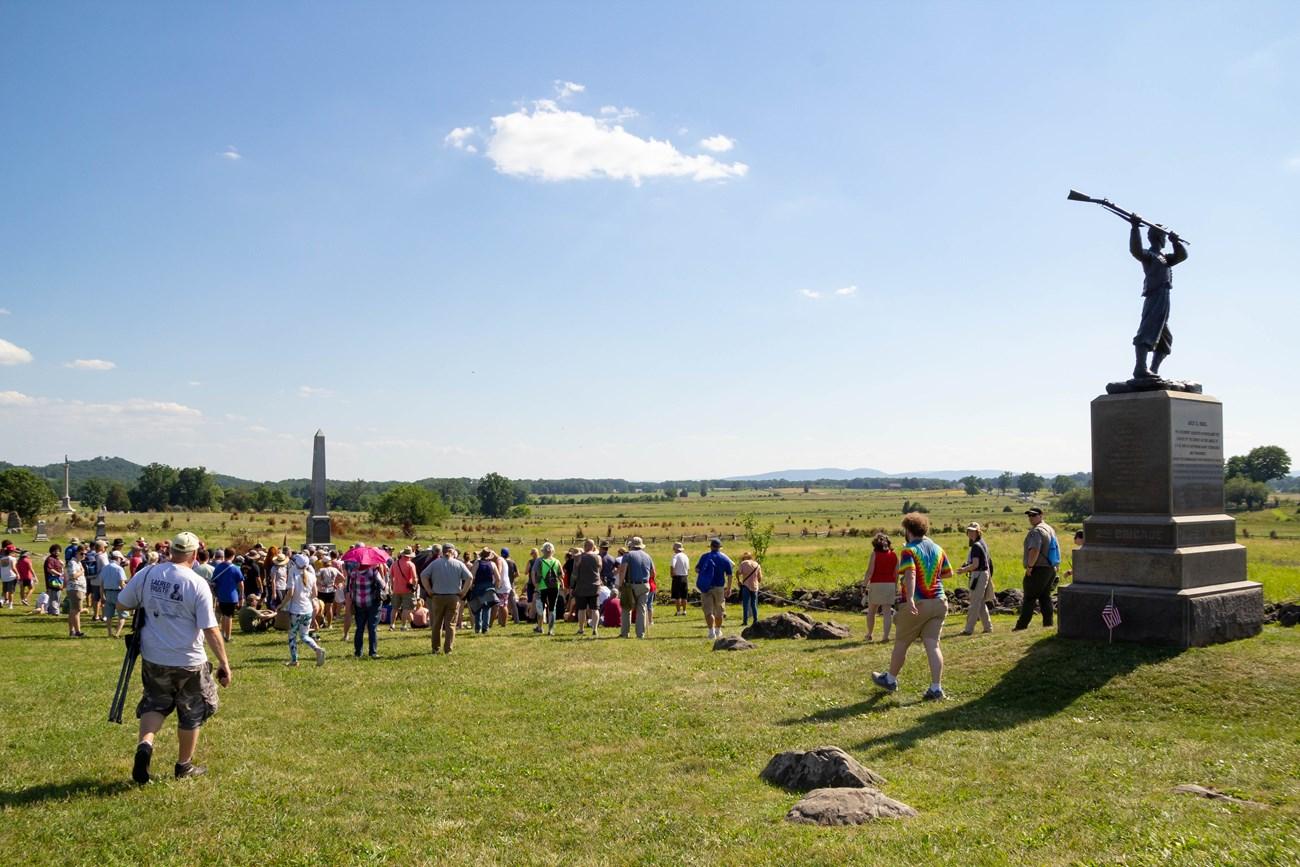
Nestled in the heart of Pennsylvania, the Lower Susquehanna Valley is a scenic wonderland waiting to be explored. This region is known for its picturesque landscapes, rich history, and vibrant local culture. Travelers will find a perfect blend of outdoor adventures and charming small towns that offer a taste of true Americana. The valley is home to the majestic Susquehanna River, which provides a stunning backdrop for many activities. Visitors can enjoy boating, fishing, and kayaking on the river, or take a leisurely stroll along its banks to soak in the serene beauty. The area also boasts numerous parks and nature reserves, making it a haven for hikers, bird watchers, and nature lovers. History buffs will be delighted by the region's historical sites. The Lower Susquehanna Valley played a significant role in the Civil War, and many landmarks and museums offer a glimpse into this tumultuous period. Don't miss the chance to visit the town of Columbia, known for its well-preserved 19th-century architecture and vibrant arts scene. Foodies will find plenty to savor in the valley's diverse culinary scene. From farm-to-table restaurants to cozy cafes, there is something to satisfy every palate. Be sure to sample the local wines from the many vineyards dotting the landscape, as well as the craft beers from the area's burgeoning brewery scene.