

Free Calabarzon Travel Guide & Mobile App
Explore Calabarzon with free travel guides. Discover regional history, expert tips, proposed trips, and audio guides on web or mobile app.


Explore Calabarzon’s volcanoes, heritage towns, diving coast, mountain scenery, regional food and historic sites south and east of Manila.
Read more about Calabarzon
When is the best time to visit Calabarzon?
Best: January–March · 31–33°C| Month | High (°C) | Rainfall (mm) |
|---|---|---|
| January (best) | 31 | 100 |
| February (best) | 32 | 90 |
| March (best) | 33 | 110 |
| April | 34 | 120 |
| May | 34 | 150 |
| June | 34 | 180 |
| July | 33 | 210 |
| August | 33 | 220 |
| September | 33 | 200 |
| October | 33 | 180 |
| November | 32 | 150 |
| December | 32 | 130 |
Getting to and around Calabarzon
How to get there
Transportation
Top city travel guides in Calabarzon
The cities of Calabarzon, and the easiest places to base yourself.
-

-

-

-


Swipe for more cities
Destinations in Calabarzon
Resorts, valleys and scenic spots worth a trip of their own.
-

-


Swipe for more destinations
Best attractions in Calabarzon
Calabarzon offers a broad mixture of historic, natural and recreational attractions. Cavite is the place to explore revolutionary history through the Aguinaldo Shrine in Kawit, heritage churches and military associations extending to Corregidor, which is part of Cavite but reached by boat. Laguna combines the Rizal Shrine in Calamba, the lake and forest landscapes around Los Baños, Pagsanjan Falls and family-oriented attractions such as Enchanted Kingdom in Santa Rosa. Batangas brings together Taal’s heritage streets, the volcanic scenery around Taal Lake, the diving waters of Anilao and beaches and marine excursions along its extensive coast. Rizal is known for Pinto Art Museum in Antipolo, Hinulugang Taktak and guided landscapes such as Masungi Georeserve. Quezon has pilgrimage, church and countryside attractions around Lucban and Tayabas, along with routes towards Mount Banahaw and Pacific-facing coastal districts. Conditions, access rules and conservation requirements vary considerably, so outdoor excursions are best arranged with established local guides.
-
Theme park
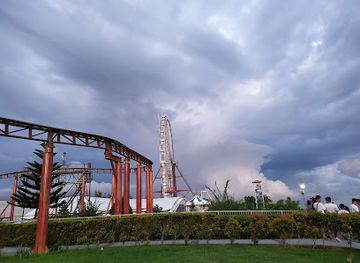
Enchanted Kingdom
Discover the magic of Enchanted Kingdom, a top theme park in Santa Rosa, Laguna, offering thrilling rides and unforgettable family experiences.
-
Amusement park
Sky Ranch Tagaytay
Experience thrilling rides and stunning views at Sky Ranch Tagaytay, an amusement park where fun meets nature's beauty.
-
Park
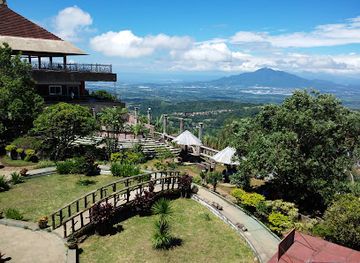
People's Park in the Sky
Discover the serene beauty of People's Park in the Sky, a stunning park in Tagaytay offering panoramic views and a tranquil escape into nature.
-
Tourist attraction
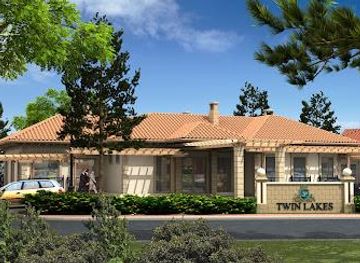
Twin Lakes Tagaytay
Experience breathtaking views and serene landscapes at Twin Lakes Tagaytay, a premier destination for relaxation, dining, and shopping.

Best landmarks in Calabarzon
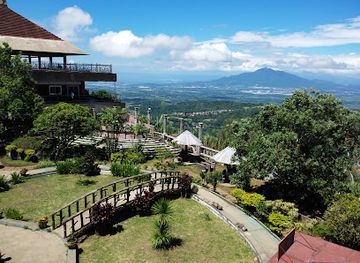
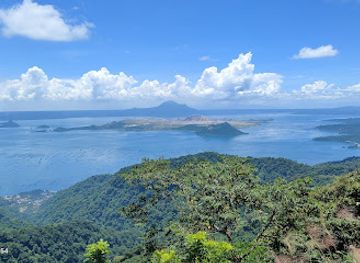
Calabarzon’s most recognisable landmarks reflect its volcanic geography, revolutionary history and Spanish-colonial townscape. Taal Volcano and Taal Lake form the region’s defining natural image, although access to the volcano and nearby areas is subject to official volcanic advisories. In Cavite, the Aguinaldo Shrine in Kawit marks the site associated with the proclamation of Philippine independence, while Corregidor preserves fortifications, tunnels and memorials from the Second World War. The Basilica of Saint Martin de Tours in Taal is one of the region’s most imposing historic churches, rising above a town known for ancestral houses and religious heritage. Laguna’s Rizal Shrine in Calamba commemorates the birthplace of José Rizal, and Mount Makiling provides a forested volcanic backdrop to Los Baños. In Quezon, the Minor Basilica of Saint Michael the Archangel in Tayabas is a major example of colonial-era ecclesiastical architecture. The limestone formations of Masungi Georeserve in Rizal provide a more contemporary natural landmark, shaped by conservation and guided access.
-
Park
Tagaytay Picnic Grove
Experience the breathtaking views and refreshing air of Tagaytay Picnic Grove, a perfect blend of nature, adventure, and relaxation.
-
Park
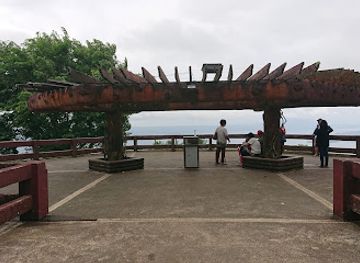
People's Park in the Sky
Discover the breathtaking views and serene atmosphere of People's Park in the Sky, a must-visit tourist attraction in Tagaytay, Cavite.
-
Historical place museum
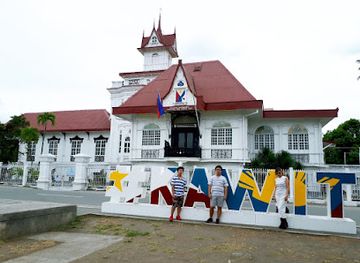
Aguinaldo Shrine (Museo ni Emilio Aguinaldo)
Explore the Aguinaldo Shrine, a historical museum that embodies the spirit of Philippine independence and offers a journey through the life of Emilio Aguinaldo.
-
 Resort hotel
Villa Escudero Plantations and Resort
Experience the serene beauty and rich culture of the Philippines at Villa Escudero Plantations and Resort in Tiaong, Quezon.
Explore Calabarzon on the map
Plan your trip on one map. See where the top cities, national parks and sights are, and book hotels and experiences in a few clicks.
Best hotels in Calabarzon
Best restaurants in Calabarzon
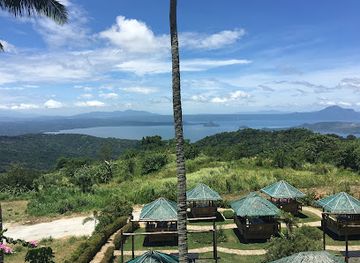
Dining in Calabarzon is strongly shaped by Tagalog food traditions, agricultural surroundings and the region’s proximity to Manila. Batangas is associated with kapeng barako, bulalo, lomi and seafood, while the heritage town of Taal has long been noted for local dishes and traditional sweets. Laguna is a good place to look for buko pie, coconut-based cooking, dairy products and fruit from the lake and upland districts. Quezon’s cuisine makes extensive use of coconut and includes dishes such as pancit habhab, while Cavite and Rizal offer a wide range of family restaurants, bakeries, cafés and market food influenced by both local and metropolitan tastes. Roadside eateries, rural inns, carinderias and public markets are often more revealing than formal dining rooms, although larger towns and resort areas also have contemporary restaurants. At coastal destinations, fish and shellfish are widely available, but menus and supply vary with season and weather.
-
Filipino
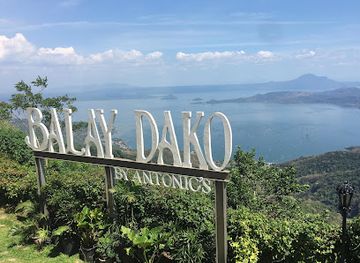
Balay Dako
Experience authentic Filipino cuisine with breathtaking views at Balay Dako in Tagaytay.
-
Filipino
Leslie's Restaurant
Experience authentic Filipino cuisine at Leslie's Restaurant in Tagaytay while enjoying stunning views of Taal Lake.
-
Restaurant
Dahon at Mesa - Tagaytay
Discover Dahon at Mesa: A perfect blend of breathtaking views and authentic Filipino cuisine in Tagaytay.
-
Filipino
Pamana Restaurant - Tagaytay
Experience authentic Filipino flavors at Pamana Restaurant in Tagaytay with breathtaking views and warm hospitality.
Best bars in Calabarzon
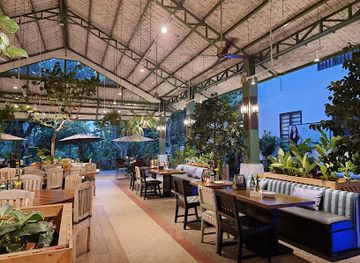
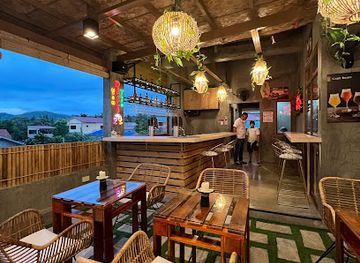
Calabarzon’s evening culture varies between dense urban corridors, resort towns and rural provinces. Antipolo, Santa Rosa, Dasmariñas, Tagaytay and Batangas City have the broadest selection of cafés, restaurants, breweries, hotel bars and late-evening venues, while coastal areas around Anilao and other resort communities tend to focus on relaxed dining and drinks after daytime activities. Traditional pubs and videoke bars are common in towns across the region, and live music is often found in restaurants or small evening venues rather than large concert halls. Tagaytay is known for restaurants with evening views, although it is outside the busiest central nightlife circuits. In Quezon and less urbanised parts of Laguna and Batangas, nightlife is generally quieter and centred on local eateries, inns and community gatherings. Opening arrangements change, particularly in resort districts, so confirm details locally rather than relying on old listings.
-
Bar
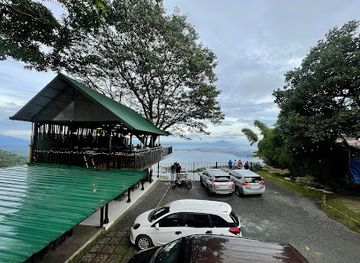
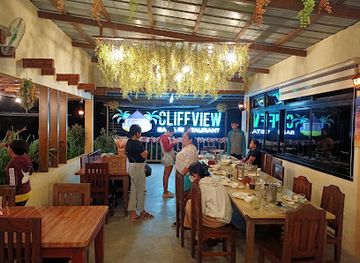
CliffView Bar & Restaurant
Experience breathtaking views and delectable dishes at CliffView Bar & Restaurant in Cavite, the perfect dining destination for tourists.
-
Bar
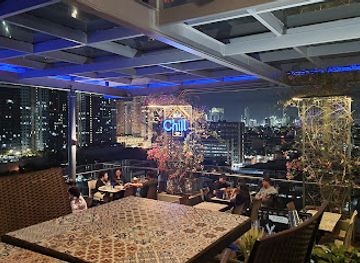
Chill Top Cubao - Roofdeck Restobar
Discover Chill Top Cubao, a vibrant rooftop restobar in Quezon City offering stunning views, delicious food, and a lively atmosphere for a memorable experience.
-
Bar
Farmer’s Table Tagaytay
Experience the best of Filipino cuisine with fresh farm-to-table dishes at Farmer’s Table Tagaytay, surrounded by breathtaking views and warm hospitality.
-
Restaurant
The Unknown Cafe, Bar and Restaurant
Discover the culinary charm of The Unknown Cafe, Bar, and Restaurant in Silang, offering a delightful menu and vibrant atmosphere for every diner.
Best nightclubs in Calabarzon
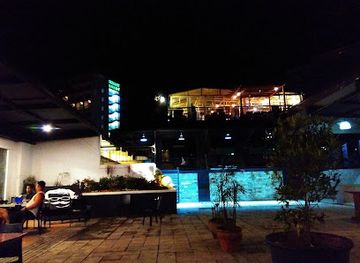
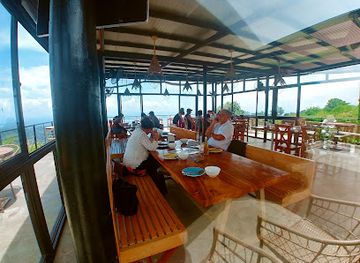
Calabarzon’s evening culture varies between dense urban corridors, resort towns and rural provinces. Antipolo, Santa Rosa, Dasmariñas, Tagaytay and Batangas City have the broadest selection of cafés, restaurants, breweries, hotel bars and late-evening venues, while coastal areas around Anilao and other resort communities tend to focus on relaxed dining and drinks after daytime activities. Traditional pubs and videoke bars are common in towns across the region, and live music is often found in restaurants or small evening venues rather than large concert halls. Tagaytay is known for restaurants with evening views, although it is outside the busiest central nightlife circuits. In Quezon and less urbanised parts of Laguna and Batangas, nightlife is generally quieter and centred on local eateries, inns and community gatherings. Opening arrangements change, particularly in resort districts, so confirm details locally rather than relying on old listings.
-
Bar
Papa Doms Bar and Restaurant - Tagaytay
Discover the perfect blend of stunning views, delightful cuisine, and vibrant nightlife at Papa Doms Bar and Restaurant in Tagaytay.
-
Bar
Cabanas Dine and Bar
Experience the vibrant dining and nightlife at Cabanas Dine and Bar in Tagaytay, where exquisite food and stunning views await you.
-
Night club
Golden taj (Grand Tourismo club)
Discover the electrifying nightlife at Golden Taj Night Club, a premier destination for music, dancing, and unforgettable experiences in Las Piñas.
-
Yacht club
Taal Lake Yacht Club
Discover Taal Lake Yacht Club: a perfect blend of adventure, relaxation, and breathtaking views of Taal Volcano.

Best shops in Calabarzon
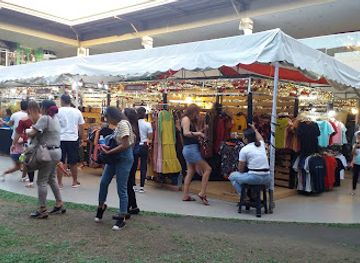
Shopping in Calabarzon ranges from urban retail centres and factory outlets to market towns, roadside produce stalls and specialist craft shops. Antipolo has galleries and workshops associated with regional art, while historic Taal is known for heritage-oriented shops, embroidery, textiles and locally produced food. In Laguna, visitors commonly look for buko pie, coconut products, preserved fruit and other edible gifts, with different towns developing their own bakery and market traditions. Batangas is a practical place to buy kapeng barako, local sweets, dried seafood and provincial produce, while Quezon offers coconut-based products, woven goods and foodstuffs from agricultural communities. Public markets are useful for fresh fruit, snacks and everyday goods, but shopping conditions vary greatly between districts. Larger malls in Cavite, Laguna, Batangas and Rizal provide familiar national and international brands, whereas smaller towns are better for direct contact with local food producers, independent retailers, antiques, crafts and regional souvenirs.
-
Shopping mall
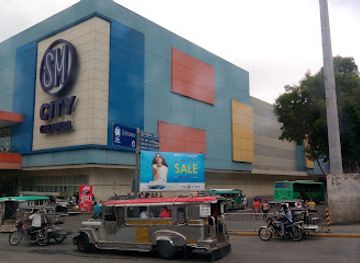
SM City Calamba
Explore SM City Calamba, the ultimate shopping and dining destination in Laguna, Philippines, offering diverse retail and entertainment options.
-
Shopping mall
Ayala Malls Solenad
Experience the best of shopping, dining, and entertainment at Ayala Malls Solenad, a premier destination in Santa Rosa, Laguna.
-
Outlet mall
Paseo Outlets
Experience a delightful shopping adventure at Paseo Outlets, where fashion meets savings in Santa Rosa, Laguna.
-
Shopping mall
Robinsons Tagaytay
Experience shopping, dining, and breathtaking views at Robinsons Tagaytay, the ultimate mall destination in the heart of Cavite.
Get your free copy of our complete guide to Calabarzon, delivered straight to you.
Everything on this page, from attractions and restaurants to essentials and local phrases, in one PDF you can read offline, print or share.
Already have an account? Sign in
Your Calabarzon guide is ready.
We'll send it to · Not you? Sign out

Getting your guide ready…
We are putting together a fresh copy of the Calabarzon guide. This can take up to a minute.
This can take a few moments. If your browser asks, choose Allow so the download can start. You'll find the guide in your Downloads folder.
Nothing happened? Download it again
Sorry, the guide is taking longer than usual. Please try again in a minute, or get it by email instead.
Calabarzon essentials
Currency and Payment
Safety
Emergency Situations
Do's and Don'ts
Local Tips
From Eve
Local phrases worth knowing
You don't need to get them perfect. A few words go a long way, and locals appreciate the effort.
Basics
| English | Local | Say it |
|---|---|---|
| Hello | Kamusta | [kah-moos-tah] |
| Goodbye | Paalam | [pah-ah-lahm] |
| Yes | Oo | [oh-oh] |
| No | Hindi | [hin-dee] |
| Please/You're welcome | Pakiusap / Walang anuman | [pah-kee-oo-sahp / wah-lang ah-noo-mahn] |
| Thank you | Salamat | [sah-lah-maht] |
| Excuse me/Sorry | Patawad | [pah-tah-wahd] |
| How are you? | Kamusta ka? | [kah-moos-tah kah] |
| Fine. And you? | Ayos lang. Ikaw? | [ah-yohs lahng. ee-kahw] |
| Do you speak English? | Marunong ka bang mag-Ingles? | [mah-roo-nohng kah bahng mahg-een-gles] |
| I don't understand | Hindi ko naiintindihan | [hin-dee koh nah-ee-in-tin-dee-han] |
Eating & Drinking
| English | Local | Say it |
|---|---|---|
| I'd like to see the menu, please | Gusto kong makita ang menu, please | [goos-toh kohng mah-kee-tah ahng meh-noo, plee-z] |
| I don't eat meat | Hindi ako kumakain ng karne | [hin-dee ah-koh koo-mah-kah-een nahng kar-neh] |
| Cheers! | Tagay! | [tah-gah-ee] |
| I would like to pay, please | Gusto kong magbayad, please | [goos-toh kohng mahg-bah-yahd, plee-z] |
Emergencies
| English | Local | Say it |
|---|---|---|
| Help! | Tulungan! | [too-loo-ngan] |
| Go away! | Umalis ka! | [oo-mah-lis kah] |
| Call the Police! | Tawagan ang Pulis! | [tah-wah-gahn ahng poo-lis] |
| Call a doctor! | Tawagan ang doktor! | [tah-wah-gahn ahng dok-tor] |
| I'm lost | Nawawala ako | [nah-wah-wah-lah ah-koh] |
| I'm ill | May sakit ako | [my sah-kit ah-koh] |
Shopping
| English | Local | Say it |
|---|---|---|
| I'd like to buy... | Gusto kong bumili ng... | [goos-toh kohng boo-mee-lee nahng] |
| I'm just looking | Nagmamasid lang ako | [nahg-mah-mah-sid lahng ah-koh] |
| How much is it? | Magkanu ito? | [mahg-kah-noo ee-toh] |
| That's too expensive | Masyado itong mahal | [mah-syah-doh ee-tong mah-hal] |
| Can you lower the price? | Maaari bang ibaba ang presyo? | [mah-ah-ree bahng ee-bah-bah ahng pres-yoh] |
Time & Numbers
| English | Local | Say it |
|---|---|---|
| What time is it? | Anong oras na? | [ah-nong oh-rahs nah] |
| It's one o'clock | Isang oras | [ee-sahng oh-rahs] |
| Half past (10) | Kalahating (10) | [kah-lah-hah-ting (10)] |
| Morning | Umaga | [oo-mah-gah] |
| Afternoon | Hapon | [hah-pon] |
| Evening | Gabi | [gah-bee] |
| Yesterday | Kahapon | [kah-hah-pon] |
| Today | Ngayon | [ngah-yohn] |
| Tomorrow | Bukas | [boo-kahs] |
| 1 | Isa | [ee-sah] |
| 2 | Dalawa | [dah-lah-wah] |
| 3 | Tatlo | [taht-loh] |
| 4 | Apat | [ah-paht] |
| 5 | Lima | [lee-mah] |
| 6 | Anim | [ah-neem] |
| 7 | Pito | [pee-toh] |
| 8 | Walo | [wah-loh] |
| 9 | Siyam | [see-yahm] |
| 10 | Sampu | [sahm-poo] |
Transport & Directions
| English | Local | Say it |
|---|---|---|
| Where's a/the...? | Nasaan ang...? | [nah-sah-ahn ahng] |
| What's the address? | Ano ang address? | [ah-noh ahng ahd-dres] |
| Can you show me (on the map)? | Maaari mo ba akong ipakita (sa mapa)? | [mah-ah-ree moh bah ah-kohng ee-pah-kee-tah (sah mah-pah)] |
| When's the next (bus)? | Kailan ang susunod na (bus)? | [kai-lan ahng soo-soo-nohd nah (boos)] |
| A ticket (to ....) | Isang tiket (papunta sa ...) | [ee-sahng tee-ket (pah-pun-tah sah ...)] |
History of Calabarzon
Early Trade and the Laguna Copperplate
Calabarzon has long connected the central Luzon lowlands, the interior lake districts and maritime routes through Batangas and Quezon. The Laguna Copperplate Inscription, discovered near Lumban and dated to 900 CE, is one of the Philippines’ earliest known written documents. Its legal language and references to places and political relationships indicate that communities around Laguna were involved in sophisticated networks of trade, authority and cultural exchange before Spanish colonisation. Archaeological and historical evidence across the region also points to established settlements, agriculture, craft production and contact with wider Southeast Asian societies.
Spanish Colonisation and Mission Towns
Spanish rule reshaped the region through the establishment of colonial towns, parishes, roads, plantations and port connections. Cavite became an important naval and shipbuilding centre near Manila Bay, while Laguna, Batangas and Quezon were integrated into agricultural and trading systems supplying the colonial capital. Churches in towns such as Taal, Tayabas and Lucban reflect the influence of religious orders and local building traditions. The colonial economy also encouraged the cultivation and circulation of sugar, coffee, coconut and other crops, leaving a lasting imprint on settlement patterns and architecture.
Cavite and the Philippine Revolution
Cavite was a decisive centre of the Philippine Revolution against Spanish rule in the 1890s. Revolutionary activity involved competing factions, military victories and political disputes, including the Tejeros Convention of 1897 in present-day General Trias. Emilio Aguinaldo, a Caviteño leader, later became the first president of the revolutionary government. In Kawit, the proclamation of Philippine independence was made on 12 June 1898, an event commemorated at the Aguinaldo Shrine. The province’s revolutionary legacy remains visible in museums, monuments, civic ceremonies and place names.
The Malolos Republic and the American Period
After Spain ceded the Philippines to the United States, the region became part of the wider conflict and political reorganisation that followed the Philippine-American War. Cavite’s naval position, Batangas’s ports and the routes around Laguna and Rizal gave the area continuing strategic and commercial importance. American-era public education, roads, municipal buildings and new administrative systems altered local life, while agricultural production and trade continued to support Manila. The period also intensified the region’s connections with the capital and helped establish transport corridors that remain important today.
Corregidor and the Second World War
Corregidor, an island administered as part of Cavite province, was a major American and Filipino military position guarding the entrance to Manila Bay. It became central to the defence of the Philippines during the Japanese invasion in 1941–42 and was later recaptured by Allied forces in 1945. Its tunnels, gun emplacements, memorials and ruined installations preserve the physical evidence of a crucial wartime campaign. Across Calabarzon, wartime occupation, resistance and disruption affected towns, transport, agriculture and civilian communities, although Corregidor provides the region’s most concentrated military landscape.
Post-war Growth and the CALABARZON Industrial Corridor
From the later twentieth century, Calabarzon changed rapidly as factories, export-processing zones, housing developments and new highways expanded around the southern and eastern approaches to Metro Manila. Cavite, Laguna, Batangas and parts of Rizal became important manufacturing and logistics centres, while Quezon remained more strongly associated with agriculture, forestry and coastal economies. This growth brought employment and improved infrastructure but also pressure on farmland, water resources, traffic systems and ecosystems. The modern region is therefore defined by a close coexistence of industrial development, expanding cities, old towns and protected natural areas.
Calabarzon in Photos
Browse through our photo collection highlighting the charm and character of the destination.
Neighbouring regions of Calabarzon
The closest regions to Calabarzon, if you have time for more than one.
-

-

-

-

-


Swipe for more regions
Explore more

Explore more of Philippines
Discover the Philippines: A tropical paradise of islands, rich history, and warm hospitality, perfect for adventurers and relaxation seekers alike.
Explore Philippines