

Bounty Bay, Pitcairn Islands Travel Guide
Discover Bounty Bay in Pitcairn Islands: A serene haven of natural beauty and rich history, perfect for nature lovers and history enthusiasts.
Bounty Bay, located on the remote Pitcairn Islands, is a serene and historical destination. This picturesque bay is named after the famous HMS Bounty mutiny, where the mutineers landed in 1790. The bay is surrounded by rugged cliffs and lush greenery, making it a perfect spot for nature lovers and history enthusiasts alike. Visitors to Bounty Bay can enjoy the crystal-clear waters, ideal for swimming, snorkeling, and kayaking. The underwater world here is teeming with vibrant marine life, offering an unforgettable experience for divers. The bay's shores are dotted with volcanic rocks, creating a striking contrast against the azure waters. For those interested in history, Bounty Bay offers a glimpse into the past with its connection to the HMS Bounty. You can explore the remnants of the ship and learn about the mutineers' fascinating story at the nearby Pitcairn Island Museum. The island's small community is welcoming, and you can immerse yourself in the unique culture and traditions of Pitcairn's residents.

Know before you go
Hi, I'm Eve. Here are a few practical things to know before exploring Bounty Bay.
- Pack light and breathable clothing; the climate is warm and humid year-round.
- Bring snorkeling gear to explore the vibrant marine life in the clear waters of Bounty Bay.
- Ensure you have travel insurance that covers remote destinations; medical facilities are limited.
- Respect the local customs and traditions; the community is small and close-knit.
- Carry cash, as there are no ATMs on the island and credit card facilities are limited.
Top City Travel Guides in Bounty Bay
The cities of Bounty Bay, and the easiest places to base yourself.


Best landmarks in Bounty Bay
Top-rated picks
Best Landmarks
Browse the full guide
All Landmarks

The Bounty Anchor
Discover the rich maritime heritage at The Bounty Anchor in Adamstown, a historical landmark that celebrates the legacy of the HMS Bounty.

St. Paul's Pool
Discover the serene beauty of St. Paul's Pool, a captivating natural attraction in the Pitcairn Islands, perfect for relaxation and adventure.

Pitcairn Islands Museum
Explore the fascinating heritage of the Pitcairn Islands at the local museum showcasing the history and legacy of the HMS Bounty mutineers.

Christian's Cave
Discover the breathtaking beauty and rich history of Christian's Cave, a captivating historical landmark and tourist attraction awaiting your exploration.


Best bars in Bounty Bay
Top-rated picks
Best Bars
Browse the full guide
All Bars

Pitcairn Island
Explore the remote beauty and rich history of Pitcairn Island, a hidden gem in the heart of the South Pacific.
The Bounty Anchor
Explore the historical significance of The Bounty Anchor in Adamstown, a monument that tells the tale of maritime adventures and island heritage.

St. Paul's Pool
Experience tranquility at St. Paul's Pool, a serene tourist attraction perfect for relaxation and enjoying nature's beauty.

Pitcairn Islands Museum
Explore the unique heritage of the Pitcairn Islands at the museum, showcasing artifacts from the HMS Bounty mutineers and local island culture.

Best nightclubs in Bounty Bay
Top-rated picks
Best Nightclubs
Browse the full guide
All Nightclubs
The Bounty Anchor
Explore The Bounty Anchor, a historical landmark in Adamstown that connects visitors to the legendary tale of the HMS Bounty and its crew.

Pitcairn Islands Museum
Explore the Pitcairn Islands Museum: A window into the rich maritime history and culture of one of the world's most remote islands.
Marco Boa's Cafe & Restaurant
Discover the charm of Marco Boa's Cafe & Restaurant, where exceptional coffee meets delightful cuisine in a cozy atmosphere.

Best shops in Bounty Bay
Top-rated picks
Best Shops
Browse the full guide
All Shops

St. Paul's Pool
Experience the serene beauty of St. Paul's Pool, a tranquil swimming spot surrounded by nature's stunning landscapes.

Pitcairn Islands Museum
Explore the intriguing history of the Pitcairn Islands at the museum showcasing artifacts of the Bounty mutineers and their descendants.

Christian's Cave
Explore the enchanting depths of Christian's Cave, a historical landmark rich in natural beauty and cultural significance.
Marco Boa's Cafe & Restaurant
Experience the rich flavors and cozy ambiance of Marco Boa's Cafe & Restaurant, a local favorite for coffee and authentic cuisine.

Explore Bounty Bay on the Map
A handpicked selection of must-see spots in Bounty Bay, mapped for you.
Bounty Bay Essentials
-
Bounty Bay is located in the Pitcairn Islands, one of the most remote inhabited places on Earth. There are no airports on the islands, so the only way to get there is by sea. Most visitors arrive via a supply ship from New Zealand, which travels to Pitcairn every few months. Alternatively, you can charter a yacht or join an expedition cruise that includes Pitcairn in its itinerary. Ensure you have all necessary permits and clearances before planning your visit.
-
Due to its small size, Bounty Bay and the surrounding areas can be easily navigated on foot. There are no rental cars or public transport services available. For longer trips, locals sometimes offer rides on quad bikes or small utility vehicles. It is advisable to coordinate transportation needs with your local hosts or through your accommodation provider.
-
The official currency is the New Zealand Dollar (NZD). There are no ATMs on Pitcairn Island, so it is essential to bring enough cash for your stay. Credit cards are not widely accepted, and most transactions are done in cash. Some locals may accept bank transfers for larger purchases or services, but this should be arranged in advance.
-
Bounty Bay and Pitcairn Island as a whole are generally very safe. Crime rates are extremely low, and the small community is welcoming to visitors. However, it is always good practice to take standard precautions, such as keeping an eye on your belongings and avoiding isolated areas at night. There are no specific high-crime areas targeting tourists.
-
In case of an emergency, the local authorities can be contacted for assistance. The island has a small medical clinic staffed by a nurse, but serious medical emergencies may require evacuation to a hospital in New Zealand or Tahiti. It is highly recommended to have comprehensive travel insurance that covers medical evacuation. For other emergencies, like fire or rescue, the local community is well-organized and will provide immediate assistance.
-
Fashion: Do wear comfortable and practical clothing suitable for a tropical climate. Avoid overly revealing attire, as the local community values modesty. Religion: Do respect the local Seventh-day Adventist practices, especially on Saturdays, which is the Sabbath. Public Transport: As there is no public transport, plan your movements in advance and coordinate with locals. Greetings: Do greet people warmly; a simple 'hello' or 'kia ora' (a common greeting in Polynesian culture) is appreciated. Eating & Drinking: Do try local foods and be gracious if you're invited into someone's home. Don't waste food, as supplies are precious.
-
To experience Bounty Bay like a local, engage with the community. Participate in local events and activities, such as church services or communal meals. Explore the island’s natural beauty by hiking to the highest point, Christian’s Cave, or visiting the historical sites related to the Bounty mutineers. Local crafts, such as wood carvings and honey, make excellent souvenirs.
When is the best time to visit Bounty Bay?
Useful Local Phrases for Bounty Bay
You don't need to speak the language perfectly. Even learning a few simple words can make conversations warmer—and locals usually appreciate the effort.
— Eve

Here are the phrases I use most often in Bounty Bay. Try a few—you'll be surprised how far they go! 😊
❤️
-
- HelloMālo
[Mah-lo] - GoodbyeAroha
[Ah-roh-ha] - YesAe
[Eye] - NoNō
[No] - Please/You're welcomeFakafofonga
[Fah-kah-foh-fong-ah] - Thank youMeitaki
[May-tah-kee] - Excuse me/SorryFakahega
[Fah-kah-heh-gah] - How are you?Pehe koe?
[Pe-heh koh-eh?] - Fine. And you?Meitaki. Koe?
[May-tah-kee. Koh-eh?] - Do you speak English?E ngauea pāngī?
[Eh nah-oo-eh-ah pahng-ee?] - I don't understandE kāore au e mōhio
[Eh kah-oh-reh ow eh moh-hee-oh]
- HelloMālo
-
- I'd like to see the menu, pleaseKa hiahia au ki te tirotiro i te rārangi, tēnā
[Kah hee-ah-hee-ah ow kee teh tee-roh-tee-roh ee teh rah-rah-ngi, tay-nah] - I don't eat meatE kāore au e kai i te mīti
[Eh kah-oh-reh ow eh kai ee teh mee-tee] - Cheers!Kia ora!
[Kee-ah oh-rah!] - I would like to pay, pleaseKa hiahia au ki te utu, tēnā
[Kah hee-ah-hee-ah ow kee teh oo-too, tay-nah]
- I'd like to see the menu, pleaseKa hiahia au ki te tirotiro i te rārangi, tēnā
-
- Help!Tautoko!
[Taw-toh-koh!] - Go away!Haere atu!
[High-reh ah-too!] - Call the Police!Karanga i te Pirihimana!
[Kah-rah-ngah ee teh pee-ree-hee-mah-nah!] - Call a doctor!Karanga i te taakuta!
[Kah-rah-ngah ee teh tah-ah-koo-tah!] - I'm lostKei te ngaro au
[Kay teh nah-roh ow] - I'm illKei te pātea au
[Kay teh pah-teh-ah ow]
- Help!Tautoko!
-
- I'd like to buy...Ka hiahia au ki te hoko...
[Kah hee-ah-hee-ah ow kee teh hoh-koh...] - I'm just lookingKei te tirotiro au
[Kay teh tee-roh-tee-roh ow] - How much is it?E hia te utu?
[Eh hee-ah teh oo-too?] - That's too expensiveHe tino utu nui
[Heh tee-noh oo-too noo-ee] - Can you lower the price?Ka taea e koe te whakaiti i te utu?
[Kah tah-eh-ah eh koh-eh teh fah-kah-ee-tee ee teh oo-too?]
- I'd like to buy...Ka hiahia au ki te hoko...
-
- What time is it?He aha te wā?
[Heh ah-hah teh wah?] - It's one o'clockE te kotahi te hōtaka
[Eh teh koh-tah-hee teh ho-tah-kah] - Half past (10)Toru tekau mā rima
[Toh-roo teh-kow mah ree-mah] - MorningAta
[Ah-tah] - AfternoonPō
[Poh] - EveningPō
[Poh] - YesterdayI ngā rā i mōhiotia
[Ee nah-rah ee moh-hee-oh-tee-ah] - TodayI tēnei rā
[Ee tay-nay rah] - TomorrowI te rā e tū mai ana
[Ee teh rah eh too my ah-nah] - 1Tahi
[Tah-hee] - 2Rua
[Roo-ah] - 3Toru
[Toh-roo] - 4Whā
[Fah] - 5Rima
[Ree-mah] - 6Ono
[Oh-noh] - 7Whitu
[Fee-too] - 8Waru
[Wah-roo] - 9Iwa
[Ee-wah] - 10Tekau
[Teh-kow]
- What time is it?He aha te wā?
-
- Where's a/the...?Kei hea te...?
[Kay heh-ah teh...?] - What's the address?He aha te wāhitau?
[Heh ah-hah teh wah-hee-tow?] - Can you show me (on the map)?Ka taea e koe te whakaatu i runga i te mapi?
[Kah tah-eh-ah eh koh-eh teh fah-kah-ah-too ee roo-ngah ee teh mah-pee?] - When's the next (bus)?Kua tae mai te (pahi) e whai ake nei?
[Koo-ah tah-eh my teh (pah-hee) eh fwhy ah-keh nay?] - A ticket (to ....)He tīkitipai (ki ...)
[Heh tee-kee-tee-pie (kee ...)]
- Where's a/the...?Kei hea te...?
History of Bounty Bay
-
Pitcairn Island was first discovered by the British naval officer Philip Carteret in July 1767. However, the island remained uninhabited until the infamous mutiny on the HMS Bounty. Bounty Bay, named after the ship, remains the focal point of this historical narrative.
-
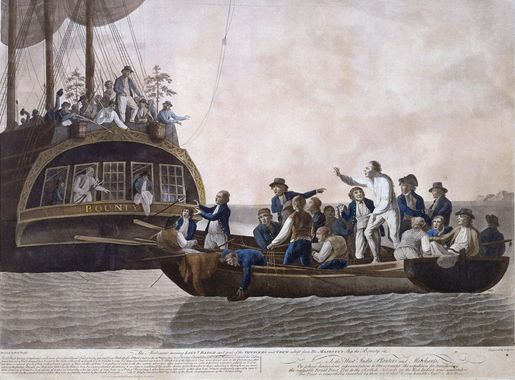
In 1789, led by Fletcher Christian, a group of mutineers seized control of the HMS Bounty from Captain William Bligh. Seeking a remote location to evade the British Navy, Christian and his fellow mutineers eventually settled on Pitcairn Island, arriving in January 1790. Their arrival marked the beginning of permanent human settlement on the island.
-
To avoid detection by the British, the mutineers decided to burn the HMS Bounty. The ship was set ablaze and sank in Bounty Bay, its remains still visible underwater today. This act was a crucial step in ensuring the mutineers' anonymity and survival on the island.
-
After the arrival of the mutineers and their Tahitian companions, a unique community began to develop on Pitcairn Island. Bounty Bay served as the primary landing spot for goods and visitors, playing a central role in the island's early development.
-
Following a period of internal conflict and violence among the mutineers, John Adams emerged as the sole surviving male leader. He played a crucial role in stabilizing the community and promoting Christian principles, which have had a lasting impact on the island's culture.
-
Throughout the 19th century, Bounty Bay was frequented by passing whalers and traders. These visits brought new goods, news from the outside world, and occasional settlers, contributing to the island's evolving culture and economy.
-
During World War II, Pitcairn Island, and by extension Bounty Bay, gained strategic importance due to its location in the Pacific Ocean. Though it was never the site of direct conflict, the island was monitored for potential military use by the Allies.
-
Today, Bounty Bay serves as the main point of entry for visitors to Pitcairn Island. The bay is a hub of activity, with longboats ferrying goods and people to and from passing ships. The remnants of the Bounty, visible in the clear waters, continue to draw history enthusiasts and divers from around the world.
Neighbouring Regions of Bounty Bay
The closest regions to Bounty Bay, if you have time for more than one.



Your all‑in‑one travel companion app
Explore expert travel guides, compare and book tours, experiences, hotels, and more—all from the palm of your hand. Download now for seamless trip planning wherever your wanderlust takes you.


Explore More of Pitcairn Islands

Looking beyond Bounty Bay? Discover Pitcairn Islands for broader travel guides, local hot-spots, and regional highlights.
Explore Pitcairn IslandsBounty Bay in Photos
Browse through our photo collection highlighting the charm and character of the destination.




Bounty Bay: The Tranquil Cove of Pitcairn Islands
Bounty Bay, located on the remote Pitcairn Islands, is a serene and historical destination. This picturesque bay is named after the famous HMS Bounty mutiny, where the mutineers landed in 1790. The bay is surrounded by rugged cliffs and lush greenery, making it a perfect spot for nature lovers and history enthusiasts alike. Visitors to Bounty Bay can enjoy the crystal-clear waters, ideal for swimming, snorkeling, and kayaking. The underwater world here is teeming with vibrant marine life, offering an unforgettable experience for divers. The bay's shores are dotted with volcanic rocks, creating a striking contrast against the azure waters. For those interested in history, Bounty Bay offers a glimpse into the past with its connection to the HMS Bounty. You can explore the remnants of the ship and learn about the mutineers' fascinating story at the nearby Pitcairn Island Museum. The island's small community is welcoming, and you can immerse yourself in the unique culture and traditions of Pitcairn's residents.